Picpoul de Pinet was virtually unheard of in the UK until the mid-2000s. Yapp Brothers claim to be the first importers, having first shipped wines made by Ludovic Gaujal, with whom they still work, in 2004. Switched-on supermarkets eventually cottoned on: a crisp, dry, saline white wine that calls to mind a little southern France ooh-la-la; one region, one wine, one grape (properly spelled Piquepoul Blanc), easy to pronounce, easy to like, easy on the pocket, and, crucially, a wine you could confidently choose from the bottom end of a wine list because it’s so dependably good.
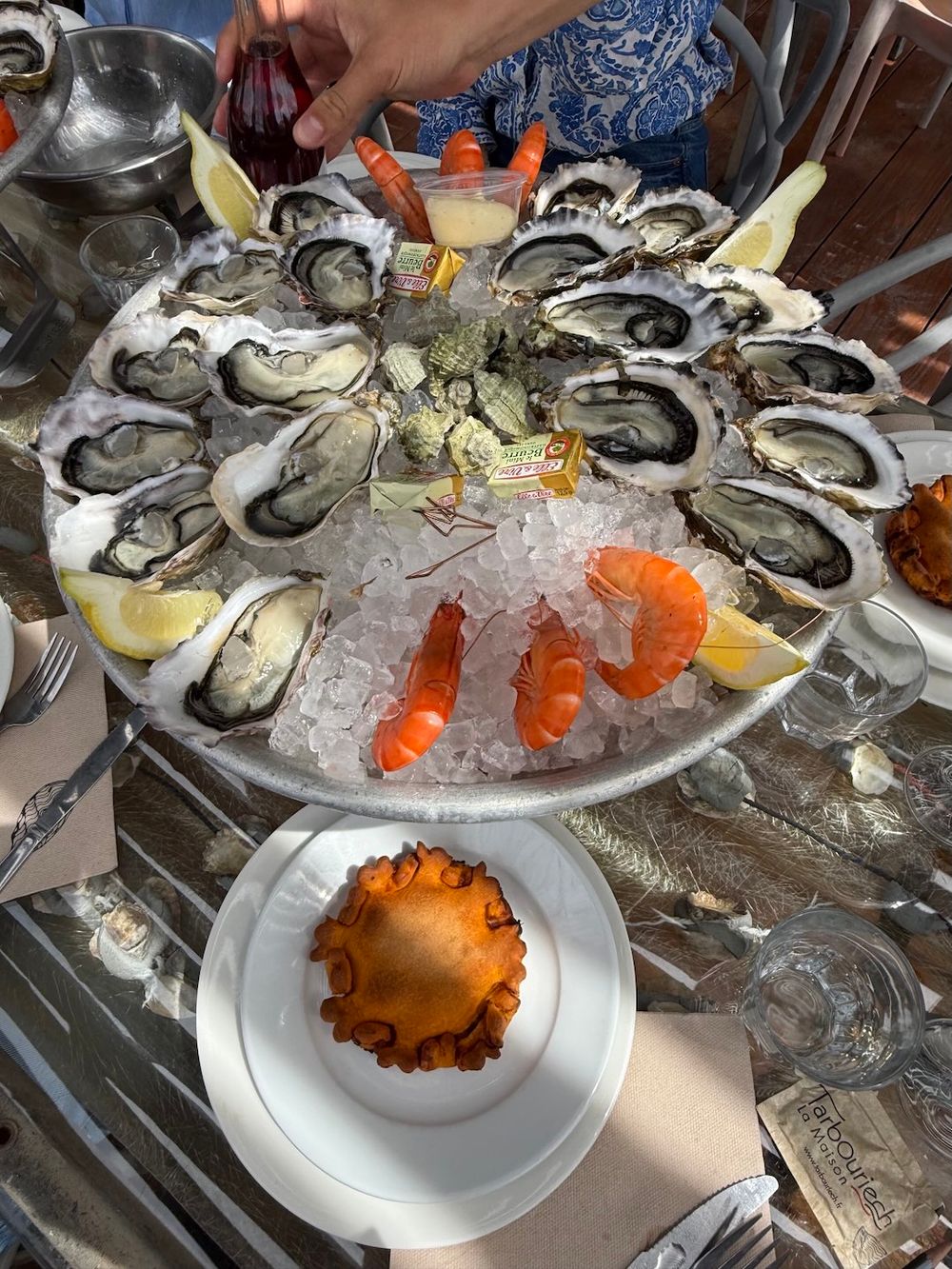
The Bassin de Thau gives a cooling influence to the vines, as well as the oysters with which Picpoul is such a perfect match.
Following a listing by Tesco in its ‘Finest’ range in 2011, sales across the UK went crazy and have continued to grow. The Picpoul de Pinet AOC was inaugurated in 2013, covering 1500 hectares to the north of the Languedoc’s Bassin de Thau that gives a cooling influence to the vines, as well as the oysters with which Picpoul is such a perfect match. Production now stands at around 11 million bottles per year, of which about half is exported, mostly to the UK.
Production is mainly in the hands of four cave co-ops, the oldest and largest of which is Cave de l’Ormarine. In 1993, it joined forces with Maison Jeanjean, a local family winemaker going back six generations, to create the Ormarine brand, vastly ramping up quality, and now responsible for 600 hectares of vines tended by 150 growers.

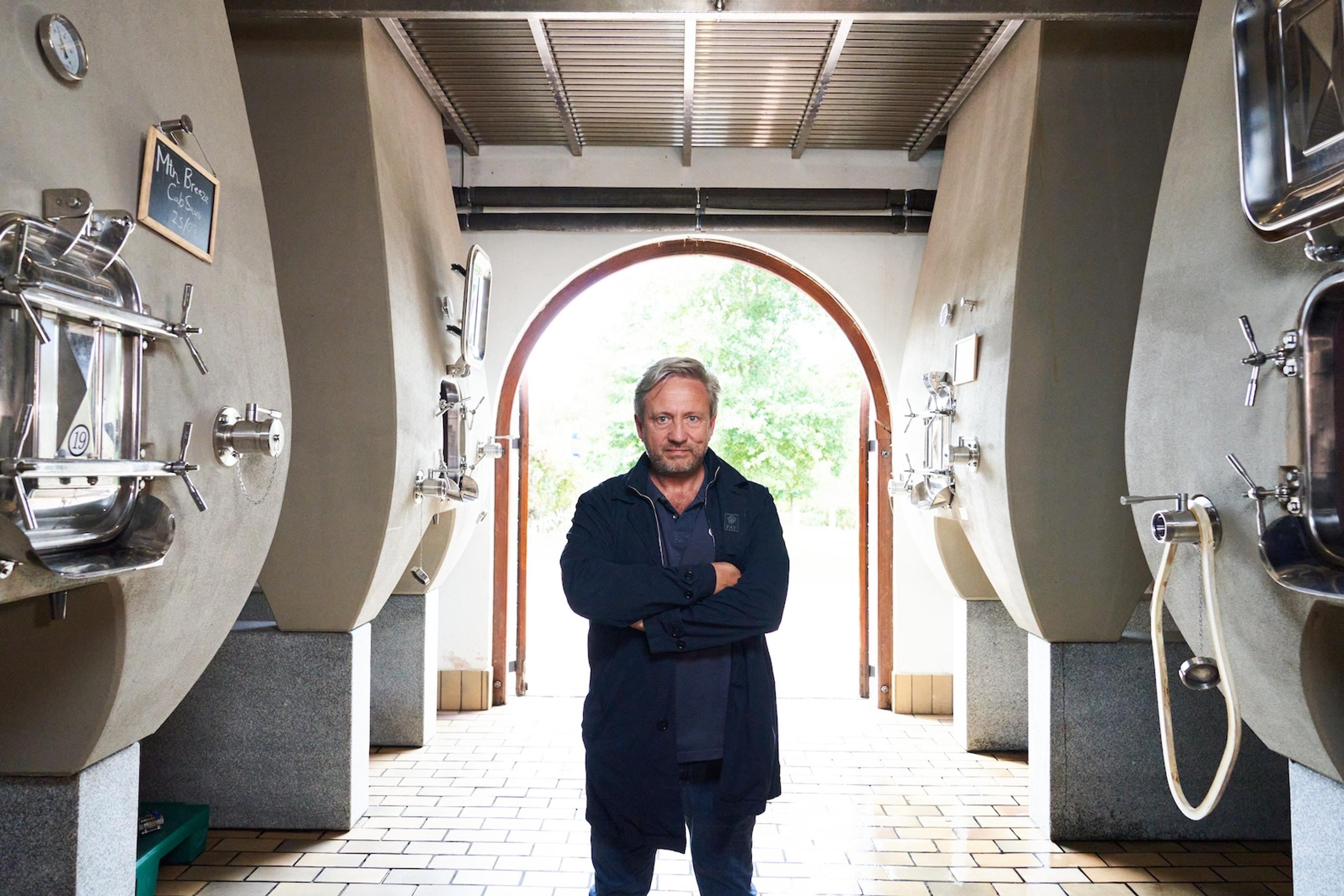
What makes a good wine? A wine that sells – Iain Munson, head winemaker at Maison Jeanjean
Brit Iain Munson, head winemaker at Maison Jeanjean since 2009, wrote his 2016 MW research paper investigating the huge growth of Picpoul de Pinet sales in the UK from 2020 to 2015. In it, Munson reported concern among producers that the bubble would burst when they inevitably had to raise prices to secure a sustainable future, and anyway the fickle public would soon move onto another wine trend. They needn’t have worried; the very opposite has happened.
Ten years later, the prices have risen a little – most now hover around the £10 mark – but sales are still booming. Reliable overall production stats are frustratingly hard to find, but UK retailers are happy to share robust figures. Tesco reports ‘significant’ growth since its 2011 launch, and this year expects an 11% Y-O-Y rise in sales volumes. Waitrose has stocked its Picpoul de Pinet Les Canots since 2017 and has seen steady growth, including a whopping 149% Y-O-Y rise 2023/24 and a further 19% 2024/25, while M&S reports sales of its Chez Michel already up 100% this year on 2025. Over at The Wine Society, buyer Tim Sykes says there has been a rise of 8.6% over the last two years. "As a result, we have increased our alternative formats of Picpoul, adding in a half-bottle and bag-in-box,” he tells me.
What is the key to this enduring success?
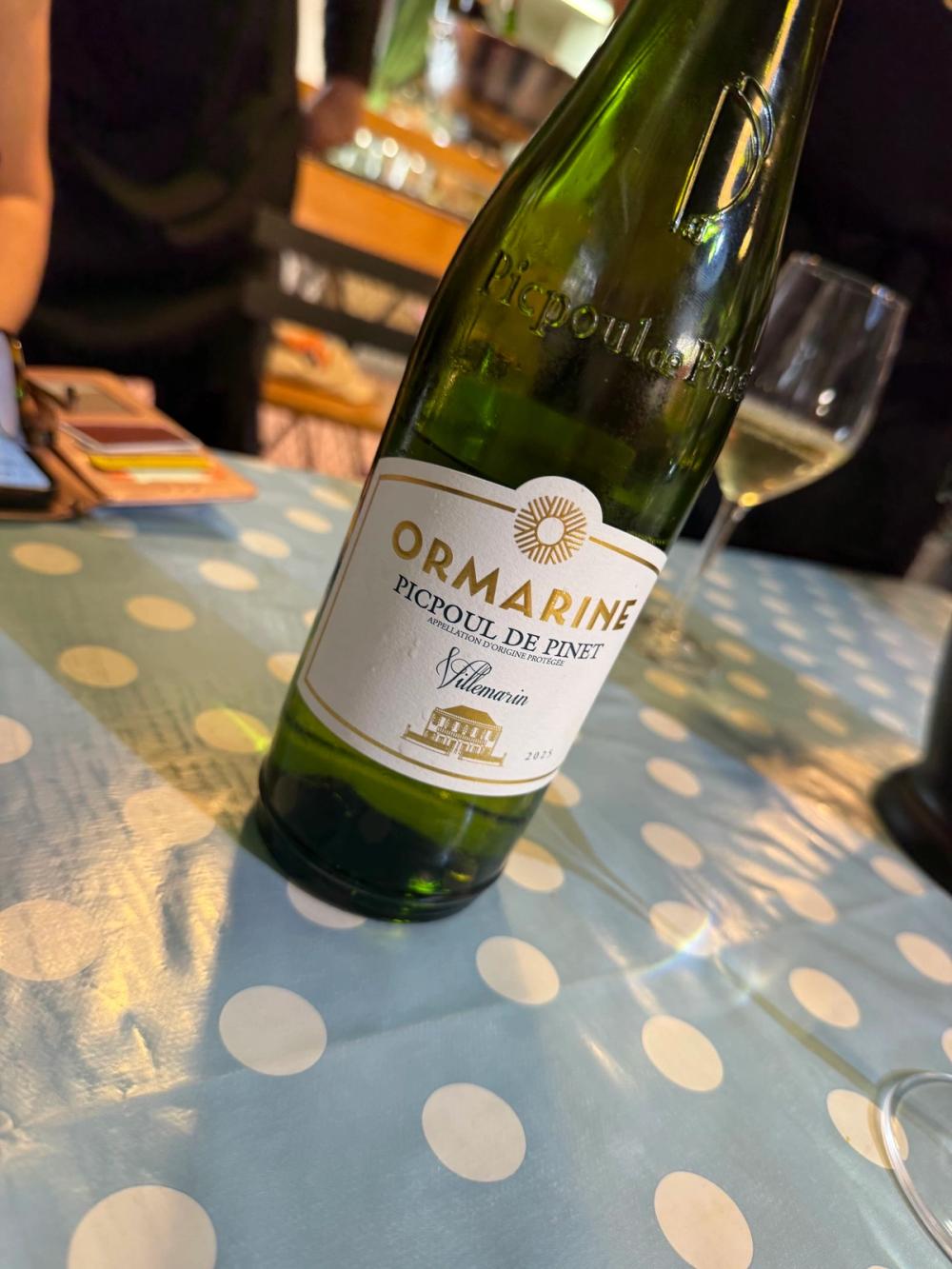
The distinctive Neptune bottle has been made lighter this year - part of a raft of changes by the wine board
Most consumers will not notice the name of the producer – the ’Picpoul de Pinet’ brand is its strength, with its distinctive green ‘Neptune’ embossed bottle used by all producers since 1996. The bottle was relaunched this year at a lower weight, dropping from 540g to 420g, part of AOC regulations updated last year which aim to increase production efficiency and support meaningful sustainability initiatives.
These initiatives include increasing standard permitted yields from 56 hl/ha to 66, although many growers have seen yields dropping over recent years, mainly due to drought – Ormarine averaged 49 hl/ha in 2025. The new regulations have also increased the water volume of irrigation permitted in dry years from 7500 kg/ha to 8500 kg/ha. “With climate change, scarcity of water is a bigger problem than high temperatures for us,” says Munson.
Growth should be secured by the addition of a further 300 hectares to the AOC over the next couple of years, some with existing vineyards, although 150 will be lost to infrastructure projects and the new TGV Montpellier to Perpignan train line in 2028.
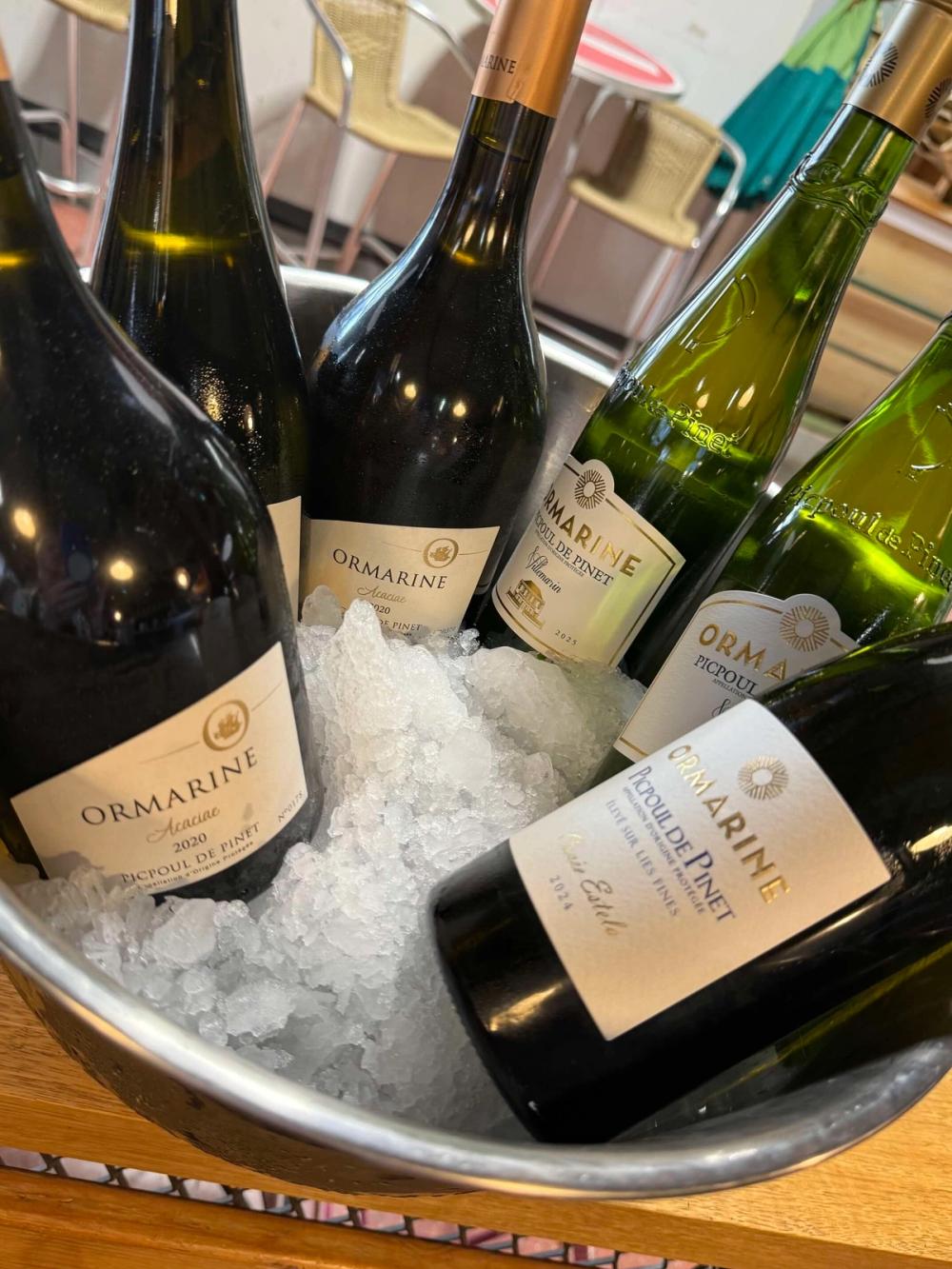
Ormarine has been experimenting with a variety of different styles
“Here we’re not really driven by trends; we just do what we do,” Murson says. However, Picpoul’s ‘value for money’ reputation has become something of a burden so there have been some attempts at premiumisation. In 2020, Ormarine made a cuvée partly aged in acacia (which I really enjoyed during a press trip last June, and thought it had aged very well), but this was the only vintage made.
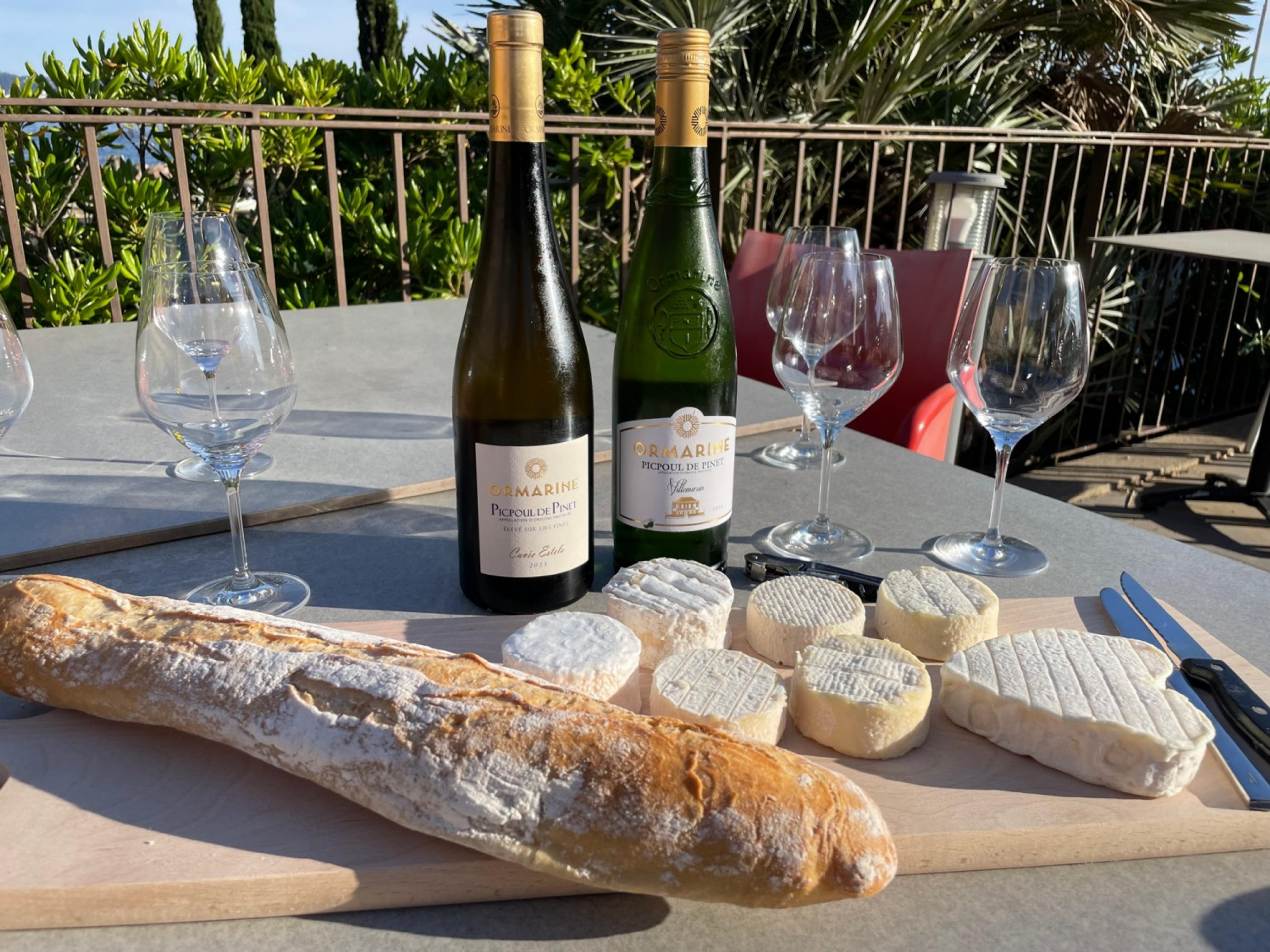
Since 2018, the appellation has been experimenting with a new style called ‘Patience’, made from older, low-yielding vines and with extended lees ageing, producing impressively complex, gastronomic wines. We tasted some excellent bottlings on the trip but, while Majestic sells Ormarine’s Cuvée Estela, with around six months on the lees, at Majestic for a very reasonable £15.50 (as well as its standard Villemarin Picpoul), few other Patience style wines make their way to the UK. This is a shame, for these top cuvées make very good drinking.
“I can understand the rationale behind having a higher tier, but for us Picpoul is about simplicity – a chilled bottle in an ice bucket with a seafood platter, preferably with one's feet in the Bassin de Thau,” says Tom Ashworth, CEO of Yapp which sells 10,000 bottles a year, its full allocation. “It’s quite a bit more challenging to sell white Languedoc wines around £20 RRP in the UK, which is where most would sit.”
There is also worry about the global decrease in wine consumption overall.
“We don’t act as a pure negociant in any of our operations; we always have control over vineyards as well so we’re really anchored in the regions and understand the problems they face,” Munson explains. “Our role is a link between markets and suppliers. These are tough times, so we need to pull together. Across the Languedoc, in fact, across the whole of France, cave co-ops are closing or merging; consolidation is often the answer when times are hard. Our biggest challenge is selling good wine at a decent price so we make enough money to survive.”
What makes a good wine, I ask him. “One that sells,” he says bluntly.