
Rosé and a sunny day may still be the perfect pairing, making the category a highly seasonal product in the UK. Yet at some of Provence’s leading estates, that is increasingly an outdated description.
During a recent visit to Provence, the conversation was less about rosé competing within its own category and more about its place alongside France’s established fine-wine regions.
Of course, the aim is not to turn every rosé bottle into a fine wine. It is to learn from what has made Champagne, Bordeaux and Burgundy successful, giving rosé more reasons to appear on wine lists and shelves beyond summer.
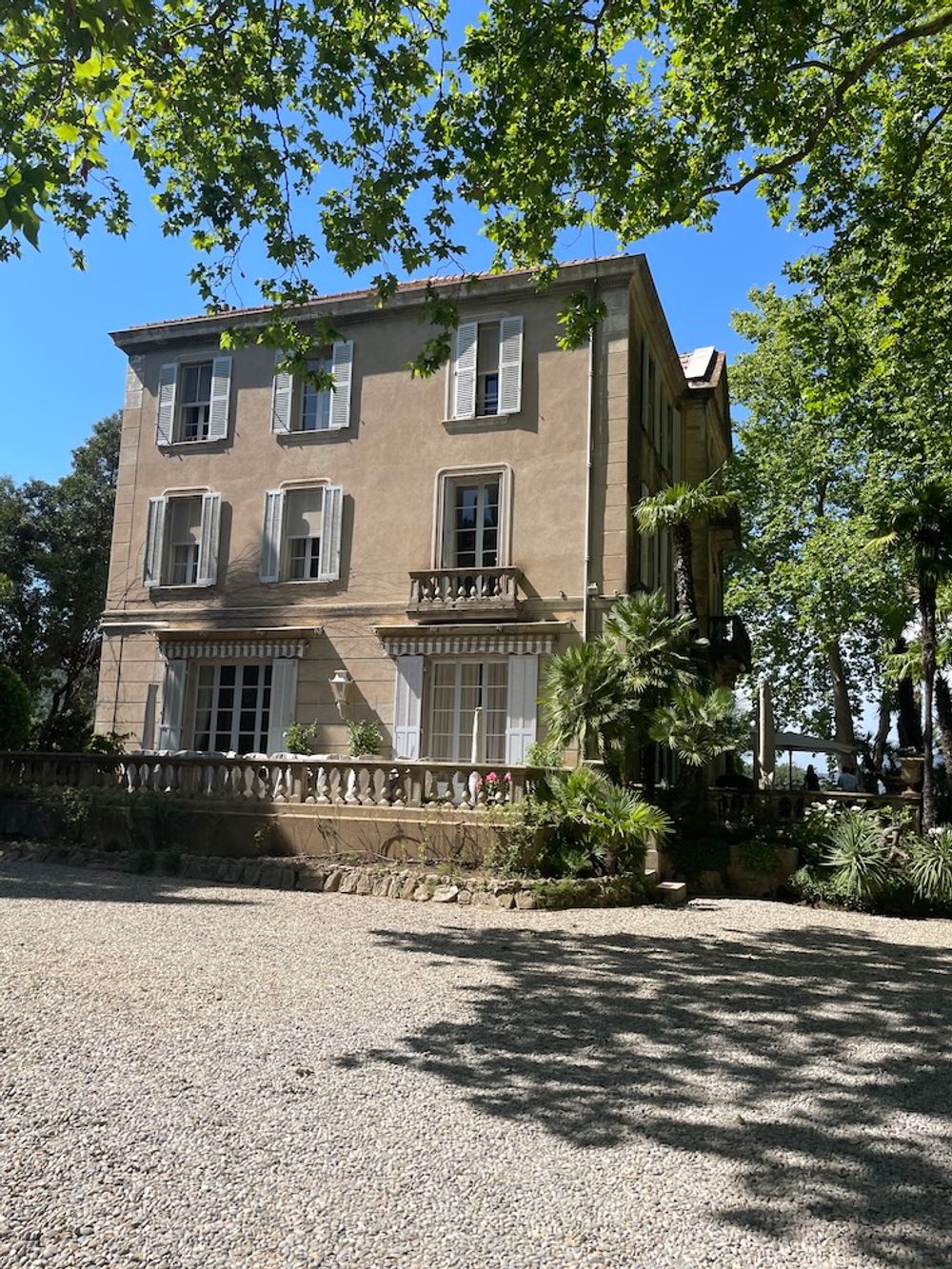
Château Minuty - similarities to Champagne
Lessons learned from Champagne
At Château Minuty, managing director Frank Floc’hlay draws his examples from Champagne.
“We have a lot in common with Champagne,” he says. “For example, we also buy from individual growers and do the blending. Just like Champagne Houses, we are after a recognisable and consistent house style over time. Consumers buy these wines because they know our brand and because it evokes a certain lifestyle.”
That model is reflected in Minuty’s scale. The estate produces around eight million bottles a year, with only around 10% coming from its own vineyards. The broader grower network gives the house the flexibility to blend across sites while preserving its signature style.
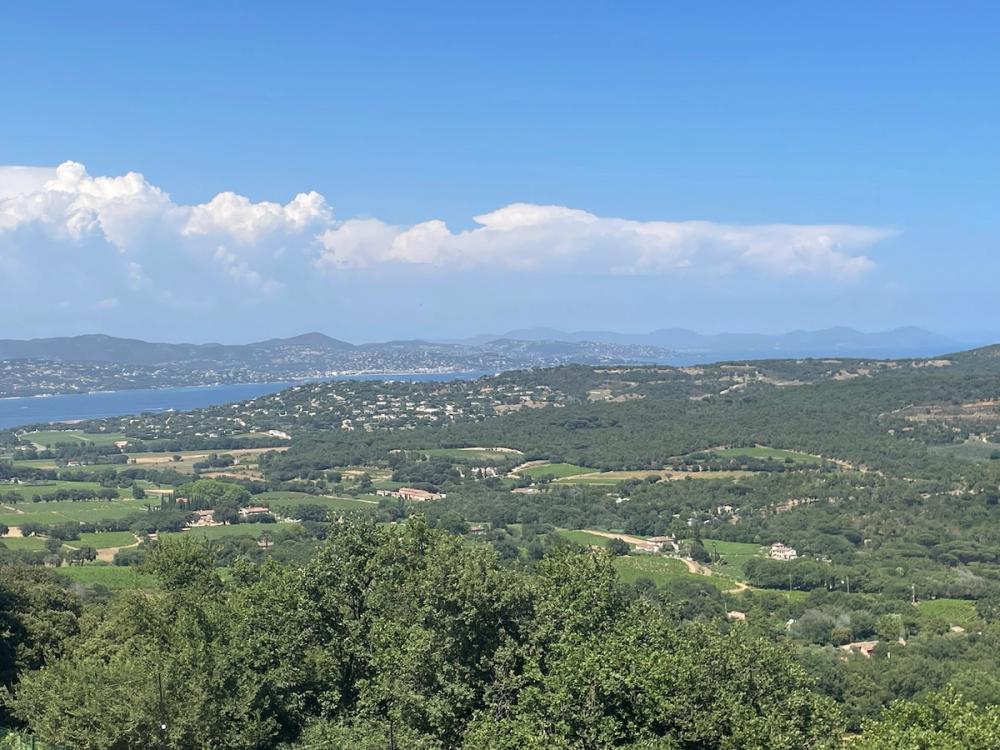
Château Minuty's vineyards sit within the protected landscape of the Saint-Tropez peninsula.
Minuty’s luxury proposition also comes from place. The vineyards sit within the protected landscape of the Saint-Tropez peninsula, where vines and surrounding vegetation have been preserved from development.
Floc’hlay describes the resulting style as a “carefree spirit,” relaxed but elegant, rooted in the Mediterranean way of eating and living. The wine sells not only a flavour profile, but an association with Saint-Tropez, gastronomy and joie de vivre.
If Minuty draws on Champagne’s model of blending and brand consistency, Château d’Esclans takes its cue from Bordeaux, applying its principles of precision and technical control.
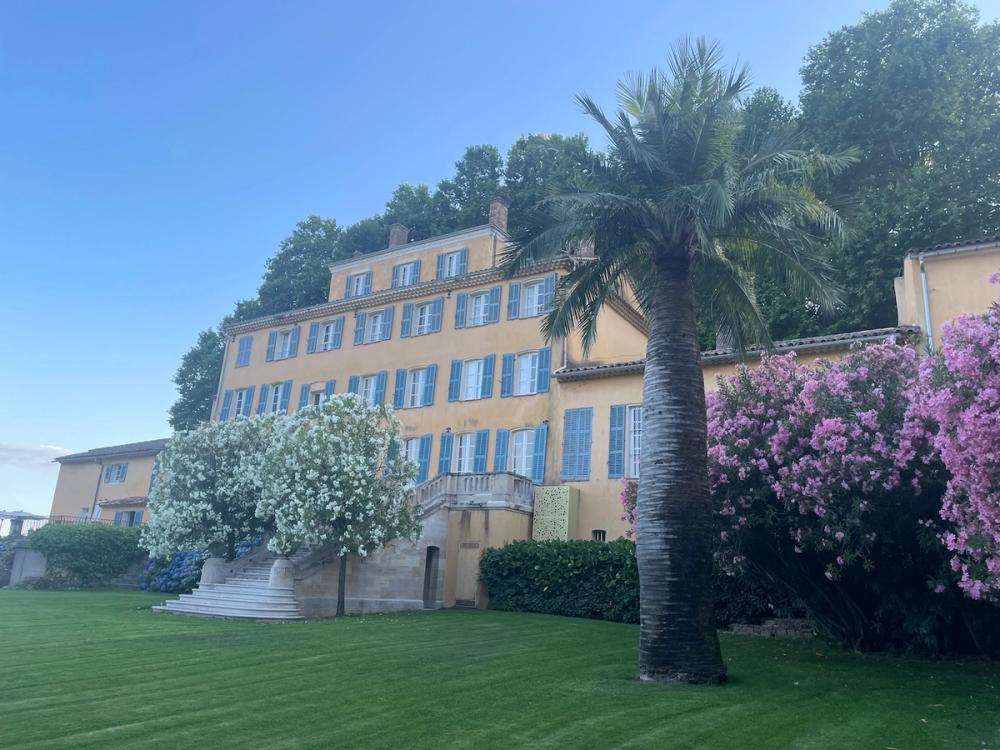
Château d'Esclans' iconic estate
Bordeaux's production philosophy
2026 marks two decades since Sacha Lichine bought Château d’Esclans and built Whispering Angel into the UK’s best-selling premium rosé. His retirement earlier this year marks the end of an era, with the 20th-anniversary edition of Whispering Angel the final vintage he personally assembled and blended.
According to Esclans’ marketing manager Adina Gheonea, Lichine also understood early on the importance of colour for rosé. In cities such as London, consumers were already drawn to the pale pink associated with Champagne, helping shape Whispering Angel’s visual identity.
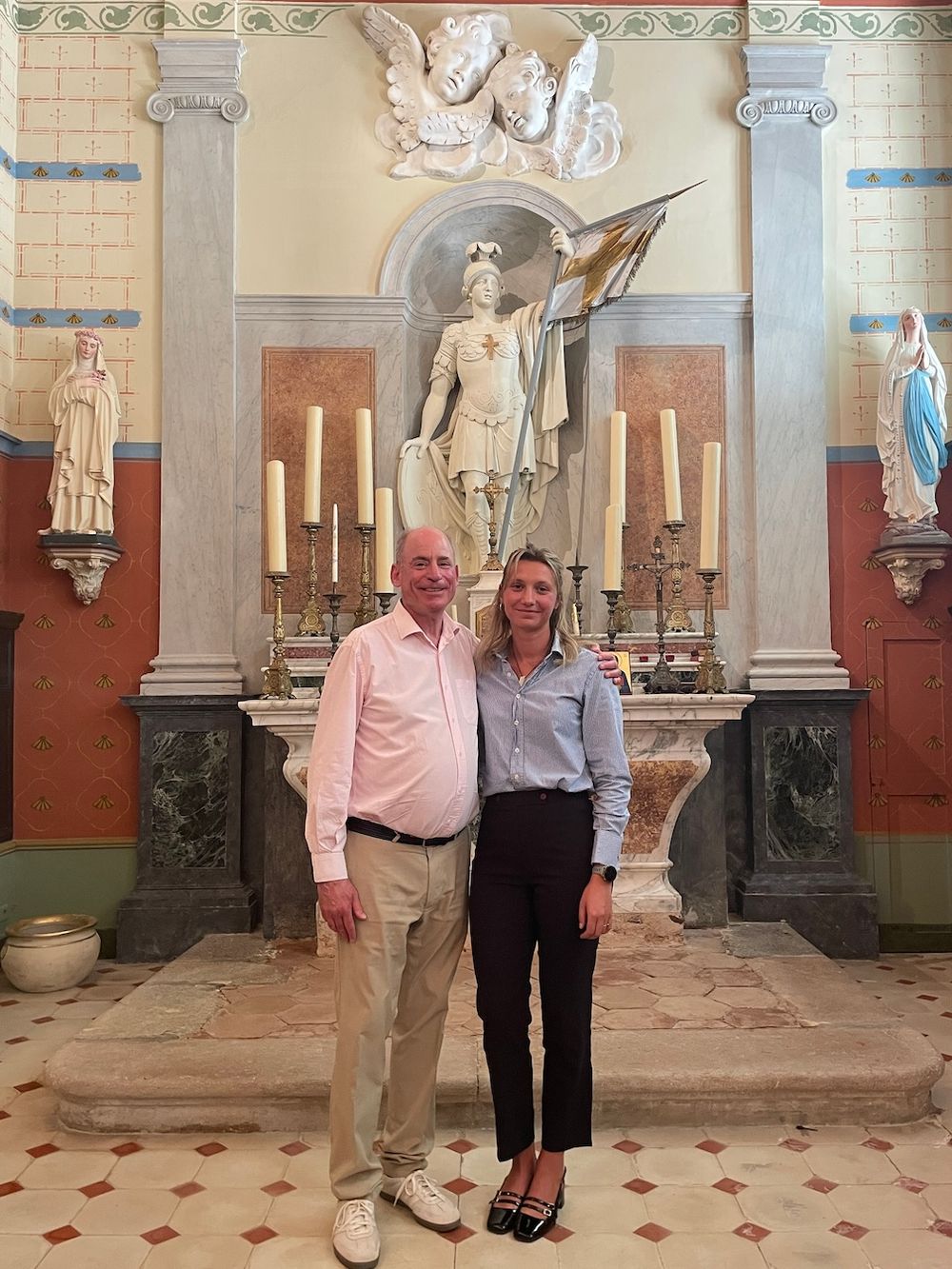
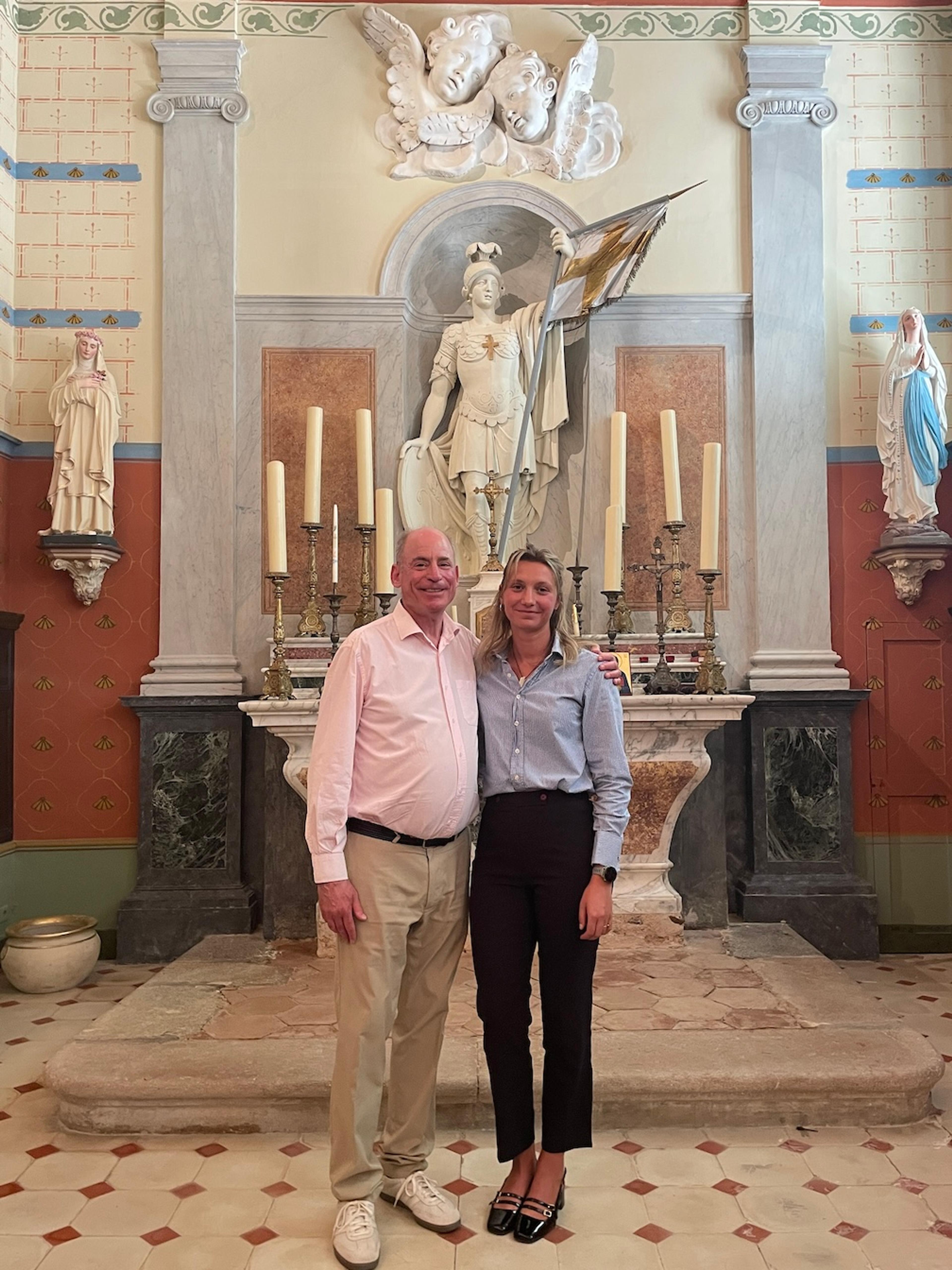
Château d’Esclans’ winemaker Joéva Walczak (r) and Thomas Shreckinger, hospitality & comms manager
But while Champagne influenced the wine’s visual and commercial appeal, Lichine looked to Bordeaux for its production philosophy.
Lichine brought in the late Patrick Léon, former technical director of Château Mouton Rothschild, to bring “Bordeaux precision” to rosé winemaking, while current winemaker Joéva Walczak arrived from Château Latour.
For Walczak, the connection between Latour and Esclans is “the search for excellence.” Both estates, she says, produce “sharp” wines in their respective categories, combining “tradition and history with new technologies to achieve that precision.”
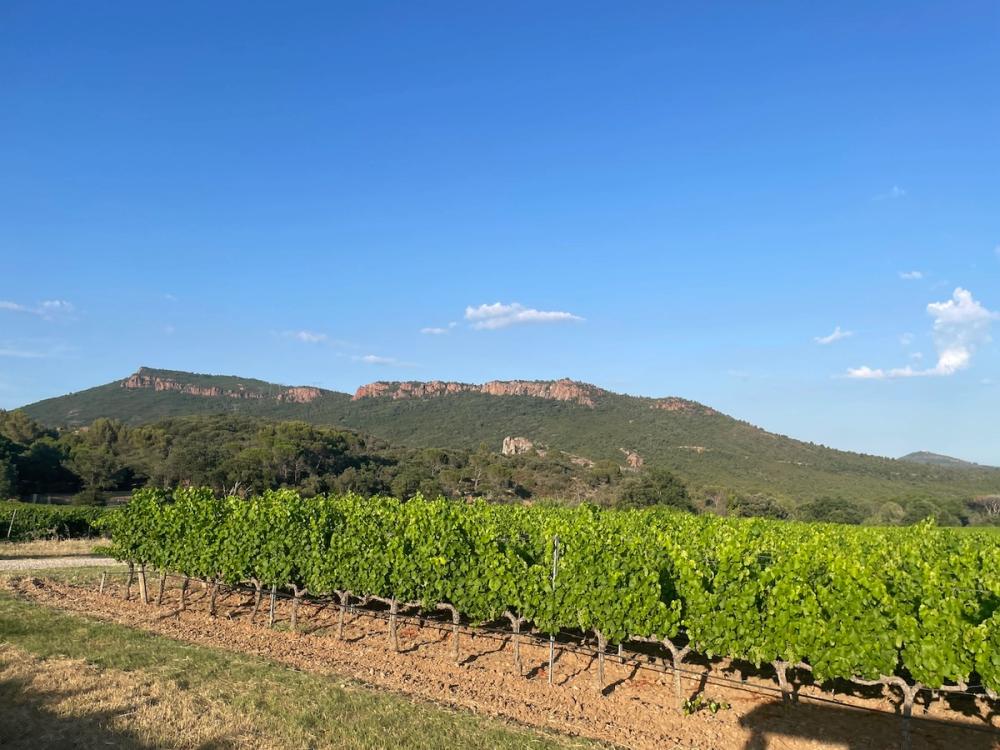
A view of Château d'Esclans' vineyard.
That precision starts in the vineyard, where Walczak points to harvesting at perfect maturity and strict control over oxidation and temperature as the priorities. “More than 50% of the quality depends on the grapes we receive in the cellar,” she stresses.
In Walczak’s view, rosé may be one of the most complicated wines to make, requiring tight control of extraction, oxidation and temperature.
At Esclans, Bordeaux provides a technical blueprint, with precision required from the moment the grapes arrive.
Individual berries are optically sorted, while the three press fractions are separated and treated individually rather than blended as one batch: the first for clarity and aromatics, later fractions for structure and colour. The prestige cuvées go further, fermenting in temperature-controlled barrels fitted with internal cooling coils to preserve delicate aromatics.
This technical approach also underpins Esclans’ argument that its top wines can move beyond the traditional “drink young” model of rosé. Prestige cuvées such as Garrus and Les Clans are positioned as wines capable of developing over a decade, with complexity and texture more commonly associated with fine white Burgundy.
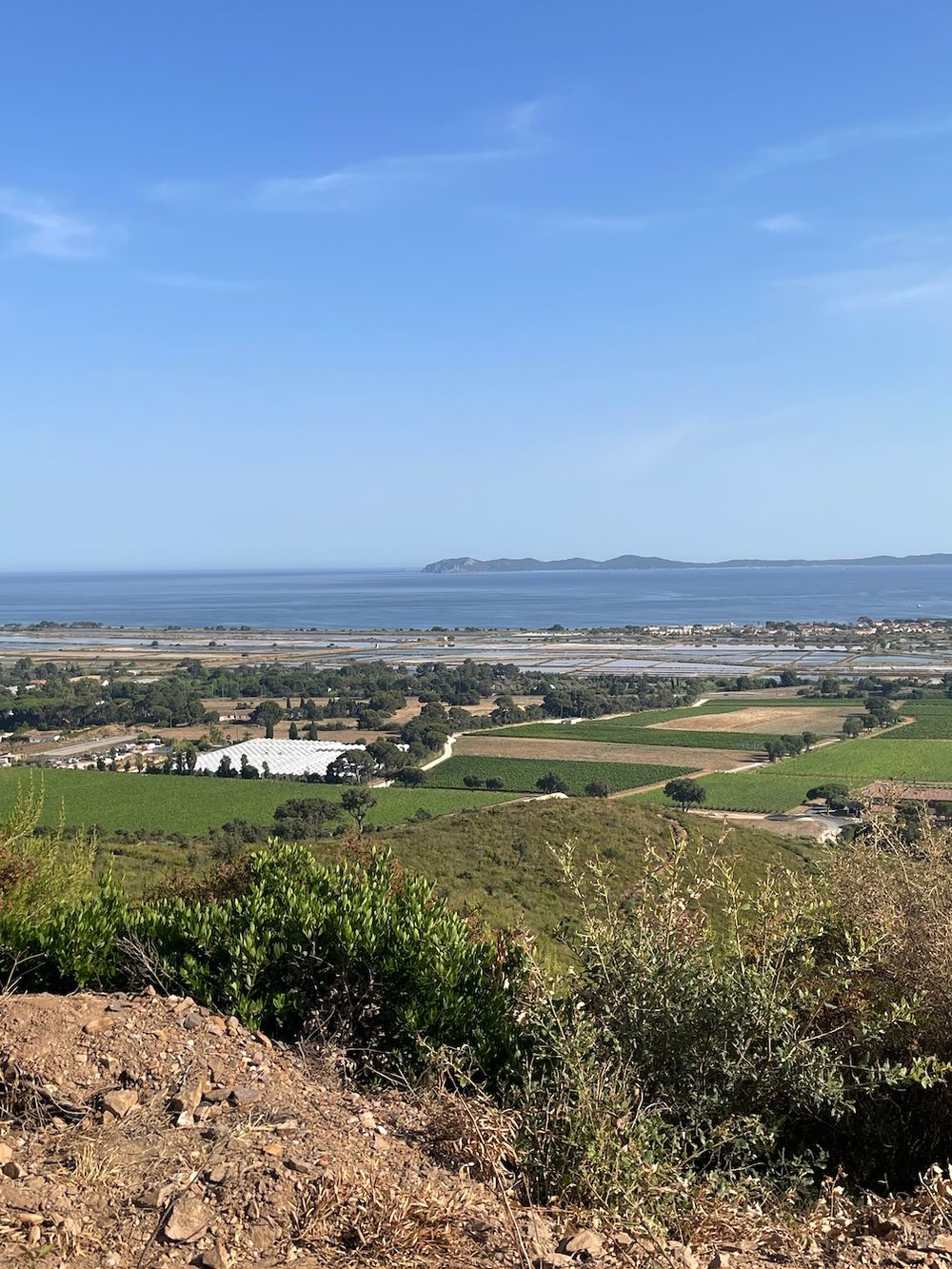
A view of Château Galoupet's regenerative certified vineyard.
The influence of Burgundy
At Château Galoupet, that Burgundy influence extends to the way the wine is made and understood. The estate makes extensive use of barrel ageing and lees work to build depth and weight.
As estate director Mathieu Meyer explains, some of that texture comes from a technique called “filtrat”, developed from the 2020 vintage as part of Galoupet’s effort to define the Cru Classé as a structured, gastronomic rosé with ageing potential.
Rather than discarding the cold-settled lees left from pressing, Galoupet macerates them at 3°C for two weeks before filtering them into a dense, oily concentrate. The concentrate is then fermented separately in barrel and blended back into the wine in small amounts, adding texture and structure alongside a burst of aromatic thiols.
The same philosophy extends into the vineyard too, where the estate farms regeneratively and takes a distinctly parcel-by-parcel approach. Its 41 plots, spread across different soils and slopes, are treated as a “mosaic” of distinct personalities.
“At Galoupet every plot will be cultivated, harvested, pressed and vinified separately,” says Meyer, describing an “obsession with keeping the particularities of each plot,” with harvest decisions made by tasting rather than sugar level alone.
That precision reflects a Burgundy-style emphasis on terroir expression: rather than treating the grapes as a single raw material, Galoupet seeks to preserve the differences between individual sites all the way into the final blend.
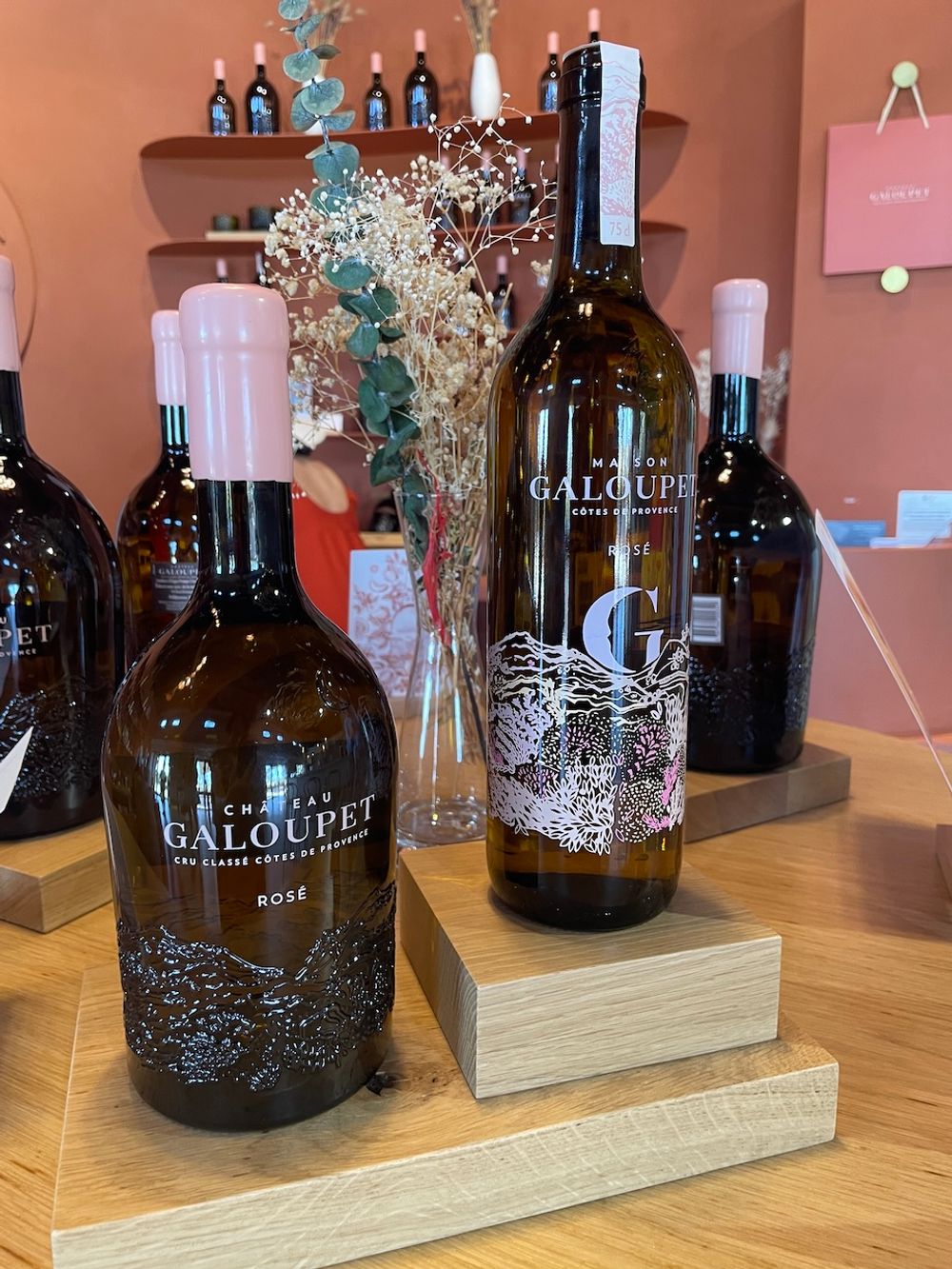
Even the bottle reflects the shift in priorities. The ultra-lightweight glass used for G de Galoupet weighs only 300 grams, while its amber shade protects the wine from light damage, at the cost of the clear-glass “pink” visibility on which rosé has traditionally relied.
Galoupet’s top cuvées are built with ageing in mind. “We want rosé to be very structured because we want gastronomic rosé. To achieve that, you need enough concentration and intensity of flavour, but also ageing potential,” says Meyer.
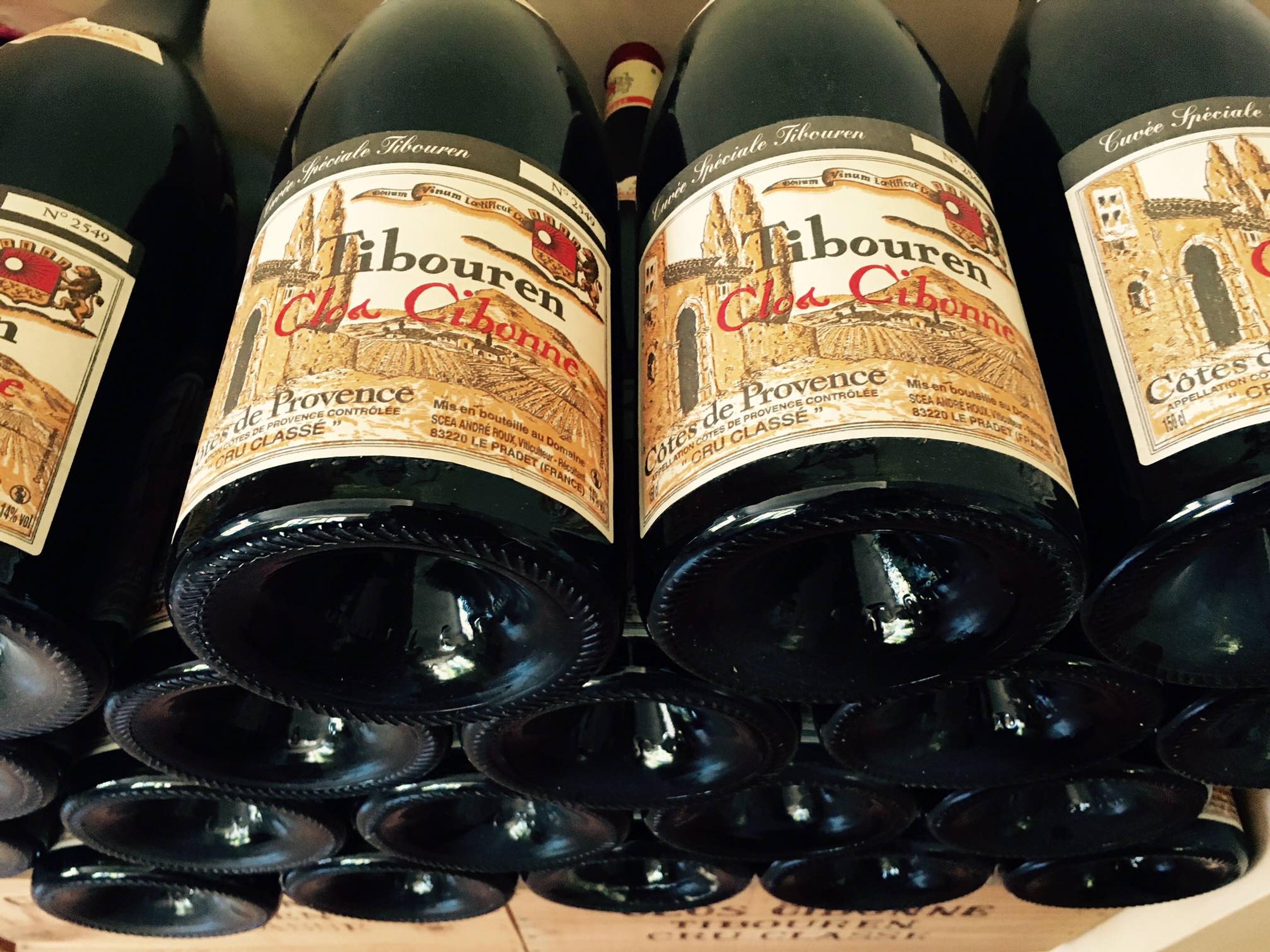
This is why he sees Tibouren, one of Provence’s indigenous varieties, as especially important to Galoupet’s long-term ambition: “Tibouren is the right variety because it’s quite intense, very complex... and it’s a grape which has a very good ageing potential.” For Galoupet, it is part of the answer to building a rosé with enough structure to evolve beyond its first summer.
The next challenge is translating that philosophy into a commercial proposition. The strategy is to build a ladder from an approachable entry point to a more specialist cuvée. The aim, says Moët Hennessy UK brand manager Lily Kittisrikangwan, is to encourage consumers to “climb the ladder” and discover rosé as a “gastronomic” wine.
That positioning is reflected in distribution. Cru Classé is restricted to specialist fine-wine retailers and a handful of premium accounts where staff can explain its complexity. By contrast, G de Galoupet has a broader footprint, with its sustainability credentials helping open doors with mainstream retailers.
Galoupet is not operating in isolation, though. Within Moët Hennessy’s rosé portfolio, the UK team is constantly managing the space between Minuty, Whispering Angel and Galoupet. The challenge is to build availability without compromising on-trade desirability. Some restaurants reject Whispering Angel as “too mass,” says Kittisrikangwan, creating an opening for the more premium wines.
It is a familiar tension for Champagne Houses too, where control over distribution and discounting is central to protecting the brand’s premium positioning.
That may ultimately be the more important lesson from Provence’s fine-wine ambitions. The category does not need to abandon its association with summer. But as producers build wines around house style, technical precision, terroir, gastronomy and ageing, the UK trade has more ways to differentiate them.
Therefore, the opportunity is not simply to put a more expensive rosé on the list, but to give each wine a reason to be there, and increasingly, a reason to drink it beyond summer.
Leona’s standout age-worthy and gastronomic wines from the trip
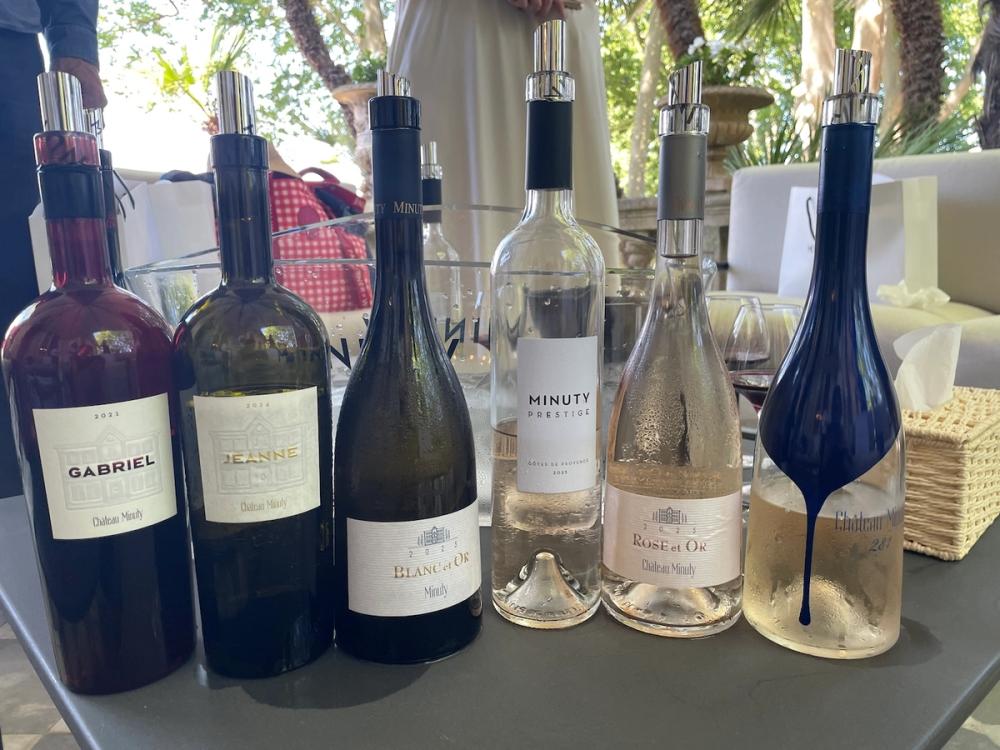
Château Minuty 281
Ample and layered, with white stone fruit and pronounced salinity. Made predominantly from Grenache, the maritime influence is particularly evident in its freshness and saline finish.
Château Minuty Jean (white wine)
A wonderful white wine made from 100% Rolle, combining vanilla and spice with savoury depth. Aged partly in 400-litre oak barrels and partly in terracotta, it is a very food-friendly wine.
Château Minuty Gabriel (red wine)
A small-production of 100% Syrah, aged for 18 months in oak before further bottle ageing. A richer expression of Provence, showing the estate’s ambitions beyond rosé.
Château Galoupet Cru Classé 2025
Full-textured and expressive, with ripe summer fruit, spice and a silky, saline finish. This latest vintage showed notably generous texture and aromatic richness.
Château Galoupet Cru Classé 2023
Very concentrated and structured, reflecting a dry vintage. Surprisingly aromatic, with ripe, nutty fruit, spice and a long phenolic finish.
Château Galoupet Cru Classé 2021
Still lively and evolving, with salty lemon peel, citrus and a savoury finish. The “rebirth” vintage following the estate’s acquisition and restructuring, with further tertiary development expected.
Château d’Esclans Garrus 2024
Powerful and concentrated, with a creamy, spicy texture. Made from 100-year-old Grenache, it combines remarkable richness with impressive structure on the palate.