
Mention the Algarve and wine and it won’t take long for Cliff Richard’s name to come up. Famously he owned a winery in the Portuguese tourist hotspot, but outside of this little nugget of trivia, The Algarve as a wine-producing region is very much under the radar.
In fact, this month’s Wines of Algarve Masterclass in London hosted by Sarah Ahmed was the first ever UK masterclass of wines from the region. “Why has it taken so long to have the first Algarve masterclass in the UK,” ponders Ahmed as she kicks off the 11-wine masterclass at Soho’s Groucho Club.
“In a word, tourism,” she adds. “Tourism is the mainstay of the region, and accounts for why so little Algarvian wine makes it out of the Algarve, let alone Portugal, let alone into the UK.”
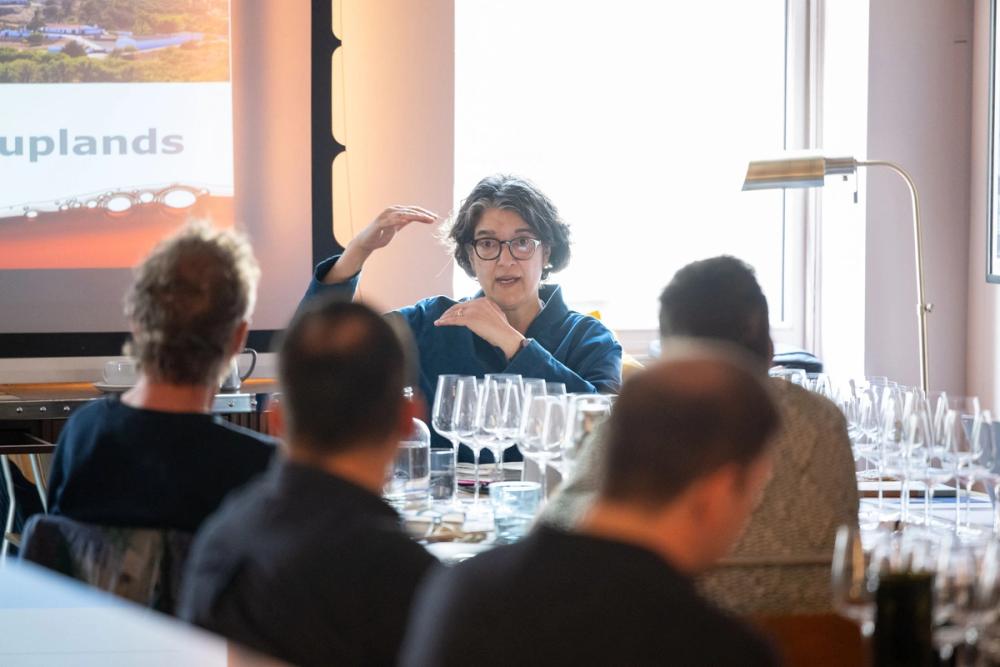
"The future really is in boutique production.” Sarah Ahmed, Algarve wines masterclass, London, April 20, 2026
Take a look at the numbers. Algarve accounts for a third of Portugal's tourism revenue with 70% of wine production staying in the Algarve to satisfy this market. A further 18% of production stays in Portugal as a whole. This explains why you don’t see much Algarve wine on the list at your favourite restaurant or wine merchant.
“I always remember talking to producers in the Hunter Valley in Australia, because you don't see a lot of Hunter Valley wine in the UK, and the answer is, you've got Sydney on the doorstep,” says Ahmed. The same thing’s happening in the Algarve.
So, like Cliff, if you really want to taste what the region has to offer, you’d better go on a summer holiday. That being said, the wines are now finding their way out of Portugal with a handful of UK importers, including Tanners and Raymond Reynolds, already on board.
The fact that wine production in the region has almost tripled over the past 10 years, with the number of producers doubling since 2017, means that there is a lot more wine to go round, offering opportunities for importers in the UK and the region’s other key export markets.
“All the producers whose wines I'm showing today, released their first wines in the 21st century,” says Ahmed. “So they all represent that new generation. There used to be one co-operative for each of the DO regions, but there's now only one left, and they've got very few members, so the future really is in boutique production.”
On the ground
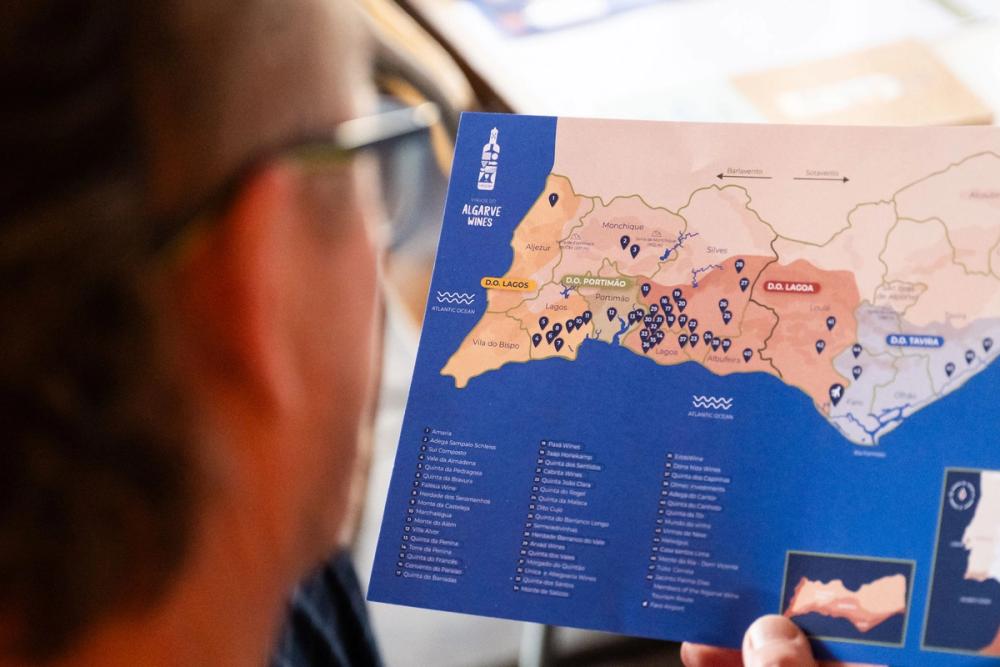
Due to the climate, you’ll find many grape varieties in the Algarve that are unique to the area.
The Algarve is carved up into four DO areas: Lagos, Portimão, Lagoa and Tavira, but the DOs do not carry a great deal of weight with the producers and consumers, the small, individual regions or grape varieties are more likely to be championed.
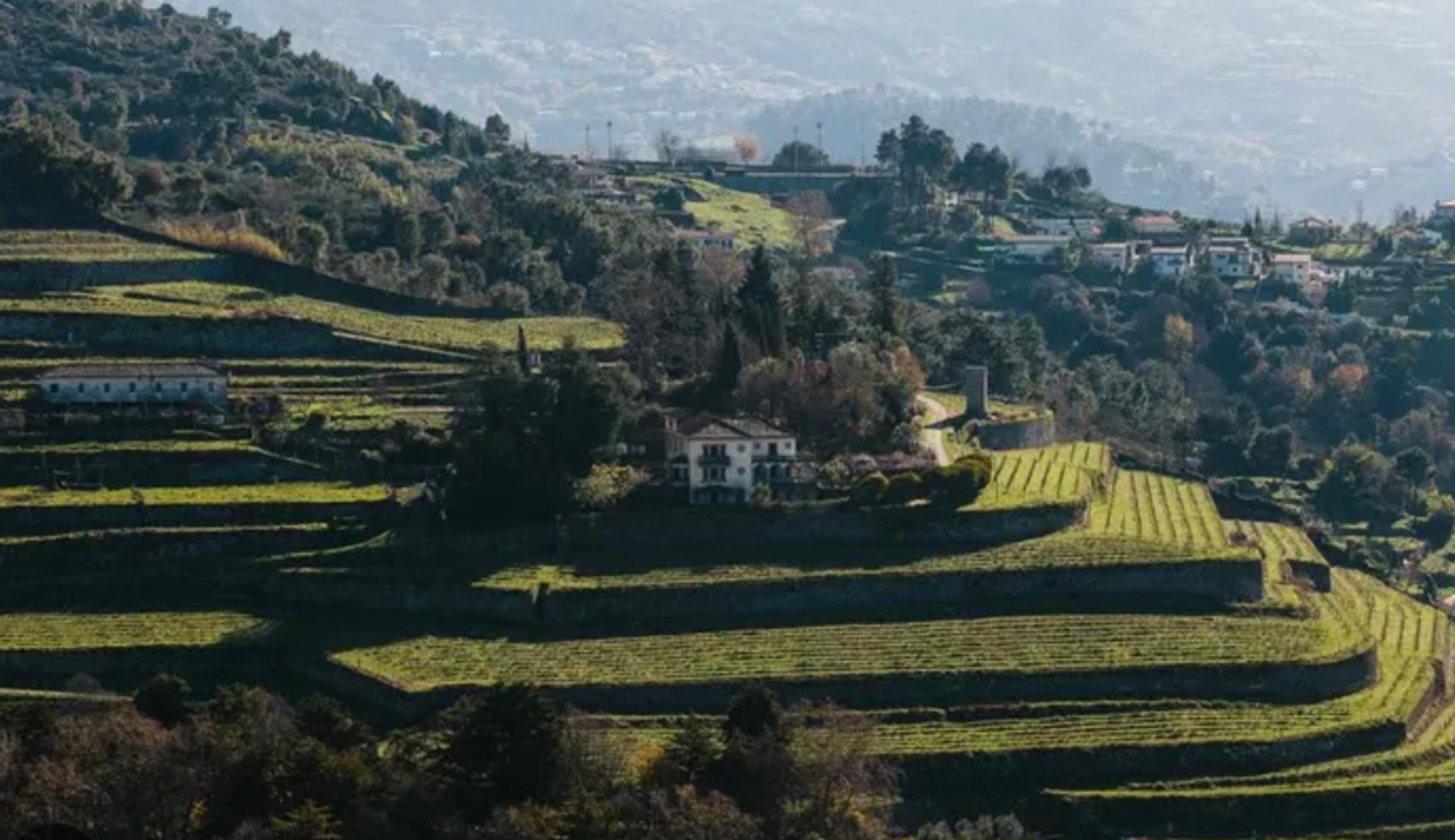
In total there’s 1,400 hectares of vineyard area, of which 800 hectares corresponds to certified wine. There are many small producers here, which is essentially a product of the landscape where rolling terrain and plenty of land development mean that it’s not a place for big wine estates. “Wineries and vineyards are going to be small by definition and that’s part of the individuality of the region,” says Ahmed.
If the terrain informs the size of operation, then the geography and climate plays its part in informing what's grown where. The Algarve has Portugal's longest coastline and unusually for Portugal it's bound to the west and the south by the Atlantic Ocean, which offers much needed cooling in this warm and dry region.
Vineyards further east in the Loulé region are also directly influenced by the Mediterranean Sea, which brings greater ripeness and vineyards here benefit less from the cooling influence of the Atlantic. The Algarve enjoys over 3,000 sunshine hours a year, which explains its appeal among tourists, but also why the grape harvest has one of the earliest harvest starts in Europe, with picking commencing in July.
Due to this unique climate, you’ll find many grape varieties in the Algarve that are unfamiliar and/or unique to the area. For every Alvarinho, Syrah and Touriga Nacional, you’ll come across Arinto, Crato Blanco and Negra Mole.
This latter grape features heavily in Sarah Ahmed’s masterclass, which she is unapologetic about as she sees it as a flagship grape of the Algarve and a variety that can cut through. “You will only find Negra Mole in the Algarve,” she says. “It’s got nothing to do with Madeira’s Tinta Negra which until about 2012 used to be called Negra Mole, but they are completely different grape varieties. It's a hugely versatile grape, and I think a real jewel in the crown, in a world where we see a lot of familiar grape varieties, it's always great to have that varietal USP.”
Negra Mole makes light, delicate but punchy red wines and is also used in rosé and sparkling production. It’s widely planted across the region and until the mid-1980s accounted for 75% of all Algarve wines. It’s now joined by other local and Portuguese grapes - and international varieties - in the region’s patchwork of plantings.
Tasting the wines, it was the native varieties which held the most interest, with three of the wines in the 11-wine flight coming from Negra Mole, all made in wildly different styles. Across the board, and unsurprising given the climate, the acidity can be quite high in Algarve wines, some whites pushing a pH of 3.5, which makes it harder for the winemaker to achieve balance and freshness. This is compensated in part by adding texture and secondary characters through longer ageing, and then ageing whites in old barrels and amphora.
Looking Ahead
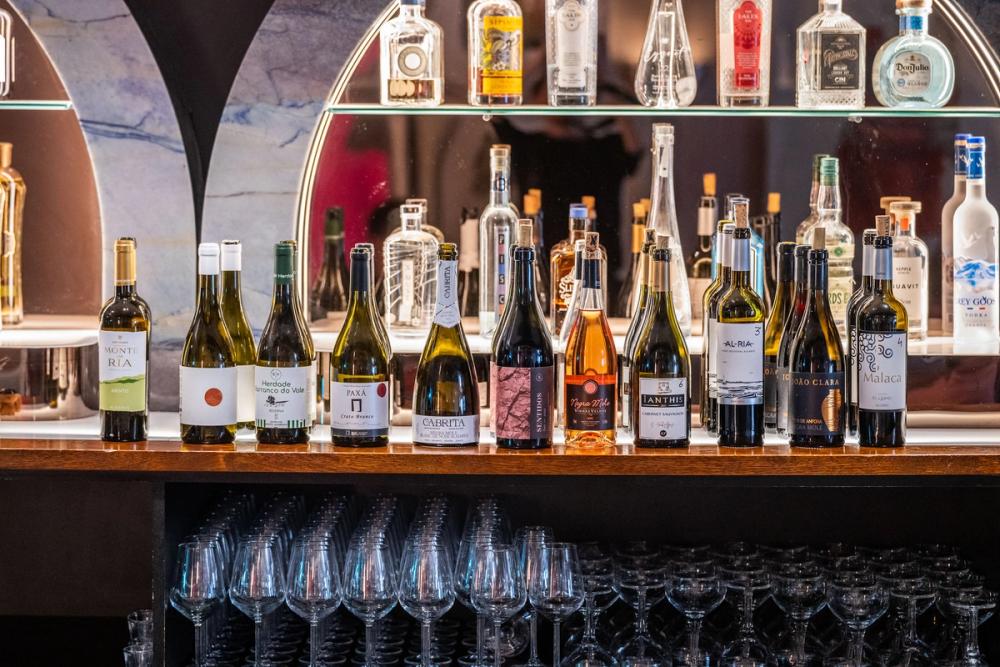
The 11 Algarve wines tasted at Sarah Ahmed's masterclass
Following the tasting (highlights below) and summing up what we’d learnt during the masterclass Ahmed offers real optimism for the region and its wines, explaining just how far they have come in recent years.
“I have visited the Algarve three times in the last four years, and what surprised me was the dramatic increase of quality-focused producers, the exciting range of wine styles, all very individual, and different, and the balance of the wines. What's more, with every visit, I've noticed a confidence and a flair that is translating into minds of character and brio,” she says.
“I expect production to focus on quality and premium wines, niche and not volume. It’s going to be about this great mix of boutique producers, and in Negra Mole you’ve got this variety that’s so attuned to the current interest in lighter red wine styles and also rosés.”
The Algarve as a region and holiday destination already has a really strong profile among customers in the UK, now it’s time to start pushing its potential for interesting and diverse wines among UK wine consumers.
Top picks from Sarah Ahmed's masterclass
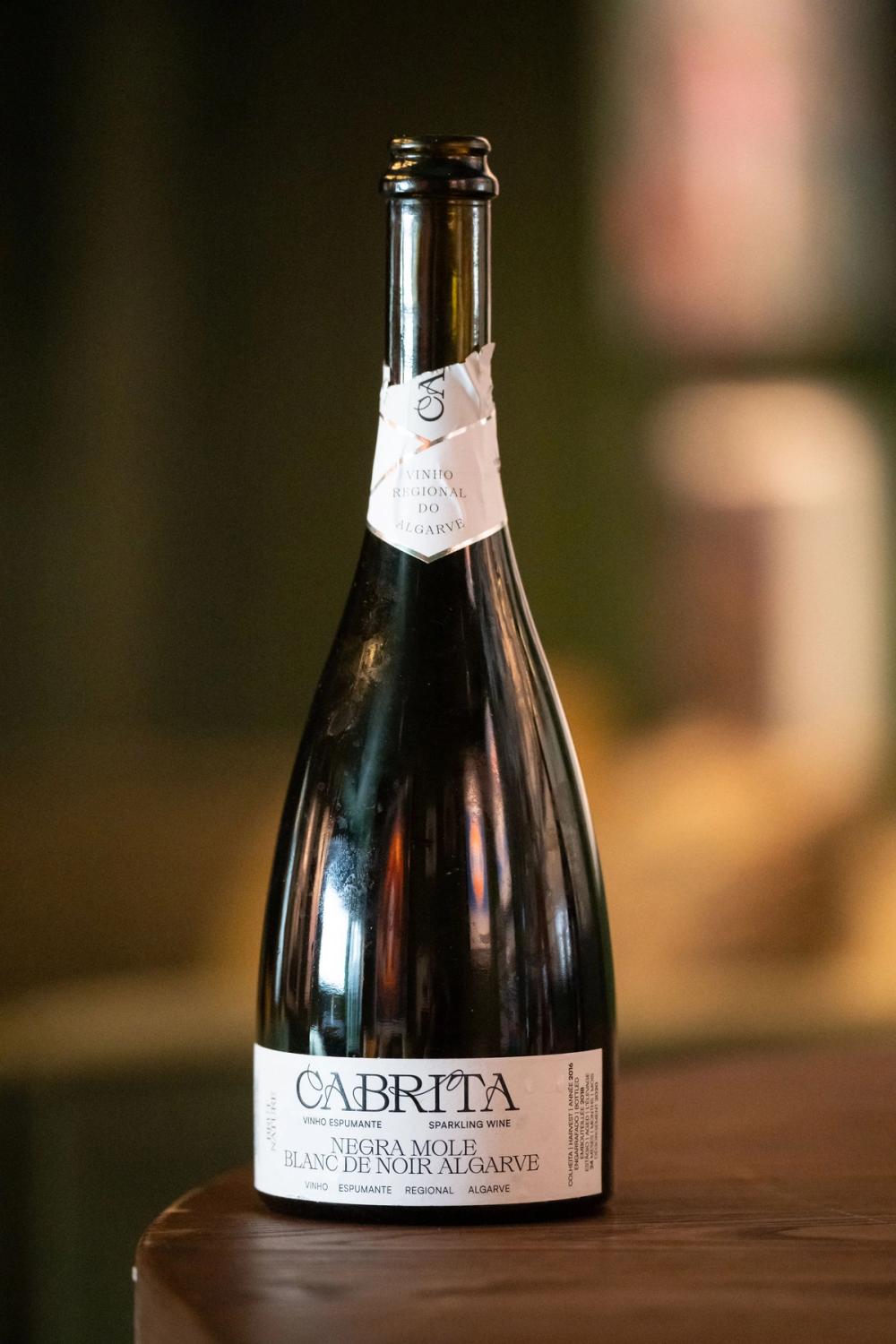
Cabrita, Negra Mole Blanc de Noir, 2016
The only sparkling wine in the flight, this traditional method wine is almost a decade old but wears its richness and developed notes well. The base wine was aged in old oak for two years before bottling in 2018, and it had a further four years on the lees. A serious fizz with savoury, chewy autolytic characters, bruised apple, pineapple chunks and biscuit. The acidity remains surprisingly brisk and tangy. Lovely and long, and cries out for a fatty snack to accompany.
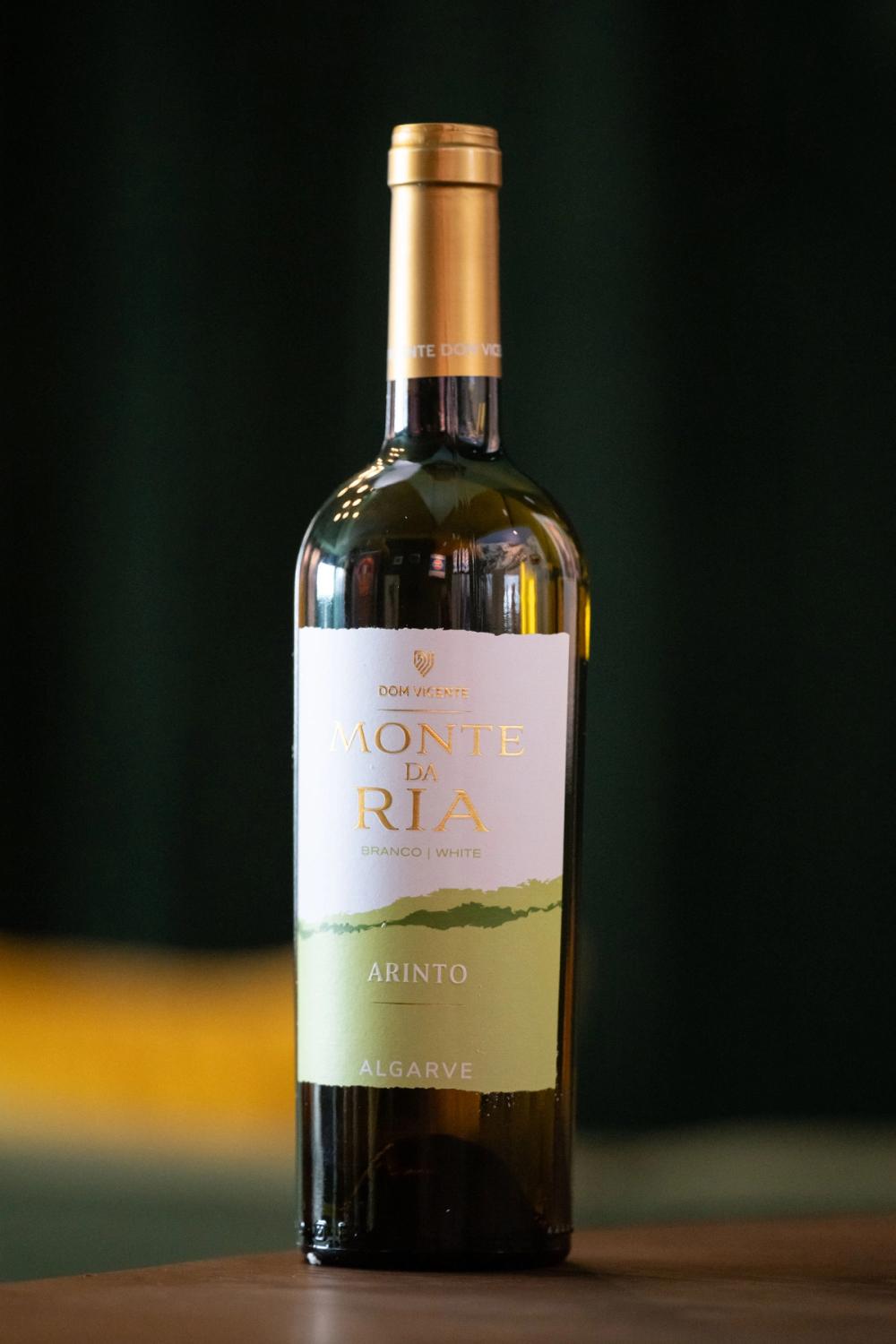
Artemis, Monte da Ria Arinto, 2024
The Arinto grape is known as ‘Lisbon hock’ or ‘the Riesling of Portugal’, and it’s certainly on the aromatic spectrum with abundant tropical fruit jumping from the glass. The nose is generous and the palate more genteel; guava fruit, lemon pith and rolling, fresh acidity, which is not to be taken for granted in the sunshine whites from this region.
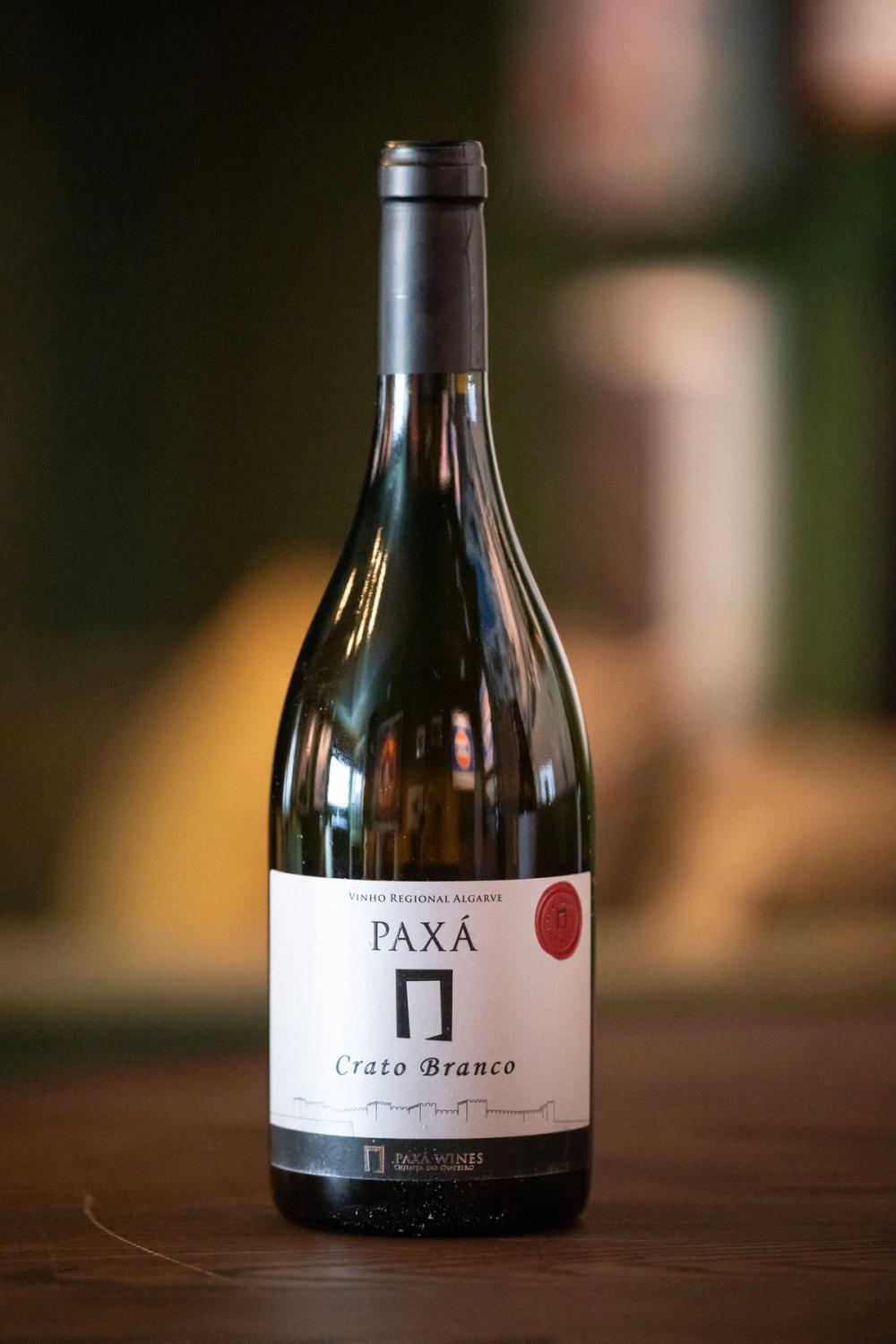
Paxá, Crato Branco, 2023
This is fermented then aged in old French and American oak for six months on the fermentation lees. It’s long and weighty with relatively low acid (pH 3.49) but it’s held together by a fleshy texture and layers of nectarine and tinned pear fruit. The fruit has a lip-smacking ripeness to it and a savoury, pastry-like edge. There’s a sprinkle of salinity on the finish, which is a delight.
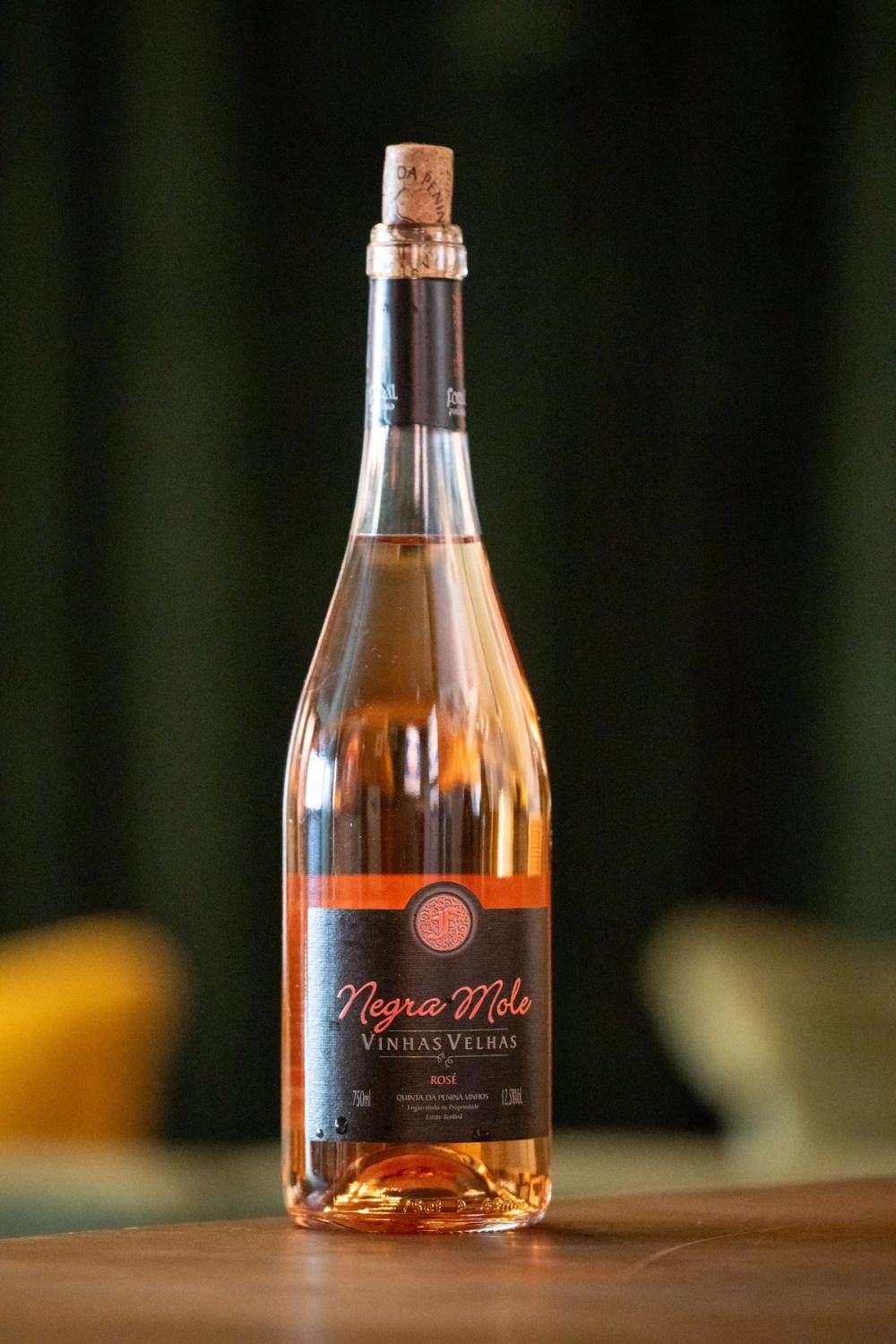
Quinta da Penina, Foral de Portimão Rosé, 2014
Like the sparkling wine above, this is made from the Negra Mole grape, this time coming from ungrafted, dry-farmed bush vines planted in 1942. It has 90 minutes’ skin contact at the press giving it a lovely vibrant colour as well as summer fruit and redcurrant notes. Bold and bright, there’s real body here and an attractive crushed oyster shell note.
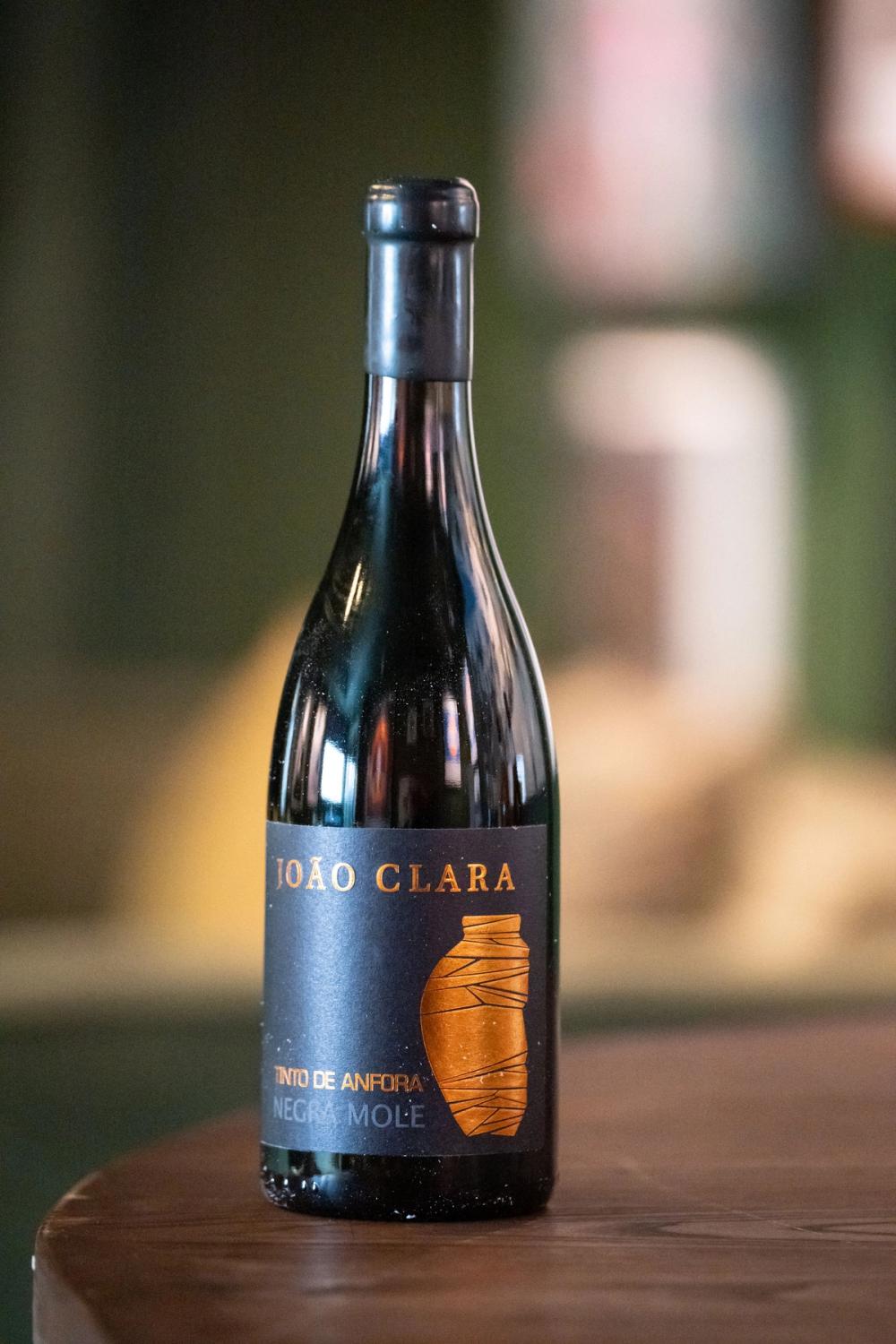
João Clara, Tinto de Anfora, 2024
Another Negra Mole, showing just how versatile this red grape can be, this time it’s red in colour but on the pale side. The fruit was whole-bunch pressed and aged for four months on skins in amphora; the result is a perfumed, pomegranate-flecked wine with lovely fresh acidity, a crunch on the palate and a dash of spice on the finish. A really good light and juicy red, perfect summer sipping.
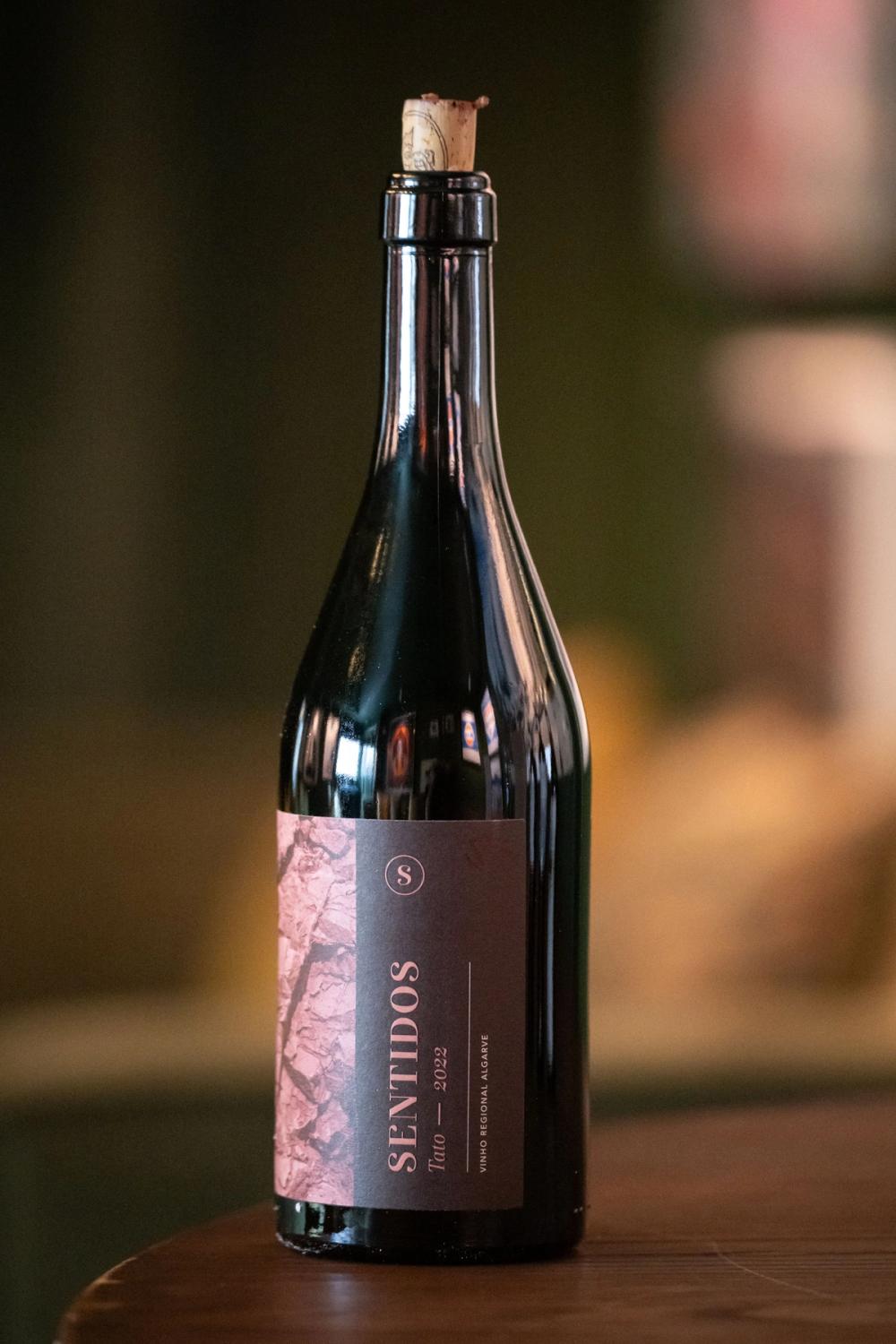
Quinta dos Sentidos, Tato Tinto, 2022
A blend of Tinta Caiada, Touriga Nacional, Syrah and Argonez. This is bouncy and fleshy with bright red cherry and raspberry fruit, a seductive earthiness and a tiny note of bubblegum. Very approachable and juicy… precise. Wears its 14.5% ABV very well.