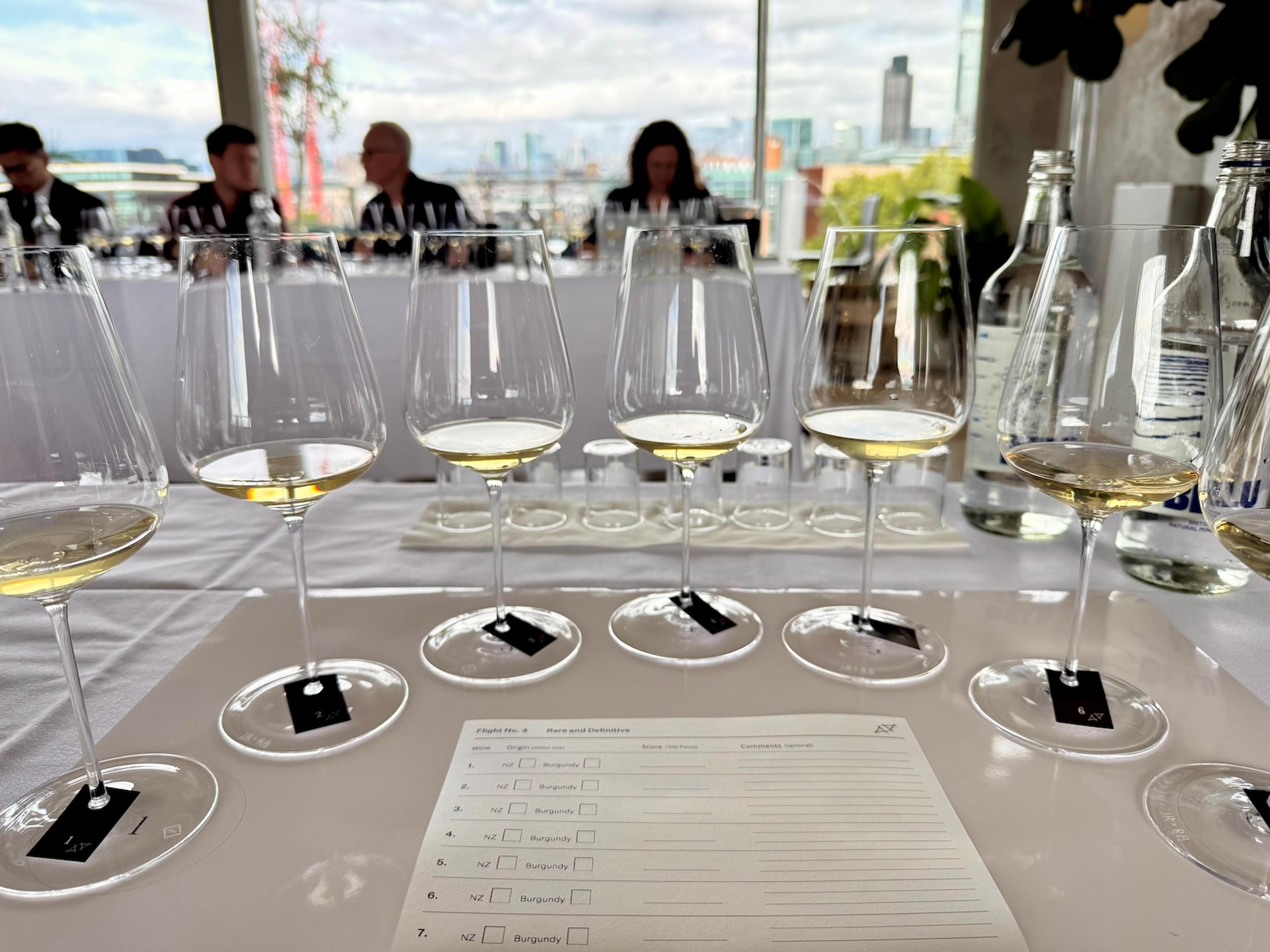

This year’s London Wine Fair boasted some headline acts; a new 'Host Nation’ programme where the best of British wines, beer and spirits were on show, and ‘The Greatest Chardonnay Showdown’, a double-blind tasting featuring 30 Chardonnays from around the world, judged by leading sommeliers and journalists, to name just two.
But, as any seasoned festival-goer knows, the best action at any big event can often be found on the fringes. Stepping away from the main thoroughfares onto the lesser trodden paths is to be encouraged, and so it was at LWF.
Towards the edge of the hall, tucked away near the glass washing zone and the cafés, you could find Wines Unearthed, an area for producers new to the UK market, dipping their toes and seeking distribution for the first time.
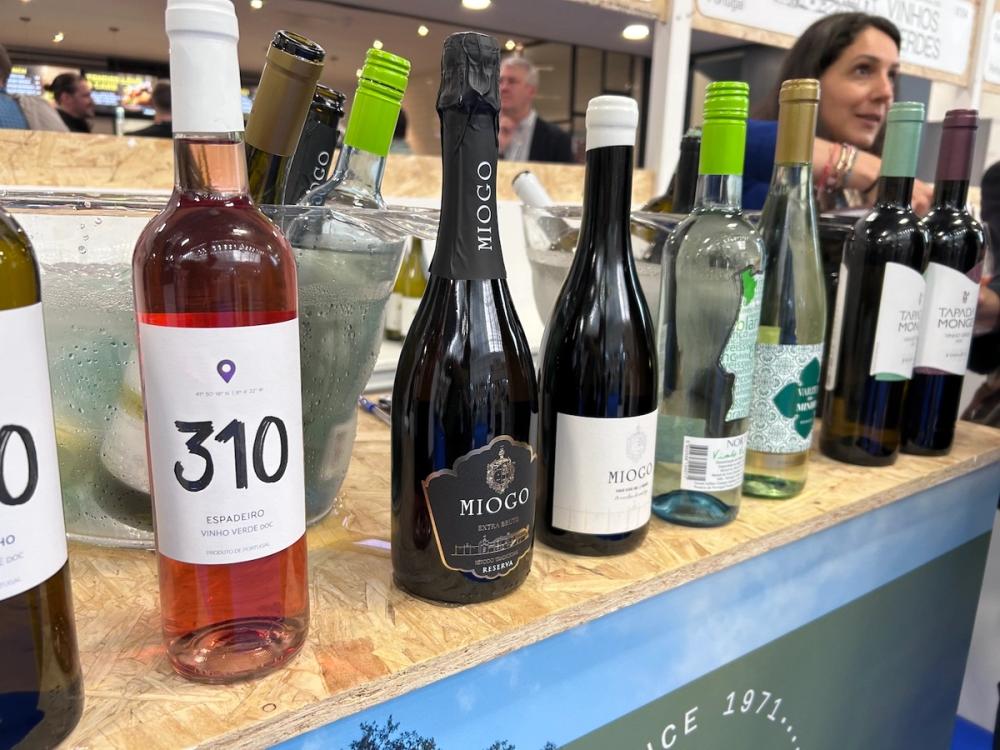
Making their debut this year were five Vinhos Verdes producers; Carneiro Family Wines, Quinta São Gião, Casa da Tojeira, Vinhos Norte and Quinta das Pirâmides. Each one had something unique to share and a common mission of introducing the breadth and depth of Vinhos Verdes wines to the UK market.
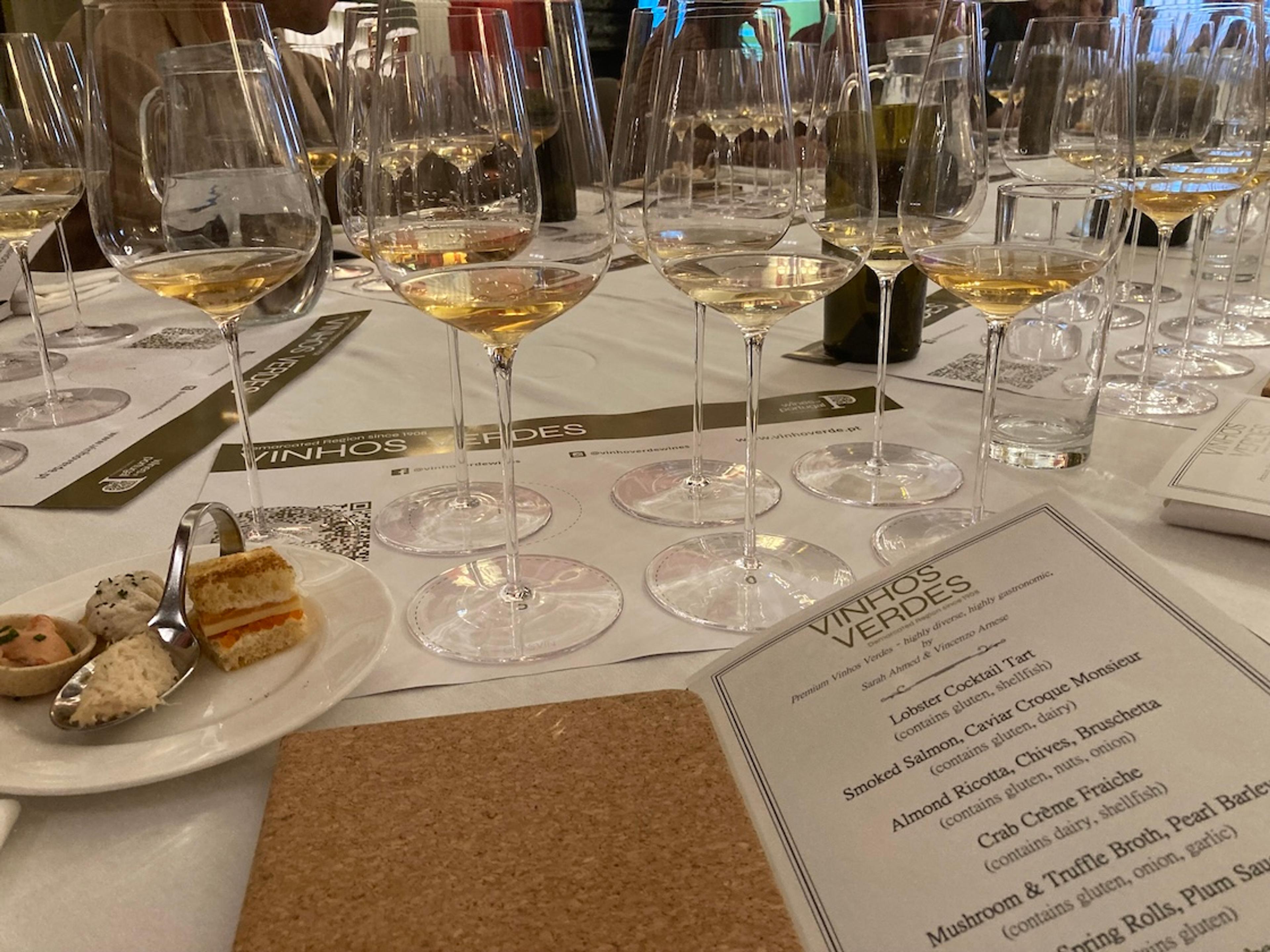
On top of this there were two masterclasses across the Wine Fair week dedicated to wines from the Vinhos Verdes region; ‘Unveiling Vinhos Verdes, Beyond Expectations’ and ‘Alvarinho, from Monção & Melgaço - Our Side of the Story.’ Both took place in the Walk-Up Tasting Theatre and were hosted by Portuguese winemaker and stage three MW candidate Tiago Macena.
Before attending the Alvarinho masterclass on the Tuesday of the Wine Fair I spent some time with each of the producers, tasting their wines and hearing their stories.
Meeting the producers
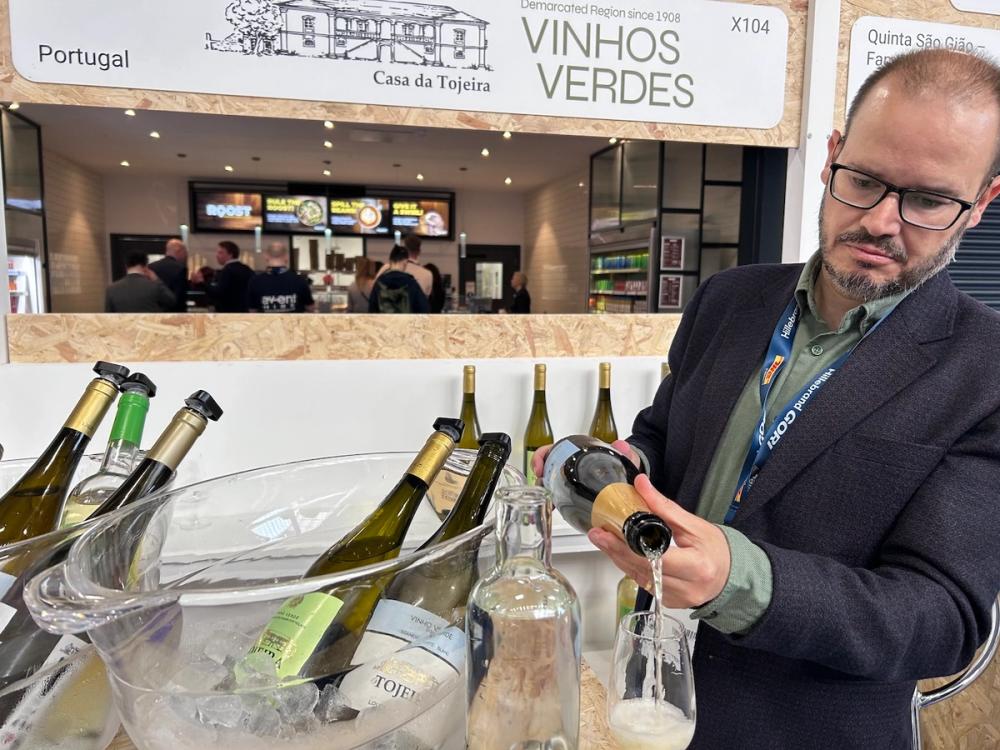
Casa da Tojeira - developing a range of low alcohol wines
“The Vinhos Verdes producers that are here today are all small, family-owned wineries,” said Cristiana Carneiro from Carneiro Family Wines as she introduced her wines. This is important because on the whole the wines these five producers were showing to fair-goers and pitching to potential buyers and importers were very different from the ‘simple’ styles of Vinhos Verdes currently found in many UK supermarkets.
Most people think of high-acid white wines when they think of Vinhos Verdes but as all these producers show, there’s a lot more to the region. White wine is key, of course, but there are also rosé and red offerings, sparkling wines and whites aged in oak and released with some bottle age. A truly diverse offering.
“Alvarinho from Vinhos Verdes is generally lighter than Galicia, more perfumed,” said Carneiro, “and away from Alvarinho you can find a lot of depth in the region, it’s not just fizzy party wines.”
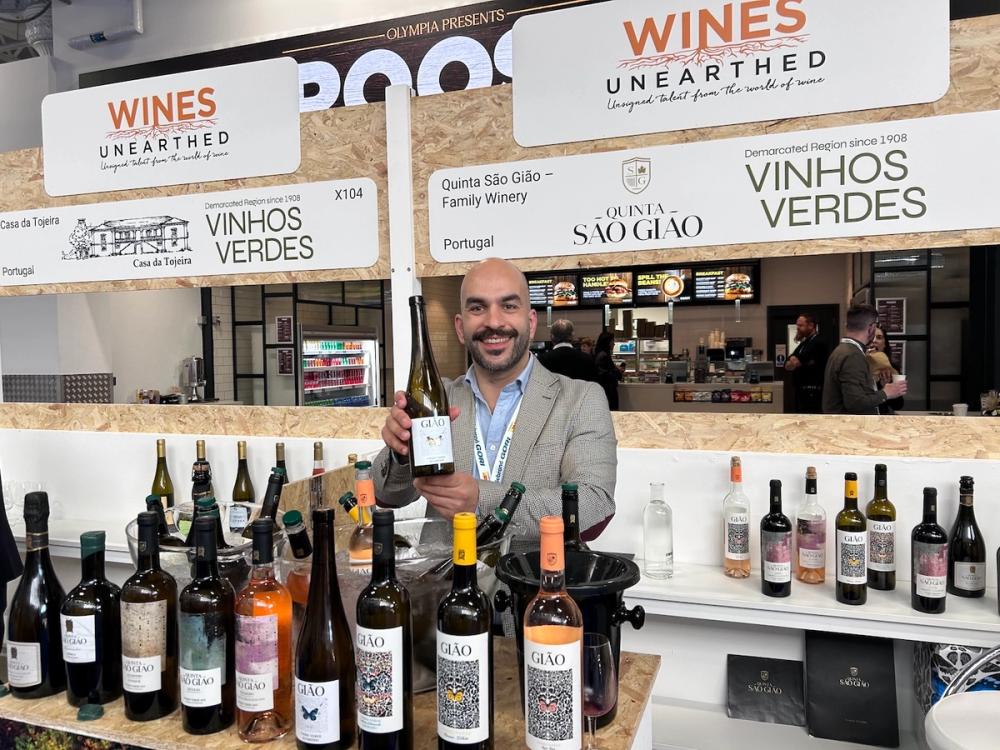
Depth and nuance: Nuno Reis, winemaker and export manager at Quinta São Gião
Nuno Reis, winemaker and export manager at Quinta São Gião agreed there is depth and nuance in the wines from the region, but was also keen to showcase how Vinhos Verdes’ flagship racy whites made from the Alvarinho, Loureiro, Arinto and Trajadura varieties can really shine when made with a quality-focus. “The UK is an emerging market for Vinhos Verdes, and in the UK people enjoy easy-drinking, fresh wines so it’s important for us to show the best examples of these wines as we grow into export markets,” he said.
Quinta São Gião is a low-intervention producer established in 1972, making wines in the municipality of Guimarães in the Ave sub-region of the Vinho Verde DOC. As well as the classic styles, they also produce a very interesting pink wine made from the Espadeiro grape, a red-skinned white grape characterised by crunchy strawberry fruit that, according to Reis, is perfect with fish and chips.
It’s wines like this, and the traditional method sparkling wines from Vinhos Norte, that will pique the interest of buyers and consumers alike. Interesting styles of wines that offer something a little different to list alongside the classics.
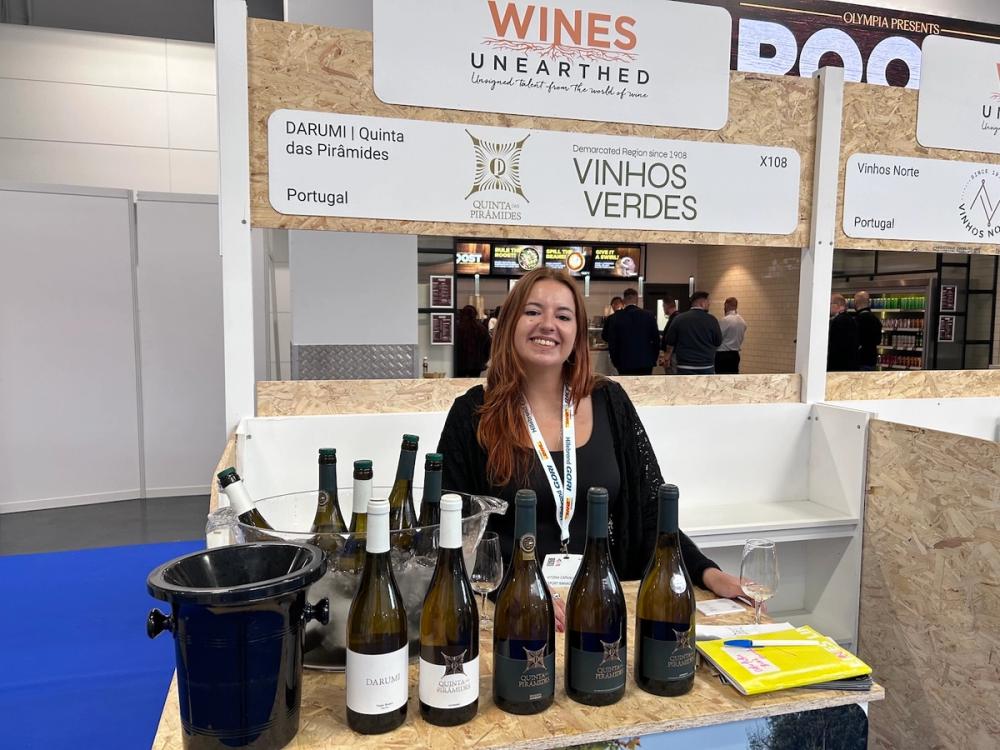
Targeting the premium market: Vitória Carvalho at Quinta das Pirâmides
For Vitória Carvalho, account manager at Quinta das Pirâmides, the London Wine Fair was a great opportunity to showcase the estate’s aged white wines. Quinta das Pirâmides releases only wines showing some age, and it was fascinating to taste Vinhos Verdes wines that were developed and savoury, offering a different dimension to many of the younger releases. The 2021 Reserva Alvarinho from was particularly interesting; rich and balanced with tropical notes and a honeyed finish.
Wines with this pedigree are certainly not bound for the supermarket shelf. “We are looking for an importer who works with gourmet shops, wine shops and restaurants, essentially the premium market,” said Carvalho.
Of the five producers only Casa da Tojeira thought that supermarkets might be the right fit for them, in fact, and only for their range of low abv wines which they are getting increasing demand for in Portugal as well as the USA and South America.
Alvarinho masterclass
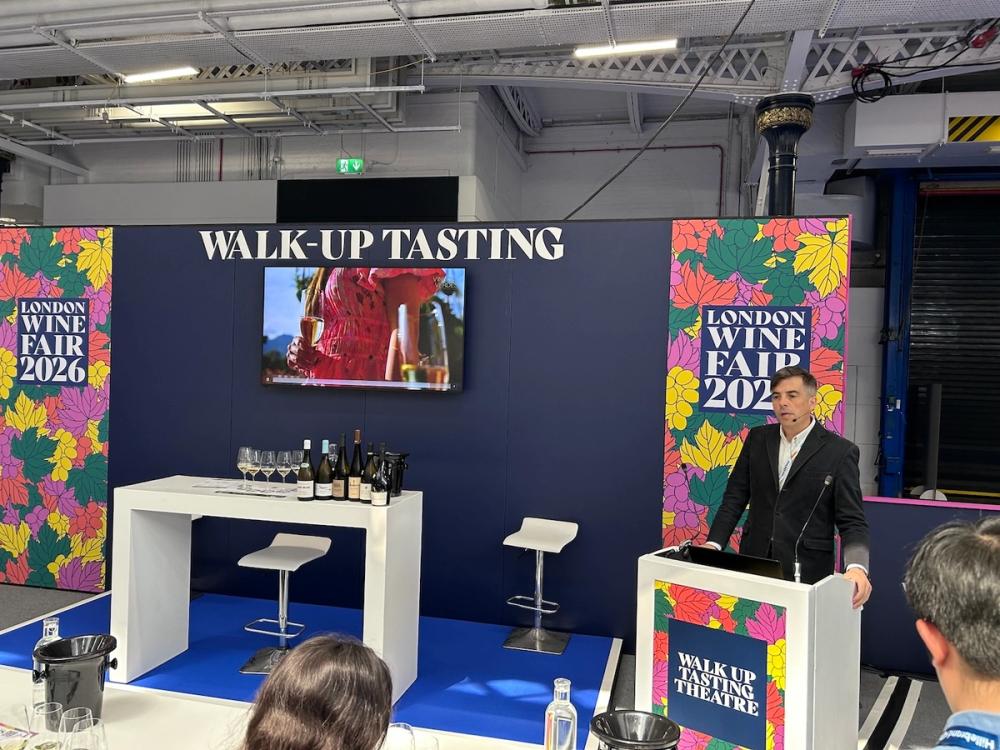
“The diversity of wine styles based on the Alvarinho grape each have their own identity," - Tiago Macena.
The masterclass itself took a deep dive into Alvarinho from the Monção and Melgaço sub-region of the Vinho Verde DOC, located in the north east of the region and bordering Spain. It is here where many of the most well-known Alvainhos come from, and the masterclass showed just how diverse this area can be for the grape.
Host Tiago Macena told us that while he makes wine in Portugal he doesn't work in the Vinhos Verdes region so has enough distance to be critical. His 45-minute session was informative and upbeat with four different styles of Alvarinho explored across six wines, from fleshy and lean to bold and long-aged, sparkling, and oak-aged.
“Alvarinho is a grape variety very well suited to oak, discreet oak can add complexity and layers,” said Macena. He finished the tasting by quoting Hugh Johnson and Jancis Robinson’s World Atlas of Wine, which describes Alvarinho as ‘fashionable and high quality’, before framing his own take on their words.
“It is a variety worth paying attention to,” he said, “the diversity of wine styles based on the Alvarinho grape each have their own identity and as a whole add up to create a ‘trendy grape’ that can be enjoyed all over the world.”
It’s clear from the masterclass and meeting five very distinct producers that the Vinhos Verdes region is not sitting back and letting its reputation and history speak for what’s happening today; this is a region where exciting innovations and new styles are being championed by ambitious winemakers focussed on exporting their wines to new markets and putting the region’s grapes centre stage. Let’s hope some of these wines will make it to the UK very soon.
The Wines: Brief notes below on the six masterclass wines
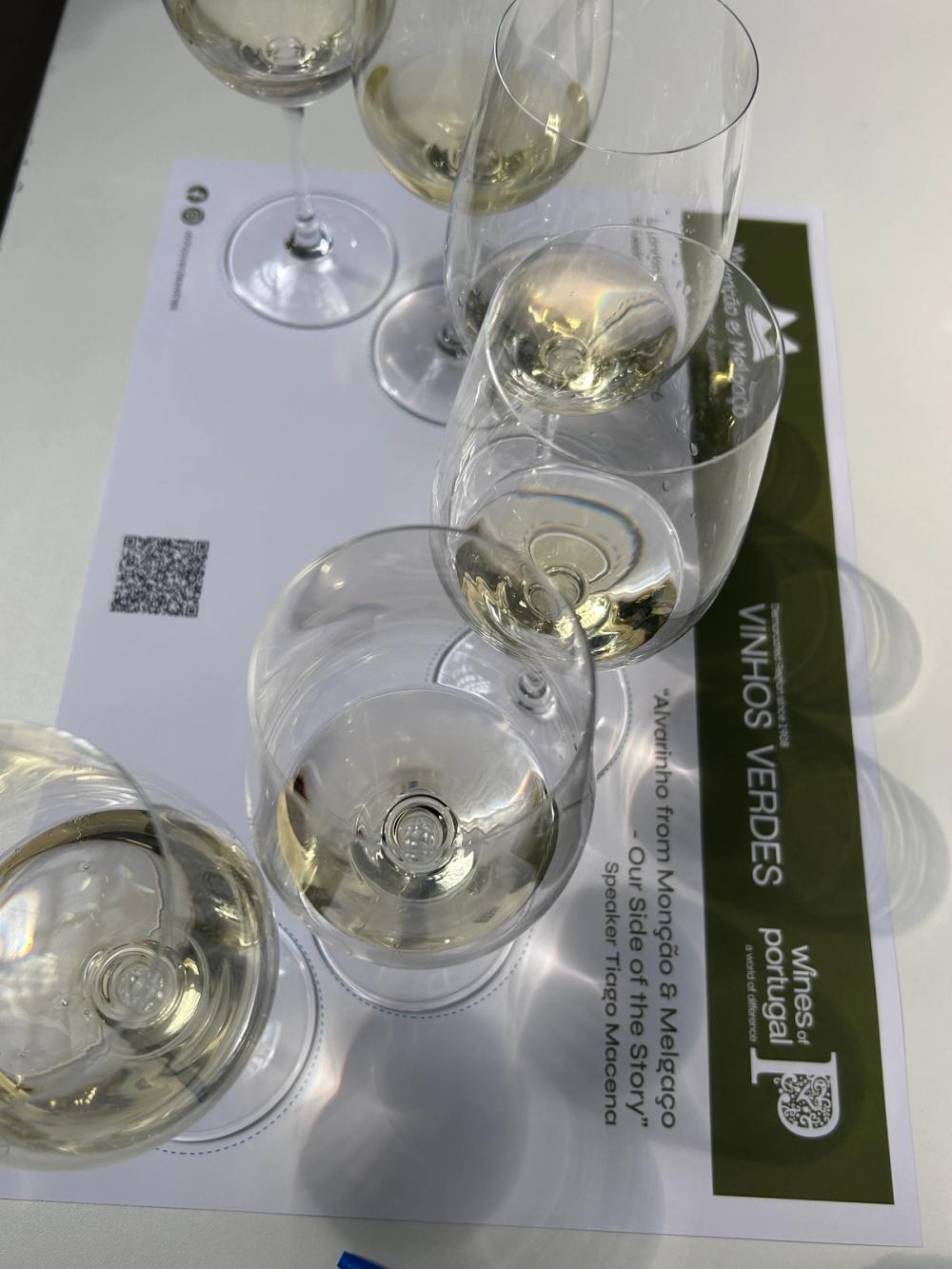
Quinta de Santiago, Vinha do Pisco, 2025
From a small plot of old vines, this is fleshy with tree fruit, white blossom and lovely grip. Yellow plum, Guava and fresh acidity jump from the glass. Nice dash of salinity on the finish.
Quinta do Louridal, Poema Novellis, 2022
Grown in the hills. Green fruit, grassy with a toffee-like developed note on the finish. Showing some age already, but gracefully. Refreshingly different.
Adega de Monção, Deu-la-Deu Reserva, 2023
Made by the Adega de Monção co-operative which has more than 1,000 growers. This is made in stainless steel tanks but enjoys monthly battage during its 12-months on lees. Bright and immediate with lemon peel and nectarine notes and a delicious linear acidity.
Soalheiro, Granit, 2015
Grown at 300-600 metres-above-sea-level. This is a step back in time - more than a decade old - it’s bold and shows what happens to Alvarinho with age. Bay leaf, orange pith, butterscotch and real verve, this has it all. Just 3,000 bottles were made.
Anselmo Mendes, Parcela Unica, 2022
Fermented in a mix of old and new oak (400 litre barrels) before spending nine months on the lees. Honeyed and tropical with lithe, electric acidity. Very gastronomic.
Provam, Coto de Mamoelas Assemblage, 2020
From the very north of the region, this traditional-method sparkling wine benefits from natural high acidity which brings freshness to the largely primary fruit characters. Apple, pear and mandarin dominate, but there's a hint of bready autolysis and lovely fine bubbles.