Ask any serious wine lover for their favourite white grape and, chances are, the answer will be Riesling. Fascinating, complex, astonishingly versatile and frequently thrilling, it is worshipped by sommeliers and avidly stashed away by collectors who relish its cellaring potential, yet for all its virtues, it can be difficult to sell, with consumers shying away fearing an out-of-fashion sweetness.
A hard sell needs a hand-sell and that seemed to be the mantra for Awin Barratt Siegel (ABS) at its annual ‘Masters of Riesling’ tasting, a showcase of carefully curated wines that celebrates the variety’s spiritual home, Germany, where the first recorded plantings of the variety date back to the 15th century. Riesling is rightly celebrated for its ability to age, but this tasting focused on fresh releases from 2025 – a vintage of challenging climatic contrasts, with a cool, damp spring and warm, sticky summer that has yielded wines of energy and purity – complemented by a few prestige cuvées from 2023 and ’24 that are new to the market.
“Riesling needs that sommelier touch, or an indie retailer hand-sell, because it’s such a versatile grape variety that hits so many different spots, but people still labour under the old illusion that it’s sweet, with a higher RS, and yet you have these dry styles which are sensational,” says Toby de Haan, sales director at ABS.
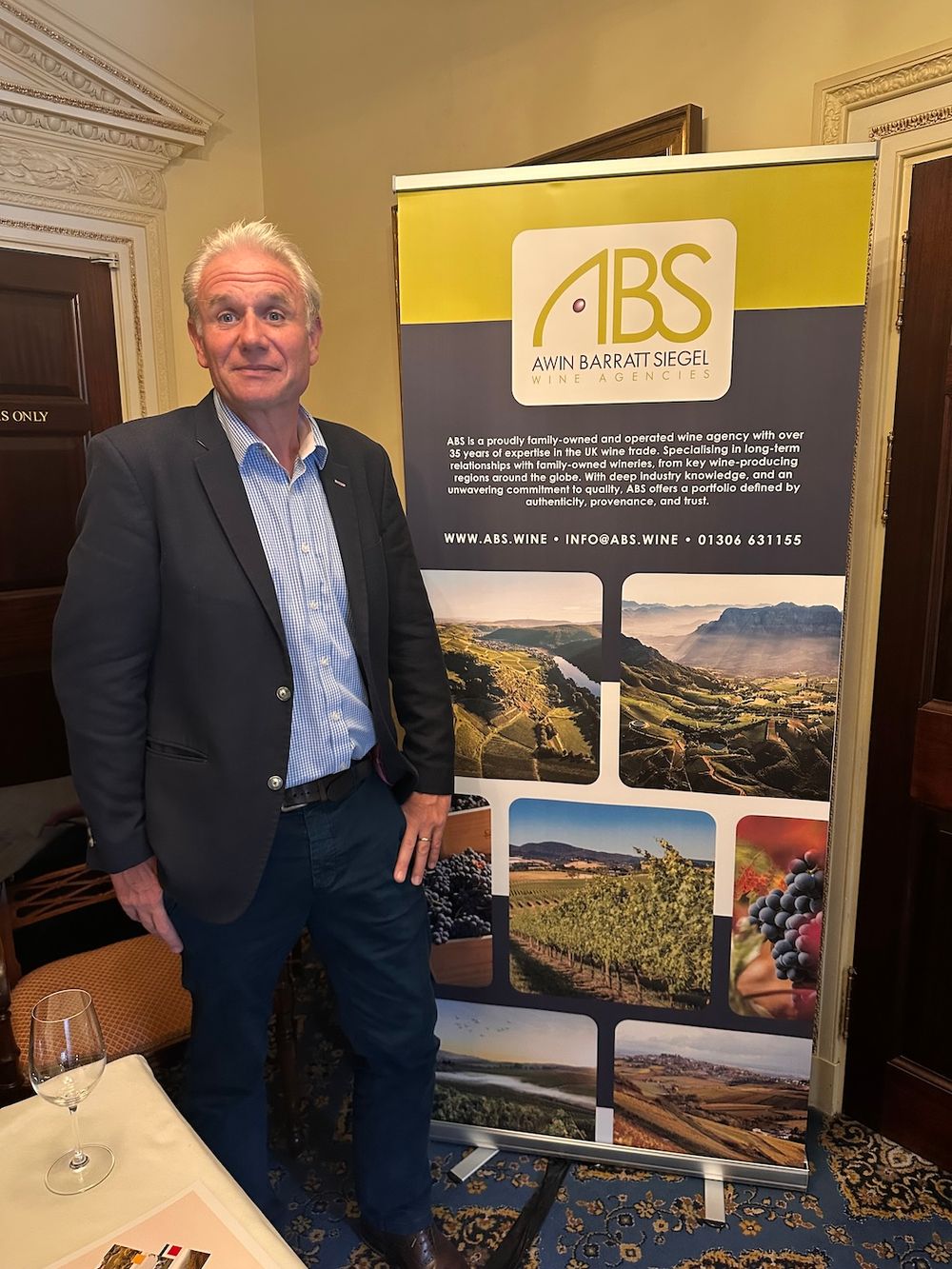
“There’s been massive work done rebranding Spätburgunder to Pinot Noir on labels because its more consumer friendly," Toby de Haan, sales director at ABS.
Germany bounces back
German wine has experienced a renaissance, with climate change an unlikely ally. Though there’s been unwelcome volatility in the weather, higher temperatures have, quite literally, changed the dial for wine, resulting in riper grapes and less austere, crowd-pleasing styles, with Riesling sometimes exhibiting distinctly ‘New World’ characteristics – fuller-bodied, bordering-on-tropical.
Wine growers have been able to plant ‘international’ varieties in areas where they previously couldn’t ripen, such as cabernet Sauvignon and Syrah. However, it is the Pinot family of grapes – Pinot Noir (Spätburgunder), Pinot Blanc (Weissburgunder), and Pinot Gris (Grauburgunder) – that have arguably been the chief beneficiaries of warmer conditions.
While Riesling is undoubtedly Germany’s grand old grape, accounting for almost a quarter of its vines, Pinot Noir (no newbie, having made its way from Burgundy as early as the 4th century) appears to have the momentum, with plantings up 24% since the start of this century, and it was telling that this ‘Masters of Riesling’ tasting featured almost as much Pinot Noir, much of it competitively priced.
“As a result of harvest problems and price rises in Burgundy, German Pinot Noir has had the chance to shine at a really affordable price, so you have people exploring and finding those wines … there’s some really accessible, very affordable liquid coming through,” de Haan told me.

“Perfect balance is in our DNA,” Julius Paetzold, Robert Weil’s export manager.
Keeping it simple
As any wine student knows, Germany has its own lexicon for labels, but it was striking that a significant number of the non-Riesling wines featured at the tasting used internationally-recognised French varietal names, a move enthusiastically welcomed by the ABS sales boss:
“There’s been massive work done rebranding Spätburgunder to Pinot Noir on labels because its more consumer friendly, with Weissburgunder (Pinot Blanc) and Grauburgunder (Pinot Gris) also being changed to grape varieties that customers know, because let’s face it, we’re all afraid to ask, or look stupid, and this just simplifies things for everyone,” de Haan says.
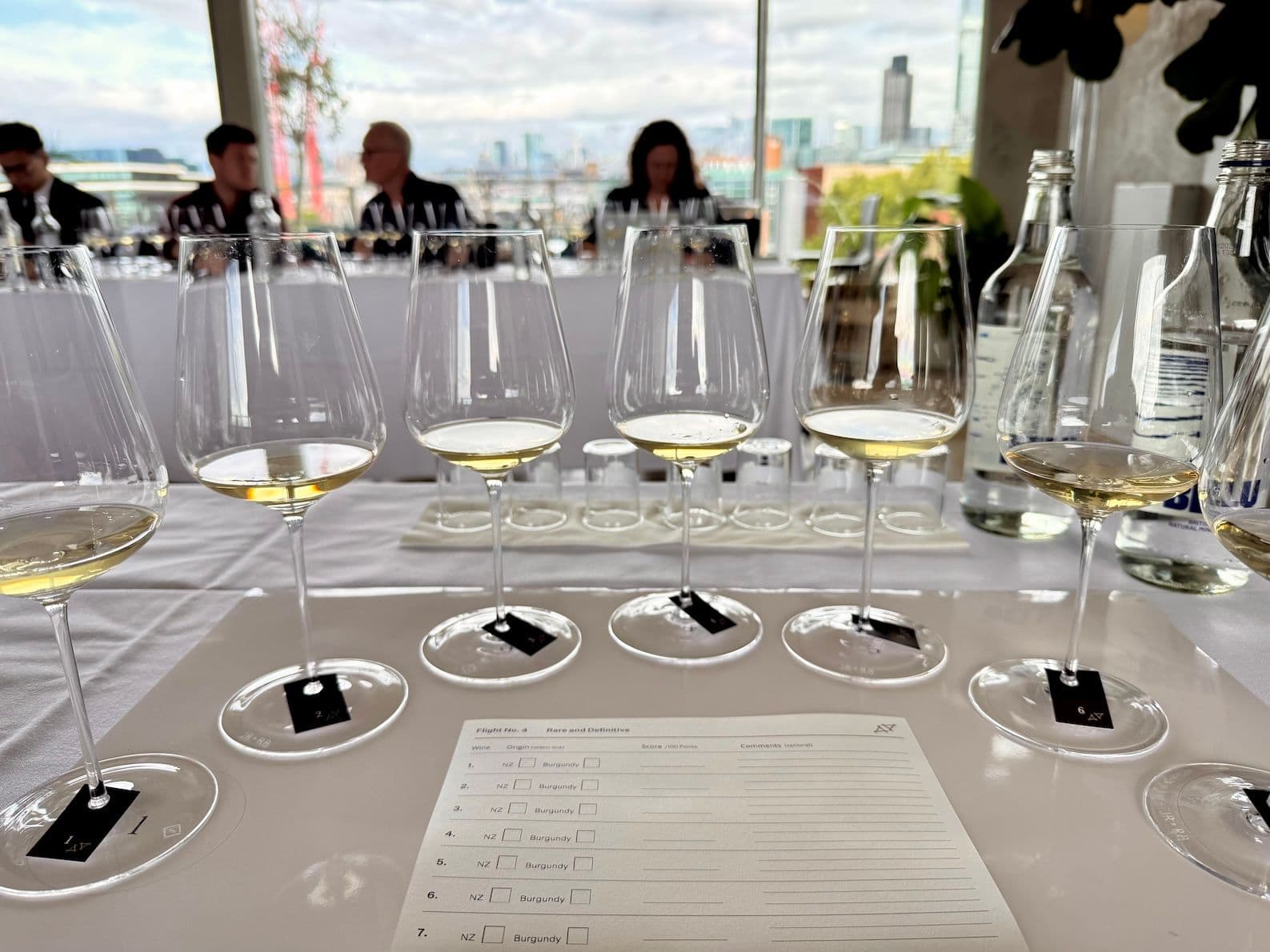
The tasting, held at London’s Caledonian Club, featured seven German producers: Walt, Louis Guntrum, Dönnhoff, Fürst, Jean Stodden, Karl H Johner and a relatively new addition to the portfolio, Weingut Robert Weil (with Austria’s Allram and Vins Schaal of Alsace also present). I have selected a few of the wines that I really enjoyed, focusing on a range of price points, from an entry level chillable red to some top cuvées for cellaring.
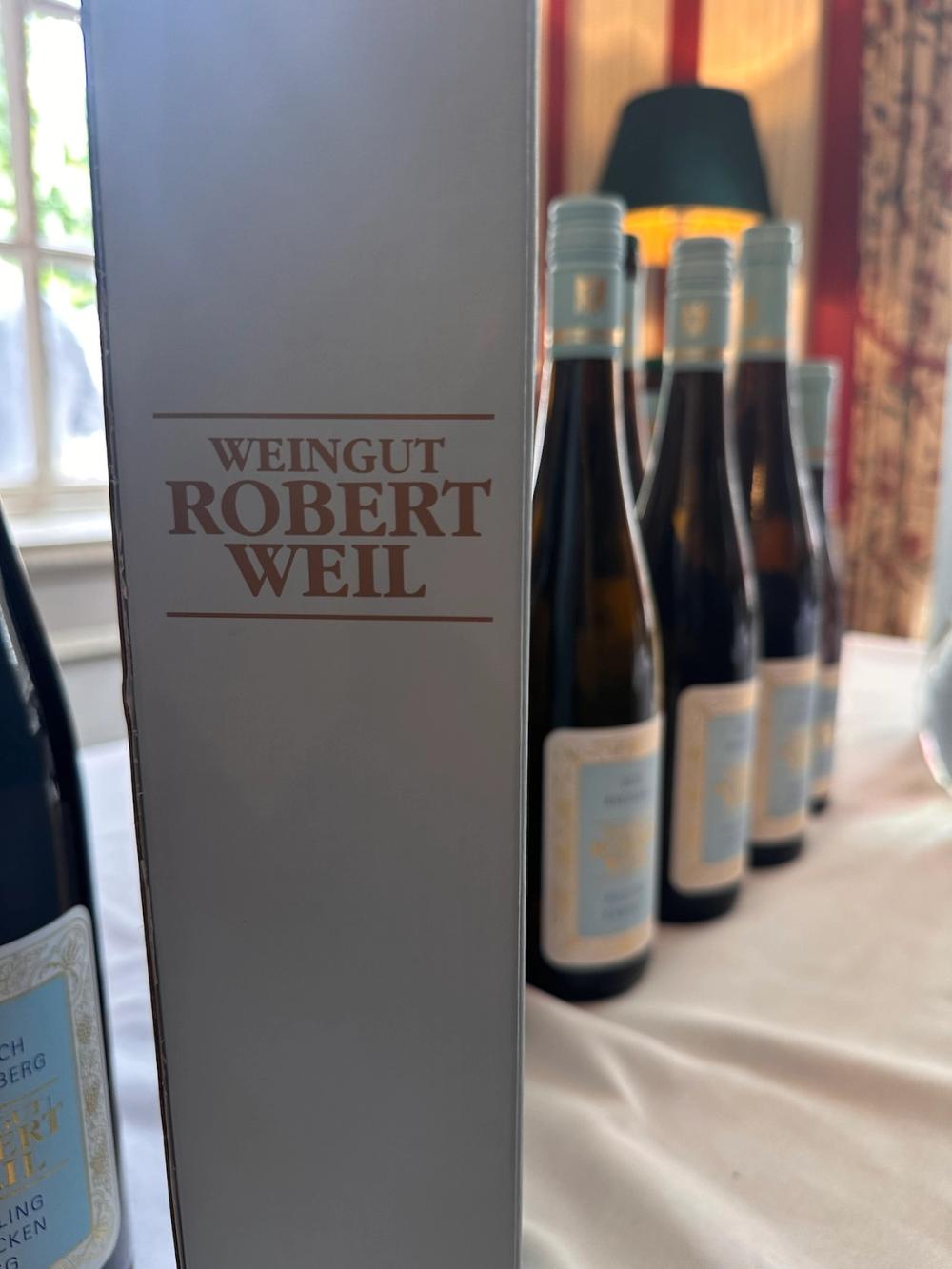
Weingut Rober Weil Kiedrich Turmberg Riesling Trocken 2024
Weingut Robert Weil is a fourth-generation family winery that’s a relative newcomer to the ABS portfolio, having moved from Bibendum last year. Based in the Rheingau, a small undulating region of 3,000 hectares, it is a Riesling specialist working the mineral rich, slate soils of the Kiedricher Berg, offering superb terroir expression. This organic wine, from the Turmberg (meaning tower) vineyard entices with mineral drive, lime pith and green apple. The palate is lithe, with a subtle nutty texture from the use of large format oak, while the finish feels as fresh as a pebble plucked from a mountain stream. RRP £49.65
Weingut Robert Weil Kiedrich Gräfenberg Riesling Spätlese 2025
“Perfect balance is in our DNA” declares Robert Weil’s export manager, Julius Paetzold, as he pours me this Spätlese (late harvest) Riesling, from the rocky soils of the historic Gräfenberg vineyard. And ‘perfectly balanced’ would be the apposite description of this wine with its voluptuous stone fruit, balancing lime acidity, hints of hay barn and toffee apple, the silky texture is mouth-coating but never sticky. Wines from this vineyard once adorned the grandiose dining tables of rich Prussian royals, but I’d favour a more modern pairing with a Thai green curry. RRP £76.80
Weinhaus Robert Weil Junior Grauburgunder 2025
Weinhaus Robert Weil is a brand extension that also represents a geographical add-on, as it covers a range of wines produced from purchased fruit, much of it from the larger neighbouring region of Rheinhessen, just over the river. Grauburgunder is, of course, Pinot Gris (and will soon be labelled as such) and “the Germans are going absolutely mad for it”, according to Paetzold. It’s easy to see why, because this is a fresh, juicy, citrusy, fruit forward, well-constructed, summer sipper that’s a million miles from the plonky Pinot Grigio that sadly still dominates supermarket shelves. RRP £16.45
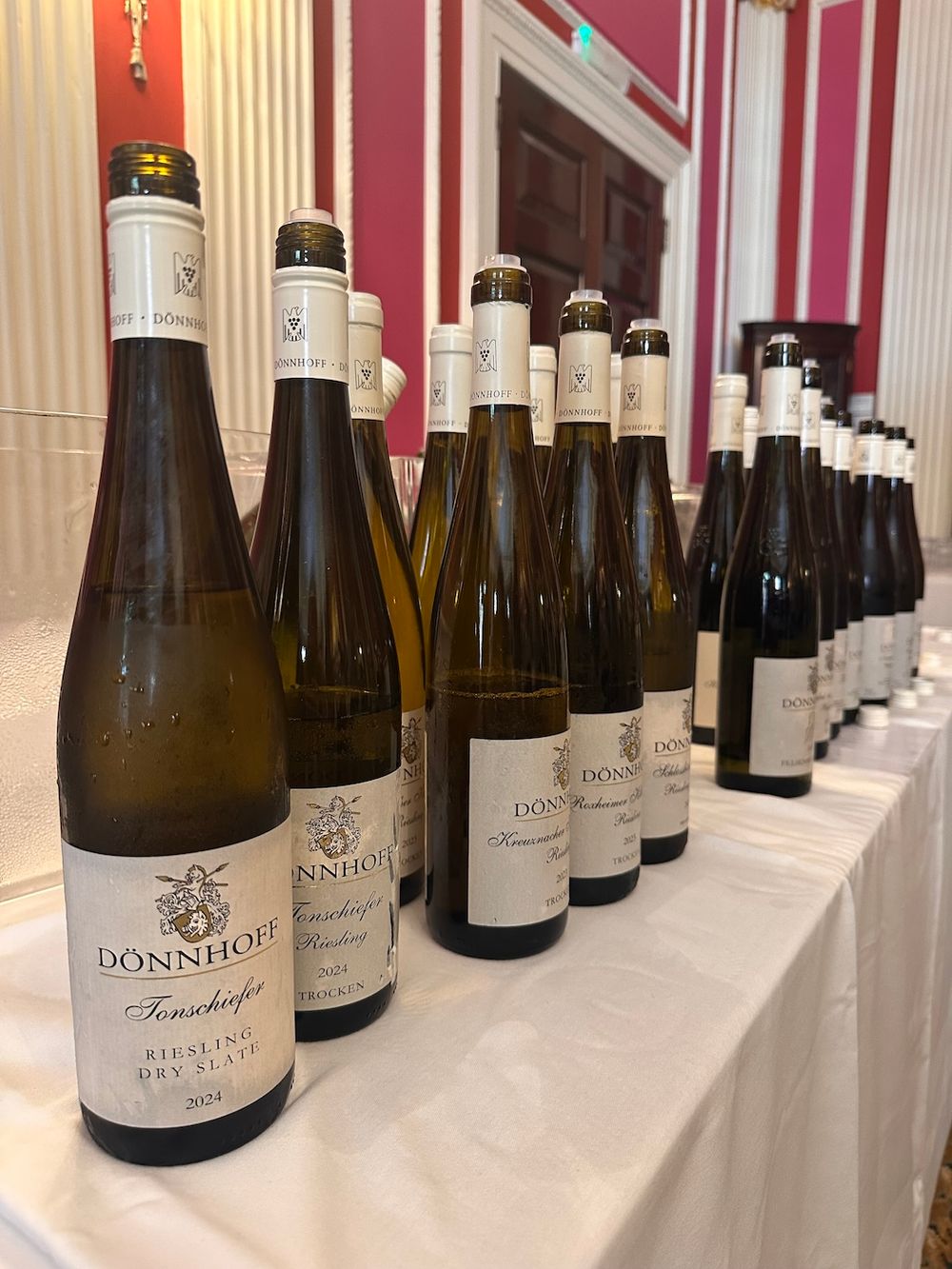
Dönnhoff Felsenberg Riesling Dry GG 2023
Based in Oberhausen, Dönnhoff is a fourth-generation family winery renowned for some of the finest Grosse Lagen vineyards in the Nahe region. It was difficult to choose a favourite from an impressive array of almost 20 Riesling wines on show, but this GG, from a steep southerly vineyard and a vintage described as ‘crystal clear and harmonious’wowed me with its range and complexity, the bountiful citrus and stone fruit balanced by a lithe structure and juicy lime leaf. RRP £79.70
Jean Stodden Sonnenberg Spätburgunder Grosses Gewächs 2024
A renowned Pinot Noir specialist, based in the Ahr, celebrated for its old vines, some of them more than a century old, the Jean Stodden team were showing some exceptional cuvées from the ‘demanding but ultimately rewarding’ 2024 vintage, with this wine from limestone-rich soils a particular highlight. With bountiful red fruit, herbal complexity and smooth tannins, it has hidden power, like an iron fist in a velvet glove. RRP £96.30
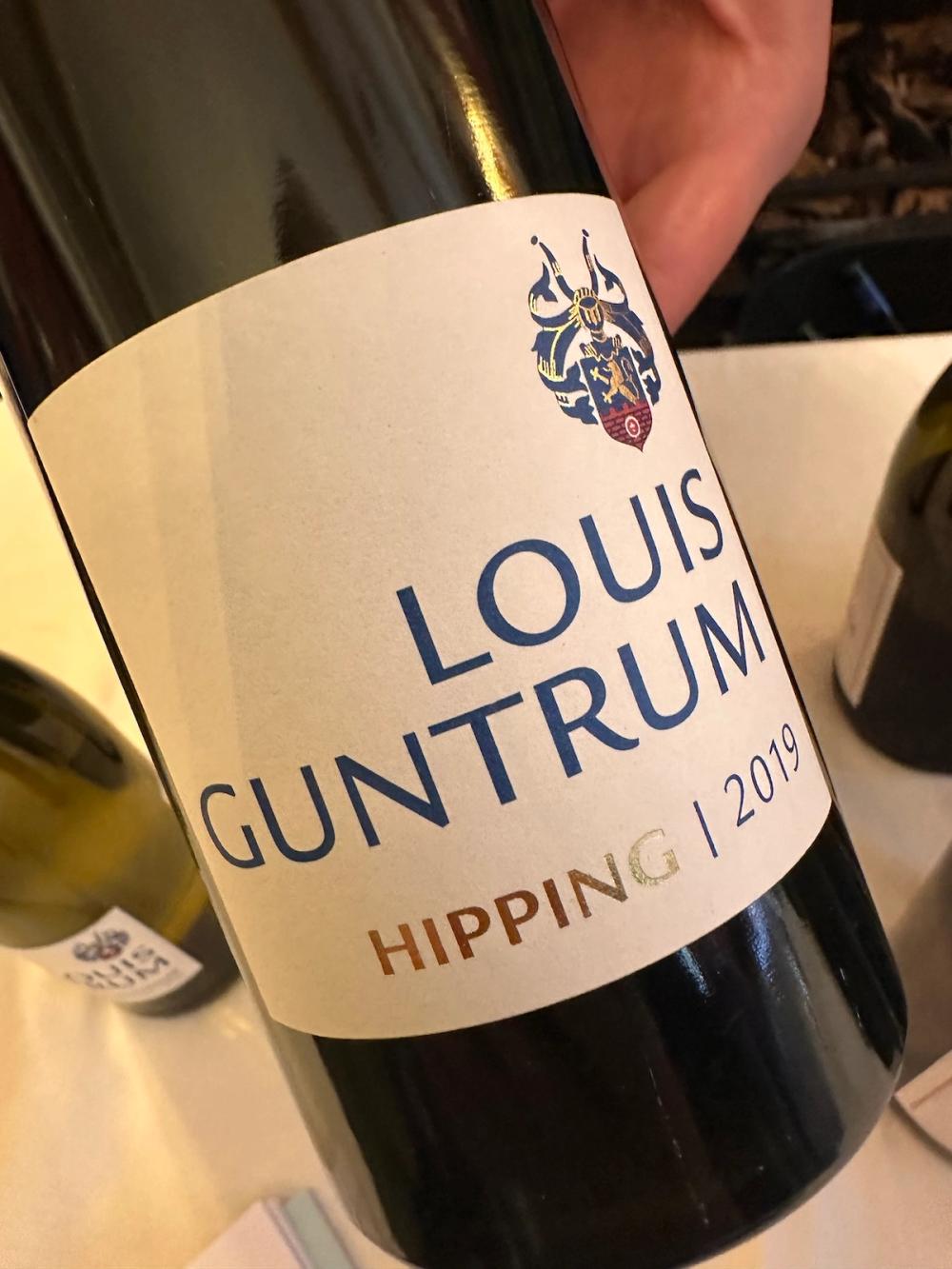
Louis Guntrum Nierstein Hipping Riesling GG 2019
Established in 1648, family-owned and now operated by the 11th generation, Louis Guntrum, based in the Rheinhessen town of Nierstein, a celebrated Riesling specialist, was generously pouring this stunning GG (‘Grosses Gewächs’, the top tier of German wine) 2019 example, with gentle petrol aromas, mountain honey, hay, summer meadow blossom and golden apple, dancing around a firm core of pithy Sicilian lemon. A textural treat, with a pronounced finish, delicious now, but one to stash away in the cellar. RRP £56.30
Louis Guntrum Pinot Noir 2025
Beyond its fabled Riesling, Louis Guntrum boasts a broad portfolio of wines from heritage Germanic grapes, helpfully labelled with internationally understood varietal names. Opening with an inviting herbal nose, sour cherry and plum crumble, this is a sleek and statuesque Pinot Noir, packed with bright red fruit, soft tannins and gentle hints of vintage car leather. Delicious. RRP £23.30
Fürst Tradition Pinot Noir 2024
Effectively the entry level wine from a highly respected producer of Pinot Noir, based in Franken, just east of Frankfurt. Courtesy of some fierce late frosts, the ’24 vintage was low yielding, but it delivered high quality and this is a lovely example, exhibiting brooding cherry/berry character, silky tannins, with hints of baking spice and blueberry muffin. RRP £38.75
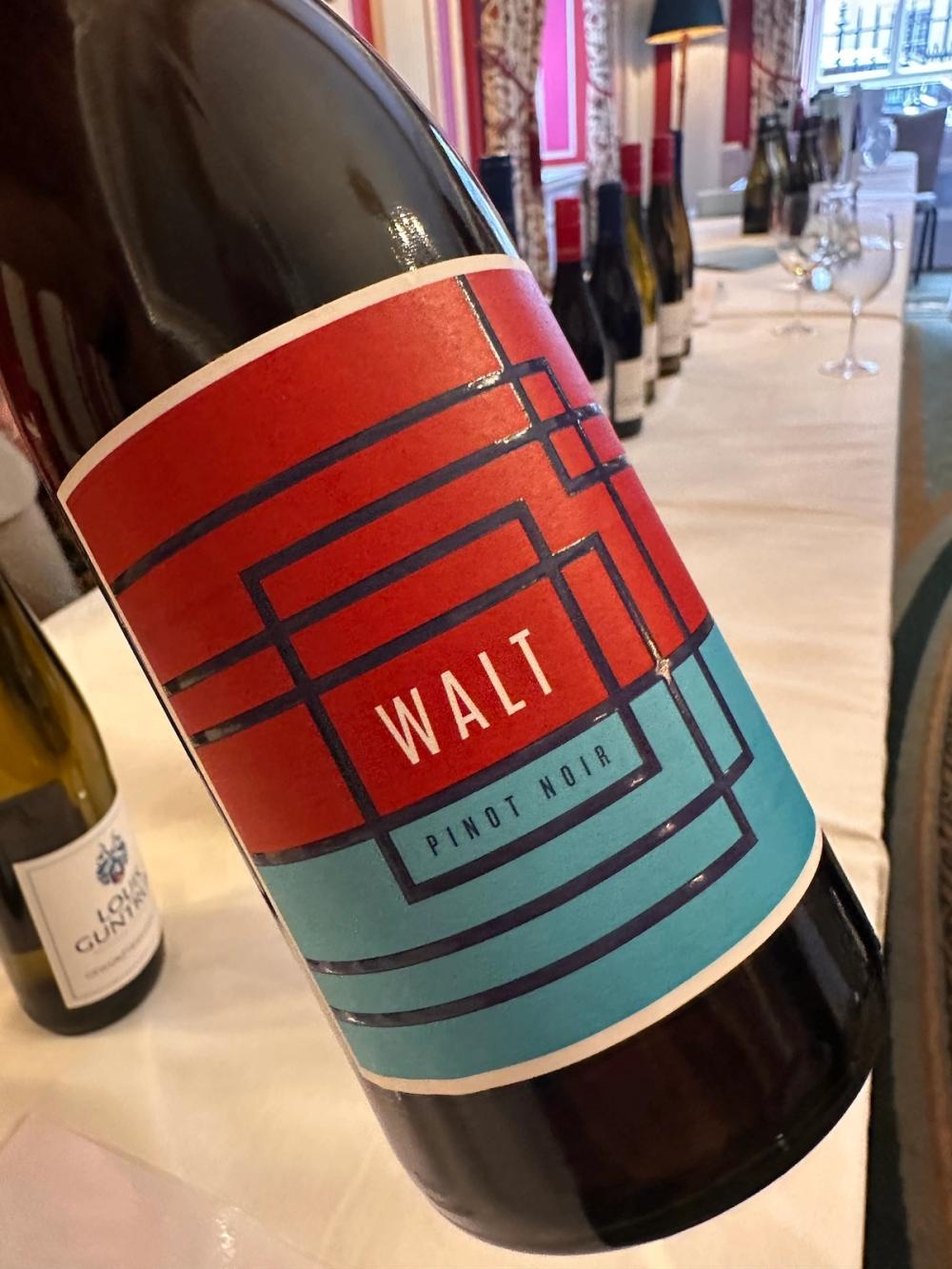
WALT Pinot Noir 2024
I’m a huge fan of the current fashion for chillable reds and this bright, fruit forward Pinot Noir is a perfect fit for the fridge door. The striking, thoroughly modern, red and blue label actually belies a winery established in Wiesbaden in 1887. Leading off with red cherry, cranberry and raspberry, the Pfalz fruit is fresh and juicy, with soft tannins, a grind of black pepper and smattering of spice. It’s the perfect summer party red. RRP £15.65