Piedmont - Nebbiolo
In January, at the Nebbiolo Academy in Alba, I tasted hundreds of young Nebbiolos blind from Barolo, Barbaresco, Langhe, and Roero, from the 2021 and 2022 vintages. Roero wines stood out for their vibrancy and charm, showcasing Nebbiolo’s signature structure with silky tannins and aromatic elegance, softened by the sandy marine soils typical of the area.
Looking back over hundreds of blind tasting notes, two wines achieved the highest scores, both of course from Roero. Battaglino Angelo di Battaglino Margherita 2022 shows cherry, blackberry, and plum, with vibrant acidity lending energy and finesse. Agricola Rosavica Benotti 2022 displays fine-grained tannins framing juicy cherry and raspberry, balanced and persistent with a long finish.
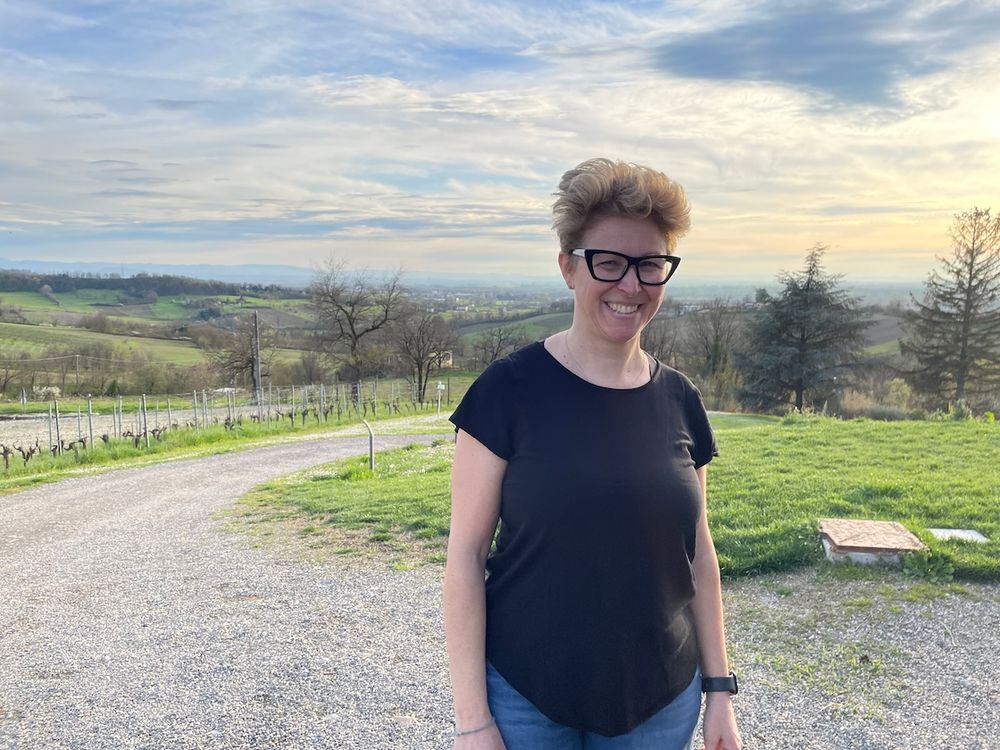
Elisa Semino of La Colombera, aka the Queen of Timorasso
Piedmont - Timorasso
In March, a trip to the Colli Tortonesi revealed the magic of Timorasso, a grape once near extinction that now produces whites of remarkable depth, structure, and ageing potential. For those who are not familiar with this amazing variety, Gian Paolo Repetto, president of the Consorzio Colli Tortonesi, notes that Timorasso’s salinity and racy acidity can be reminiscent of Assyrtiko, highlighting the grape’s precision and mineral-driven style.
It is difficult to choose just one wine from over a hundred Timorasso that I was lucky enough to taste over three days. But the La Colombera, Timorasso “Santa Croce” 2022, made by Elisa Semino, often referred to as the Queen of Timorasso, left a great impression. Powerful yet balanced, with juicy peach, subtle spice, a ginger-tinged finish, honeyed nutty layers, and bright mineral tension. It is an absolute stunner.
Tuscany
Chianti Classico
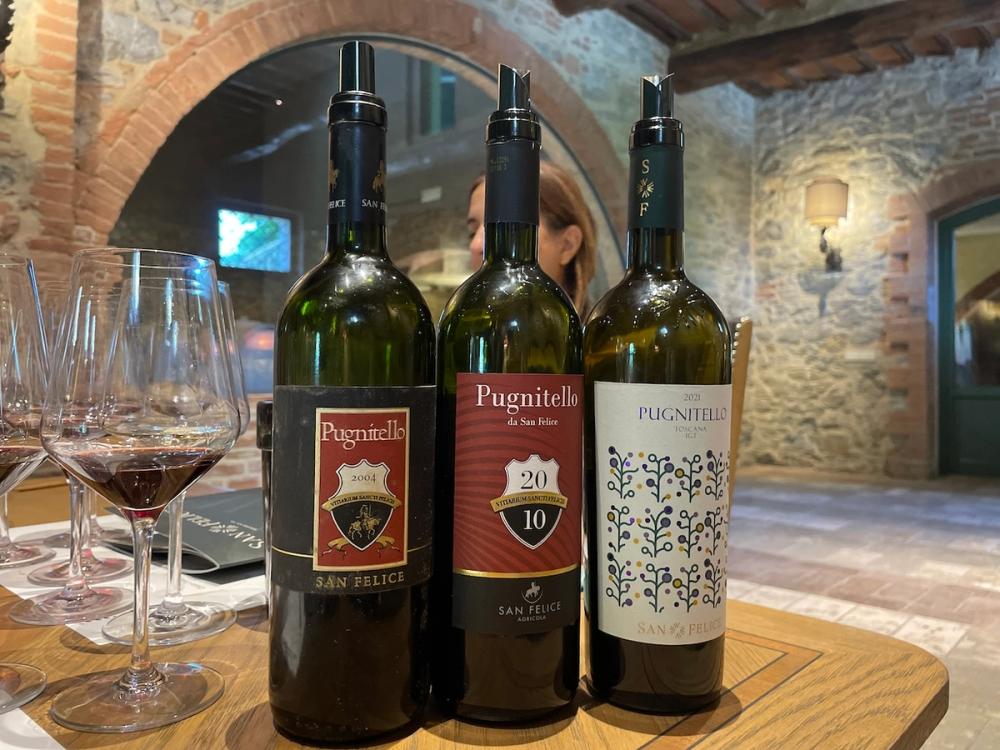
San Felice in Chianti Classico has long been a favourite of mine. In June, I visited the vineyard and the charming Borgo San Felice, a beautifully restored medieval hamlet now operating as a five-star Relais & Châteaux resort. While I did not stay overnight, I had the chance to taste the wines with head winemaker Francesca Giuggioli over a guided tasting and an al fresco lunch.
Their newly launched Vitiarium project highlights ancient grape varieties such as Pugnitello, with 2022 marking its first vintage and a very modern and eye-catching label design. I was particularly drawn to an older, cooler vintage, San Felice Pugnitello Toscana IGT 2004, which demonstrates the variety’s ageing potential. Deep garnet in colour, it shows complex aromas of mocha, violet, and kirsch, complemented by refined mint chocolate notes and a harmonious structure, depth, and finesse.
Suvereto
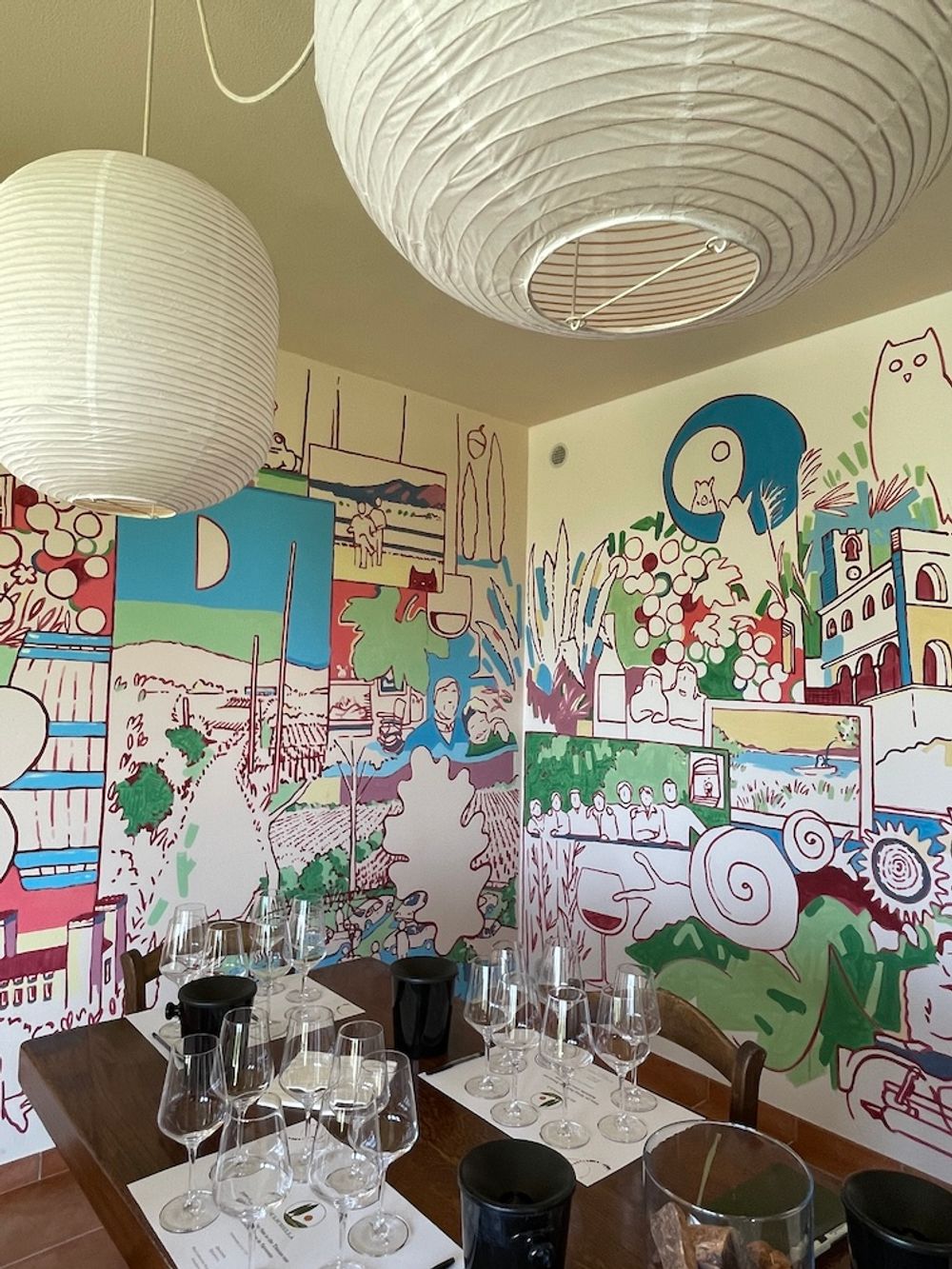
Bulichela's tasting room, wall painted by the 3rd generation Nicolo Miyakawa
Bulichella, located near the medieval Tuscan town of Suvereto on the Tuscan coast, feels like a hidden Japanese gem. Its courtyard, featuring a Japanese statue, reflects its East Asian heritage. Mr Hideyuki Miyakawa, who sadly passed away recently, was a local legend. He settled in Tuscany in the 1980s with his family to start a community agricultural project and was greatly respected. Today, the estate is co-managed by the second and third generations, covering 42 hectares, 14.5 of which are planted with vines.
The Bulichella Hide 2020 Syrah is a polished coastal wine with fine tannins, bright red and black fruit, bramble, iron-driven minerality, and refreshing coolness. Sol Sera 2024 Rosé, fermented and aged in stainless steel and amphora, is pale salmon with blood orange and grapefruit notes and very gastronomic.
Veneto/ Lombardy
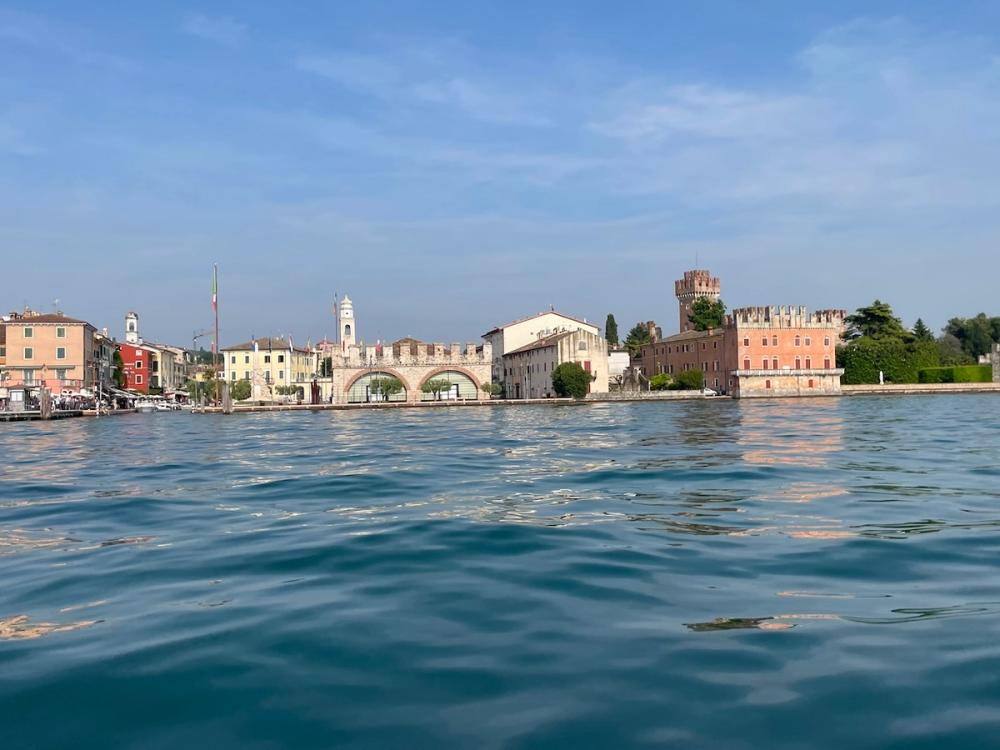
Lugana is in the southern part of Lake Garda
Lugana
The trip to Lugana in May 2025 was a highlight of the year. Located in the southern part of Lake Garda, the appellation is compact yet highly productive, covering around 2,600 hectares of vineyards. Effortlessly chic best describes the region in my view.
While approachable, the wines offer far more than charm. Turbiana is the signature grape variety, with vibrant acidity shaped by glacial soils that gives the wine structure, longevity, and makes it very food-friendly.
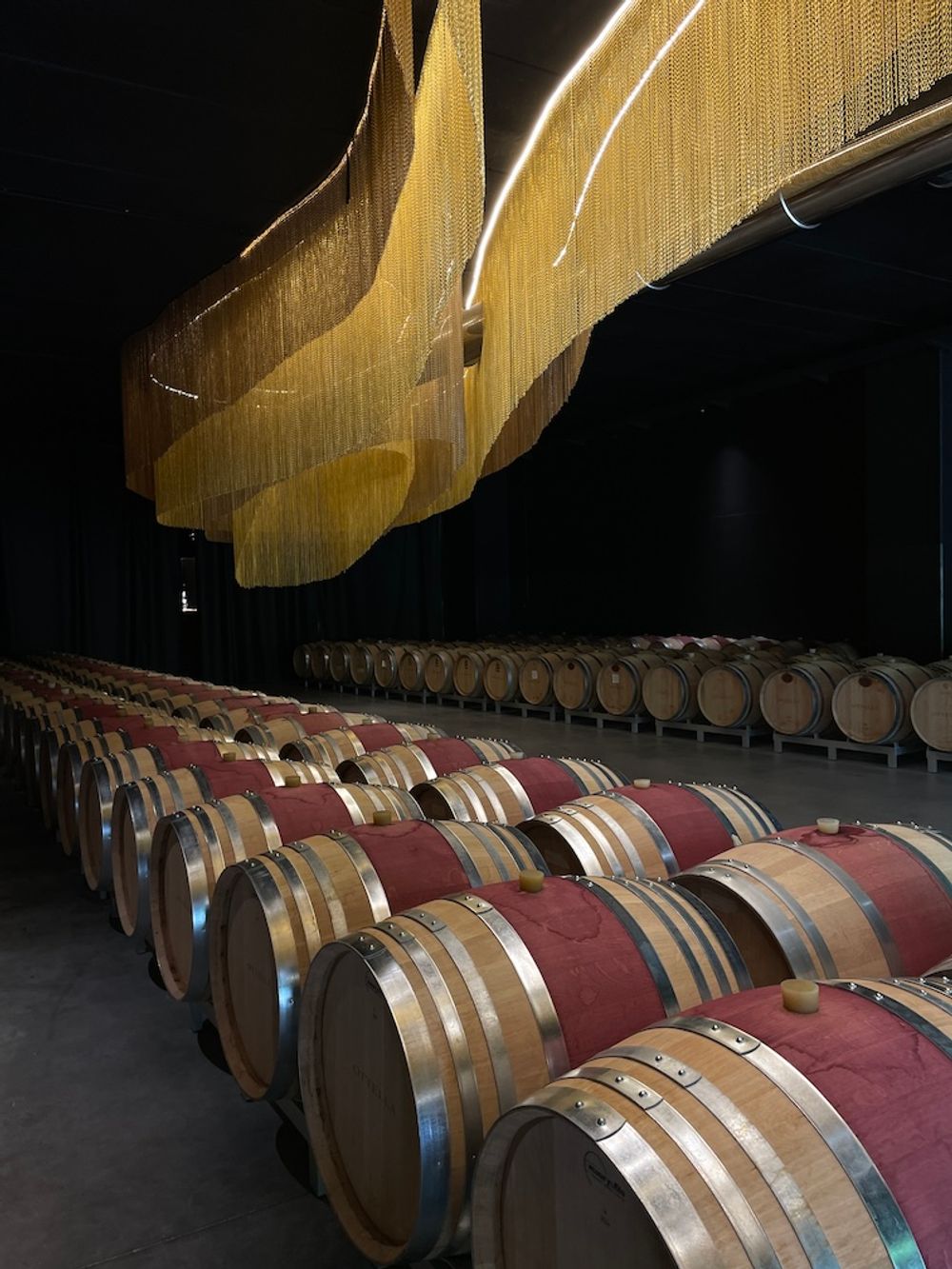
The Barrel Room of Ottella Winery, Lugana
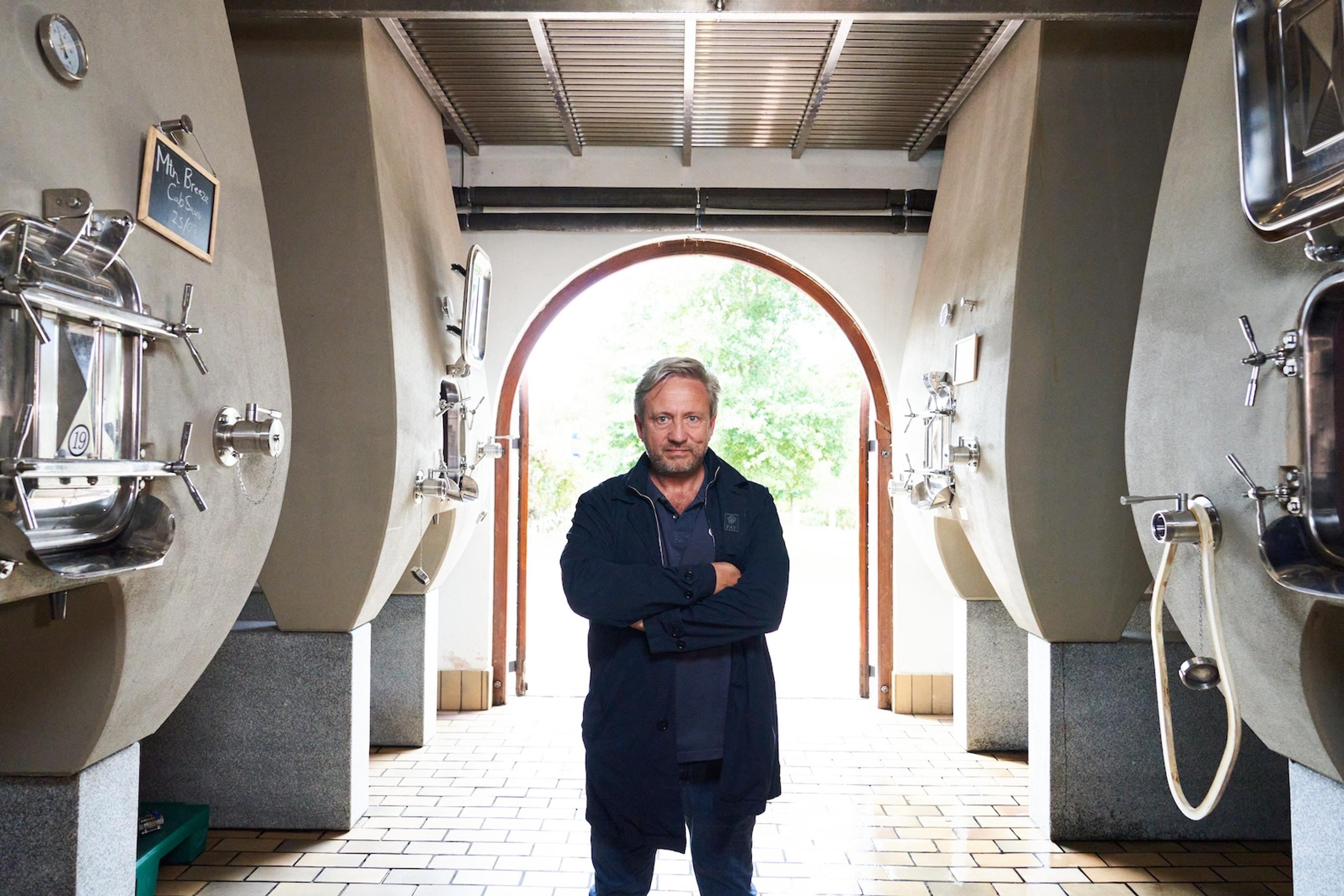
Personal favourites include Marangona Tre Campane 2017, a certified organic producer, which showed briny, salty, and flinty notes with firm phenolic grip, making it an ideal food wine. Another standout comes from Ottella, perhaps the most visually striking winery I have visited; the tank room itself is impressive, and its Le Creete 2024, from a single 12-hectare white clay vineyard, has refreshing acidity, vibrant salinity, flinty character, and a long, precise finish.
Veneto - Breganze
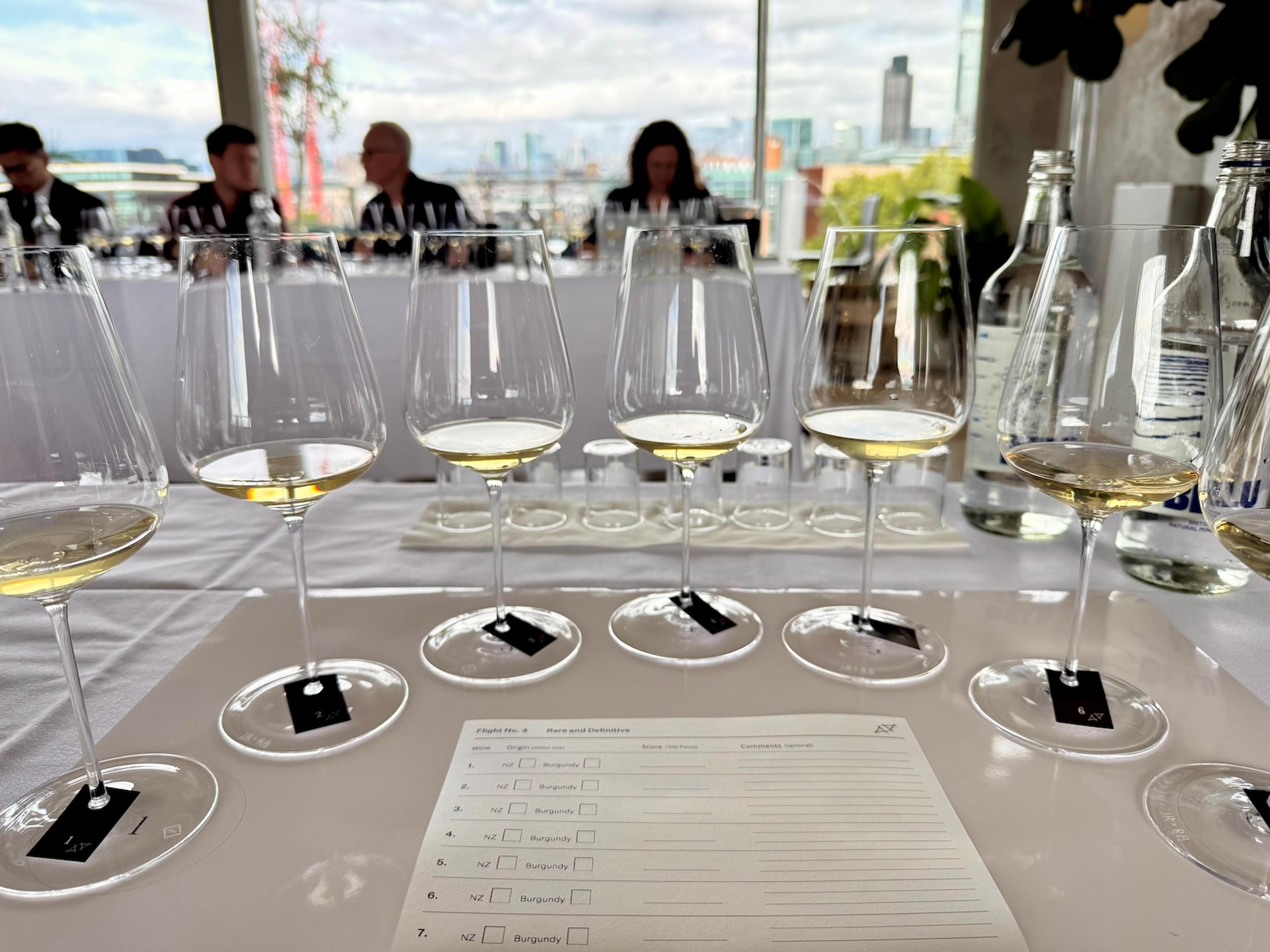
Founded in 1947 in Breganze, Veneto, Maculan is now led by sisters Angela and Maria Vittoria, who manage 40 hectares of family vineyards and collaborate closely with local growers to produce around 650,000 bottles a year. The estate has been instrumental in elevating Breganze through modern viticulture while championing historic international varieties. Angela visited London in December for a vertical tasting of Fratta and Torcolato.
Fratta is the flagship wine, first released in 1977. I particularly enjoyed the Fratta 1996, a classic Cabernet Sauvignon–Merlot blend, which displayed sour cherry, lifted spice, and a touch of mint, supported by elegant tannins. Torcolato 2008, one of Italy’s benchmark sweet wines, made from dried Vespaiola grapes, impressed with generous layers of caramel, toffee, and dried apricot, underpinned by deep, nutty resonance.
Languedoc
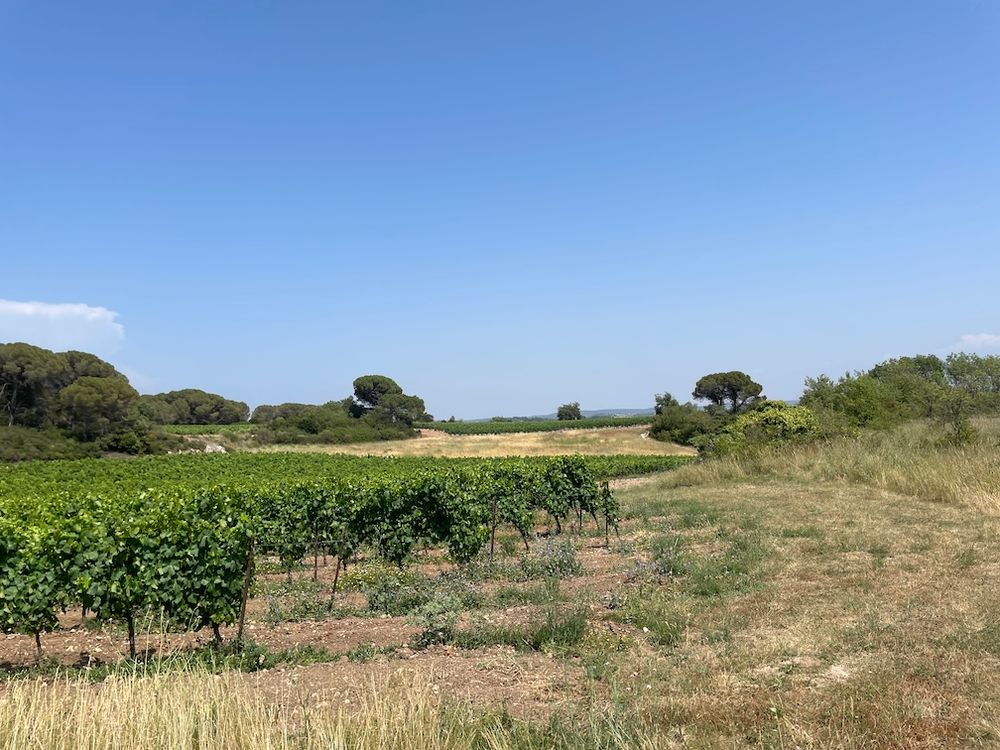
A view of Cabardès
At the end of June, I spent a week in the Languedoc on an ambitious press trip covering 15 AOCs, with tastings and site visits across the region. Among them, the relatively young AOC Cabardès, celebrating its 25th anniversary this year, made a particularly strong impression.
This AOC lies north of Carcassonne. With dual climatic influences from both the Atlantic and the Mediterranean, both Bordeaux and Mediterranean grape varieties are used in the blend, producing wines that combine freshness, structure, and balance in a Mediterranean interpretation of Bordeaux. The region also has a strong truffle culture, with truffle-host oaks planted on shallow limestone soils unsuitable for vines, helping to diversify agriculture and strengthen ecological resilience.
Visiting during an unusually hot late June highlighted the reality of climate change. A very fresh La Gourmandise from Clos Charlotte stood out. This Syrah–Cabernet blend by a young female winemaker from a wine-growing family, Château Canet, was vinified with carbonic maceration. Crunchy and juicy, it offers vibrant blackberry and blackcurrant notes with a subtle savoury edge, perfectly suited to the day’s heat.
Bordeaux
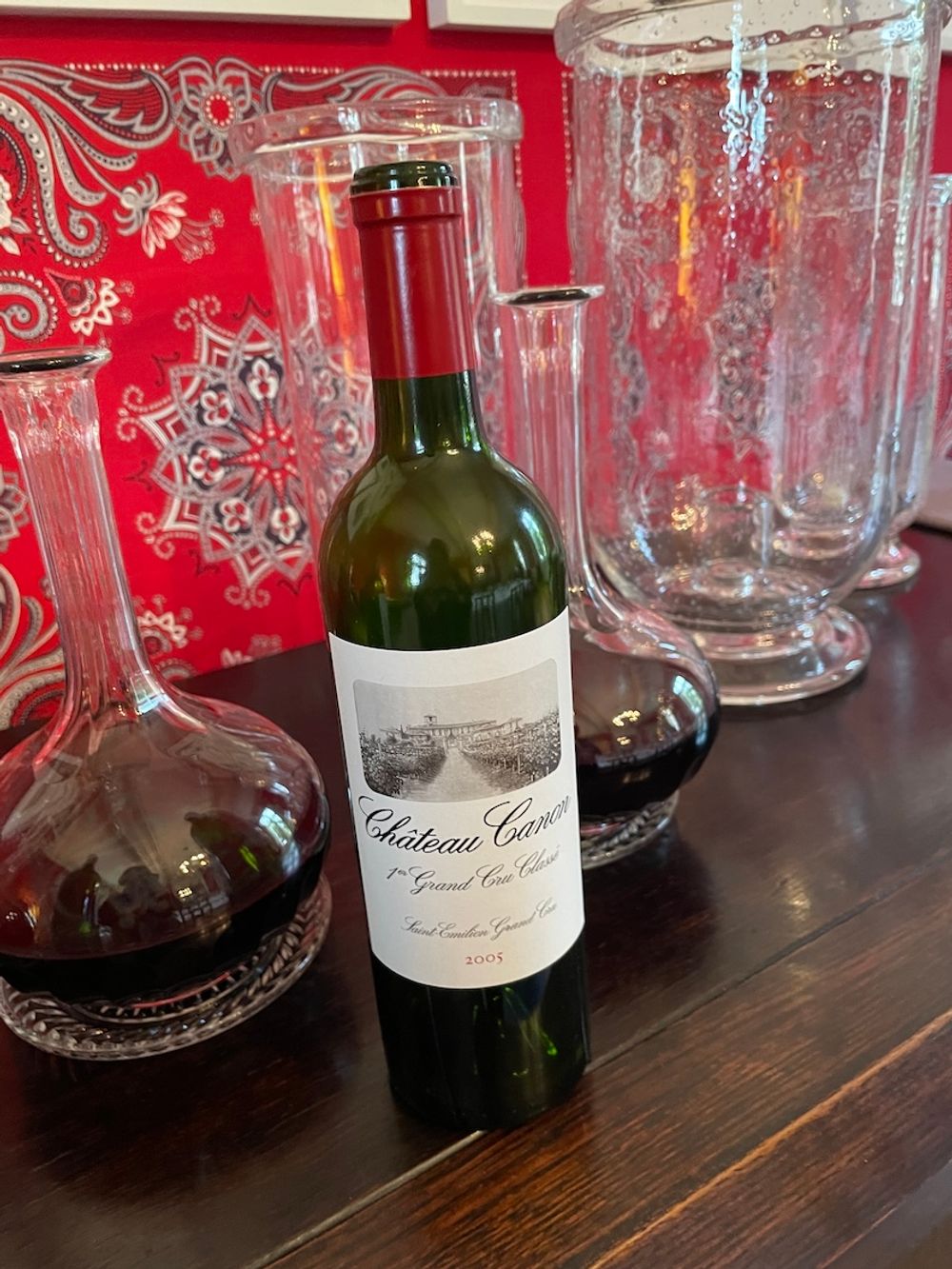
At the end of October, I spent 48 hours in Bordeaux as part of the Curious Vines x Rauzan-Ségla Bordeaux Educational Award, visiting three Chanel-owned estates: Château Rauzan-Ségla, Château Canon, and Château Berliquet. Alongside four other winners, we focused not only on tasting but also on exchanging ideas with the teams behind these top estates.
The wines, as expected, were exceptional, but what left the deepest impression was how much Bordeaux has changed over the past decade. When I last dined with a first-growth château at Vinexpo years ago, sustainability and organic practices were largely dismissed. Today, in 2025, like many other top producers in the region, all three Chanel estates hold organic certification. During our stay, the discussions ranged from geeky trials of “informed water,” electrically programmed to mimic copper fungicide, to broader R&D addressing climate change.
Amongst personal favourites, Rauzan-Ségla 2016 is refined, with mixed berries, graphite, violet, spice, and a lingering finish. Ségla 2001 shows cool-climate elegance, red berries, subtle herbs, and bright acidity. Berliquet 2021 has lifted red fruit, violet, leafy aromas, and is wonderfully balanced. Canon 2005 still lingers in my memory, showing mocha, coffee, and ripe black berries, harmonious and persistent, this wine demonstrates how patience rewards those who appreciate Bordeaux at its finest.
Cyprus
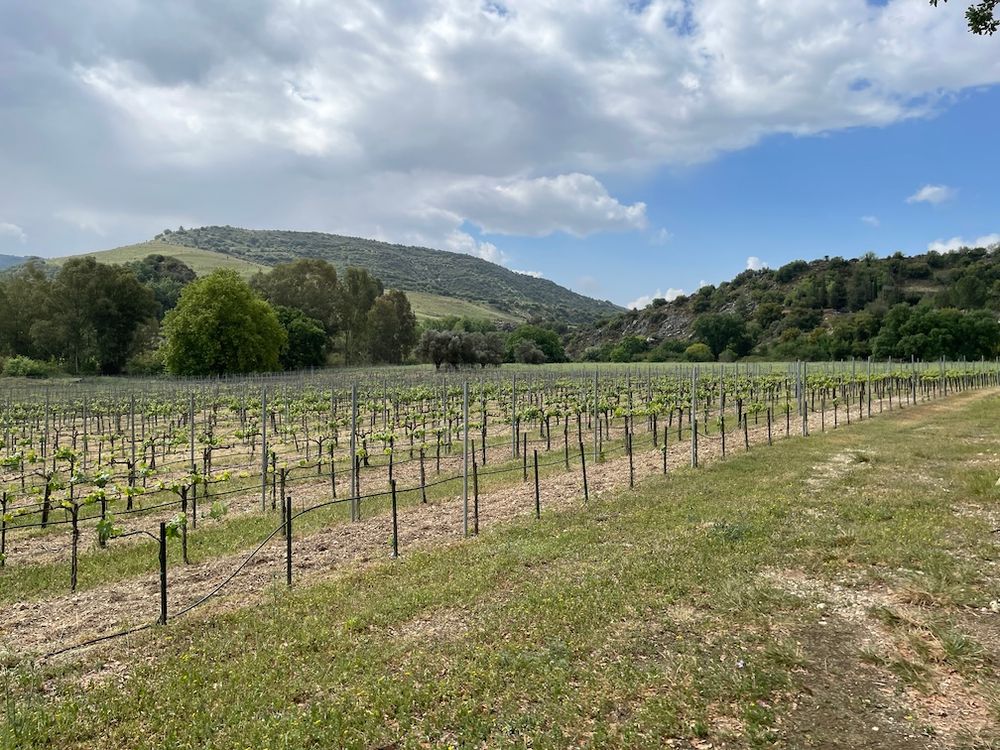
Ezousa Winery in Cyprus planted with the rare ancient varieties
In April, I travelled with the Circle of Wine Writers to Cyprus, one of the world’s oldest wine regions and a surprisingly dynamic destination for modern winemaking. While Commandaria, the historic sun-dried Xynisteri and Mavro sweet wine, often defines the island, Cyprus offers much more.
Indigenous varieties such as Xynisteri, Mavro, and rarer grapes like Maratheftiko and Yiannoudi are increasingly prized for their quality and character.
Many wines impressed, but two from Ezousa Winery really stood out. The Yiannoudi 2022 is deep violet in colour, with red plum, lightly pickled fruit, subtle gamey notes, and chalky tannins. Maratheftiko 2020 displays violet and garden flowers on the nose, vibrant silky red fruit, supple tannins, and a long, mineral-tinged finish. Both wines are a snapshot of how exciting Cypriot wine can be.
UK
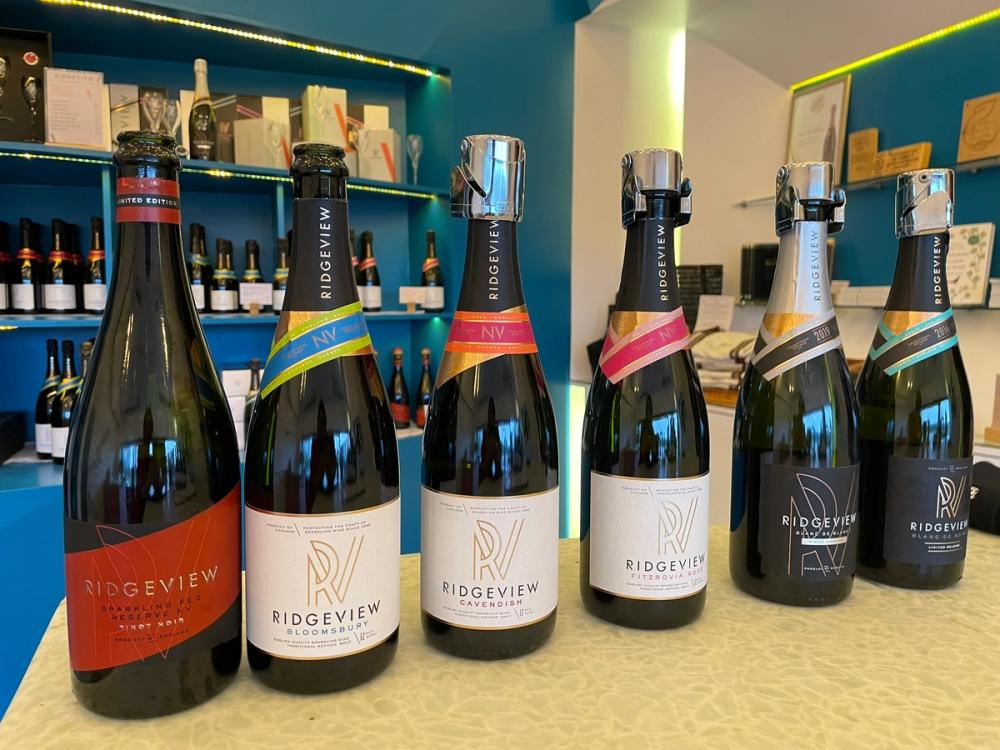
English wine is increasingly diverse and impressive. As a second-year part-time MSc student at Plumpton College, I have explored the industry closely over the past year. English sparkling remains the flagship, consistently delivering high quality. During the 2025 harvest at Ridgeview, I had the opportunity to taste the Red Reserve, a 100% Pinot Noir red sparkling wine. It is bold, fun, and gastronomic; I really enjoyed it
English still wines are also becoming very exciting. Gusbourne Chardonnay Guinevere is rich and expressive, while Sandridge Barton Don’t Feed the Ponies Sonny 2022, a flor-aged Pinot Blanc, shows complex texture and aromatic depth. These examples highlight English wine’s creativity, quality, and the potential for even greater diversity as the industry grows.
Taiwan
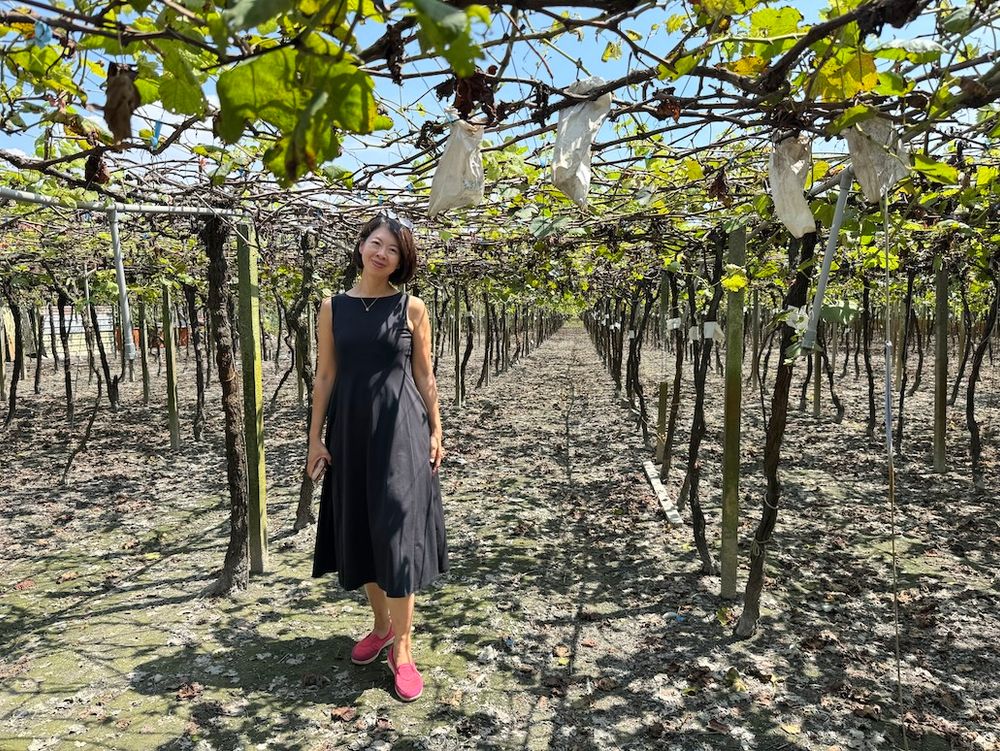
Leona De Pasquale in a Taiwanese vineyard
Finally, Taiwanese wine deserves mention. Taiwan is where I was born and educated, and the first Taiwanese wine was imported to the UK by Diogenes the Dog in 2024. This June, I hosted the world’s first Taiwanese wine masterclass at the WSET, featuring seven Taiwanese wines, including Weightstone No.4, a lively white blend made from locally developed hybrid grapes. Bright fruit, refreshing acidity, and remarkable balance demonstrated that Taiwanese wine, though still small in scale, is ready to step confidently onto the global stage.