Can it be the end of the year already?Time for The Buyer’s writers to extol the virtues of their top wines from the past year, while attempting (and usually failing) to sound humble. 2025 is drawing to a close and, as before, I feel fortunate as I pour over the tasting highlights from the notes I keep on my phone.

'Bringing it all back home' – Dylan's first night in the Kermode household
As a journalist and judge, I travel extensively, so my list is usually dominated by wines that I have tasted somewhere else, but I was grounded for the early part of this year because we adopted a puppy - Dylan, a cocker/cavalier cross, was abandoned in Harrow in January, possibly an unwanted Christmas present. Hours from death in freezing conditions, suffering from malnutrition and mange, he’d been rescued by The Dogs Trust at Harefield, who nursed him back to health, and he will spend the rest of his life with us - so spring was spent raiding my own cellar on the rare occasions that we had some peace.
I started collecting Austrian wines just before the pandemic, inspired by my friend Freddy Bulmer, a buyer for The Wine Society, who has done so much to promote the quality and ageability of Austria’s fine wines. Grüner Veltliner does not get the credit it deserves when it comes to ageing potential, but, thus far, the real revelation, from the wines I have amassed, has been Riesling. Its potential to age is obviously well known, but I confess I had largely ignored Austrian examples, until I started to taste extensively at the annual Schloss Grafennegg single vineyard summit. The highlight from my cellar sorties, thus far, has been Schloss Gobelsburg Riesling, Ried Heiligenstein 1ÖTW 2019, from a vineyard considered the best in the country for Riesling, crafted by one of its most highly regarded winemakers, Michael Moosbrugger. Gently perfumed, with peach, lemon and white pepper, the palate is silky smooth, the layers of stone fruit and gentle tropical complexity held together by a vibrant lime acidity. Still youthful, it will reward a few more years of cellaring, but it’s hard to leave it alone.
My travels as a judge took me to Austria again this year for the IWSC’s global judging, this time based in Styria. Known as Steiermark, this vertiginous area in Austria’s south produces a distinctive style of Sauvignon Blanc, the steep slopes ensuring plenty of sunshine for ripeness and cool nights for acidity. The resulting wines, plump but fresh, are gastronomic in style and, judging blind, we enjoyed a Sauvignon gold rush, including one of those wines you cannot wait to see ‘unveiled’: Weingut FrauwallnerSauvignon Blanc Ried Buch 2019. We described lovely aromatics of pithy citrus, wet stone, slate, green pepper and cut grass, with lively acidity and great concentration. As a result, I shall be adding Sauvignon Blanc to my burgeoning Austrian collection, as these are also wines built to age.
I am a huge fan of traditional method sparkling wine and this annual recap usually lists a few memorable Champagnes, but this year my focus is closer to home. Judging England, again for the IWSC, I was blown away by the quality of a cuvée from the ’09 vintage. And it wasn’t just me. Our panel gave it a gold, with 97 points, one of the highest scores in what is, without doubt, one of the toughest competitions. The result was ratified by John Hoskins MW, a member of the senior judging committee and a former examiner for the Institute of Masters of Wine, who was also seriously impressed. This captivating cuvée came from Dermot Sugrue, an Irishman who is one of this country’s most eminent winemakers: Sugrue South Downs The Trouble with Dreams 2009 in magnum was absolutely enchanting, with spiced apple, vibrant red fruits, fresh citrus, a delicate, nutty, pastry character, with a chalk backbone and hint of sea spray. A rarity already, once medalled it sold out in seconds (you'll have to ask me nicely - Ed.), so I shall likely never taste it again.
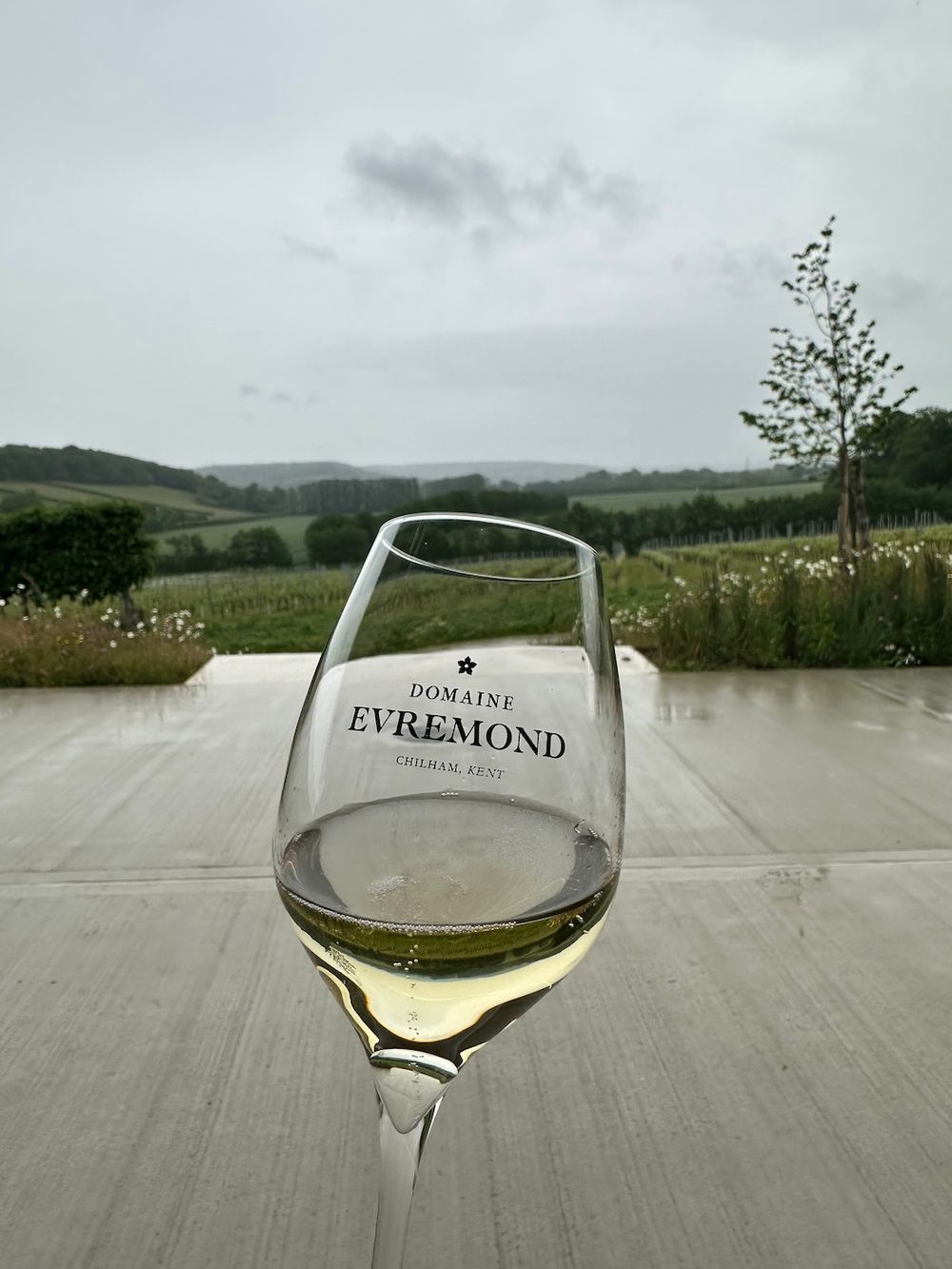
Intrigued by what Taittinger might bring to England’s burgeoning sparkling scene, I travelled to Chilham on one of the few rainy days of last summer, to visit Domaine Evremond with co-founder Patrick McGrath MW of Hatch Mansfield, partner in the project. The new winery, blending beautifully into its bucolic surroundings, produced just one wine (at the time of my visit), Domaine Evremond Classic Cuvée Edition I, which I first tasted late in autumn 2024, then again on my visit, and then more recently a few weeks ago, and it has been evolving each time, while setting its stall as one of England’s greats. Majority Pinot Noir, with around a third Chardonnay and 10% Meunier, it offers purity and precision, the orchard fruit profile and chalky undertow signalling its source and the finesse revealing its Champagne pedigree. Edition II is in the pipeline and I cannot wait to taste it.
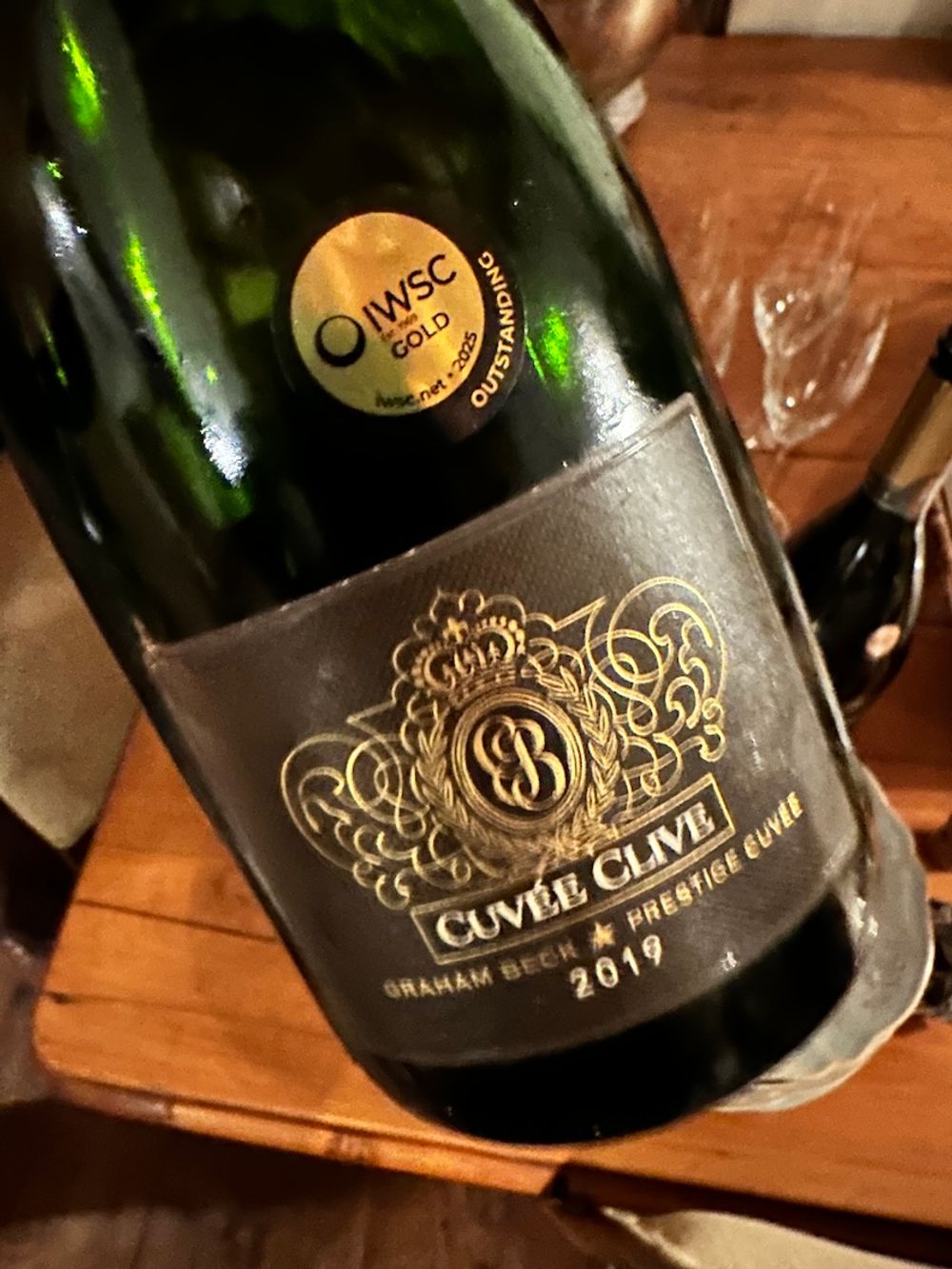
It’s not just the English giving the Champenois a run for their money, of course. South Africa has its own traditional method sparkling wine, Cap Classique, that offers an extraordinary ratio of bang to buck. Such is its rising stature, the IWSC devoted a day to it, at its annual South Africa global judging session, and I was delighted to be running that particular panel, under the direction of Victoria Mason MW, who oversees the whole process. We gave four gold medals to Cap Classique (a decent hit rate from around 65 entries), with one particular cuvée stopping us in our tracks. Graham Beck Cuvée Clive Cap Classique 2019 represents the pinnacle of the portfolio for Graham Beck, a Robertson-based winery dedicated to sparkling, and it was given 97 points for its bright fruit, nuanced delicacy and rich, lemon curd and pastry complexity. Incredibly, it retails in the UK for around £50 online, and would represent value at twice the price.
I have been a fan of Provence rosé since the early 90s, long before it became fashionable, so it has been fascinating to watch the wines grow in stature (and price) over the past decade or so. Few have done more to raise the profile of Provence than Sacha Lichine, who astonished everyone by selling up in Bordeaux and moving to the region twenty years ago to premiumise rosé. His most famous creation, Whispering Angel, needs no introduction, but he also deserves credit for elevating the entire category with his prestige cuvées: Les Clans and Garrus. With a vertical tasting at Annabel’s, Lichine set out to prove that Provence rosé can be “grand”, capable of ageing, showing identical vintages: 2023, 2022, 2021, 2020 and 2017. For Garrus, the ’23 vintage was still taut and linear, while the muscular 2020 vintage, with power and precision, was my favourite. For Les Clans, the 2022 vintage was the standout, with its harmonious balance of freshness, intensity and salinity, so the well priced Chateau D’Esclans Les Clans 2022 was the wine I chose to buy for my cellar. Some breaking news: as we prepare to celebrate the 250th episode of my podcast, The Drinking Hour, in late January, I am delighted to announce that Lichine will be my special guest.
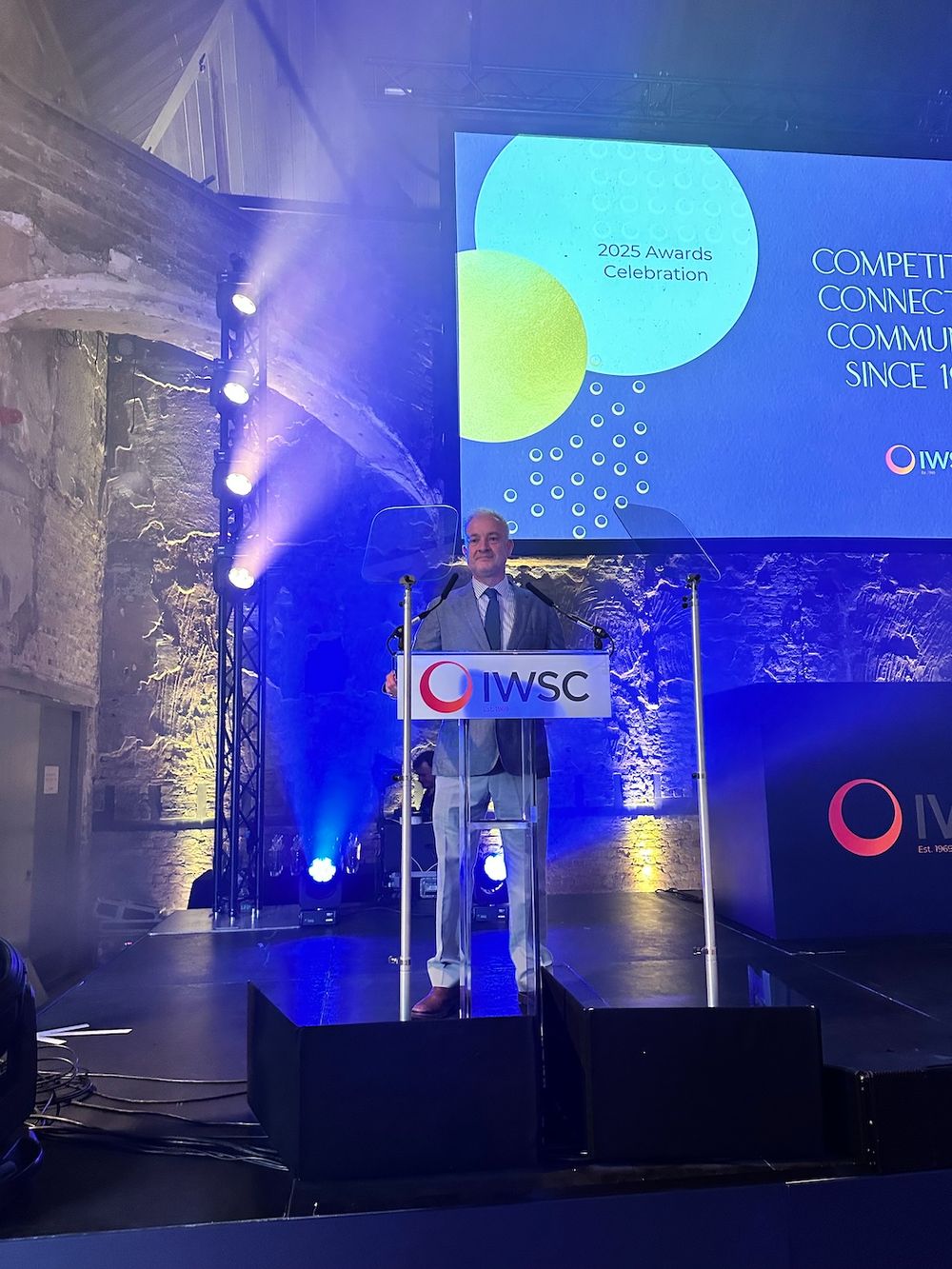
Talking of hosting duties, I was on stage again for the IWSC annual awards bash, in its new venue at Battersea Arts Centre, where an embarrassment of gold-medal-winning wines and spirits bedecked the tasting benches. With microphone in hand, mindful of the need for moderation, I kept my sampling to a minimum, but I did raise a toast to Madeira stalwart, D’Oliveiras, to celebrate it taking the top spot in the IWSC Top 50 Wine Producers list. D’Oliveiras Boal 1986 was incredible: rich and expressive, with a profound sense of balance, by turn sweet and savoury. At a challenging time for wine, Madeira needs our love, so hopefully this coveted award can help.
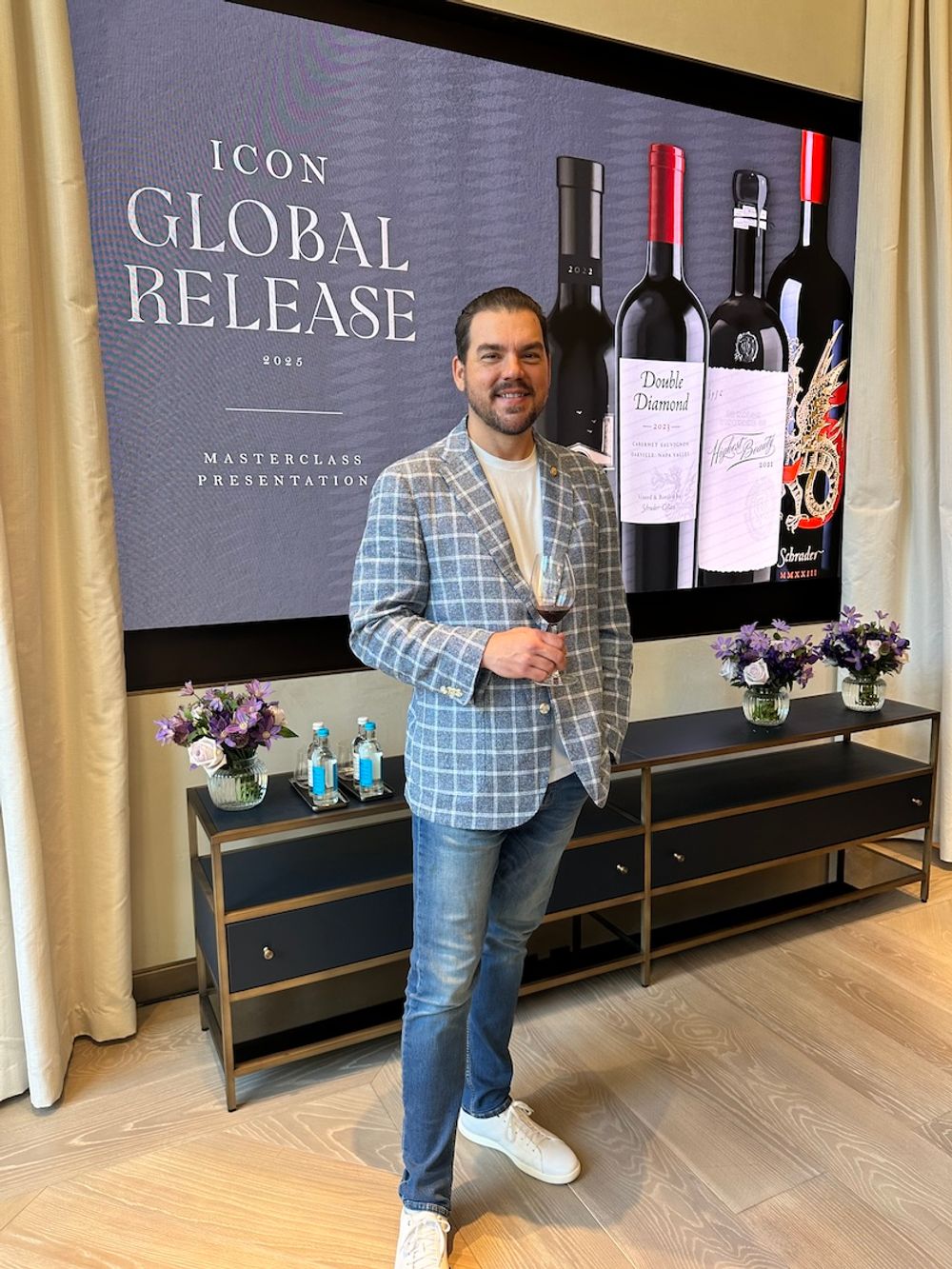
‘Icon Global Release Tasting’ in London, hosted by Master Sommelier, Jason Smith
Even Napa is not immune to market pressures right now, with plots of valuable Cabernet Sauvignon remaining unpicked, when I visited in November. It’s a shame, as I have tasted some beautiful wines from the region this past year, including a real highlight: the ‘Icon Global Release Tasting’ in London, hosted by Master Sommelier, Jason Smith. The historic To Kalon vineyard was the theme, as Smith told us about a heritage clone of Cabernet identified in the plot. The flagship wine of Robert Mondavi winery, To Kalon Vineyard Cabernet Sauvignon 2022 was arguably the star of a stellar line up, with its dark fruit, savoury tapenade, distinctive graphite and dried rosemary, intertwined by a bright spear of sunny red fruit. A serious collectors item, drinking it this young was probably a form of vinous infanticide.
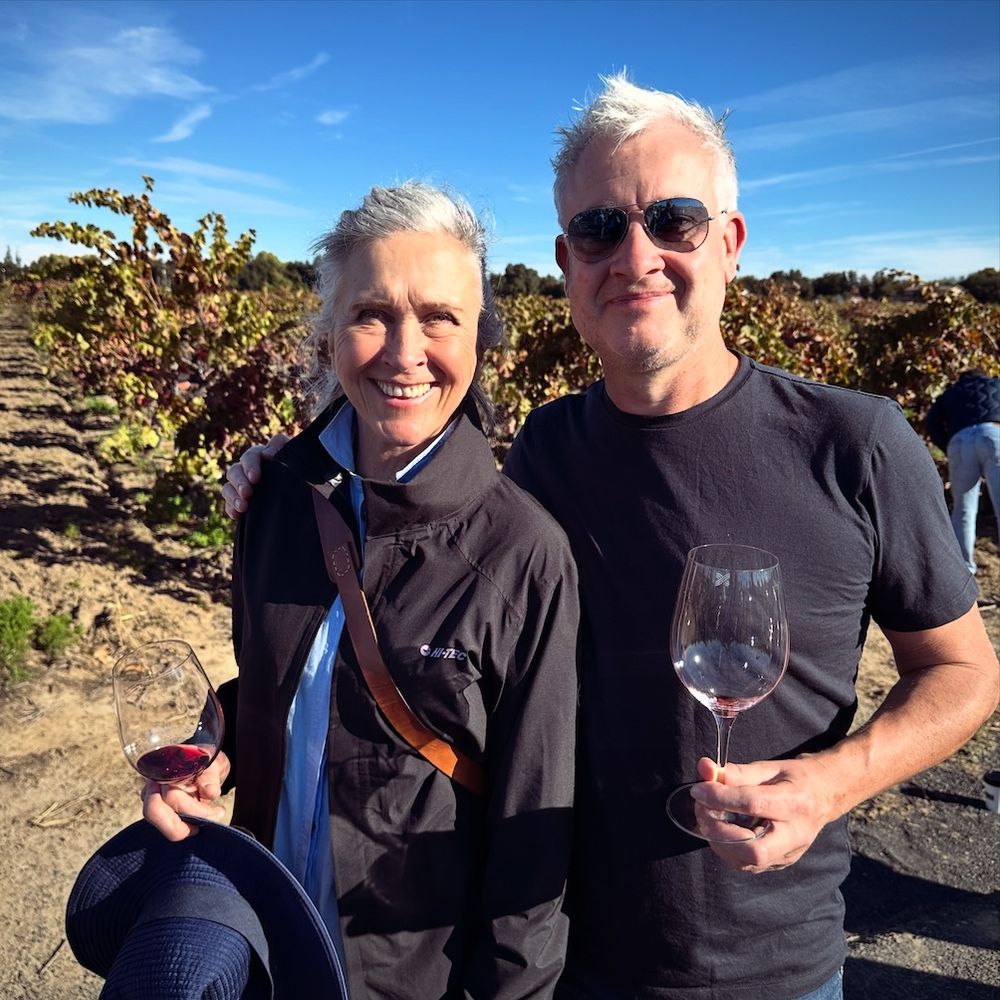
David with Rosa Kruger
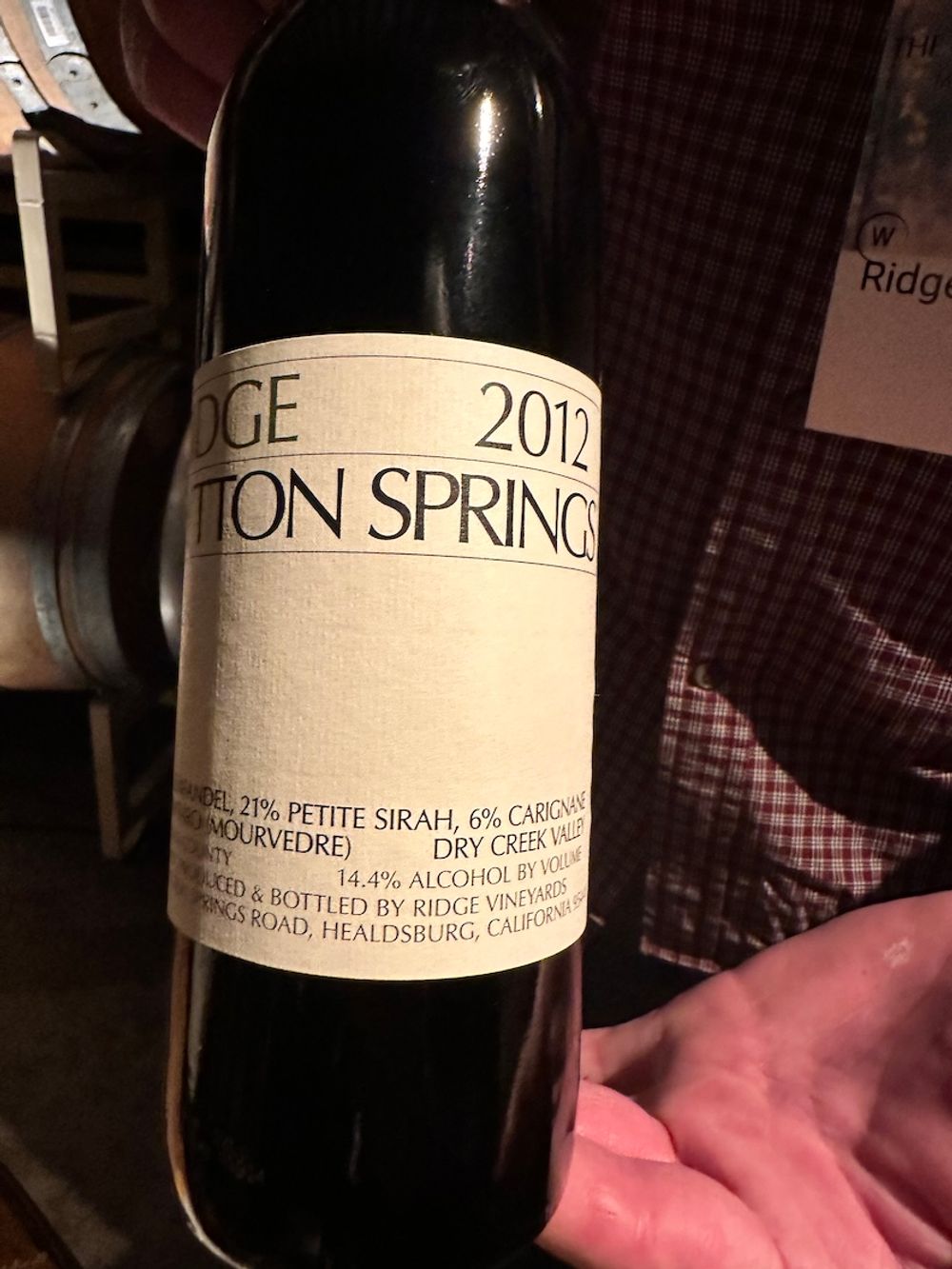
I was in California for the Old Vine Conference, as stage host for its biggest gathering to date, featuring keynote speeches from Jancis Robinson OBE MW, Ridge Vineyards’ emeritus winemaker, Paul Draper, and renowned viticulturist, Rosa Kruger. We sampled dozens of delicious wines, some from endangered vines, but there was a recurrent theme: every time I tried a wine from Ridge Vineyards, I was somehow moved. We might have tasted ten different cuvées from the producer, so it’s difficult to choose one, but I am going for Ridge Lytton Springs 2012, a beguiling blend, led by Zinfandel, featuring Carignan, Petite Sirah and Mataro, with foraged blackberry, morello cherry and liquorice, with tea leaf complexity, supple tannins and this overarching, difficult to describe, ethereal sense of something special: history in a bottle.