Perhaps it is the rich seam of experience sedimented into a wine culture dating back 2,000 years, maybe it’s the barriers to expansion that have served to protect that celebrated region’s reputation, or it could just be the astronomical cost of land. Whatever the real reason for the rise of Burgundian influence outside its defined boundaries, it has left an indelible mark, enhancing the wines of those places fortunate to welcome its restless émigrés and their expertise.
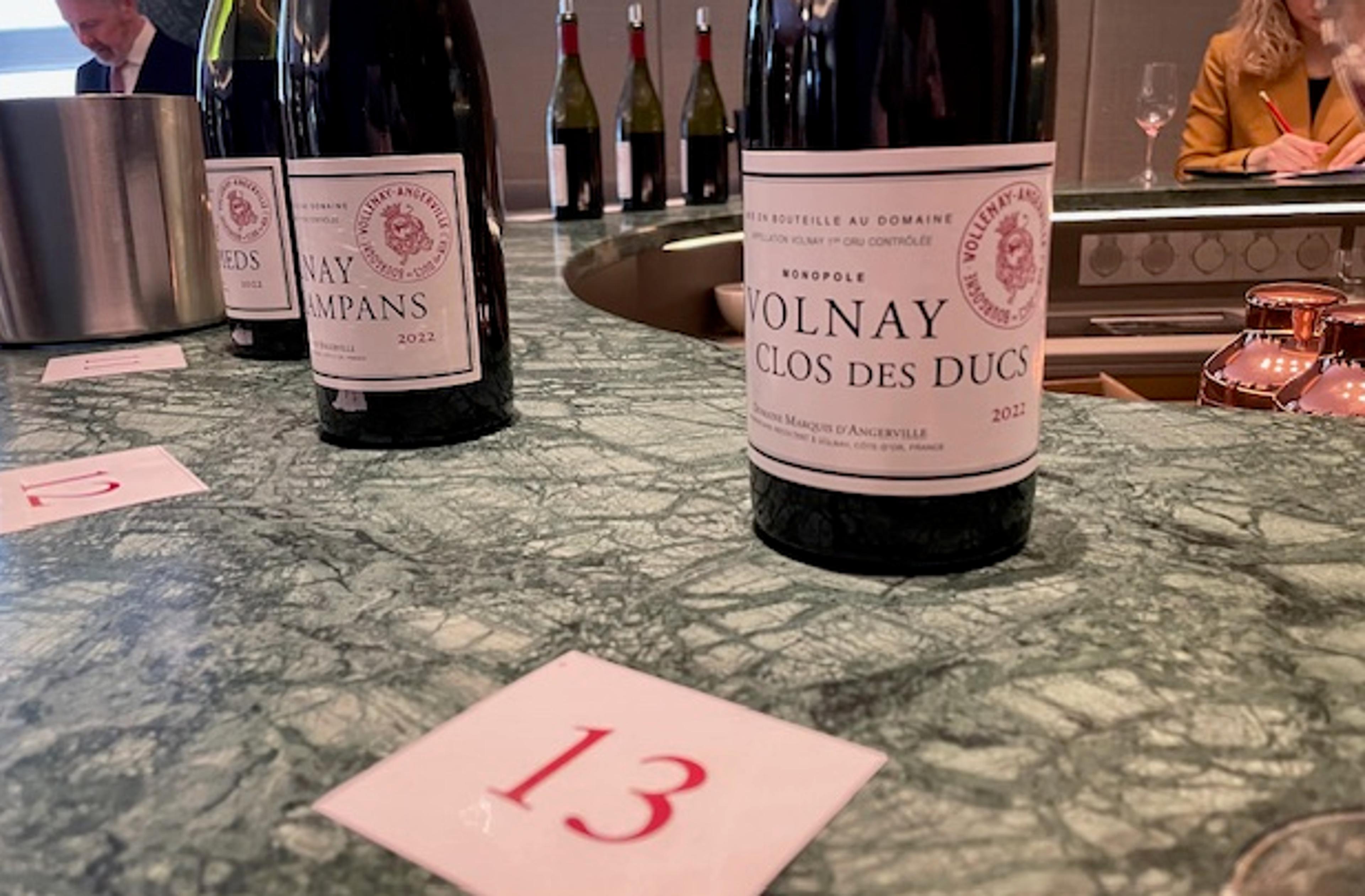
Oregon’s Willamette Valley has been the poster child for such forays, its rolling hills sharing similar terroir characteristics to the legendary Côte d’Or, while Burgundian winemakers have also ventured as far afield as New Zealand’s Central Otago and South Africa’s Hemel-en-Aarde, but there are plenty of places far closer to home that have felt the love, and welcomed the investment, of those who long ago established their reputations in Burgundy: Domaine du Pélican in Jura, acquired in 2012 by Guillaume d’Angerville of Volnay’s Domaine Marquis d’Angerville, is one such example, while another is the western Loire’s Clau de Nell, purchased by Anne-Claude Leflaive in 2008.
Two venerable Burgundian estates, two novel terroirs, two very different regions hundreds of miles apart, brought together by a commitment to biodynamic farming and the production of wines that exude a sense of place rather than a winemaking signature, sharing an UK importer, Corney & Barrow, that understands the value of such an approach.
Domaine du Pélican
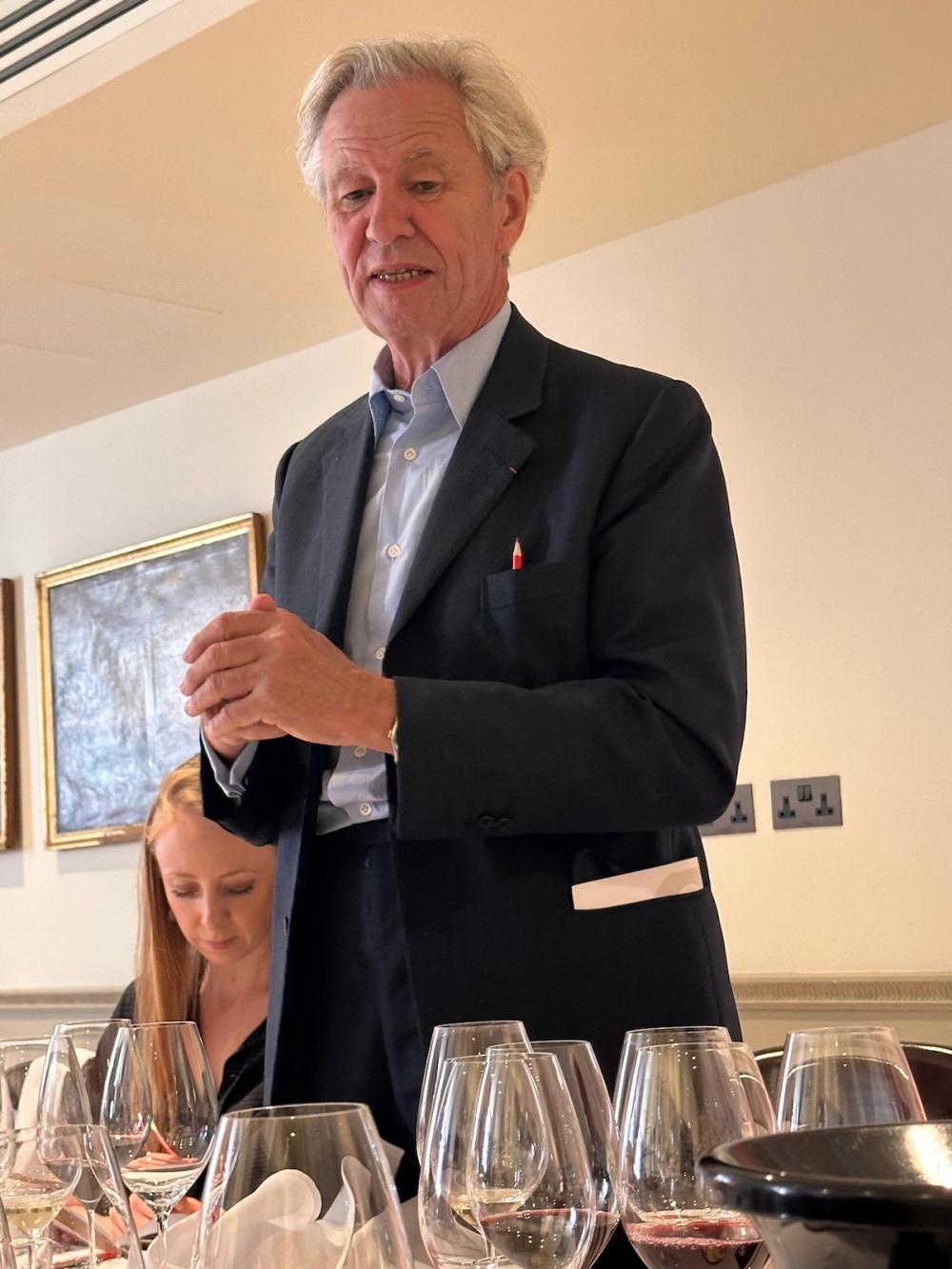
"There are things you can do in the Jura that you simply cannot do at home.” Guillaume d'Angerville, Corney & Barrow, September 22, 2026
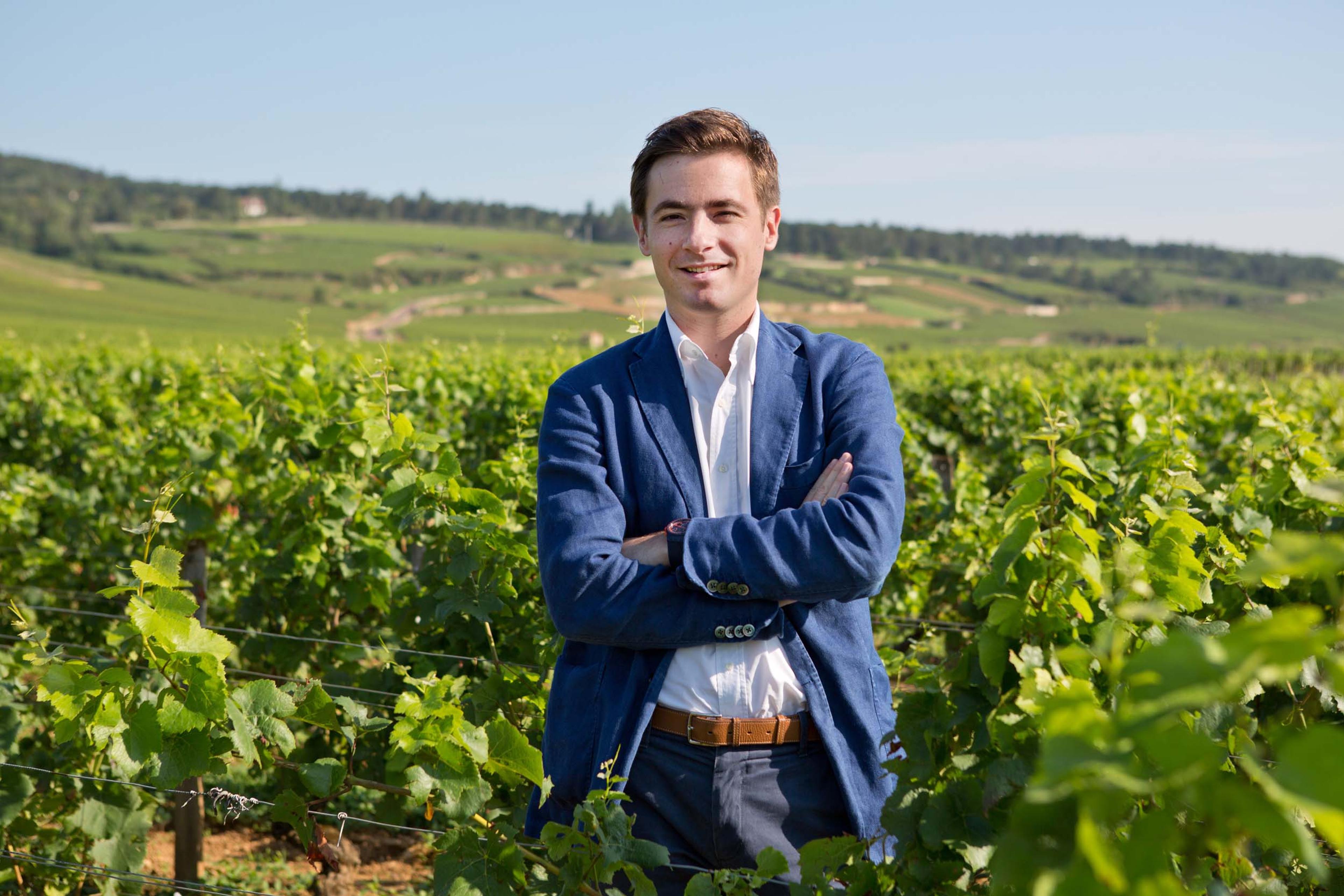
Thwarted in his ambition to expand within his native Burgundy, Guillaume d’Angerville decided to make wines in Jura after a seminal blind tasting experience at a Paris restaurant in 2007, where he mistook a Chardonnay from Stéphane Tissot for a Meursault. There followed a search lasting several years to find the right property, assisted by soil specialist Yves Herody, with Domaine du Pélican eventually established in 2012, partnering with his long-standing régisseur (estate manager), François Duvivier.
“I had just taken over the (Burgundy) estate from my parents and I was trying to increase the size of it, but whenever there was something new on the market, there was someone richer than me to buy it, so I missed out each time, and I was also trying to prove that I could do something on my own without having inherited it, so it was a bit of an ego thing,” d’Angerville tells me, with refreshing honesty. “I wanted to do something new, something different from Burgundy, but close enough that I could really supervise the winemaking and put my name on the label … my father used to tell me ‘you cannot make wine by telephone’ and he was right, of course.”
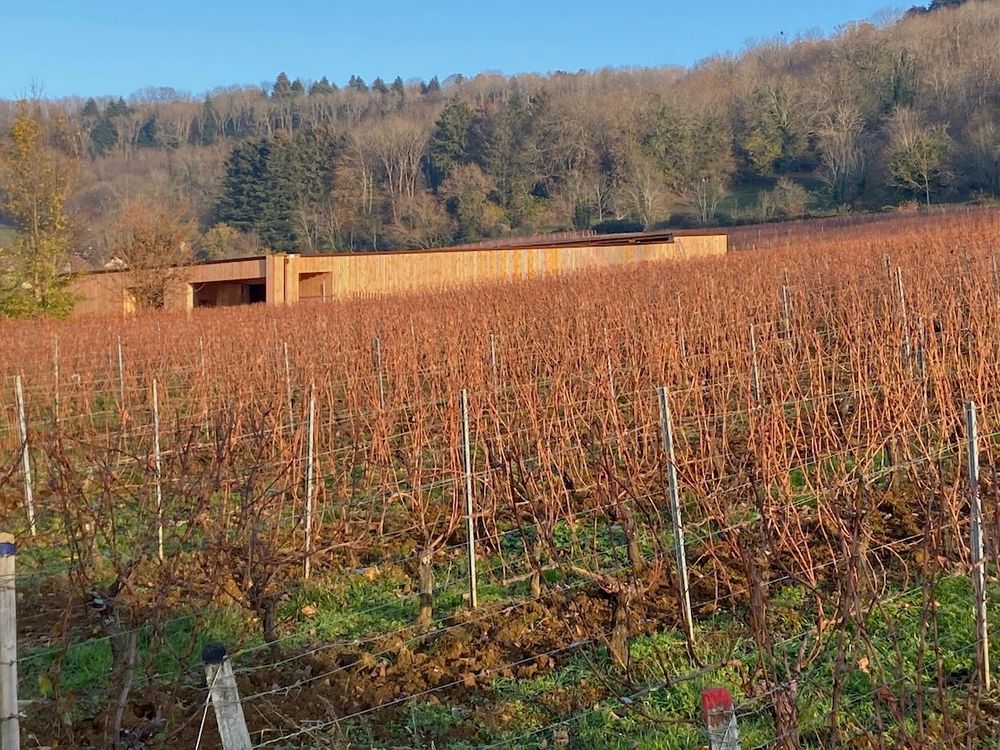
Winery at Clos Saint Laurent, Domaine du Pélican
Based in Montigny-lès-Arsures, near Arbois, the property was put together from a patchwork of different parcels of land and today comprises 15 hectares – planted with two white varieties, Chardonnay and Savagnin, and three red, Pinot Noir, Trousseau and Poulsard – on Jurassic-era soils featuring distinctive multi-coloured marls, farmed using biodynamic methods.
On adapting to new surroundings: “It’s a bit like being a good pianist but all of a sudden you are playing the cello, you have the basics, you know how to read the notes, but it’s still a new instrument, so you have to work hard and be humble. I think I know much better than I used to the particulars of the region, the terroir, but it’s a fantastic adventure.”
That adventure includes making two oxidative wines, a Vin Jaune and a Sous Voile, something he says would be unthinkable back in Volnay: “In Burgundy we are so scared of oxidation, we fight it all the time and we will do anything possible to avoid it, so that was another thing that excited me about Jura because there are things you can do that you simply cannot do at home.”
Clau de Nell
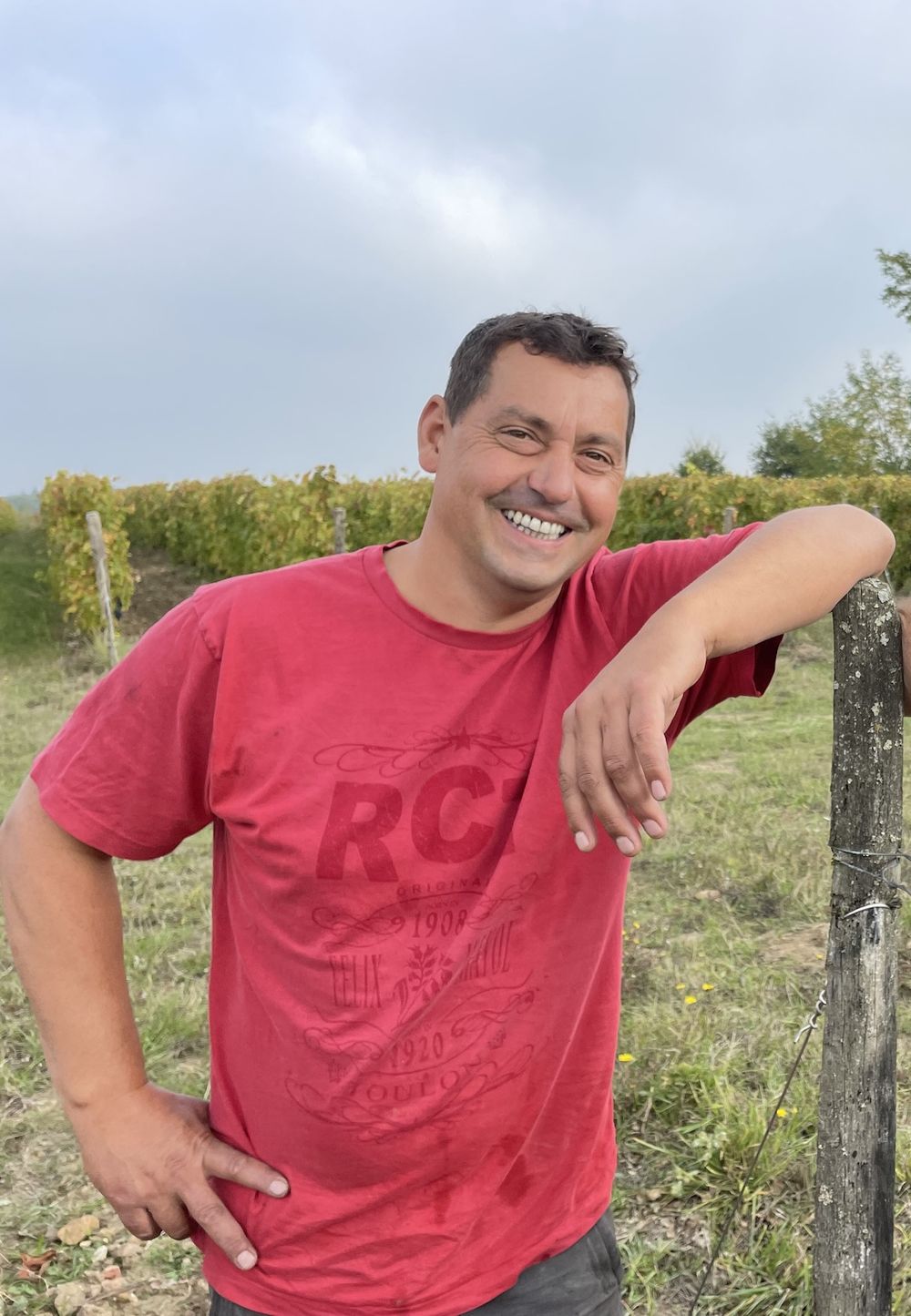
"Practising biodynamics … is not just a tool to make wine but also a way of life.” Sylvain Potin.
Situated in the village of Ambillou-Château, between Angers and Saumur, Clau de Nell has been farmed using biodynamic principles since 2000, something that made it immediately attractive to Burgundian ‘Grande Dame’, Anne-Claude Leflaive, one of the foremost proponents of biodynamic viticulture, when she and husband Christian first set eyes on the estate in 2008. At that time, it was teetering on the verge of bankruptcy, so it was initially a rescue mission.
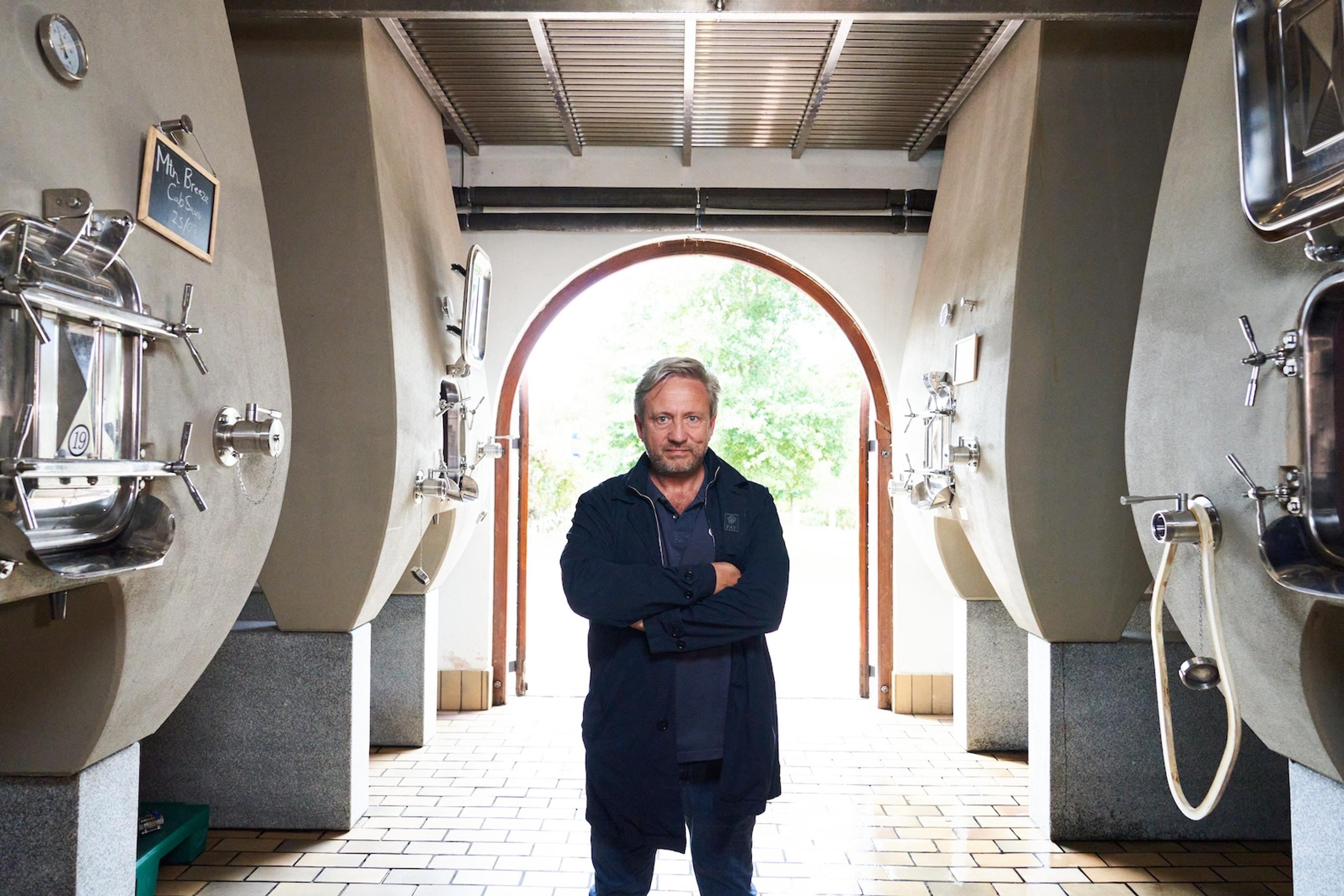
Following Anne-Claude’s death in 2015, Christian continued the family legacy and today their daughter Charlotte runs the estate alongside régisseur, Sylvain Potin, who became involved after a stroll through the vines with Anne-Claude in 2009. A sommelier-turned-viticulturist and fellow practitioner of biodynamics, that short walk was also, it turned out, a meeting of minds.
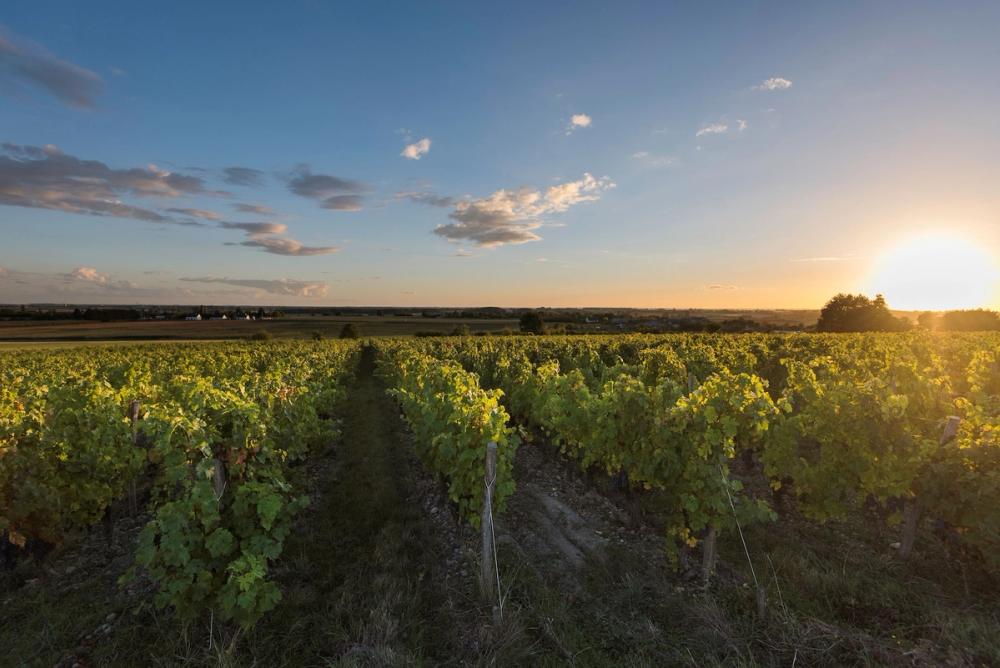
Vines at Clau de Nell
“I met Anne-Claude and we realised that we had a common objective: practising biodynamics on a small estate focused on quality, respect of the soil and its people, not just as a tool to make wine but also as a way of life,” Potin tells me.
Today, the 12-hectare estate primarily features Cabernet Franc and Chenin Blanc, with smaller amounts of Grolleau and Cabernet Sauvignon, grown on a mix of sand, quartz and fine-grained limestone.
Tasting the wines
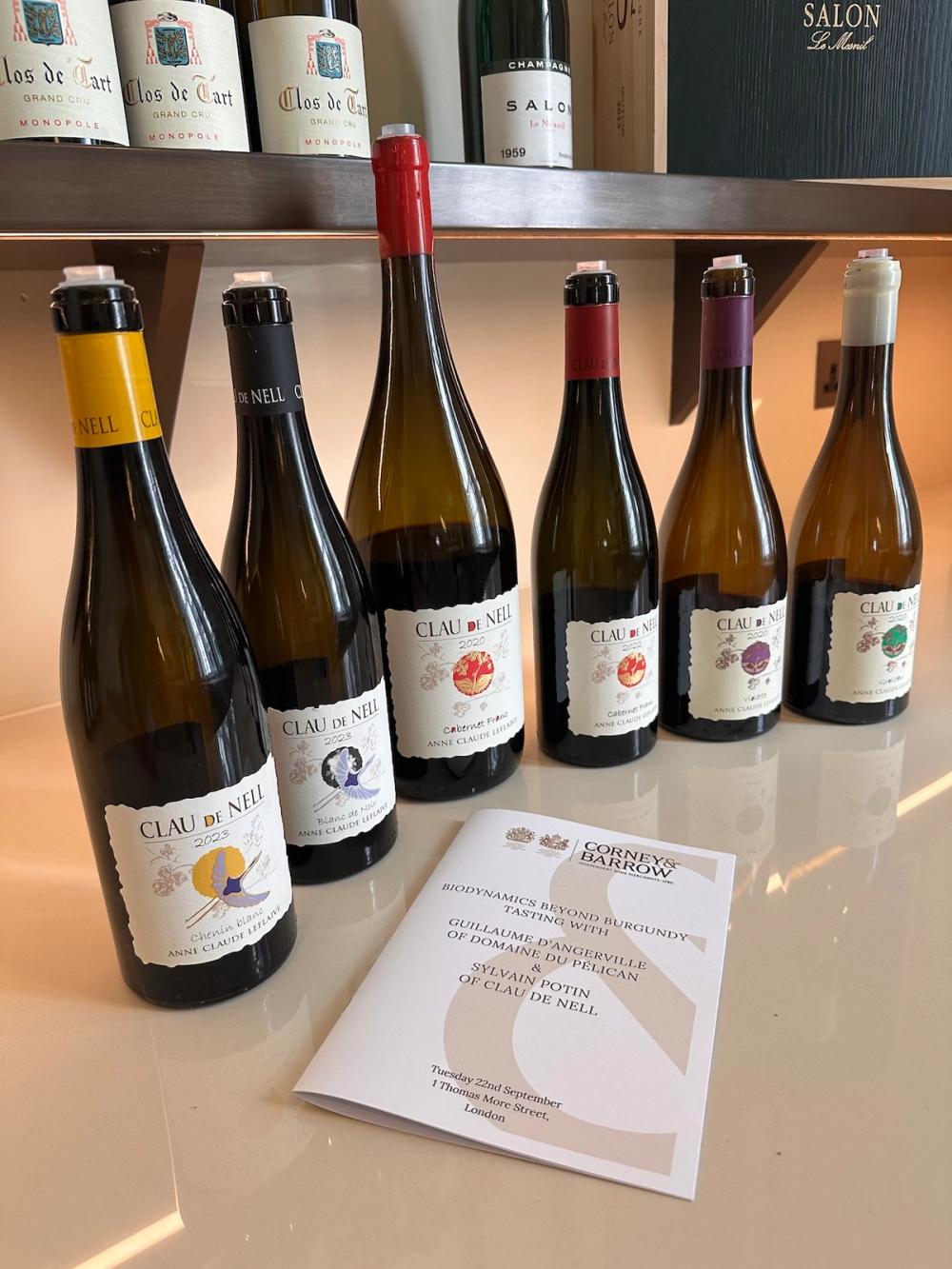
Clau de Nell Anjou Chenin Blanc, 2023, RRP £44.75
A pithy nose, with notes of mandarin peel, leads into fresh, gentle citrus with silky textural charm and a faintly nutty undertow.
Clau de Nell Blanc de Noir Vin de France, 2023, RRP £40.75
A white wine from Cabernet Franc, limpid lemon in colour, enticing with bright aromas of lime zest and Granny Smith apple, the palate is plump and round, with waxy citrus, greengage, cobnut and a dusting of nutmeg.
Clau de Nell Anjou Cabernet Franc, 2020, in magnum RRP £66.95
Still youthful and fresh with blueberry and morello cherry, leading into chunky, dense wild berry fruit framed by a tart redcurrant acid line, with firm tannins, soft leather and a hint of crushed clove.
Clau de Nell Anjou Cabernet Franc, 2022, RRP £31.95
A bright nose of black forest gateau and foraged blackberry leads into a firm, dense wine, with cranberry balancing the dark cherry/berry fruit, notes of cedar and soft leather, best suited to a couple of years in the cellar.
Clau de Nell Grolleau, 2020, RRP £31.50
The nose is fascinating and savoury, with dark cherry, beetroot and ‘Bonio’ dog biscuit, there’s notable tension on the mid-palate, with crunchy blackberry, sloe and redcurrant, soft velvety tannins and a pleasing mineral streak to the finish.
Clau de Nell Anjou Cuvée Violette, 2020, RRP £29.50
A blend of Cabernet Franc and Cabernet Sauvignon, offering an elegant nose of blackberry, blood orange and violet, the palate is smooth and sleek, with a lovely crunch to the cherry/berry fruit, hints of graphite and supple tannins.
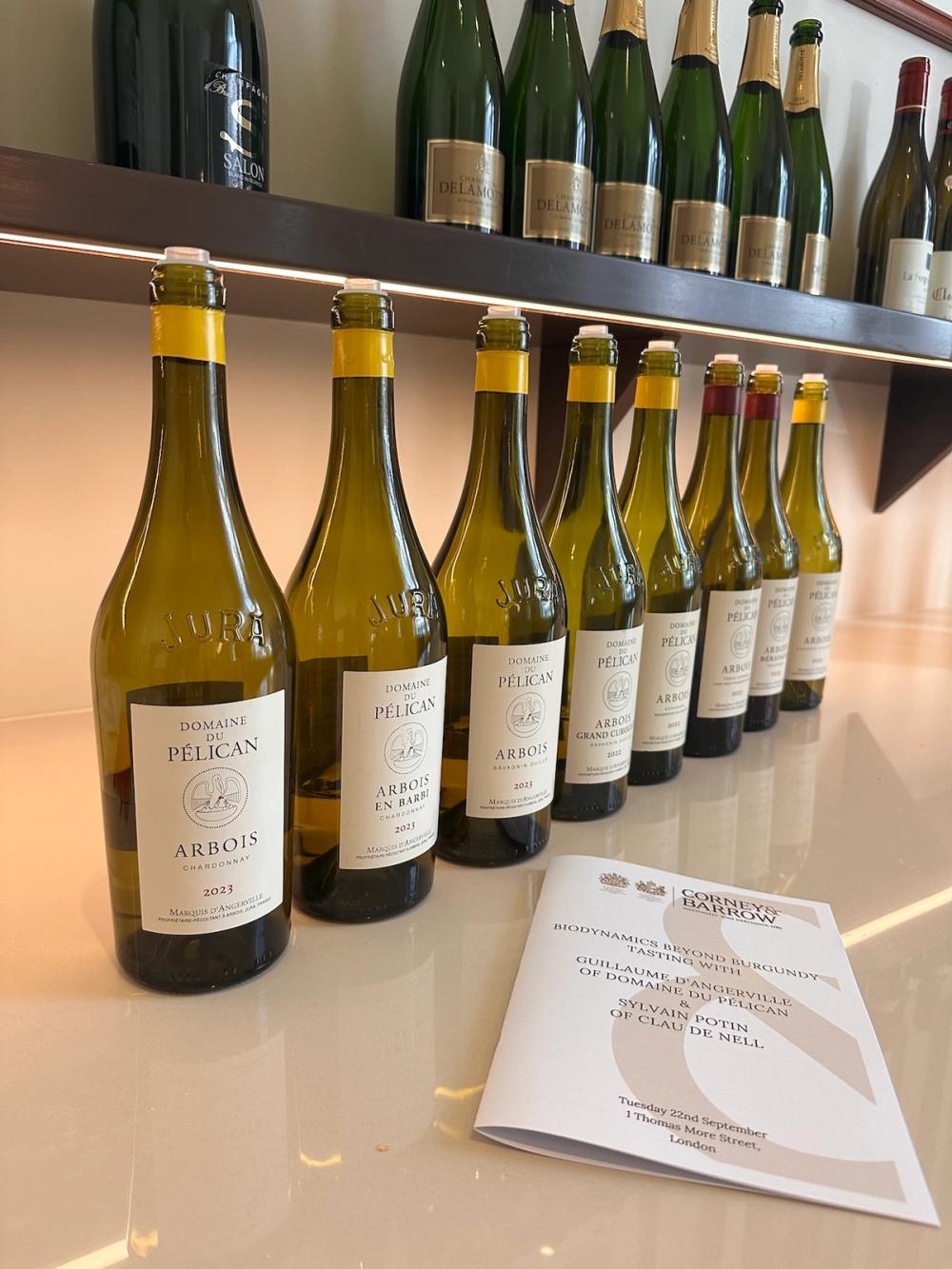
Domaine du Pélican Arbois Chardonnay, 2023, RRP £42.75
The nose entices with citrus zest, elderflower and peach, while the palate is packed with plump stone fruit and juicy clementine, balanced by green apple freshness and a wet stone minerality.
Domaine du Pélican Arbois Chardonnay En Barbi, 2023, RRP £55.75
From vineyards acquired from Jacques Puffeney in 2014, the faintly smoky, mineral nose offers wafts of citrus zest and green apple, while the silky palate is packed with ripe orchard fruits, hints of blanched almond texture and creamy lemon posset.
Domaine du Pélican Arbois Savagnin Ouille, 2023, RRP £40.75
A non-oxidative style of the Jura’s signature Savagnin grape, exuding pithy white grapefruit, Golden Delicious apple and white pepper, smooth and seductive with a subtle nutty undertow.
Domaine du Pélican Arbois Savagnin Grand Curoulet, 2022, RRP £59.25
Notes of lime leaf, grapefruit and orange blossom lead into a juicy fruited and expressive wine, with apricot, grilled pineapple and fleshy Piel de Sapo melon with an undertow of almond meal.
Domaine du Pélican Arbois Savagnin Macération Pelliculaire, 2022, RRP £48.25
An idiosyncratic skin contact wine, with notes of orange blossom, cola cubes and nut brittle on the nose, leading into a chewy, pithy, somewhat phenolic palate of lemon peel, mandarin and baked pear.
Domaine du Pélican Arbois Savagnin Sous Voile, 2020, RRP £62.75
Aged under a veil of yeast for around three years, this is broadly a halfway house on the way to Vin Jaune (which undergoes more than six years ageing), with a beguiling nuttiness, supported by lemon zest, saffron and a hint of souk spice. Fruity, yet savoury, complex and delicious.
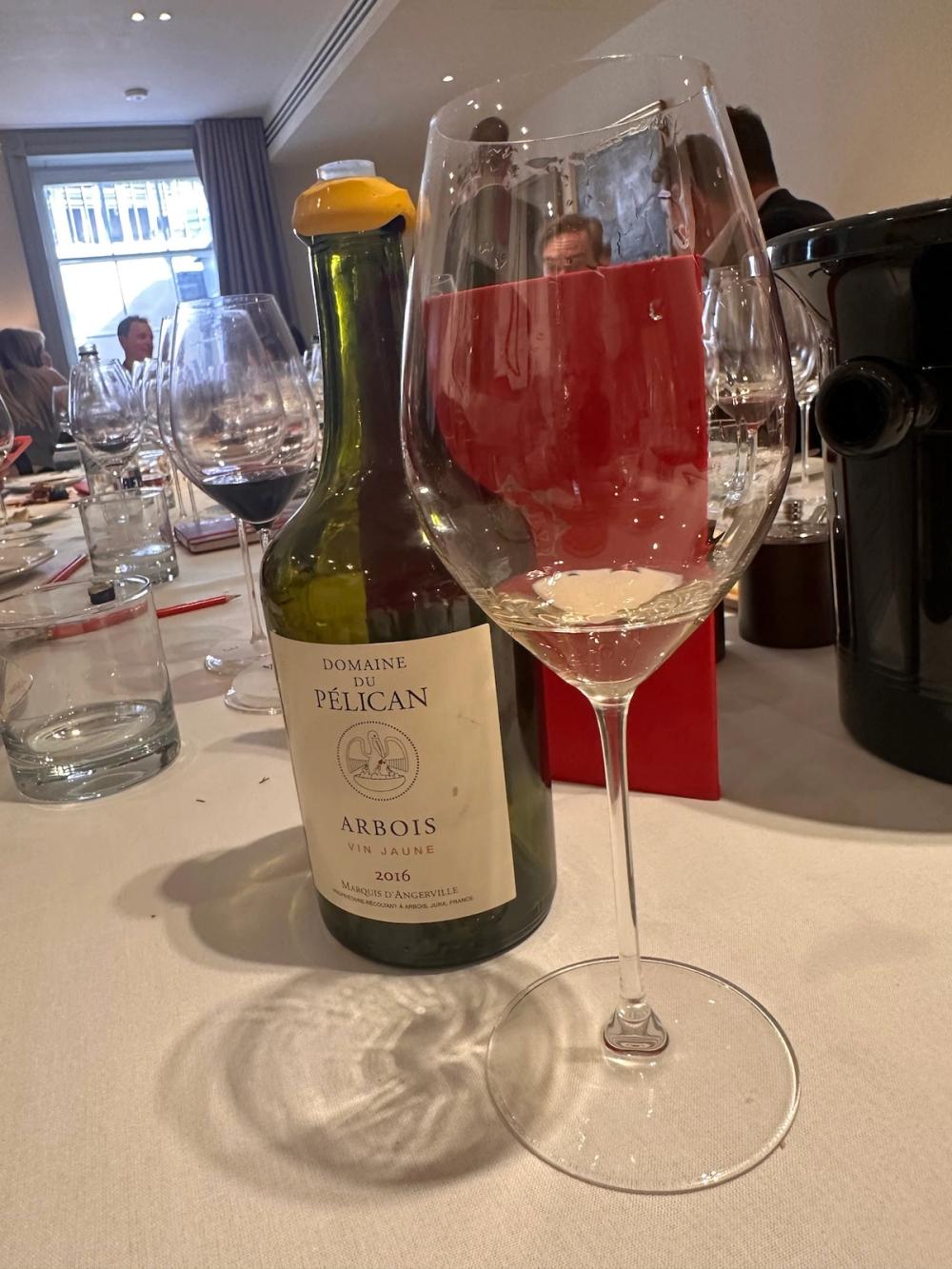
Domaine du Pélican Arbois Vin Jaune, 2016, RRP £176.95 (620ml)
The ‘full monty’, a landmark release representing the estate's first vintage of Vin Jaune (a 2015 was produced, but went awry). Aged under flor for well over six years, bottled in the traditional 620ml clavelin, it is nutty, plump and pithy, with straw, sourdough and spiced citrus. Utterly sublime.
Domaine du Pélican Arbois Trois Cépages, 2023, RRP £43.50
A bright and beautiful blend of Pinot Noir, Trousseau, and Poulsard, with lifted raspberry and red cherry, wild herbs, Earl Grey tea leaves, fine lace-like tannins, and a satisfying rustic undertow.
Domaine du Pélican Arbois Trousseau Béranger, 2023, RRP £62.50
A delicate, perfumed nose of violets and red rose leads into juicy blueberry and sour cherry, the fruit gently building on the palate, like the rising tide. An exhilarating wine quite unlike any other. “Jura’s wines provide emotion,” says Guillaume d’Angerville. He’s not wrong.
The wines are available from Corney & Barrow, a partner of The Buyer. To learn more about them click here.
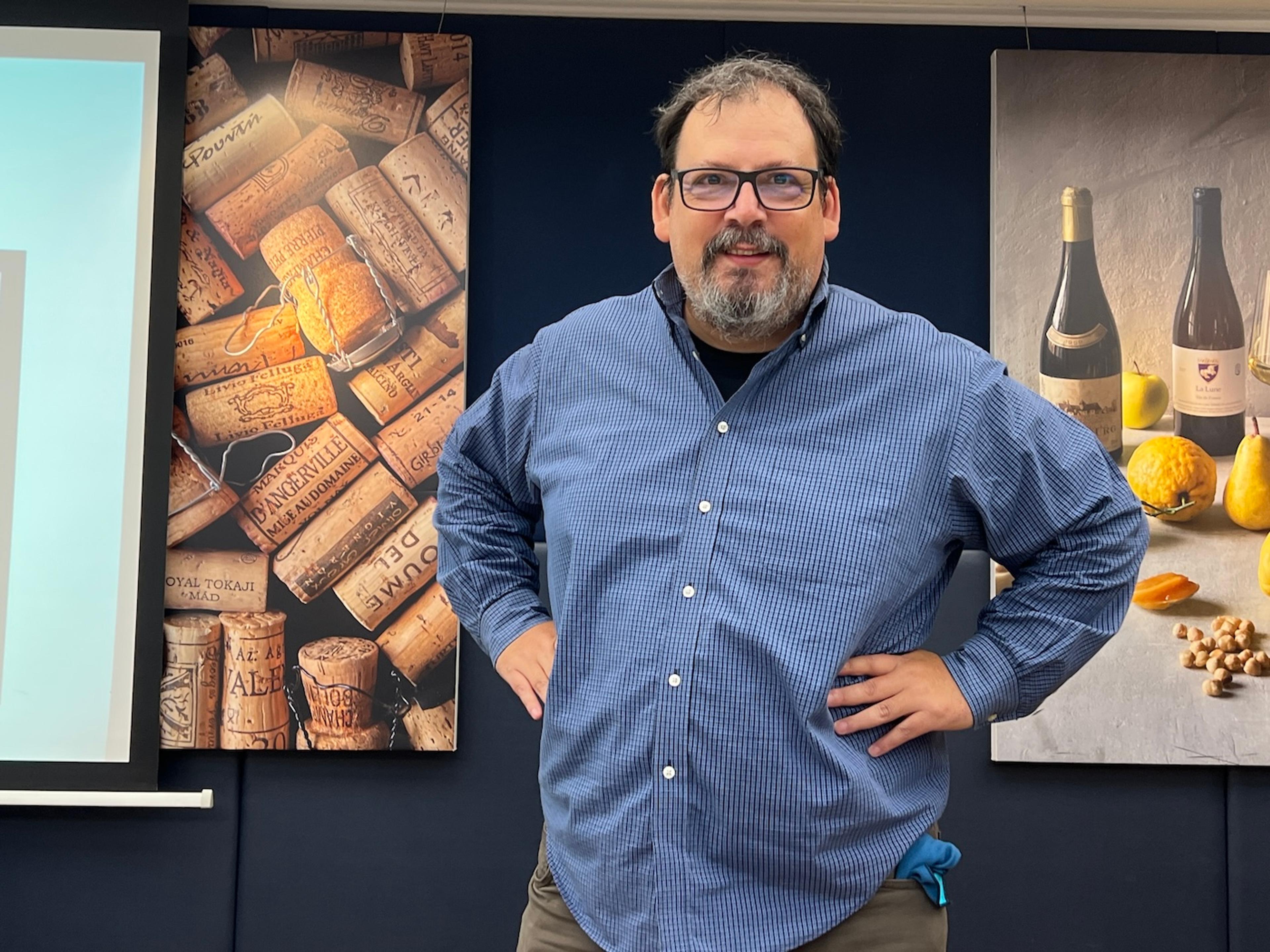
David Kermode is a seasoned wine judge, consultant, writer and host of the Drinking Hour podcast, for which The Buyer is trade media partner. \