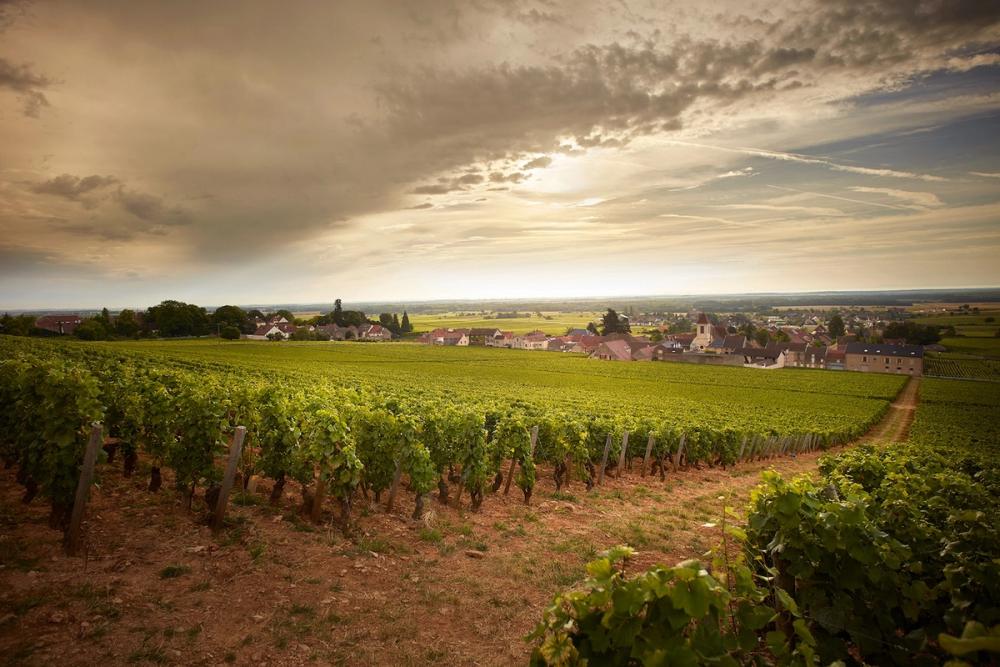
Given that ownership of Clos de Tart (prior to its acquisition in 2017 by François Pinault’s Artémis Domaines) only changed hands twice since the 12th century, the speed of change in the past nine years has been breathtaking:
The estate was certified fully organic in 2018; fully biodynamic in 2020; the vineyard has been re-configured plot-wise and replanted with a focus on massal selection; a biodiversity programme has been implemented; the vat room has been changed to match the increased number of plots; a third village wine was added to the portfolio and the overall winemaking of the estate’s three wines now beats to the tune of an entirely different winemaking philosophy.
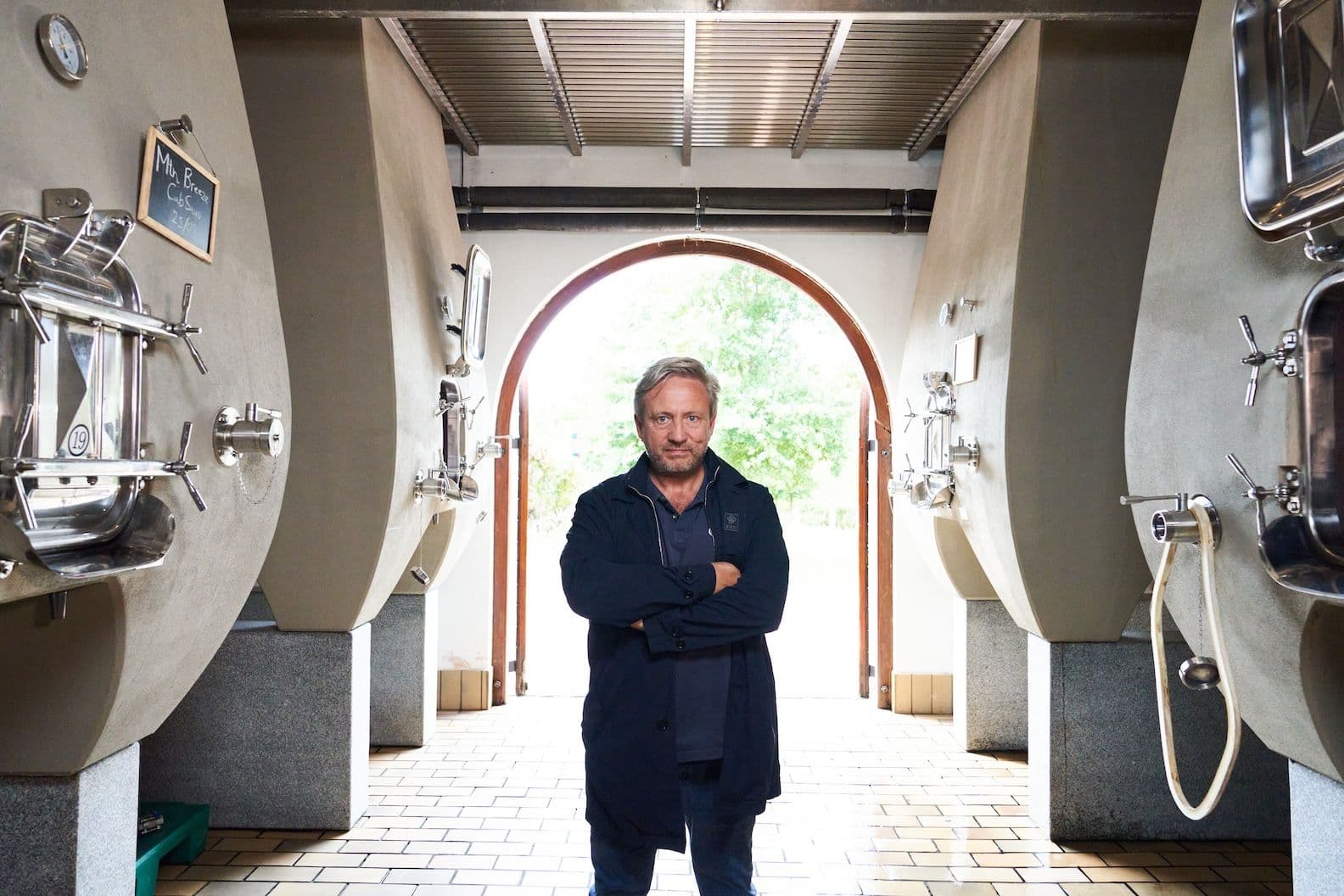
All change: Alessandro Noli and his team have been revolutionising Clos de Tart since 2019
The man behind this revolution is Alessandro Noli, the winemaker who was recruited from Artémis-owned Château Grillet in March 2019, replacing Jacques Devauges who only survived one year under the new ownership. Artémis’ François Pinault, it seems, had wanted to put his own stamp on the wines and, on the strength of this illuminating tasting, it is clear that he has ushered the estate in the right direction.
Despite its lofty status as the largest of Burgundy’s five Grand Cru Monopole vineyards, Clos de Tart wines under the previous ownership could disappoint particularly with the use of 100% new oak and high levels of concentration. These are two of the areas Noli has brought immediate change to – in pursuit of a more elegant, sensual character.
“I didn’t want to make a revolution in one second – the idea is not to change the experience of Clos de Tart – quite the opposite – it is to make a wine that expresses Clos de Tart. How can I use my technique to make the most beautiful expression of the terroir?," Noli explains.
“A great wine has to express the terroir – I don’t like technique that masks terroir, especially in Burgundy, that doesn’t mean anything – I want to let the wine talk.”
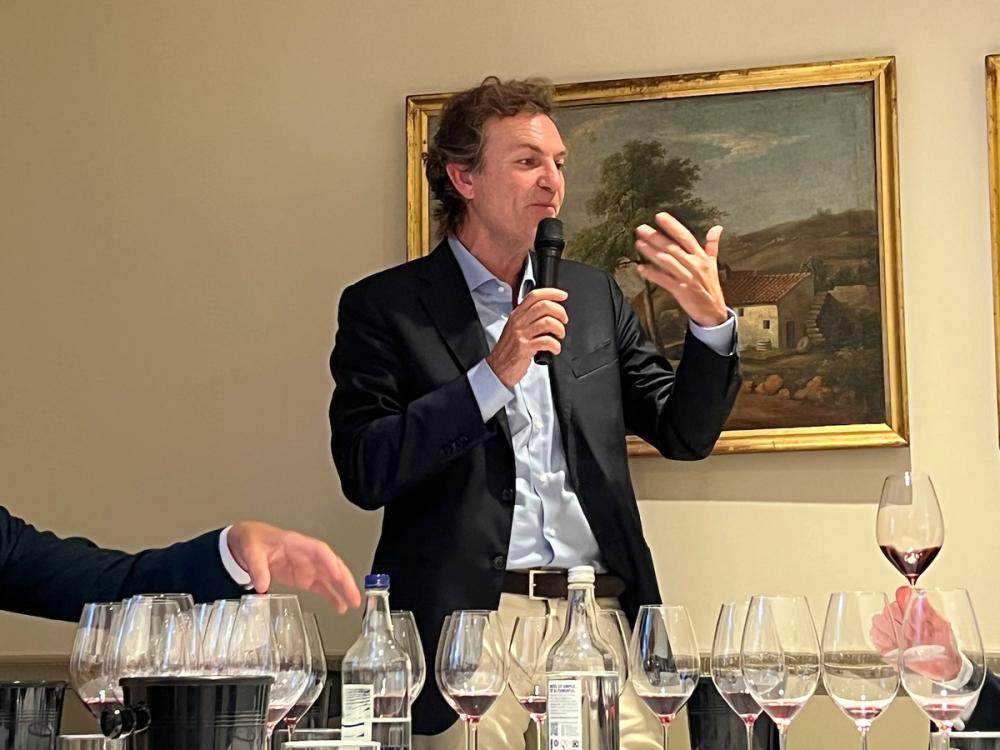
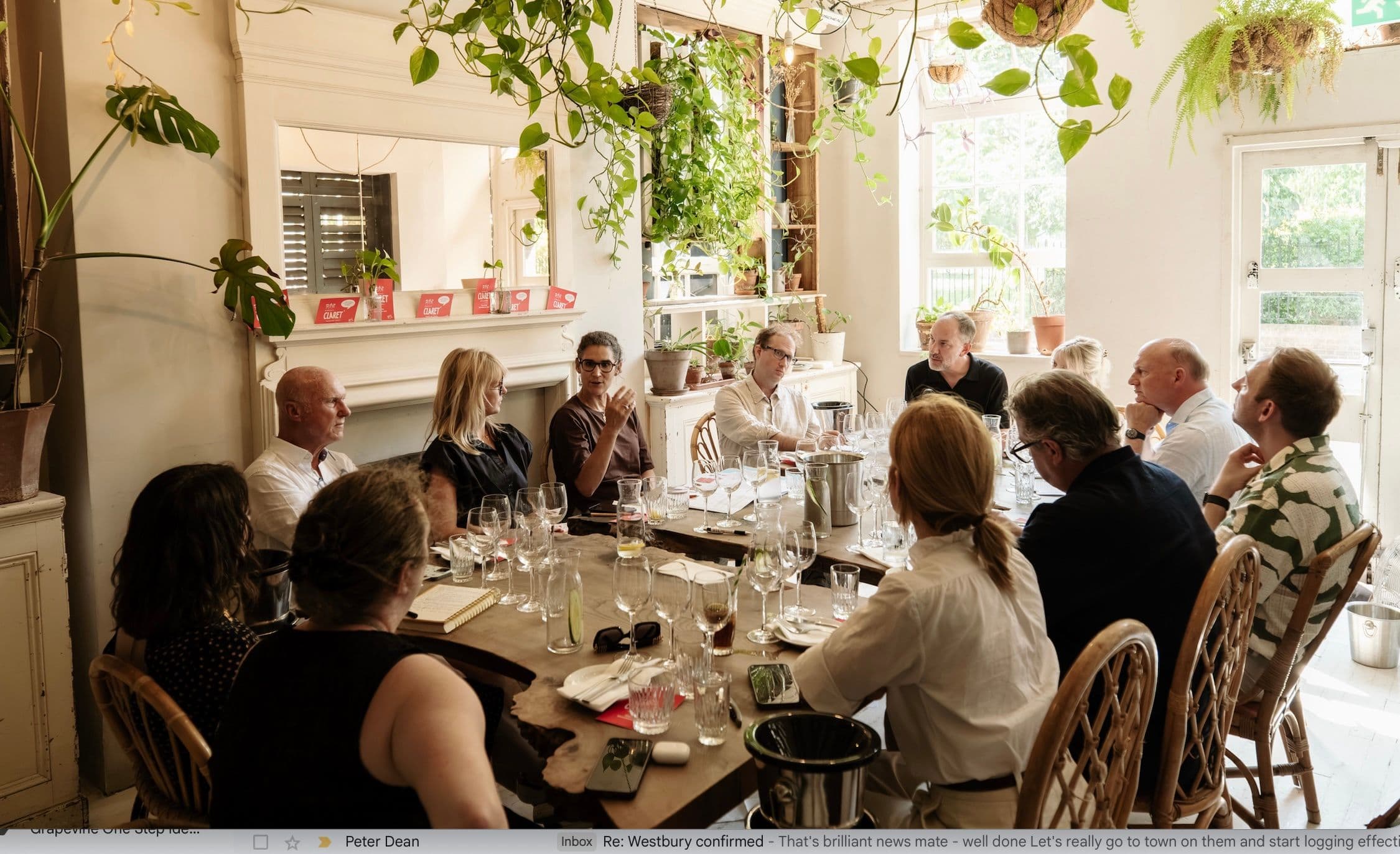
Alessandro Noli explaining his winemaking philoosophy, Corney & Barrow, London, July 6, 2026
Noli explains to a select group of buyers and writers in the HQ of Corney & Barrow (the estate’s importer since 2007) that after his appointment he set about a number of changes in rapid succession – first in the vineyard and then by adopting an entirely new winemaking philosophy.
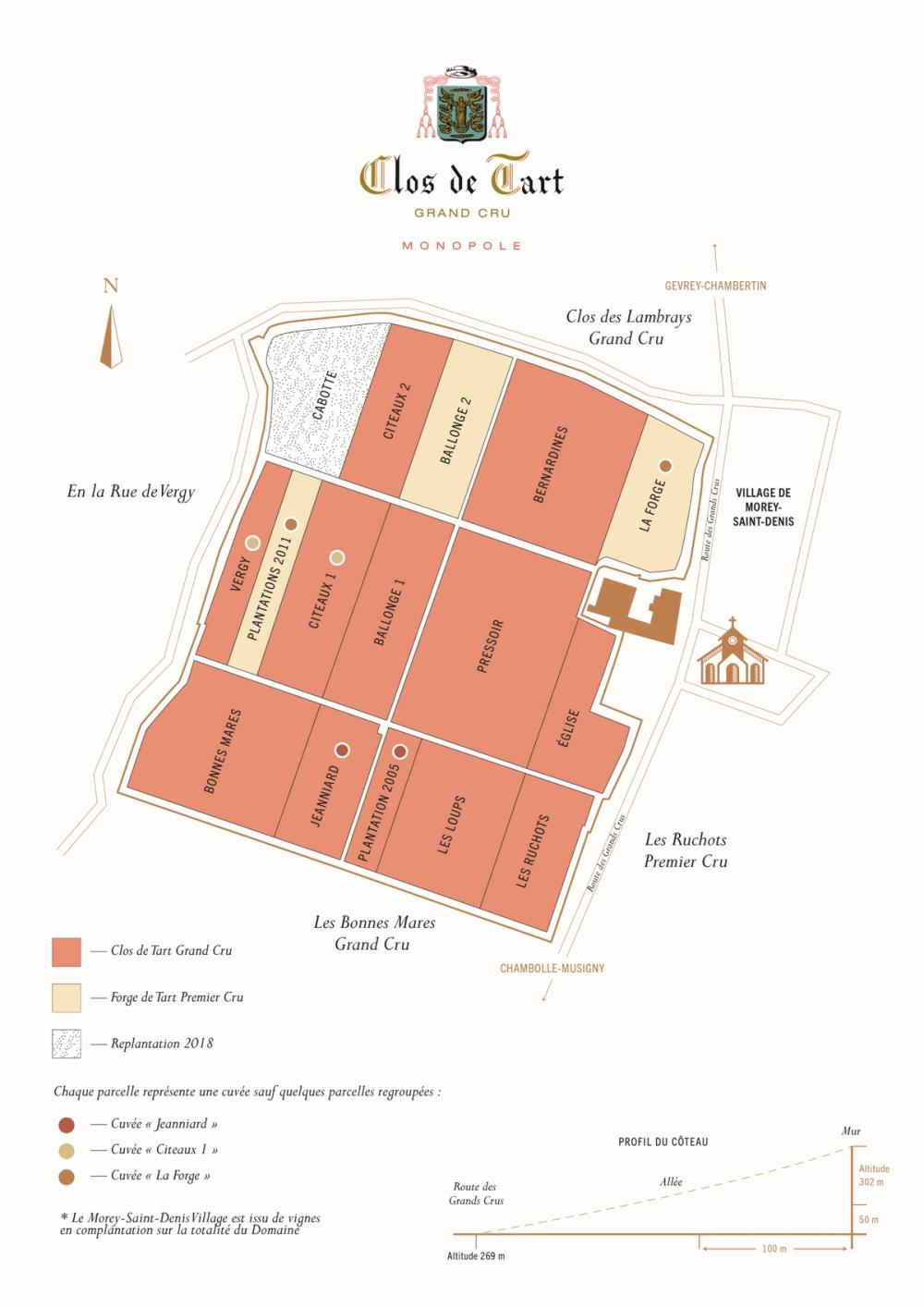
“There have been many changes since the acquisition, the first goal being to understand the terroir of Clos de Tart. Until 2018 the vineyard was divided into 6-8 main sectors and the vat room had 8 tanks. Now, depending upon the quality of the vegetation material – massal or clonal – the types of pruning, the age of plantation – depending upon all of these factors the 15-16 different sub-sectors give rise to 16 different expressions of Pinot Noir inside Clos de Tart.”
Having identified these sectors Noli and his team then set about getting the best from each one, which necessitated a reconfiguration of the barrel room and installing 15 wooden tanks of varying sizes to accommodate different plot sizes. The main driver here is to have not only greater precision in the vinification process but also to change the way that fruit is chosen for each of the estate’s three wines – the village wine Morey-Saint-Denis (which is an on-trade exclusive in the UK), La Forge de Tart Premier Cru and Clos de Tart Grand Cru Monopole.
Noli explains that under the previous ownership the winemaking team used to taste barrels one month before bottling and make La Forge de Tart from the least impressive barrels.
“This is a negative approach,” argues Noli, “it was like making a ‘bad’ Clos de Tart; whereas we make great wine with younger plantings and less new oak – but the philosophy is the same (as the grand cru).”
Noli makes the decision after six to eight months ageing of each sector, then creates the grand cru blend before further ageing.
Fruit from vines aged 6-25 years old will go into La Forge until it shows enough complexity to make it into the grand cru blend. In addition, the even younger vines throughout the entire vineyard are tagged and harvested in one sweep, the fruit going into the village wine. The result is fruit from 5-6 year old vines grown on grand cru terroir going into a village wine.
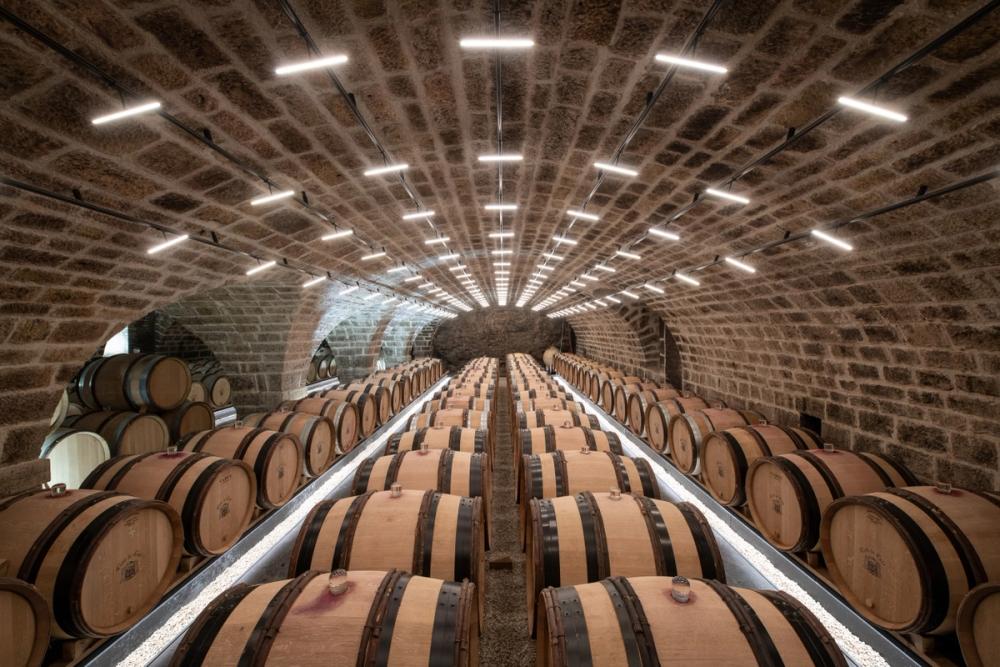
The Clos de Tart Grand Cru now has 40% new oak and is aged for 24 months
Supporting the terroir not masking it
The second major change at Clos de Tart has been with the winemaking philosophy: picking the fruit earlier; reducing the number of punchdowns in order to reduce the level of concentration in the wine; pulling back on new oak; finding the exact amount of whole bunch; making the blend of the grand cru at an earlier stage; ageing the wine for seven months longer; and using ceramic vinification vessels to fine-tune the freshness.
“It was important to have more elegance at least in the tannin matrix,” says Noli, “and we started by reducing a lot the extraction in 2019. In the past they used to have 8-10 punchdowns whereas now we have one. In 2019 I didn’t know where I was going but I said at least start this immediately – doing 4-10 punchdowns.”
“They also used to use 100% new oak barrels – now it is 40% with just 20-25% of new oak in the second wine.”
Noli’s approach to using whole bunch is also driven by the same philosophy – supporting the terroir and not masking it.
For his first four vintages, from 2019, he conducted a study in conjunction with Bordeaux University to determine which were the best percentages of whole cluster to use with fruit from each of the 16 sectors of the vineyard, settling on a range of 30-65% depending upon sector and vintage.
Another change is using ceramic vinification vessels with micro-oxygenation which gives a “fantastic red fruit profile” to the wine, and is especially useful in a warm vintage.
“Ceramic respects the wine – there’s good minerality – but you lose a bit more complexity than you would with wood – the conclusion is the village wine has 50% ceramic, La Forge 25% and grand cru 10% (because of the reduction and evolution of the tannins – the wine becomes a bit more rustic).”
Tasting the wines
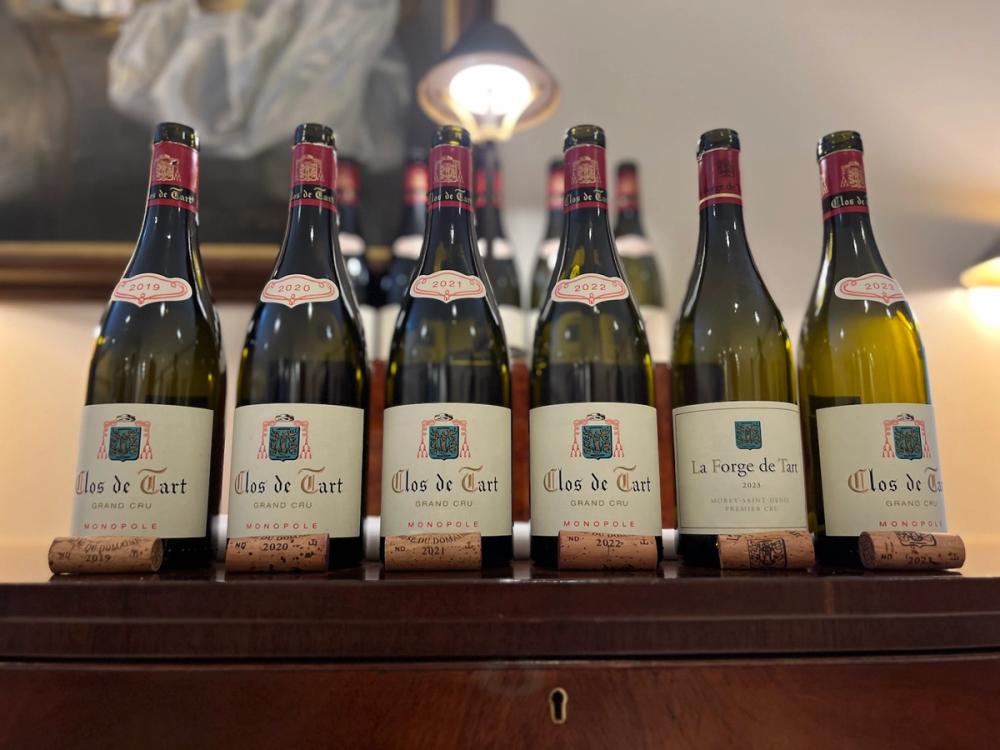
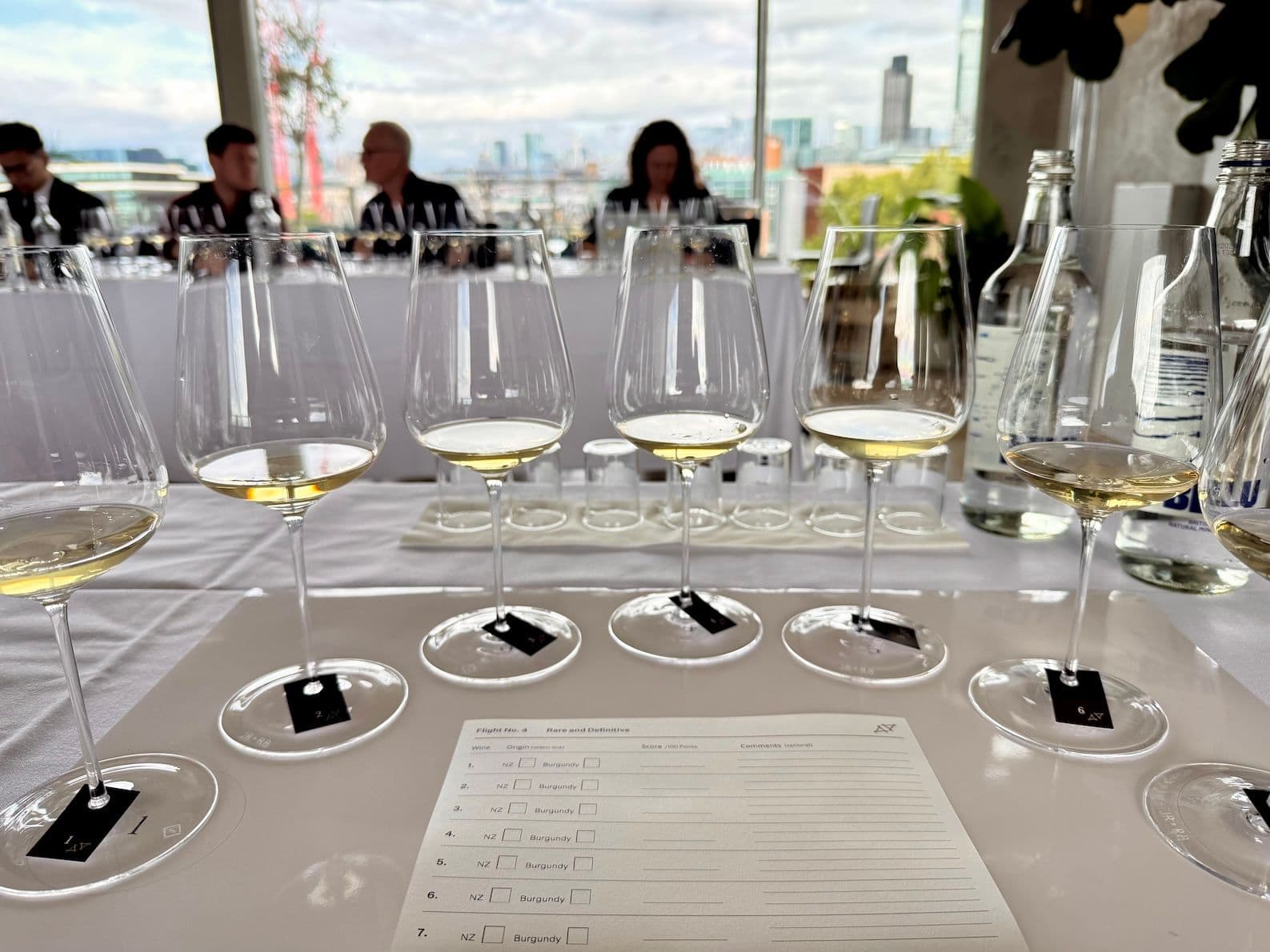
Noli then led a tasting of five vintages of the grand cru and one of La Forge, including the latest 2023 vintages of each wine
Clos de Tart Grand Cru Monopole 2019
2019 was the first berry-to-bottle vintage for both Noli and Artémis. The growing season was sunny with good levels of ripeness. Harvest started on September 13 which was a bit earlier than previous years. Noli explained he did this to go after a red fruit profile in the wine – to keep freshness, acidity and energy in the wine. 50% whole bunch and 60% new oak.
Tasting: Pretty, floral aromas which take on a more savoury, earthy character as it opens out in the glass. Young, complex, ripe wild strawberries with spice. Beautifully precise and balanced.
Clos de Tart Grand Cru Monopole 2020
A sunny, very warm, dry year with harvest starting on August 24 – the earliest ever at the domaine. 50% whole bunch (the ceiling for Noli in a warm vintage) and 50% new oak. He went from four punchdowns to two. Apparently, the challenge in this year was getting the balance right and keeping the freshness.
Tasting: Perfectly ripe strawberries to the fore, cherries, violets; in the mouth the wine has so much power, red berries, a herbal note. Sleek and pure and really quite beautiful.
Clos de Tart Grand Cru Monopole 2021
A cold fresh, rainy growing season with frost in April – the opposite to 2019 and 2020 – a difficult season with the harvest starting in September, almost one month later than 2020. 40% whole bunch and 50% new oak. Noli said the stems didn’t have the same level of ripeness as in '19 and '20 which would have given dry tannins. He also started a regime of just one punchdown and using less toast in the barrels, studying the volatile and non-volatile molecules that toasting gives to the wine, the aim to get a balance between richness and bitterness.
Tasting: The most distinctive classic Burgundy profile with sous bois, graphite, chocolate and struck match aromas. In the mouth the wine is all elegance and freshness (rather than concentration), lively minerality and a saline edge to the finish.
Clos de Tart Grand Cru Monopole 2022
A warm growing season much like 2020. Harvest started on August 26 which was earlier than he would have previously done. Having aged the grand cru for 17 months in 2020, with the '21 and '22 vintages Noli starts to age for two years. “With less new oak and less micro-oxygenation you can play this card,” he says.
Tasting: A vintage that shows when you have concentration in a wine you can also have lovely freshness. Ripe, rich nose of red fruit, gives way to silky tannins, focused with complexity – darker, woody undertones. The mouthfeel and register on the palate is extraordinary.
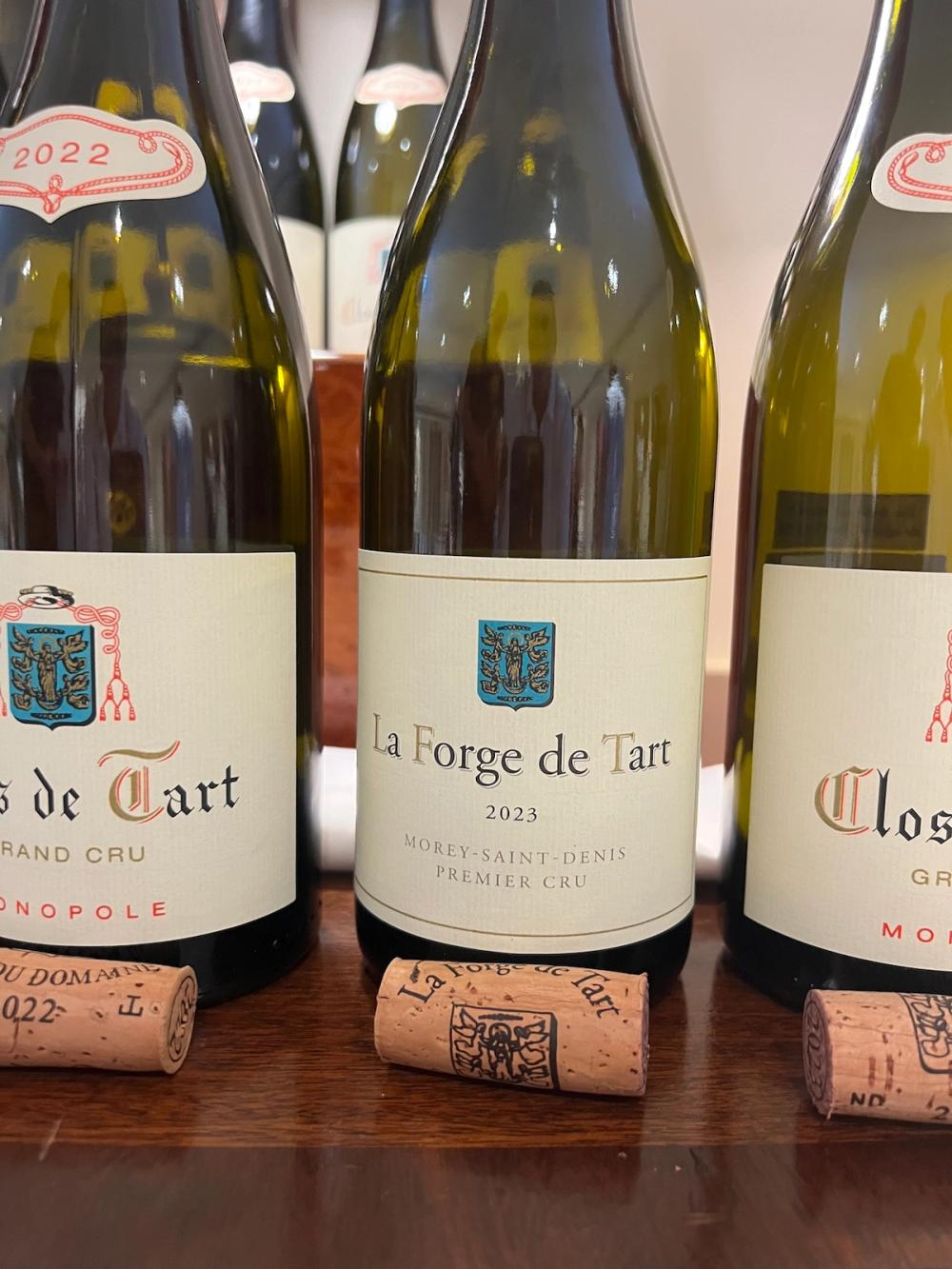
La Forge de Tart Premier Cru 2023
A balanced, “signature millésime” that produced very good yields, so much so that they declassified grand cru fruit into the second wine. Noli explains that when yields are high production reaches about 34 hectolitres per hectare – any more and quality is compromised. “I don’t believe you can produce great Pinot Noir from 45 hl/ ha,” he says. Harvest took a week from September 2.
Tasting: Under Noli’s regime La Forge looks like being a second wine to keep a close eye on especially with the level of declassified fruit going into the blend. Creamy red fruit on the nose, beautiful freshness, lively with very fine, dry tannins – terrific length on the finish.
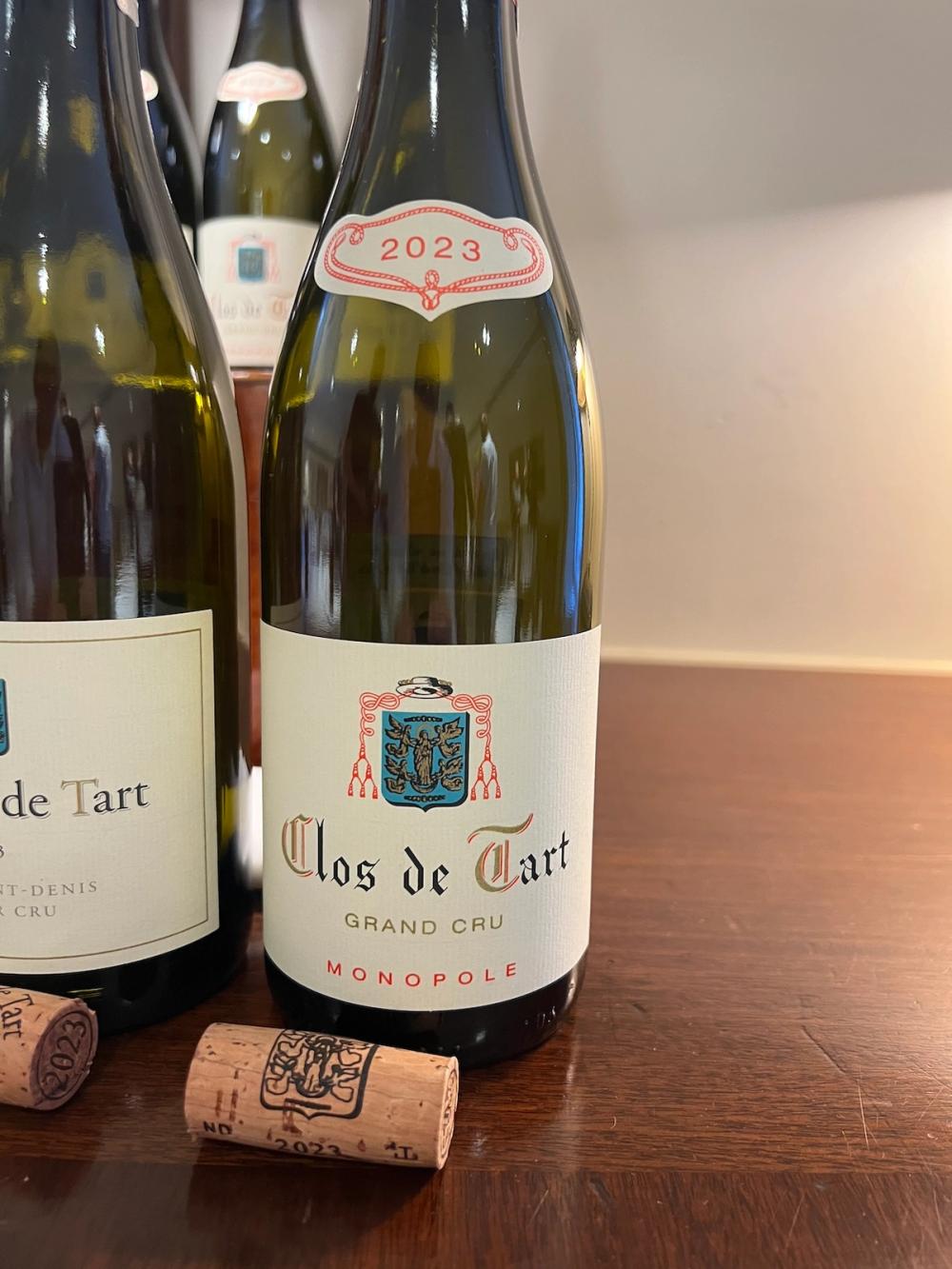
Clos de Tart Grand Cru Monopole 2023
Tasting: A fitting wine to end the tasting with as it shows the direction Clos de Tart has taken since Noli took over. It is a beautifully precise, fresh, medium bodied delight, from the ripe strawberries, violets and orange zest on the nose to the easy-going palate, micro-fine tannins and lovely long finish.
Although this is best kept for another few years, one of the consquences of reducing extraction is that you can start to enjoy the wine after five or six years.
The wines of Clos de Tart are imported and sold in the UK through Corney & Barrow which is a commercial partner of The Buyer. To discover more about them click here.