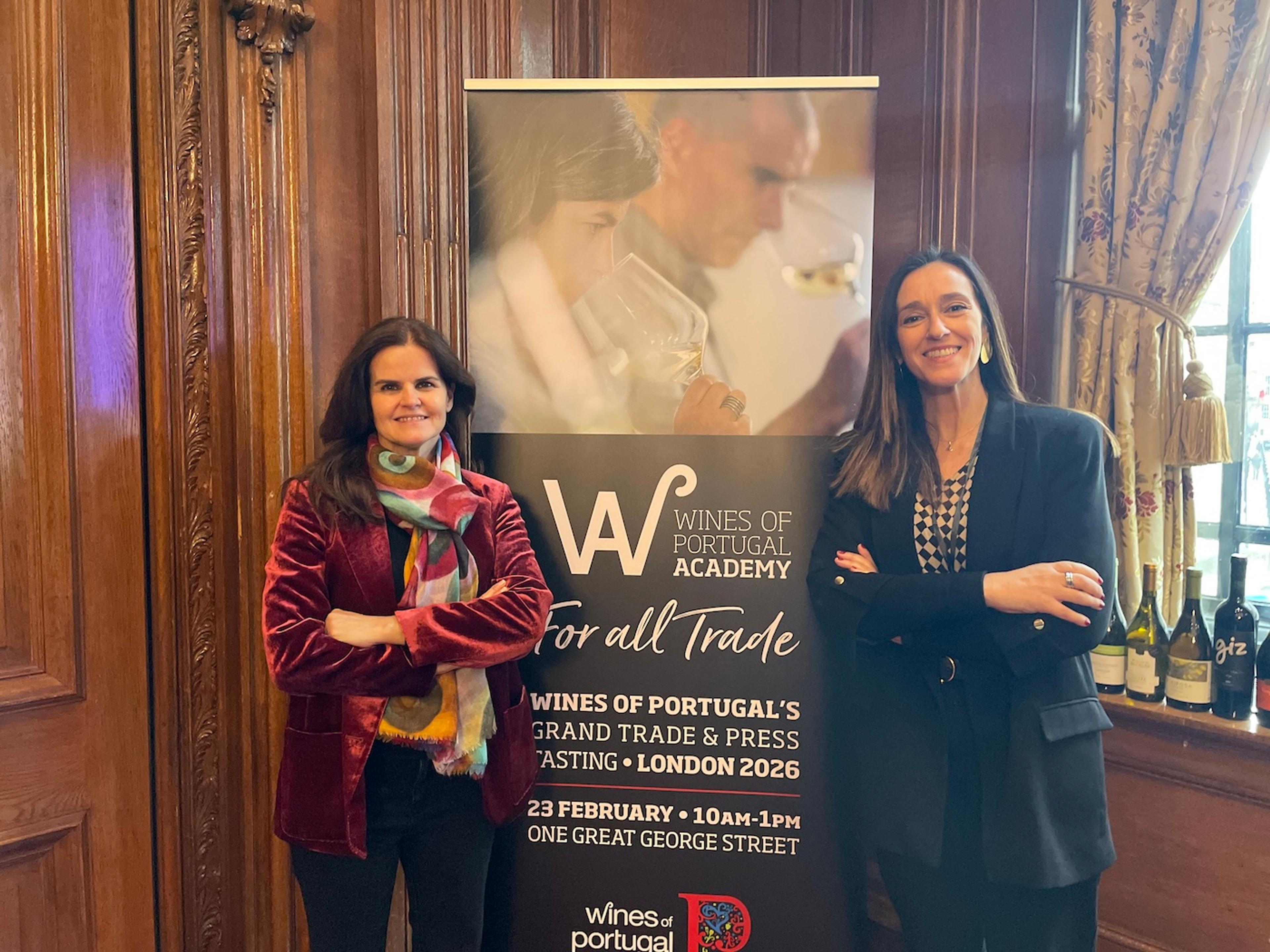

For years, Portugal’s diversity, with more than 250 native grape varieties and the highest density of indigenous vines in Europe, has been one of its most compelling selling points.
Impressive as those numbers are, they also present a challenge: diversity alone does not sell wine.
In the UK, where appellations such as Bordeaux or Barolo instantly signal style and provenance, Portugal’s remarkable range of grapes and regions can be harder for the trade to translate into a clear message. The question is how to turn that complexity into a story buyers and sommeliers can confidently communicate.

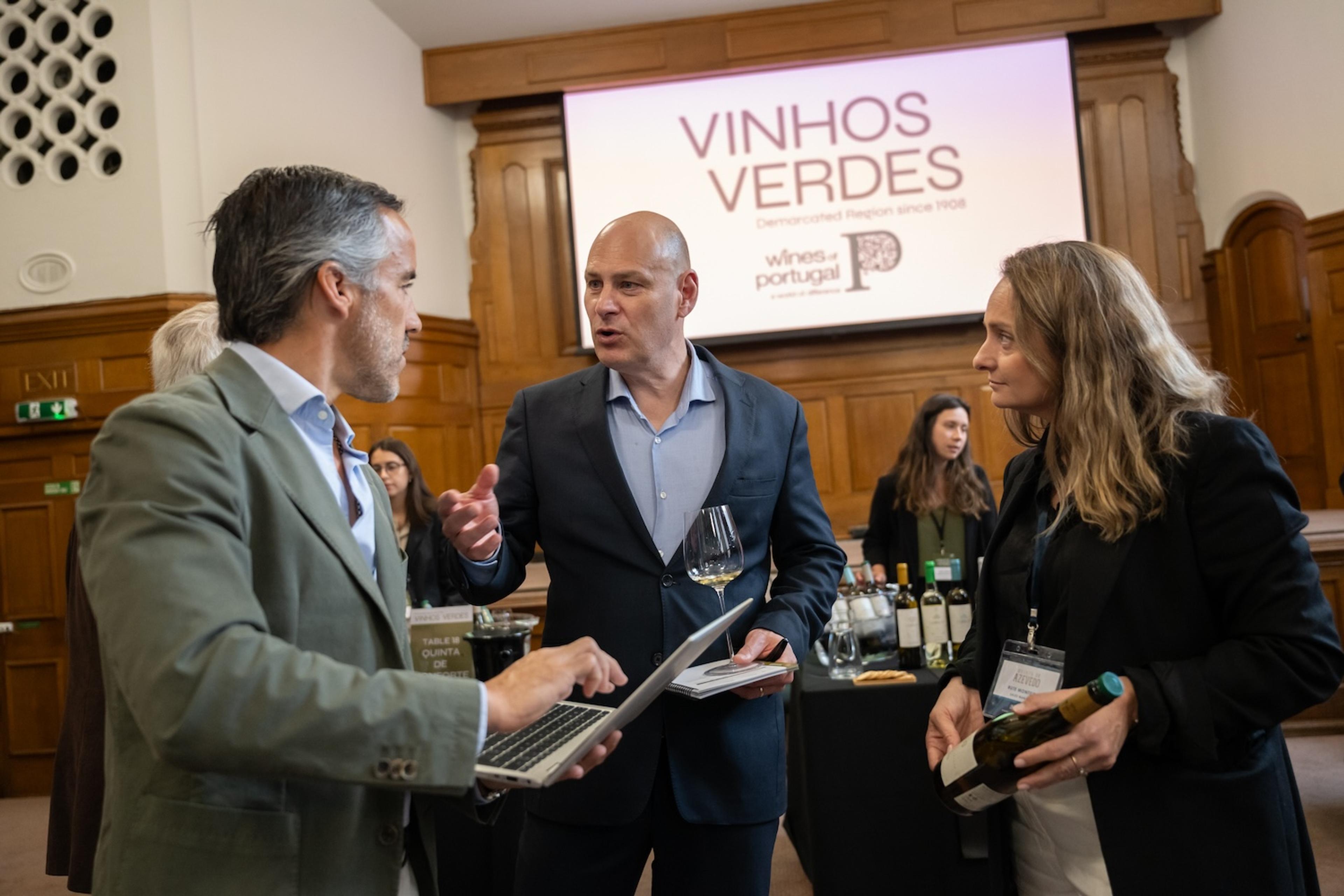
The 2026 Wines of Portugal's grand trade and press tasting at One Great George Street
This was precisely the issue Wines of Portugal set out to address at its annual grand tasting in London this year, where a three-hour Portuguese Wine Academy Level 1 course, usually reserved for sommeliers, was opened to the wider UK wine trade.
“Education is a key part of our strategy,” says Sónia Vieira, marketing director of ViniPortugal.
“We work across four main areas: events, education, promotion and communication. In markets like the UK, where knowledge is high, education is essential. We need professionals to understand what makes Portugal different, especially our treasure of more than 250 grape varieties, so they can confidently recommend Portuguese wines.”
The three-hour session, delivered without a break, covers 10 grape varieties, 14 demarcated regions, 12 wines and a formal assessment. It is something of a marathon, particularly for educator Sofia Salvador, who guides participants through Portugal’s complex viticultural landscape with impressive clarity.
It is also refreshing to hear grape varieties and regions pronounced correctly in Portuguese, even if it occasionally makes some 'familiar' grapes momentarily sound unfamiliar.
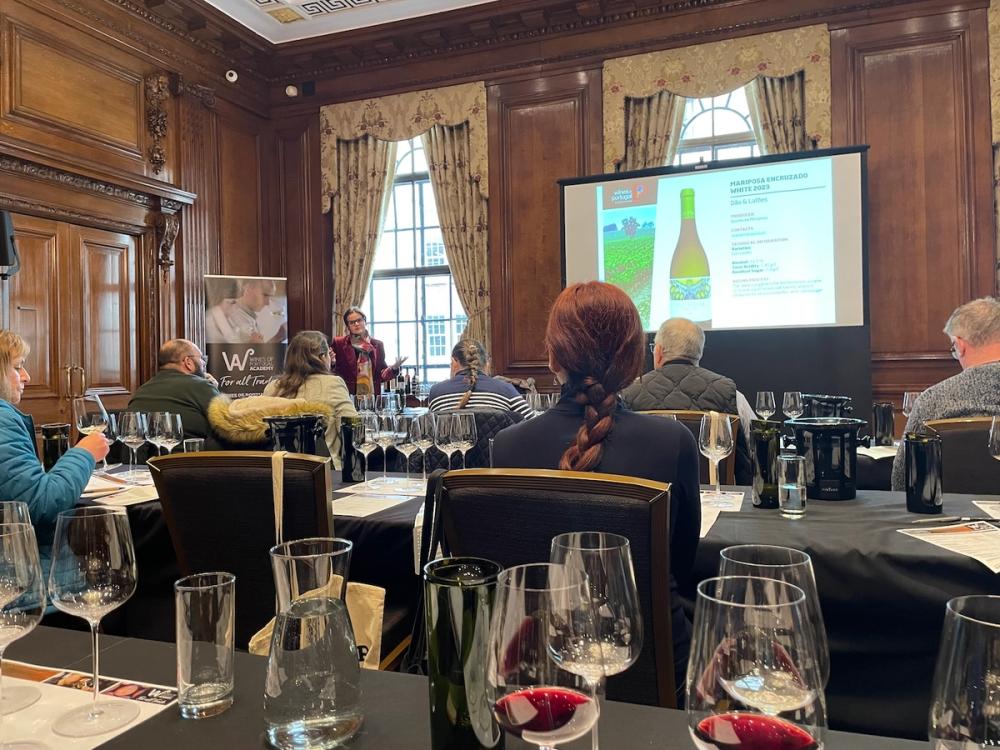
Portuguese Wine Academy Level 1 - opened to the wider UK wine trade for the first time
But the key question remains: does such diversity translate into sales in the UK?
During the tasting I spoke with Ana Jackson MW, head of wine business development at Amathus Drinks, who believes Portugal’s strengths are increasingly relevant to the UK off-trade.
Jackson argues that Portugal’s appeal lies in authenticity. Indigenous grape varieties, combined with the country’s varied climates and soils, allow producers to offer an unusually wide range of wine styles. She also sees a gradual shift away from Portugal’s traditional reputation for good-value entry-level reds towards single-varietal wines and more premium positioning.
“At the more premium end, the wines are incredibly gastronomic,” she says, highlighting varieties such as Encruzado, Alvarinho and Arinto.
“The whites in particular align well with current consumer trends: interest in texture, minerality, freshness and wines with a clear point of difference.”
Yet Portuguese wine can still be a difficult sell in the UK when compared with its European counterparts.
Award-winning sommelier Vincenzo Arnese, formerly director of wine at Raffles London at The OWO and now part of the London Prestige team at Berkmann Wine Cellars, encounters this challenge regularly.
“It’s hard not to compare them with countries that have such a massive head start in branding,” he says.
“If you mention Sancerre or Chianti,” Arnese continues, “the guest immediately has a mental picture. With Portuguese appellations or grapes, you’re more likely to get a confused look. Names like Periquita or Óbidos simply aren’t familiar yet.”
“Historically, the UK has seen Portugal almost entirely through the lens of Port, and shifting that narrative takes time. It’s difficult to sell a wine when a guest cannot pronounce the grape or place the region on a map. As sommeliers we have to act as ambassadors. Once the wine is in the glass, the quality is undeniable, but getting it there requires a much more active, narrative-driven approach.”
Arnese’s observation captures the core communication challenge. Portugal’s diversity is undeniable, but it requires explanation.
Understanding the origins of that diversity is therefore key.
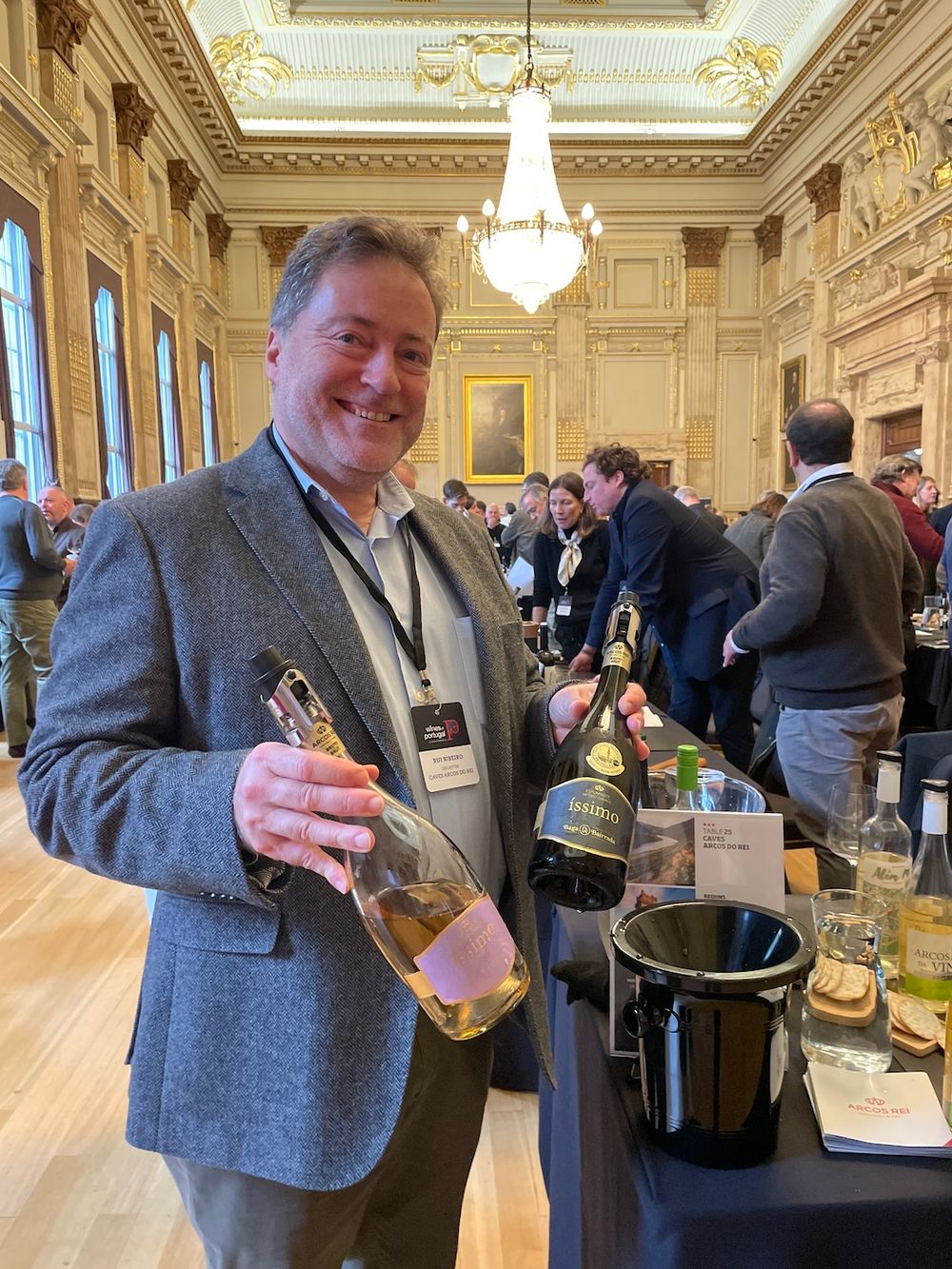
Caves Arcos do Rei, making some delicious Baga sparkling wines
Lessons learned at Mundus Vini
Coincidentally, the day after the London tasting I found myself judging Portuguese wines at Mundus Vini in Germany, where our panel chair happened to be António Graça, head of R&D at Sogrape, Portugal's largest wine producer. His explanation provided useful context for Portugal’s remarkable viticultural diversity.
The Iberian Peninsula, Graça explains, is considered a secondary centre of grapevine domestication. While the primary origin lies in the Caucasus – in what is now Georgia, Armenia and Azerbaijan – Iberian grapevines evolved under very different conditions.
Because the Pyrenees limited contact with the rest of Europe, grapevines in the Iberian Peninsula developed in relative isolation for millennia. The result is a group of varieties that remain genetically distinct from much of the rest of Europe.
Portugal also preserved that diversity. While many European regions gradually narrowed their vineyards to a handful of high-performing varieties, Portuguese viticulture retained a much broader genetic base. Researchers later reinforced this through polyclonal selection, planting multiple clones together to maintain genetic diversity and improve vineyard resilience.
For the wine trade, this context transforms the “250 grapes” message. Rather than a statistic, it becomes a story about biodiversity, resilience and authenticity, themes that resonate strongly with today’s consumers.
Each indigenous variety offers distinctive flavour profiles and a sense of place that cannot easily be replicated elsewhere. For importers, sommeliers and retailers, that narrative gives Portuguese wine genuine differentiation.
Sustainability is essential
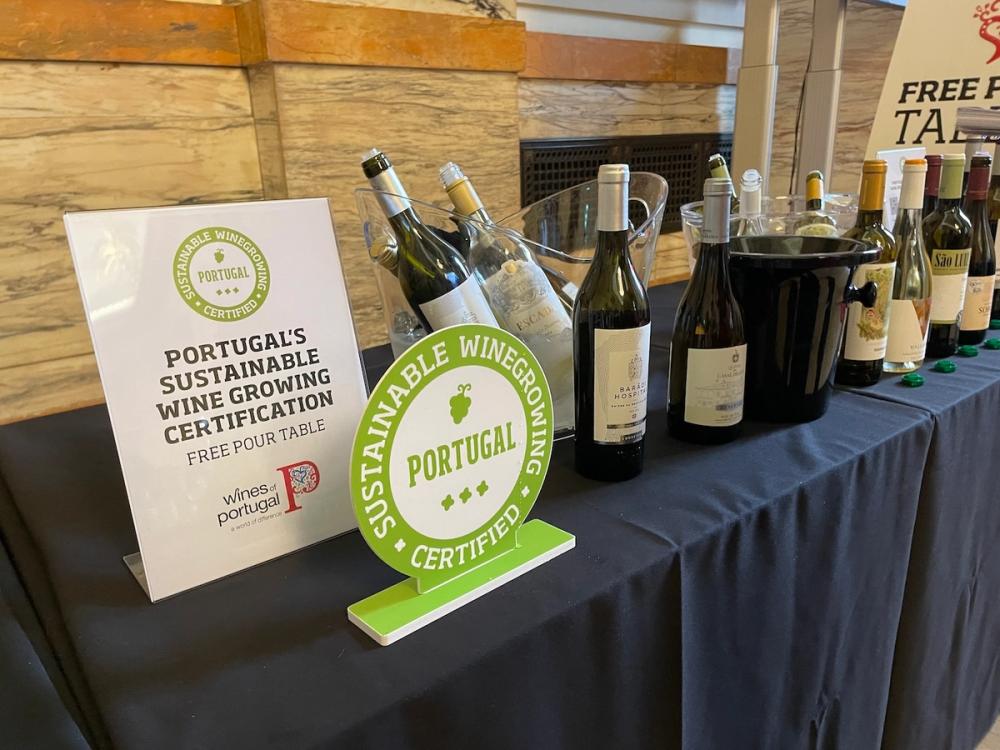
A free pour table featuring some of the wines with the National Sustainability Certification
Alongside diversity, sustainability is becoming another key pillar in Portugal’s international communication strategy.
“Alentejo was the first region to develop its own sustainability certification,” explains Vieira. “But we realised Portugal needed a national one. Sustainability today is not only important because of climate change; it is also something the market increasingly demands.”
Launched in October 2024, the Wines of Portugal National Sustainability Certification aims to create a unified framework for responsible production across the country’s 14 wine regions. According to Vieira, adoption is progressing steadily.
“We now have 64 producers certified under the programme,” she says. “Our goal is to have 40% of professionalised producers in Portugal within the framework by 2030. It’s ambitious, but it’s very important that we move quickly.”
Among those already participating, Douro and Tejo are leading, with 12 producers each.
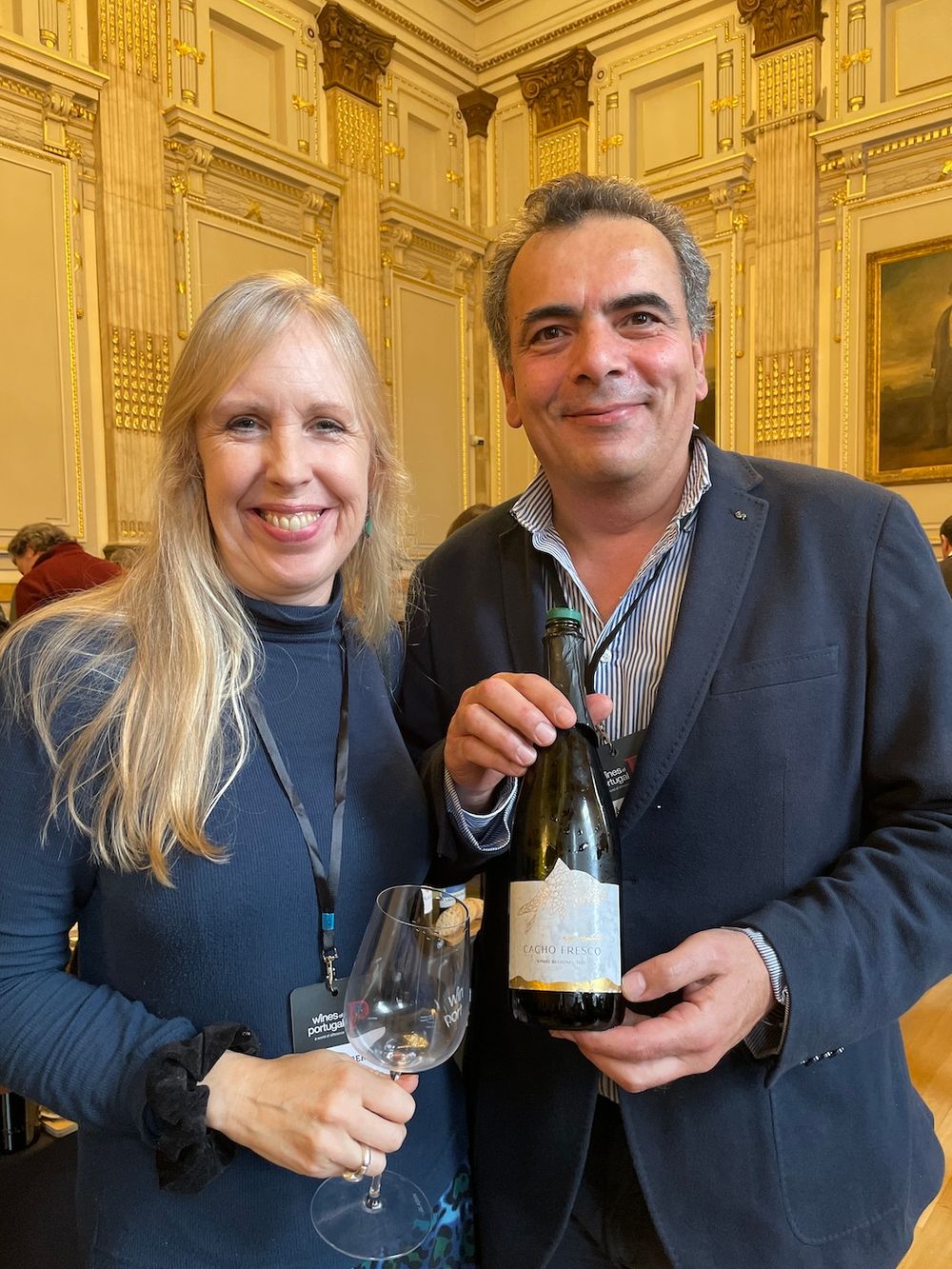
Tejo already has 12 producers participating in the National Sustainability Certification.
Before launching the certification scheme, ViniPortugal consulted key export markets, including Nordic monopolies and Canadian liquor boards, to ensure the standards would be recognised internationally.
“We wanted to create a programme that works for Portugal but is also accepted by the market,” Vieira says. “Otherwise it would not make sense.”
The certification is already gaining traction among larger, multi-regional producers, who often have existing sustainability systems in place and are therefore well positioned to meet the requirements.
For the premium on-trade, such initiatives are increasingly important.
“These certifications are vital because they serve as a formal statement of the country’s commitment to quality,” says Arnese.
“Today sustainability isn’t just a ‘nice to have’, it’s essential. For most luxury hotels it’s a top priority. Having a national sustainable certification gives a verified, honest story to share. In the luxury world, conscious consumption is a major trend.”
Two varieties from the academy tasting especially offered a good illustration of Portugal’s diversity in practice: Baga from Bairrada and Arinto from Bucelas.
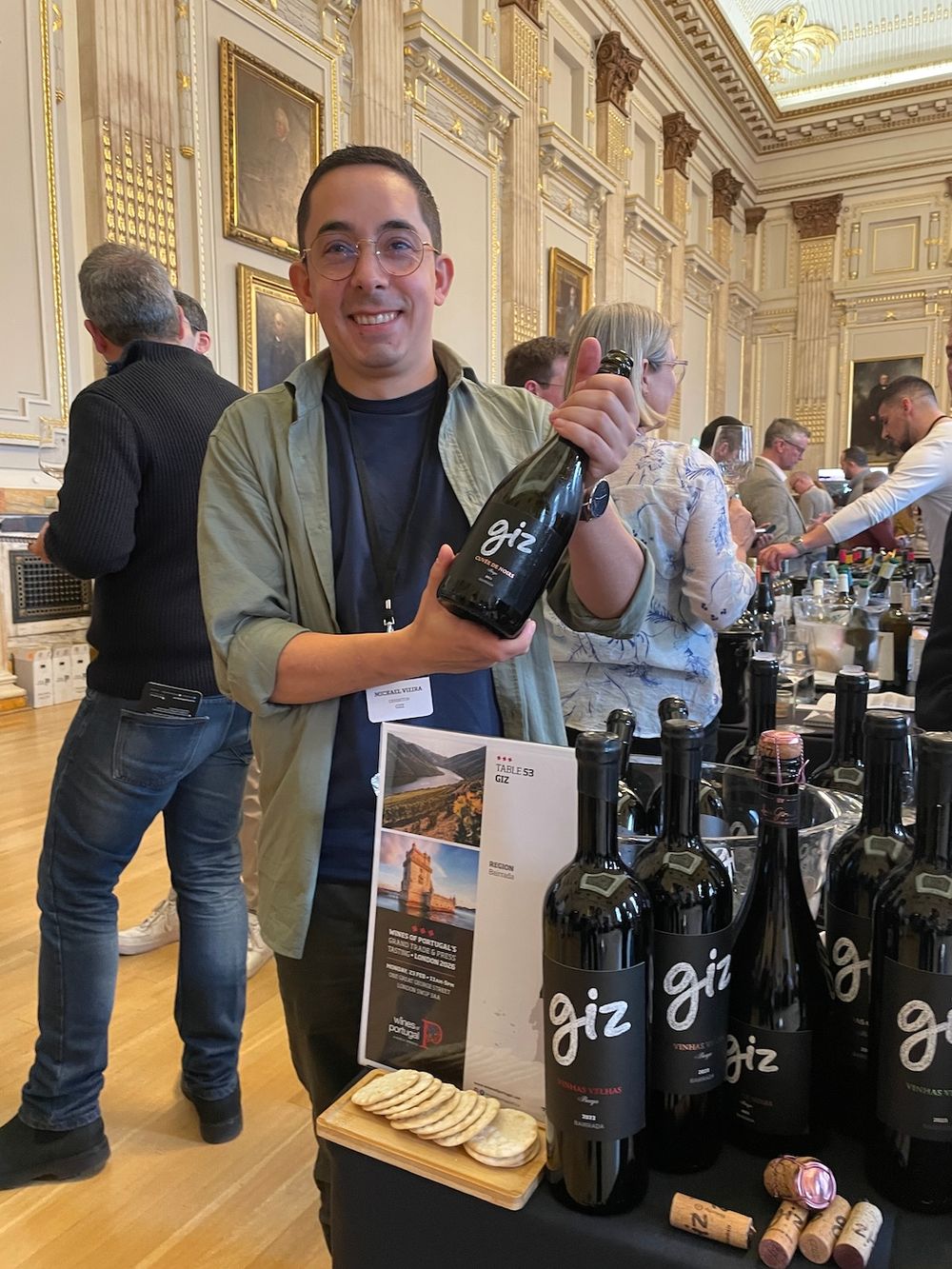
GIZ from Bairrada has a range of different Baga wines.
Baga, a black grape with naturally high acidity and firm tannins, can produce structured reds with significant ageing potential. At Mundus Vini I even encountered a 1996 example that was awarded a gold medal.
Interestingly, a significant proportion of Baga producers also use the variety for traditional-method sparkling wines, partly as a way to manage vintages when full phenolic ripeness for red wines proves challenging.
Arinto, meanwhile, is a Portugal native white grape and is prized for its vibrant acidity and adaptability across regions.
Yet even this widely planted variety carries its own story of diversity.
“For Arinto, we were measuring the diversity of different populations across Portugal and found a big difference between regions,” Graça explains. “So much that we could actually map the migration of the variety from its centre of origin, which is Bucelas.”
Portugal’s diversity is no longer simply a point of curiosity for the trade; it is increasingly becoming a foundation for how the country presents itself internationally.
For UK buyers and sommeliers, Portugal offers something increasingly valuable in a crowded global market: wines with both a distinctive identity and a compelling story to tell.
Tasting highlights from the Wine Academy
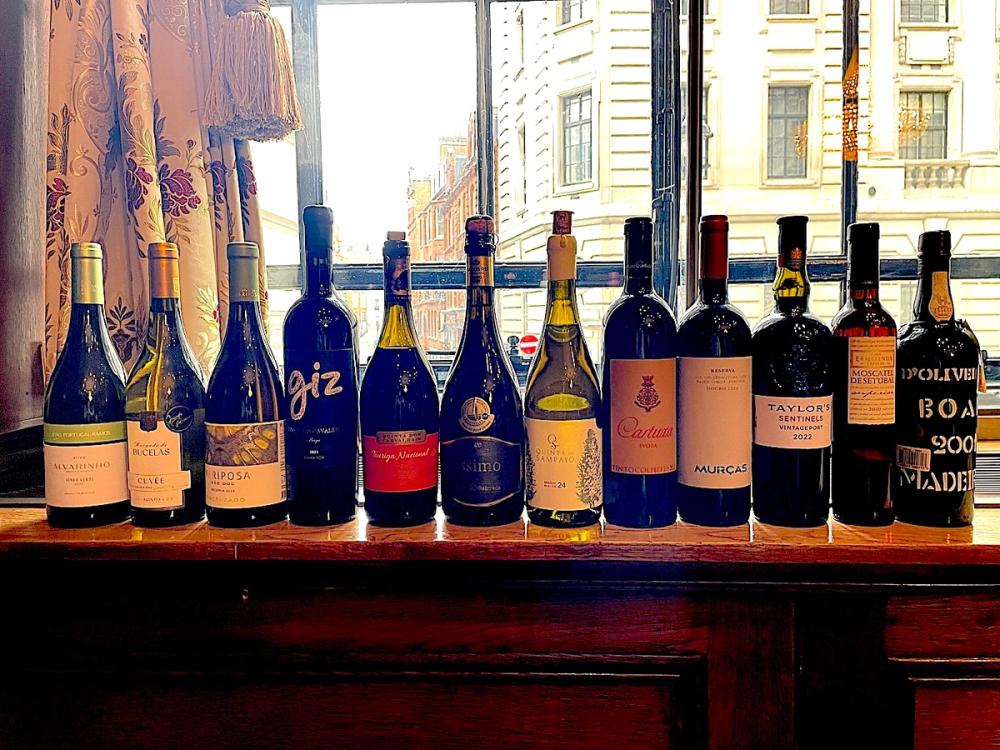
The 12 wines shown during the Wine Academy
João Portugal Ramos Alvarinho 2024 – Vinho Verde
Bright citrus and ripe stone fruit with honeysuckle lift. Fresh Atlantic acidity and a saline mineral edge give clarity and balance.
Boas Quintas, Morgado de Bucelas Cuvée 2023 – Bucelas
Powerful yet precise Arinto with citrus peel, wet stone and subtle petrol notes. Oily texture from oak balanced by firm acidity and a long gastronomic finish.
Quinta da Mariposa, Encruzado 2023 – Dão
Restrained aromatics of citrus, green apple and wet stone with light vanilla from oak. Textural palate with good weight and a mineral, Chardonnay-like structure.
Quinta dos Carvalhais Touriga Nacional 2020 (Sogrape) – Dão
Highly aromatic with rose petal, violet and smoky spice. Fresh acidity and refined tannins frame concentrated dark fruit. Elegant and structured.
GIZ Vinha das Cavaleiras Red 2021 – Bairrada
Elegant, floral Baga with violet, rose and earthy notes. Bright acidity and gentle tannins support red plum and cherry fruit in a refined, lifted style.
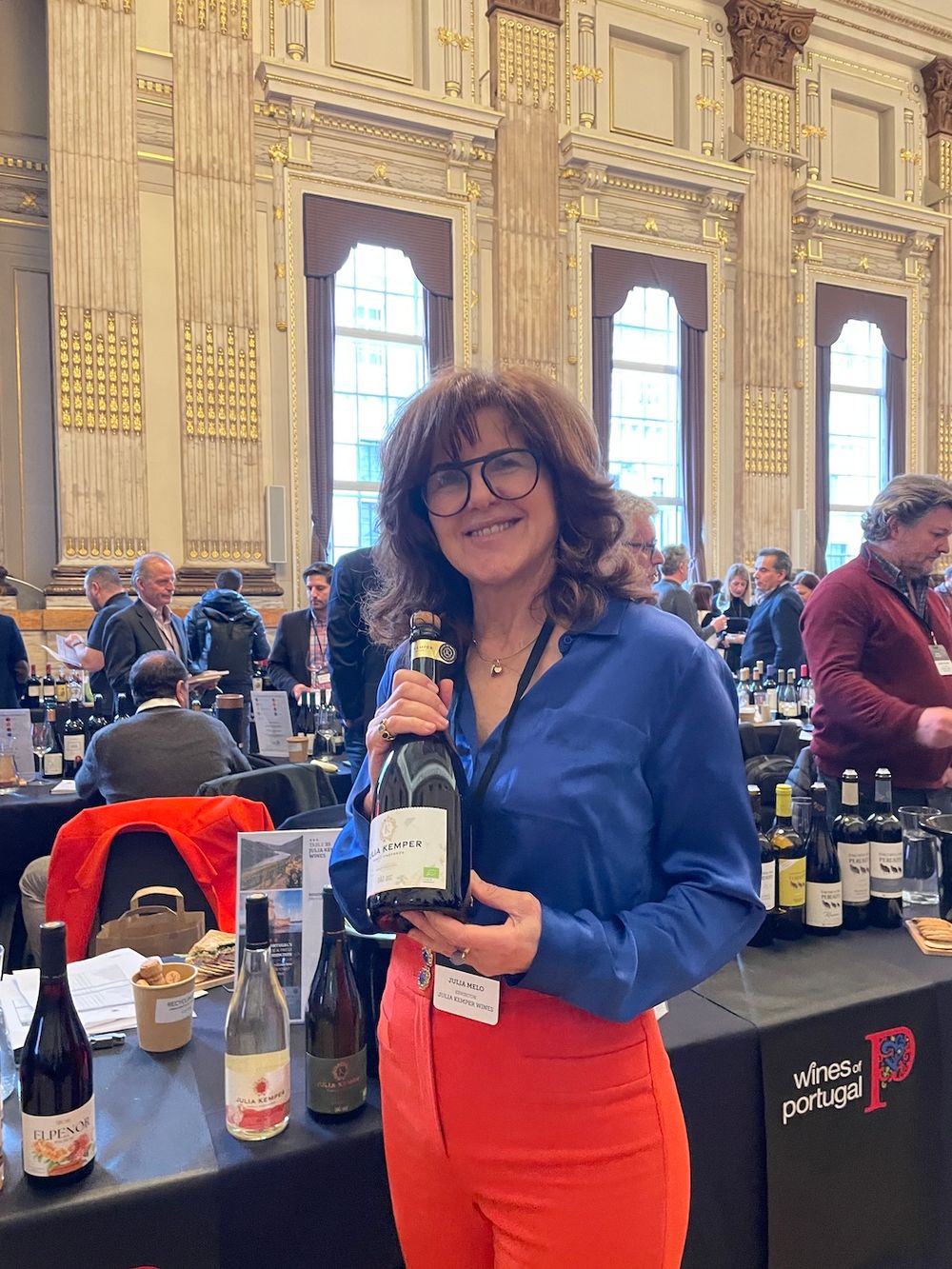
Julia Kemper Wines from Dão is an organic and biodynamic producer making wines from Jaen, Encruzado and Alfrocheiro
Caves Arcos do Rei, Íssimo Baga Brut Blanc de Noirs 2018 – Bairrada
Traditional-method sparkling Baga showing creamy mousse with lemon sorbet, honey and citrus peel. Clean, fresh and lightly structured.
Quinta do Sampayo White 2024 – Tejo
A blend of Fernão Pires, Arinto. Pear and orange with subtle vanilla from partial oak. Creamy texture balanced by fresh acidity and a lightly saline, savoury finish.
Fundação Eugénio de Almeida, Cartuxa Colheita Red 2021 – Alentejo
A blend of Aragonez, Trincadeira, Alicante Bouschet and Castelão. Deep and generous with ripe blackberry, plum and sweet spice. Full-bodied with fine tannins and a long, warm finish.
Esporão, Quinta dos Murças Reserva 2019 – Douro
A blend of Tinta Roriz, Tinta Amarela, Tinta Barroca, Touriga Nacional, Touriga Franca, Sousão. Layered dark fruit with violet lift, balsamic hints and sweet spice. Fresh acidity and fine tannins give balance and length.
Taylor’s Sentinels Vintage Port 2022 – Douro
Dense yet fresh with concentrated dark fruit, firm tannins and lively acidity. Youthful and structured for long ageing.
Casa Ermelinda Freitas, Moscatel de Setúbal Superior 2010 – Setúbal
Rich peach, apricot and orange marmalade with caramel and nutty complexity. Long, warming finish balanced by freshness.
Pereira d’Oliveira Boal 2001 – Madeira
Intense raisin, prune and burnt sugar aromas with volatile lift. Very high acidity balances caramelised richness and oxidative complexity.