Whilst bending the ear of Ministers of State is clearly a crucial part of Miles Beale’s job, listening to, supporting and addressing the needs of WSTA members is arguably even more important for an organisation that relies on their fees for its very existence.
It’s why he is keen to set out all the steps it is taking to revamp the WSTA to make sure it is providing the support and range of services its members need to run their businesses as effectively and as profitably as possible.

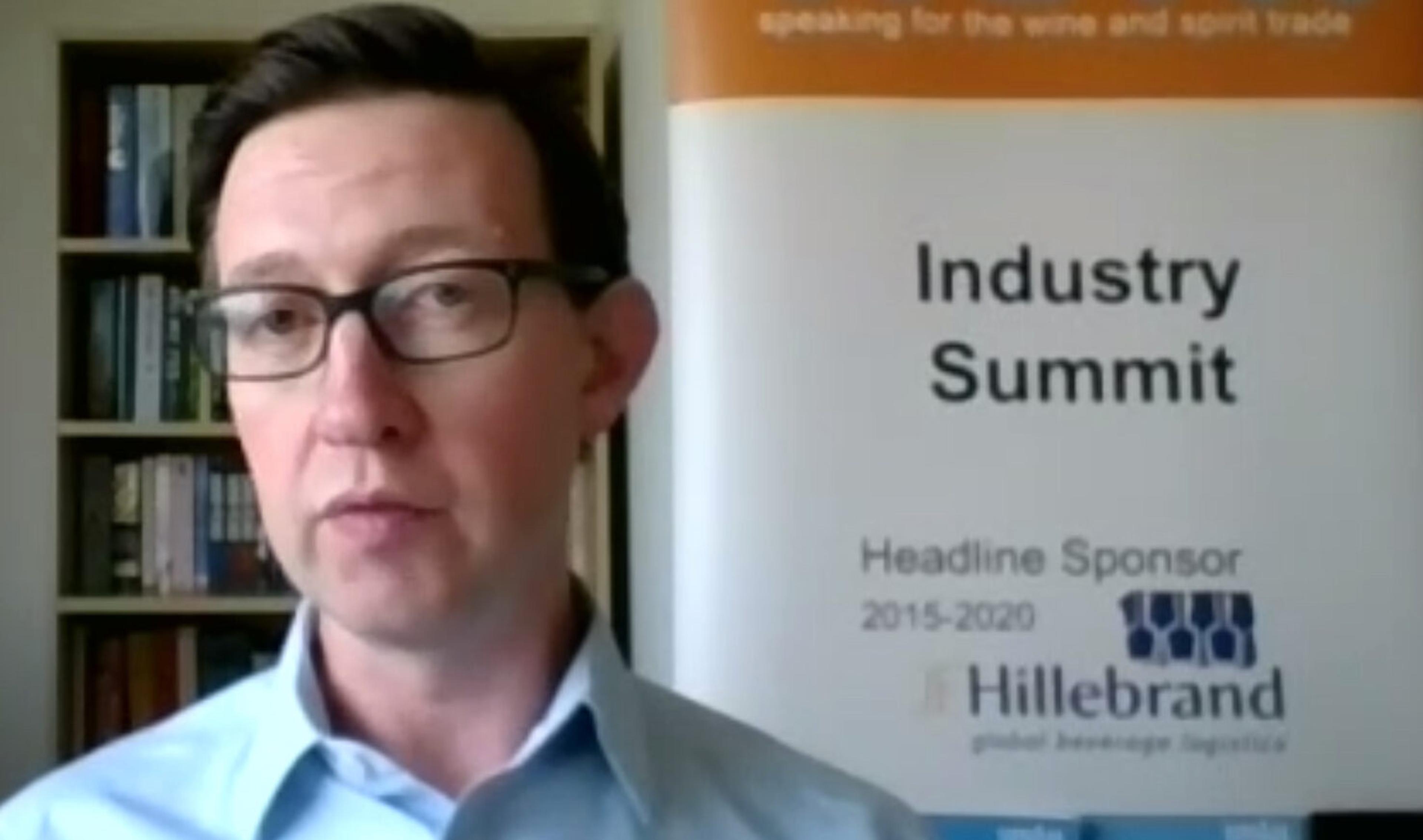
Miles Beale says he is acutely aware of the increased pressures all WSTA's members are facing and the need for the trade body to step up even more to provide the help, support and guidance they need
He is also very aware that a lot of the potential benefits of the WSTA’s lobbying work with government might not have a material effect on its members for some time down the line and that they are “having to make tough decisions” on key business issues right here, right now.
“We want to offer an intelligence service that gives our members as much information to take decisions as possible,” he says. “Some of it is about saying we can’t get the government to take a decision [on a particular issue] - and we are not sure they are going to in X amount of time - but you can’t put off decision X or Y any longer,” he explains.
It is about arming its members with as much information as possible so that they can “take a calculated risk” on decisions they need to make for their businesses.
It means working hard to “re-invigorate” its committees and working groups and bring new and experienced business talent into those groups so that is is getting the right level of support it needs to then help its wider membership base.
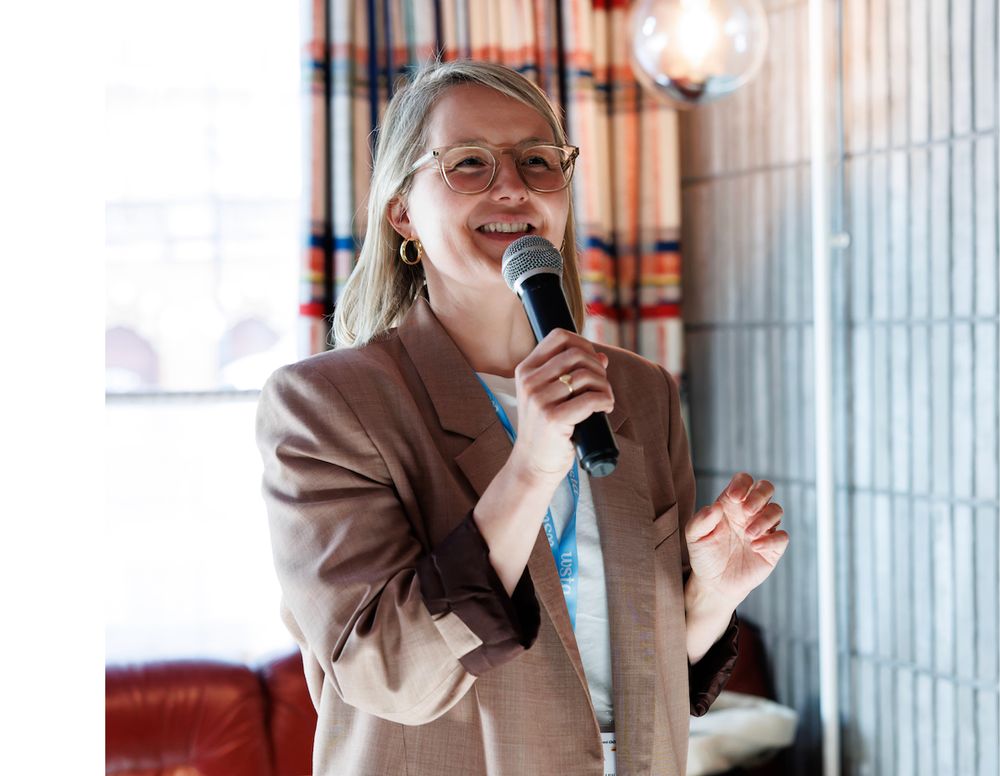
Caroline Thompson-Hill is the first chair of the WSTA to take the postion whilst working for a major UK grocery retail chain
He is particularly pleased to have Caroline Thompson-Hill as the new WSTA chair as she brings wealths of knowledge based on her time at Diageo, Treasury Wine Estates, Accolade Wines and now Marks & Spencer - the first person working for a multiple retailer to take up the position.
She could not have joined the organisation at a more critical time. Beale is quite blunt about how many of WSTA’s members are being “existentially threatened” by the current trading conditionsand they need all the help they can get.
“We are seeing a lot of consolidation and quite a few jobs are being shed and some companies are not making it [through],” says Beale.
Which whilst highly troubling for those companies involved it might drive through the necessary changes and the “innovation” needed in the industry as a whole to make itself more robust and credible for the future, he claims.
As he explains: “If an old business model isn’t working you can’t keep going with it. I am quite worried for some parts of the industry. We are not seeing consolidation because it’s an obvious, positive idea, some of it is out of necessity.”
Right intelligence, right decisions
It makes it even more of a necessity for the WSTA to be making the right changes and decisions in the interests of its members and the industry as a whole.
“All of our members want more intelligence to make decisions that they can’t put off. Some of which are existential and some have been put off for a bit too long.”
Which is why Beale and his team are spending a lot more time out in the market listening and talking to their members so that they can “learn how things are for them at the moment”.
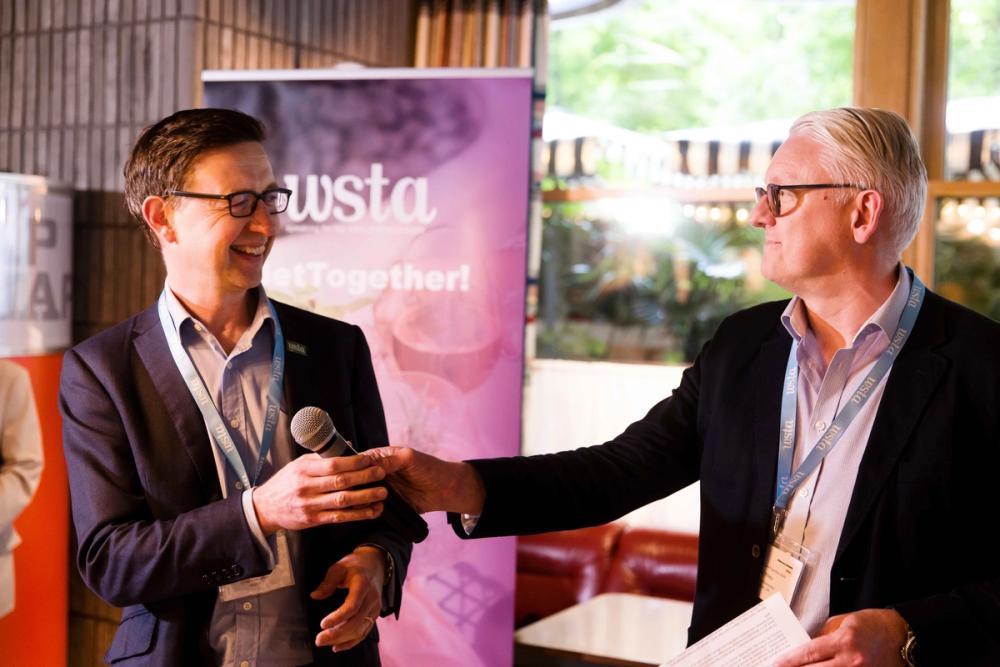
Getting the chance to to talk and network with members at its regular Get Together sessions is an activity that Miles Beale is keen to step up
It is an initiative that really came to the fore during the Covid lockdown where it was able to hold online “surgeries” for its members to get legislative and business updates and it is something it has continued since with its regular fortnightly online surgeries still getting 50 to 60 companies taking part.
It is that regular open contact with its members that allows the WSTA to draw up the policies it is going to campaign on with the government.
“What we want is informed by what members tell us,” he says.
It’s why it has set up a new SME committee to try and get more voices from the independent wine and spirit merchants and smaller supplier base into the WSTA.
Representing all companies
It is also about recognising that companies below a certain size of turnover are not going to want to join the WSTA as they simply can’t afford it. But it does not mean the WSTA can’t still engage and help those vital businesses by providing them with information, and then crucially get behind some of the bigger campaigns it is running as they have such a big voice and can play such an important role with their customers and local MPs.
It is also looking at how it can start to provide some of the small business services that the Federation of Small Businesses and the Association of Convenience Stores offers its members - like working with a payment systems provider to offer a discount to WSTA members.
He admits it needs to work harder to “market” itself better in terms of the range of services it offers its members - that goes way beyond its lobbying brief and working hard to ensure impending legislation is as less harmful as possible.
Areas such as the technical and labelling expertise it can offer and advising businesses on what is “coming down the line” that they need to know about and taking action on. One of the biggest areas of concern recently has been around managing tariffs and what to do when you are importing and exporting drinks and goods from different areas of the world.
“We might not have the answer but we can give you the most up to date information and also tell you what other organisations are saying,” he says. “We are now looking at what other business services we can provide.”
Networking role

Some of the WSTA team ready to host members at one of its regular trade events
It can also play a bigger role in bringing different parts of the industry together and act like a “convener” and “a forum for exchanges between our members”. Be it through events, like its industry summit which it is going to run twice this year to give members more chance to meet and exchange views and ideas.
It is now looking at other business things it can do to support the trade and is keen to hear from members, or non-members, about what else they would like it to provide. Be it around networking, face to face business opportunities, access to finance, tax advice, help with fuel costs, currency advice - the potential list goes on.
“We are conscious of the role we can play to help drive down the costs in some of these areas,” he says.
Reasons to be cheerful
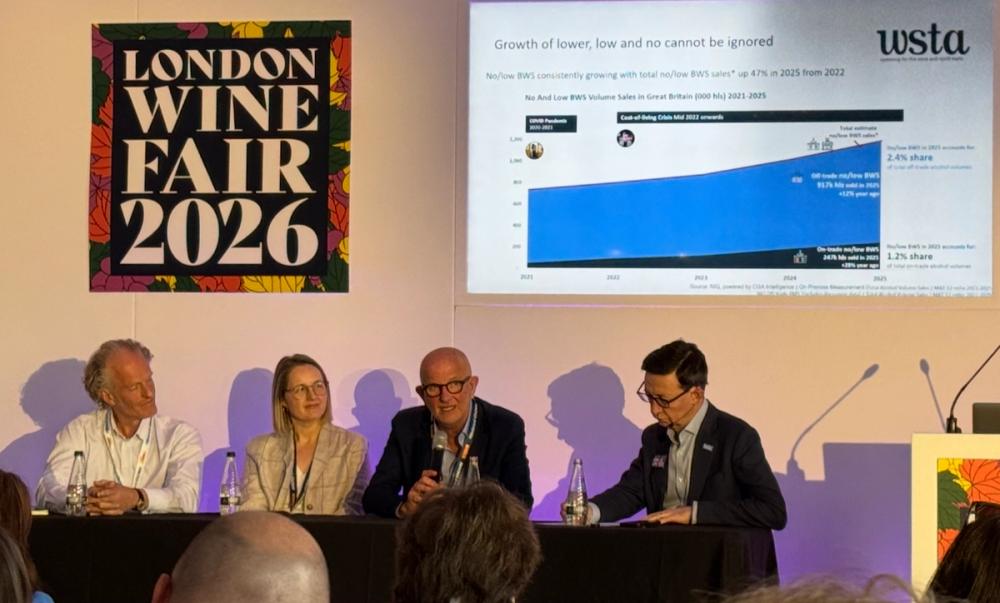
Miles Beale chaired a session at the London Wine Fair on the steps big producers and major retailers are taking to drive sales and find growth
He is also keen to point out that it is not all doom and gloom and was pleased to have been able to chair a session at the London Wine Fair around the reasons there are to be cheerful.
He points to the huge rise in no and low alcohol products as a big new opportunity for producers, distributors and retailers alike. He is also particularly pleased to see the response there has been across the industry to increased EPR packaging costs and the raft of new formats and packaging solutions that are coming in to the market.
It’s why the WSTA is about to produce a second ever dedicated and regular report on trends in the drinks industry – its SIP report - which includes what is happening in the packaging sector to keep its members abreast of all the changes and new solutions that are out there, particularly around the role of convenience and size of format, and roll out of different sized kegs and on tap solutions for wine and cocktails.
The packaging debate, he says, has to switch to giving “people what they want” rather than “giving them what we have”.
In the same way, he says, the new duty rules have helped “turbo charge” the amount of no and low alcohol products we are seeing - even though the consumer trends were moving in that direction in any case - the increased packing costs due to EPR and the deposit return scheme is really helping to move the dial on innovative and breakthrough packaging.
But he also does not want to give the government too much credit for driving all of these changes.
“Government intervention is often after the fact. Some of these trends were already apparent. But there has been government intervention, for particular reasons, which have then affected the market. You are responding both to what consumers want and government regulation.”
Other issues in Beale’s inbox range from lobbying the government to changing the rules on allowing products that are 0.5% to be termed ‘non alcoholic’ rather than the current limit of 0.05%.
Ready to act

Miles Beale says he is pleased to see more and more drinks businesses taking the necessary decisions to safeguard their companies in face of continued economic pressure
Overall Beale says he is now pleased to see businesses taking the actions they need to be doing.
“For a long while I was worried about decisions not being taken, but I think we have moved past that now. Companies are, one way or another, taking decisions because they have to, which I think is good otherwise we are not going to move on and you can’t just hope and hang on in there.”
But he adds: “The thing I am worried about is how many businesses are either not making it or seeing turnover falling and the number of staff reducing. Hopefully a lot of the consolidation {taking place] is about building the next set of foundations for some growth…some of the innovation we are seeing that is being driven by hard times has got to be good.”
He is also optimistic about the underlying economic conditions and argues if the current US Iran war had not broken out that we might have actually seen interest rates come down and consumers start to feel a bit more confident.
“The fundamentals are still quite difficult but they beginning to look up,” he says. “I am encouraged that people are taking decisions and that there are some bright spots out there.”
He adds: “You need to be pretty focused on what you are delivering to the consumer, or your customer, is what they want.”
The lowering of the temperature between the UK and the EU is also encouraging and Beale is hopeful that relationship can get better over time.
“We are now beginning to agree on some things rather than continue to disagree and rather than the relationship get worse and worse it is now getting a bit better - albeit from a low base. If the economy did something similar it would feel different quite quickly, but I am afraid we have not got there yet and it has been a long time since people have had things to get excited about.”
Whatever happens he is very much committed to ensuring the WSTA is playing its part, with its members, to build and drive that growth.
* You can read the first part of this interview here.
* You can find out more about the work of the WSTA here.