
The 2026 WineGB trade tasting broke a few records. It was the biggest yet, with 88 producers showing 250 different wines. What's more, the organiser specifically moved the event to a Monday (7 September) to make it easier for trade and hospitality professionals to attend.
But who would have known that this year it would coincide with the earliest harvest ever in the UK, much as it was in Champagne?
“I'm hearing actually some producers have already completed the harvest, which we just could never have foreseen was going to happen,” says Kirsty Rushby, WineGB's head of communications and marketing.
At Old Billingsgate, where the tasting took place, sparkling producers still dominate the floor. But the sheer volume of still wine arriving from every corner of the country is impossible to miss.
“Still wine is really growing,” Rushby points out. “In our WineGB awards recently, we had a massive increase in this category, as well as PIWIs that won many awards.” The future, in her view, is no longer defined by sparkling wine alone but by diversification.
Another important development is that the industry is increasingly “coming into its own,” says Rushby. Although all the producers still sit under the “cool climate umbrella” of English and Welsh wine, “the distinct differences in climate and soil across the regions are now resulting in very different and recognisable styles of wine.”
So, what does each region actually have to say for itself?
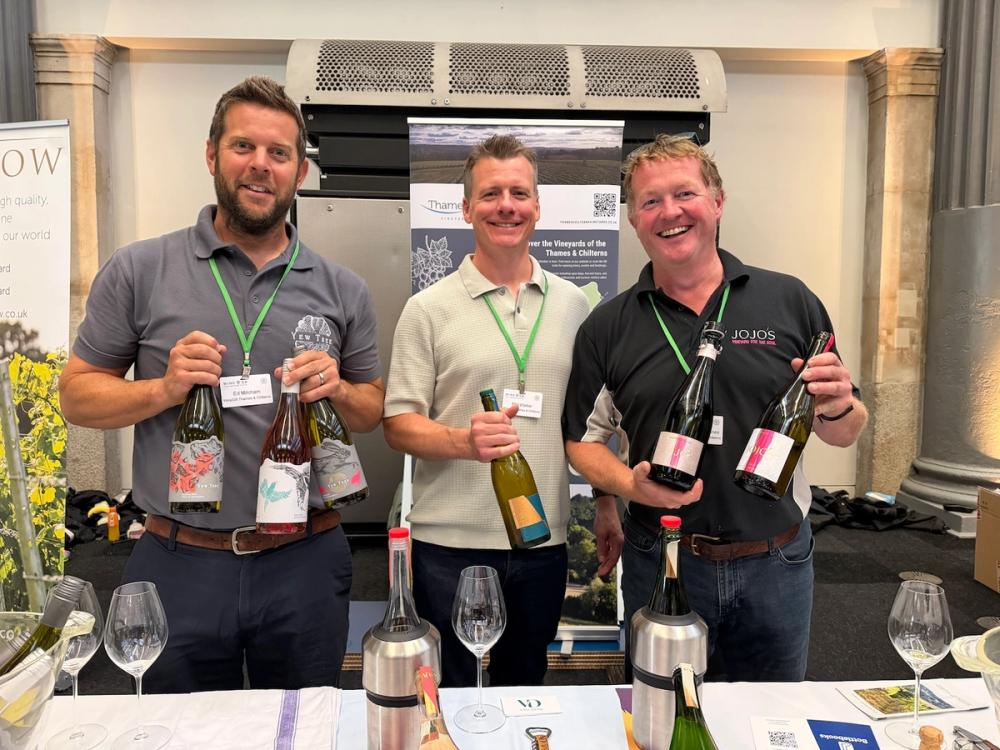
Thames & Chilterns: the altitude
Inland and without a coastline to moderate it, Thames & Chilterns has built its USP on its height. “Our identity is tied to altitude, with some vineyards sitting as high as 197 metres above sea level,” says Ian Beecher-Jones, owner of JoJo's Vineyard, who represents the region at the tasting. That height keeps the climate cooler and lets grapes hold onto higher acidity than elsewhere in the country.
Pinot Noir, Meunier and Chardonnay still dominate the plantings, though interest in PIWIs is building fast. It's a younger region, but Beecher-Jones reckons it is starting to “punch above its weight” on quality.
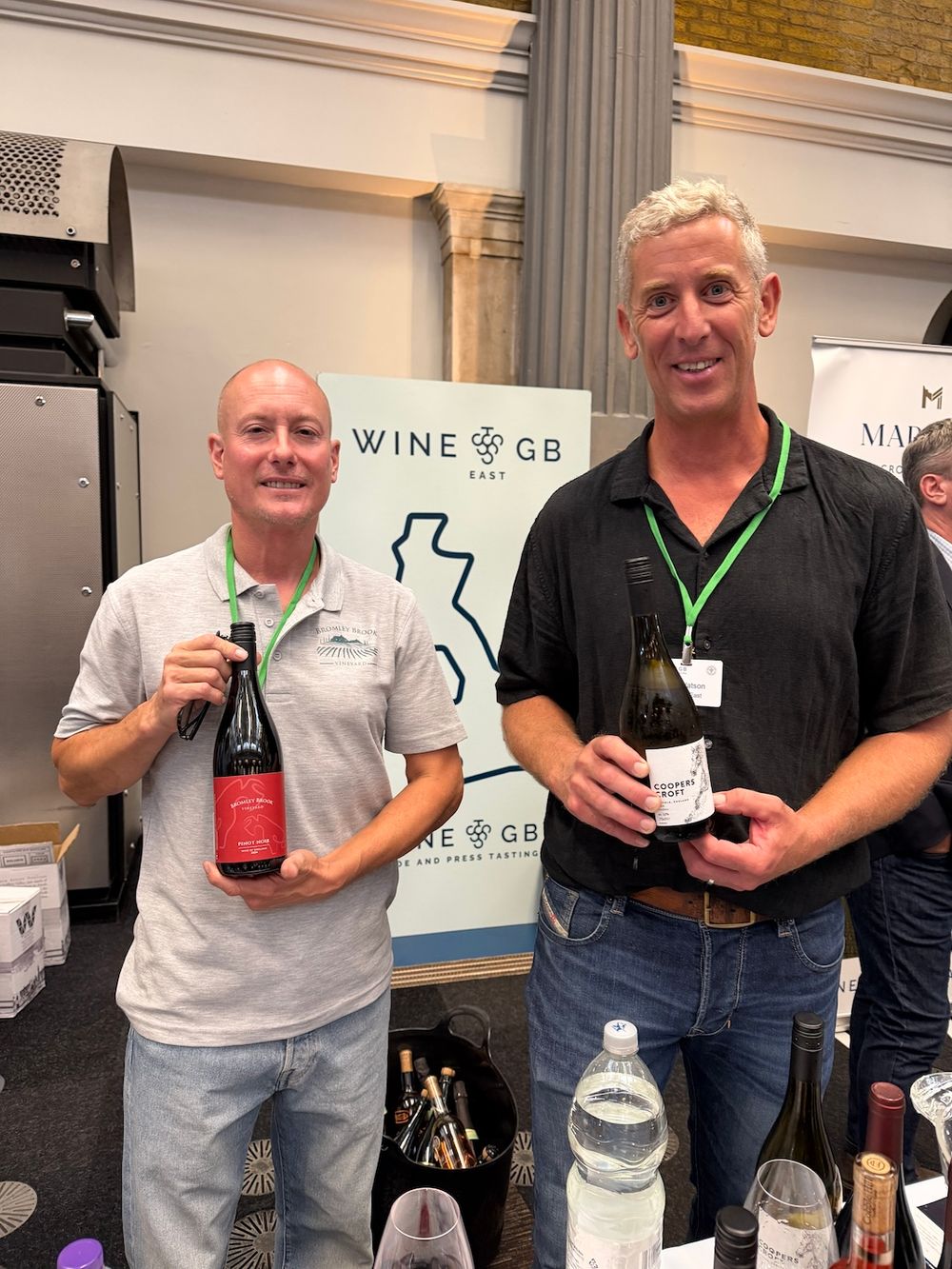
East: the dry one
If altitude defines the Chilterns, dryness defines the East. It is the “driest region in the country,” says Nick Watson, owner of Coopers Croft Vineyard, “with conditions that help sugar accumulation while keeping acidity in balance.”
There is a second, less obvious advantage. This is the old “Cambridge wheat belt”, and a good number of arable farmers have moved across into viticulture, bringing generations of knowledge about the land and the seasons with them.
The shift towards still wine is definitive here. Watson says Bacchus remains synonymous with the region and Pinot Noir is well established, but there has been a “massive increase” in Chardonnay and even Sauvignon Blanc. Producers are also working with hybrids such as Cabernet Noir and Souvignier Gris, largely for still production.
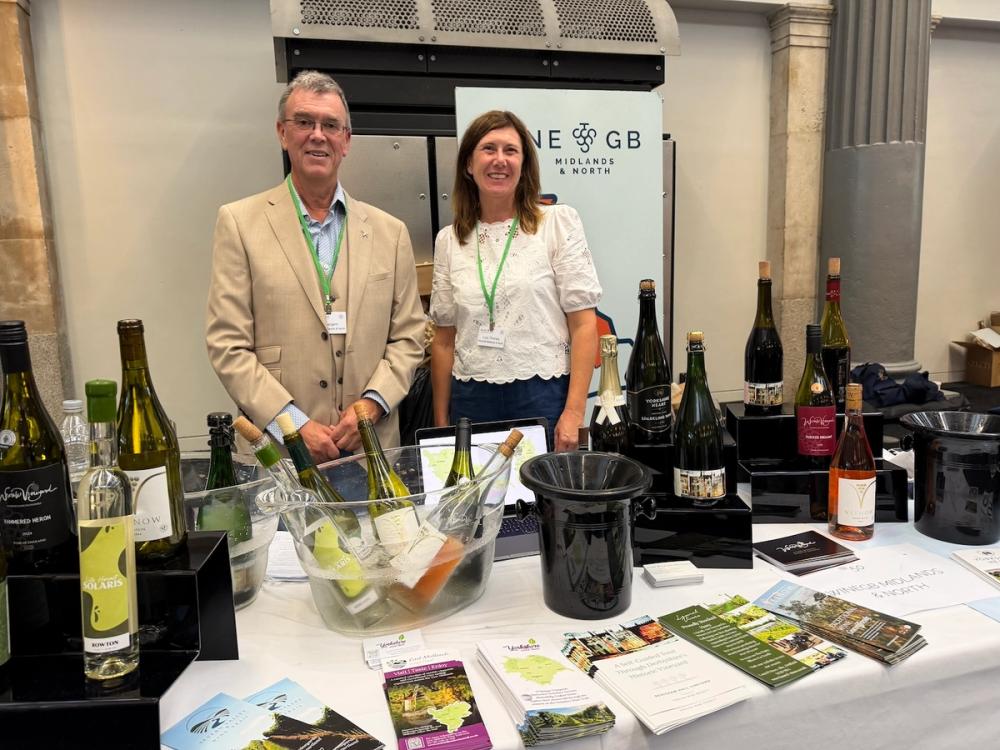
Midlands & North: the cool one
What sets the Midlands and North apart, according to Laurel Vines' Ian Sargent, who represents this vast region, is that it is actively exploring the northernmost limits of viticulture. Producers are testing how far the vine can be pushed and still deliver ripe, quality fruit. As Sargent adds, “There is a chap who is now planting near Inverness!”
The region makes more still wine than sparkling. Solaris is its star, used both for stills and to bring freshness to traditional-method sparkling. Reds are thriving too. Sargent proudly says the region recently recorded its highest-ever number of silver medals in the red category, led by Rondo and Pinot Noir.
The West: longer growing season
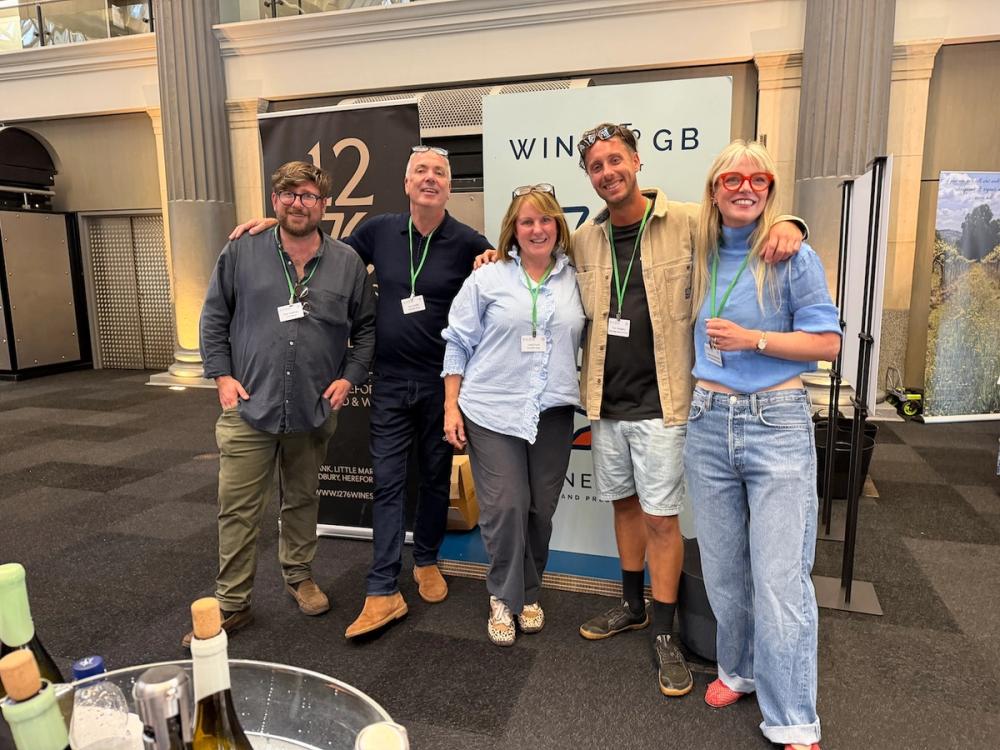
The West's defining asset is its creativity. Without the chalk bedrock of the South-East, producers here were never handed a geological template limiting what they could make. For Tom Wedgery of Sandridge Barton Wines, never being “pigeonholed” into Champagne varieties and traditional-method sparkling wine has fostered an experimental mindset and a genuine focus on still wine.
Wedgery also believes their “longer, milder growing season” helps fruit to hang longer and develop better phenolics. Pinot Noir and Pinot Gris are emerging with real promise, while early ripening varieties like Solaris and Madeleine Angevine remain the backbone for many vineyards.
Wales: the diversity
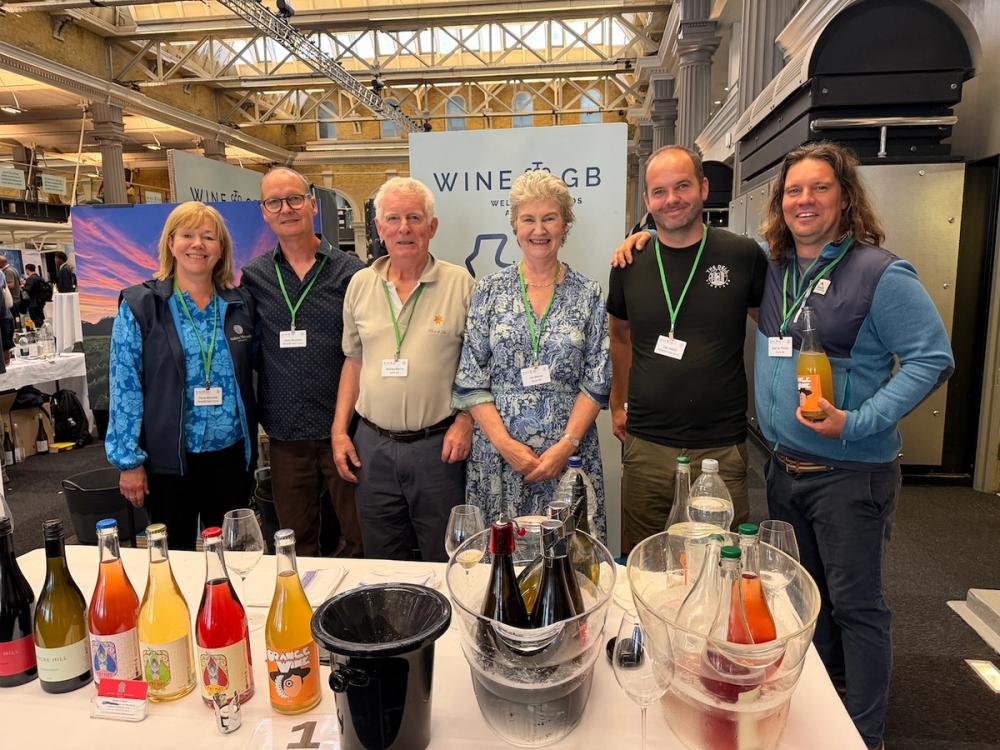
Welsh identity is, according to Andy Mounsey of Velfrey Vineyard, “deliciously diverse.” There is no single dominant variety or style; instead, the range is broad, from traditional-method sparkling and Pet Nat to orange and biodynamic wines.
“What’s special about the region is that it’s made up of relatively small, exclusively family-owned, boutique-scale vineyards,” says Mounsey, “which allows for a level of attention to detail and low-intervention winemaking that larger-scale operations tend to preclude.”
Wessex: the hard one to define
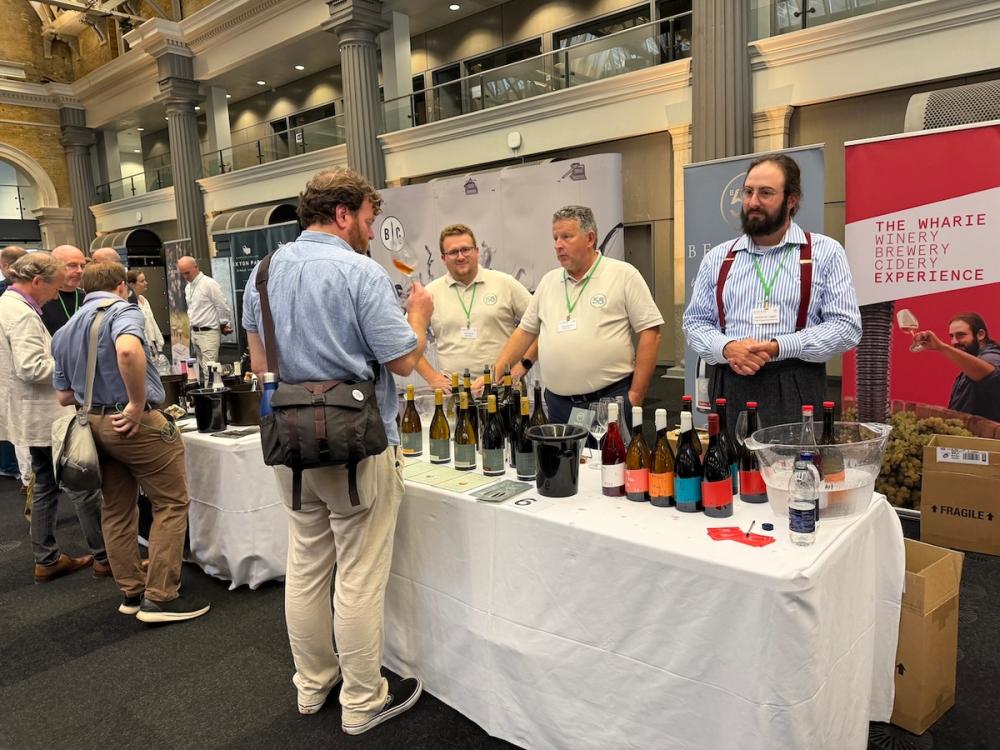
Unlike in other regions, not all Wessex producers are comfortable with its name. Some consider the umbrella term “Wessex” (including Dorset, Hampshire, Isle of Wight and Wiltshire) a bit outdated and feel it limits a genuinely varied geography, spanning chalk to green sandstone and a wide range of altitudes.
This is why, as Guillaume Lagger of The Wharie Experience, who represents the region, points out, “It's difficult to give one identity for Wessex... I think that's a question for the next 10 years probably. But we are now trying to identify sub-regions and characteristics of each of them.”
The region is best known for high-quality sparkling, but a growing cohort of smaller producers is moving towards still wine, natural wine and biodynamics, which only complicates the definition further.
But the ambition is to carve out recognised sub-regions such as Winchester and the Test Valley over the coming decade. Watch this space.
South-East: the changing heartland
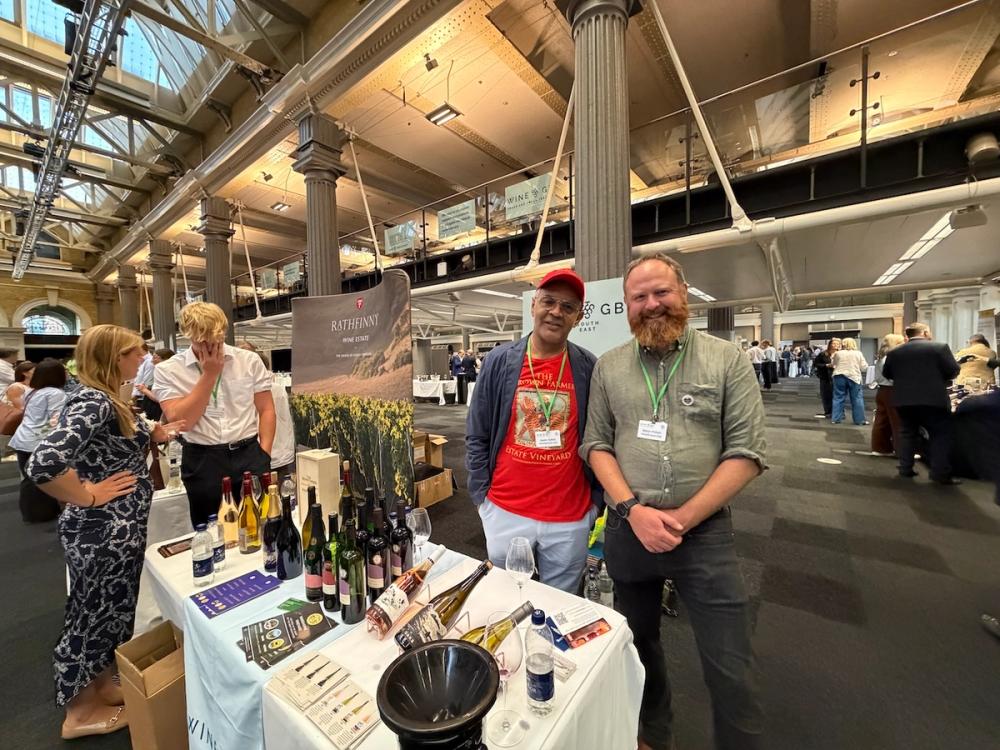
Even the sparkling heartland is changing. According to Martyn Pollock of Nine Oaks Vineyard, still wines are definitely “having a bit of a moment.” This is driven by a new confidence in making stills, thanks to warming summers.
Commercially, as Pollock notes, “it also helps that still wine can reach the market faster, which matters for cash flow, and land at a friendlier price for the consumer.”
While skin-contact wines are appearing, what's even more surprising is that global warming has also changed what's possible with red. “While red wine was previously only possible once every few years, the warming climate has made it a consistent annual product. For example, Warehorne Vineyard now produces roughly 5% of the UK's total red wine,” says Pollock.
Even the traditional method is no longer the only answer for sparkling wine producers. Silver Hand Estate has long made Charmat-method sparkling wine, while Plumpton College launched its first tank-method sparkling wine last Christmas. Although its primary purpose is to show students how to make Charmat wine, it also demonstrates just how much things have changed in the region.

Kirsty Rushby, WineGB's head of communications and marketing.
The rise of still wine and tank-method sparkling is largely down to price. Nothing is cheap in UK winemaking, and for traditional-method sparkling producers, how do you compete with Champagne, particularly when some Champagne houses discount so aggressively at times during the festive season?
For Rushby, the answer is education. “We’ve just got to really help educate consumers on what they’re buying... if you actually see that breakdown, that is the cost of production of those products. And so actually, for the consumers that are wanting to pay that price, they know they’re getting a really good quality bottle of wine.”
How consumers respond to that argument remains to be seen. But what’s for sure is that wine from the UK has never been so exciting, and distinct.
Leona’s top 10 PIWI and still wines from the tasting
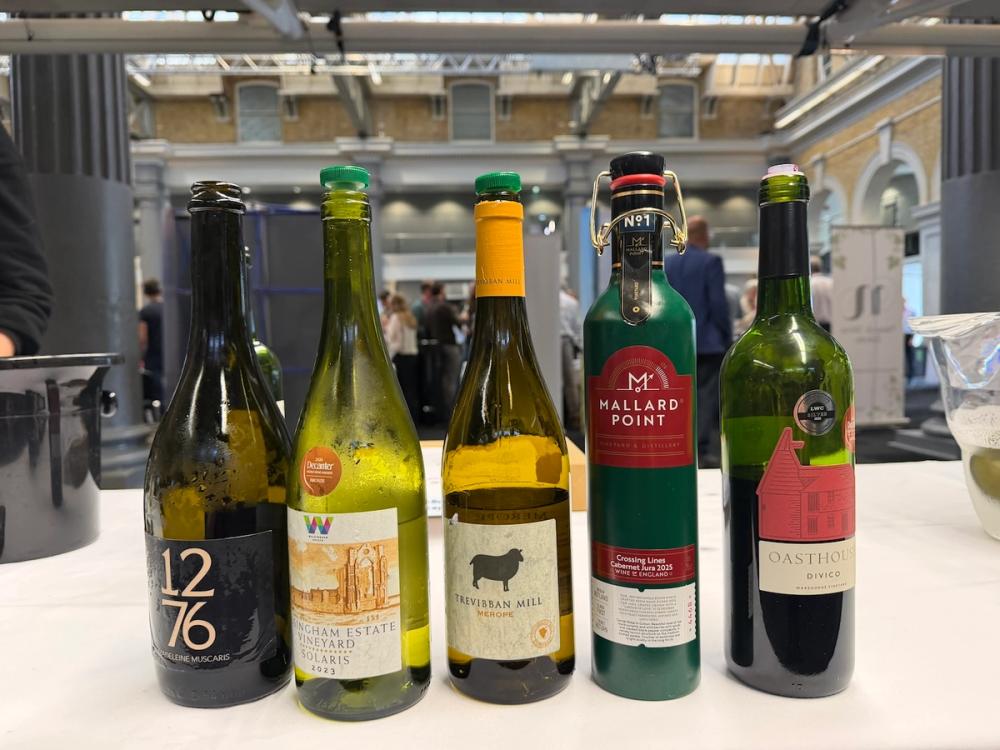
JoJo’s Bacchus Seyval Blanc Blend 2022, Oxfordshire
(85% Bacchus, 15% Seyval Blanc; 11.5% ABV)
Vibrant yellow fruit, with Mirabelle, golden apple and grassy herbal notes. Bright and energetic, with crisp acidity giving the fruit freshness and lift.
Walsingham Estate Vineyard Solaris 2023, Norfolk
(Solaris; 12% ABV)
Fresh and zesty, with green apple, citrus and ripe yellow fruit. Bright acidity gives the wine a clean, lively finish.
Coppers Croft Bacchus 2025, Suffolk
(100% Bacchus; 12% ABV)
Highly aromatic, with citrus, green apple and ripe melon. Juicy and bright, with plenty of freshness and a clean finish.
Bromley Brook Vineyard Pinot Noir 2024, Essex
(100% Pinot Noir; 12% ABV)
An impressive Pinot Noir, with concentrated red fruit, subtle spice and firm structure. Aged in Burgundy barrels, it has the depth to surprise in a blind tasting.
Laurel Vines Barn Owl Red 2024, Yorkshire
(80% Rondo, 20% Pinot Noir; 11% ABV)
Crunchy red berries, currant and strawberry give this a bright, juicy character. Light-bodied and fresh, with a soft palate that makes it well suited to a gentle chill.
Mallard Point Crossing Lines Cabernet Jura 2025, Rutland (Cabernet Jura; 12% ABV)
Deep purple in colour, with ripe black fruit and a hint of stewed plum. Juicy and generous, with gentle tannins beneath the rich fruit. Mallard Point is the first UK producer to offer a dedicated send-back, return, refill, reuse recycling system.
1276 Wines Chardonnay 2025, Herefordshire
(Chardonnay; 12.5% ABV)
Ripe and fruit-forward, with golden apple, peach and a touch of pear. Soft and juicy, with fresh acidity keeping the finish lively.
Trevibban Mill Vineyard Merope 2025, Cornwall
(Sauvignac, Seyval Blanc and Solaris; 12% ABV)
Blossom, quince and fresh citrus, with lively acidity and a touch of phenolic grip adding texture to the finish.
The Wharie Experience Divico 2024, Hampshire
(Divico; 9.6% ABV)
Bright and juicy, with strawberry, cherry and a gentle spicy note. Fresh and light on its feet, making it an appealing chillable red. This Swiss hybrid is having a moment.
Warehorne Vineyard Oasthouse Divico 2023, Kent
(Divico; 12% ABV)
Deep purple in colour, with vivid red berries and a ripe, succulent character. Juicy and generous, with low tannins and a fresh finish.