The global wine and spirit industry is facing a period of profound change, but the pressure is particularly acute in the bulk sector, where falling demand and excess supply are combining to squeeze both prices and producer margins.
But for Caterina Tucci, the newly installed director of the World Bulk Wine Exhibition (WBWE), the challenges extend well beyond a temporary market downturn.
First let’s analyse the market conditions that everyone in the bulk sector is having to work in.
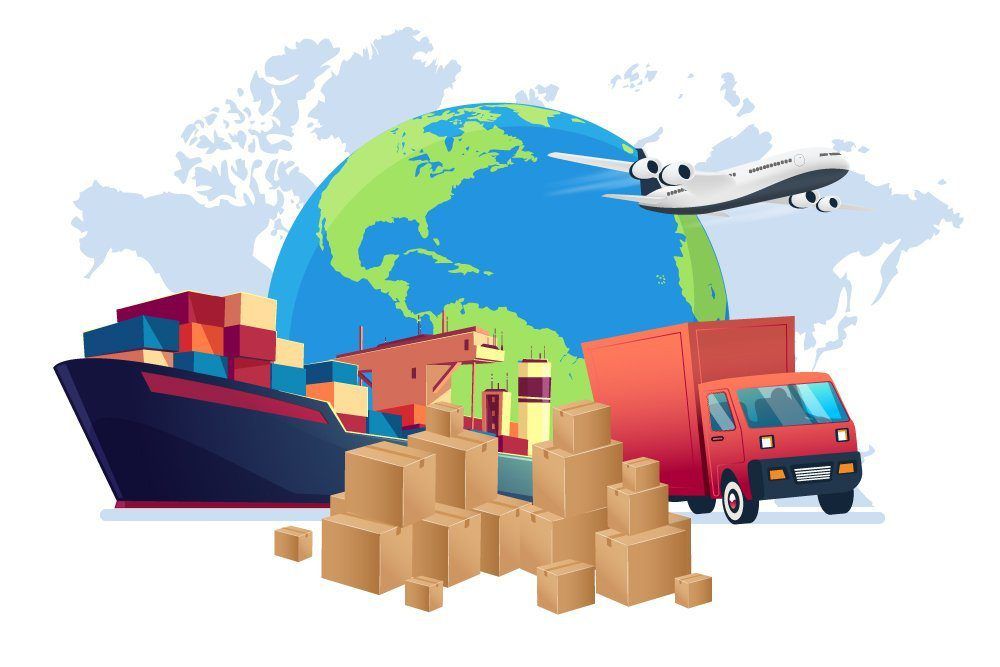
The global bulk wine market is going through major structural changes as production outstrips demand in a changing wine market
The international bulk wine trade has recorded double-digit declines in both volume and value in the 12 months to April 2026, falling 10.3% and 11.8% respectively, according to WBWE data. This is not, however, simply a blip, but part of an ongoing trend which has seen bulk export sales nosedive by 19.3% in volume and 11.7% in value between 2017 and 2026.
Several factors are behind this difficult environment, according to Tucci, with the decline in global consumption having a particular effect.
“The decline in per capita wine consumption is having a particularly severe impact on everyday wines in Europe and other traditional markets,” she says.
Compounding the situation, younger consumers are also exploring a wider range of beverages, from spirits to low- and no-alcohol alternatives, while showing less interest in conventional everyday wine.
Then there is the problem of oversupply and high inventories.
“Excess production and accumulated stocks have created an imbalance between supply and demand, driving prices down,” stresses Tucci.
Soaring production costs, meanwhile, have only exacerbated the crisis, she adds.
“Inflation in raw materials, energy, transport and vineyard management is squeezing producers’ margins and making the production of entry-level wines increasingly unsustainable.”
Shifting demand
These pressures are accelerating changes already under way in the bulk market. Demand is shifting towards white wines, alternative formats and low- and no-alcohol products, while buyers are also seeking more specialised offerings and opportunities in emerging markets.
The challenge for producers is not simply to find new outlets for existing volumes, but to adapt their portfolios and commercial strategies to a market in which consumer expectations, purchasing patterns and trade flows can change rapidly.
That volatility is one reason why the WBWE remains such an important meeting point for the industry. Bulk wine often reflects shifts in demand earlier and more sharply than the bottled sector, making the Amsterdam exhibition a valuable barometer of where the wider wine trade is heading.
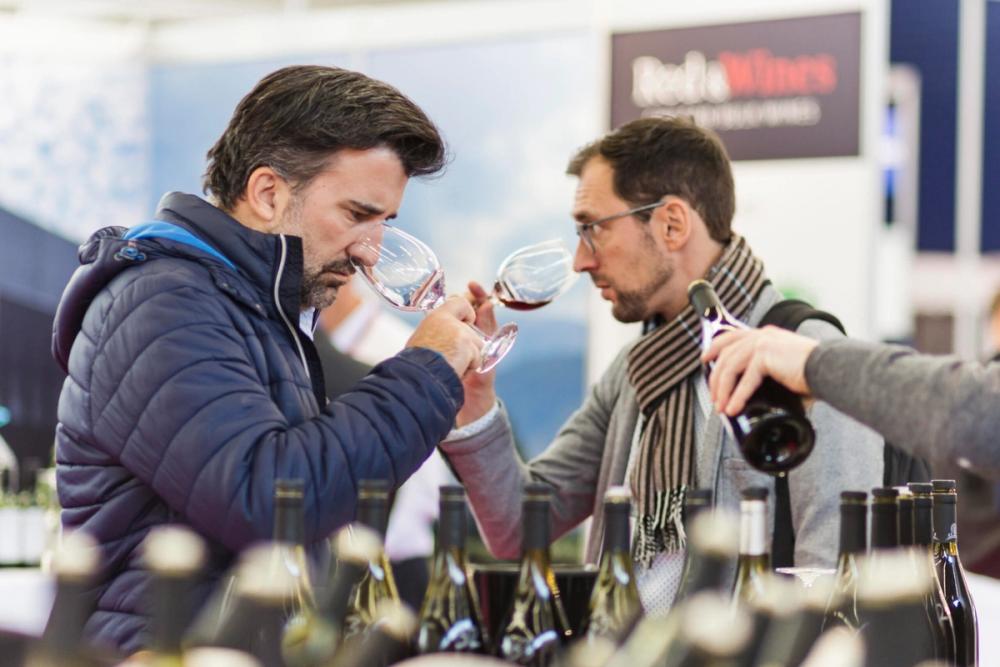
The World Bulk Wine Exhibition is the key time of the year for producers and buyers to come together to do business
Describing bulk as “the canary in the coal mine”, Tucci says that much more than in the bottled sector, bulk is subject to sudden changes where imports from one market can suddenly stop.
“Whenever the wine trade is going through shifts, sometimes it’s slow to permeate, but with bulk you see the resonance of it,” she says.
It is one of the characteristics that makes bulk wine such a useful indicator of where the wider market is heading. Unlike the more established bottled wine sector, bulk operates much more like a commodity market, with producers and buyers able to respond relatively quickly to changes in demand, pricing and sourcing.
The priority for the Amsterdam event, says Tucci, is therefore to help exhibitors and buyers navigate the current uncertainty, identify new opportunities and build the resilience needed to emerge from the downturn.
Adapting to change
When she took over the reins at the beginning of September, she inherited a show that has grown enormously from its early days – but one that is also entering a distinctly difficult period for the global wine business.
However, Tucci is no newcomer to the event. She joined WBWE as sales manager in 2011, was promoted to project manager in 2016 and has now taken the top job, giving her an unusually long perspective on the evolution of both the exhibition itself and the bulk wine business it serves.
With a Bachelor's degree in Agricultural Sciences and Technologies from the University of Milan, Tucci has built a career spanning both wine and the international exhibition sector. She also works as a freelance export manager for Spanish wine project Cien y Pico, which produces wines from century-old vineyards in the Manchuela DO.

WBWE attracts key buyers from all over the world
While her appointment comes at a particularly challenging time, her immediate response has not been to attempt a dramatic reinvention of WBWE. Instead, she talks about continuity, resilience and adaptability – qualities she believes the bulk wine sector needs more than ever.
“The last two years have been really difficult,” she says. “The idea is to have a continuing team and continue on the path my predecessor started. We are facing hard and challenging times, but I am optimistic that we will come through that. We need to be adaptable to the changes.”
That sense of change is particularly acute in bulk wine, where Tucci points to a structural decline in the market, though stresses that the difficulties are not confined merely to bulk wine but reflect wider pressures across the entire wine sector.
Bulk, however, is particularly exposed to shifts in international trade, which makes WBWE more than simply a trading event. For Tucci, it is increasingly a place where producers, buyers and other players can assess what is happening in real time.
“That’s why Amsterdam is so important – to trade and to talk, and to get important insights into what is going to be selling and what is going to trade.”
What’s in demand
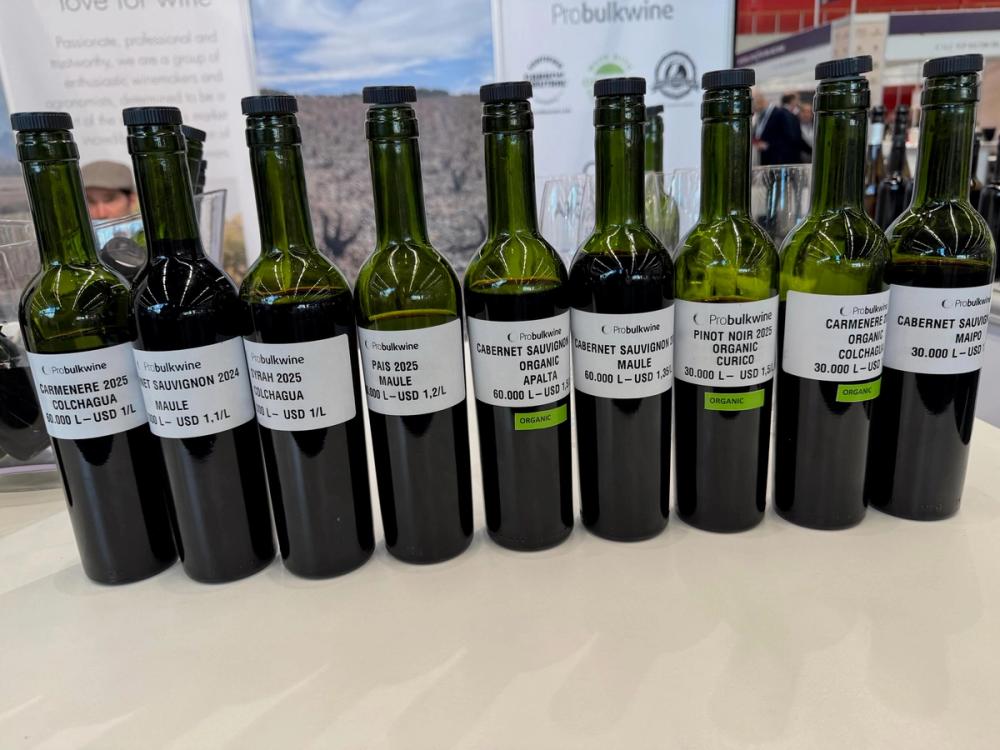
Bulk red wine is under increasing pressure
One of the clearest changes Tucci has witnessed over her time in the business is the shift away from red wine.
“Over the last 10 years we have lost a lot of red wines,” she confirms, at a time when white wine has seen sales surging.
The growth is not restricted to sparkling wine either. White wine is increasingly being used for blending and in a range of different products, creating new opportunities for producers able to respond to the change.
Tucci also highlights renewed interest in Sauvignon Blanc and Pinot Grigio, alongside entry-level red varieties such as Cabernet Sauvignon and Merlot. At the same time, demand is emerging for wines destined for the rapidly developing low-and no-alcohol sector. The rise of alternative formats is part of the same picture.
“We are seeing an acceleration of alternative formats,” she says. “The whole sector is increasing.”

More bulk wine is being bought to go into new packaging formats like cans
Cans and other alternative packaging, which might have seemed niche a decade ago, are becoming increasingly mainstream as consumer habits evolve. Sustainability and the desire to reduce CO2 emissions are also helping to drive the change.
But the shift is not simply about packaging. It is about the kind of wine consumers want, how they consume it and the price points at which they are prepared to buy it. For producers and exporters, that means the old assumptions about which varieties and wine styles will find a market can no longer be taken for granted.
Spain is a particularly interesting example. Tucci points to a significant increase in the planting of white varieties, reflecting the changing demands of the market. Traditionally one of Europe’s major sources of both red and white bulk wine, Spain’s La Mancha region has played a particularly important role. But as demand shifts, so does the balance of production.
Italy presents a different picture, with several important bulk-producing regions and a wide range of styles, from more premium wines in areas such as Emilia-Romagna to significant volumes of red Lambrusco. And it is the ability to respond to those different market requirements, Tucci argues, one of the key strengths of bulk wine.
“A huge crisis like this cannot be solved in one year,” she says. “But people are trying to figure out new products, new niche markets, new possibilities, new buyers, that can try to adapt much quicker.”
Global opportunities
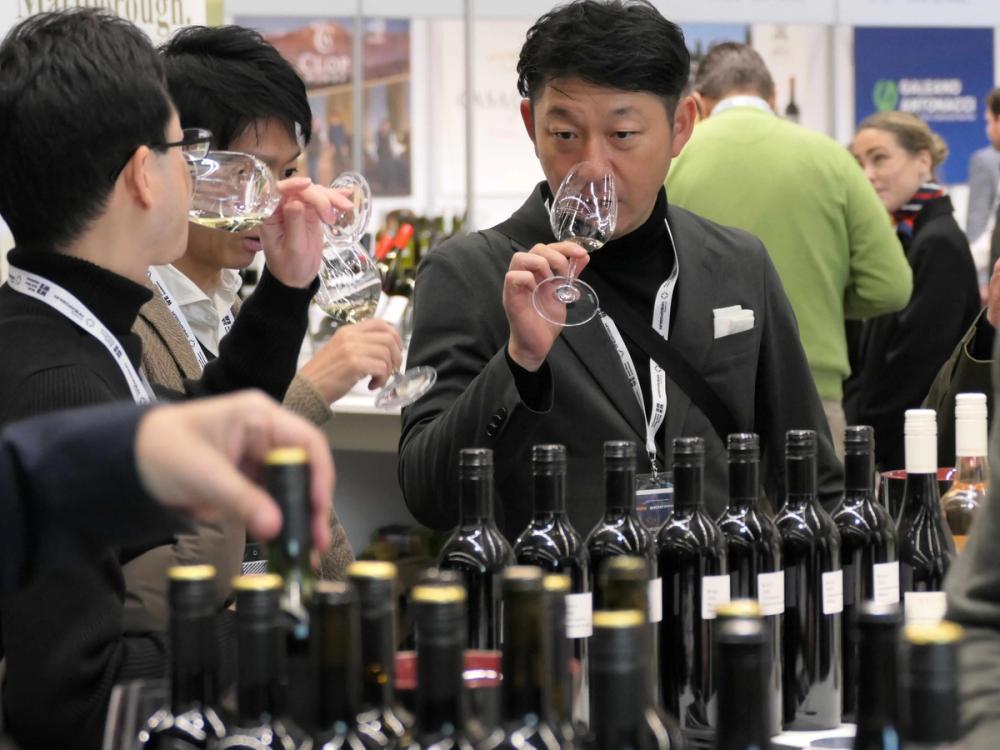
Asian buyers are a key part of WBWE as the bulk wine market opens up across emerging Asian markets
The geography of bulk wine is changing too with increased interest from markets such as Korea, China and Vietnam, according to Tucci, with West Africa. Ghana, Cameroon and Côte d’Ivoire among the markets she identifies as showing potential.
In Northern Europe, meanwhile, the Scandinavian monopolies are increasingly interested in new products from countries such as New Zealand and Australia.
Argentina is another market to watch, where Tucci says exports have increased by around 10% this year, although the nature of demand differs significantly from that seen in New Zealand.
She explains: “While New Zealand is very high-value wines; Argentina is looking for more volume.”
That diversity is important, as there is no longer a single bulk wine market with a fixed set of requirements. Different producing countries are responding to a variety of consumer needs, while buying markets are looking for very different combinations of price, quality, variety and format.
“Every country has a different history,” Tucci says. “Changes happen so suddenly and quickly. This is the beauty of the bulk market.”
It is also why she believes the sector needs to remain open to markets that may previously have been overlooked. For producers facing pressure at home, the search for new destinations is becoming increasingly important. For buyers, meanwhile, the growing diversity of sourcing markets provides more choice – but also makes understanding those markets and their capabilities more important than ever.
UK potential

UK buyers, producers and importers are a key part of WBWE. Here Ray O'Connor shows some of his bulk wine projects as part of Atelier Wines
For WBWE the UK remains a particularly important market.
“The UK is absolutely vital,” Tucci says, pointing to all the major retailers who will be attending the show.
She believes the UK has historically been very well equipped to respond to change.
“The UK market was not producing wine, so [it was] looking at the market from a trading point of view,” she says.
Even as the UK has developed its own domestic wine production, Tucci argues that the market retains that flexibility. Buyers are prepared to make decisions and enter contracts based on what they believe the market will need.
The UK is also at the forefront of some of the changes now affecting the wider market, particularly the growth of low- and no-alcohol wine. More broadly, she says the Anglo-Saxon markets – particularly the UK and US – are showing strong interest in the developments reshaping the category. For a market that has traditionally been highly sophisticated in sourcing and own-label development, the UK remains a useful indicator of where the wider international wine trade may be heading next.
2026 show

WBWE 2026 takes place in Amsterdam between November 30 and December 1
Despite the challenging trading conditions, Tucci expects the 2026 WBWE to attract around 210 exhibitors, compared with 220 last year, with visitor numbers expected to rise to more than 2,100. The slightly lower exhibitor number reflects, she says, the difficult harvest conditions in France and elsewhere. But the show remains highly international.
Uruguay, for example, is returning after a period when its producers had stepped back because production volumes were too low. The show is also broadening beyond wine, with producers of whisky and bourbon from the US and UK among the participants.
The conference programme will similarly focus on the challenges facing the sector. Commercial resilience and profitability will be major themes, alongside efficiency, low and no alcohol and the question of how bulk wine can respond to a period of uncertainty.
But perhaps the most important role of the event is simply to create a space where the industry can talk honestly about the problems it faces.
“We have decided to focus on the white elephant in the room: how to answer the crisis in the market,” Tucci says, who believes that starting that conversation is itself part of the solution.
The objective, therefore, is to make WBWE the place where those conversations happen – where producers can understand what buyers want, where buyers can identify new sources and where both sides can work out how to respond to a rapidly changing market.
“We want to be the place where people can talk and find solutions,” says Tucci.
WBWE Amsterdam 2026: at a glance
World Bulk Wine Exhibition (WBWE) returns to Amsterdam RAI, Hall 5, on November 30 to December 1 2026, bringing together more than 240 producers from over 25 countries alongside international buyers, importers, distributors and drinks industry professionals.
What’s on
Alongside the exhibition itself, WBWE’s Academy programme will feature conferences, panel discussions, masterclasses, expert debates and tastings, covering some of the key issues currently shaping the global bulk wine and spirits market.
Highlights of the 2026 programme include:

There are a wide range of topics to be covered during the conference programme at WBWE
The Competitive Journey: How Logistics is Reshaping the Global Bulk Wine Trade – a panel discussion examining the growing importance of logistics to international bulk wine.
No & Low: From Alcohol Removal to Relevance, Identity and Opportunity – a conference looking at the rapidly developing no- and low-alcohol category.
No & Low in the Glass: Irem & Robert’s Picks – an interactive masterclass exploring selected wines in the category.
From Bulk to Buzz: How Brands, Packaging and Stories Create Value – a panel examining how packaging, branding and storytelling can add value to bulk wine.
Operating in Uncertainty: How Bulk Wine Can Build Resilience and Profitability – a discussion particularly relevant to the current market environment.
Bucher Vaslin Conference and Perra Pellenc Masterclass, focusing on technical and production issues.
A Silent Tasting Room, offering visitors the opportunity to taste a large selection of wines from exhibitors at their own pace.
The International Bulk Wine Competition (IBWC), with medal-winning wines available to discover at the show.
The Academy programme is designed to complement the commercial side of the exhibition, providing a forum for producers, buyers and other industry professionals to assess emerging trends in areas including sustainability, packaging, technology, changing consumer markets, low and no alcohol and new wine-producing regions.
When and where
November 30 to December 1 2026
Amsterdam RAI, Hall 5, Netherlands
November 30: 9.30am–6.30pm.
December 1: 9.30am–5pm.
How to register
Visitor registration is available through the official WBWE website. The current advance price is €65 for both days, or €35 for Tuesday only, for registrations made up to November 29. Registration during the event costs €85 for both days, while the second day-only ticket remains €35. The visitor badge includes access to the exhibition, Silent Tasting Room and full WBWE Academy conference programme.
Register to attend: Click here.