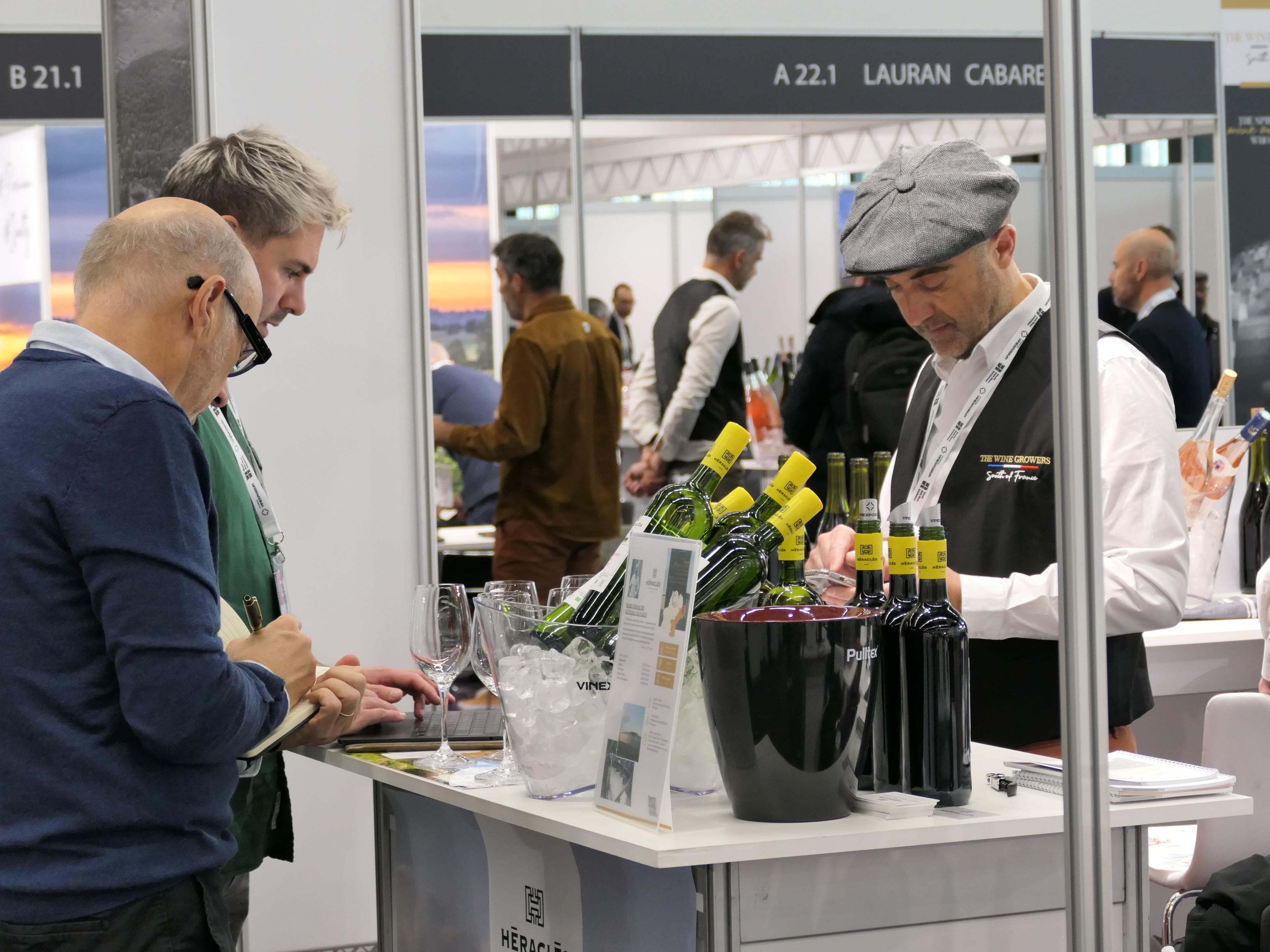

“I’ve never seen people so deflated” was the brutal summary delivered by Fero's Barry Dick MW, and a veteran of many WBWE events in his various buying, trading roles for leading multiple retailers and brand owners.
He said it was clear many producers at the show were having to face up to the “monumental challenge that’s in front of everyone” and a “resignation there’s going to be fundamental changes in the industry to alter its size and shape”.
There were, for example, a number of New Zealand and Australian producers and brokers at the show who said they may not make any wine at all next year as they desperately try to get their respective markets back on keel and find a home for at least some of the millions of litres of over supply currently not sold.
They were not alone as Argentinian producers looked to off load hundreds of tanks of unwanted Malbec.
Whilst closer to home there was noticeably more French producers who had returned to WBWE, many with de-classified AOC wines from unsold old vintages now looking to move them on as bulk wines.
As Andrew Porton, wine director at Lanchester Wines and Wine Fusion told The Buyer: “If you were looking for one million litres of French red wine then this was the year to get it.”
Precarious industry
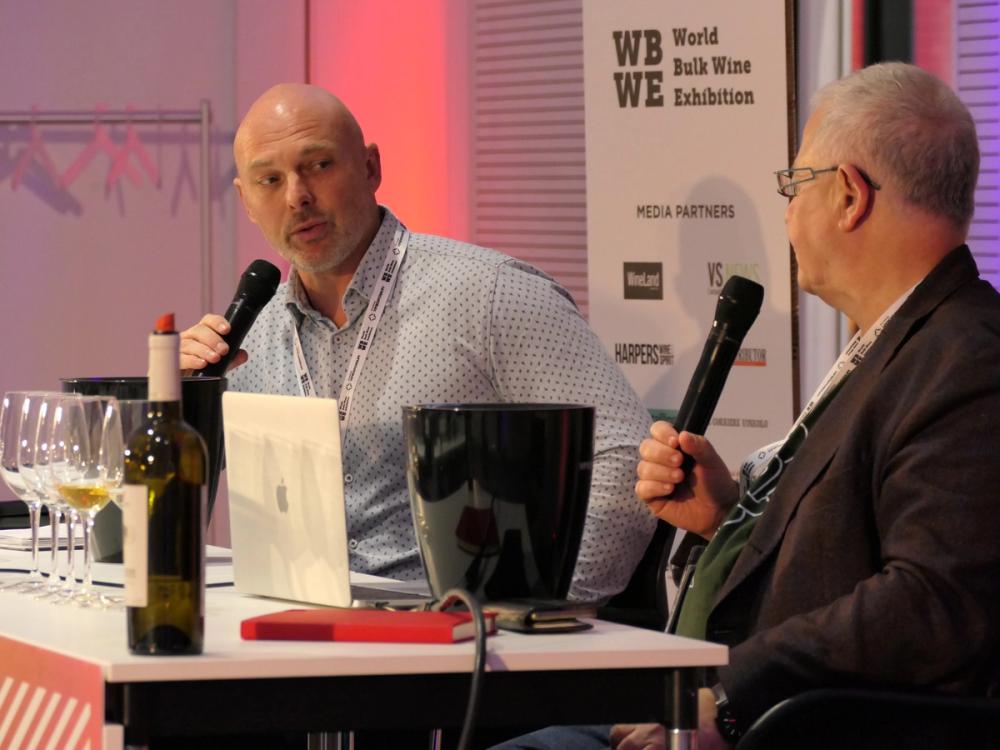
Fero's Barry Dick MW on a panel with Robert Joseph at WBWE
So how much of a precarious position is the global wine industry now in? That was very much the underlying theme of the show, as Fero’s Dick so astutely picked up on.
“When things have been bad in the past, people have always been confident that they could figure it out,” he said. “How that happens now is not straight forward” and that is what is deeply worrying a lot of producers and their suppliers, he stressed.
It's why Fero's breakthrough business that provides finance to help healthy drinks businesses trade their way through hard times and provide working capital to help them grow through a global centralised streamlined supply chain platform is so well timed.
“The industry is going to contract, but who goes and who stays and who are the ones who are going to dictate that?” asked Dick.
Florian Ceschi, European director of Ciatti, the bulk wine brokers and market analysts, agreed the industry is set for a major overhaul: “Who will be exhibiting at this show in the next five to 10 years?” he asked.
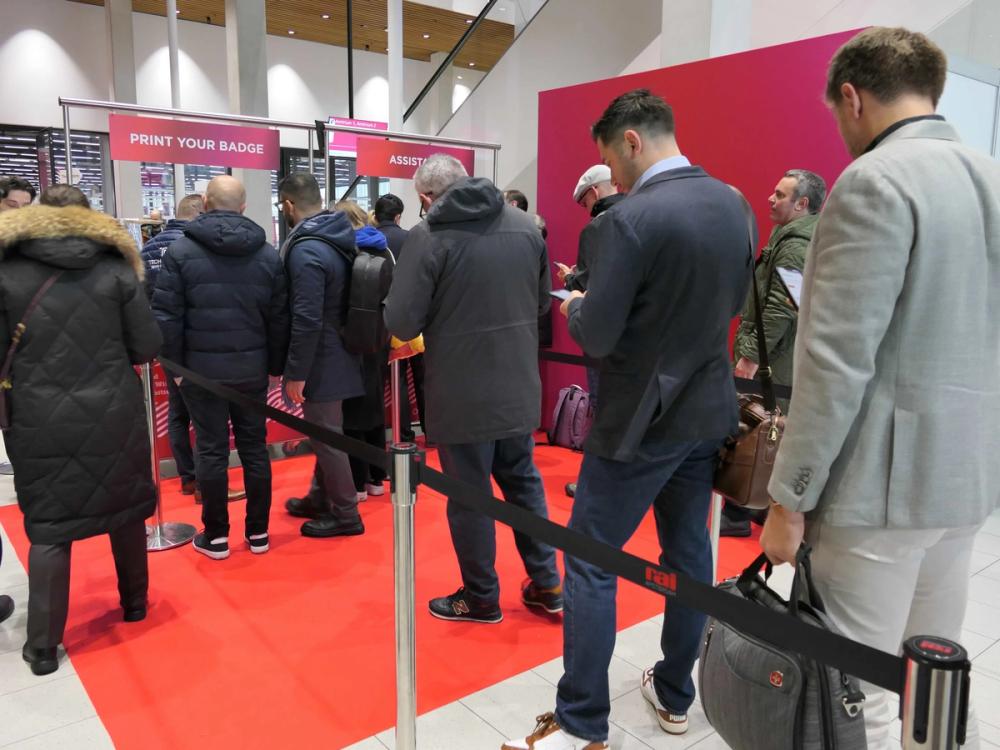
WBWE attracted buyers from over 60 countries
“The way the market is structured is not sustainable for a lot of producers and growers.”
He added: “As long as we are swimming in too much production versus demand the world is being led by buyers and not producers. So it’s hard to increase pricing.”
It’s why we are now seeing some French wine regions calling on the EU to set some sort of sustainable wine pricing measures, said Ceschi.
“The reality is if we continue as we are, we are killing parts of the industry.”
Alistair McIntosh, chief operating officer, at New Zealand Wineries, a contract and bulk wine producer that works with Frederick’s Wine Company in the UK, said it was clear bulk pricing out of New Zealand was going to take another “hit” this year and that a “rebalancing” of the market was essential.
It came to the show hopeful of getting NZ$2.50 a litre for its wine, but realistic it would be closer to NZ$2.20 - with other Kiwi operators getting far less.
“There is just too much wine not being sold. We will see fruit not being taken next year to get the pricing right. We think this is an important fair to be at. We make a lot of contacts and form good relationships.”
Louise Miller, chief executive, added: “It’s a tough gig. We make really good wine and are not selling at the price we want for it. There has to be a turnaround at some point.”
Vital show
Hallgarten's Steve Daniels and Jim Wilson are regular visitors to WBWE
Whatever headwinds the wine industry is facing it’s vital major producers and buyers are on top of what is happening in the bulk wine market, stressed South African winemaker Bruce Jack.
Particularly as it now accounts, according to WBWE, for more than a third of global wine trade volumes (34.2%). Since the start of the year, while bottled sales are down 4.8% in volume and 3.1% in value, bulk shipments are down 2.3% drop in volume, but up 2.1% rise in average prices, to € 0.78 per litre. (Del Rey AWM).
Jack says understanding how the bulk industry works and its impact and influence on the rest of the sector is a lesson he learnt when heading up winemaking at Accolade Wines.
“It’s like flying with radar. You see all the trends that are happening, which countries are struggling, which varieties are doing better than others and which markets are growing before anyone else does,” he explained.
“You can then adjust your branded strategy based on where you know the wine industry is going because bulk feels it first. It is the end of the spider’s antenna. By the time they branded industry knows about it, it’s two years later. If you are in the bulk game you are two years ahead.”
He added: “I also love the transparency of the bulk market. It’s not about undercutting, it’s about adding value. It’s also where we can bring our blending experience to the table. We can do it quickly, we can blend to scale and we know how it works.”
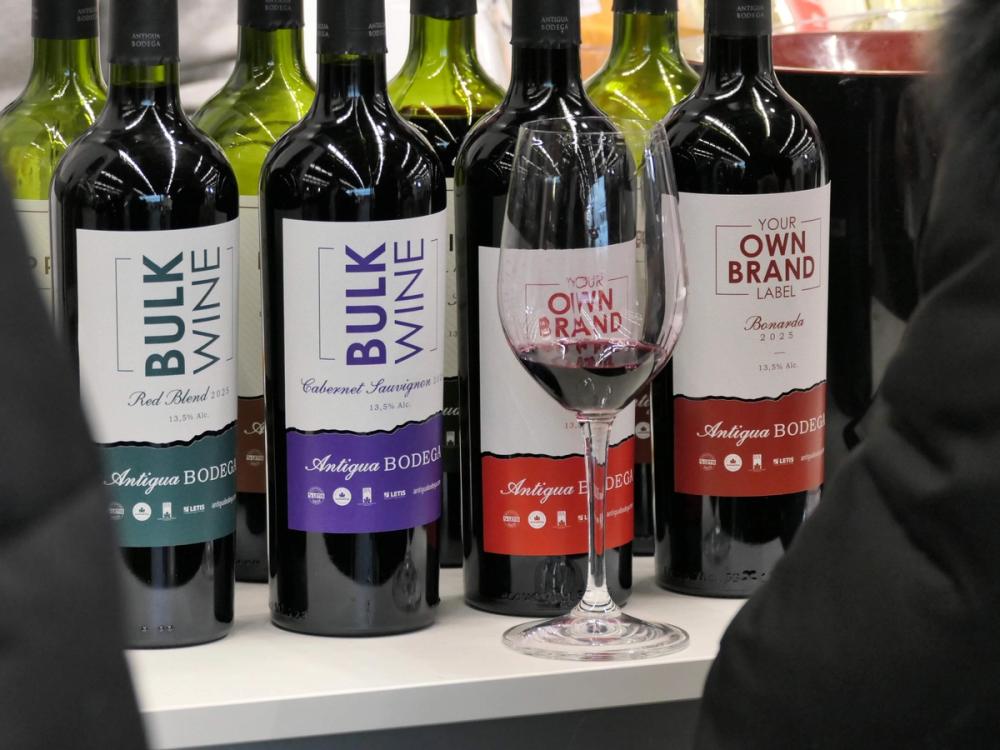
WBWE is all about tasting wine to buy and getting down to business
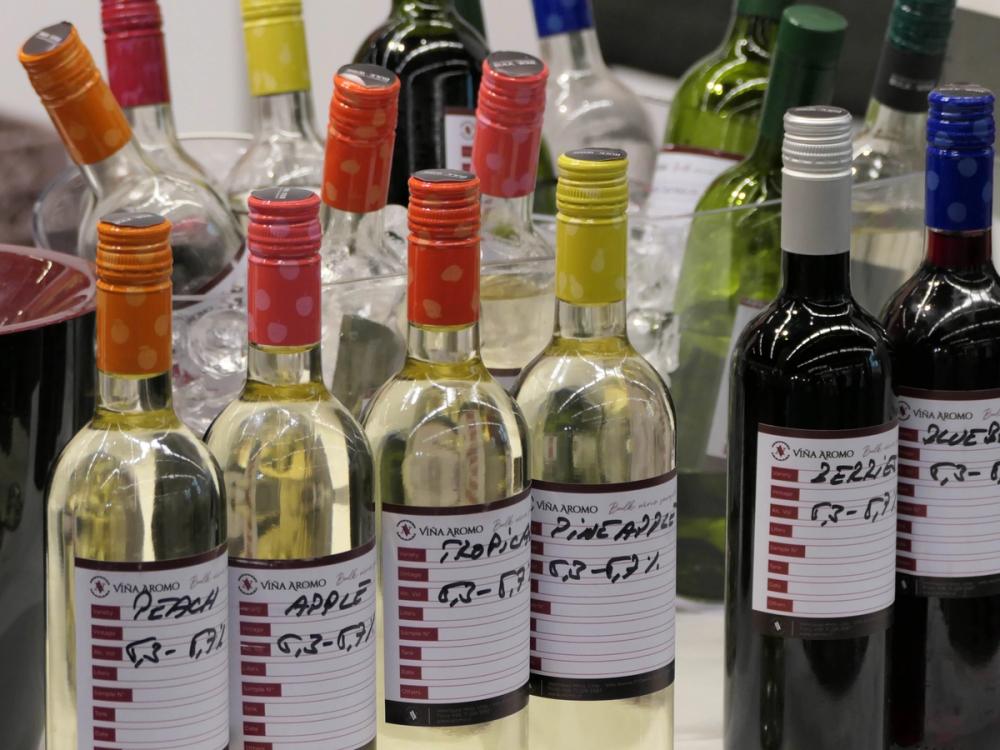
Simon Jerrome, head of buying at C&C Group for Bibendum and Matthew Clark said WBWE is a “vital show” for buyers to meet, share insights and take advantage of the transparency that is at the heart of the bulk wine industry.
He is not alone as WBWE claims to attract buyers responsible for up to 80% of all wine volumes bought and sold in the world.
“What I like about this fair is that it is a business show and the opportunity to openly talk about what is happening in the wider wine world, and to understand the different supply and vintage issues and what impact that is going to have on pricing,” he said. “I would recommend it to everyone. It’s a great way to see what is really going on and where buyers get to talk to buyers. The networking is really strong. I like that.”
For example, he said it was interesting to see more varietal bulk opportunities coming out the big bulk producing countries - like Cabernet Franc from Argentina or Pinot Noir from New Zealand.
“We can now look beyond just one grape solutions from certain countries now,” he said.
For this is the show where competing buyers are willing to talk, share their thoughts and, although it is not explicitly stated, ensure they are all speaking with the same voice when it comes to negotiating major bulk deals that will ultimately impact the basic pricing for average wine bottle and own label sales in the UK and other major wine markets.
The hard work might be done “back in the office” but this is where you get the chance to start or build relationships with producers, he added.
Complex decisions
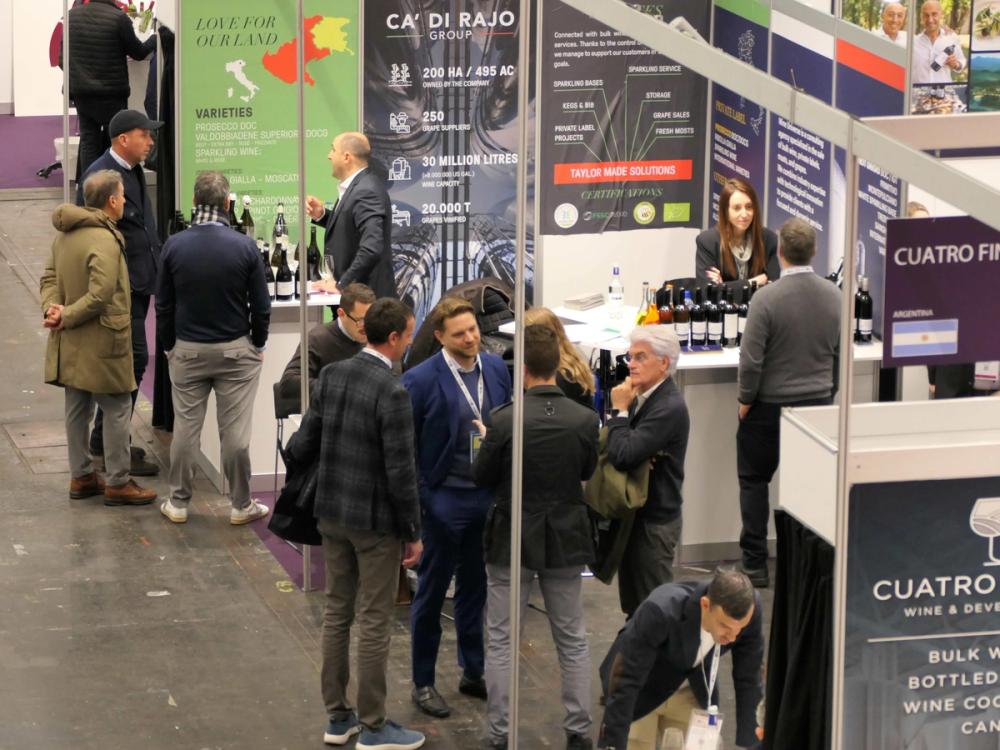
The belt and braces look of WBWE is very much in keeping with the down to earth nature of the show
The complexity of the wine supply chain, and the increased packaging and duty costs means it is not just about the wine any more, but you have to take in so many other factors as well, said Jerrome.
Which is why the role of the wine broker is changing, agreed Ceschi at Ciatti.
He said far less actual business deals are being done at trade shows like WBWE as so much more needs to be done behind the scenes when the buyers have had the chance to go back and analyse wines, do laboratory tests, and team tastings.
The broker’s role is to be an integral part of that process and make sure it works as smoothly as possible for both sides of the negotiation table. It means they are going to have to offer a far more specialised service.
“We are the Chat GPT for the buyers. We are helping them make those decisions,” he said.
The fact the cafe and restaurant areas were far busier than the actual trading floor suggests lots of talks and negotiations were taking place, but as Ceschi said most deals were being but on hold as cautious buyers were sitting on their hands waiting for prices to fall further and unwilling to make firm commitments in such unstable conditions.
Securing supply
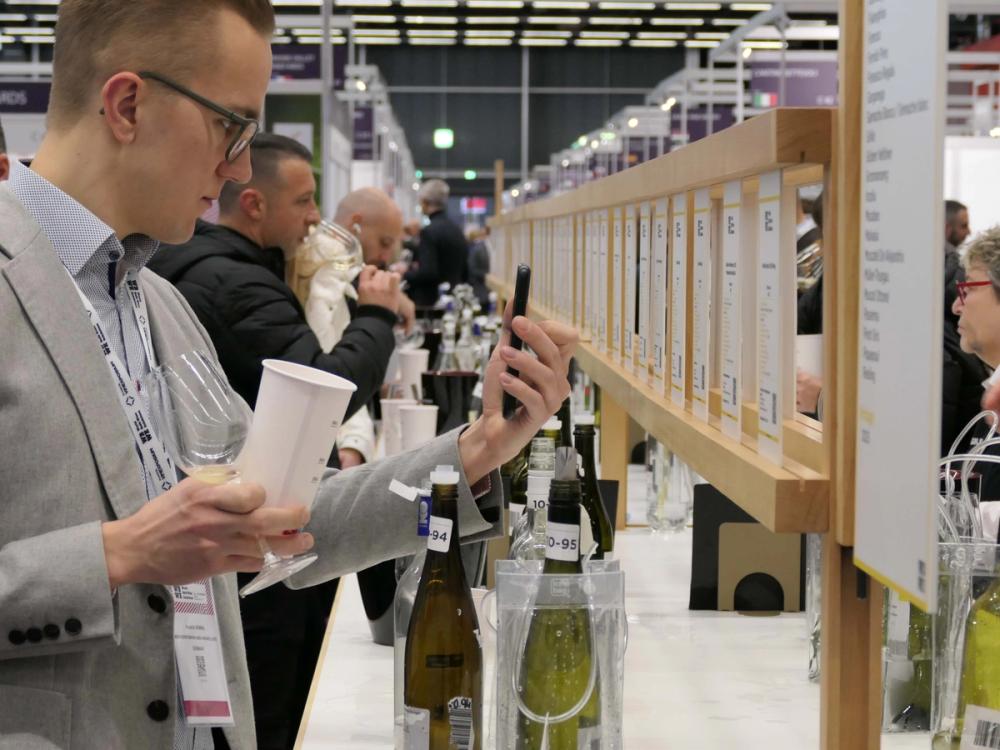
Free pouring areas allow buyers the time and space to taste and assess which wines they might want to discuss further with producers at the show
Porton said the dynamics of WBWE are changing fast as it keeps in step with what is happening in all the main wine markets around the world.
“My objective for coming to the show has changed over the years. I used to come to find new contacts, now the purpose is very much about meeting existing suppliers,” he added.
Yes, there are lots of spot pricing deals to be done if you are that way inclined but Porton said he would rather grow business with existing “reliable” suppliers than find new ones.
“Having a supplier that is reliable is now even more important. We work with people for the long haul and want to grow our businesses together. This is not a time to be a promiscuous buyer.”
Ceschi said the differences in availability of supply, particularly in Europe with lots of old vintages still in the market, meant there is hardly any competitive advantage to be found across generic grape pricing between Spain, usually by far the cheapest, Italy, France and Germany.
Generic French wines, for example, were available at 50 cents a litre compared to an average of 80 cents.
“We used to have big price gaps between countries for generic grapes now we are seeing more the same prices between main European countries,” he said.
The situation in Europe is having a knock-on effect on pricing from other key bulk countries like Chile which has seen its harvest down to 8m hectolitres from an average of 12m hectolitres. Usually that will result in Chilean bulk prices going up, but they are being kept down “because of the lower prices available in Europe,” said Ceschi.
Increase in quality
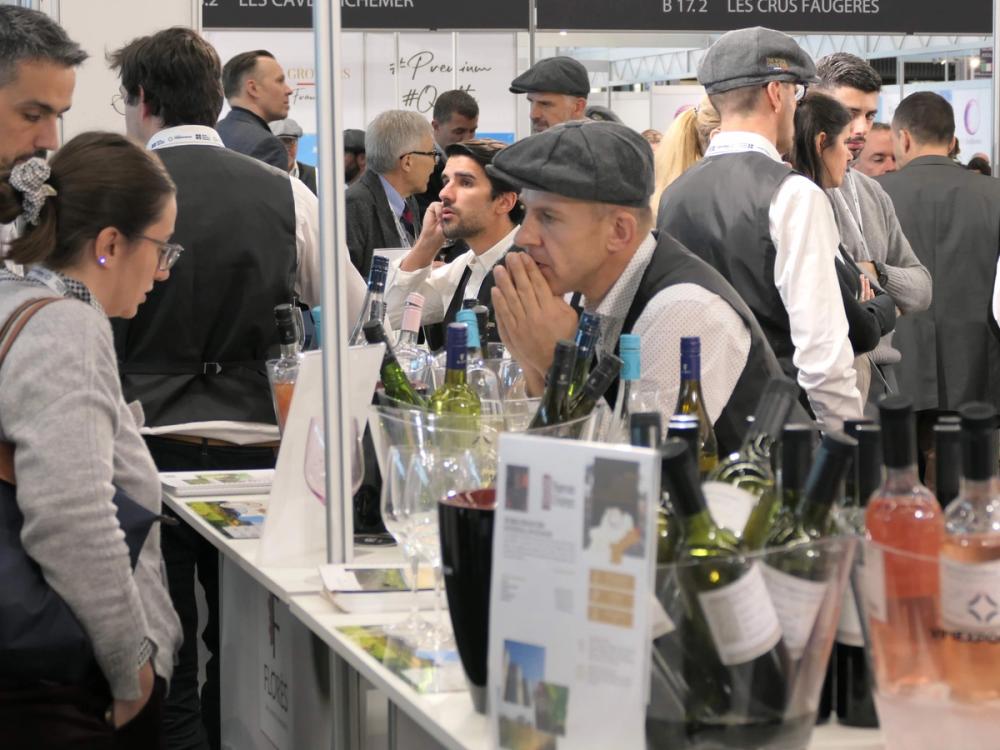
Buyers were able to access a lot more premium wine at WBWE including French wines that has been declassified from AOC status
The good news for the bulk wine industry as a whole, added Porton, is the overall quality of bulk wine available to buy has improved with far more “expressive and complex wines” on show than in previous years.
Jerrome agreed: “I am very encouraged by the talk of premium bulk and the fact we are talking about quality as well as price. There is, for example, more availability of wines for key kegs - I would like to see more of that.”
It means there are more opportunities to bring in smaller amounts and work on more bespoke projects.
It’s a trend that Ciatti is seeing a lot with an increase in demand for smaller bulk contracts - some times as low as 50 hectolitres vs the normal 240 hectolitres - as overall volumes decline and importers and retailers are looking for more flexible options.
The challenge is the on-going unreliability of the major shipping lines and the increased costs being demanded by the major freight forwarding companies.
“I am not sure they are doing enough and are not fast enough to find the solutions the industry needs,” he says. “We are very much at the behest of the shoppings lines and the impact of the delays can be enormous.”
New market opportunities
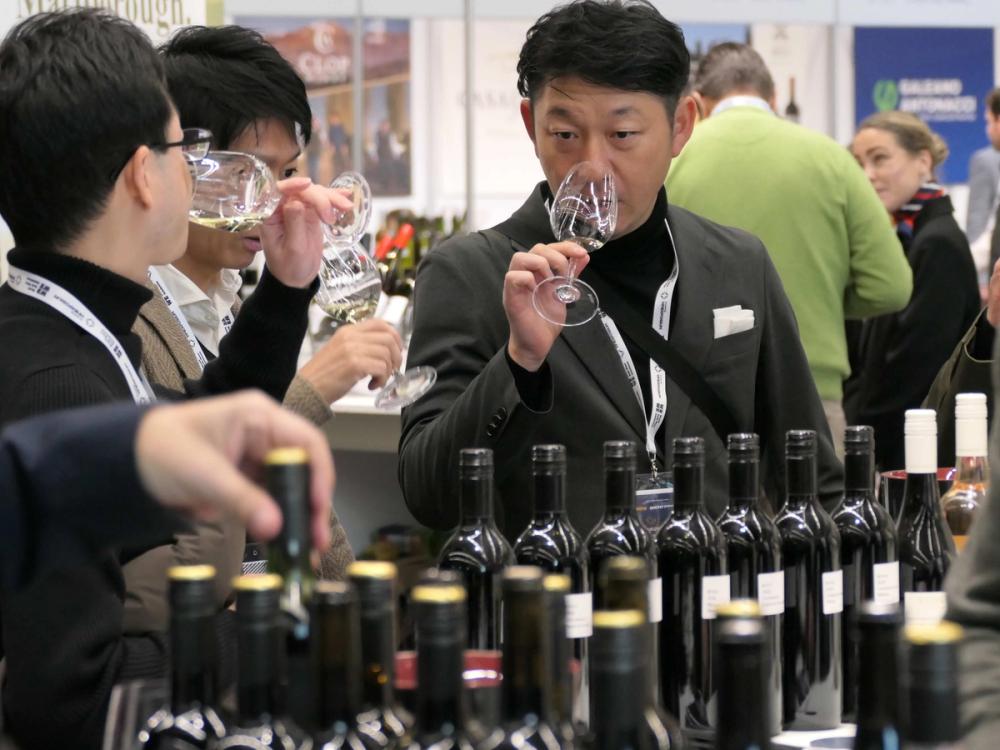
The WBWE is an opportunity to open up new markets around the world for producers - particularly those with surplus wine to sell
The stand off between producers and leading buyers in the major European and North American wine markets is finally opening up the potential of the much touted new wine markets in Africa, particularly in the affluent cities ofEast Africa, the Middle East and parts of South America.
New countries to exhibit at WBWE for the first time in 2025 included Lebanon, Mauritius, and Panama.
They may not currently have the scale and demand to take up all the over supply slack there is in the market, but they are certainly helping to open up new channels and opportunities for pressured brokers and producers in both the northern and southern hemispheres.
Bulk wine consultant, Rafael del Rey, said he expects to see more demand coming from South America, and in particular Brazil, Columbia and Mexico with other opportunities in Dominican Republic, and in central and Eastern Africa.
But it is unlikely they are going to “make up for the decline in other countries” and it is inevitable “things will be tougher and we all need to be much more flexible” to what these new markets might want.
Rise in no and low
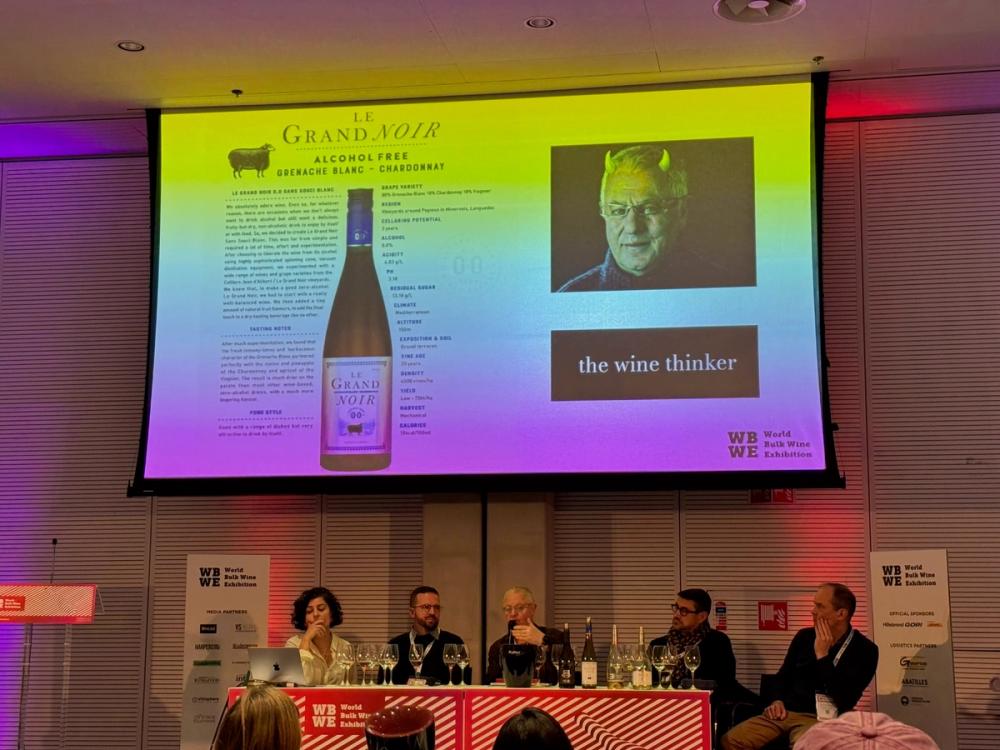
Robert Joseph says it has taken him and the team at Le Grand Noir to get the process right to make a quality 0% wine
One of the big positive themes to come out of WBWE was the opportunity for low and no alcohol wines both as an important category in its own right, but a hugely potential market for bulk wine. The show’s conference was bookmarked by two keynote talks and panel debates on just where we are with low and no wines.
The low and no sector is also benefiting from the increase in availability of premium bulk wine, and as the level of base wines used in no and low products improves it can only push up the quality of the wines in the market.
Those premium bulk wines are also finding new customers in the growth in demand for wine-based cocktails such as Aperol Spritz and the widening RTD market.
Robert Joseph, who is producing a number of low and no brands under his Le Grand Noir French wine label, says he finds it frustrating to still see the amount of kick back there is in the wider industry to the low and no category.
They are ultimately doing a disservice to themselves and the sector because the rise in no and low “is happening” whether they like it or not, he argued.
Joseph said it was not surprising that wine is so far behind what has been possible, particularly in the zero alcohol market, in beers and spirits which have collectively “spent millions to get it right”.
By comparison the wine industry “has spent almost nothing” and has been very “late to the game”.
He said it has taken the Le Grand Noir team close to three years to get its 0.0% wine to the right level of quality it wants.
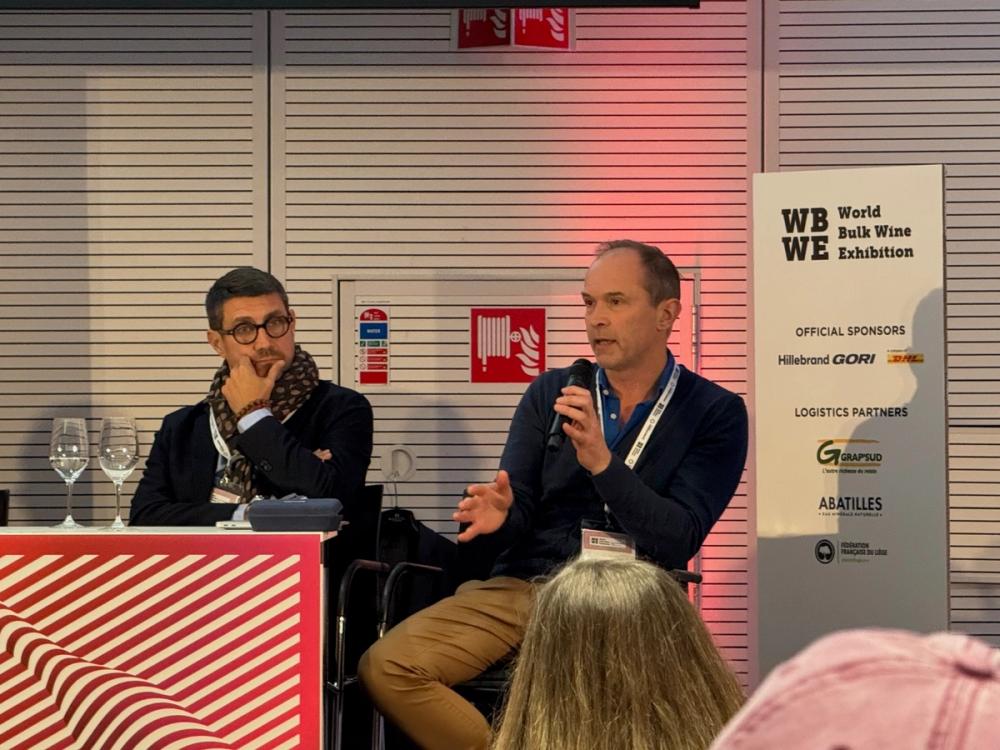
Ray O'Connor MW is working on a number of low and no alcohol projects with his new business Atelier Wines
Atelier Wines’ Ray O’Connor MW, who has worked on a number of low and no brands, including Seven Summers for Olympic heptathlete Jessica Ennis-Hill, said the wine industry needs to remember we are “selling pleasure” and we need to be making products that people want to drink. Simple as that.
“If we are not, we are not reading the room,” he claimed, arguing that we should be busy “creating solutions and solving problems” when it comes to no and low products.
Just look at the amount of innovation and new products that are being created in the FMCG sector that is constantly “reinventing itself” compared to what is going on in wine, he added.
“Every year we are seeing a step forward in the quality of low and no and if you are not thinking about it, or moving into it then you are missing out,” he said.
“You are watching history happen in real time,” claimed Joseph, and it is a “mountain” we have no choice but to climb.
"We need to get more money into the category so that we can make the improvements we need to make.”
Eerie times
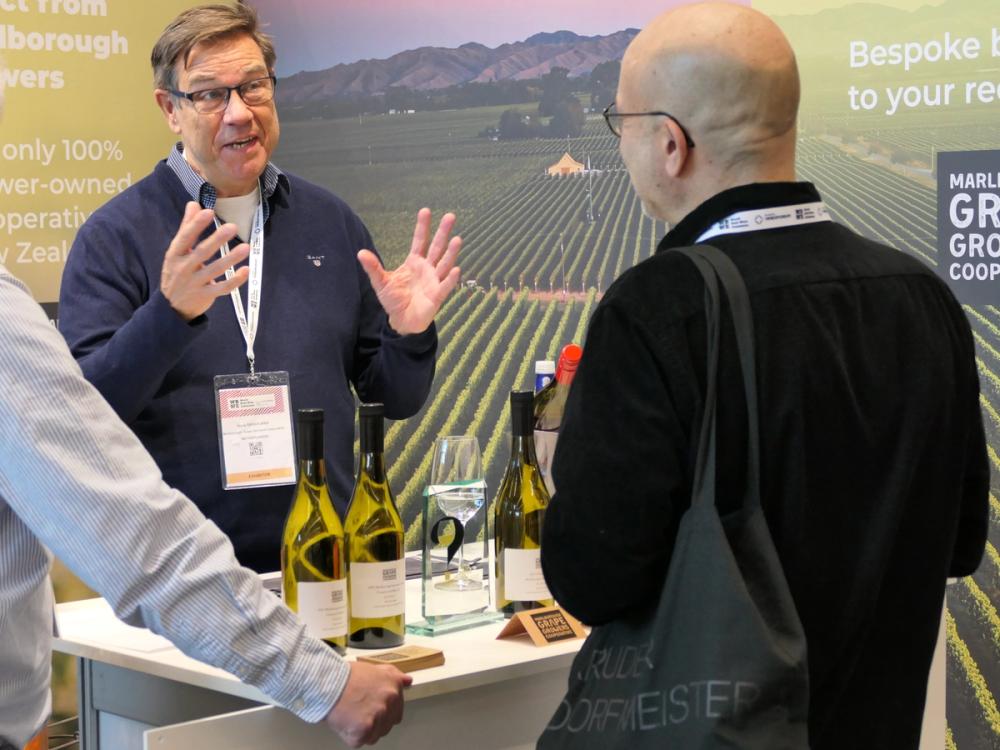
There was a lot of business talk at WBWE but the power was very much in the hands of the buyers
It all made for a confusing and eerie mood at this year’s WBWE, which again served as a barometer for the state of the overall wine industry.
It also shows the real impact of a couple of drops in percentage points in global wine consumption and the consequence that has had on the business being done by the word’s major wine suppliers and buyers.
The final word goes to Fero’s Barry Dick who whilst fearful for what the current supply, demand and trading patterns mean for the industry as a whole, this is a sector that is “super resourceful” and is he is confident it will find ways to move, adapt and find new ways of doing business.
- The 2025 WBWE was the 17th edition of the show and attracted 2,150 visitors (up 8%) from 60 markets and 240 exhibitors representing 25 countries.
- You can find out more about WBWE here. The WBWE 2026 event will take place in Amsterdam between November 30 to December 1.
Bulk Wine Explorer

Vinexposium, the organisers of WBWE, is to hold its first Vinexpo Explorer event dedicated to bulk wine next year in Mendoza, in partnership with Promendoza, between June 8-10. It will be the chance for the world’s buyers to really get to understand the opportunities there are in the Argentinian bulk wine sector. Further details will be released in due course but it will look to take around 25 buyers from around the world to Mendoza, the heartland of Argentine winemaking.
Before returning to Amsterdam next November, Vinexposium is extending its bulk expertise and joining forces with with the launch of a new Vinexpo Explorer chapter dedicated to bulk for the first time, to be held in Mendoza (Argentina) from 8 to 10 June 2026.
“Building on our experience in Amsterdam, we are offering in Mendoza an immersive format entirely dedicated to bulk wine. It is a new lever supporting the industry’s global development by connecting international buyer delegations directly with key producing territories,” says Grace Ghazalé, Director of Vinexposium Overseas Events.