For the intrepid wine tourist who is looking for new places in Europe to visit, the canton of Vaud in Switzerland is becoming increasingly popular. Bordering France and the Jura Mountains to the west, and Lake Geneva (aka Lac Leman) to the south, it totals 3,212 square kilometres and is the second biggest wine-producing area in the country, with 3,800 hectares under vine.
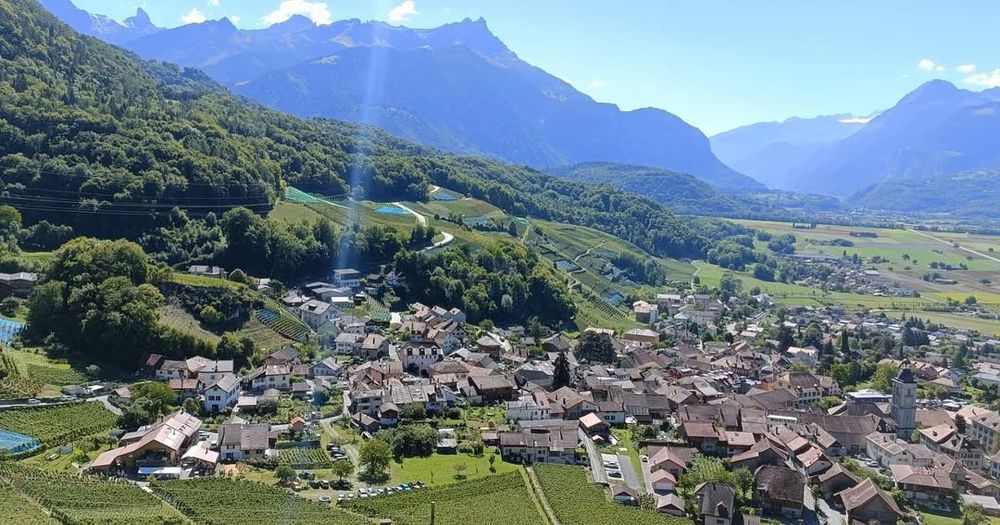
The canton of Vaud set up its wine tourism development programme ten years ago.
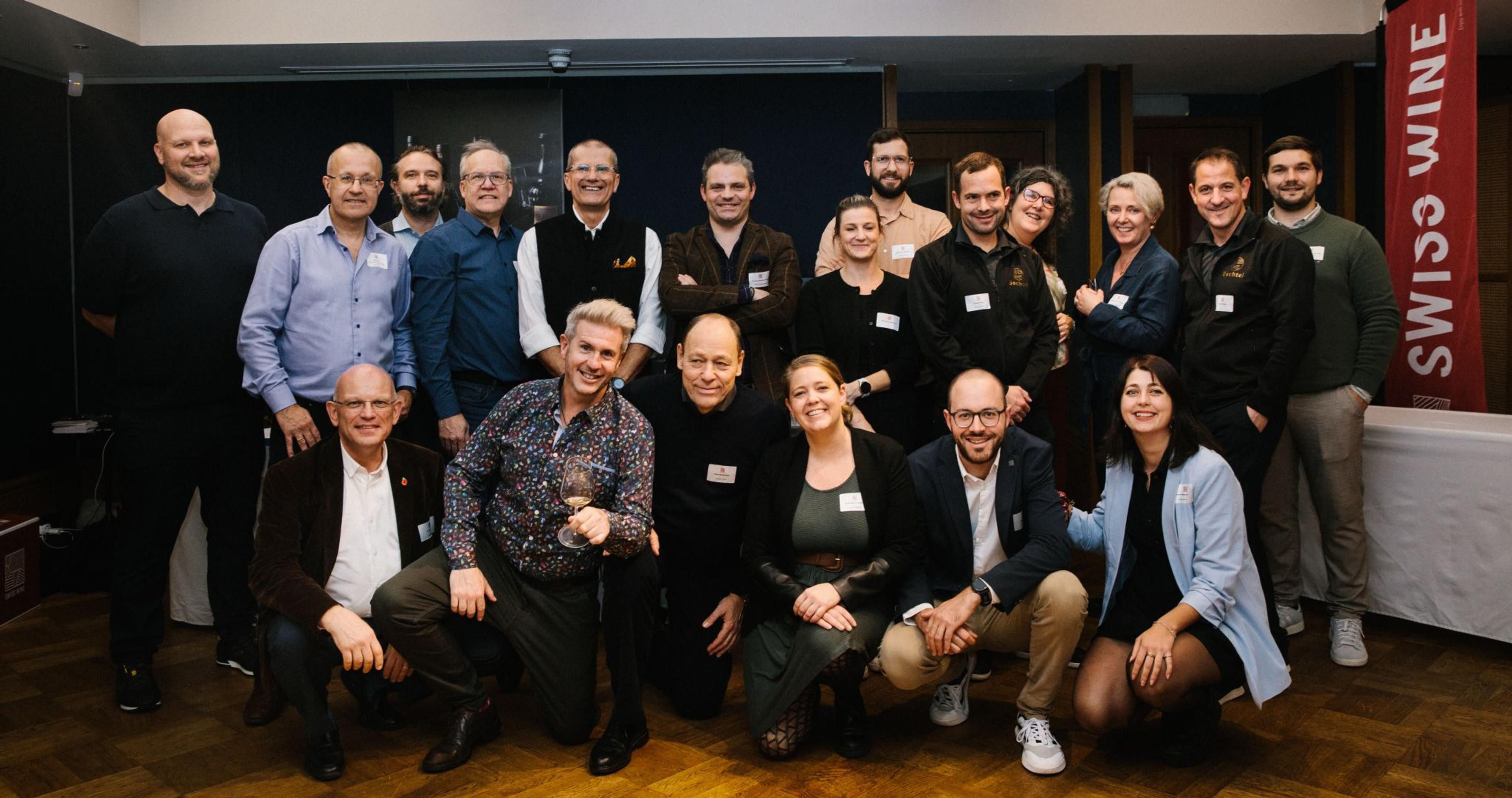
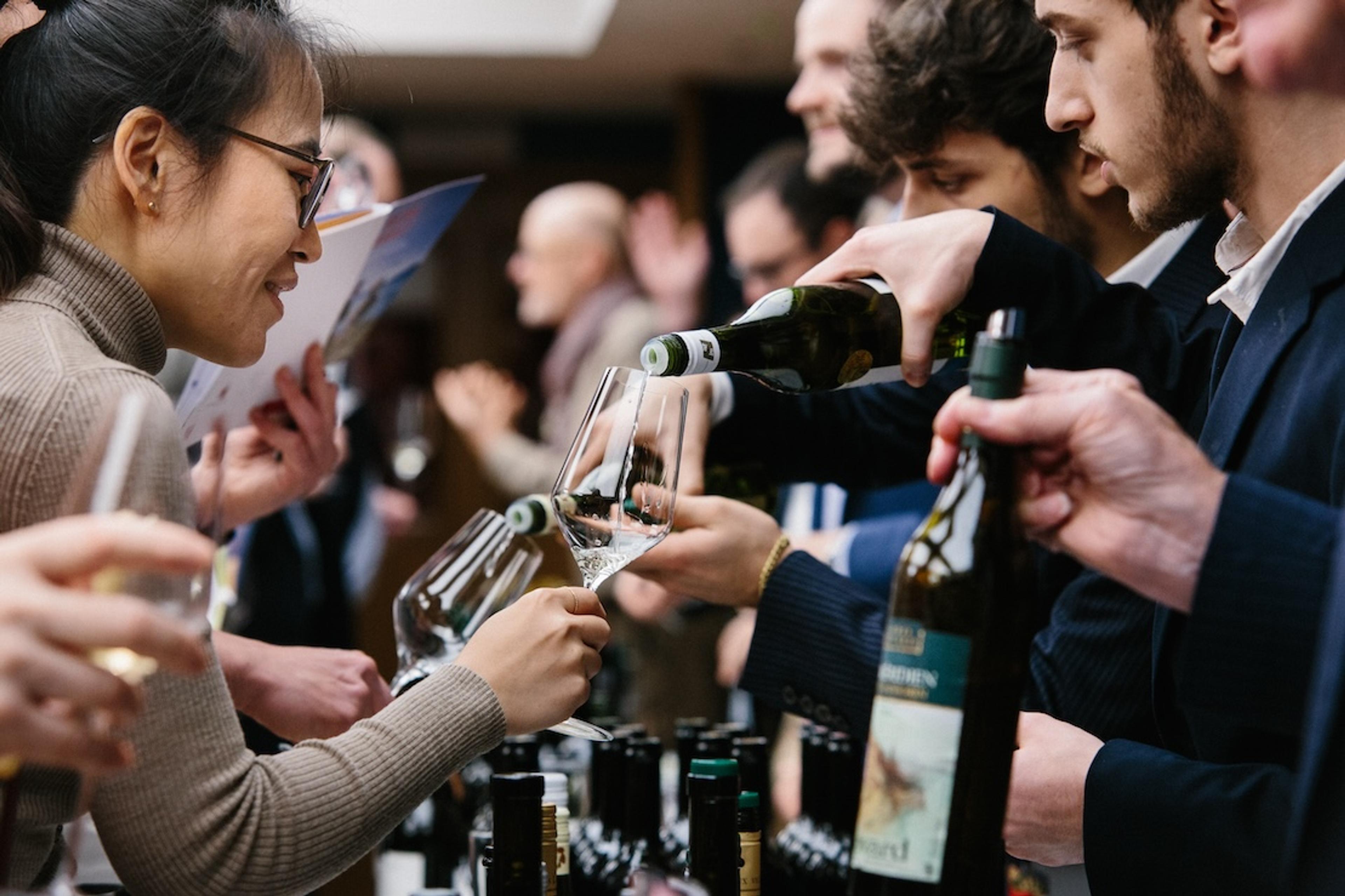
Like the rest of Switzerland, less than 2% of Vaud’s wine are exported according to Ben Gehrig, director of the Bureau des Vins Vaudois, although producers are keen to increase that figure to raise brand awareness. The Swiss London wine tasting at 67 Pall Mall in November is testament to that. Vaud, meanwhile, continues to work on attracting wine tourists to its beautiful lakeside vineyards, and celebrated cities such as Lausanne, the so-called Olympic capital, and Montreux, home to the most famous jazz festival in the world and the most-visited historic building in Switzerland, the medieval Château Chillon.
Yann Stucki, director of Vaud Oenotourisme, revealed that the canton of Vaud set up a wine tourism development programme as long as ten years ago.
“We wanted to enable wine producers and tourism operators to diversify their activities, and to offer visitors the opportunity to discover the wine tourism gems of the beautiful Pays de Vaud,” he said. “Wine tourism is growing worldwide and creating value-added business models. This theme fits perfectly with the exponential trend towards sustainable and experiential tourism.”
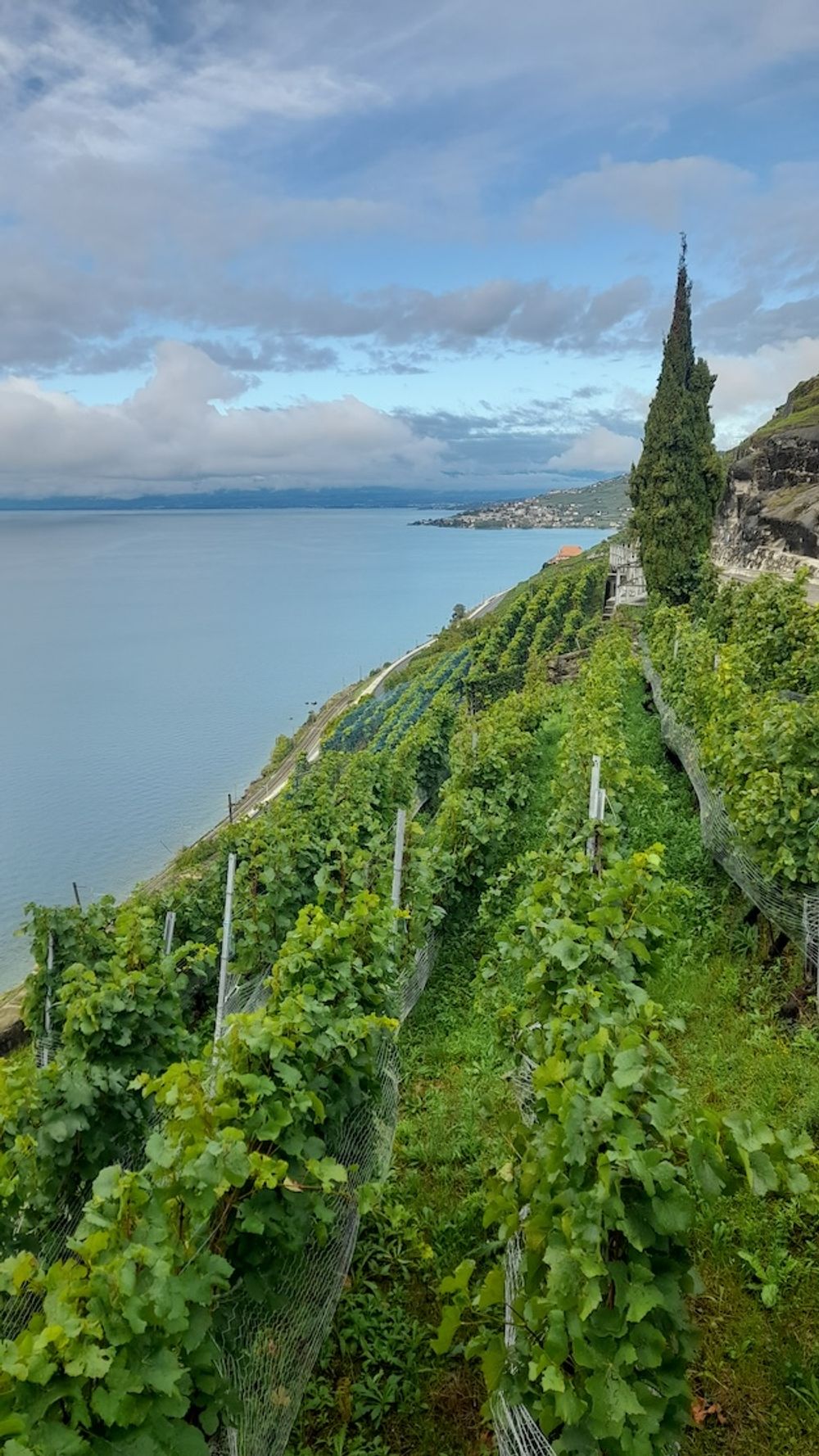
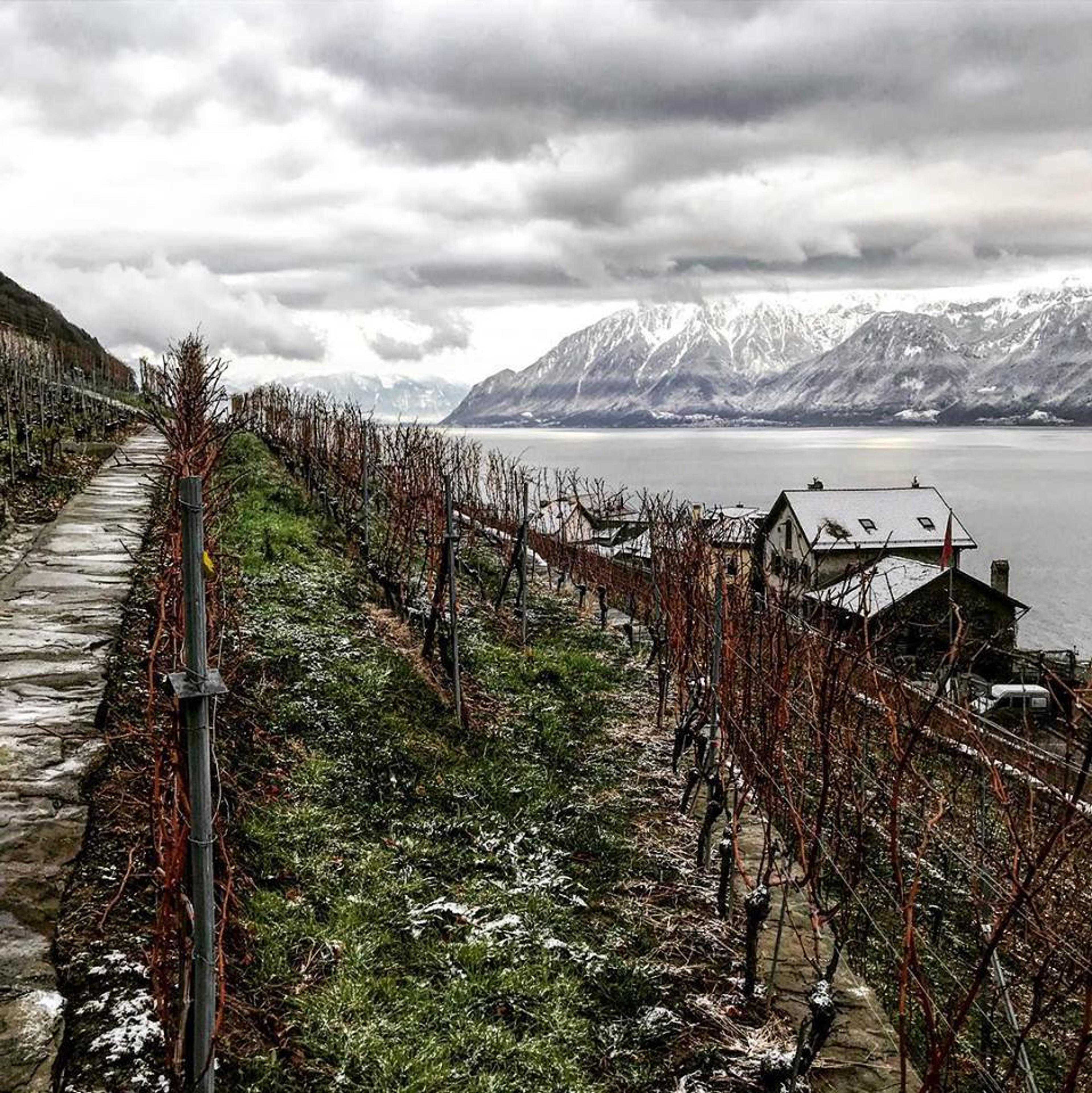
Walking through Lavaux Vineyard Terraces, a UNESCO world heritage site
More on a couple of winery visits made later, but the first absolute ‘must’ for any wine tourist is the stunning five-kilometre walk from the village of Chexbres west to the pretty town of Cully. This is part of the Lavaux Vineyard Terraces, a UNESCO world heritage site, with 800 hectares of vines that benefit from both direct and lake-reflected sunlight as well as stored heat in the terraced stone walls. Cyclists can take the 32-km path from Lausanne-Ouchy to Château Chillon.
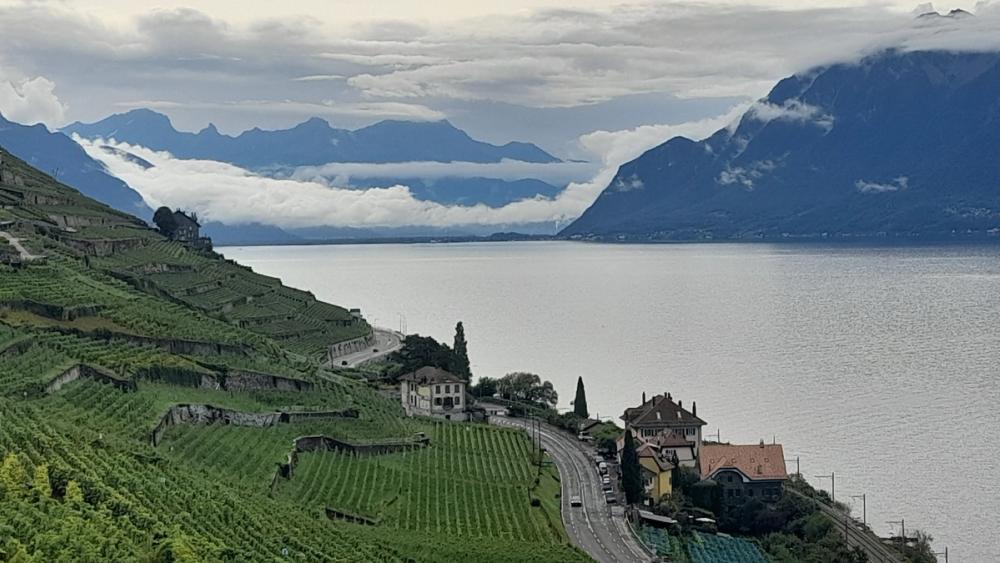
The walk is along elevated, well-maintained pedestrian paths through terraced vineyards that afford dramatic views of Lake Geneva below. It is by no means a hard walk, and easily initiated by catching the train from Montreux to Chexbres via Vevey. On arrival in Cully, you can then catch the historic paddle steamer, La Suisse, that takes you on a three-hour circumnavigation of the lake, with stops on its south side, including the pretty village of St Gingolph that borders Switzerland and France.
The boat drops you off in Vevey in the heart of the Swiss Riviera. While best known for being the HQ of Nestlé and the former home of Charlie Chaplin, it also contains a wine museum known as the Musée de la Confrérie des Vignerons. Largely dedicated to the local winemaking fraternity’s celebrated ‘Fête des Vignerons’ festival, it represents a charming step-back in time into Swiss wine culture. The festival, last held in 2019 when 20,000 people attended it, has been staged every 20 to 25 years since it was first started in 1819.
Another wine museum well worth a visit can be found in the 12th century Château d’Aigle in the ‘région viticole' of Chablais (one of six appellations in Vaud, the others being Lavaux, La Côte, Côtes-de-l’Orbe, Bonvillars and Vully). The Musée de la Vigne, du Vin & de l’Etiquette, which has stunning views over surrounding hillside vineyards, has a collection of historic winemaking implements, as well as interactive displays and over 1,000 Swiss wine labels going back to the 1920s.
Two wine estates - two approaches
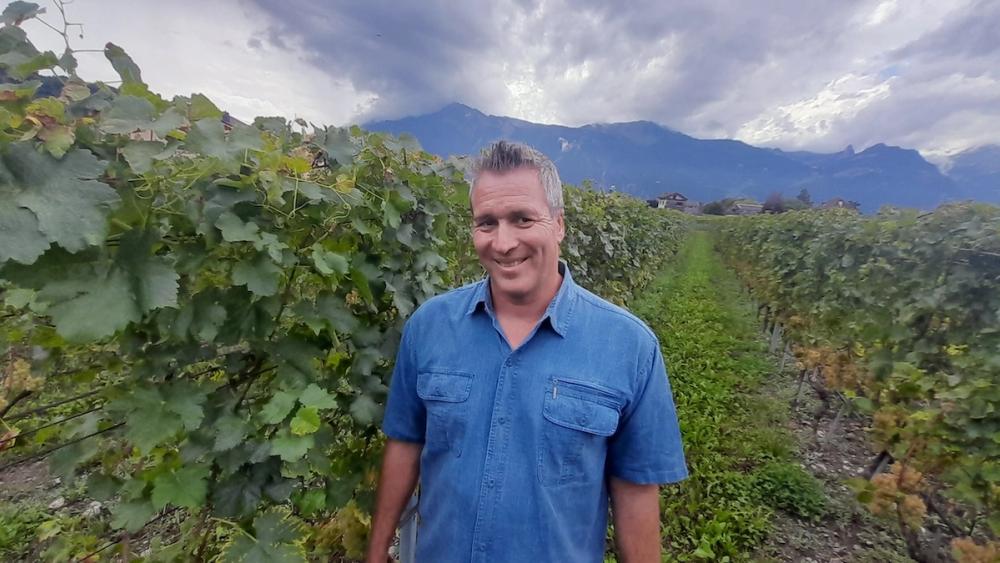
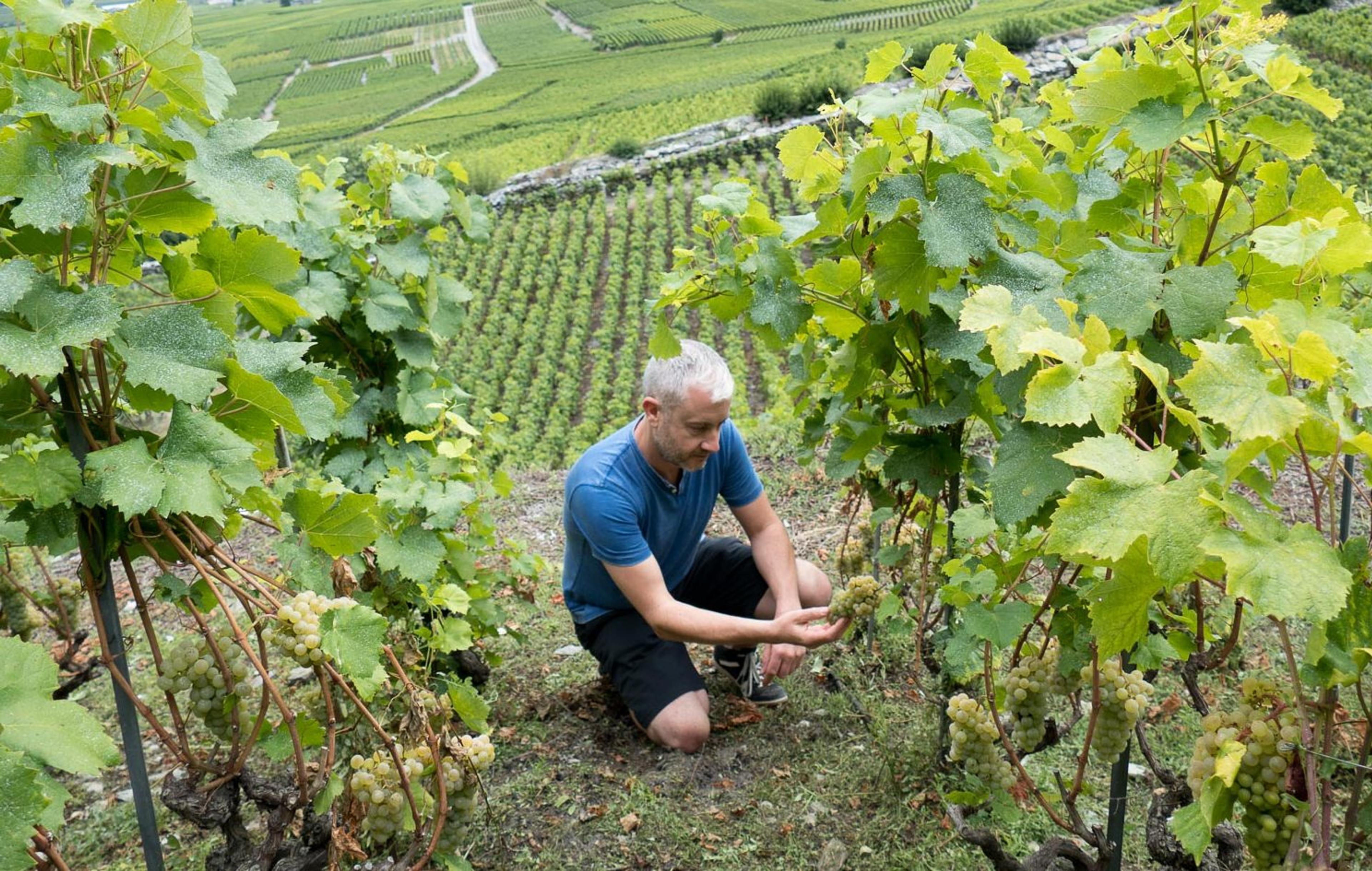
Marc Tavernier makes three different Chasselas from three different soils.
A stone’s throw from Château d’Aigle can be found the Proprieté Veillon Au Cloitre estate, which produces 30,000 bottles per annum. Around 70% of those are Chasselas, with Gamaret (a cross of Gamay and Reichensteiner), Cabernet Franc and Merlot making up the balance. Marc Tavernier, the winemaker, revealed that all are sold within Switzerland but that he would like to export to the UK.
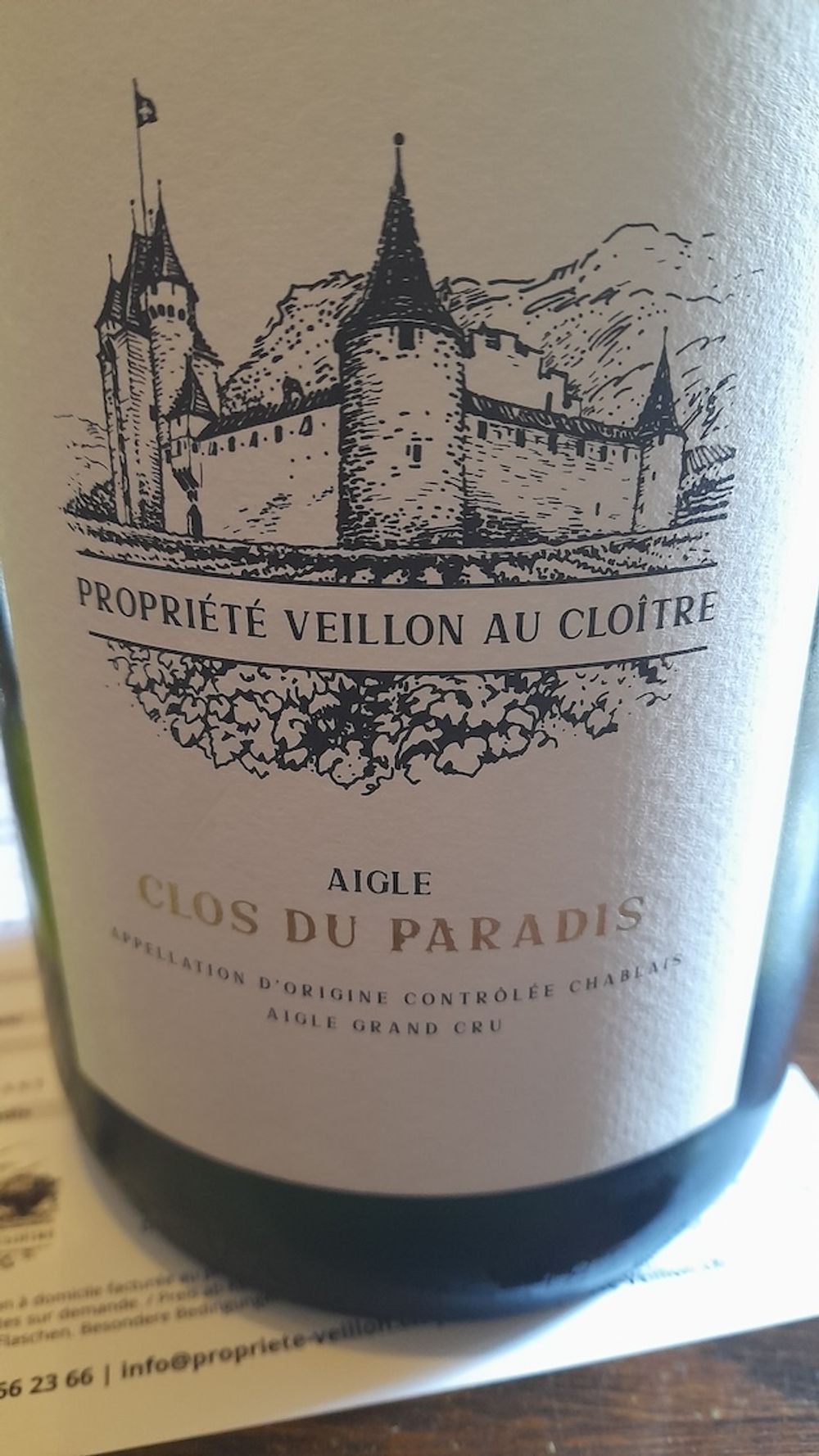
“We are in the Alpes Vaudoises here, so have an Alpine climate which is very similar to a continental one,” he said. “I make three different Chasselas from three different soils - argilo-calcaire, pebbles and alluvial from the river; and glacial deposits.” The latter is where the fruit from 50-year old vines for his top 'Clos du Paradis' 2024 label comes from. Retailing at cellar door for 20 Swiss Francs (about £20), this represented good value for a lower-premium white with pleasing complexity and minerality.
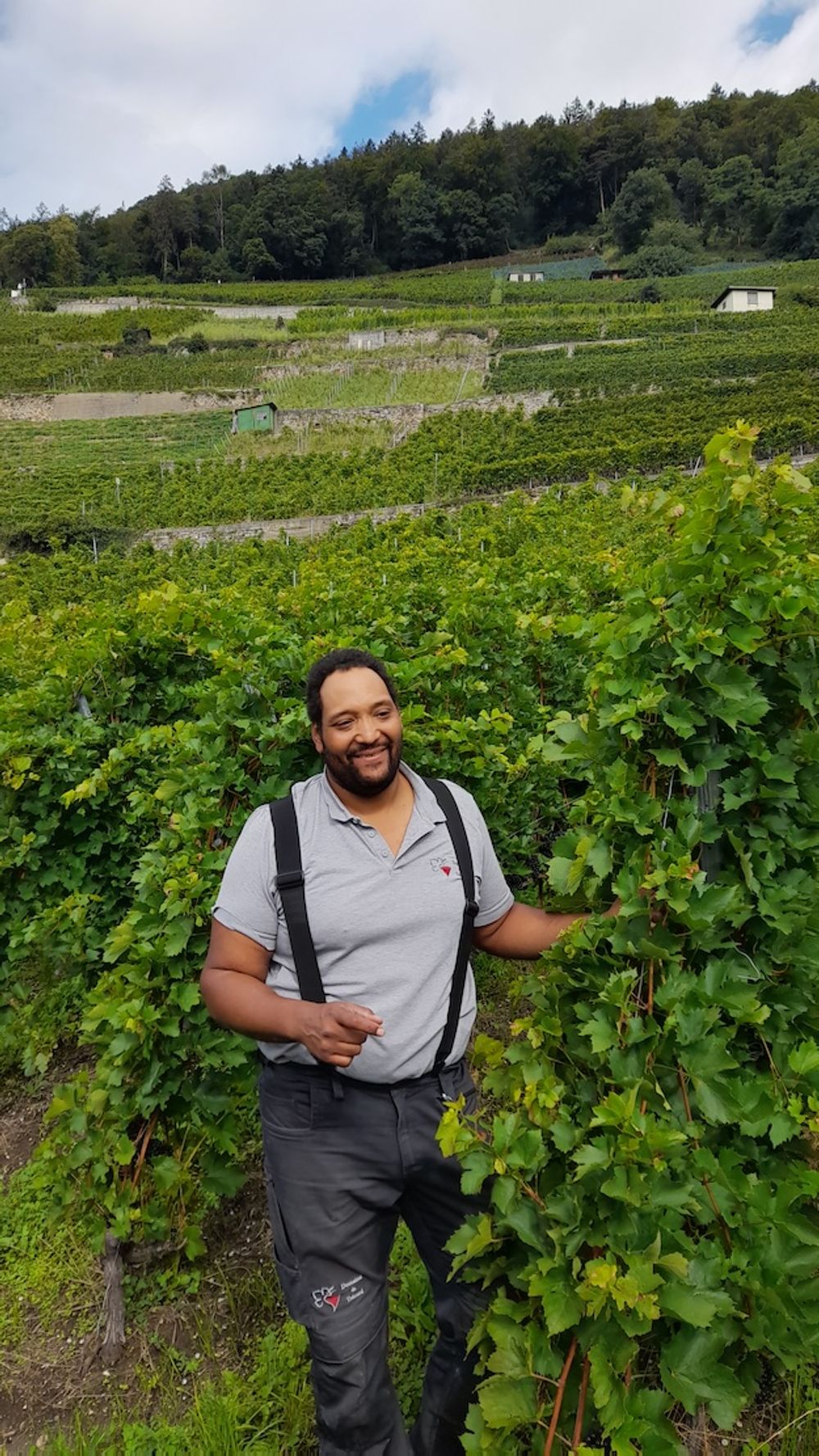
“It’s a little bit boring if you only grow Chasselas, Gamaret and Pinot Noir.” - Harald Cropt
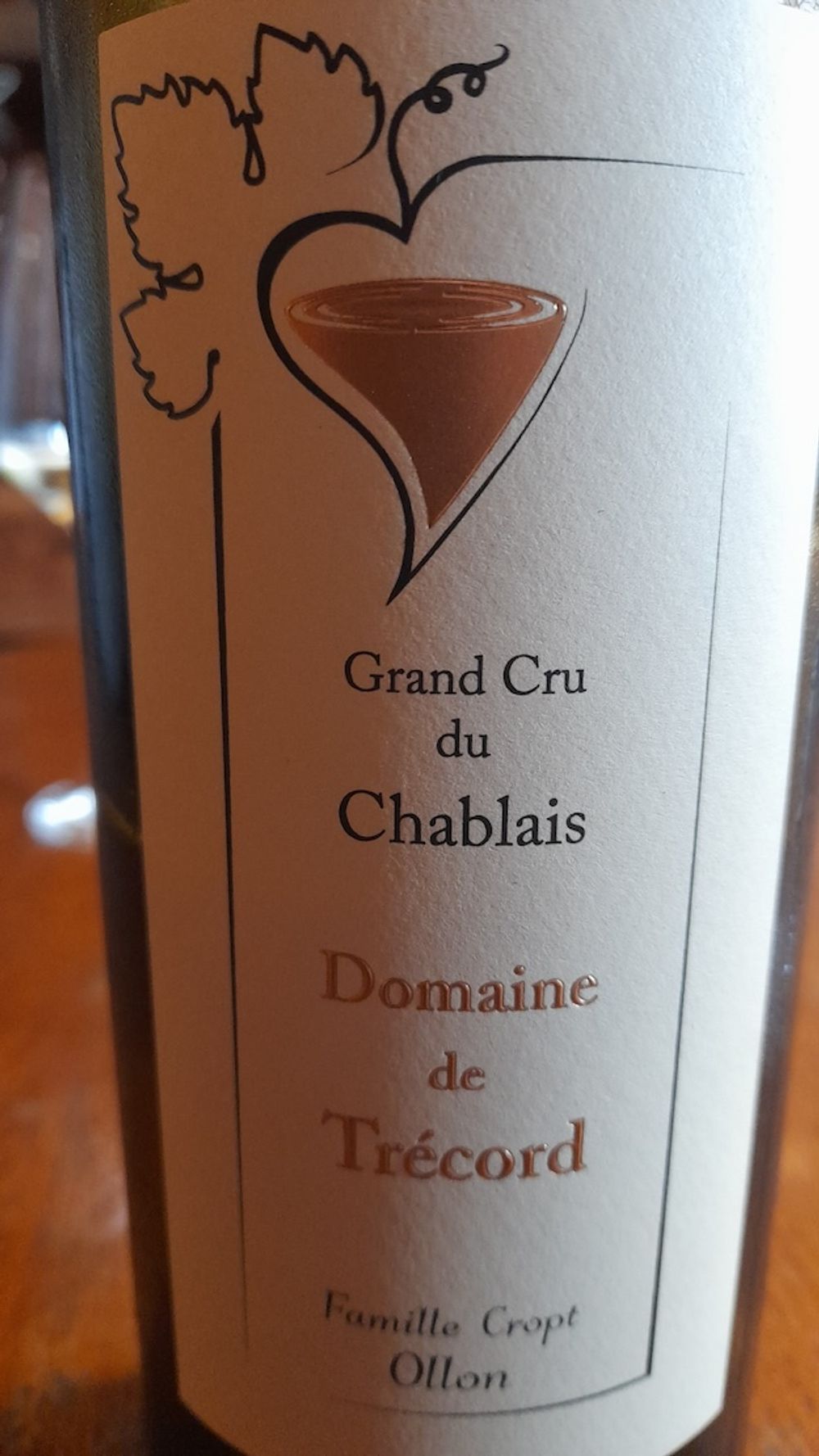
Not far south of Aigle is the village of Ollon, where 125 hectares of vines are grown. Three of these belong to Harald Cropt, who produces as many as 14 different varietals for his Domaine de Trécord labels. “It’s a little bit boring if you only grow Chasselas, Gamaret and Pinot Noir,” he mused, “so I have lots of red crosses like Galotta and Garanoir. Vines have been grown here for 400 years.”
Cropt, a fifth generation winemaker, is an interesting character, having been a champion wrestler at ‘Lutte Suisse’ events until 2017. He produces 11 labels, exporting none, although he would be open to. His Chasselas Grand Cru du Chablais 2024 won a gold medal at the Grand Prix du Vin Suisse, while his Gamay Vieilles Vignes d’Ollon 2023 (from 35-year old vines) showed particularly well. So too did his Pinot Noir Grand Cru d'Ollon 2022 and Vin Doux Naturel Chasselas, fortified to 18% abv with residual sugar of 130g/l.
Both Cropt and Tavernier’s wines underlined how good Vaud wines can be. An extensive selection of them, along with other labels from the canton, were available at the nearby Miroir d’Argentine, an enchanting retreat in the Alpine hamlet of Solalex. Not far from there, the Villars golf club, a mountainous 18-hole course with dramatic views, had an impressive wine list with many Vaud labels in its restaurant.
Vaud, therefore, is a wine tourist’s delight. With six AOCs to explore, as well as multiple outdoor pursuits, you can do so from a variety of idyllic bases, be it Montreux, Vevey, Cully, Villars or Solalex. If you can guarantee one thing, it is that visitors will not be disappointed.
Geoffrey Dean flew on Swiss (swiss.com) from London Heathrow to Geneva, and travelled domestically with Swiss Travel Pass (sbb.ch).
For more information, visit: myvaud.ch/en; aigle-tourisme.ch; montreuxriviera.com; alpesvaudoises.ch; switzerland.com