Phillip White’s wide ranging senior executive career, across multiple sectors, makes him a particularly important asset for the wine industry as a whole.
He has the experience, gleaned from decades working for major beer, spirits and food service companies, to look at the challenges facing the wine sector with a different perspective. Although he is also quick to stress he has so much to learn about how the wine industry works, and humbly suggests he is “still the least experienced wine person in whichever room I walk into”.
As he says: “Of all the industries and businesses I have worked in, I don’t think any of them can compare with the level of passion that goes into the product and the brand, particularly given the breadth and depth of wineries around the world.”
Whilst the beer and spirits industries, he says, have consolidated into a number of big players, the wine sector remains “primarily artisanal” by comparison and he finds the level of “passion and knowledge that goes into making the product to be pretty special”.
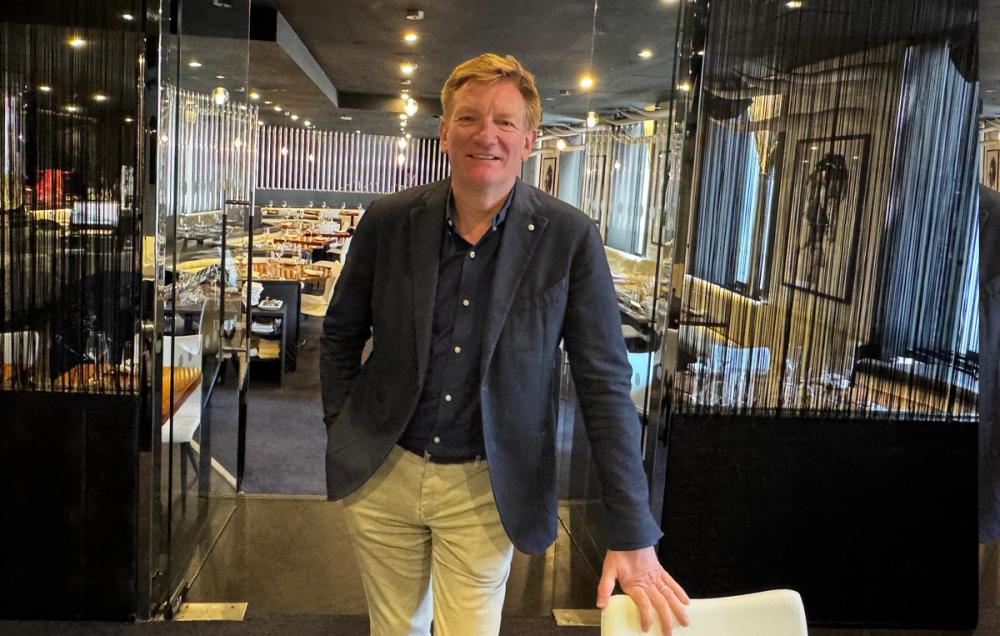
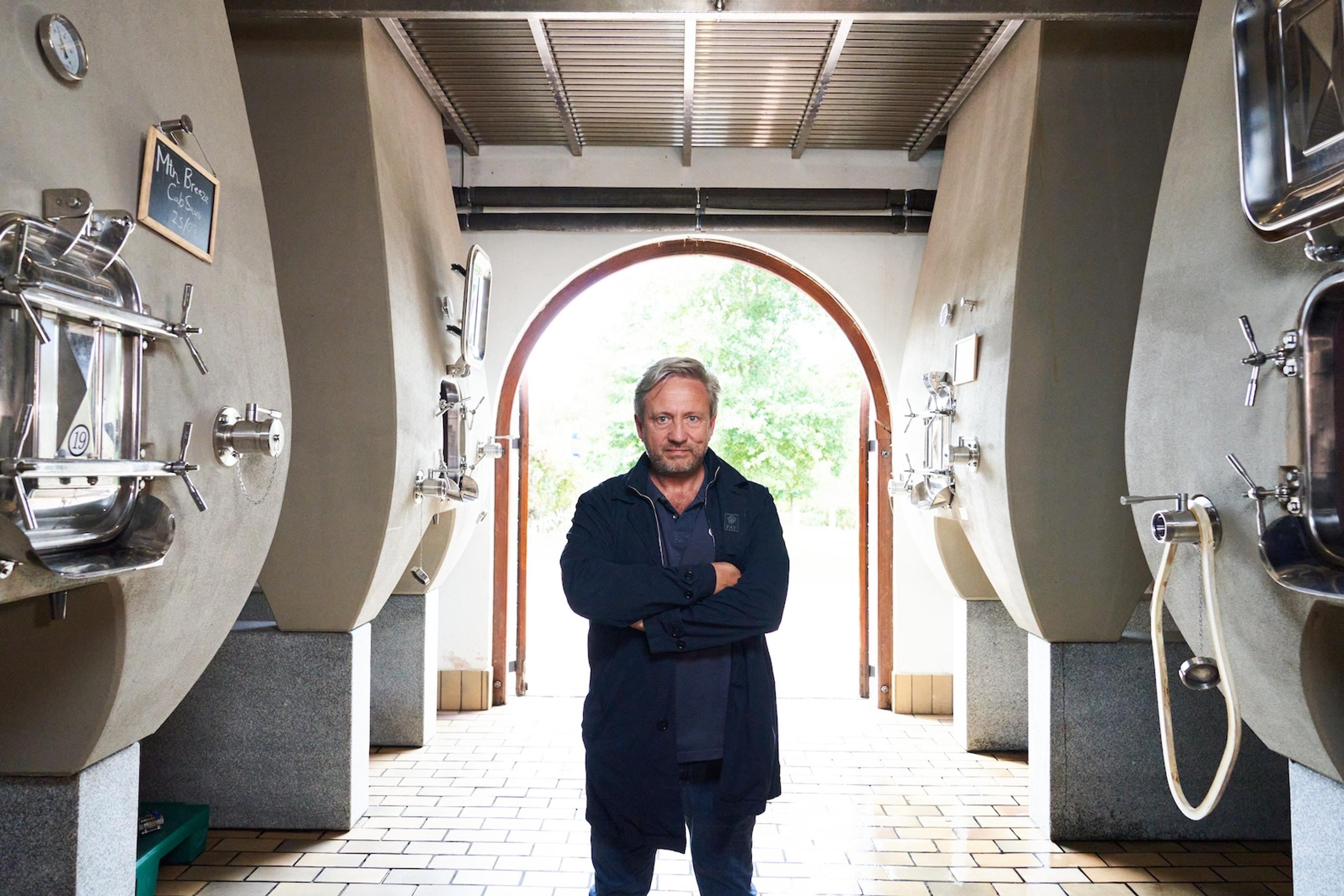
Phillip White joined Enotria in January after a long senior executive career working across the beer, spirits and food service sectors
Indeed, Enotria has welcomed more than 20 new producers to its portfolio in the last year alone, including Argentina’s, Bodega Catena Zapata, and its first Chinese producer, Changyu-Moser XV. At the same time, it has deepened its commitment to premium Italian wines, building on a 54-year heritage as a specialist in the region through the recent additions of Berlucchi (Franciacorta), Caccia al Piano (Bolgheri) and Nino Negri (Lombardy).
That, though, “does present its own complexities,” stresses White, particularly around managing the supply chain where “technical quality and sustainability credentials are such an important part now of any business”.
"That can be quite difficult for an industry that is still primarily artisinally-led, rather than scale-led,” he says.
In fact, we should not be surprised, he says, that the wine and spirits sectors that have such a diversified supplier base do not have supply chains as sophisticated as the likes of Unilever or Procter & Gamble.
“That’s an intrinsic part of a fantastic category,” he argues. “The wine industry is all the better for having a selection of wines from around the world – it makes wines and spirits really interesting. It has art and passion and variety and character. You have got to find a way of simplifying that and making it professional and keeping hold of all those fantastic benefits, whilst trying to avoid cost and complexity as much as you possibly can.”
White adds: “There’s a huge amount of work that goes on behind the scenes that’s not the fun, passionate, artisanal side of the wine industry, but it’s essential. But it also presents a brilliant opportunity for people like Enotria to do a fantastic job for our customers because we have to simplify all that complexity and make it easy for our customers to buy fantastic wines.”
Balancing act
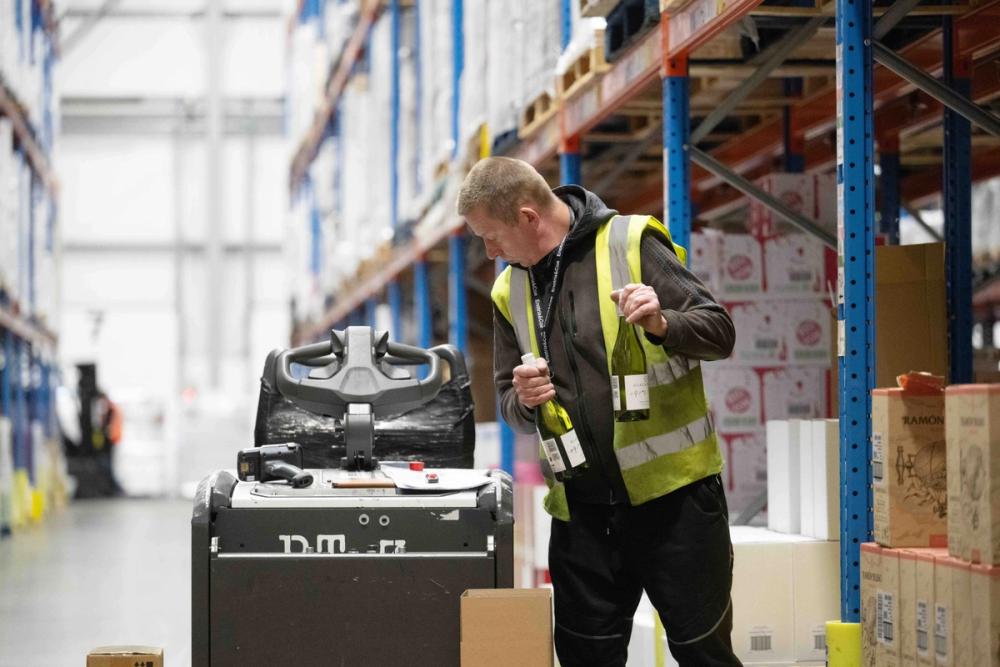
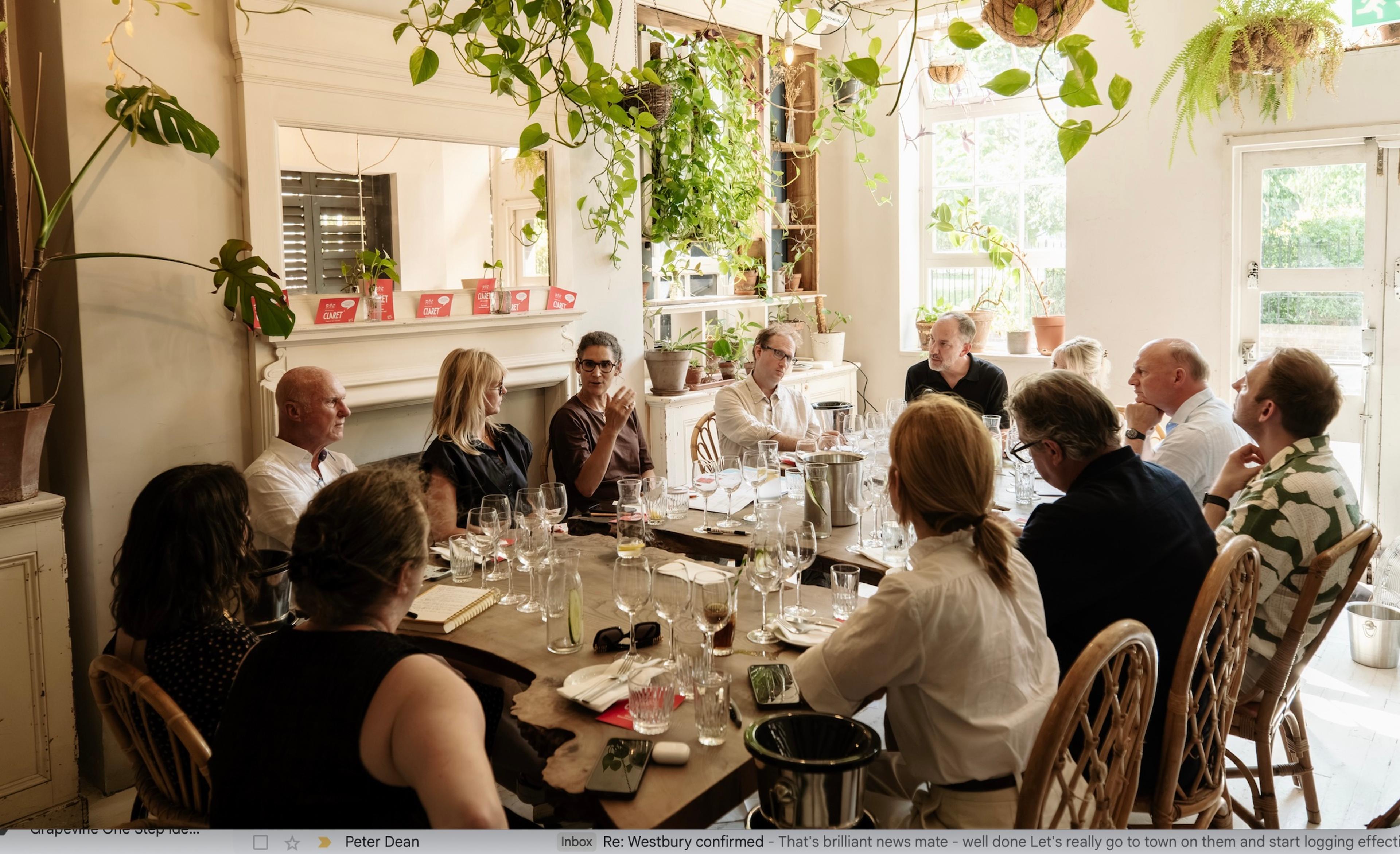
Enotria has focused time, leadership and resources to ensure its supply chain and delivery is second to none in the wine industry says Phillip White
Having a solid, reliable, robust and efficient supply chain is even more important at a time when there is a so much “volatility and uncertainly in the world at the moment,” he adds. “The impact that has on our customers, on their consumers, our suppliers and our supply chain is really, really significant.”
The cost of shipping for one is “fluctuating on a daily basis” as is the “cost and availability of oil,” explains White. As a result “supply chains have moved from just in time to just in case” and it is vital distributors have enough “resilience” and “stock available” at all times.
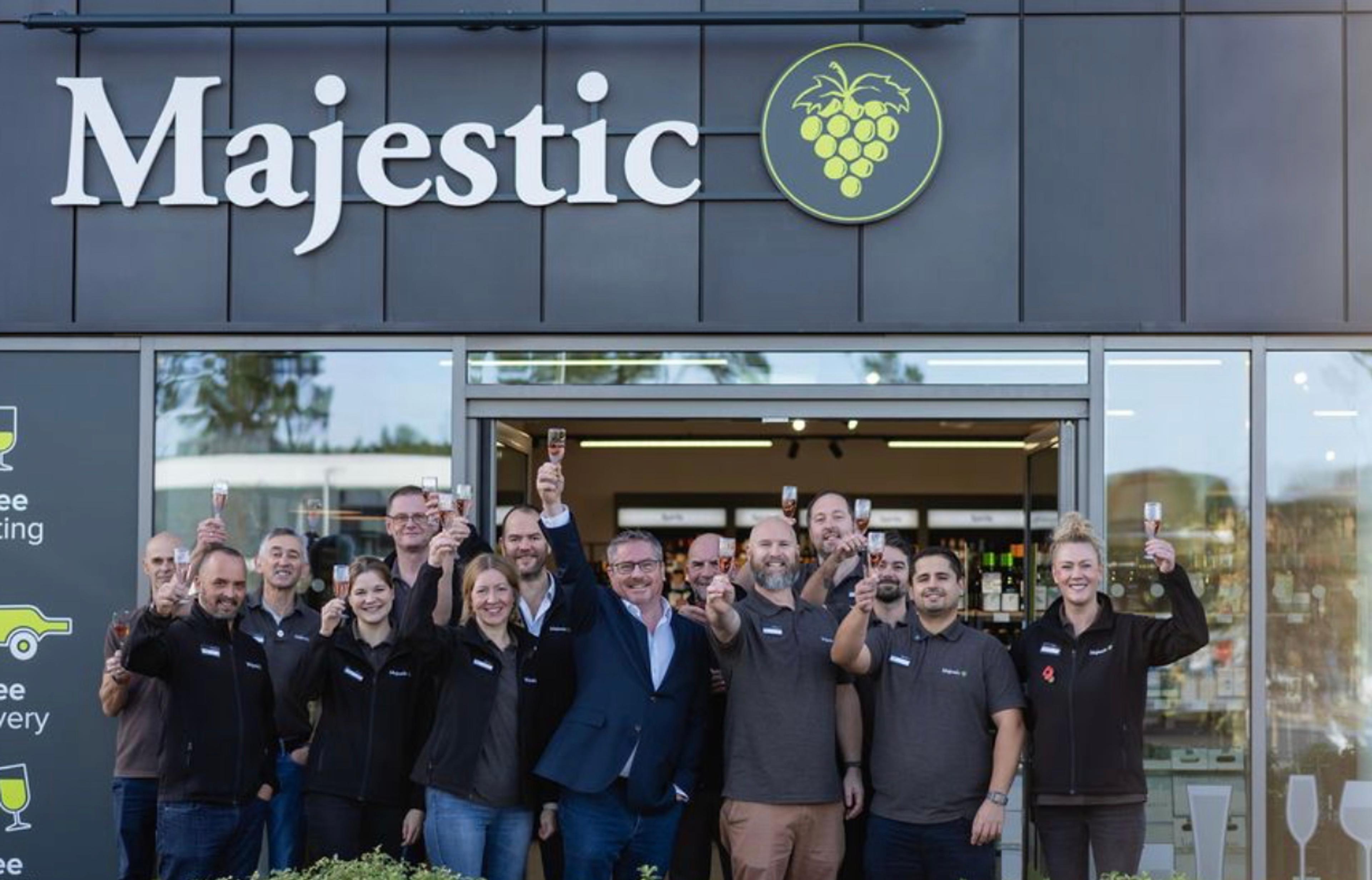
It’s thanks to the Majestic Wine Group takeover of Enotria in April 2025, led by group chief executive John Colley, that the company now has “the warehouse space, cash and ability to support our customers through that,” says White.
The balance for a business like Enotria, he says, is being able to respond to the “brilliant” demand and need from its customers for a huge variety of styles of wines to sell, whilst being able to efficiently manage “the costs and complexities” involved in running a supply chain and distribution business to supply those needs.
“We have to stock a very big range because our 2,000 customers require 2,000 different wine lists,” he says. “We need to find the right balance between that passion and artistry with some of the science that goes behind running a complicated business.”
Arguably, the reason Enotria was looking for the support that Majestic Wine Group can now provide, is that it did not have access to the level of cash investment and inventory it needed.
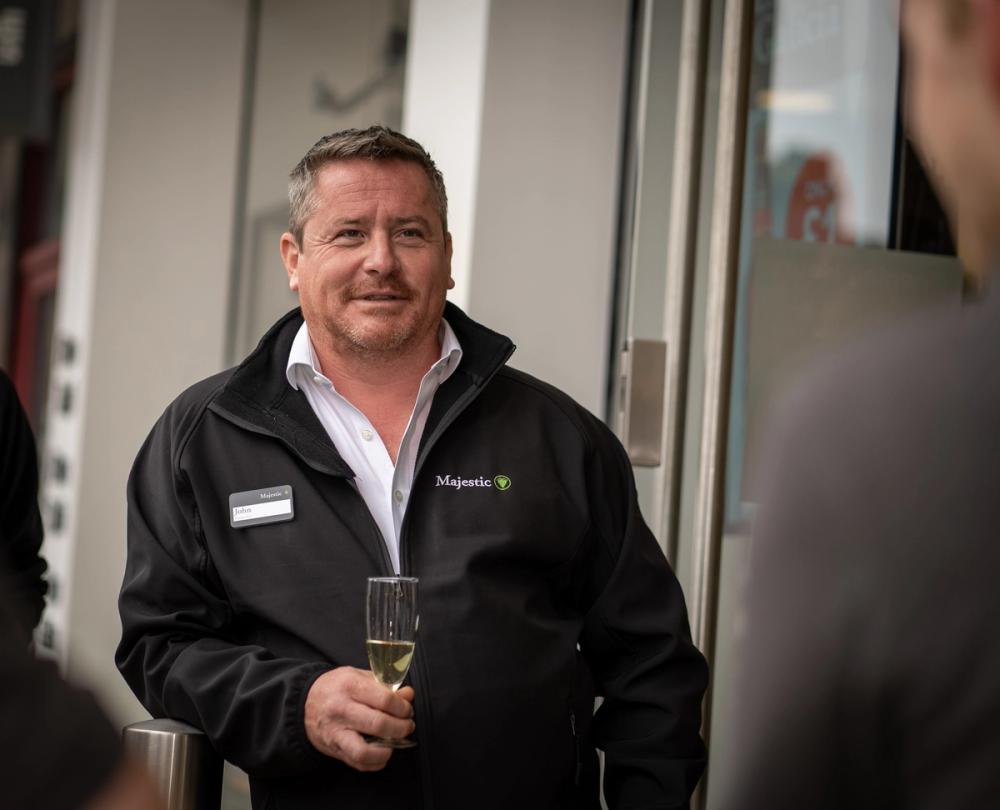
Majestic Wine Group's chief executive John Colley brought Enotria into the business in April 2025
White is quick to stress that “some of the key foundations were being put in place” prior to the acquisition, but “to John’s credit they have been accelerated since April”.
“Being part of the group has meant we have had access to additional cash, but additional expertise as well to help us behind the scenes, which has been transformational,” White says.
All of which he says should be “reassuring to our existing and prospective customers that those things are now in place”.
Consumer intelligence
Another key advantage the wider Majestic Wine Group has over its competitors is the huge amount of consumer data – including hyper-local consumer preferences in different parts of the country – that it has across its combined four business units: Enotria, Majestic Retail, Majestic Commercial and Vagabond.
White says where this is particularly important for Enotria is the ability it now has to provide invaluable consumer intelligence for its customers around which varietals and styles of wine appeal to different consumers across the UK.
“One of the key benefits we bring to our supplier partners and our current and prospect customers is that ability to find new insight from the data we now have within the group,” he says.
It means it can help a customer looking to open a new venue by sharing “the varietals, styles and price points that trade differently in a town that might only be 25 miles away”.
Under its new strategy, Enotria is focusing on four key customer groups: nationals; prestige; London; and large regionals. In the latter space, there are clearly huge opportunities for it to use that company-wide data and insight to accurately pinpoint the parts of the country with the greatest potential to grow premium on-trade sales, says White.
Huge potential for growth
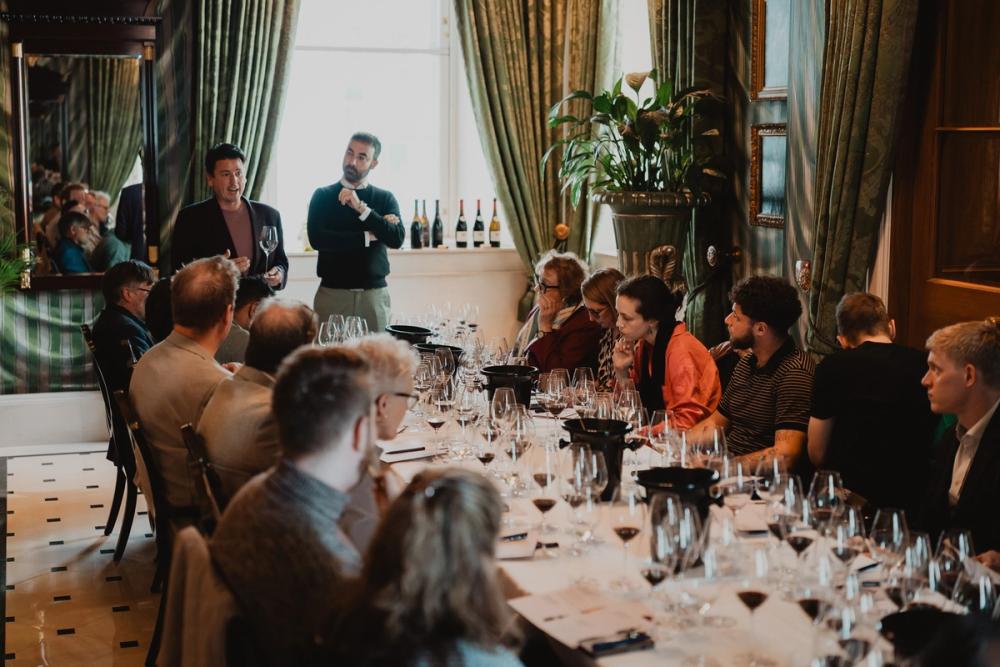
Every decision that Enotria takes has to be for the benefit of its customers or it is not the right decision to be making says Phillip White
In terms of whether that growth plan will require more skillsets to be brought into the business, White is confident that Enotria “broadly has every base covered”. That, he says, “is a credit to the team and to John for the changes that have happened over the last few months”.
He adds: “A lot of people have put a lot of hard work into things and the progress is excellent and the direction of travel is excellent, but I find people set themselves very stretching targets and they don’t always hit them as early as they wish, so they can be quite tough on themselves. So just reassuring people that we are making the right progress and doing the right things I think helps.”
“There is a huge opportunity for Enotria to grow even in a very tough consumer constrained market. But we are only going to grow if we do the things our customers need us to do and to do them better than our competitors - which is a very tough job.”
White is also keen, in time, to play a wider role within the wine and spirits industry, helping to raise its voice and profile with the powers that be in Westminster.
But understandably, less than six months into his role, his sole focus is on the Enotria business first and foremost.
“I will focus on doing the things that we can control right first,” White insists. “How do I make the customer supply chain as error free, as stress free, as accurate and efficient as I possibly can? Delivering exactly the wines our customers want, at exactly the prices they want and at times they need it so that they can focus on running their businesses.
“So I would do that first,” he concludes. “By leading by example and doing a damn good job for our customers.”
* You can read the first part of the The Buyer's major interview with Phillip White here.
* Enotria is a commercial partner to The Buyer. Find out more about the business here.