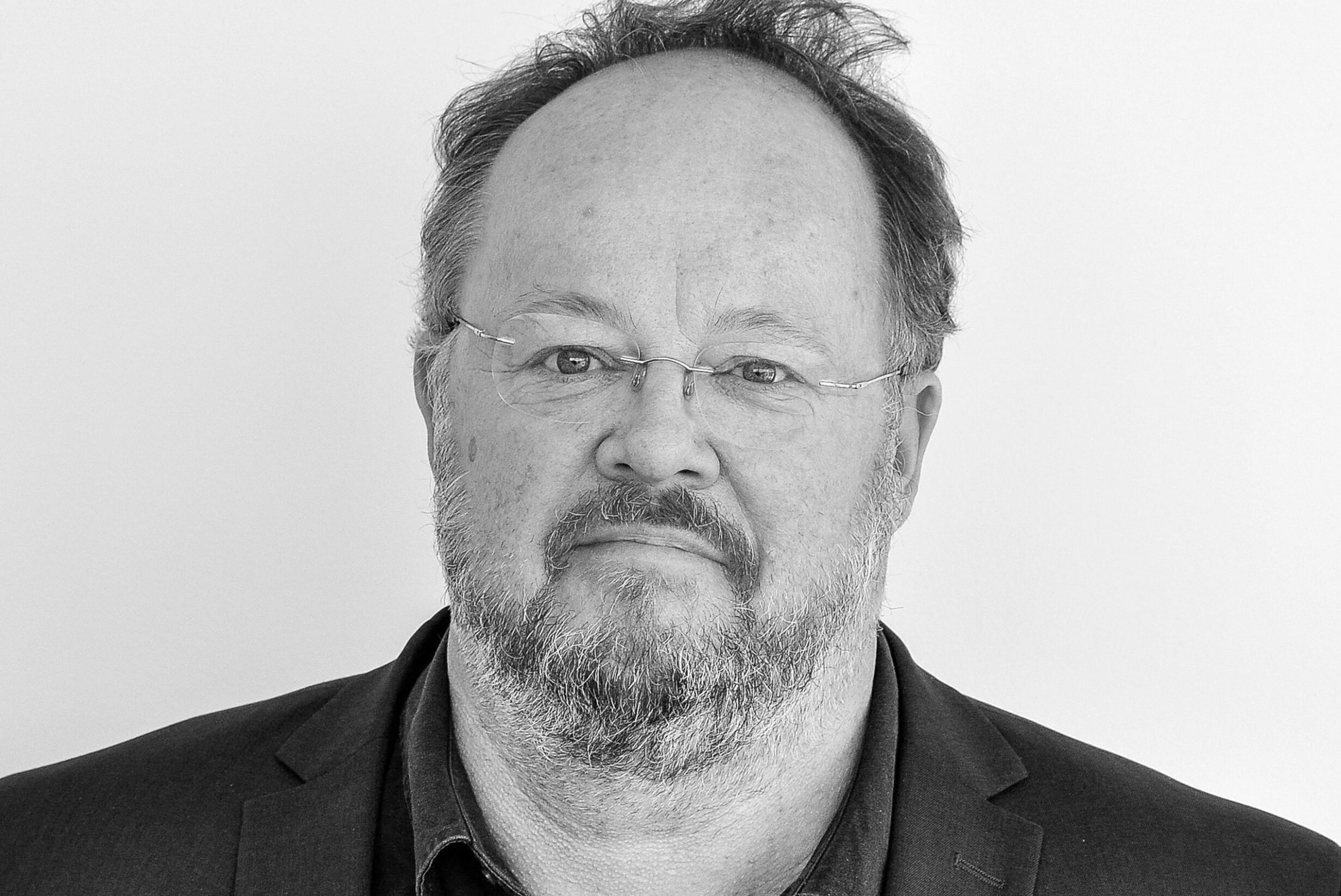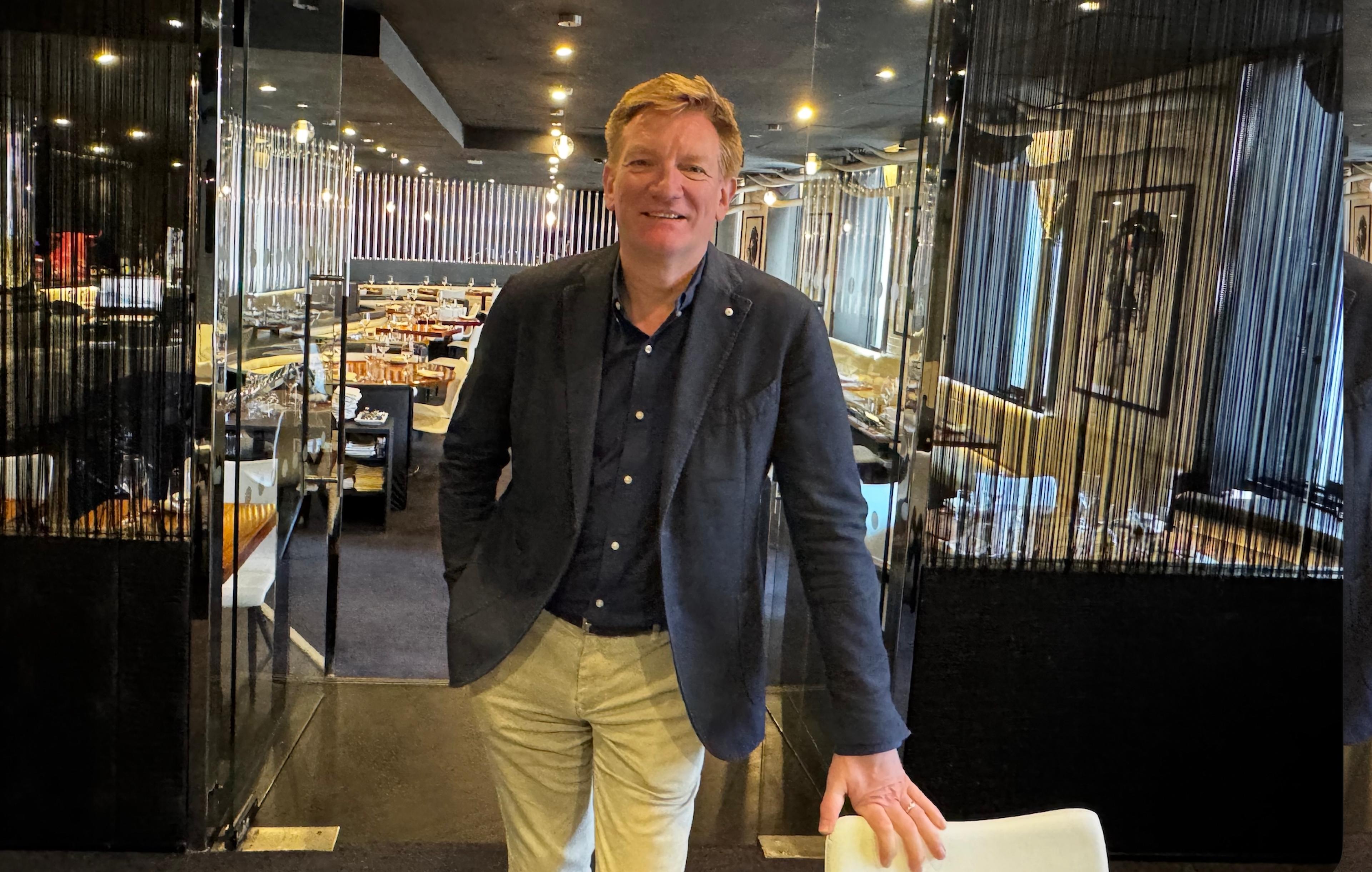

There are not many chief executives in the UK wine industry of the calibre of Phillip White - even though he is a largely unknown quantity to many people working in it. Unless you happen to have spent any time working in the beer, spirits, food service or Scottish whisky sectors over the last 35 years.
White might have taken nearly four decades to reach the wine industry, but he has had a pretty illustrious career getting there, thanks to a series of senior roles that have taken him through Whitbread, Catalina, Brown Forman, Brakes, Kent Frozen Foods and most recently chief executive of Gordon & MacPhail.
All of which gives him a wealth of high-level corporate experience that makes him stand out against his peers.
It was noticeable that John Colley, the similarly well-travelled executive chairman and chief executive of Majestic Wine Group, said one of the reasons White was chosen for the role was thanks to the “huge amount of experience and expertise he has across the on-trade, distribution, supply chain and logistics – all of which make him the perfect candidate to lead Enotria into its next phase of growth”.
For his part, White says the reason the Enotria role stood out for him was both the chance to work in an industry he had long admired, but never worked in, and the huge opportunity the role of chief executive of Enotria, particularly at this stage in its history, offers any senior executive.
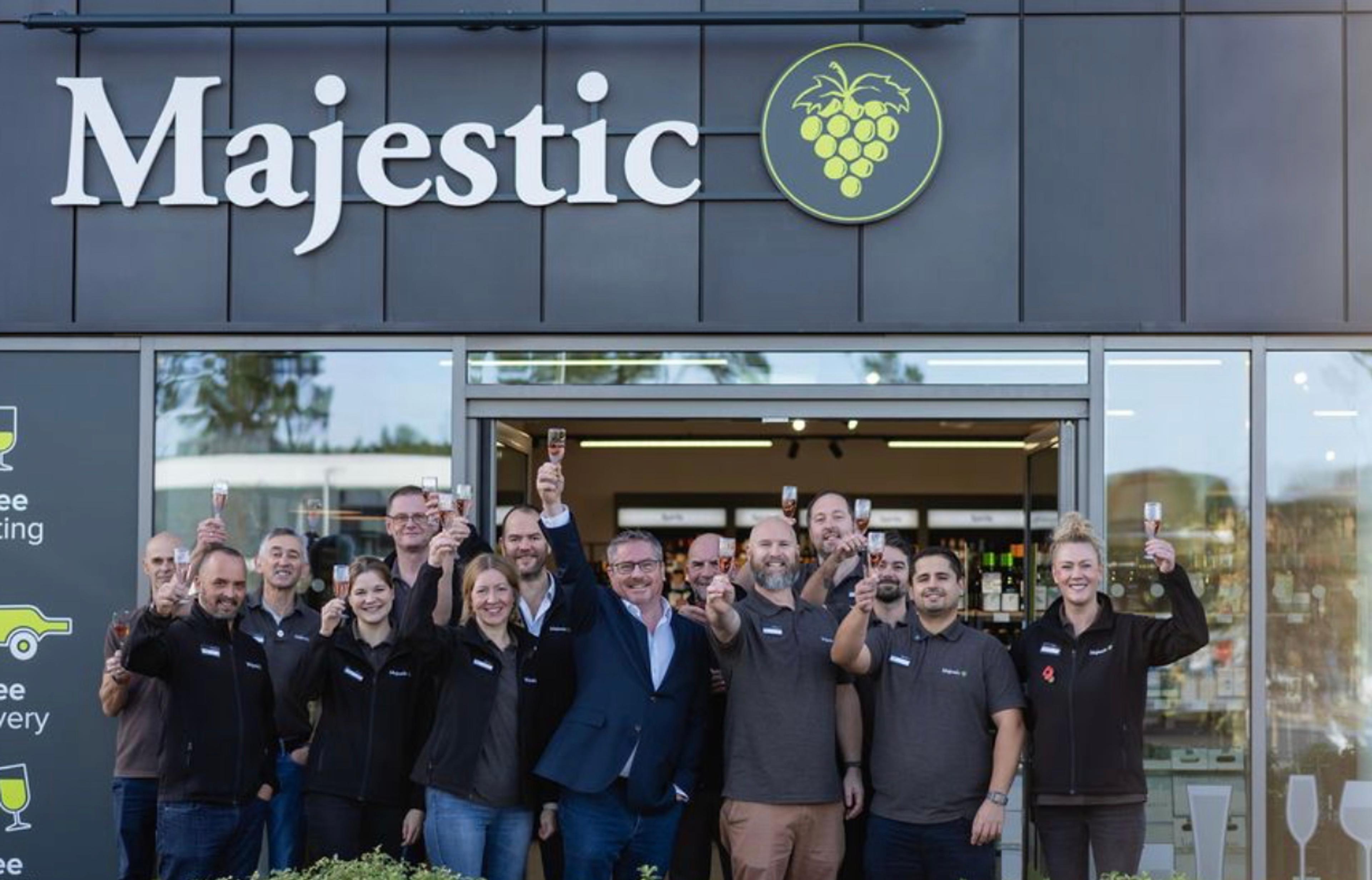
That’s particularly true now that it sits within the wider Majestic Wine Group and what he calls its “unique wine infrastructure” model, operating across retail through Majestic, distribution via Enotria and Majestic Commercial, and Vagabond’s experiential hospitality concept. What Majestic describes as “the UK’s largest end-to-end premium drinks specialist”.
Executing the strategy
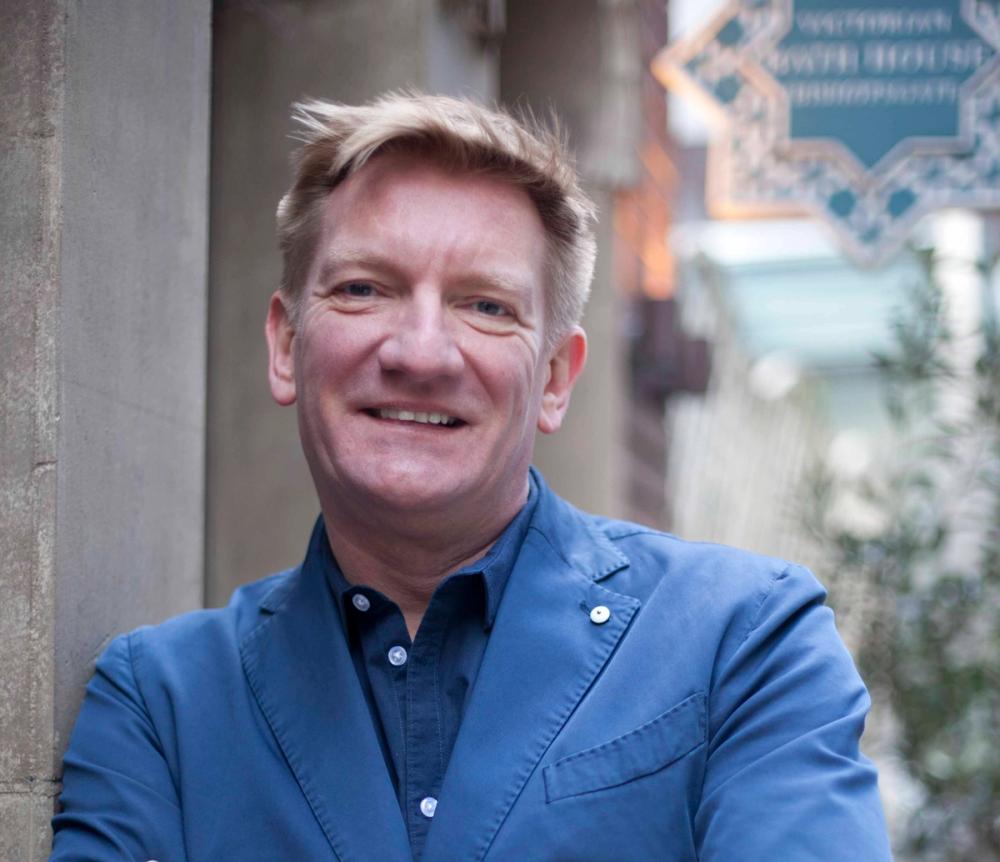
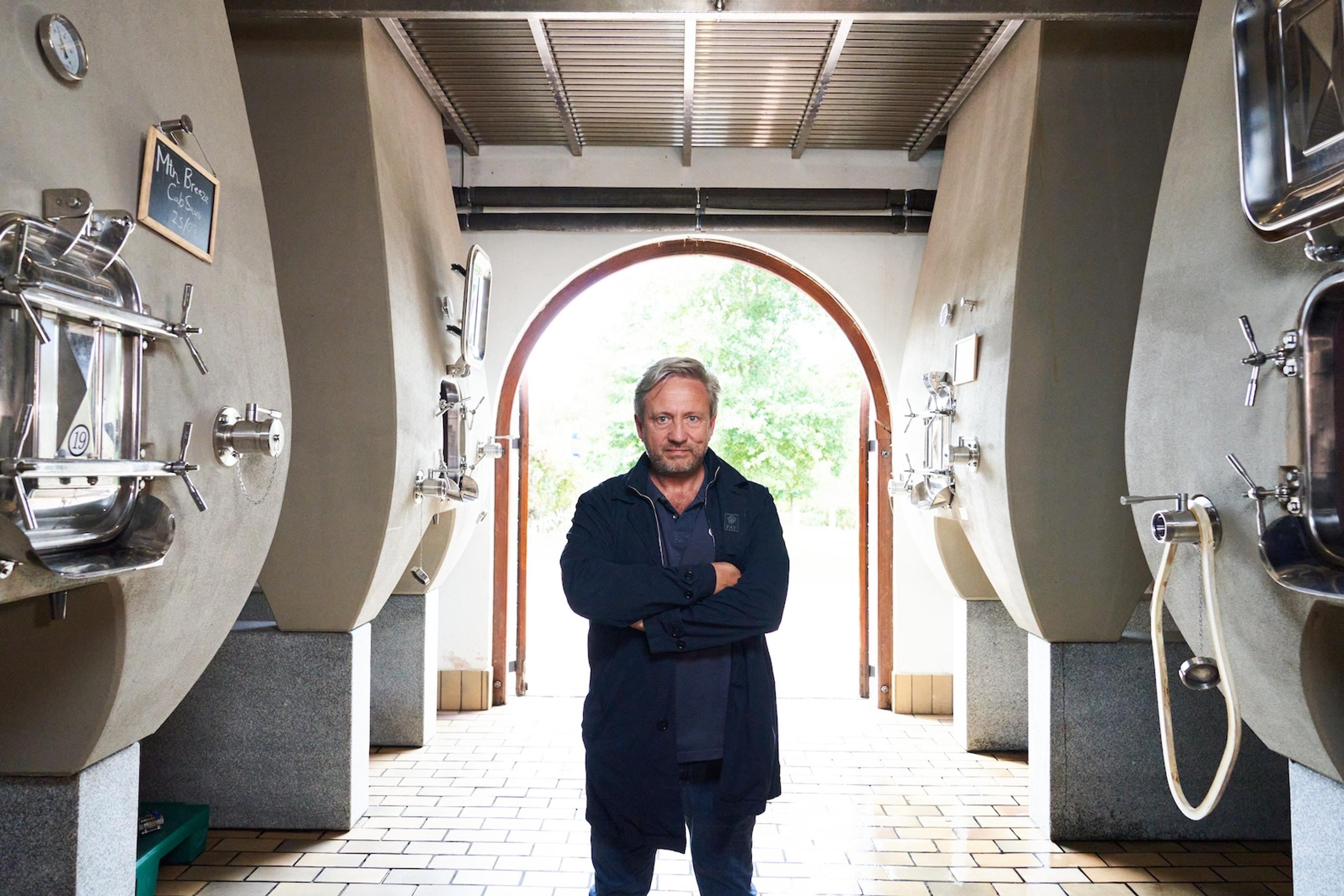
Phiilip White has extensive experience as a chief executive working outside the drinks industry and managing major acquisitions and integrations of smaller businesses into larger owners - like Enotria into the Majestic Wine Group
White’s day job, though, and principal responsibilities rest in shaping, guiding and delivering Enotria’s ambitious turnaround strategy – a strategy that was “co-created” by Majestic Wine Group chief executive Colley and the Enotria team in the nine months prior to White joining the business in January.
When he arrived he says “all the critical parts of the business were all in very good shape” and the team was full of “very capable, very passionate industry experts to work with”. That meant it was well placed to “very quickly get on with executing the strategy because it was the right plan with the right people in the right structure”.
“That’s my primary objective - to execute the strategy,” stresses White – a strategy which can be broken down into four key areas: focus; fix; grow; and people.
“Focus” is all about the customer; “fixing” is about optimising or making key areas of the business better, such as customer service levels, or its supply chain; “growing” is about growth for Enotria, its customers and brand partners; and “people” is about investing in coaching, leading and developing its 245 “very committed and passionate colleagues”.
White, though, is not trying to sugar coat what needs to be done with a company that in his words had gone through a “bumpy” couple of years, which made it ripe for acquisition in the first place.
But the “rate of progress and improvement has been very strong” since the business was bought last April.
That progress is best reflected, he says, in its customer service and stock availability levels. Both have “been transformed” compared to where they were 18 months ago, thanks to “the hard work and passion of our colleagues”, coupled with the fact the business is now “well capitalised” and has the cash flow to ensure that kind of performance level.
“All of our products are available to all of our customers as much as they can reasonably be,” says White. “It’s what our customers deserve” – particularly at a time when Enotria’s on- and off-trade partners are faced with so many headwinds “through no fault of their own” and “the last thing they need is a supplier that does not turn up with a case of wine exactly how they have ordered it, on time and in full”.
“We have to make sure we are doing that for our customers,” he stresses.
“The processes, diligence, rigour that the team has adopted over the last year is industry leading. The simplest way to measure that is service levels to our customers and that has been transformed."
It could not have been better timed as the pressures being placed on its systems and supply chain have never been greater, thanks to all the recent government policy changes in areas such as the ABV-driven duty system and new EPR packaging regulations.
Secure ownership
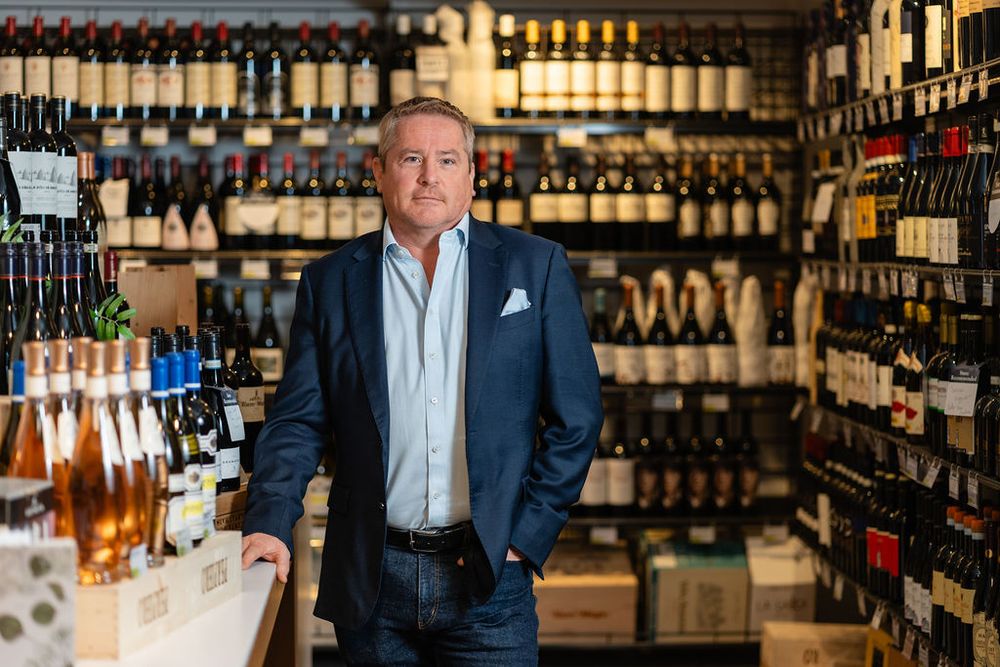
John Colley has driven Majestic's acquisitions of Enotria and Vagabond Wines to turn Majestic Wine Group into what it calls "the UK’s largest end-to-end premium drinks specialist"
Which is why White is also happy to address the recent press speculation about further changes to Enotria’s ownership.
“John [Colley] has built a wine infrastructure business deliberately because it provides something that our competitors can’t and I think we need in the UK marketplace. That’s a long-term plan,” explains White.
The Group’s objective when it buys a business like Enotria is to “invest in it, reap the benefits from it and grow it,” he adds.
It’s why the Majestic Wine Group is run as four separate business units – each with its own managing director or chief executive, and its own strategic plan to follow and execute. But the back office for all four companies, says White, are “appropriately knitted together in order for us to benefit from synergies of scale”.
The idea being that each business has a “high degree of autonomy” to operate in the best interests of its individual customers, but that “all decisions are taken with a sensible group view,” says White.
“Importantly, we understand that we are very different businesses with very different customers. You can’t impose something on one part of the business just because another part of the business thinks it is a good idea. It has to work for the customer and consumer [of that business unit]”.
Corporate experience
The fact White has had such extensive experience in the past working for separate businesses within major food and drinks groups was a major reason, he believes, for him getting the role as Enotria chief executive.
His time at Sysco, the £100 billion global food services business that employs 70,000 people, was particularly important in the recruitment process, confirms White.
It’s where he “led the management teams that bought and ran some of the smaller acquisitions” within the Sysco group.
“One of the things I help bring is a cultural bridge between a large parent and a separate operating business unit,” he explains. “The Majestic Wine Group has over 2,000 colleagues across all businesses, including Enotria’s 245 colleagues, and there is value in a “bridge between the organisations to connect teams and help ensure mutual understanding,” he adds.
It reminds him particularly of a time when Sysco took on a similar-sized food business to Enotria with around 250 members of staff and he was able “to help those colleagues navigate through that cultural change”.
“It is a huge part of the role,” he says.
The fact he has experience of not just that acquisition but other similar corporate mergers makes White such a stand out executive for the Enotria role and what is required to fully integrate it into the Majestic Wine Group.
Management style
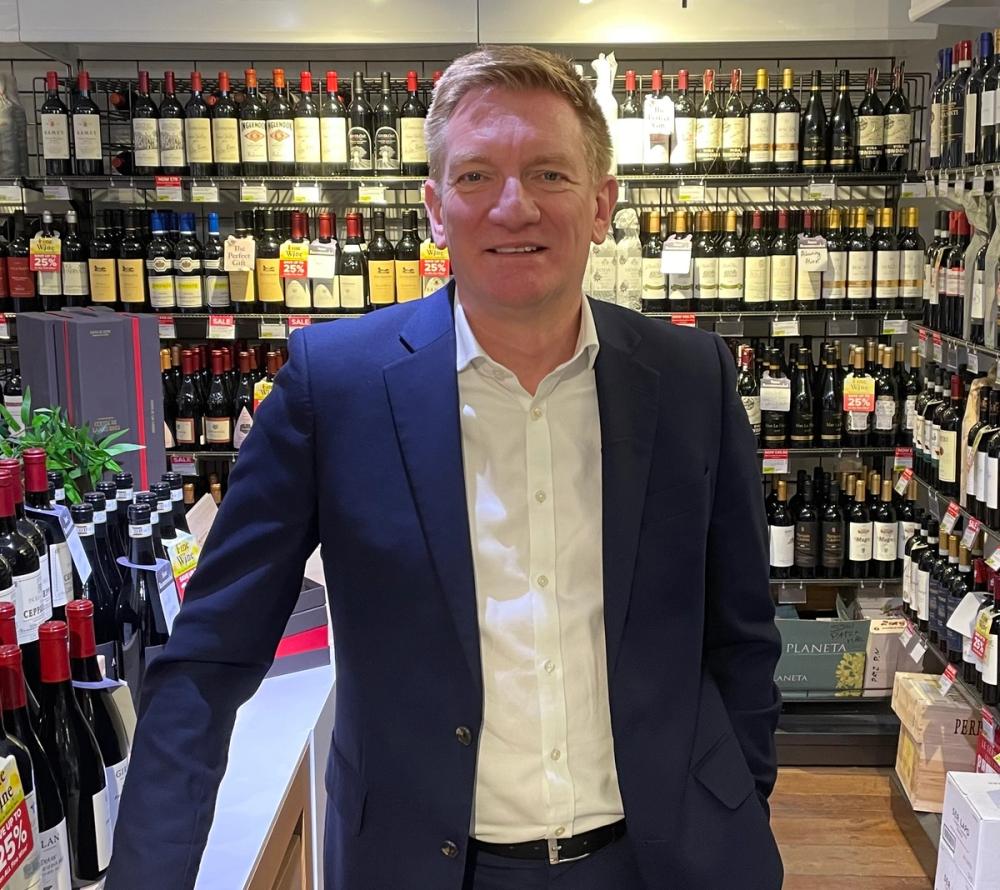
Phillip White believes in a management style that both genuinely listens and talks to colleagues whilst also setting out a clear vision of what is expected of them
White’s first chief executive role going in and fully managing a business following acquisition was when Sysco took over the Brakes food service business.
That’s where he believes he was able to get the level of senior management coaching and experience needed to be an effective chief executive.
“Picking up that role was essentially like doing a real-life MBA, but not in a classroom. It was three years of learning by doing. I had a great support network there.”
To get those management disciplines right requires a leadership style that genuinely puts its people first, stresses White. Or as he puts it: “A high degree of empathy for how colleagues feel when they go through such a significant change.”
Before adding: “Recognising there is such a thing as the ‘change curve’ and that it is isn’t always fun to navigate, but giving people the clarity and the confidence and the support and the empathy and the understanding.”
In order to do that means you “have to have adult to adult conversations with people,” stresses White. “Sometimes that can be quite hard. You can empathise, but you still need to hold people to account for delivering.”
“This will have been my third acquisition, integration, growth strategy leadership period,” he says.
That experience puts him in a strong position to give people the “reassurance” that the work they are doing is on the right track, particularly when the market conditions are so tough.
Inspiring leadership
It’s rare in the wine industry to have the opportunity to sit down with a chief executive with such a diverse CV and intricate knowledge of different business sectors across food and drink.
It’s why it was particularly interesting to hear him pick out the business leaders he has most admired across his career and what he was able to learn from them along the way.
Leaders such as the fabled Stewart Gilliland at Whitbread who White describes as a “truly inspirational chief executive and chairman”; Ken McMeikan formerly at Brakes and now chief executive of Moto Hospitality; and Raj Tugnait, chief executive of Meadow food business.
So what were the management skills he most learnt from them?
“It was their clarity and the way they were all able to distill complex and difficult issues and get to the nub of what needs fixing, improving or making better and then having the communication skills to be able to share that and inspire their team,” says White.
“All of them spent a long time listening to customers, colleagues and suppliers then pretty quickly were able to distil that and create a plan and inspire the team to go and execute it. John Colley has got that as well,” he adds.
“Like me, John is absolutely passionate about customers and passionate about developing and coaching leading colleagues. He is also, like me, passionate about the products and brands that we sell.”
Cross-company strategy
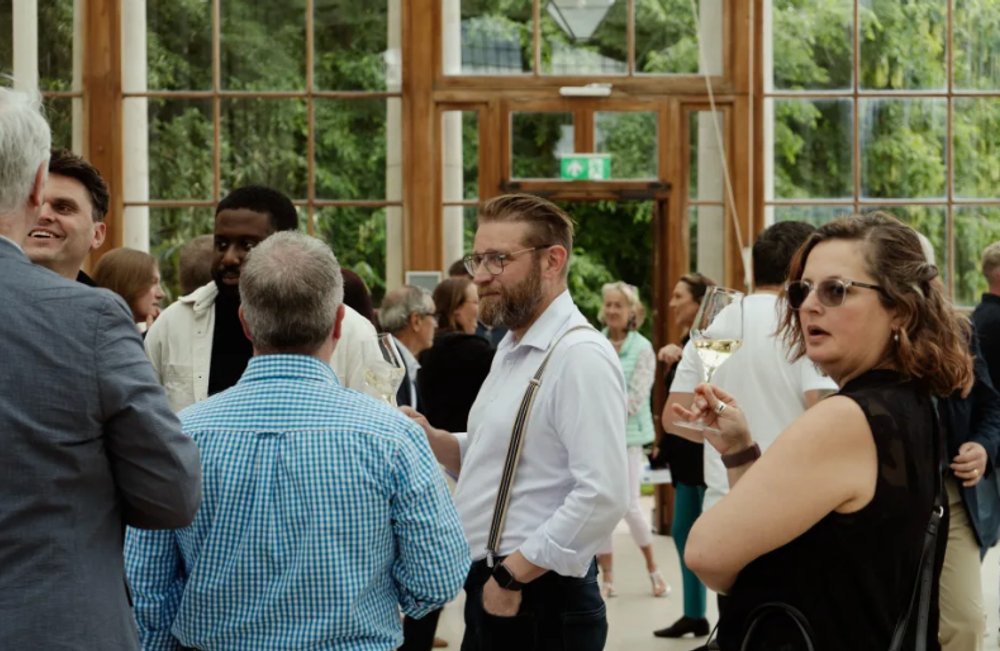
Enotria now ensures there are regular opportunities for all departments of the business to come together and best understand their pressure points and what they can do collectively to support each other
White is clearly looking to bring similar business and management attributes to his role at Enotria.
He noticeably keeps going back to the need to listen rather than rush in and start making decisions, particularly in the first few months of his Enotria career. That means listening both internally and externally, to Enotria staff and its suppliers, but also to its key customers too.
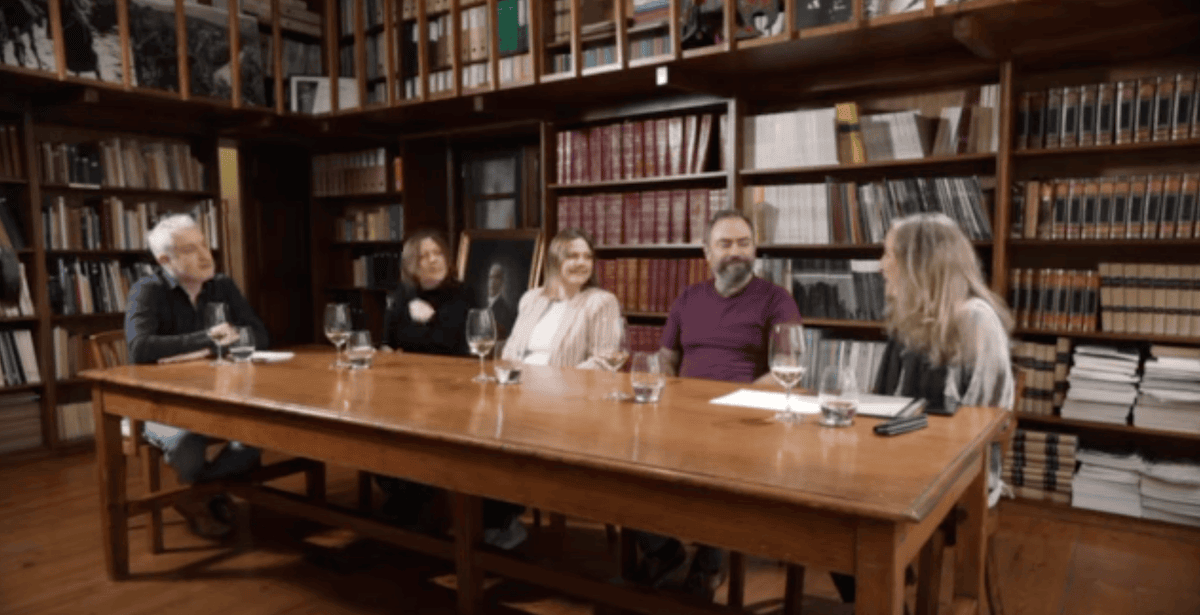
It was particularly interesting, for example, to hear about a recent leadership conference that Enotria held for key decision-makers and managers across all areas of the business.
It was a chance for around 50 of Enotria’s senior team to come together and focus in on the collective steps it needs to take to make this a stronger, more effective and ultimately profitable business.
“I found it personally really energising to get 50 or so colleagues in a room for a day and a half to go through the issues that we are facing into,” he says.
“It’s an opportunity for colleagues to appreciate how difficult another departments job is and what we have got to do to improve things so that our customer experience gets even better.”
This, says White, is part of a “critical” and “wider and deeper communications plan”. Enotria has doubled its investment in both internal and external communications so that it is able to “explain to everyone in the business the choices we’ve made about the direction of travel we are going in”.
“The most important thing that those people want to hear is ‘what does it mean for me’, and being able to talk through that is really, really critical,” he stresses.
To help achieve and sustain that, Enotria also runs monthly business updates, regular one-to-ones with White for colleagues across the business, and what it calls “coffee with John” sessions. All of which means there are regular opportunities for all members of staff to raise issues, and fully understand what is going on across the Enotria business and wider Majestic Wine Group.
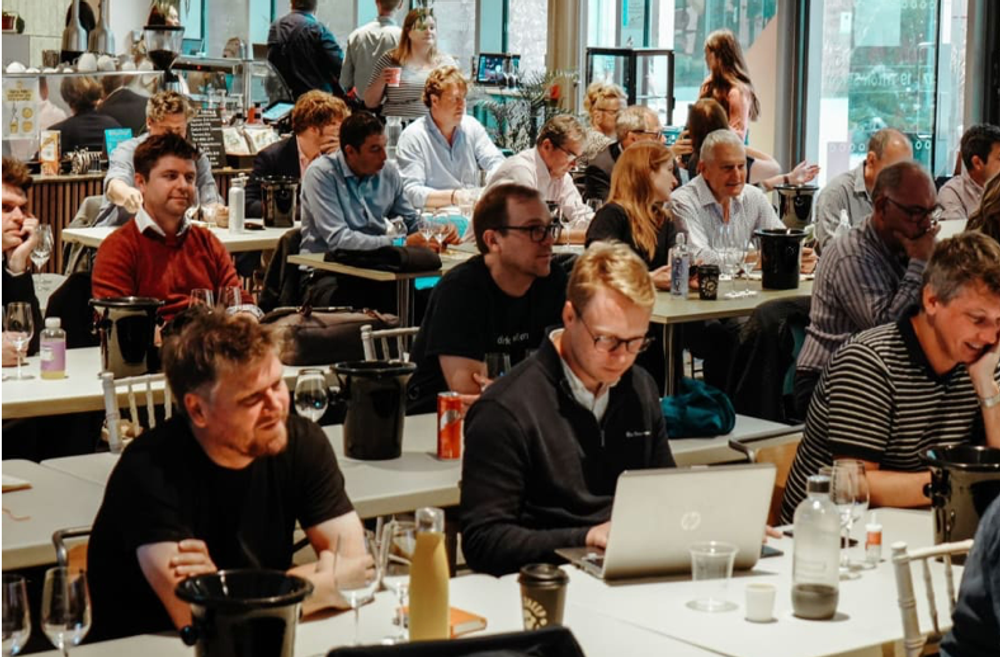
Enotria hopes to have an "open environment" where all members of staff feel they have the chance to help shape the future of the company
It was through those business updates and internal ‘listening groups’ it held last summer – where colleagues had an “open environment” to discuss “what is going well and what we can do differently” – that it was able to create the ‘Plan on Page’ strategy the business is now following, says White.
But getting such cross-company communication to really work means “being disciplined and honest with people and you have to make some choices about what you can fix and prioritise,” says White.
So, from its recent company conference, it focused on “picking three of the biggest things that we can control and we can change and those 50 people can make a big difference on”. “The fixers”, if you like, “are all in that room and we don’t need to rely on anyone else”.
“These are things that we can control and fix that makes our customer experience better,” stresses White.
Customer comes first
It was highly noticeable that time and again throughout our interview, White returned to one central theme - the customer.
Be that Enotria’s direct customers across all its markets channels in the on and off-trade, or the end consumer.
“It all starts with the customer,” stresses White, who says he has spent much of his first few months at Enotria talking and listening to its key customers – many of whom have been “hugely inspiring” about what needs to be done.
“That was really, really useful as you get it first hand,” says White. “We are lucky to work with so many inspirational customers.”
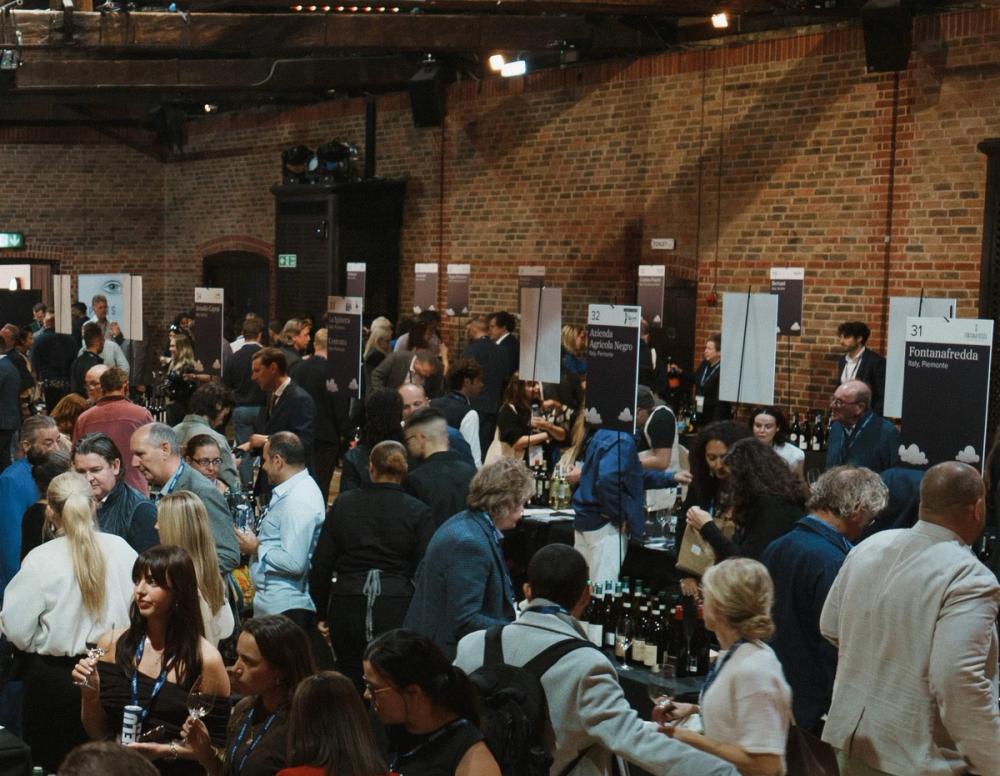
Enotria is 100% focused on meeting the needs of its customers, says Phillip White
It means everything that Enotria does, every decision its teams make, has to be done with one clear focus - what impact and benefit is it going to have on its customers? If there isn’t one, then it should not be spending any time focusing on it.
The same applies with how it works with all its producer partners. Every wine sourcing and buying decision has to be made with an end customer and their consumer in mind.
White says until you “put a sales person, a transport person, a supply chain person in a room together, each believes their issues are most important”.
”Actually, when you put the three together, they all work out that they each have a part to play, and they need to be joined up in the interests of the customer,” he says.
“You can’t optimise a customer experience with just one department. You have to work together,” he adds.
White makes clear that many of these ways of working and thinking were going on before Majestic came along, the big difference now is that it has the cash to back it up and make it happen.
The fact its sales teams are no longer having to spend time talking to customers about their orders and availability means they can now focus on “what you can optimise and make even better”.
Ultimately, he says, it is about “trying to find solutions for customers, firstly by listening to their needs and then secondly adapting and changing our business to make sure that we do deliver those customer needs”.
* Part two of this in-depth interview where Phillip White shares more of the practical steps he is taking to ensure Enotria maximises its potential and delivers on its Majestic Wine Group's strategy will be published later in the week.
* Enotria is a commerical partner to The Buyer - you can find out more about the business here.