This time last year, as we looked ahead to 2025, you sounded somewhat apprehensive about the new packaging charges heading your way as the next phase of EPR (Extended Producer Responsibility). So has it been as challenging as you might have feared?
In a word, yes. We were already dealing with packaging waste charges of course, but the new EPR scheme, administered by Pack UK, came into effect this year with everyone getting their bills in October. And, the charges are pretty high.
As a brand owner, we now must take responsibility our own brands and for any brands we import that do not have a UK office because we are considered to ‘own’ the brand in this country. And, we pay based on the packaging’s weight. Glass is particularly perplexing because it’s endlessly recyclable, with much of the glass we’re using made from recycled content.
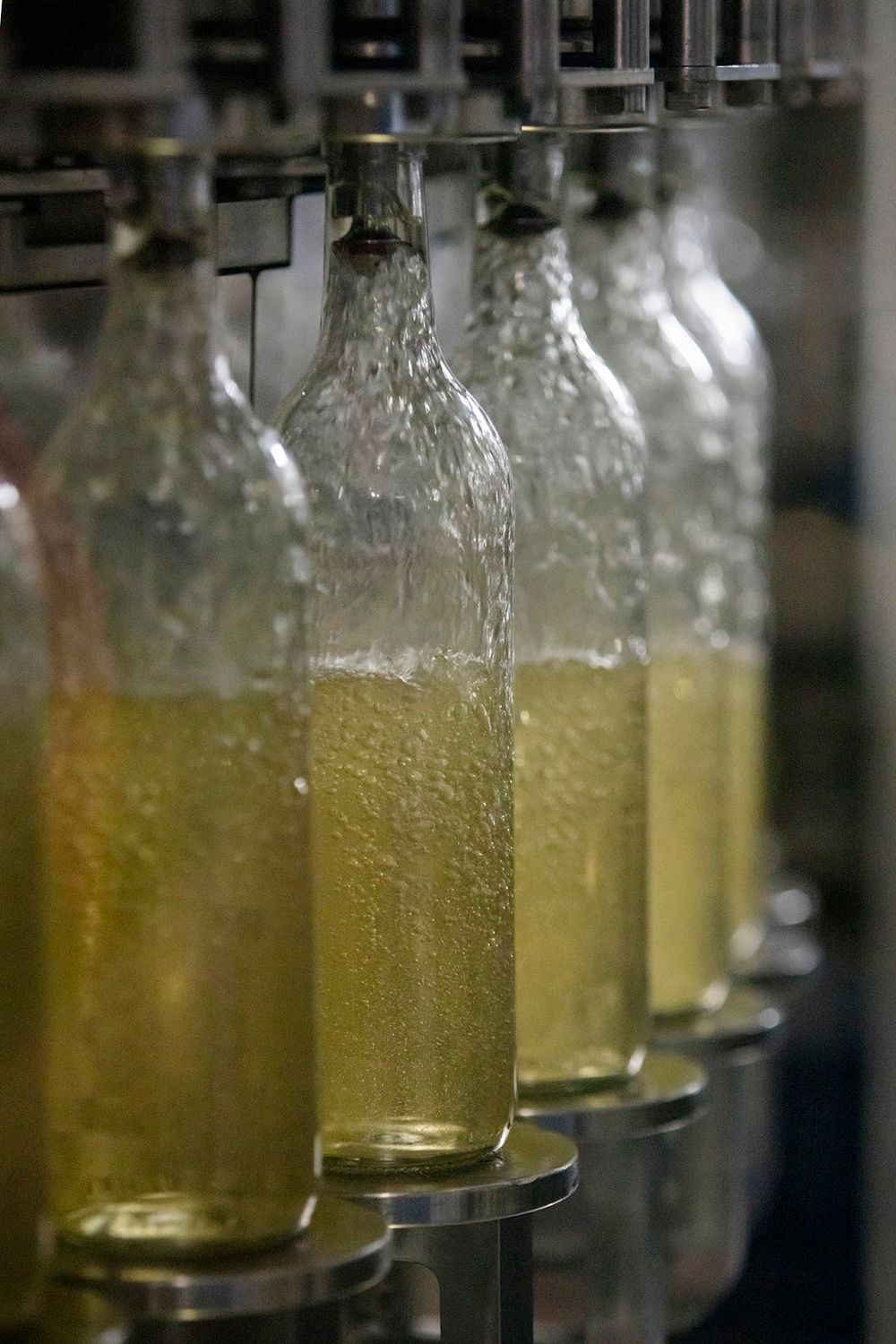
The Lanchester Group is investing in lighter glass bottles to help offset higher packaging costs under the new EPR regulations
At Lanchester Wines, we sell most of our wines into hospitality or wholesale but because we cannot prove that even a single glass bottle doesn’t go into someone’s household waste, the government is assuming that it does, so we are charged a higher rate. Government takes the view that should the bottles not be recycled, they would end up in household waste (according to BritGlass 74.2% of UK glass IS recycled). However, we have no way of tracing each bottle (we sell millions of bottles each year), so there’s a lazy assumption being made.
Furthermore, in an on-trade venue, if you and I both had a bottle of wine but you consumed yours by the glass while I had a bottle on the table, the latter would be subject to EPR but the former would not. It is ridiculous and it begs the question why on earth are we paying a tax - because that’s exactly what it is - on something that’s recycled and fully recyclable?
The scheme has not been thought through properly, and the additional work that we must now go through to calculate the figures is immense. I think they should just be honest and call it a tax.
What has been the effect of all this on the bottom line?
The effect has been that we have had to incorporate EPR/Pack UK charges into our costs, which are then passed on to customers via our pricing, which, in turn, fuels inflation. We had to set up a quarterly direct debit to pay the new taxes and would you believe it, the first payment went out three times, due to a glitch in Pack UK’s system, and we were told it wouldn’t be back in our account for at least three days (although this time frame wasn’t guaranteed).
It’s a lot of money, and, frankly, a mistake like that could sink a different business with fragile cashflow in the festive trading period, when you have bought lots of stock, but not yet sold it. On top of the Pack UK bill, there’s also a 5% levy, just in case someone else doesn’t cough up, which adds insult to injury.
And what about duty ? This time last year you described the impending tax rises based on alcohol levels as a ‘real sucker punch’ having fought against the new regime. How has that panned out?

The Lanchester Wines team has worked hard to deal with the new trading setbacks in 2025 with higher duty and packaging costs by looking at new ways to grow through innovation and buying and sourcing even more effectively
Well, much as we expected really. The administration of the new charges is very complex but we have got to grips with it, despite vintage variation causing some issues. We have at least been able to take advantage of the tolerance in the new system on labelling, so if a wine was coming in at 12.7%, we have asked for it to come in at 12.4%, which doesn’t impact taste but allows us to label it at 12% so the customer gets a slight cost reduction but without quality being compromised.
The UK government has raised alcohol duty by 20% two years in a row, with another increase due in 2026, meaning a rise of more than 40% rise in just three years, which is astronomical. We have a further 10p going on a 12.5% bottle come February, which was snuck into the budget.
It just seems to be a given that they penalise alcohol each year, even though the WSTA has proven that every time the duty goes up, the revenue actually goes down.
That’s interesting because it has been evident to me, attending all of the seasonal retail tastings, that there’s a new breed of ‘doughnut’ wines (those without a middle on the palate) on the market as a result of efforts to lower ABV. Is that a route that you have been tempted to take?
You’re spot on and no, we have not done that, though a lot of our competitors have. We will only do it when low alcohol can be achieved naturally, through early harvesting for example, so the only exceptions have been our White Zinfandel, at 9.5%, because it still retains its structure and taste profile, and a Moldovan Pinot Grigio, at 10%, which holds its own when picked early.
Otherwise, across the portfolio, we are not going to compromise on quality, it’s not for us. If you change existing wines to bring down ABV, there’s a danger you disappoint a customer who thinks they know what they are going to get, and ends up with something else. They will complain and you’ll only disappoint a customer once because they will go elsewhere.
By contrast, Marlborough Sauvignon Blanc continues to perform particularly well for us, and we believe this success is partly due to our decision to maintain ABV, prioritising quality rather than cutting the price through duty reductions. Our customers consistently tell us they value the quality that alcohol brings, and that their customers prefer a great bottle of wine over a cheaper compromise.
So the Marlborough Sauvignon ‘bubble’, if you can call it that after 20 years, is far from bursting, as some have predicted?
Indeed, on the notes I put together for this chat, I have ‘a spike in sales of Marlborough Sauvignon Blanc’ written down as one of my highs for the year, so it’s still going great guns for us. Everything we contracted for 2025 is either sold, in stock or on the water, and I am going to need to contract for more due to demand.
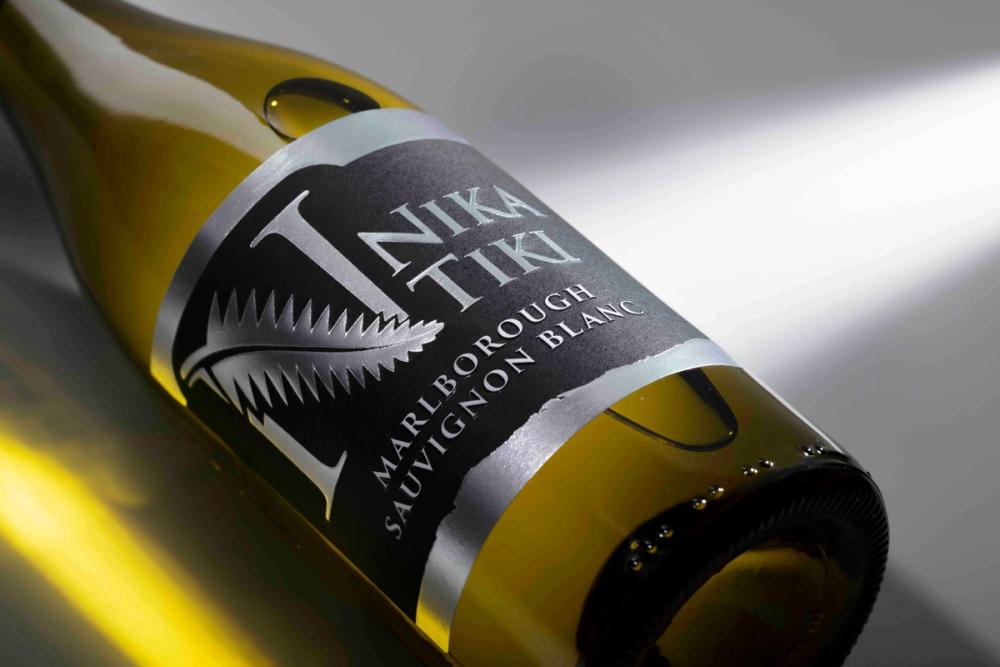
Lanchester Wines is looking to maximise the opportunity in New Zealand Sauvignon Bland with its own Nika Tiki brand
We have a great supplier and we have a very popular brand, Nika Tiki, which has such a loyal following. When I am bench blending for it, I try to keep the profile as consistent as I can.
A recurring theme of our annual conversations in recent times has been the shipping crisis. Has that finally settled down?
No, I am afraid it hasn’t, but it’s not as bad as it was. Global shipping is presently running at only 55% on track, which is pretty rubbish, though not as bad as last year. A decade ago, I would guess that figure might have been closer to the high 80s in percentage terms.
We’re now on a 90 day plus day sailing from New Zealand and that used to be a month to 60 days at worst. It’s a balancing act, there's always something, but we have managed to stay on top of it.
So have the various headwinds from EPR and duty, impacted the performance of the business?
No, thankfully we are doing OK and the performance of Lanchester Wines remains strong, with contracts broadly in line with last year. As a family business, we’ve always focused on building strong, long-term relationships with customers and suppliers and we’re quick to react, which I think is one of our key strengths.
Our sourcing strategy hasn’t changed, which means our wines remain consistent, and that’s what our customers want. Though the decline in consumer demand across the wine sector is undeniable, at Lanchester Wines and Greencroft Bottling, we’ve actually seen an increase in customers this year, which is, I believe, chiefly the result of good customer service.
Last year, the team at Lanchester Group were celebrating a string of awards for pioneering a new lightweight Bordeaux-style bottle and I gather there’s a new development on that front?
Yes, we started with the 300g Bordeaux bottle in May 2024 and we have rolled out the majority of wines that Lanchester Wines pack in this new sustainable bottle and we are very happy with its performance, which has been a real high point.
So, next year, we will be adding a new 300g Burgundy-style bottle, a reduction of 95 grams on the existing bottle that we use, starting from next month and including Nika Tiki, which is very exciting.
To give you an example of the impact, when it comes to EPR, a 300g bottle versus even other lightweight 395g bottles saves £583.68 in EPR taxes per 24,000 litre tank of bulk wine, or £632.93 per 26,000 litre tank - that’s almost 2p a bottle.
Then, the saving for 300g versus a 420g bottle leaps to £799.49 per 26,000 litre tank, so it’s significant.
What about new product launches, what should we look out for?
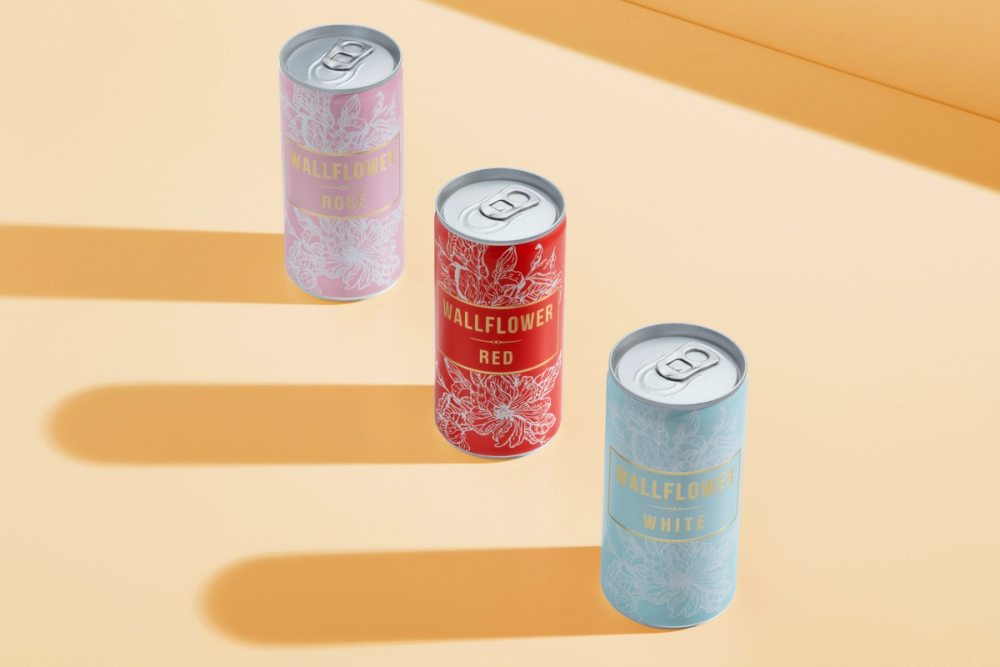
Lanchester Wines' Wallflower canned wine range
We have our first ever Barossa Shiraz on its way, as part of Lanchester Wines’ ‘boutique bulk’ range, arriving around March. We have a name for it and a bottle label design, more of which will be revealed very soon.
Also, we are looking to expand our range of wine on draught. We have had some real success this past year with new wines in key keg from our Italian supplier, Tombacco, as it’s a format that works really well for many of our customers.
Plus, we’re about to launch a new sparkling in a can, a Pinot Grigio Fizz, to be added to our Wallflower canned wine range, which has seen rising sales year-on-year.
And what about Wine Paris? Lanchester Group is changing horses and moving from ProWein to Wine Paris in 2026?
I visited Wine Paris ’25 and I had the feeling that you used to get at ProWein and London Wine Fair years ago: there’s just such a buzz. It’s growing so fast, with hundreds of new exhibitors being added for 2026.
So we are focusing our international trade show efforts on Wine Paris this year, where we are confident we can meet all of those we need to.
And, of course, as usual we shall have the Australian Trade Tasting, NRB and SITT again this coming year too. Looking further ahead, we feel we have the range and diversity within our portfolio to stage our own dedicated tastings, both down south and also nearer to our northern home in 2027, so watch this space.
* You can find out more about Lanchester Wines at its website here. Lanchester Wines is a commercial partner to The Buyer.