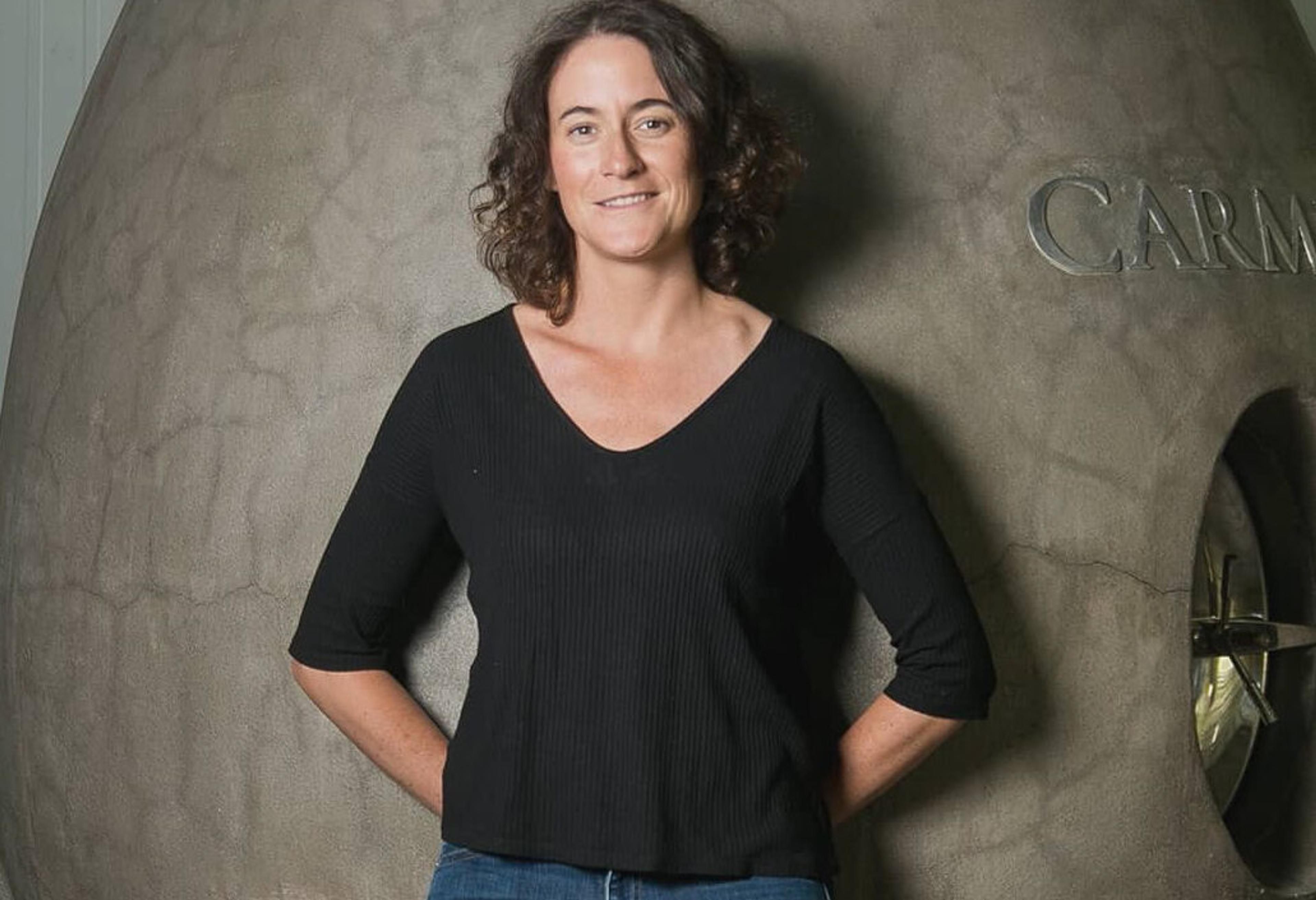
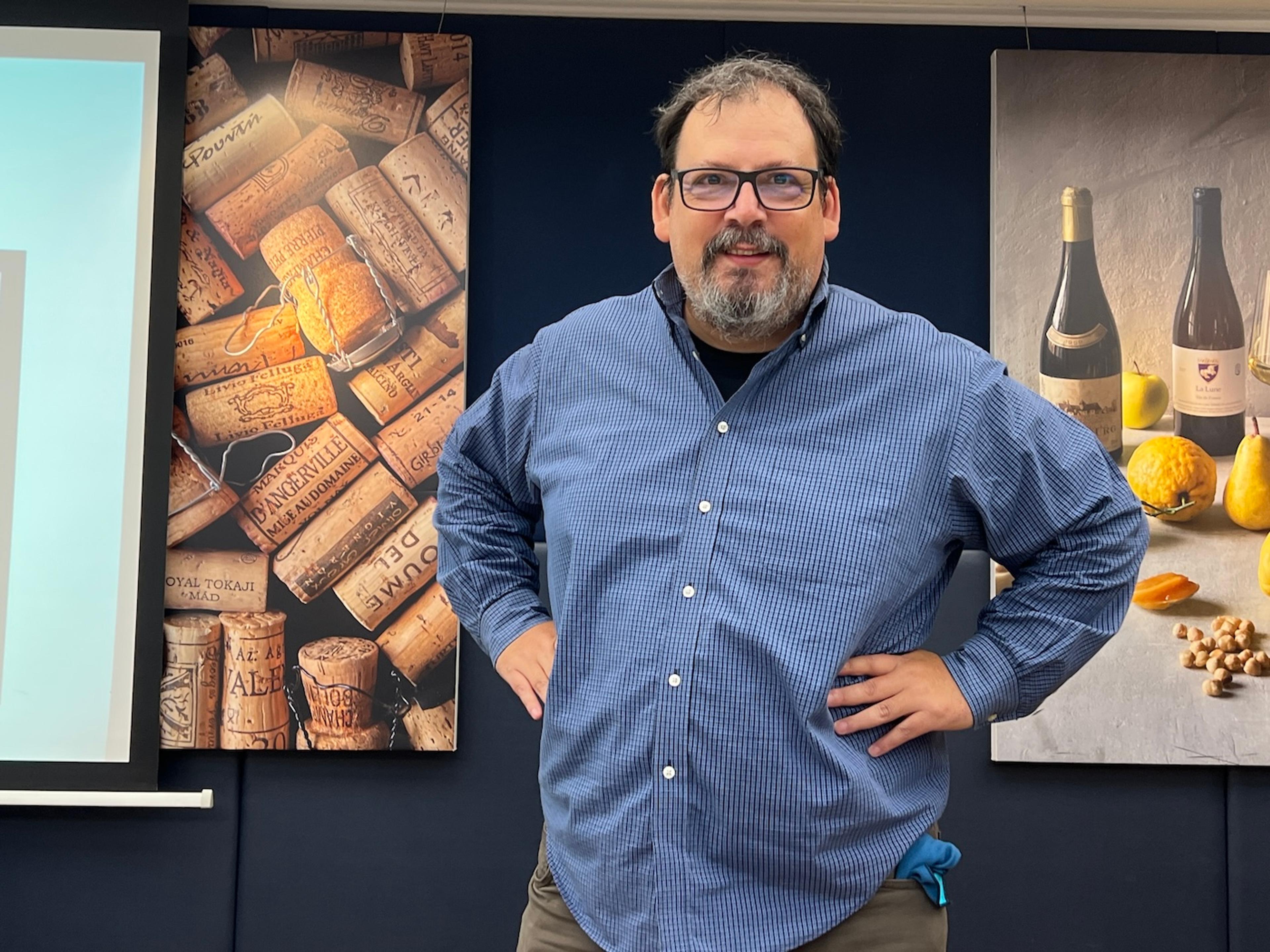
Viña Carmen, now part of the Santa Rita Estates group, was founded by Christian Lanz in 1850, who named it in honour of his wife. Fast forward 175 years, and it is another woman, Ana Maria Cumsille, who is now at the helm of the winemaking operation of this innovative winery which looks to set the bar for other producers to follow.
Cumsille is a relative newcomer to the business, joining some 18 months ago as head winemaker. She says it was the combination of tradition and innovation that initially attracted her to working for Vina Carmen.
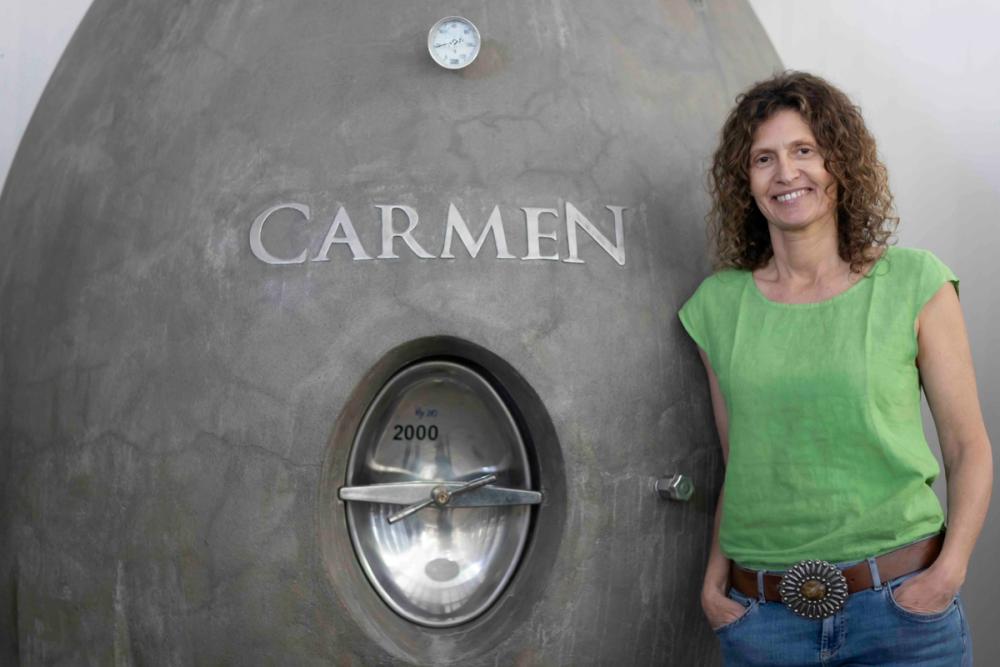
Ana Maria Cumsille: "It’s difficult to find a winery producing such different styles which gives the winemaker such potential and scope"
“Carmen is very special to me because in the past I worked in a boutique winery making very traditional high-end wines. I then worked in the south of Chile in the Itata Valley where I made very different wines such as Pais. But at Viña Carmen not only do we make traditional, premium wines such as Carmen Gold in the Bordeaux style, but we also produce our DO range which gives me as a winemaker more freedom of expression. It’s difficult to find a winery producing such different styles which gives the winemaker such potential and scope.”
The Carmenère grape, at the time thought to be completely eradicated after being felled by Phylloxera a century before, was rediscovered in Viña Carmen’s vineyards in Alto Maipo in 1994.
Two years later, Viña Carmen became the first winery in Chile to produce the grape, selling it as Grande Vidure under the Carmen Grand Reserva brand. Although the grapes were rediscovered in the Maipo Valley, Viña Carmen has discovered that the grape, which Cumsille describes as their “emblematic variety for us, along with Cabernet Sauvignon”, actually thrives best in the Apalta Valley which is where the bulk of the variety is now grown.
“Most Carmenère around the world is now grown in Chile, with a bit in Italy,” says Cumsille. ”It was originally grown in Bordeaux and shipped to Chile, but the climate in Bordeaux does not offer the optimum conditions for Carmenère– like Malbec originally from the south of France, but now actually grows better in Argentina.”
Investing in traditions
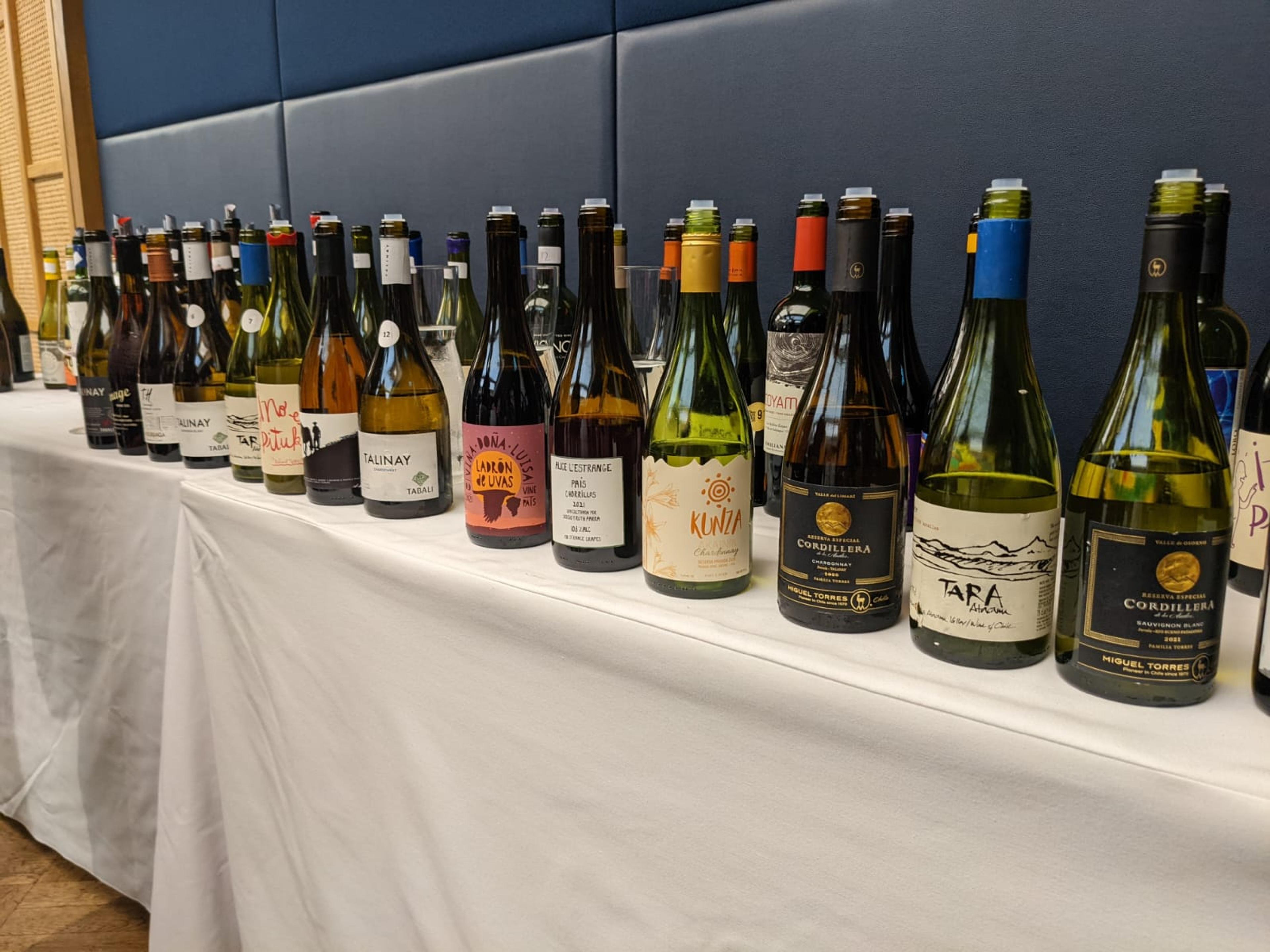
As a result of this fortuitous discovery, the winery dug deeper into its terroir and after some exploration, launched Carmen DO, a range of low-intervention artisanal wines produced in partnership with a number of smaller producers from across the different regions of Chile, underlining its commitment to the sheer diversity of grapes and styles to be found in the country.
The DO range are the only Viña Carmen wines in which the winery buys in the grapes, some of which are very old – the Cinsault, for example, is made from 50 year-old vines, while the Carignan comes from vineyards dating back over 80 years.
“We are working with the families that have had these vines for a very long time – they have the raw materials and we have the resources, so it’s a bit of a joint partnership, and we’re reviving some of the older grape varieties such as the Semillon with our Quijada.
“Semillon was once one of Chiles most planted grape varieties, but about 80 years ago they ripped them all up to put in the more traditional varieties. We’ve got vines which are really old and producing fantastic fruits, and we put the names of the producers on the label because we really want to showcase these smaller growers.”
Cumsille adds that having these stories to tell will make the wines an easier sell in the on-trade, which is their predominant market – another Carmen range FridaKahlo is produced specifically for the off-trade.
“Being able to have that story to tell to customers is what sommeliers really want,” she says.
Vineyards and diversity
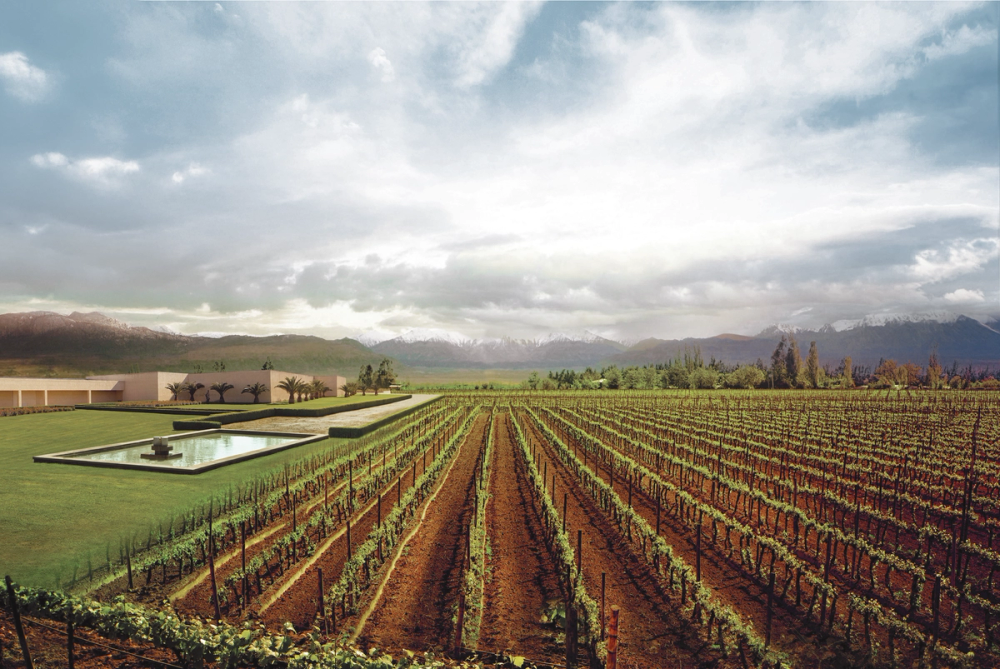
Viña Carmen is able to source grapes from vineyards all over the country
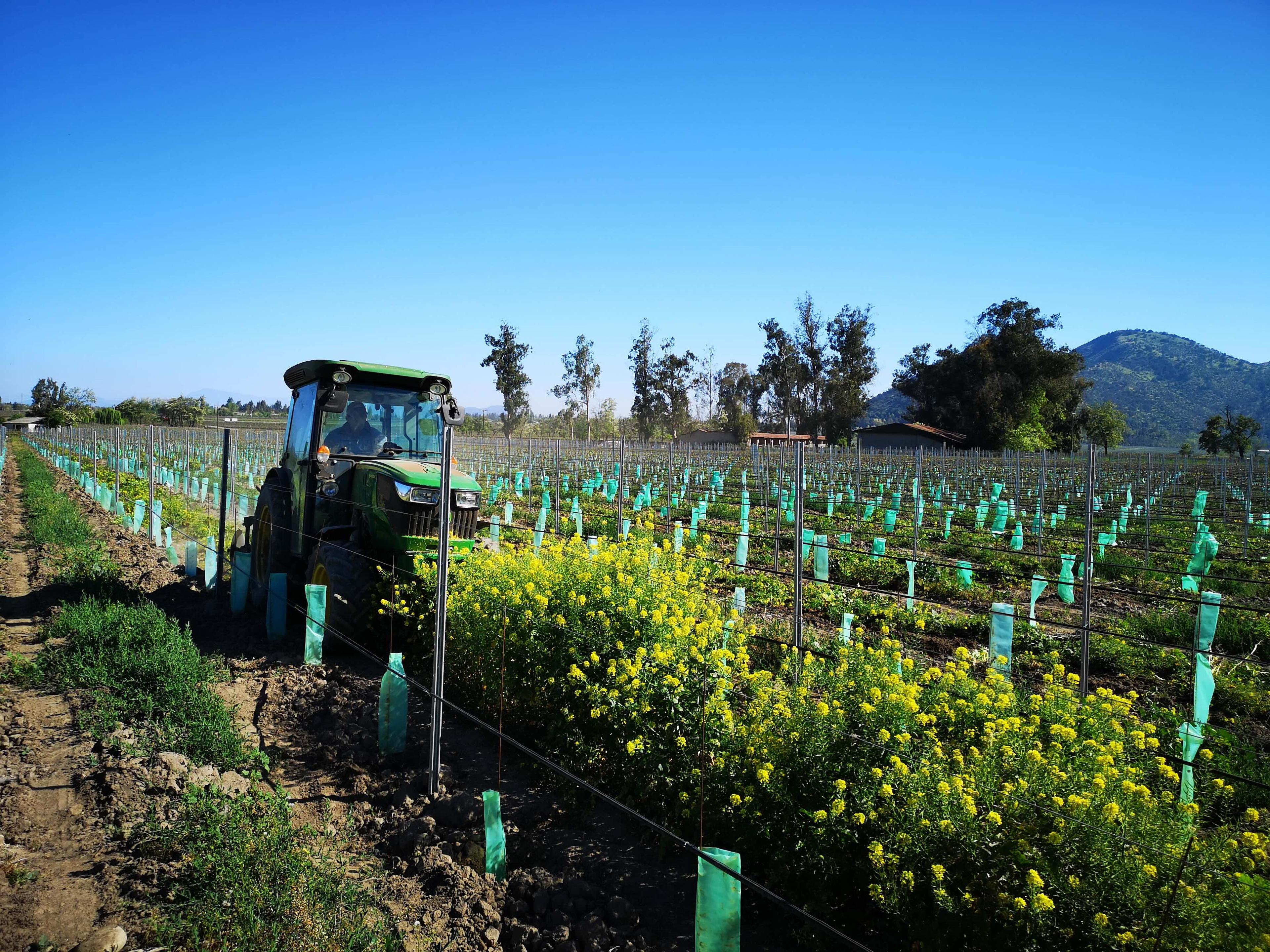
Viña Carmen has extensive vineyards across most of Chile, which it has expanded over its long history to include diverse terroirs suitable for different grape varieties, but most heavily focused in three main areas.
Limarí in the north, where it has around 15 hectares is primarily planted with Chardonnay and is one of Chile’s most dynamic wine regions. Its arid climate and cooling sea breezes from the Pacific make it ideally suited to the production of Chardonnay and Syrah with Sauvignon Blanc and Pinot Noir also thriving close to the coast.
Carmen also has plantings in the Ledya Valley, with around 15 hectares of vineyards focusing on cool climate varieties such as Sauvignon Blanc, Chardonnay and Pinot Noir.
The Maipo Valley around 40km south of Santiago sits at the foothills of the Andes mountains and is renowned for the quality of its red wines and is the heartland of Chilean Cabernet Sauvignon. Carmen has vineyards in the Alto Jahuel sub region where many premium reds are produced.
The Apalta Valley 190km south of Santiago is one of the country’s most prestigious wine regions, known for its exceptional reds including Carmenère and Syrah. Carmen has 79 hectares of vineyards in the region, which benefits from cool sea breezes and a significant diurnal temperature range which encourages slow and even ripening of the grapes.
Viña Carmen also has a small vineyard in Chiloe Island in the southern tip of the country which has only this year been awarded DO status. The predominant grape grown in the challenging climate, which is characterised by cool temperatures and high rainfall, is Pinot Noir which has adapted well to the conditions, producing a high acidity and lower alcohol content wine in Carmen DO Punta Chilen, Carmen’s first sparkling wine from Chiloe – though volumes are currently tiny, with around 18 bottles produced last year, which was the first vintage.
Other vineyards in the estate are in Colchagua, Maule, Itata and Casablanca Valleys ensuring that the winery has access to the widest variety of terroirs to produce different grapes and styles.
“We’ve got grapes planted the length and breadth of the country so we have an amazing resource to be able to tap into,” says Cumsille.
The only Viña Carmen wine range in which the winery buys in the grapes is the DO selection, but otherwise all grapes used in production for the Carmen brands are sourced entirely from their own vineyard
Focus on exports
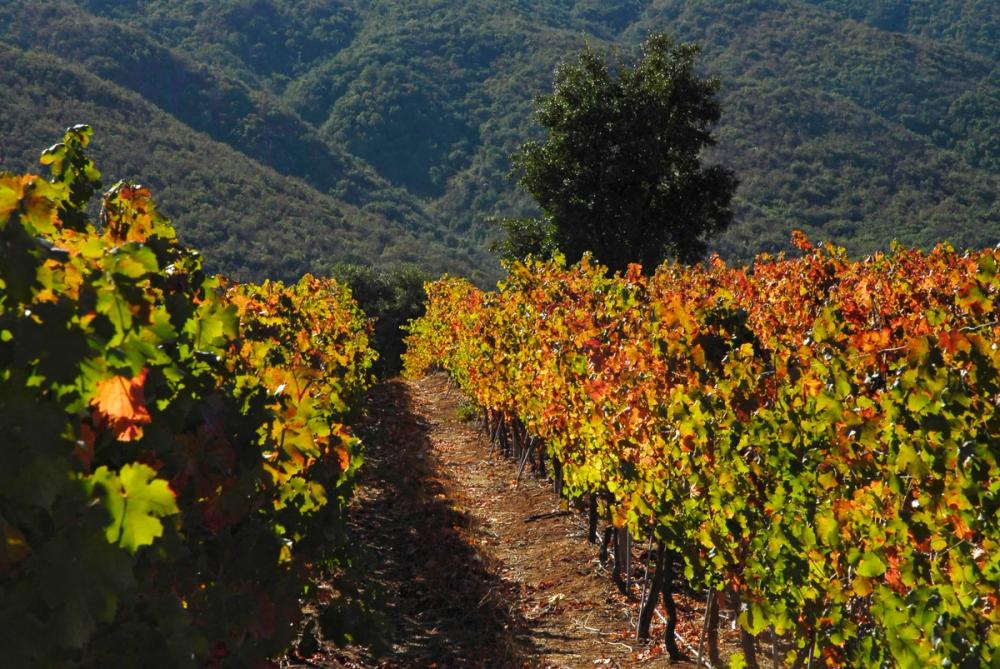
Viña Carmen is well placed to keep on top of global trends as it sells its wine in multiple markets around the world
Viña Carmen ships its wines to over 40 worldwide destination, with the vast bulk – over 80% being exported. Canada is the largest overseas market, followed by the US, China, Brazil and in fifth place, the UK. Cumsille reports growth in Central America, particularly Mexico, though sales to Canada are flat, and China is in decline.
The UK remains a key, if challenging, market for Vina Carmen.
“While not the biggest, the UK is very important to us in terms of an international perspective and for the image of the brand, it’s important to have a strong presence in the UK,’ says Cusmille. “There are some very influential people based here and it’s a global hub – people look to the UK for market trends and what is going to happen next.”
However, she believes there is still a lingering perception that Chilean wine is all about the value end of the market, though awareness is growing of the more premium wines now available.
“I think traditionally when UK consumers think of Chile, they think of lower priced value wines, but in terms of the quality price ratio, you get a massive bang for your buck.”
She thinks the real opportunity for Chile lies in the £10 - £15 price bracket.
“This is where Chile can hit the mark – we can really knock Bordeaux and Burgundy out of the park in that category,” she claims, pointing out that it was only around 10 years ago that wine critic Tim Atkin MW was dismissing Chile as a “boring country making boring wine”.
He’s now an avowed convert, saying there are some “very very good wines from Chile, with different regions and styles”.
“I think the last 10 years things have changed a lot in terms of quality, while the diversity of the offering has improved too.”
Respect and prominence
And in another boost to the country’s winemaking industry’s fortunes, La Place in Bordeaux has been offering Chile’s top wines for around 10 years, which has also helped to improve perceptions of the country in terms of its wine-making finesse.
“The fact that La Place now lists more of Chile’s top wines has definitely given the reputation of the country’s winemaking a boost,” says Cumsille, adding it’s now a case of filtering that message down to consumers. And she says it’s all about getting glasses in consumers’ hands.
“We have absolute confidence in all of the wines that we produce, but we have to educate people by getting them to try the wines. We run a number of masterclasses and we will happily pitch our wines against others, not as a point scoring exercise, but more just to show what we can do. “But when they taste them, they love them,” she enthuses, adding that while Old World producers are hidebound by tradition and doing things in a very proscribed way, Chile and other New World producers have more freedom to produce wines that may appeal to consumers, rather than simply doing things the way they have always done.
“We have always worked with a nod to the consumer,” she confirms. “What style is going to appeal – whereas I think maybe the old World is more dictated to by what the regional style is and what tradition expects.
Winemaking style
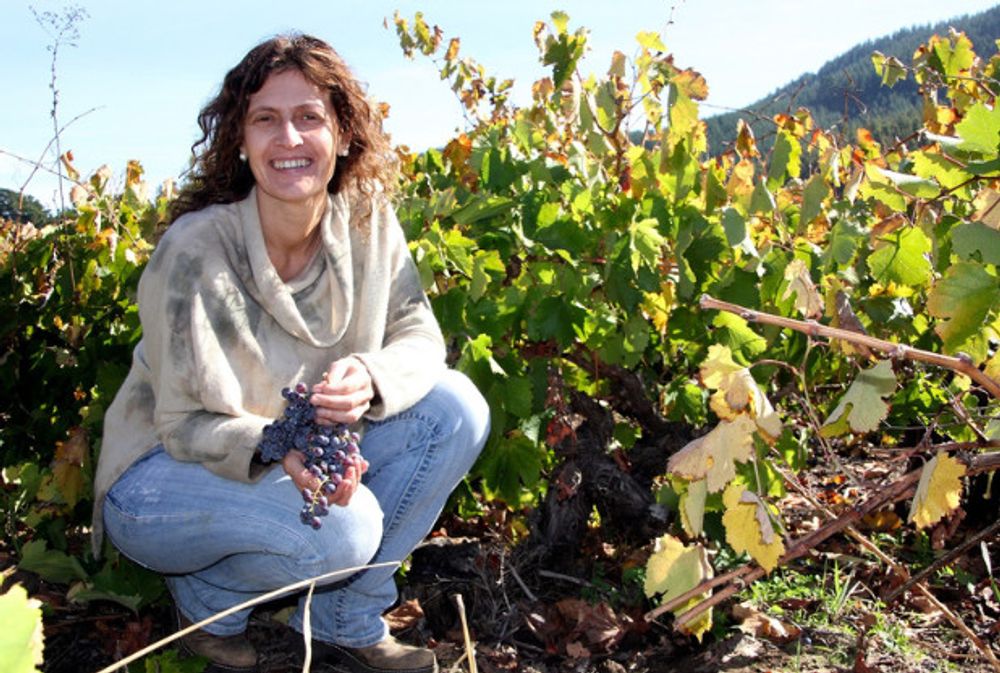
Ana Maria Cumsille: “I try to make really pure, elegant wines that reflect the terroir.”
Cumsille describes her approach to winemaking as “really trying to show the place of where the grapes are grown. Of course you try to make wines in a certain style, but I try to make really pure, elegant wines that reflect the terroir.”
She says that her approach has changed over her 25 years as a winemaker, shifting from more alcoholic, weightier, oaky wines in favour of a fresher, lighter style which is not only highly drinkable, but also affordable.
When pushed to name her personal favourite wine from the Viña Carmen portfolio, Cumsille names Carmen DO Matorral Chileno, a blend from Maule Valley, made from 60% Grenache, 30% Carignan and 10% Pais.
“It’s a very different wine, with a very good balance between freshness and concentration. It comes from very old vines from a very small producer who I have a really good relationship and connection with – it’s just the kind of wine I love.”
She’s also a fan of the Chardonnay, which was the first wine she made when she joined Carmen. “it’s typical of the wine from the north with the limestone influence very apparent.”
Today, Viña Carmen picks the Carmenère and Cabernet Sauvignon grapes a month earlier than 20 years ago, in part because of climate change, but also because of the lighter, fresher style of wine that Cumsille is aiming to produce.
Global warming is also significantly impacting the way in which Viña Carmen’s vineyards are managed, particularly in the central valleys.
“We have to keep a lot more leaves on the vines to protect the grapes for one thing,” explains Cumsille. And increasingly planting is being shifted to cooler areas such as Limari, Leyda and Casablanca. “We make some DO wines from Maule Valley in the south, where the wind from the Andes cools the temperature.”
New distributor
Viña Carmen has recently signed up with the family-owned global distributor Schenk Family and is pleased to be working with its team in the UK.
“We want to do something more with our amazing wines in the UK. It is a tough market, and for the last couple of years I don’t believe the Carmen brand has had the attention it deserves. So we are hoping that our new partnership with Schenk is going to shake things up. They are a company whose values closely align with ours in terms of what we’re looking for going forward. And we will be their only Chilean brand which is a great point of difference for us.”
* Santa Rita Estates is a commecial partner to The Buyer. You can find out more about its wines here.