You are looking to celebrate the world of Pet Nats again - what have you got planned?
We’re super excited for the third edition of BRÍT-NAT. After two pilot runs with the training wheels on, in 2022 and 2024, this year we’re launching a fully-fledged, all-day wine festival, with producers, DJs and food trucks. It’s all taking place in London’s coolest new urban winery, Numbers in Hackney. It’s going to be the Glastonbury of English wine tastings.
What did you learn from the first two events that you are looking to build on?
From the first edition in 2022, we learnt that there were fewer faulty English and Welsh pét-nats than we might have expected. From the 37 wines that were submitted for the first edition, only two were not quite right, one was too gushy and one had elevated VA.
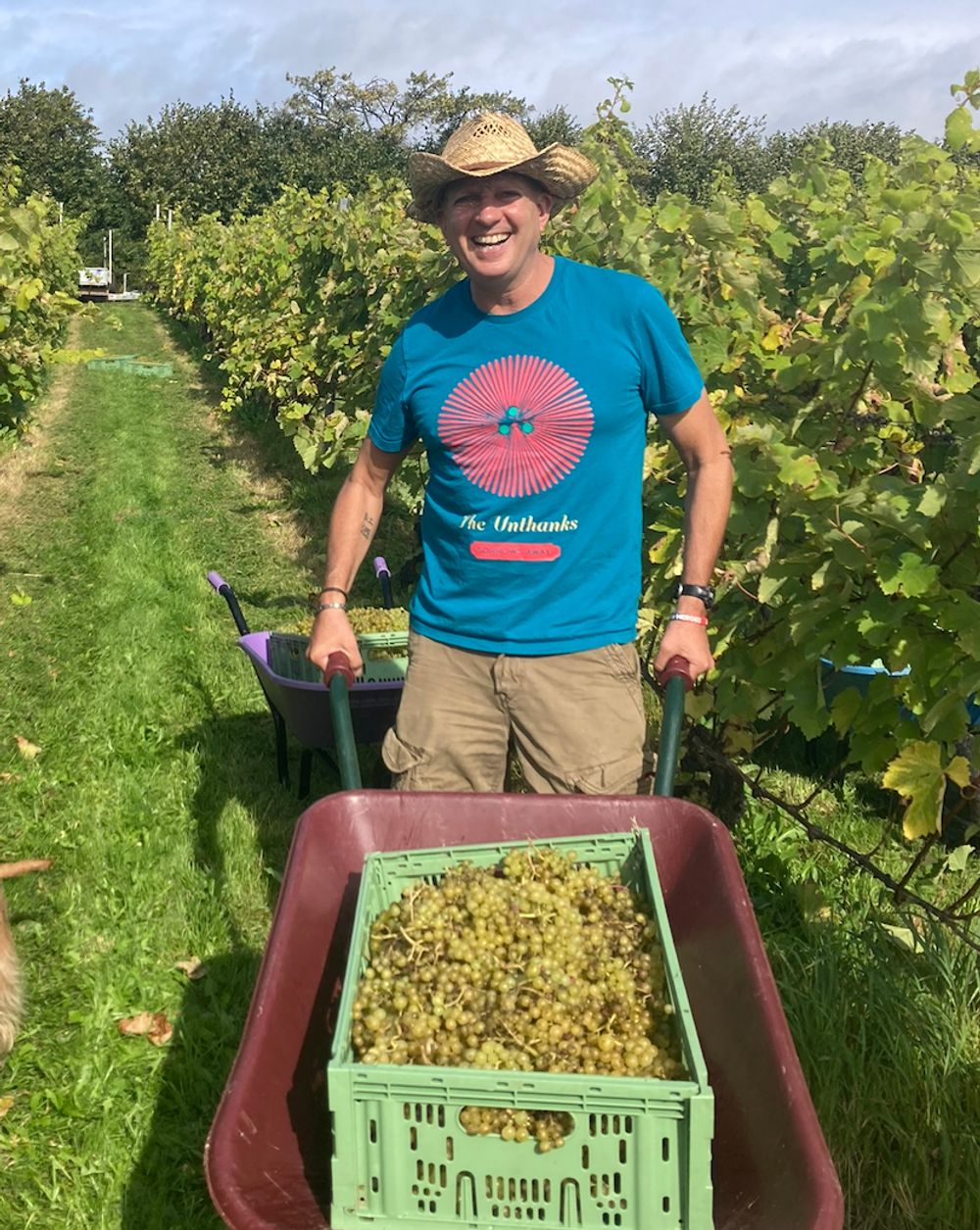
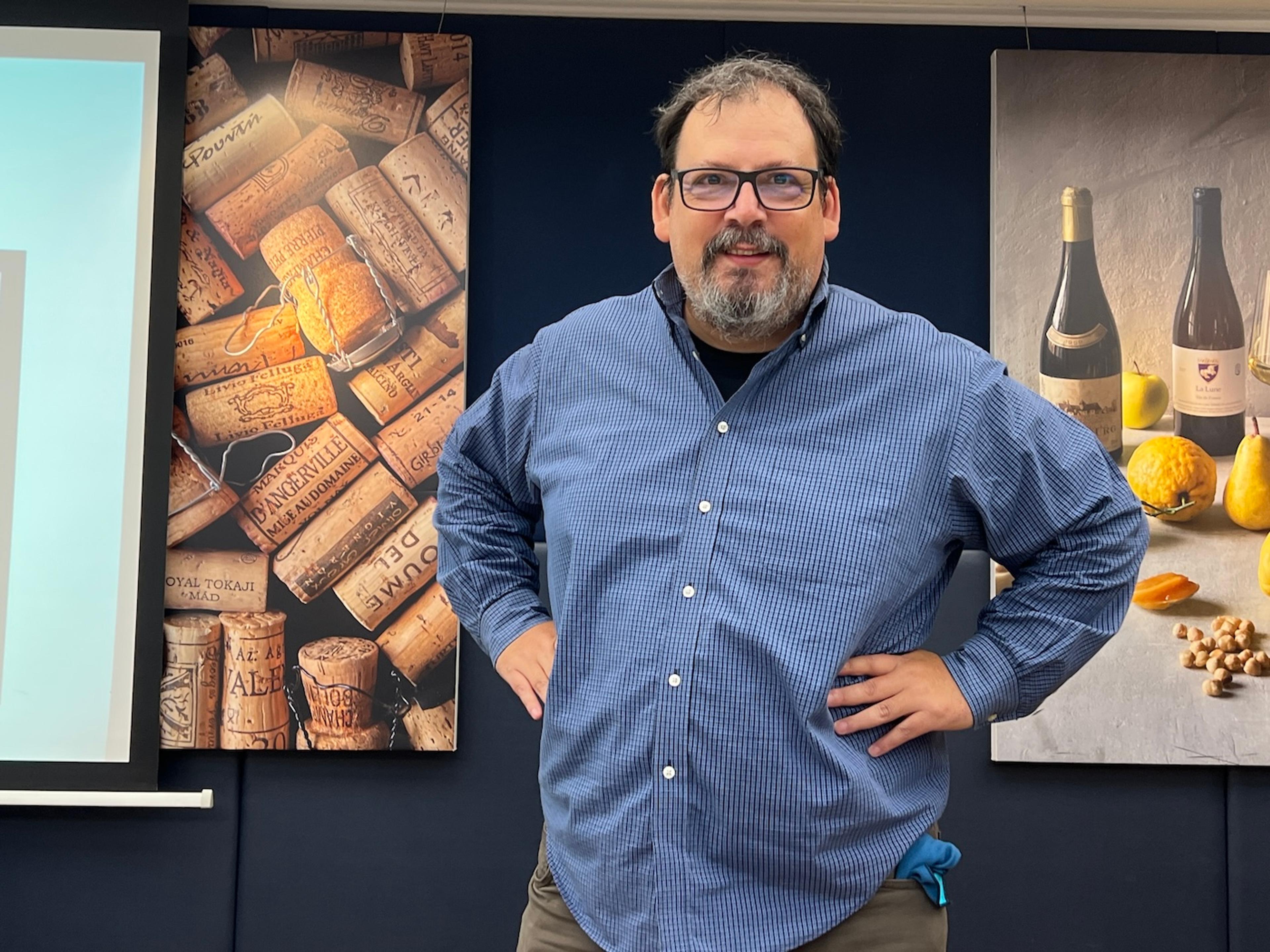
Tim Wildman MW has been a pioneer and campaigner for English pét-nats with his first two BRÍT-NAT events and is now turning it into a one day wine festival
To be honest, we were surprised, and I say that as someone who has been deeply involved in the natural wine world for almost 20 years, first as a buyer for Les Caves de Pyrene, and then having made my own pét-nat in Australia for the last 12 years and England for five years.
I deliberately kept the first edition a “closed door” affair, just 12 tasters in the back room of a wine shop in Peckham. With the category being so new and emerging, the first UK pét-nats only really came on the scene around 2018, and probably half the wines we looked at in 2022 were the producers’ first attempt. So we wanted to keep the tasting private so we could assess and discuss, with honesty, the health of this emerging category, which turned out to be remarkably good - somewhat against our expectations.
For the second edition in 2024 I wanted to expand things, so hired Soif restaurant in Battersea and invited trade and press. The wine submissions grew to 53 and we had over 60 trade guests, some travelling from as far as Bristol, Manchester and Margate.
We got some great press, ranging from Decanter to Vineyard Magazine to the Drinks Business. From that I learnt that if you can put all the English and Welsh pét-nats in one room, you’ll generate a lot of trade interest.
This then gave us the confidence to ‘go big or go home’ for the third edition, and for the first time invite the producers to come and pour their wines, which really transforms it from a wine tasting to a wine fair.
How has the event grown from year to year in terms of the interest and numbers of producers taking part?
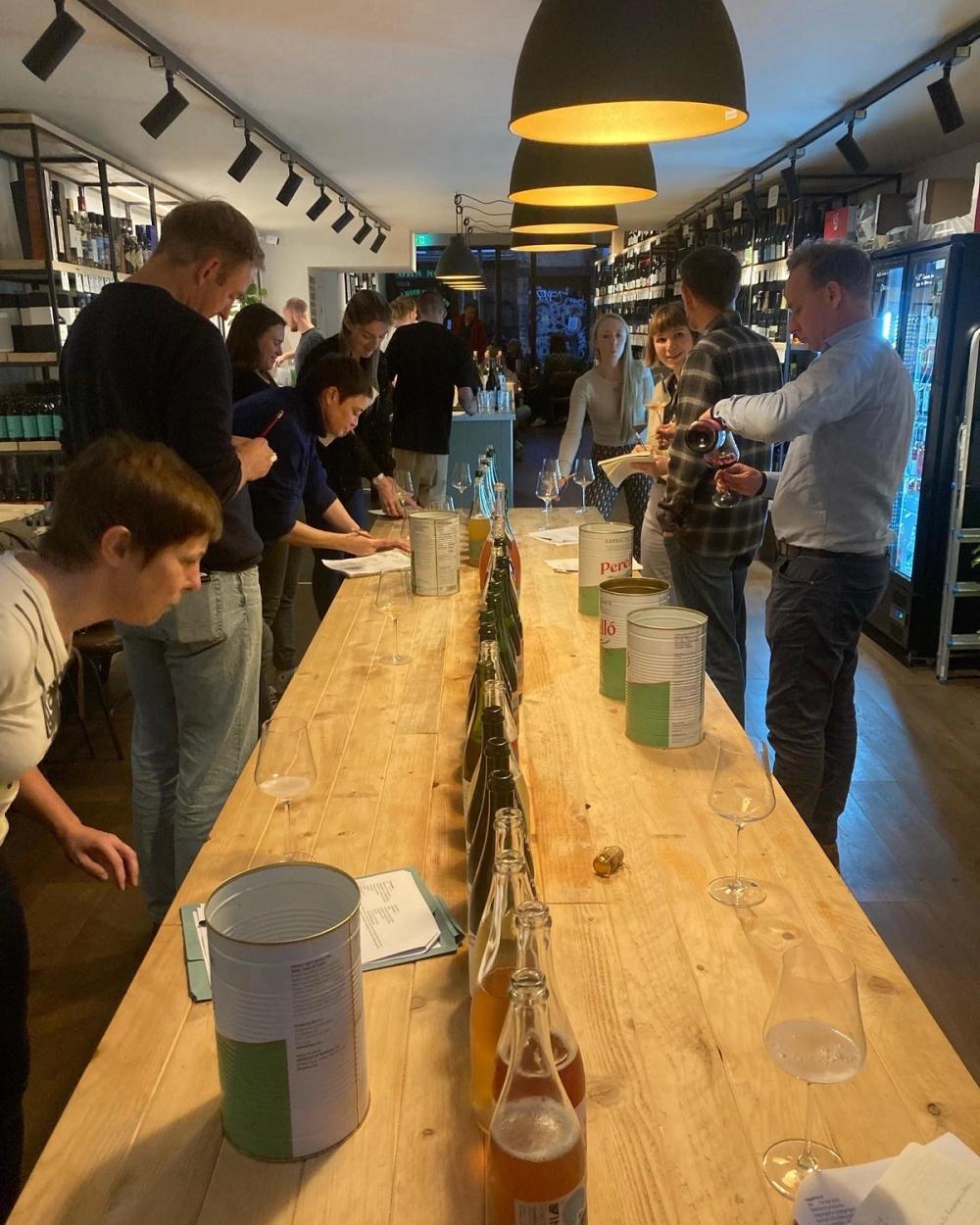
BRÍT-NAT was first held in 2022 and attracted virtually all the English wine producers making pét-nat wines
In 2022 we had 37 wines from 24 producers, and I’m pretty sure I was only missing one producer that year. In 2024 we had 53 wines from 33 producers, again, I think I managed to capture pretty much everyone.
My research for the third edition shows that there are now 55 producers making pét-nat in England and Wales, and a number of them make more than one wine, so we expect to see a significant increase again.
Why did you want to shine the light on and celebrate pét-nats in this way?
I think pét-nat, or col fondos as some label them, are the only true alternative wine styles in the UK, and that has huge implications for engaging younger consumers and those more alternative, natural leaning consumers who may not be so interested with the more mainstream UK wine offering.
Why do you think the pét-nat style has really captured the imaginations and interest of English winemakers?
First off, you can make pét-nat with very little money, and you get income back within the first year. This is very appealing to younger producers just starting out, with few resources or capital.
What was interesting about the second edition of BRÍT-NAT was that the majority of the new producers were actually small, family-owned growers. They were also often working farms that were diversifying, or with the younger generation coming into the business, who otherwise make a range of “conventional” wines, but have added a pét-nat or col fondo to their offering as a point of difference for cellar door sales.
This is incredibly interesting as in most countries pét-nat is made exclusively by natural winemakers, but it seems to be developing in the UK outside those narrow parameters. I think this is partly due to the fact that a number of high-profile, early entrants in the UK scene were wineries who farm naturally, either organically or biodynamically, but work “clean” in the cellar, producing fault-free wines with broad appeal.
I’m thinking here of producers such as Ancre Hill, Davenport Vineyards and Domaine Hugo, all of which have helped position pét-nat (or col fondo in Domaine Hugo’s case) as something that doesn’t have to be defined within the natural wine box, which I think is incredibly exciting for the potential growth of the category.
Why do you think it is particularly well suited to English wine?
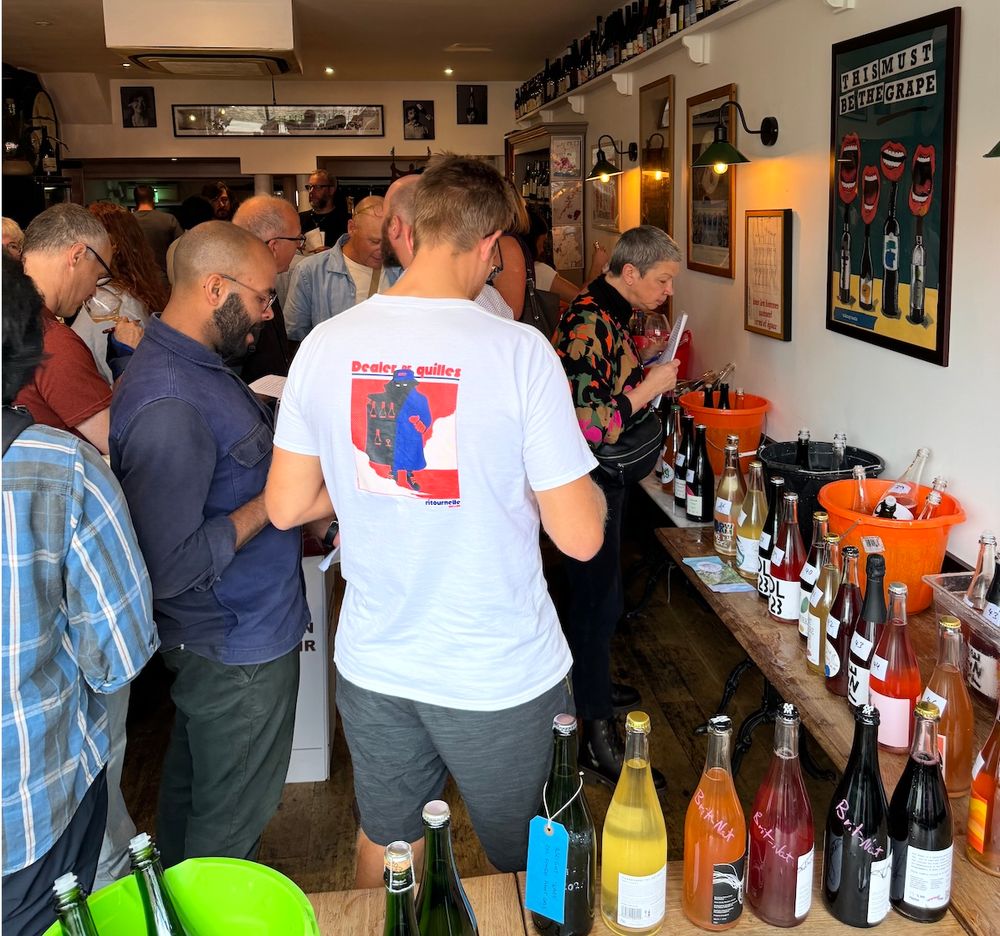
BRÍT-NAT 2024 was held in Soif in Battersea and had over 50 wines to taste
This is the best-kept secret so far, and something we hope to communicate with the BRÍT-NAT event. The UK is remarkably well suited to the production of pét-nat, for reasons that may surprise you. Pét-nat production is essentially natural wine production, as it’s the safest style of wine to make with no additions and a low / no sulphur regime, as the juice and wine are protected by the carbon dioxide from fermentation throughout the process.
Our relatively cool climate, especially compared to many natural wine regions such as the South of France or South Australia, provides us with a kind of microbial superpower. The naturally high acidity, and associated low pH, plus relatively low alcohol, create a completely different “microbial universe” from warmer regions.
The low pH acts like a built-in preservative system, helping suppress faults like mousiness, volatile acidity and spoilage bacteria, while also making even small sulphur additions dramatically more effective.
I learnt this almost by accident over the last five years making my own English pét-nat, Lost in a Field. If you have the confidence to stand back and not interfere, the juice and resulting wine are remarkably robust and immune to the development of faults often associated with low-fi winemaking.
Of course you still have to manage the sediment and pressure, and that’s why I think we see more UK producers adopting the more controllable intermission method over the interruption method, 31 to 19 in the 2024 line-up.
This goes a long way to explaining the surprise we all had at the first edition of BRÍT-NAT, where we saw so many successful, fault-free wines from such a young, inexperienced category.
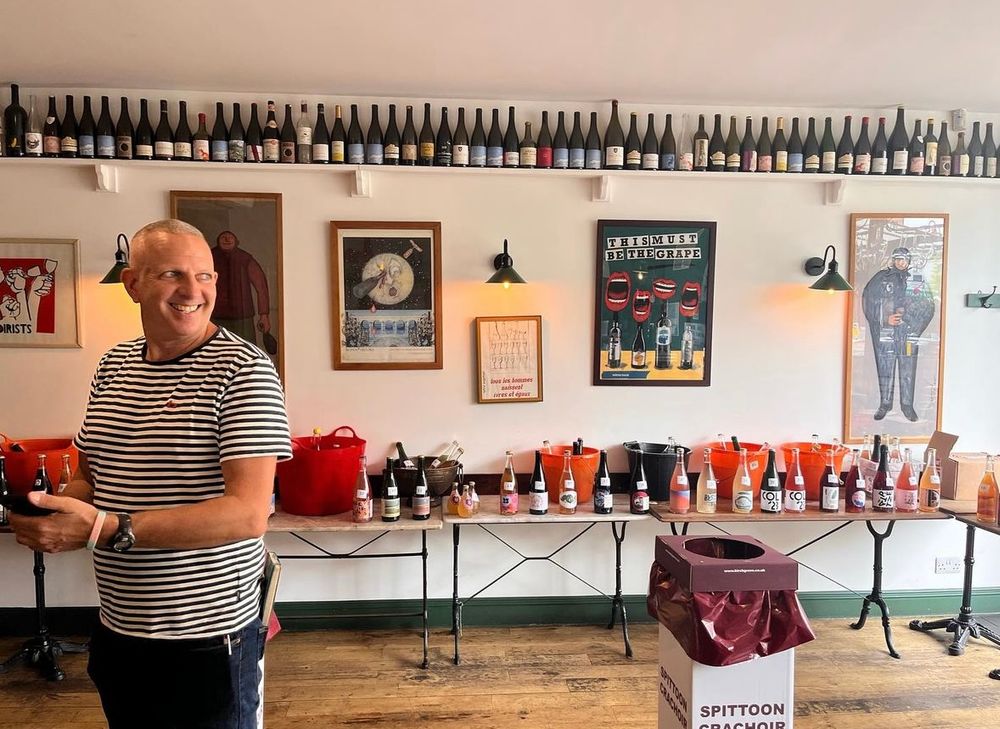
Tim Wildman MW getting ready for BRÍT-NAT in 2024 at Soif
The conclusion that we want to shout from the rooftops, is that England and Wales may actually be one of the most naturally well suited countries in the world for making clean, fruit-forward, low-intervention pét-nat. That’s a pretty exciting discovery!
You are looking to make this more of a festival than a wine tasting?
We’re getting help from Hugh and Caroline at the venue, Numbers Wine in Hackney, who despite being less than a year old, have put on a lot of events and wine tastings so far.
They’ve already booked an oyster fisherman who will be out at 3am hauling in the catch, and from 6pm onwards at the event will be shucking oysters for our guests until he runs out. The oysters will be on us, but we’ll also have a food truck where guests can buy something more substantial.
You also have music too? What can we expect?
I’m incredibly excited to say that we have a bona fide, international, superstar DJ playing a three-hour set at the BRÍT-NAT event from 7pm to 10pm. I met DJ Norsicaa at a pop-up pét-nat tasting I was hosting in Hong Kong earlier this year. She was stopping off in the city to visit friends on her way to playing gigs in South East Asia. She’s based in London, is a big pét-nat fan, and just happened to be available on June 22. It’s going to be awesome.
What are your hopes for how this event could grow in the coming years?
I think the next stage, if we wanted to keep developing it, would be to include consumers. That would involve moving to a venue that can host over 500, which is another level altogether, so we’ll see where we are in two years’ time.
How is the rest of the Lost in the Field business doing - what is new and different?
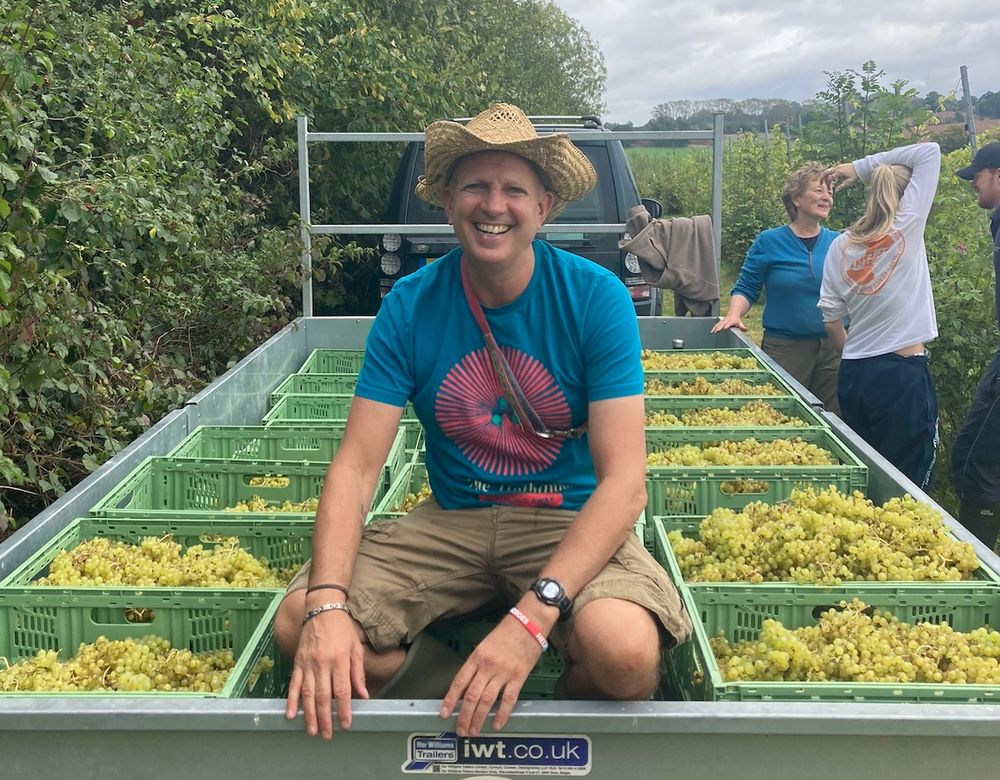
Tim Wildman MW has had strong success for his own English pét-nat wine brand Lost in a Field
UK sales are going well through Les Caves de Pyrene and the big news is we’ve started exporting this year, with shipments heading to Canada and the US.
The May edition of The Wine Enthusiast featured an article by Christina Pickard on the UK’s four most influential winemakers, which included myself and a fantastic write-up of the Lost in a Field project, which, considering The Wine Enthusiast has over a million digital subscribers, is great timing for my new US importer to launch the brand Stateside.
How about your Australian wines and Astro Bunny?
I’m very excited that after 12 vintages we are now fully organic certified with the Australian Wildman Wine business and the Astro Bunny and Piggy Pop pét-nats. Our UK importer Alliance Wine will be receiving their first shipment of organically labelled wine in a few months’ time, and we’ve been working with Freddy Bulmer at The Wine Society to create an own label for them for the Astro Bunny which will be hitting their shelves this summer.
This is a dream come true for me, what began as a passion project in 2014 with one tonne of McLaren Vale fruit and 600 bottles, has ended up 12 years later becoming an exclusive own-label for The Wine Society. I really have to pinch myself.
* BRÍT-NAT 2026 will be taking place on June 22 at Numbers Wine, 63 Vyner St., E2 9DQ. Doors will open at 11am with tasting until 6pm, then out comes the mirror ball for food, beers, more pét-nat and DJ Norsicaa from 7pm to 10pm. It is a trade and press event only, and costs £20 for an all-day ticket. Tickets can be purchased from Ticket Tailor https://buytickets.at/brtnat/2190372