As one of Roussillon's most important and historic producers what do you see as the key points of difference that the region now offers?
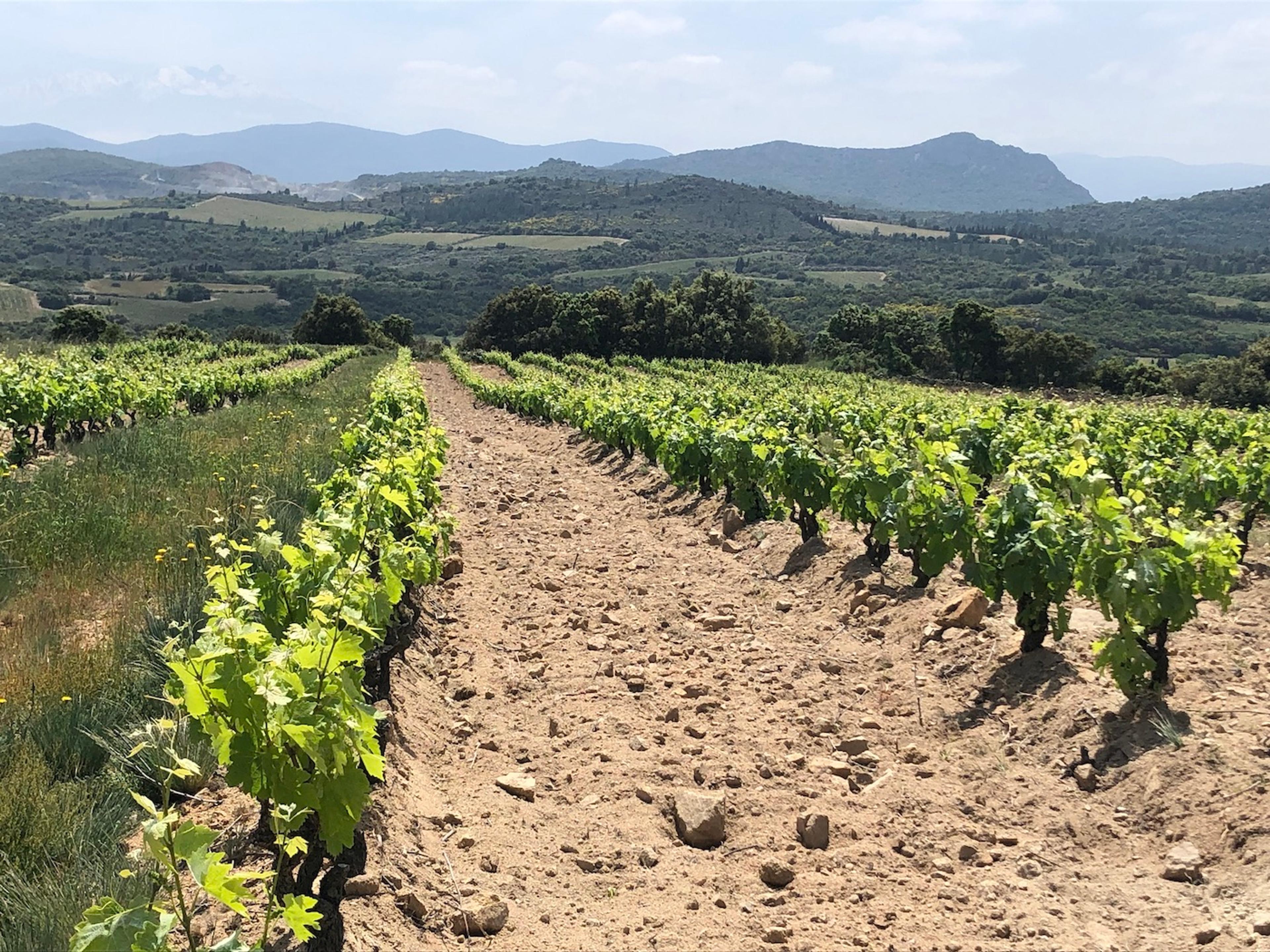
The Roussillon is a mosaïc of micro-terroirs and that makes our region very rich and exciting in terms of wine offering and style. The region’s old vines legacy is interesting, especially the wonderful potential that we have with our old vine white varietals such as Grenache Gris, and Grenache Blanc, giving wonderful texture and complexity to the wines.
Roussillon is also a land of responsible agriculture - it has low disease pressure due to the extremely dry climate.
How does this differ to 10 years ago and what have been the big step changes in helping take the region to another level?

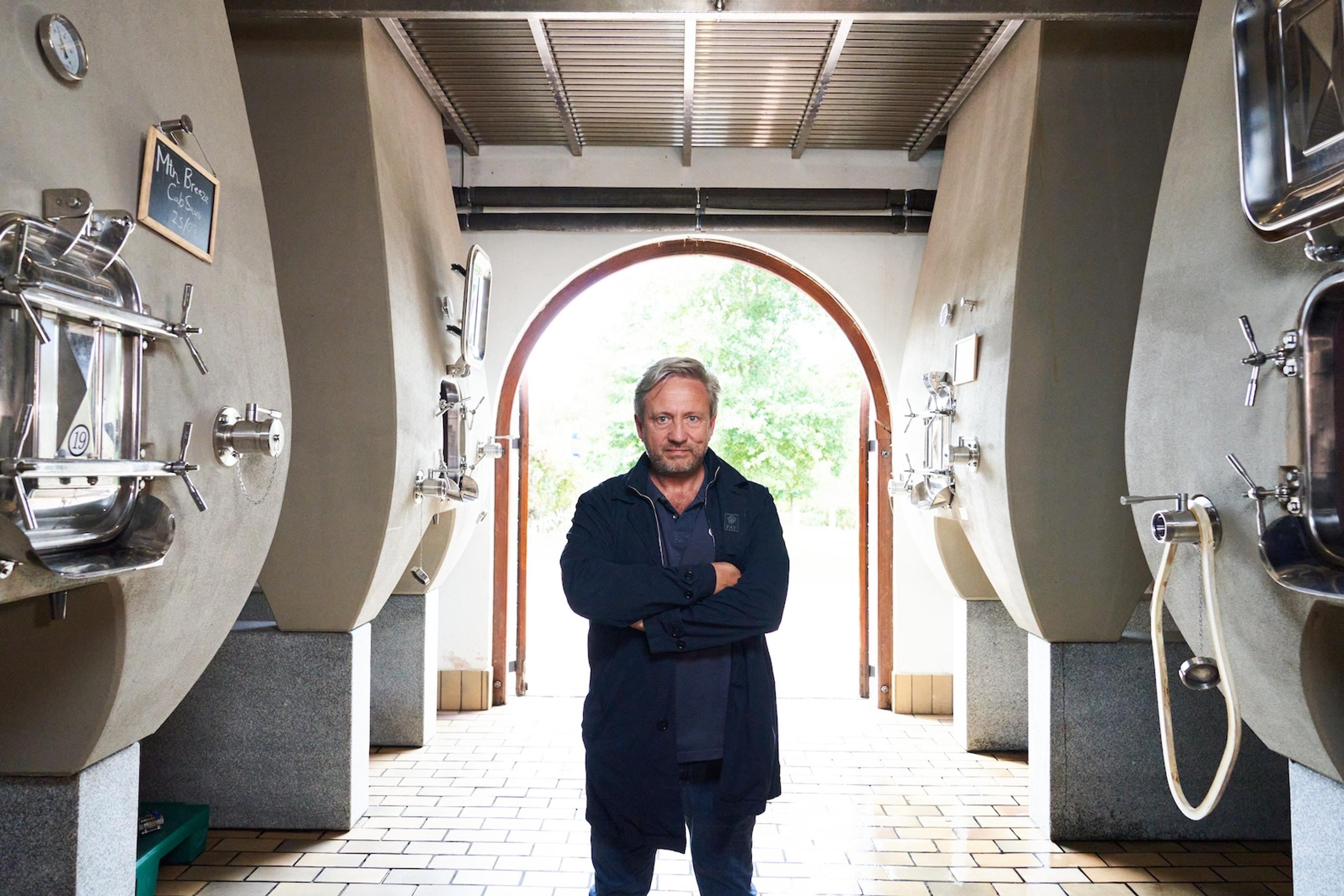
As a seventh generation winemaker Jean-Marc Lafage is driven by the need to protect its vines and vineyards for his children and future generations
The challenge to adapt to climate change has been a major step forward and will be key to saving our vineyard for future generations. We are accustomed to low yields (under 30 hl per hectare) with a very high concentration of fruit. In the past, growers used to pick very late to make fortified wines. But today, following on from the past decade and a style of very 'big' still wines, winemakers are experiencing great results, lighter style wines but still with a very high concentration of fresher fruit.
In our case, regenerative viticulture is helping us achieve this style of wine.
What do you see as the big untapped potential for Roussillon?
We work a lot on the fresh fruit profile, but also on the enormous white potential we have on our schist or granitic soils.
Last year you signed a new partnership with Hallgarten & Novum Wines - why did you want to work with them?
We were looking to make a strategic change to support our commercial goals in the UK. We share strong common values with Hallgarten, and they approached us with a promising long-term vision - not only for our entry-level wines, but also with a clear focus on our range of regenerative wines.
We’ve known many members of their team for quite some time, which made the transition feel natural. Their approach has been dynamic and collaborative from the start, and we’re already seeing excellent momentum in this first semester.
What have been the first steps you’ve taken together to ensure the right wines are in the UK market?
The Hallgarten buyers visited our winery twice before making any decisions, taking the time to taste the full range. We even created a blend together to help set our partnership up for success. With their deep knowledge of the UK market, they knew exactly what style of wine would resonate-and they were right.
The official launch took place at their annual tasting event in London in January 2025, which was a fantastic opportunity to meet the wider team and connect with key customers. Over the last year our sales team has been travelling regularly to the UK to visit on-trade customers and host wine dinners, building strong relationships on the ground.
How do you view the UK market overall for a producer like Lafage - and why is it important to have a strong performance there?
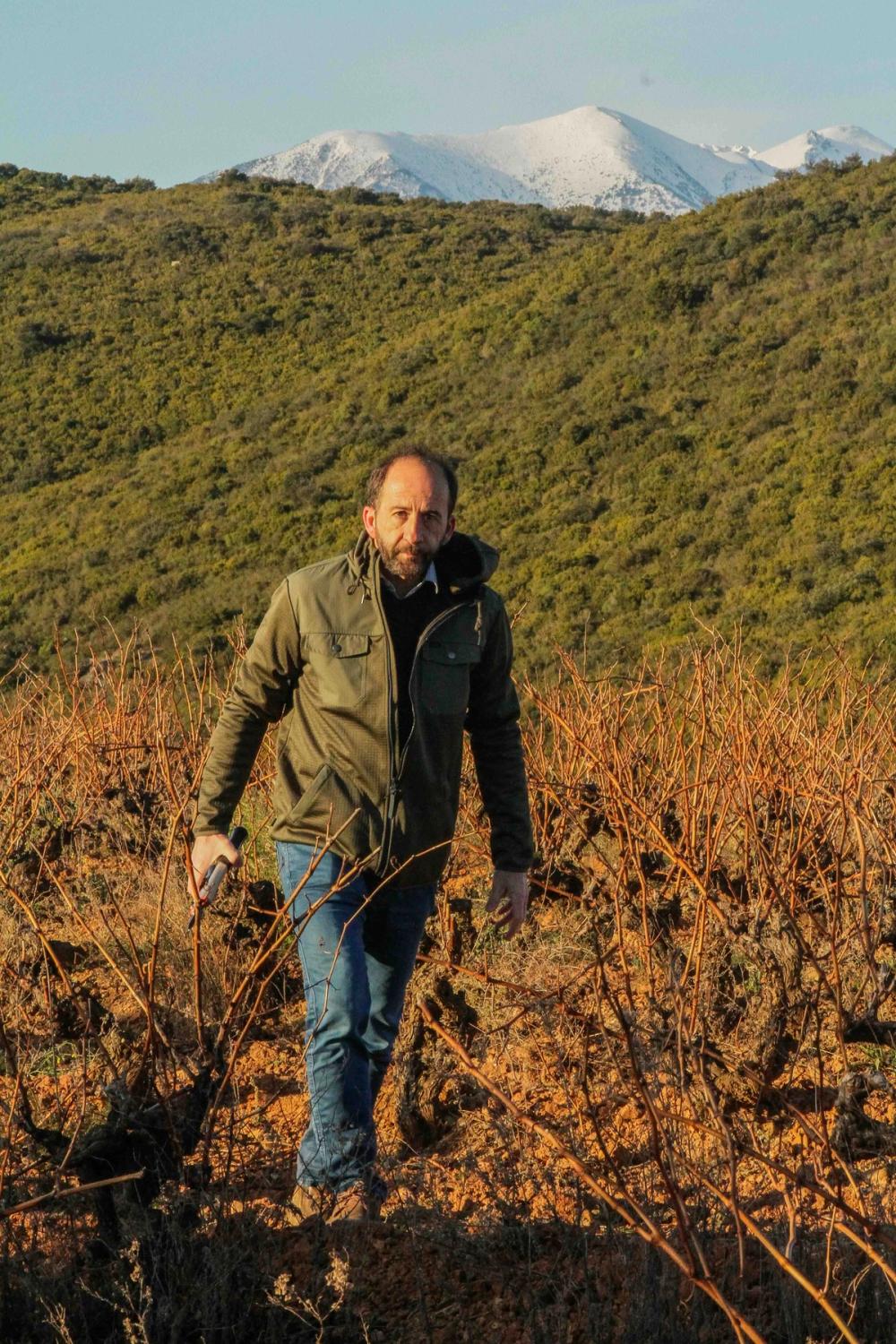
Jean-Marc Lafage is excited about the potential that working with Hallgarten gives his wine in the competitive UK market
The UK is what we consider a mature market in terms of wine consumption. Although Domaine Lafage exports more than half of its production, the UK has historically been behind some of our other key European markets in terms of volume.
To change that, we’ve invested in an ongoing public relations programme, alongside the tools we know are essential for success: consistent quality, fair pricing, a strong reputation, and a deep commitment to sustainability.
Our current focus is on the on-trade and independent merchant sector, where we can build strong relationships and share our story directly with engaged customers. We’re also open to exploring selective off-trade opportunities in the future where they’re the right fit.
What are your other key growth markets around the world and why?
Canada has long been an important market for us and is now our leading export destination, both in Quebec through SAQ, the government controlled monopoly, and in Ontario. This success reflects not only the current context in the US, but also our long-term commitment to working closely with our historical partners and our adoption of lighter bottles.
In Asia, Japan is a major focus. It’s a market with a strong appreciation for product value and quality, and we’ve built lasting relationships with very loyal partners there.
France, of course, remains a priority. While our first steps in sales development were abroad, the domestic market continues to be both a challenge and a major opportunity, with significant potential still to explore.
Tell us about your premium on-trade red and white wines, Cantaca and Moutou – why did you introduce them, and what do they offer wine buyers, restaurants, and independents?
It was important to us for Hallgarten to list these two wines, as they reflect our shared commitment to sustainability. Both come from vineyards involved in our regenerative viticulture trials, where we’re testing practices such as permanent cover crops, the use of biochar, and a strict no-plough approach to improve soil health and resilience.
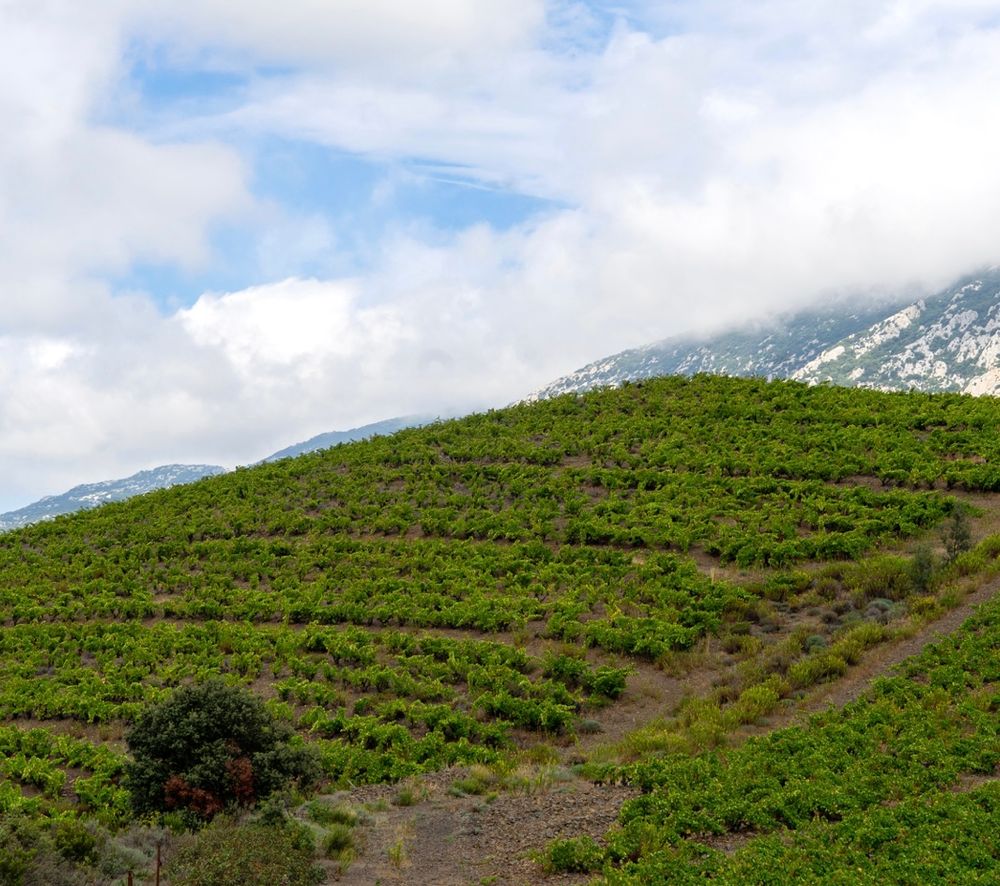
Lafage's Cantaca wine is made from grapes that come from the high altitude slopes Fenouillèdes near Limoux
Cantaca is an unusual and compelling white blend of Chardonnay, Petit Manseng, Chenin, and Sauvignon Blanc. Barrel-fermented for added texture, it delivers layers of citrus, stone fruit, and exotic spice, with a vibrant freshness that works beautifully with a range of dishes.
Moutou is a premium red made from 90% Grenache and 10% Syrah, offering depth, freshness, and fine-grained tannins. For us, these cuvées are powerful tools for opening meaningful conversations with wine buyers - both in restaurants and among independent retailers- while showcasing the quality and character that regenerative farming can deliver.
What steps and improvements have you made over the past 10 years in terms of winemaking and viticulture?
Adapting our viticulture to a changing climate has been one of our biggest challenges in recent years. We created a dedicated research and development department to focus on improving vineyard resilience, working on areas such as compost production, permanent cover crops, the use of biochar, conservation-focused irrigation, and earlier harvesting to achieve a fresher fruit profile.
In the winery, we’ve refined our approach to preserve freshness and naturally lower alcohol levels by picking earlier. We now carry out most of our extraction by gentle infusion rather than harsher extraction methods, allowing us to highlight the purity of fruit, balance, and elegance across the range.
What are the key challenges you are facing now - and how are you addressing them?
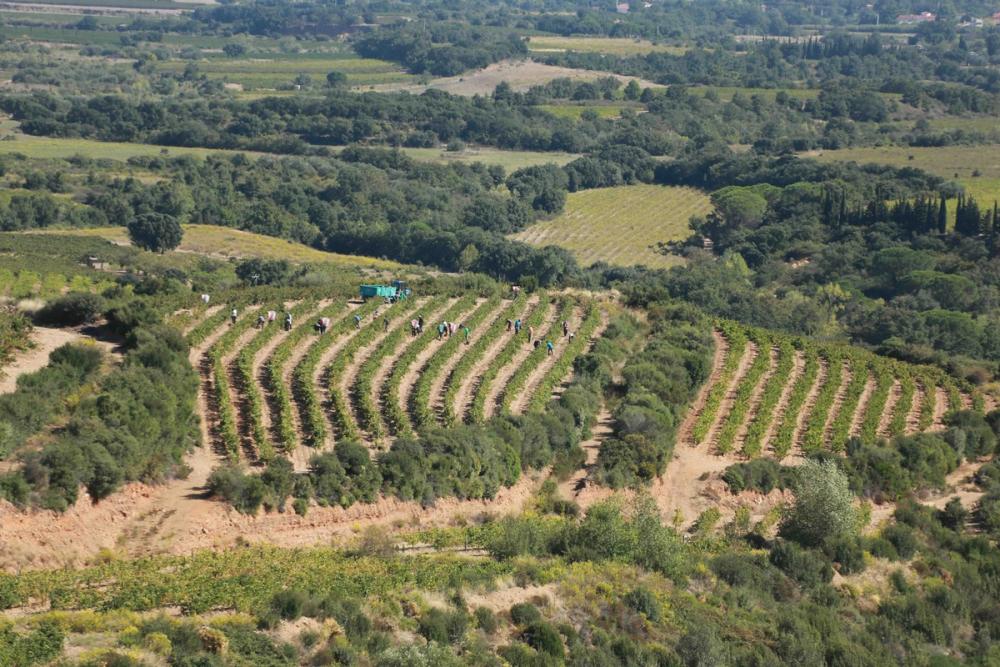
Jean-Marc Lafage has introduced regenerative viticulture practices to help protect his land, soils and vines for the long-term future
We’re navigating several major challenges: climate change, volatile markets, evolving consumption patterns, and the rapid rise of AI, which is a revolution and already transforming many aspects of our business.
Adapting has always been part of what we do, so we see these as opportunities as much as obstacles. Our approach is to keep improving, never take success for granted, listen closely to our customers, and remain open to the world. By staying flexible and forward-looking, we can respond quickly to change while continuing to strengthen the quality and sustainability of what we do.
For such an established producer, what do you see as your next opportunities and areas for growth?
We’ve recently introduced two white frizzante wines ‘Lafabuleuse’ and ‘Les Sardines qui Bullent’ - both at 9% ABV, and the response from customers has been very positive. This has encouraged us to explore the low-alcohol category further, building on our experience in producing fresh, fruit-driven wines that appeal to today’s more health-conscious consumers.
You’ve worked a lot with Californian and South African winemakers – what is it about those regions that you find interesting and useful to bring back to Roussillon?
When we began, we were inspired by the technology and sense of innovation we saw in California and South Africa - approaches that were not as common in France at the time. Both regions are also dealing with the same climate change challenges that we face, so exchanging ideas and experiences is incredibly valuable. Learning from their adaptability, experimentation, and problem-solving continues to influence the way we work in Roussillon today.
What steps are you taking around sustainability and adapting viticulture to cope with climate change?
We have developed a regenerative approach in many areas, being part of the Regenerative Viticulture Association and now A Greener World.
To preserve water, we’ve adopted regenerative hydrology. Our keyline-designed terraces help slow, infiltrate and store water, naturally. We use conservation irrigation and use three times less water than conventional irrigation. And yet, we achieve almost the same yields. That’s the kind of balance we strive for - efficiency without compromise.
To regenerate our soils, we work with compost and biochar - a porous and carbon-rich material that boosts soil life and water retention. We've seen young vines grow 45% more, with the same amount of water. We also re-use glass bottles, reduce tractor use with winter grazing, and are installing two hectares of solar panels to match our energy needs.
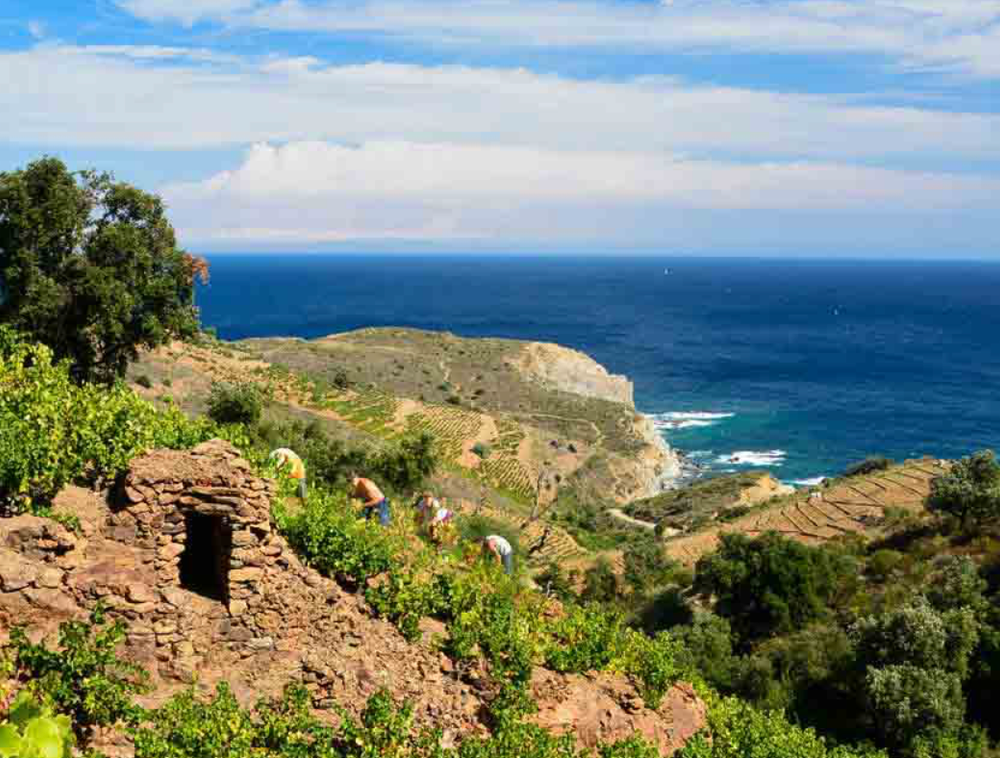
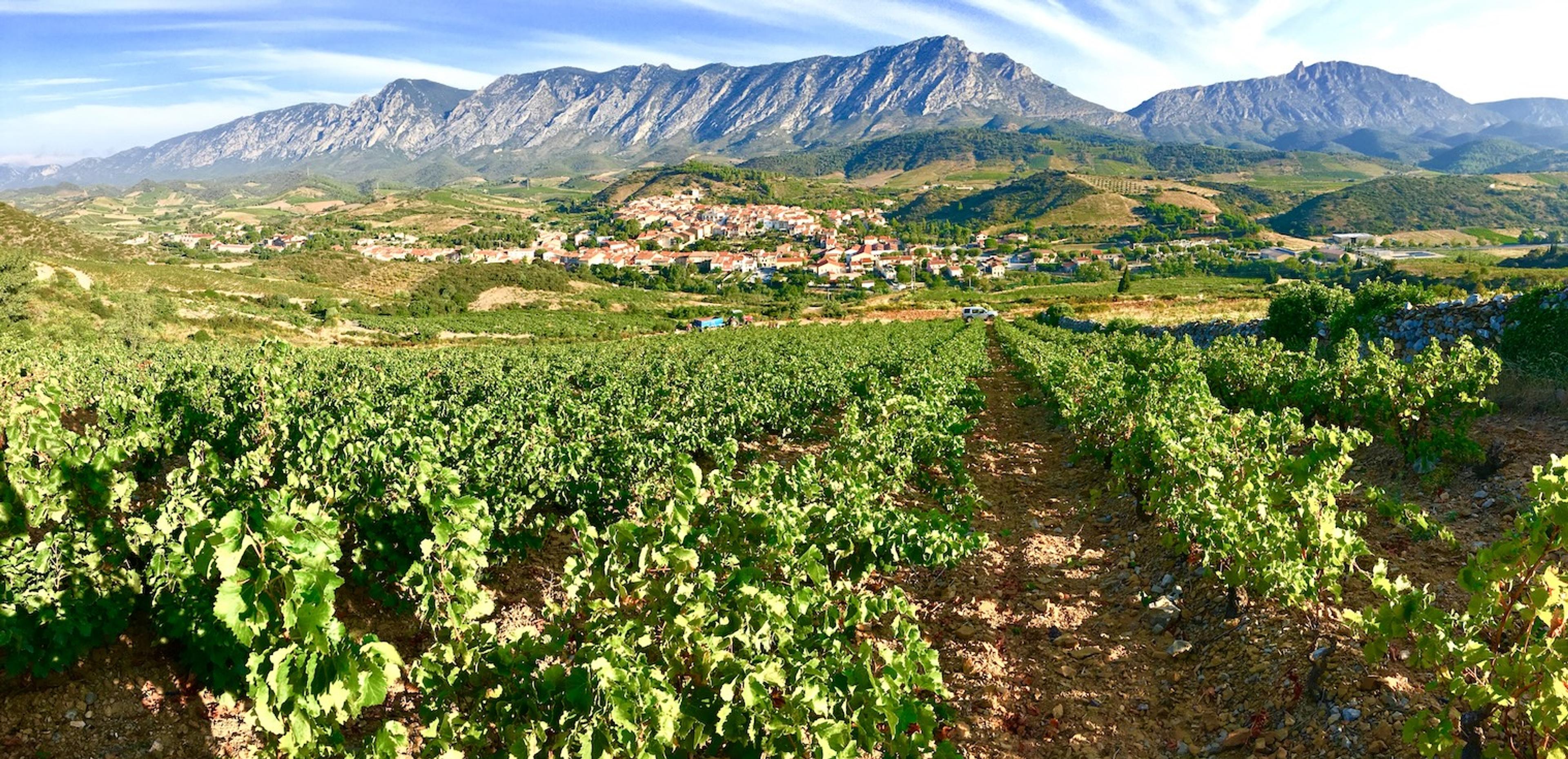
Lafage's picture postcard vineyard in Collioure which is very good for Grenache Noir in particular
Another powerful tool we use is cover cropping. From September to March, we sow natural covers between the vine rows. These plants protect the soil from erosion, boost biodiversity, and improve water infiltration. It’s a living layer that works quietly, but powerfully. In dry periods, we manage it carefully so it doesn’t compete with the vines, but in the off-season, it helps us build healthier soils and more resilient vineyards.
Since 2020, we’ve placed nearly 150 nest boxes for birds and bats. They eat millions of insects each year, protecting our vines naturally. We’ve planted almost 10 kilometres of hedgerows and converted 58 hectares to biodiversity areas. These are no longer just vineyards - they are complete ecosystems.
Even our grape varieties evolve: today, we cultivate and test over 40 different varieties, including drought-tolerant, disease-resistant, and even long-forgotten grapes to explore new balances, enrich biodiversity, and ensure that both our wines and our soils stay vibrant for future generations. This diversity of plant material is a powerful resource.
What have been the biggest steps taken so far in terms of sustainability?
Aside from the practices in the vineyard, we have drastically reduced the weight of our bottles. Step by step, we are reducing our footprint - verified through international standards like ISO 14064 and IWCA (International Wineries for Climate Action), where we are proud silver members.
That means our carbon footprint is measured across all scopes and verified according to strict international standards. We’re proud of that. But even more proud of the fact that this recognition reflects real action - in the field, in the winery, and with our community.
What future do you see for regenerative agriculture?
Regenerative agriculture has helped us build a comprehensive, science-driven approach to sustainability. It's holistic - focused on the water cycle, carbon storage, and biodiversity. These aren’t separate battles; they’re deeply connected.
Tell us more about your collaboration with INRAE and French universities – how is this helping to set a template for dry-farmed regions?
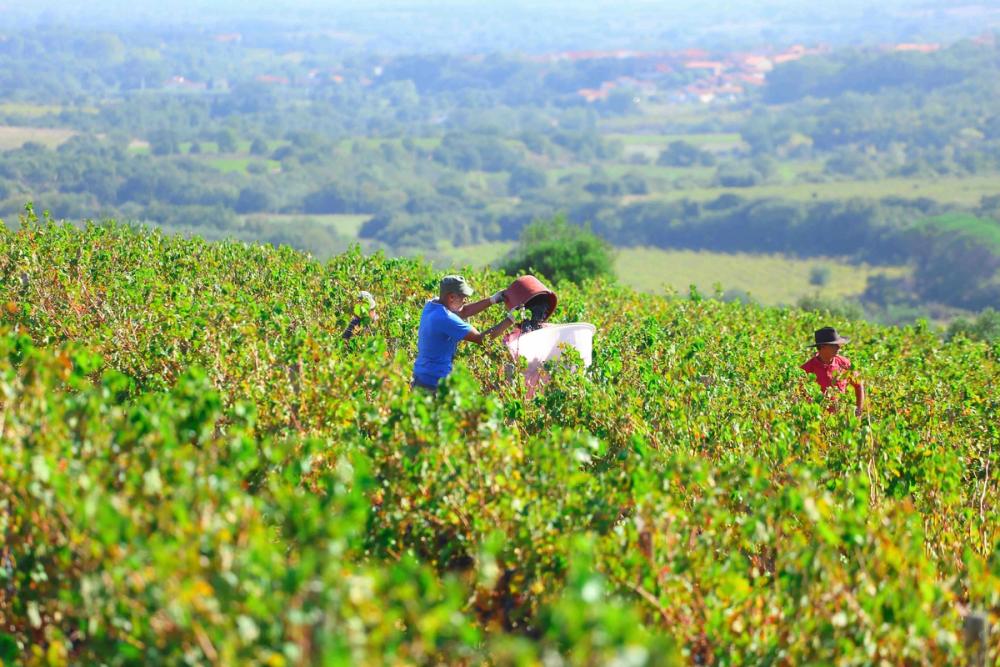
Harvest time at Lafage
A scientific and collaborative approach is essential to making meaningful progress, and it’s fully aligned with our values. Through these long-term research partnerships, data-based evidence and ongoing trials, we can make informed decisions and share proven techniques with other growers. Our aim is not just to improve our own resilience, but to create a replicable model that can benefit dry-farmed regions worldwide.
This spirit of collaboration ensures our work has an impact beyond our own vineyards, contributing to the broader conversation on sustainable viticulture.
What advice would you give your younger self?
It’s all about balance. In viticulture, we have a responsibility to work in a way that protects and regenerates our vineyards. Being closely involved in regenerative viticulture has sharpened our vision and reinforced that commitment.
In winemaking, my advice would be to work with the fruit, guiding it gently to express its full natural character, rather than forcing it into a certain style.
Joining the IWCA has also been invaluable, giving us a clearer picture of our carbon footprint and encouraging us to take more responsible actions every day.
Lafage is a proud family business, and you’re now the seventh generation. What’s next for the domaine? Are your children involved, and do you see them taking on a more active role in the future?
My eldest, Léa, will be joining the company very soon. She’s an agricultural engineer and has spent several years working in distribution, so she brings both technical and commercial experience.
Nicolas is still studying wine industry sales and is a little too young to return just yet, but he’s passionate about travel and has already gained valuable experience working abroad.
My youngest daughter, Azalée, is only two – so we have plenty of time before she decides on her path.
Both Léa and Nicolas are deeply proud of the domaine, and I’m confident they’ll bring fresh ideas and help diversify the business in the future.
What do you want the Lafage legacy to stand for in the next generation?
We want our legacy to be one of pride in our land and its extraordinary diversity. For us, sustainability is not about perfection – it’s about conviction. It’s about making bold decisions, rooted in both tradition and innovation, to protect what we have for the future.
We’ve come a long way, but we know the journey is far from over. We don’t do this for awards or recognition; we do it because we love this land. Because we want our children – and yours – to walk through these vineyards and feel proud.
* You can find out more about Domaine Lafage here.