Artelium is still a relatively young English wine estate. What was the original vision behind the project and how has that evolved since launch?
Julie Bretland: Artelium was founded with a clear but ambitious vision: to create world-class wines in England. But from the outset, it was never just about wine in isolation, it was about building something more personal and more holistic. Wine and art are both long-standing passions for Mark and I, and Artelium was always intended to bring those together in a meaningful way.
As the estate has developed, that vision has sharpened rather than changed. Each vintage gives us a better understanding of our sites, our soils and the style we want to express. What’s evolved is the confidence in that expression, and a clearer sense of what Artelium stands for, both as a producer and as a destination.
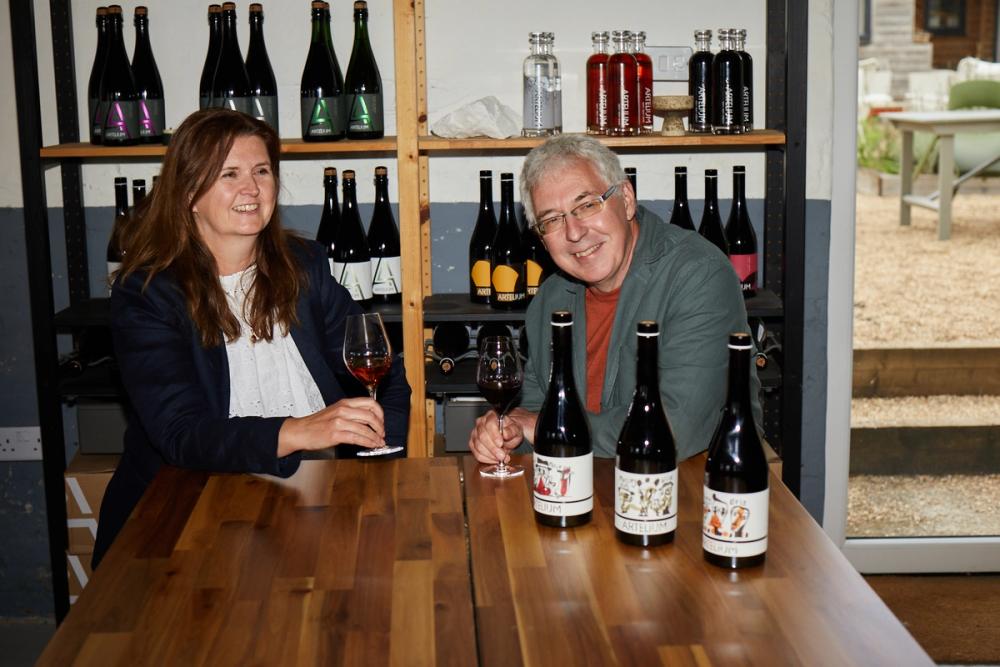
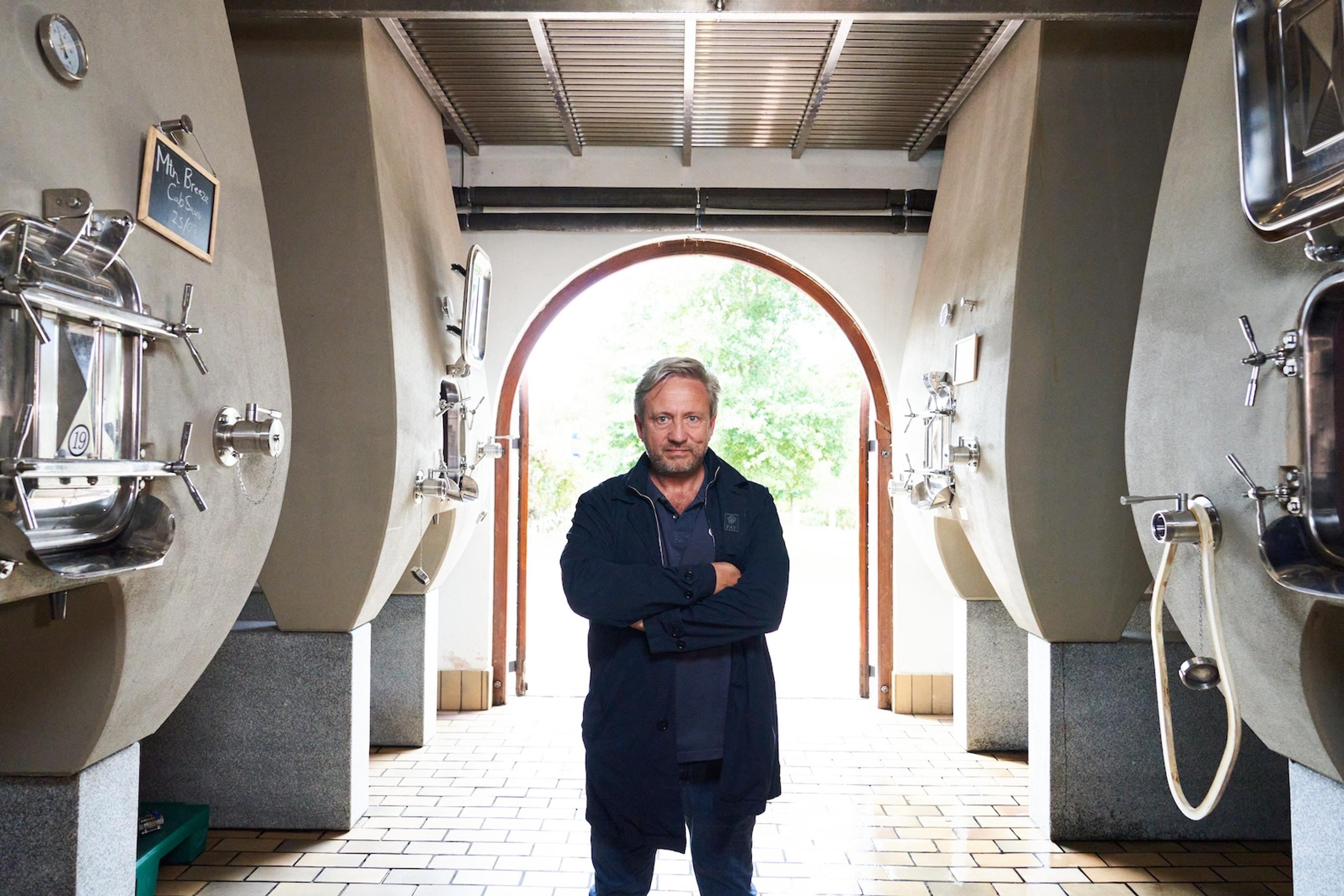
Julie Bertland Mark Collins are proud of what they have been able to achieve at Artelium in a short period of time
A big part of that is patience. It’s often talked about in relation to sparkling wine, but it’s just as important for our still wines. We’re prepared to wait, to let the wines develop and effectively tell us when they’re ready, rather than rushing them to market. Of course, that requires balancing the realities of running a business, but it’s fundamental to how we think about quality and longevity. We’re not building something for the short term; we’re creating a business and a body of wines that are designed to stand the test of time.
Artelium brings together wine, art and hospitality. Why was it important to build a destination that goes beyond just producing wine?
Bretland: The context in which you drink wine is incredibly important. People rarely remember just the glass itself they remember the setting, the atmosphere, who they were with. It might be a lunch outdoors, a view, a moment that stays with you. That sense of place and time is central to what we’re trying to create. By bringing together wine, art and hospitality, we’re adding layers to the experience. It allows people to engage more deeply, to slow down, to connect, and to understand the wines in a more meaningful way. Ultimately, that context elevates everything.
Your vineyards span a mix of chalk and clay soils across Sussex. How do those different terroirs shape the wines you produce?
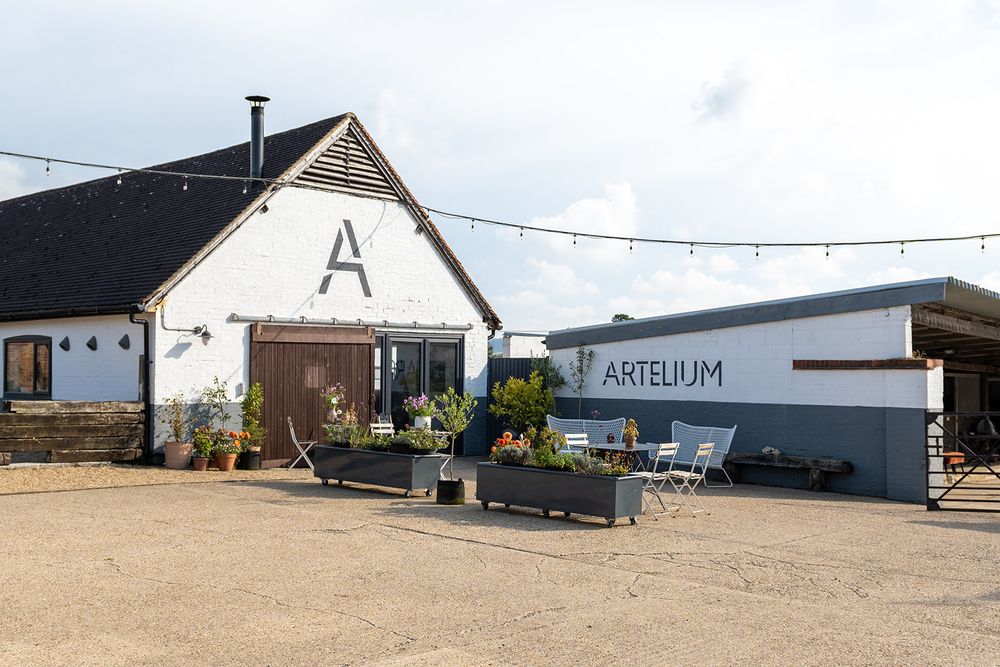
Mark Collins: The contrast between chalk and clay is fundamental to our winemaking. We have two vineyard sites, Streat Site located between Ditchling and Plumpton, the Streat Vineyard spans 20 acres of clay soil and hosts around 40,000 vines. This site mirrors the varietal and clonal diversity of Madehurst, offering contrast in growing conditions. Streat is also home to our cellar door operation.
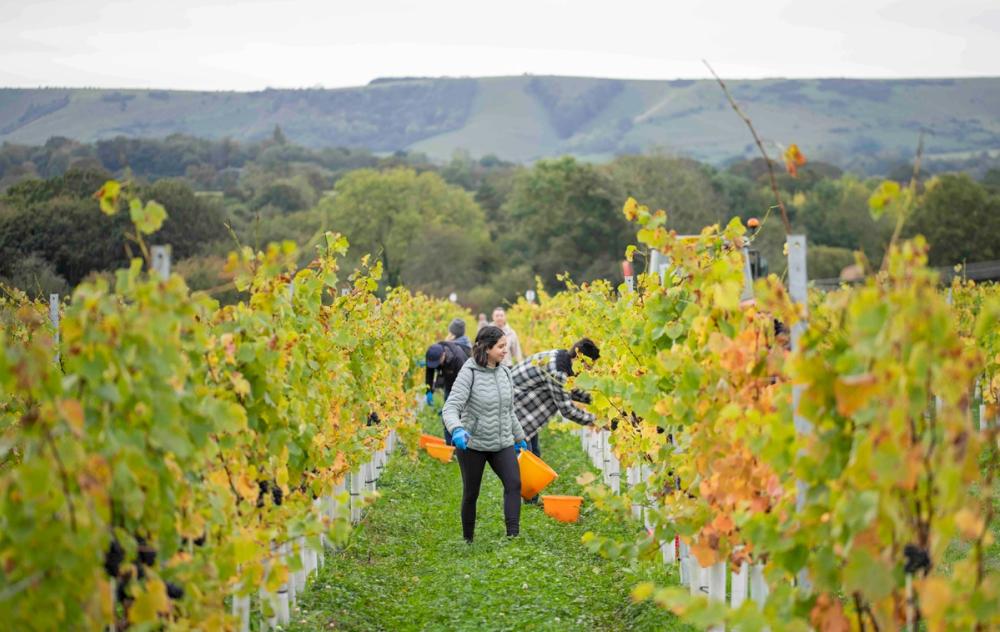
Artelium has two main vineyards in Sussex
Our largest site is the Madehurst Vineyard, located within the South Downs National Park. This 45-acre chalk-rich site is home to more than 85,000 vines, planted in 2019 and 2020. It is also where our winery is located, producing its first vintage in 2022.
The chalk soils lend themselves beautifully to sparkling wines, they give precision, elegance, and a linear, refined structure. Clay, on the other hand, is incredibly valuable for still wines. It brings texture, warmth, and depth, allowing us to produce wines with more richness and generosity.
Having both gives us flexibility and complexity across the range, and as the vines mature, those distinctions are becoming increasingly clear in the glass.
Sustainability is becoming central to English viticulture. What practices are you prioritising in the vineyard?
Collins: For us, it starts with soil health. If the soil is alive and balanced, everything else follows. We use cover crops between the vines to improve structure and biodiversity, and we focus heavily on reducing chemical inputs. We also prioritise biodiversity more broadly managing hedgerows, encouraging wildlife, and using mechanical rather than chemical interventions wherever possible.
Our PIWI plantings are a key part of this approach too. They’re naturally disease-resistant and require far fewer inputs, which makes them an important part of building a more resilient, lower-impact vineyard system over time.
Your range includes both sparkling and still wines. How do you decide where the fruit goes in a given vintage?
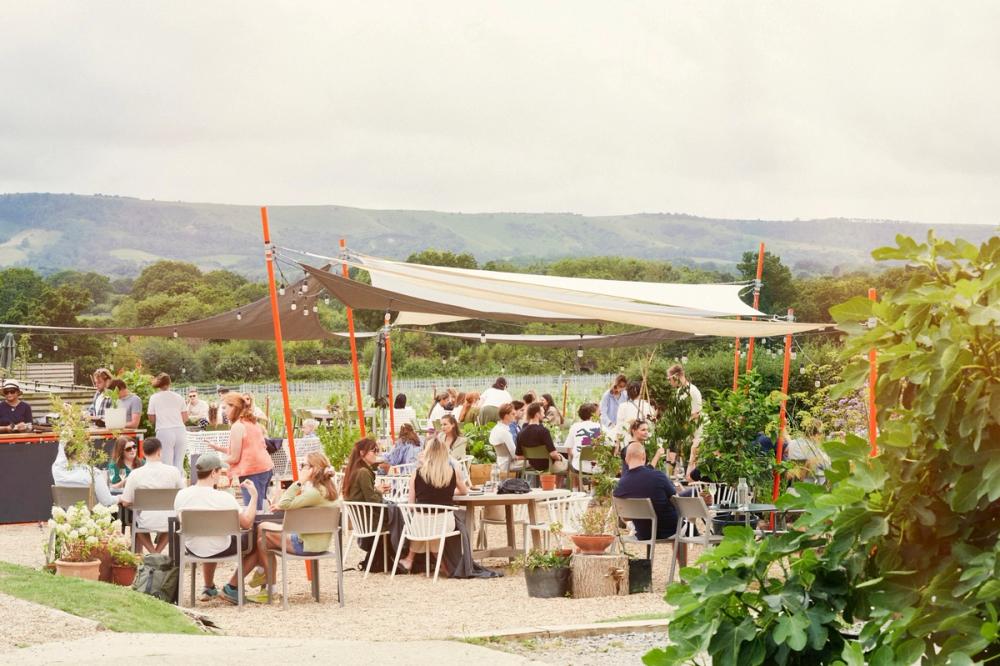
Hospitality is a key part of what Artelium does with a healthy cellar door business
Collins: Each style has very different requirements, we only release vintage wines so the decision is both strategic and reactive. Clone selection plays a role, Burgundy clones tend to be more suited to still wines, with greater fruit expression and ripeness, while Champagne clones typically retain higher acidity and structure, making them ideal for sparkling.
Beyond that, it comes down to the vintage. We assess ripeness, balance, acidity, and flavour development parcel by parcel. Some years naturally favour still wines, others sparkling. The key is to remain patient and flexible and let the fruit dictate the outcome, rather than forcing it into a predetermined style.
English wine has developed rapidly over the past decade. Where do you see Artelium positioned within that evolution?
Bertland: We’re very much part of the newer wave of English wine producers there’s no legacy estate behind us, everything has been built from the ground up. That brings a certain freedom, but also responsibility. What’s exciting is that the category is moving beyond simply proving that English wine can be good.
That question has largely been answered. Now the conversation is about identity, site expression and stylistic diversity and that’s where we see ourselves contributing. We’re particularly focused on high-quality still and sparkling wines, and also on pushing things forward through PIWI varieties. More broadly, we want to be part of shaping what premium English wine looks like in its next phase not just in terms of quality, but in terms of confidence and distinctiveness.
How do you see the UK market for premium English wine evolving over the next five to ten years? Where are the biggest opportunities for Artelium?
Collins: English wine already sits naturally in the premium space, but the interesting shift is that consumers are becoming far more comfortable with that positioning. There’s growing confidence in the category, and that’s starting to translate into real traction on wine lists. At the moment, it still represents a very small share of overall consumption, which underlines the scale of the opportunity. We expect to see steady growth, particularly as people become more familiar with the styles and start actively seeking them out.
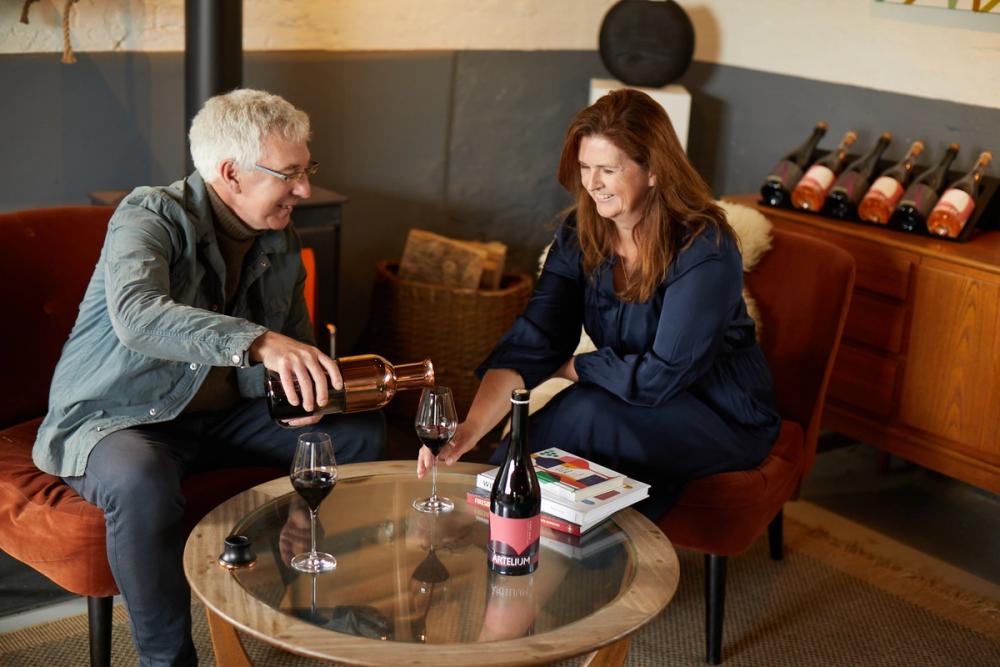
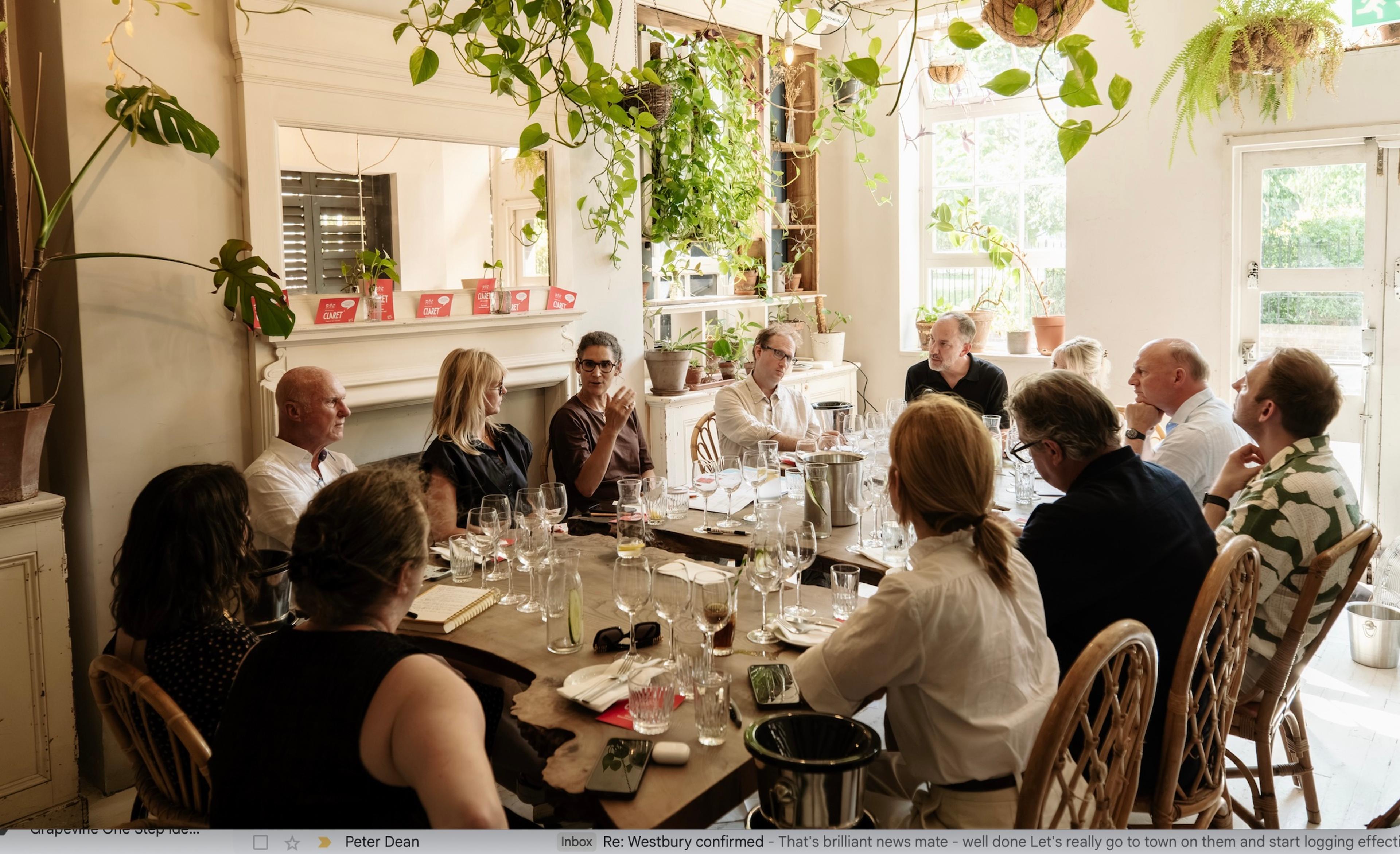
Artelium's Mark Collins and Julie Bertland are keen to work collaboratively with other produders in Sussex and in other counties
There’s also a strong alignment with broader drinking trends freshness, balance, lower alcohol which plays to England’s strengths. For us, the biggest opportunities are in premium hospitality, where there’s an appetite for wines with a clear sense of place, and in export markets where English wine still feels new and intriguing.
Artelium was selected for the Walpole Brands of Tomorrow programme. What does that recognition mean for the business?
Bertland: The recognition from Walpole has been hugely significant. It brings a level of credibility that goes beyond wine and places Artelium within a broader conversation around British luxury.
It’s also been invaluable from a strategic perspective, helping us refine how we think about brand, positioning and long-term growth. Being part of that network, alongside other forward-thinking businesses, has been both inspiring and grounding.
English wine is increasingly positioned as a premium category. How does that influence your brand approach?
Collins: It makes you very conscious of staying authentic. Premium, for us, isn’t about being showy or overworked, it’s about quiet confidence, consistency and integrity. We’ve deliberately taken a restrained approach to the brand. Clean design, thoughtful communication, and a focus on the wines themselves. In a category where price is often part of the conversation, it’s important that everything feels considered and credible.
More broadly, as English wine establishes itself at the premium end, there’s a collective responsibility to ensure that positioning is backed up by quality and clarity. That’s what builds long-term trust.
From a sommelier and buyer perspective, where do you see Artelium wines fitting on restaurant wine lists?
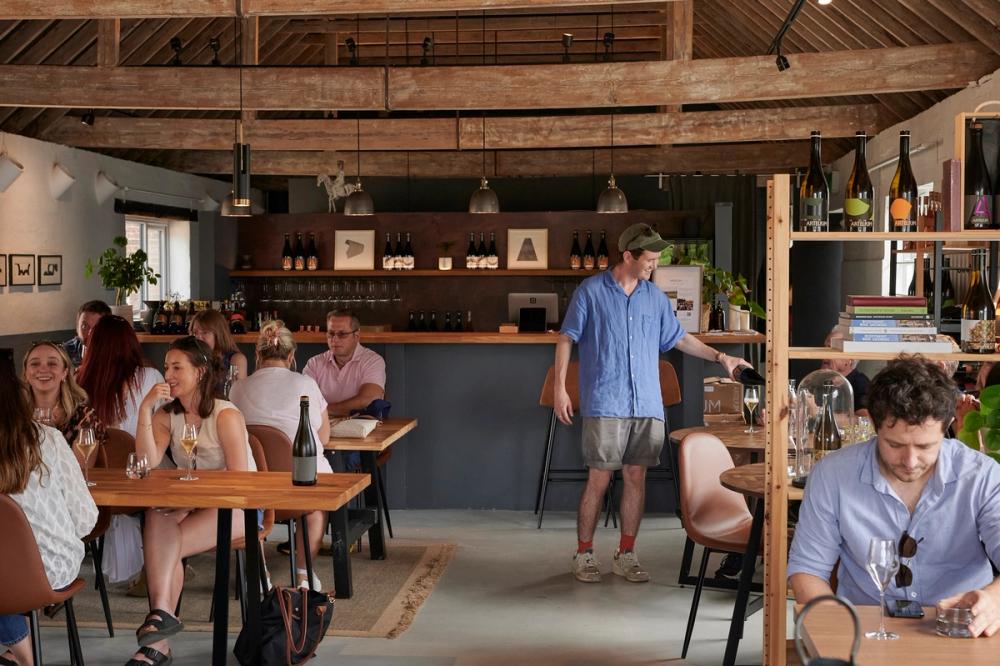
Artelium runs its own wine bar
Bertland: We tend to work best in places where there’s an openness to discovery. The sparkling wines sit comfortably alongside grower Champagnes in terms of style and intent, which gives sommeliers a useful reference point. The still wines are perhaps where things get more interesting they offer something that’s still relatively unexpected for many customers. For restaurants looking to champion emerging regions or add a more contemporary British perspective to their list, they can be a really engaging addition.
Ultimately, they are wines that start conversations, and that’s often what the on-trade is looking for.
What feedback are you getting from the on-trade about English wines generally?
Bertland: There’s been a noticeable shift over the past few years. It’s no longer just curiosity there’s genuine belief in the category now. Buyers are also much more informed. They understand both the strengths and the constraints of English wine, which leads to more meaningful conversations.
Importantly, the wines are increasingly being judged on their own terms, alongside international peers, rather than as a novelty or a patriotic choice. That’s a big step forward for the category as a whole.
Pricing can often be a discussion point for English wine. How do you communicate value to hospitality operators?
Collins: It’s about being open and realistic. English wine comes with inherent challenges, low yields, high production costs, and a marginal climate and those factors inevitably feed into pricing. But ultimately, value must come from what’s in the glass and how the wine performs in a hospitality setting. When a wine connects with customers, encourages a second glass, or adds something distinctive to a list, that’s where the conversation shifts.
As the category matures, we’re also seeing greater acceptance that premium English wine sits alongside other fine wine regions, rather than being compared to entry-level alternatives.
Export is becoming a major focus for the category. Which markets are most interesting for Artelium?
Collins: We’re particularly interested in markets that value provenance, craftsmanship and story.We are doing well in the US and Scandinavia but our current focus is Europe and the West Coast of the US. English wine is still relatively new in many of these regions, which creates an opportunity.
That said, our approach is deliberately selective. It’s about finding the right partners and building relationships, rather than scaling quickly
What does the English wine category need to do collectively to strengthen its global reputation?
Bertland: There’s a real opportunity right now, but it needs to be handled carefully. Consistency of quality is absolutely key, but so is clarity in how we talk about English wine. We need to be more confident in defining what makes it distinctive stylistically and culturally rather than leaning too heavily on comparisons.
Collaboration across the category will be important in building that message internationally. Premium positioning brings expectations, but it also brings a chance to establish something genuinely credible on the global stage.
Finally, what are the key priorities for Artelium over the next few years?
Collins: Our focus is on refinement and longevity. That means continuing to improve quality in both the vineyard and winery, strengthening our relationships in the on-trade and growing the brand in a measured, sustainable way. Above all, it’s about staying true to the original vision and creating wines and experiences that are thoughtful, expressive and built to last.
* You can find out more about Artelium here.