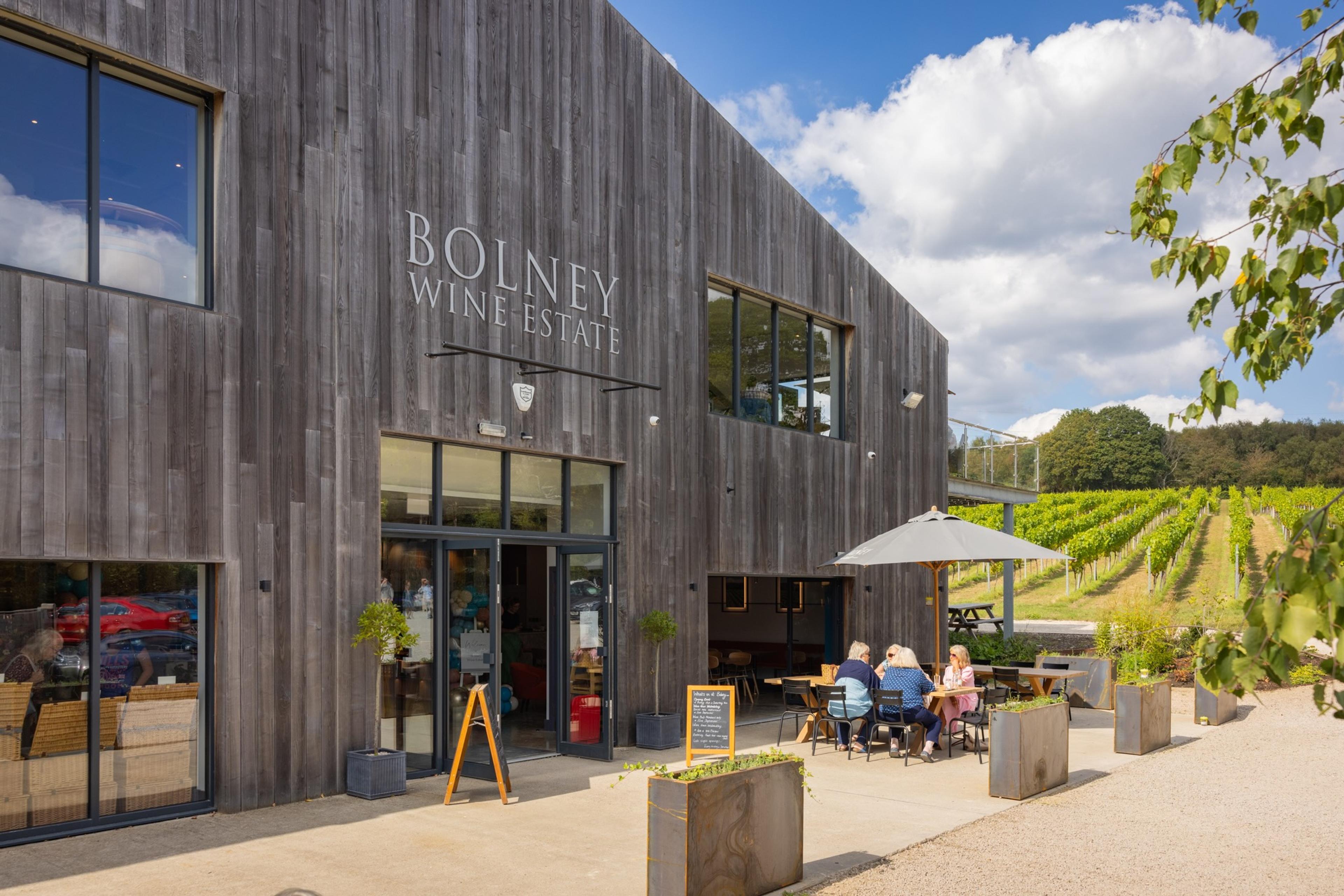

If you were looking for an example of how fast paced the English wine sector is then a trip to Bolney Wine Estate will give you the fillip you are looking for.
The entrance to Bolney’s main offices, outside Haywards Health in west Sussex, has been redesigned and split into a busy busy café, wine bar to the right, a large open plan shopping area to the left, leading through to high-tech, state-of-the-art tasting rooms ahead of you.
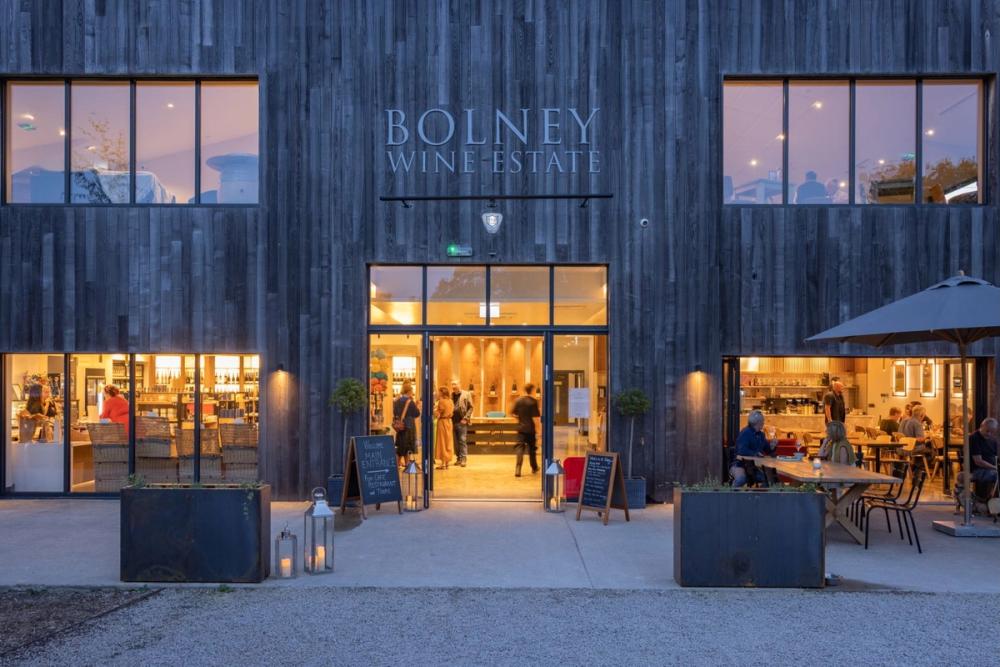
The entrance to the revamped Bolney Wine Estate main offices and new shop, restaurant and tasting room areas
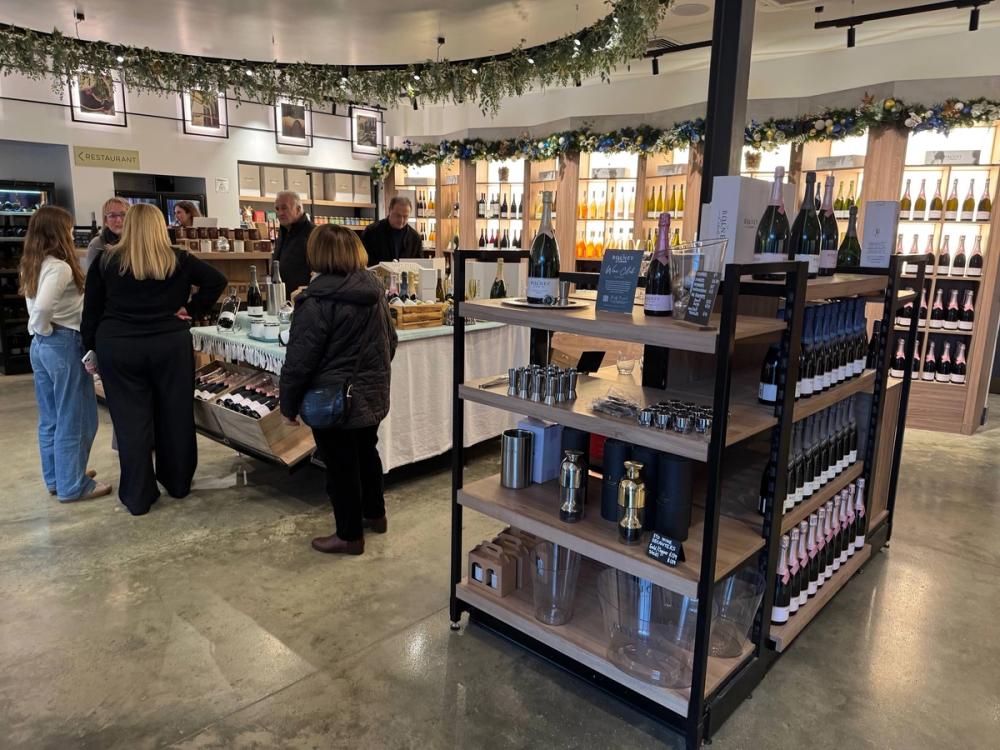
Bolney now attracts regular visitors every day for tours, and to visit its restaurant, café and wine shop
In fact, if was not for the wind and the November rain outside you might be mistaken for thinking you were in one of the big tourist winery attractions in Australia’s Margaret River, Argentina’s Uco Valley, or California’s Napa Valley.
A big rise in tourism, wine tours and cellar door sales are the most visible results of what has been a multi-million pound investment by Freixenet Copestick since it took over the family wine estate in January 2022.
The other most obviously striking aspect of the takeover are the lack of vines on the actual Bolney estate - the result of a major replanting programme - and new tanks and production facilities in the main winery, all part of a restructuring strategy that hopes to take Bolney on to a completely different footing in the English wine sector.
It’s not, though, as if Freixenet Copestick has just walked in and decided to throw everything up in the air and start again. It has only been over the last 18 months that a lot of the changes have started to be put in place. It took the business, and its owners, the sparkling wine powerhouse that is Henkell Freixenet, time to reflect, analyse and assess just what it is it had bought.
Which essentially was one of the country’s best regarded, small independent family-owned wine estate - run most recently by Sam Linter, now director of wine at Plumpton College.
But it was only ever with outside investment going to be able to get anywhere close to achieving its full potential. Which is what the team at Freixenet Copestick is out to achieve.
Starting over

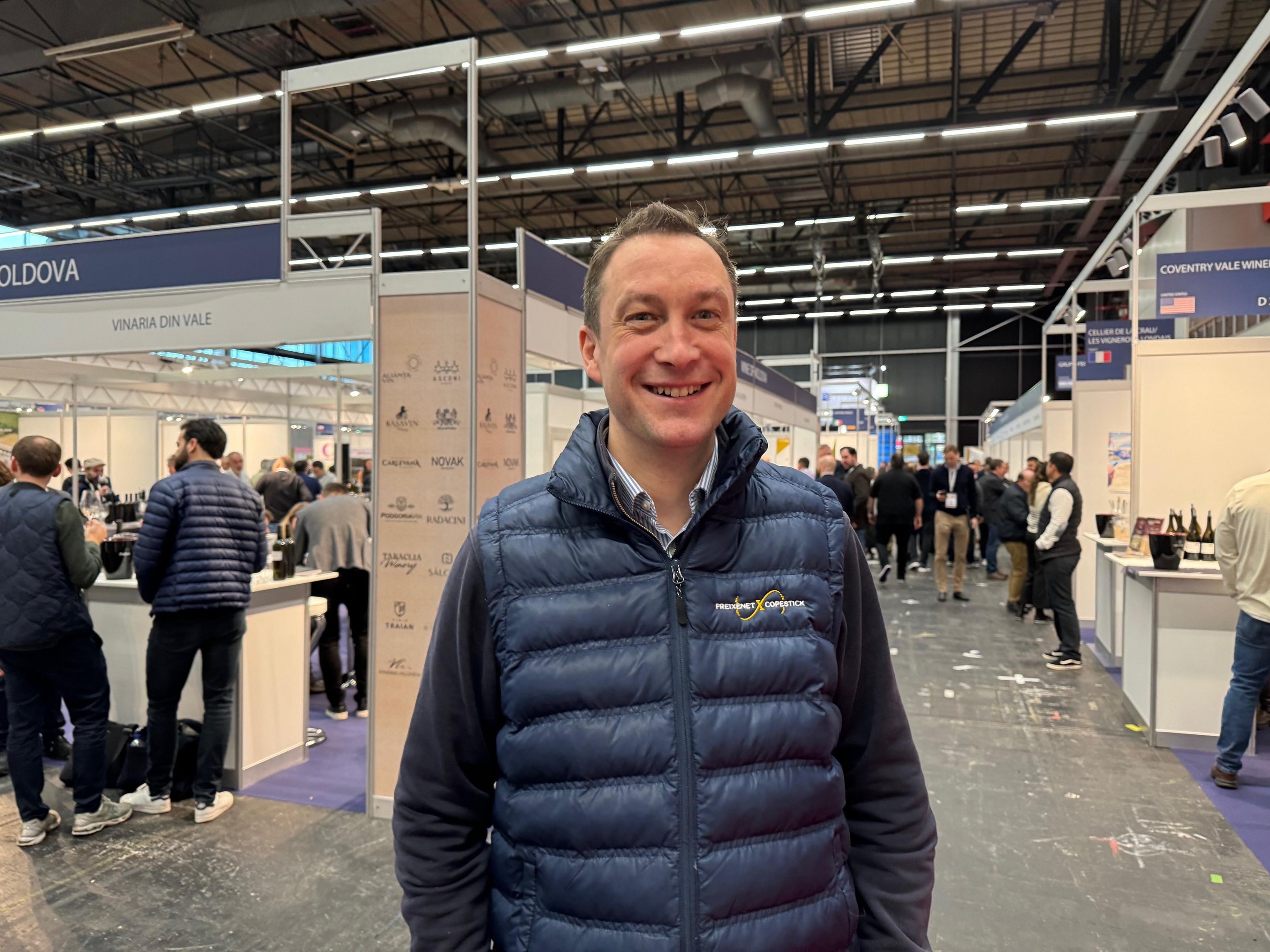
Freixenet Copestick's managing director, Robin Copestick, is excited about how the huge potential that Bolney still has to build sales in all channels of the market
Robin Copestick explains: “The English wine industry is currently under pressure. At Bolney we are a company, with the backing of Henkell Freixenet, that can help. There is a big opportunity in English wine providing you can professionalise and commercialise and realise your success. It takes a lot of working capital and a lot of expertise.”
It also, he stresses, needs and “takes time to invest” which is what Henkell Freixenet is prepared to do at Bolney.
“It’s why the big retailers are believing in us and giving us the space to create the sales and the demand,” he adds.
The pace of change at Bolney needs to be seen to be believed, says operations director Rob Hilton: “Our plan is to invest over the next two years on every front in order to professionalise and modernise everything we are doing.”
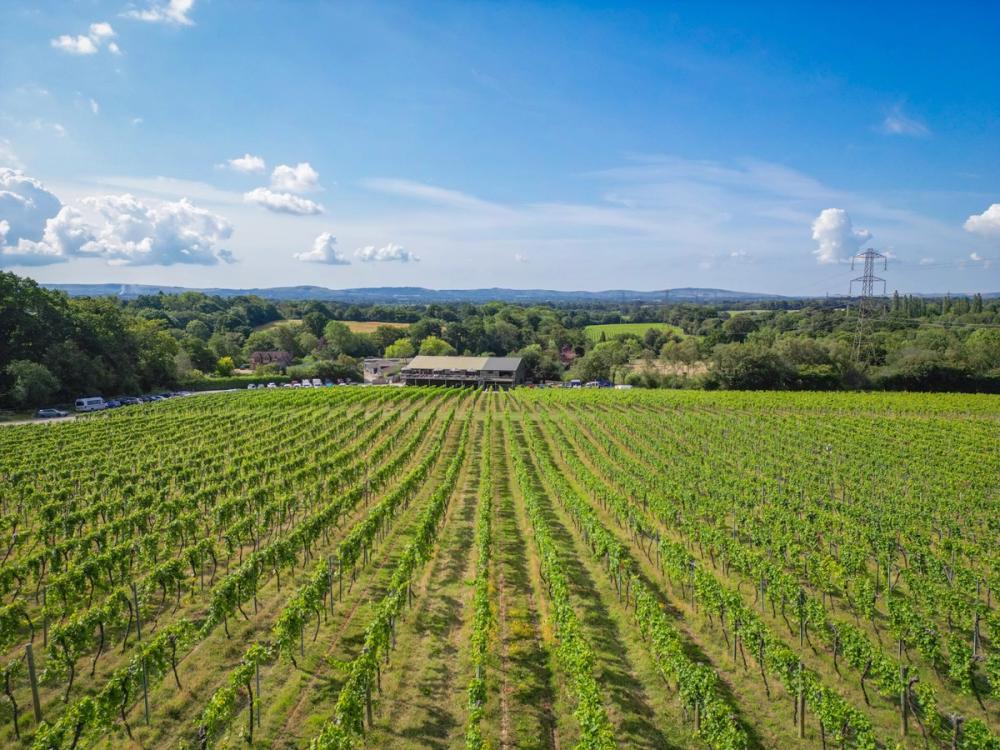
Most of the vines at Bolney Wine Estate are being replanted to put in the right clones and varieties to make premium English still and sparkling wine
The vineyard replanting programme, for example, is an essential part of the Bolney transformation strategy, as Hilton explains: “We know so much more now about vines than we did 20 years ago. We are now putting in the best Champagne clone varieties for the soils we have here.”
Whilst the vines on the Bolney Estate are very much part of the tourism experience, they only account for 8% of Bolney’s production with the bulk of the grapes being sourced from contracts it has with key growers in different parts of southern England.
It leases, for example, 14 hectares of vines from the nearby Albourne Estate in Sussex- which makes up 25% of its production, with the rest being bought on the open market.
The grapes, though, that come from the Bolney Estate vines will go into its top quality, highest priced wines and look to build the producer’s name both in the UK, but also internationally.
“We felt it was best to start again and do it properly rather than try and work with the vines we have,” says Hilton, which means there will be no wines produced from grapes grown at the actual estate for the next three vintages.
The Bolney style
But that also gives Bolney the time to develop wines that sit within the “Bolney style” but can be sourced from multiple growers in different regions, with each one providing different elements for the finished wine.
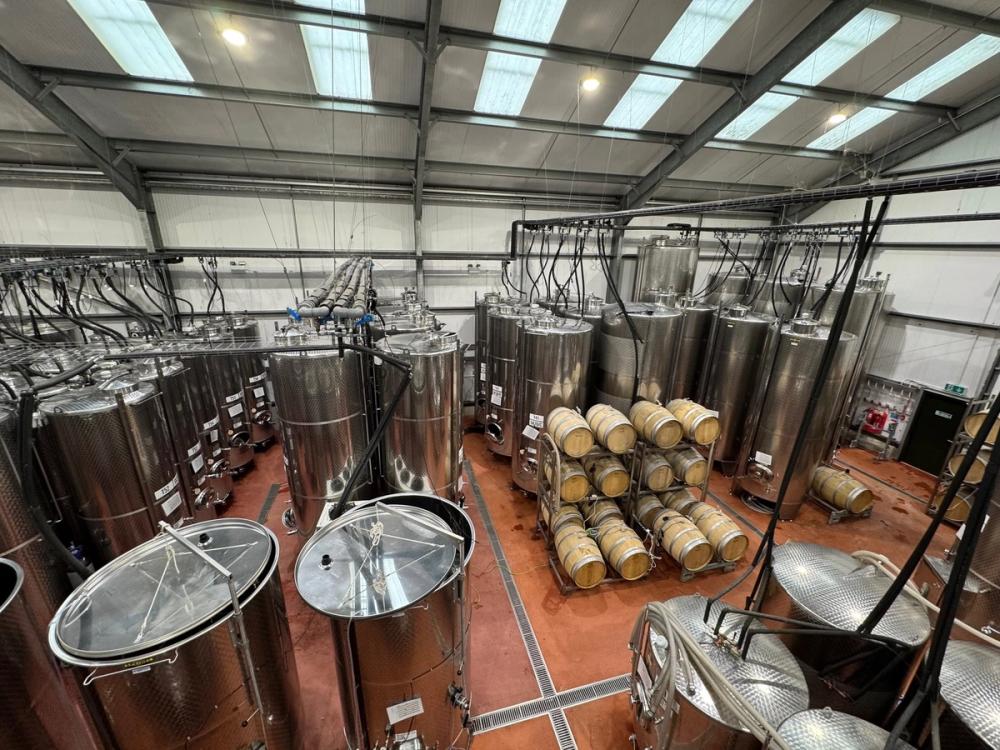
Freixenet Copestick is putting in a considerable investment to upgrade all aspects of the Bolney winemaking operation
A large proportion of Freixenet Copestick’s “six figure” investment is going into the Bolney winery, which is now capable of handling 500 tonnes of fruit per harvest and producing 500,000 plus bottles
The skill and art of blending all the wine coming into the winery lies with the Bolney winemaking team - made up of head of winemaking, Cara Lee Dely, and winemaker, Miguel Symington, from the esteemed Symington port family, who only joined the estate on the first day of the 2025 harvest in September after spells at Rathfinny (four years) and Ridgeview (five years).
Symington says he is excited by the challenge of developing his still winemaking skills at Bolney, whilst building on his strong sparkling wine experience.
He says he is particularly interested in the opportunity to work with grapes grown in very different English winemaking climates. Be it the "high alcohol you find in grapes in Essex”, versus the high acids and moderate alcohols from Hampshire, or the ripeness levels you get from the Crouch Valley which give such “good quality grapes, full of character, acidity, alcohol and flavour”.
“A good start point for making still wine,” he says.
“We are able to source parcels of wine from all the right places in order to make the best wine we can. You need to have the ability to blend as the UK harvest varies so much. You need those blending components to get the consistency and reliability you need. It’s another one of the reasons why I am here.”
Commitment to invest
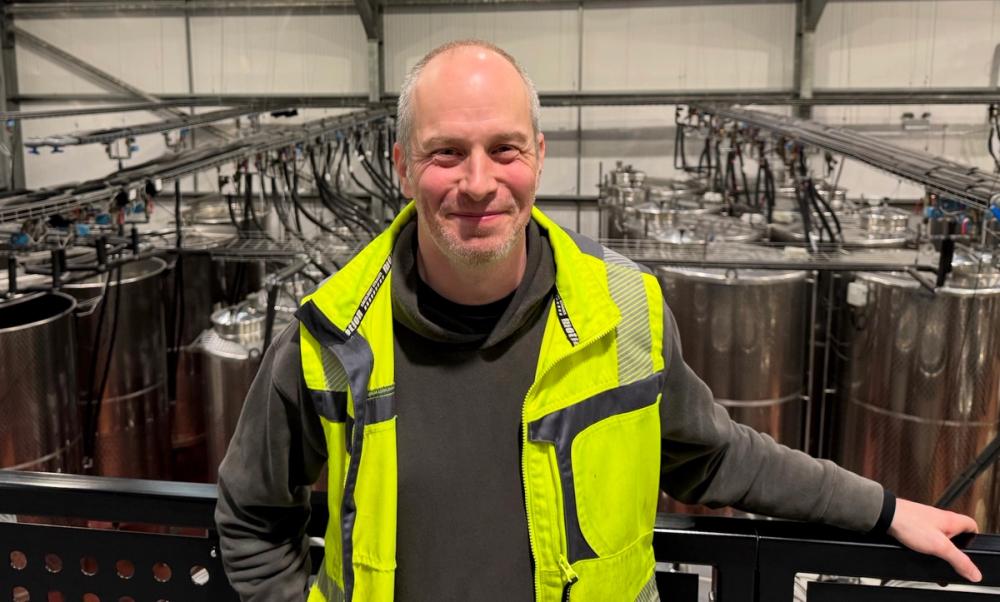
Miguel Symington has joined Bolney as winemaker alongside head of winemaking, Cara Lee Dely
He says the fact that Freixenet Copestick is looking to invest in all three key areas of winemaking - vineyards, winery and people - shows Bolney is in the right hands.
It also, he says, knows what it wants and recognises the need to make those investments as well as spending the time to focus on finding the right growers and suppliers to work with and paying them a price for their grapes which means they will be ready to go back to them year after year.
Hilton confirms having both the expertise but also the financial support of Henkell Freixenet is invaluable in taking on a producer of this size and potential.
“It is a different place to be,” he concedes pointing to the investment it has been able to make in buying an extra 10 tanks for the winery last year, on top of its own dedicated labelling and disgorgement lines.
It is also, he says, using the same winery software systems that Gloria Ferrer, the Californian sparkling wine producer owned by Henkell Freixenet, uses in order to track and monitor what is happening in its tanks at any given time.
“We are getting much more experienced in sparkling wine and learning all the time how to deal, for example, with vintage variations,” he says.
Symington agrees: “We are still getting to grips with the UK climate, but there have been big changes made over the last five years to help us cope with it. Particularly in handling low and high yields.”
It’s why seeing the new vines being planted at Bolney is particularly exciting as it means the estate will really be able to “showcase” what it can do.
Right time right place
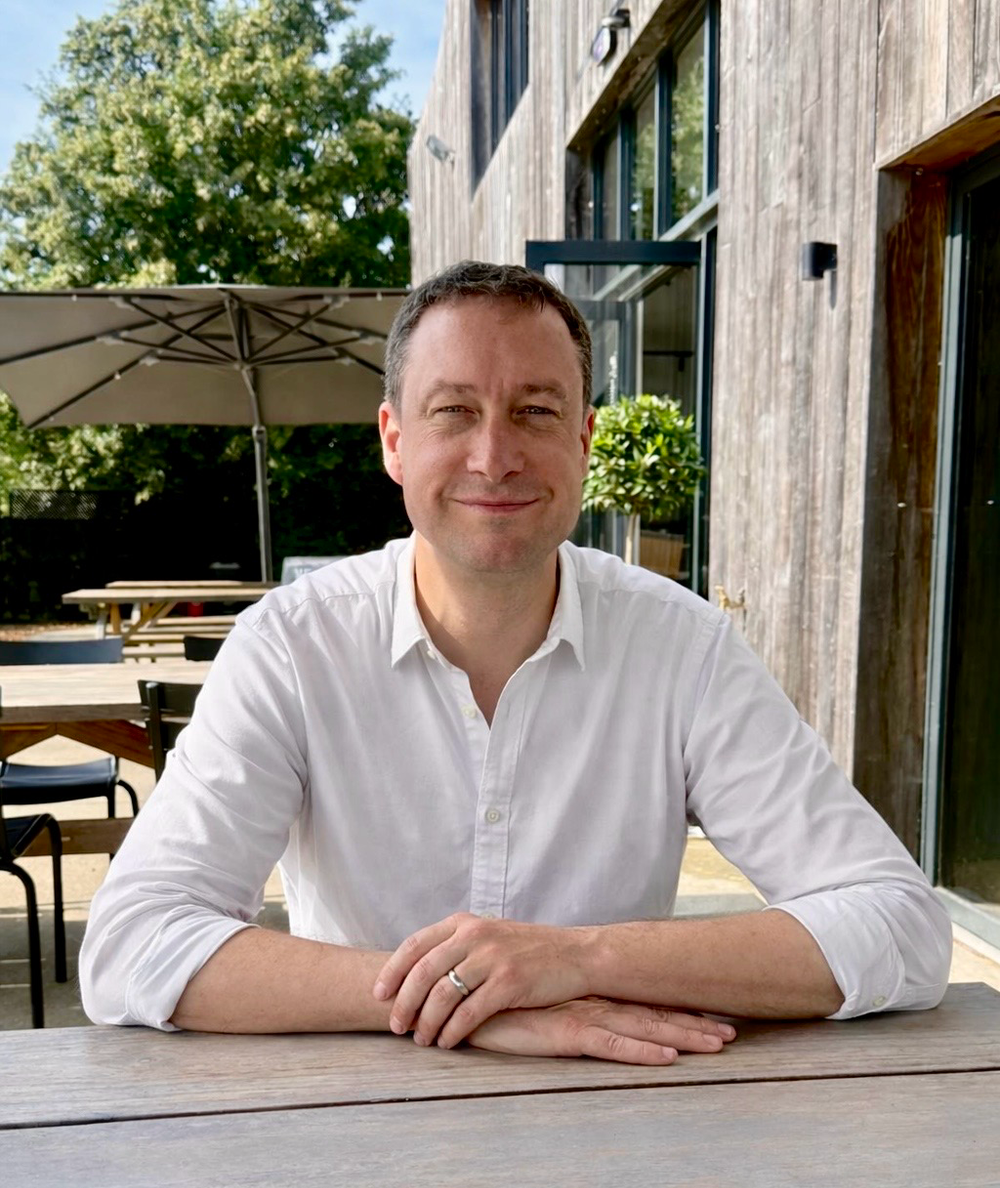
Rob Hilton says Freixenet Copestick is working hard to "professionalise" and take a long term view on how it can help take all aspects of the Bolney operation to another level
Hilton believes the Bolney acquisition has come at just the right time for Freixenet Copestick to really capitalise and take it to the next level.
His own operations role sees him managing and taking decisions across a business that owns the major FMCG brands such as I Heart, Mionetto and Freixenet, handles distribution for a growing number of agency wineries, including Spier and Wakefield Wines, and runs Jascots the on-trade importer and distribution business.
“There are a lot of strategic decisions to be made across the group and particularly at Bolney, but having the business structure we do means we are able to take the long term view and make decisions based on that.”
It has, for example, invested in a new rounded bottle shape for Bolney sparkling wines that it believes will give it a distinctive look and stand out on shelf.
“It has been a huge investment to change the bottle shape as there are so many elements to it,” he says, right through to buying new cages it uses to house and store them in the warehouse.
But it is the right investment to make as it is sparkling wine where Freixenet Copestick and Bolney really want to develop and take to the next stage, holding wines back for longer and building up a more premium and reserve range of wines.
Freixenet Copestick, he stresses, is very aware that Bolney and the rest of the English wine industry are working in a polarised market where there has been an explosion in production and the number of vineyards producing wine, but nowhere near enough the level of demand for it - with average production sitting at over 16m litres of wine being produced a year, and only 10m of it being sold.
It is looking to play its part by pushing and promoting the wines and the categories where it believes English wine really has so many more steps to grow.
It produced and ran its first national television advert at the end of last year to shine the light on the quality of Bolney wines and hero-ing its Classic Cuvée - urging viewers to “Savour the moment” when drinking a bottle - which ran on Sky, ITV Digital and Channel 4 and video on demand.
It also sponsored a number festivals and events last year including Cowes Week, Glyndebourne and the Southampton Boat Festival.
All of which jt hopes will get some cut through with consumers who currently don’t have a great deal of brand loyalty between the major English wine brands.
“We wanted to invest ahead of the curve,” says Hilton and give not only the viewer a reason to pick up a bottle of Bolney, but convince the retailers and its other customers that they need to have Bolney on their shelves.
Time for rosé
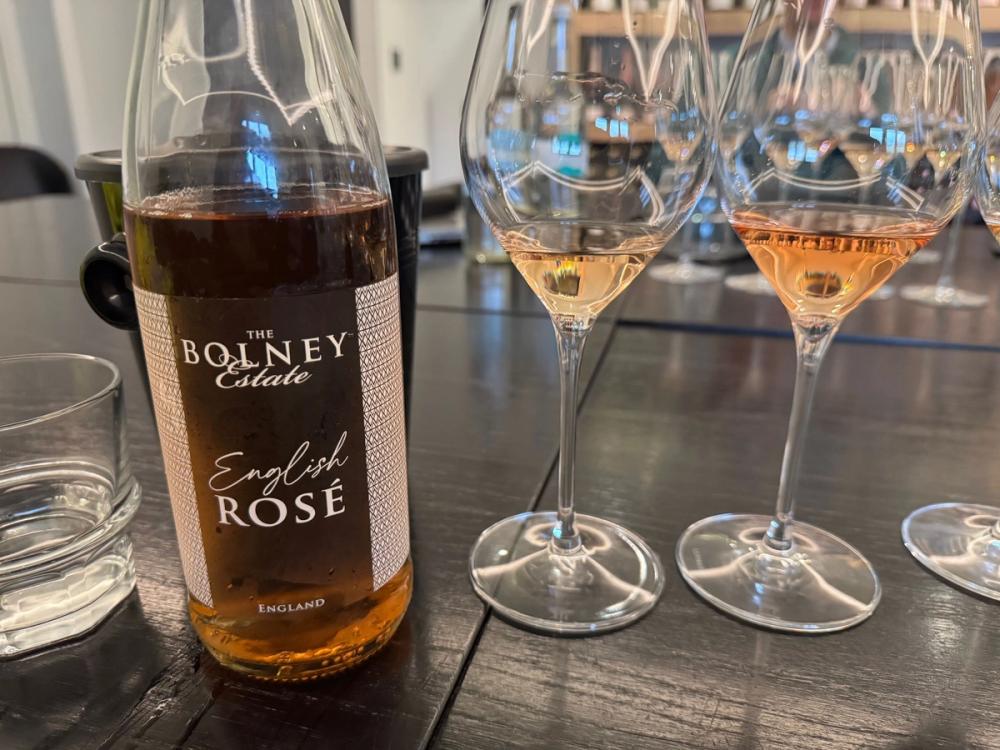
Robin Copestick believes there is a huge opportunity for both English still and sparkling rosé wine to capitalise on the demand for rosé and offer a premium alternative to the Provence style
Robin Copestick is particularly excited by the opportunity there is to grow, develop and make a market for premium English still and sparkling rosé wines.
He says rosé makes so much sense for an English climate that naturally makes lighter, fresher wines, but with texture, taste and structure - and all at a duty friendly 11.5% abv.
Bolney is already producing a number of still (Lychgate rosé) and sparkling (Bubbly Rosé and Cuvée Rosé) wine and has worked with both Tesco and Sainsbury on the launch of the new Bolney Estate English Rosé.
“It would help the English wine category in general to get behind English rosé,” says Copestick, particularly when marketed and positioned in price against Provence rosé. If it does then he sees no reason why the consumer would not follow.
“We have been looking at this for the last two to three years. I think there would be great English public support for English rosé,” he says.
The opportunity can only get bigger, says Hilton, as the “economies of scale help you get the cost savings you need to get to a critical mass”. All of which might take 20 years, but it is a journey that Bolney is now very much on.
It is noticeable how much of a category approach the Freixenet Copestick team are taking to building a Bolney range, including rosé, that has wines to deliver against the different channels within both premium on and off-trades. -
Whilst Classic Cuvée becomes the hero sparkling wine, and be the product most Bolney is recognised for, the range includes still wines such as Bacchus and English Rosé gaining traction within the grocery sector, whilst Blanc de Blancs and more premium still wines such as Pinot Gris and Pinot Noir play a bigger role in the on-trade.
Alongside this, there is a higher super premium tier of wines, including Wine Makers Blanc de Blanc, Chardonnay and Pinot Noir produced at a much lower volume that is sold through its own cellar door and restaurant, ecommerce and high-end customers.
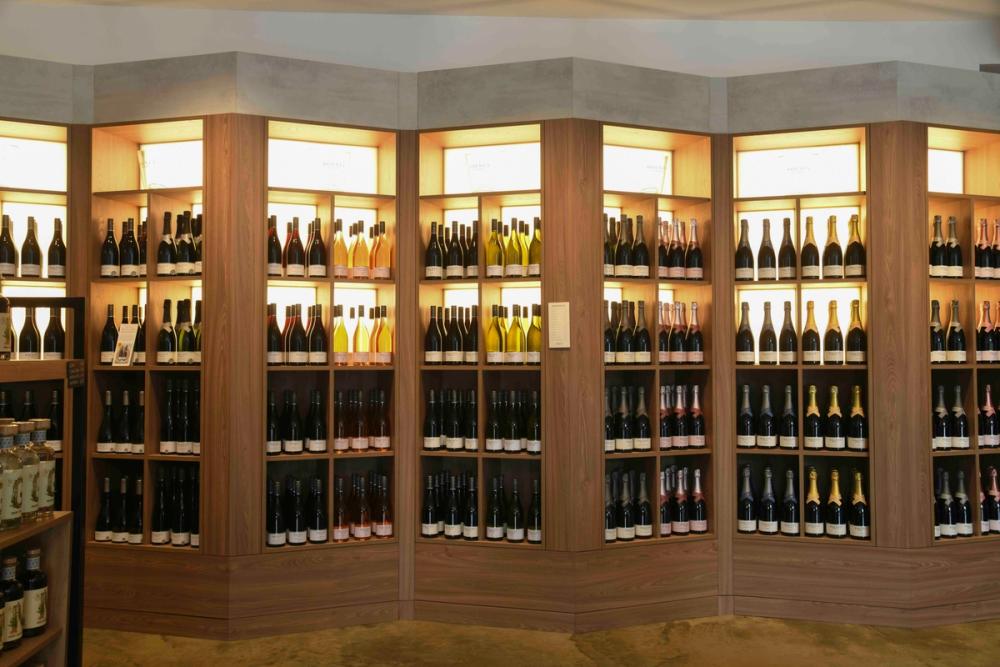
Bolney is now producing a wide range of still and sparkling wines to cater for all market needs
A professional category focus with the emphasis very much on supporting and promoting English wines as a whole versus Sussex as a wine region.
Freixenet Copestick knows from working with its other major brands, particularly the Henkell factor, that it is the category as a whole that wins if you are brands are individually successful - and you need both to succeed if you are to sustain that success year after year.
It’s also why the wider Freixenet Copestick team have worked hard to bring many of their major retail customers - like Tesco - and on-trade customers to not just visit Bolney but use it as a base to hold company away days and strategy days.
Reinforcing the fact that Bolney is a tourism destination, with a quality standalone restaurant, in its own right.
All the cumulative factors that together demonstrate just how far Bolney has come to “professionalise” the business and play its part in taking English wine to another level.
* You can find out more about Bolney Wine Estate here.