Tell us about your move into bottles?
It’s a big year for The Uncommon. We’re launching our first bottled wines in lightweight glass - not because we’ve suddenly gone traditional, but because the occasion called for it.
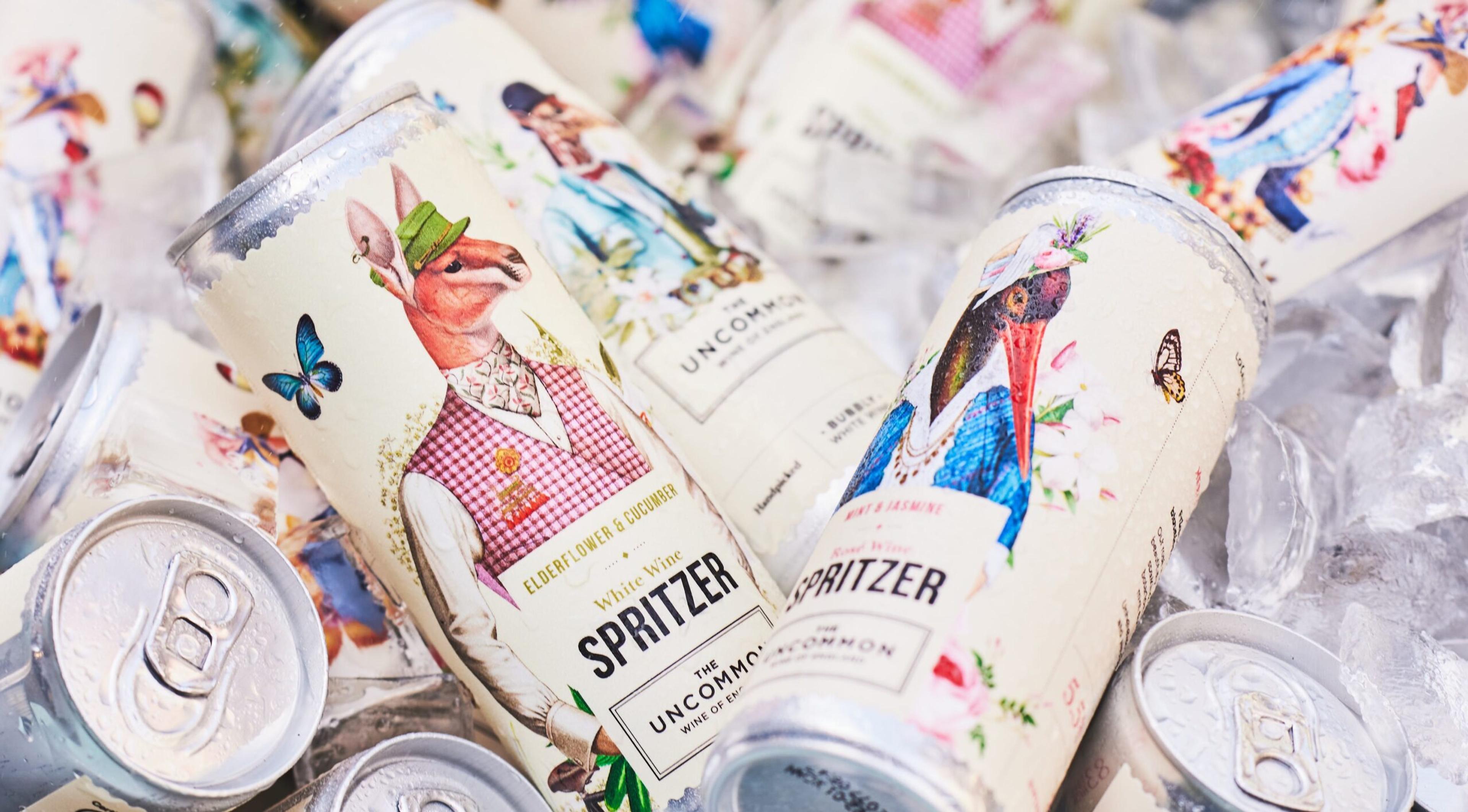
We built The Uncommon around premium English wine in cans because they fit modern life: lighter, lower impact, single-serve and made for anywhere.
But we’ve always been an English wine producer first. Our formats follow occasion, not tradition.
Bottles allow us to show up in more moments where people can fall in love with English wine - where it is naturally poured and shared - restaurants, hotels and the wider on-trade.
So, we’re launching two still wines from the 2025 vintage: Tempting Fete, a pale, elegant English rosé, and High Tease, a crisp, aromatic Bacchus and Chardonnay white.
Both have been made specifically for bottle serve, and both give operators a fresh, local option for lists where English wine deserves to be.
Why have you decided to do this now?
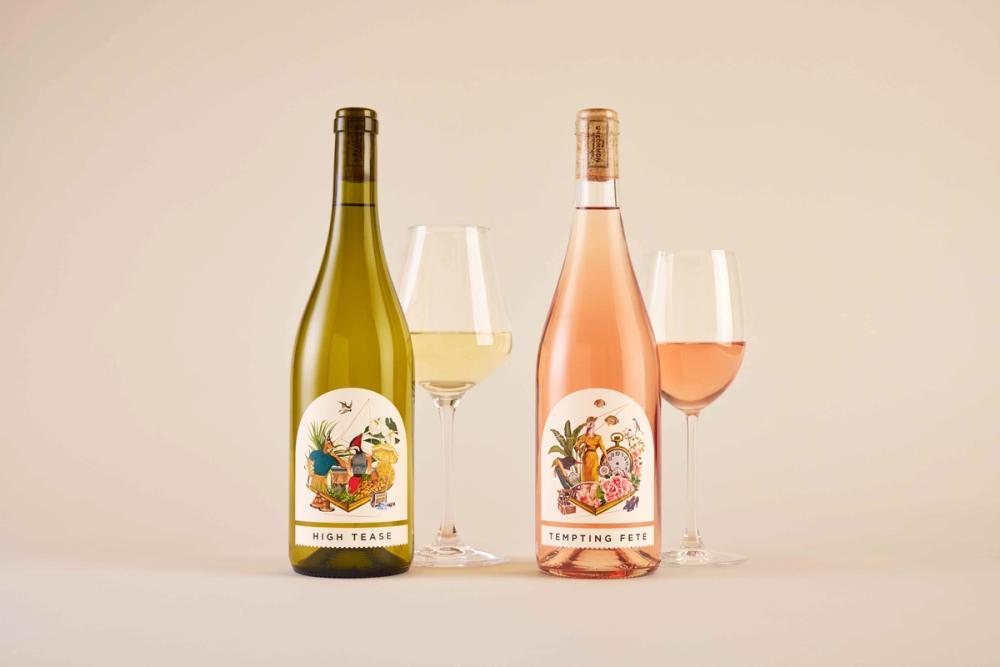
The two new glass bottles launches from The Uncommon
Two things came together.
First, the 2025 harvest. It was one of the strongest English vintages we’ve seen - the fruit had the ripeness and balance to shine confidently as still wines.
Second, demand. Over the years, we’ve had countless conversations with operators who love our wines and what The Uncommon is all about, but need a format that works for table service and sharing.
So this launch is about us meeting that need properly, and proving that English wine deserves to be on every table, not just in every hand.
Why as a canned wine brand do you want to move into glass bottles? On the face of it, is it a strange move for a canned brand to make?
It probably only feels strange if you see us as a canned wine brand. We don’t.
We think of ourselves as English winemakers trying to get more people drinking brilliant local wine, more often.
Cans are still a huge part of that. They’re perfect for spontaneous and single-serve moments. Bottles allow us to participate in another kind of moment - when wine is being shared and poured as part of the experience.
It’s not a shift in direction, but an expansion of where English wine can show up. It gives operators a credible, local option in a format that works for service.
How are you addressing concerns it might confuse what The Uncommon is all about with your sustainable canned message?
Sustainability is at the heart of everything we do, but it's not defined by a single format. It's the whole system. How we grow, how we make, and how close to home we keep it.
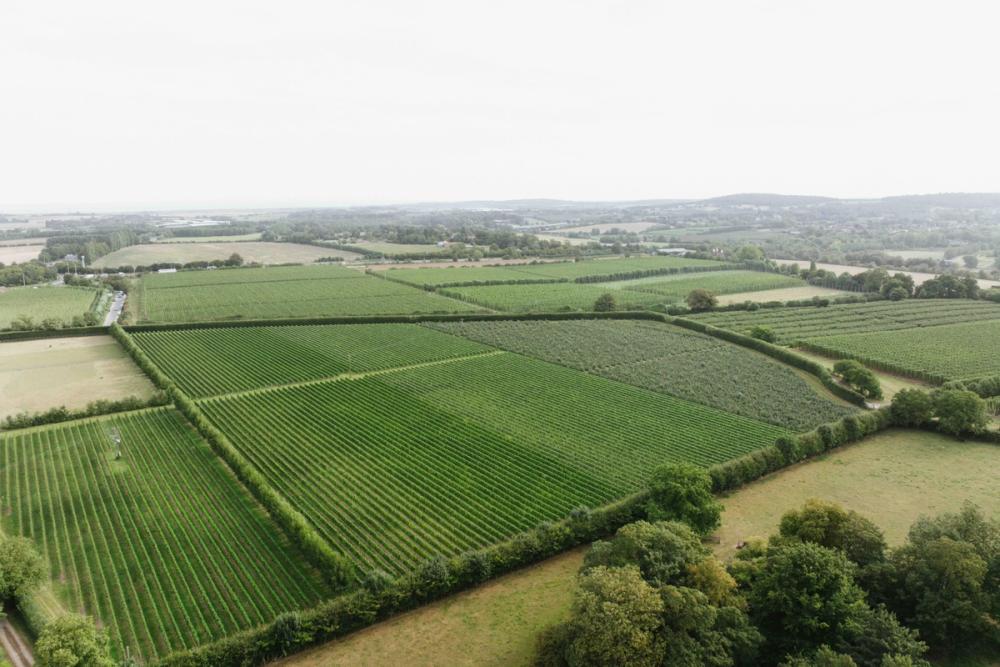
The vineyard where The Uncommon grows its grapes in North Kent Downs
Our grapes are grown regeneratively on the North Kent Downs, bottled 10 miles from the vineyard, and you drink it in the UK. That local loop matters.
And for the bottle itself, we've been very deliberate. We chose a 395g bottle, around 28% lighter than the UK average. We looked at alternatives including aluminium bottles and kegs, but for premium hospitality, glass is still what most operators and guests expect.
So the question became: if glass is the right format for this occasion, how do we do it as responsibly as possible?
When you say lightweight how did you decide how light to go?
We pushed as far as we sensibly could.
At 395g, the bottle is meaningfully lighter than the UK average but still works in a hospitality setting. It gives us confidence on both weight, strength and end-of-life recyclability and still feels premium.
We are fully committed to lower-impact wine without compromising on quality.
Where are you sourcing your glass from and who is doing the bottling for you?
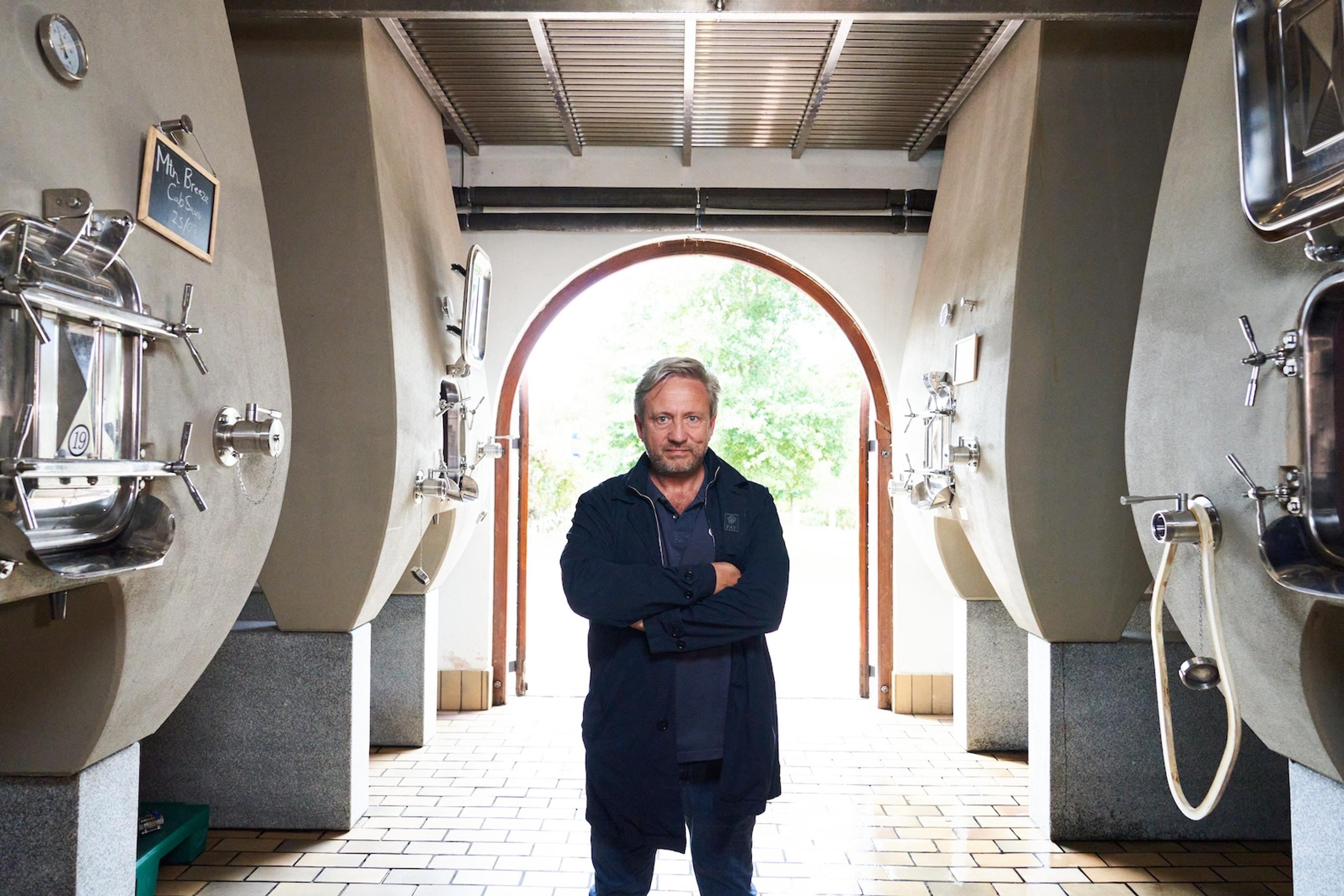
Bottling is handled by Defined Wine, just 10 miles from our vineyard on the North Kent Downs.
Which products are going into glass?
These are completely new wines from the 2025 vintage.
Tempting Fete is a dry English rosé made from Pinot Noir. Pale, fresh and elegant, with notes of fresh raspberry, wild strawberry and soft florals, with a light palate and refreshing finish.
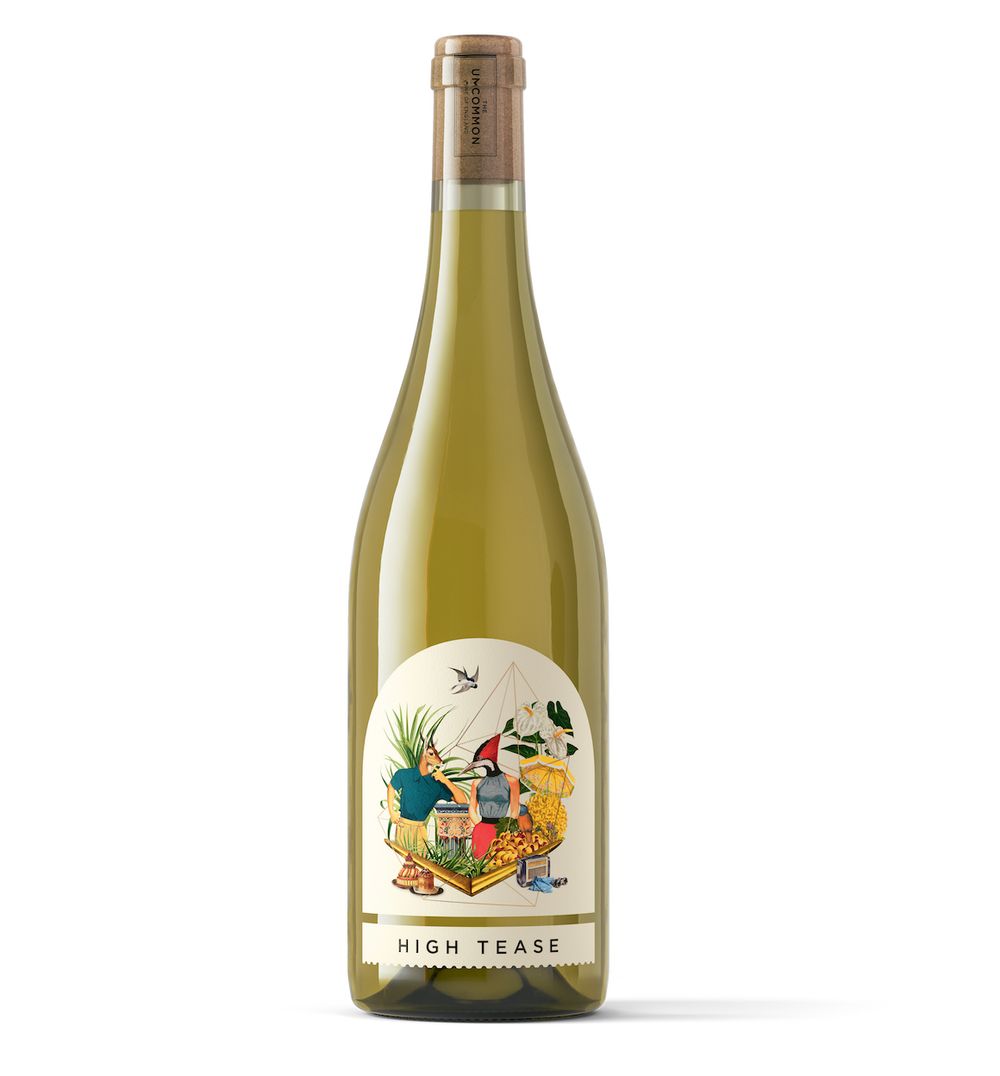
High Tease is a dry English white made from Bacchus and Chardonnay. It is bright, aromatic and precise, with elderflower, citrus zest and green apple, with a clean, mineral finish.
They are dry, un-oaked, and food-friendly - wines that work naturally in hospitality.
The names - High Tease and Tempting Fete - nod to British moments worth stretching out. A rosé made for sunbathed afternoons where you lose track of time, or a white so good that the starters can wait. The copy on the back labels delves into these moments.
Does this not add to your EPR requirements?
It will eventually, and we have planned for that from the start. As a relatively small, controlled first release, the EPR obligation is manageable, and it's something we'll scale our approach to as volumes grow. We're committed to doing this properly, not just compliantly.
What channels of the trade are you aiming for?
The premium on-trade first. Wine-forward independents, boutique hotels and restaurant groups where provenance is already part of the conversation, and where English wine is increasingly being requested by guests. We want to be the interesting local option on those lists, and eventually the obvious one.
Do you see this as a way to get into mainstream on trade?
Yes, but more importantly, it’s about helping English wine become a more natural choice in the on-trade.
English sparkling has done a brilliant job building prestige, but English wine has too often been treated as niche, seasonal or reserved for special occasions.
If the category is going to grow, it needs to move into everyday drinking moments - by the glass, by the bottle, on lists alongside familiar European styles people already know and love.
Rosé is a very good example of that. The UK is one of the biggest importers of Provence-style rosé globally, so there’s no reason an English rosé with similar characteristics shouldn't sit alongside it on those lists.
How are you managing distribution and getting bottles into the market?
We are working with Enotria initially. The focus is on getting into the right venues rather than chasing scale. For us that means places where the wine list is curated, local produce matters to the guest, and the team is passionate enough to talk about what's in the glass.
How is the brand doing overall with cans and your overall sales and distribution?
We are growing strongly. We’ve expanded distribution in retail with listings like Tesco, and in the on-trade through iconic British establishments like Wimbledon and the National Trust.
At the same time, we’re refining the range - including standardising from 250ml to 187ml. This aligns us with the majority of the category and makes the range simpler to navigate for both retailers and consumers.
What have been the big breakthroughs for the brand in the last two years?
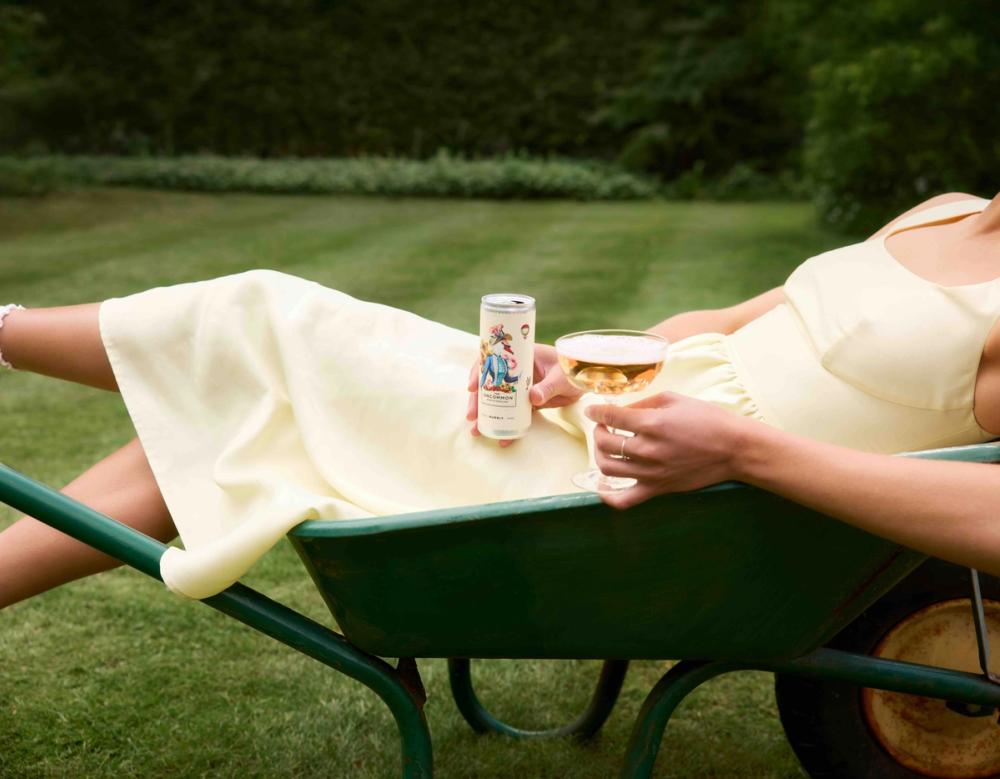
The Uncommon has made big strides with its canned range that is now being sold in major retailers and high profile on-trade accounts
Being named Levy's nominated premium canned wine partner and rolling out across 15+ stadiums and venues, including Wimbledon and Tottenham Hotspur, was a real landmark. A partner that genuinely values sustainability and provenance. That shift in how people encounter The Uncommon has changed the business.
What have been the biggest challenges?
Winemaking. English wine is still a young category, and supply is inherently variable. Balancing growth with quality and long-term production planning is one of the hardest parts of the business.
It's made us better planners and more honest about what we can commit to. We've learned to work closely with growers, build flexibility into production schedules, and not chase volume at the expense of quality. That discipline is what makes the 2025 vintage feel so significant.
Anything else to say?
We care deeply about English wine, and about making it feel less occasional and more part of everyday life.
That has always been at the heart of The Uncommon. Cans help us take English wine to new places. Bottles help us put it on more tables.
If we can do that well, English wine won't just be a category that's growing. It'll be something this country is genuinely proud to pour.
* If you want to find out more about The Uncommon go to its website here.
* You can taste the wines at the London Wine Fair on May 19 on the Defined Wine stand.