For the last two weeks, London has reverberated to the sounds of dragons and drums. It has been nearly impossible to miss the fact that 2026 is ‘The Year of the Fire Horse’ whilst the Chinese New Year has been celebrated. Having taken place this year between the fifteenth of February and the night of March third, you may have encountered it, or even participated in it, at your local Chinese restaurant or takeaway.
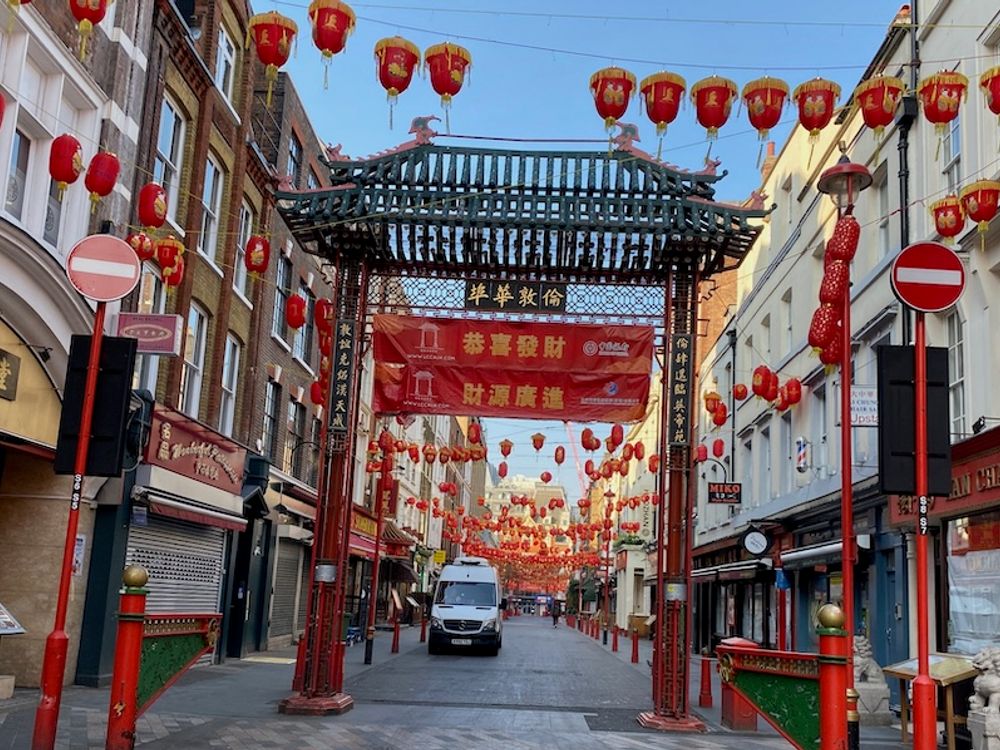
Heart of London's Chinatown - unusually quiet!
At some point in your life, you have, no doubt, received a Cantonese greeting of “Gong Hei Fat Choy“ wishing you well for the year or maybe even the gift of a calendar as a loyal customer. In all the major cities this year, you would have found a traditional Loong dragon or two along with some high-energy drumming and gong action, announcing the New Year. In London, however, it also signalled some interesting changes in drinking habits and inspired creativity.
In the western world, what to drink with the various food styles found in China has always been a topic of debate, often mooted over the restaurant table. With spicy, sweet, sour and textural overtones, what do you reach for? The trusty beer, with its reassuringly authentic Hanzi characters on the label, or the terroir-driven wines of the Ningxia region? All have their place, but perhaps for a more authentic drinking and pairing experience, we need to look elsewhere.
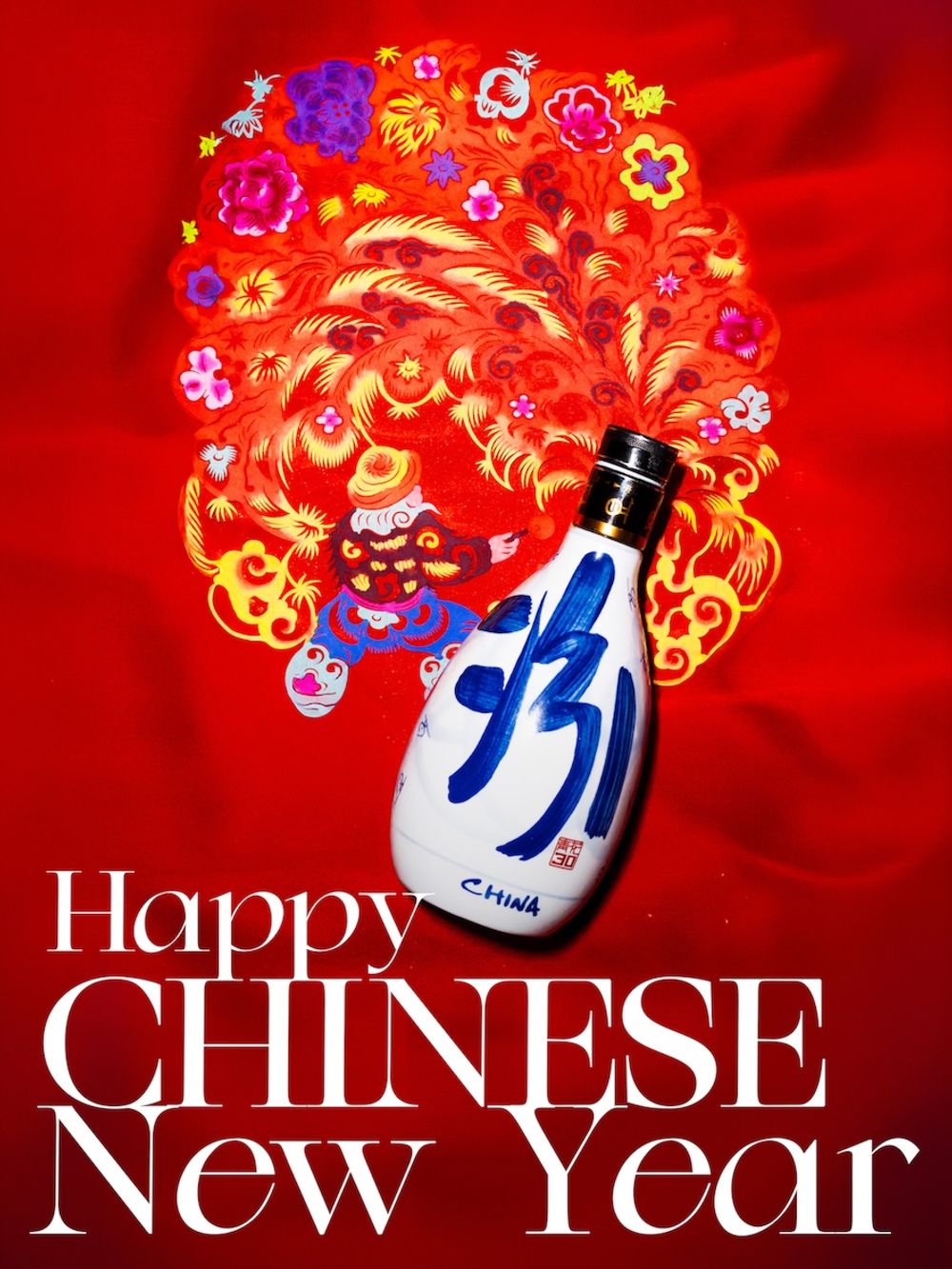
This year's Chinese New Year celebrations has seen an increased focus on the Chinese national spirit Baijiu
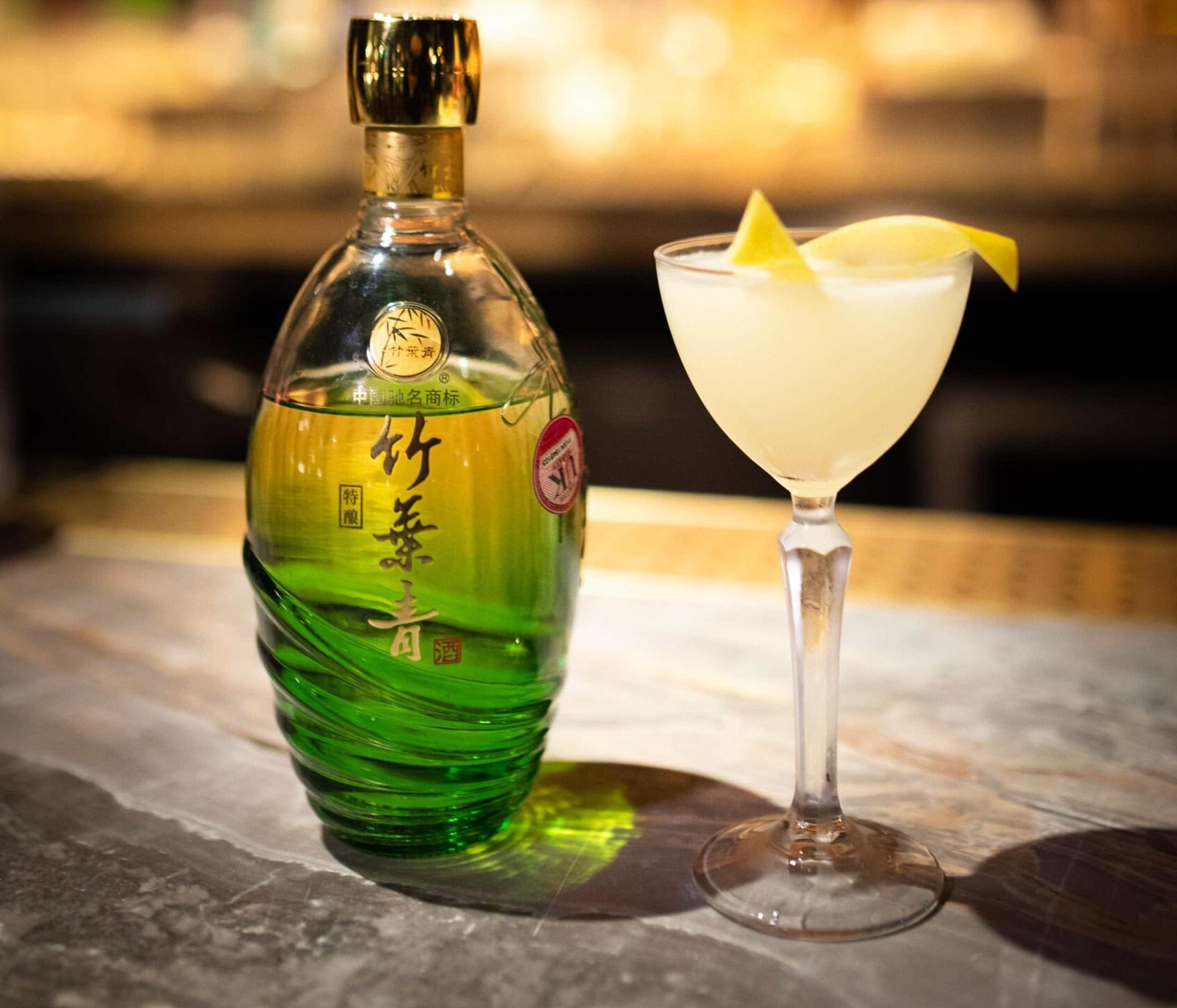
Across the capital this year, there has been a notable focus on the Chinese national spirit Baijiu resulting in increased visibility. The spirit itself is distilled from sorghum, a gluten-free cereal grain rather like quinoa. A very flexible grain, this base ingredient is also used as a foodstuff for both humans and animals and to make biofuel. In a very high-level overview, the spirit ranges from 23-65% abv and comes in many free drinking or food-matching styles known as ‘aromas’. When it comes to cocktails, it is easiest to think of it as being positioned as an ingredient, similarly to a prestige, edgy tequila or funky rum.
Production in its homeland runs at around ten billion litres, yet it is seen as ‘undiscovered’ in the UK. Western consumption has previously been centred around Chinese indigenous cuisine and being served traditionally neat. Its production is still very artisanal, and even with its production size, it has resisted industrialisation and mechanisation in favour of traditional values.

Qiqi Chen, managing director, Cheng International
Baijiu for food pairing
The leading and most forward-thinking brand in the UK is Fenjiu, under the distribution of Cheng International. I asked Qiqi Chen, MD, about where Baijiu sits within the framework of a traditional New Year celebration. She immediately makes the point that for her, the celebration is about “family reunion and happiness.”
When pushed for a favourite pairing, Qiqi cites “Red Braised Pork Belly. The salty and sweet sauce with 'melting in the mouth' pork belly fat...baijiu, especially with a light aroma like Fenjiu, just blends in. It can cut through the fat but carry that smooth texture. The aromas of Baijiu will elevate the sauce, making it more fragrant. Another reason why sometimes this dish can be cooked with baijiu. My chosen baijiu for this celebratory feast would be the Qinghua Fenjiu 30 YO 53%.”
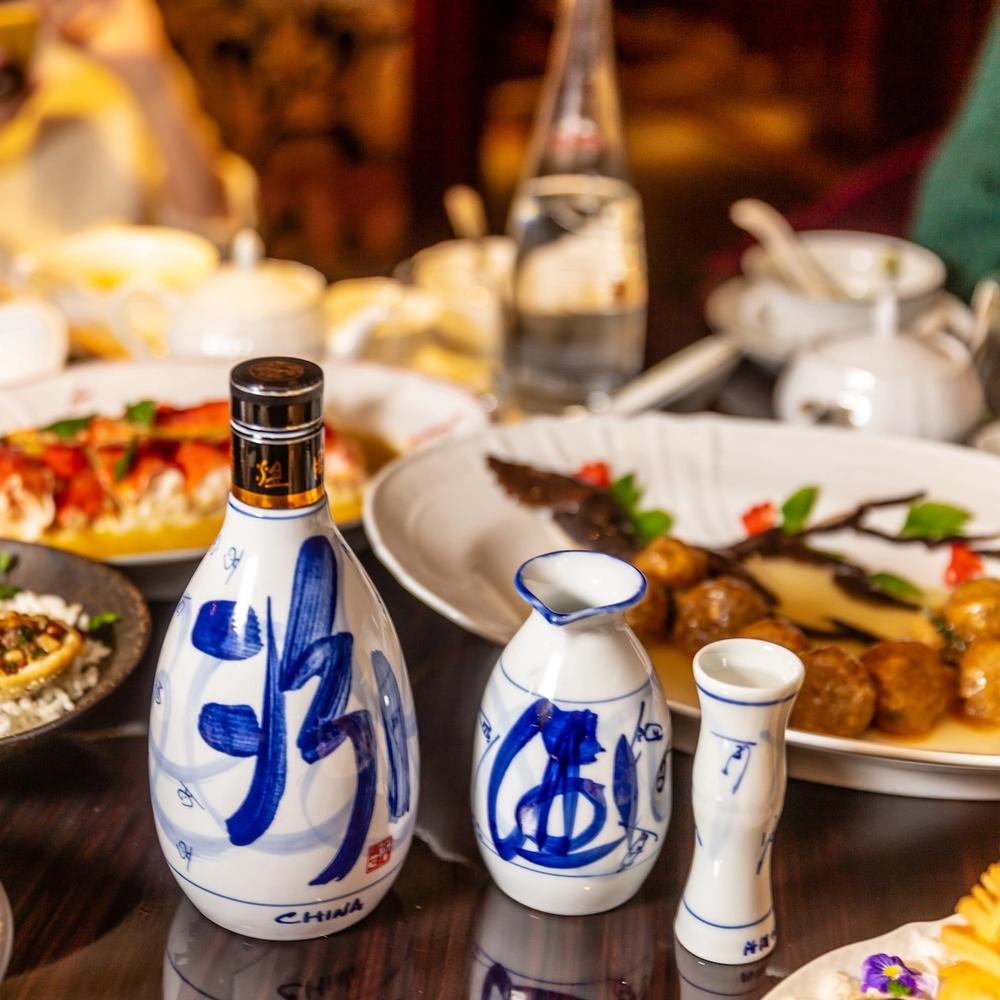
Qinghua Fenjiu 30 YO is a natural for food pairing with Chinese dishes
The latter is immediately recognisable in its classic blue and white porcelain flask and exudes class on presentation. On the nose, it has notes of sweet cedar, marmalade and dried apricots. Like all Baijiu of this style, it is very subtle and has a certain purity.
On the palate, there are true umami notes (a characteristic of the drink) and a palpable richness. Complex layers of savoury, fruity, and sweet notes follow those of malt and lemon. There is a pleasant smoky edge with an engaging dryness, which is evident in a pleasant long finish, making it obvious why the spirit pairs so well, and drinks similarly in isolation.
Baijiu as a cocktail ingredient
Additionally, at Qiqi’s hand, Cheng International has been at the forefront of developing the spirit in the prestige cocktail space; to make it both more accessible and develop the UK market. This has resulted in Fenjiu-based cocktails being listed and featured nights this year in London by the cream of mixology, ranging from Dorchester‘s China Tang in the West to the Shard in the East, embracing this paradoxically ‘niche’ spirit.

Baijiu Negroni is a 'must try' for mixologists – Maxim Kassir, a director of The Aubrey Bar, at London's Mandarin Oriental
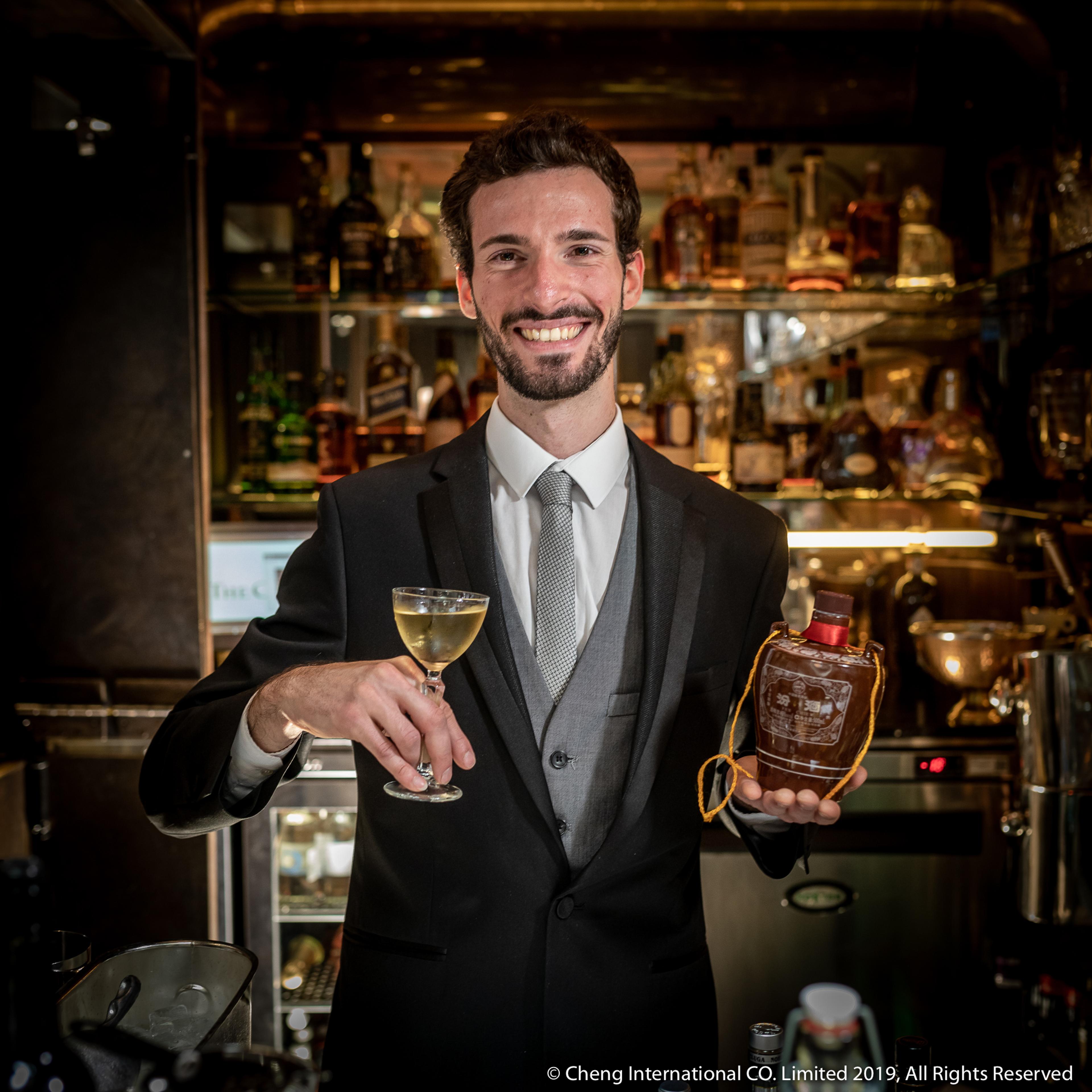
I quiz Maxim Kassir, a director of The Aubrey Bar, at The Mandarin Oriental to find out why he likes Baijiu and where he sees its place in his spirit world. His response is measured and well thought out: “Baijiu’s bold aromatic profile makes it a fascinating base spirit for cocktails. Its intense esters and savoury complexity bring a new dimension to classic recipes, often adding layers of tropical fruit, spice, and umami.”
When asked to suggest a classic cocktail that could use Baijiu to enable someone to appreciate the difference of the spirit and its many flavours, it is without hesitation “One particularly successful application is the Baijiu Negroni. By replacing gin with baijiu, the cocktail gains a striking aromatic lift – where notes of pineapple, fermented grain and white pepper interact beautifully with the bitterness of Campari and the herbal sweetness of vermouth. The result is a familiar structure with an entirely new personality: deeper, more savoury, and intriguingly complex.”
So perhaps now is the time for us to embrace the symbology of the Fire Horse. With its traits of being passionate, adventurous and impulsive, perhaps we should all be trying our next Chinese dining experience with some Baijiu? Be it in neat or cocktail form, now is the time to raise a glass and toast Gān Bēi!