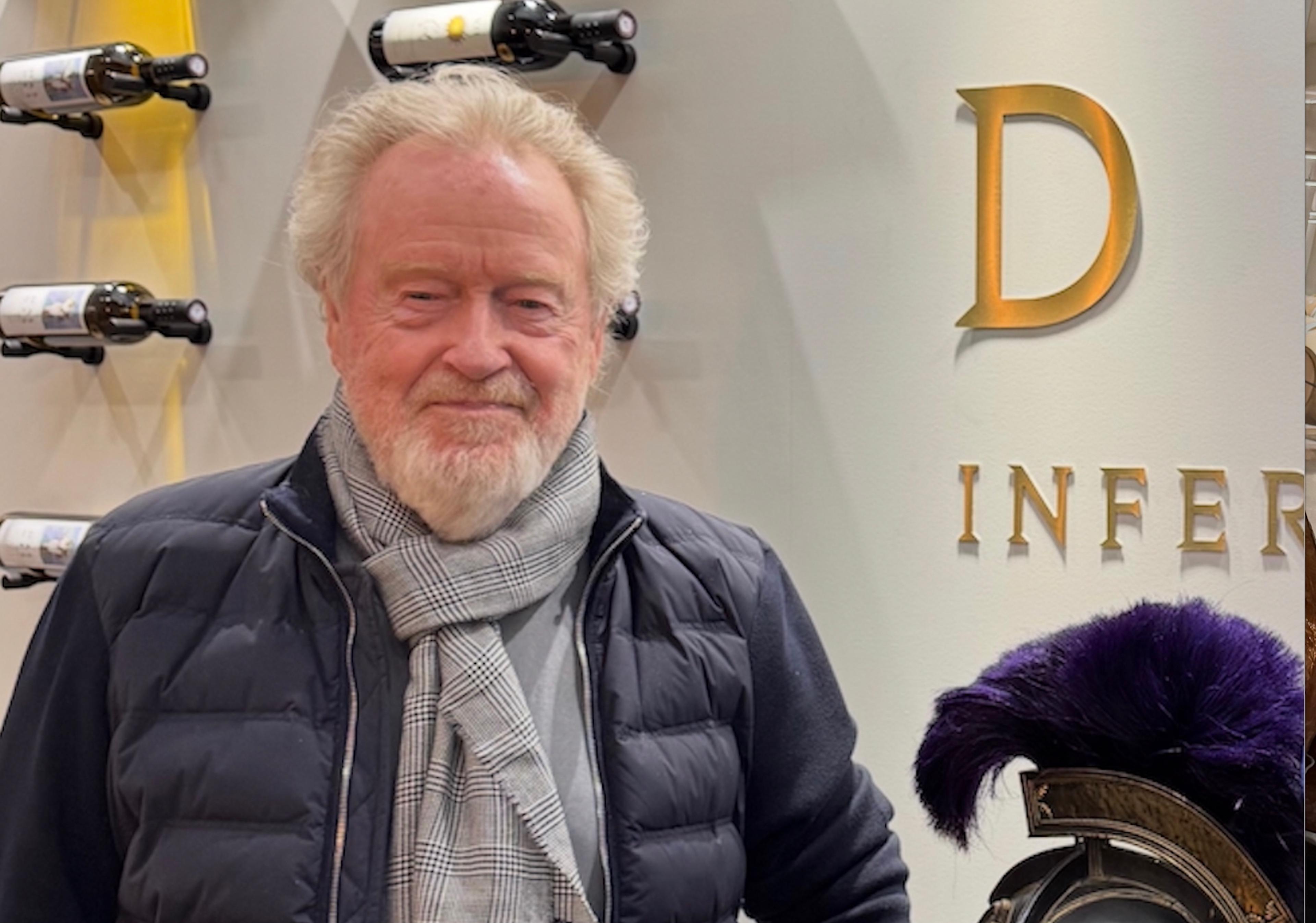
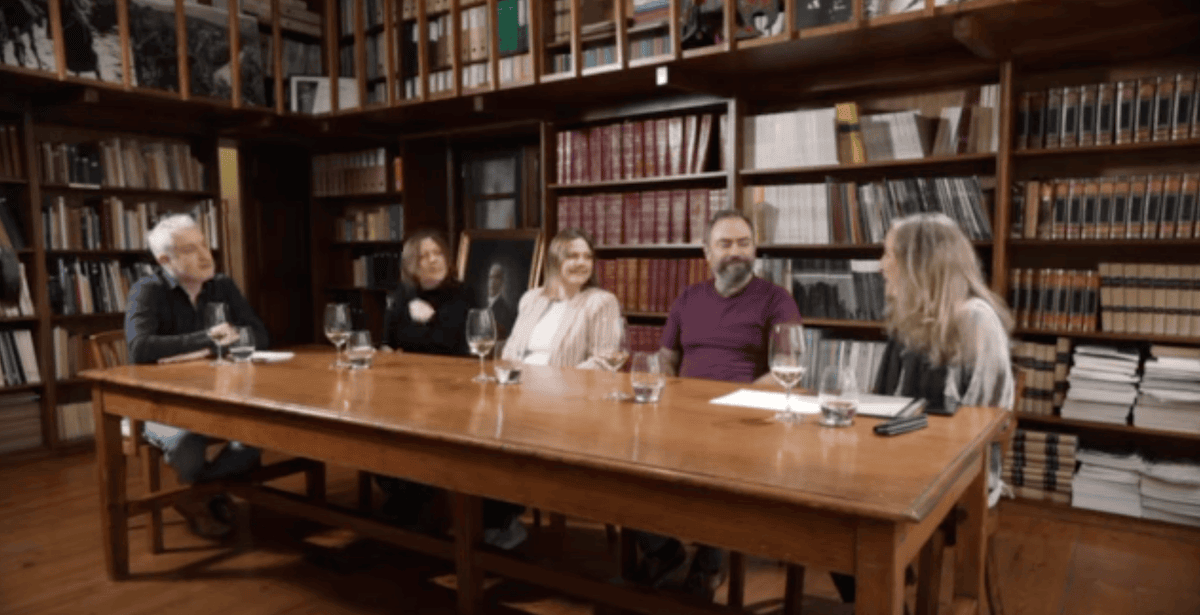
It was on one of those warm but fresh, idyllic late spring days in the Luberon when Sir Ridley Scott lent back in his cellar chair and mused about his latest film, The Dog Stars, which releases on August 28. “It’s probably the best movie I’ve done since The Martian [his 2015 production],” he said. “This guy Jacob Elordi, who’s in it, is going to be a big star. He’s a farm lad from Australia, so he and I got on great. It touches the emotional possibilities – whatever happens you need people. If the world ends, how do you deal with it?”
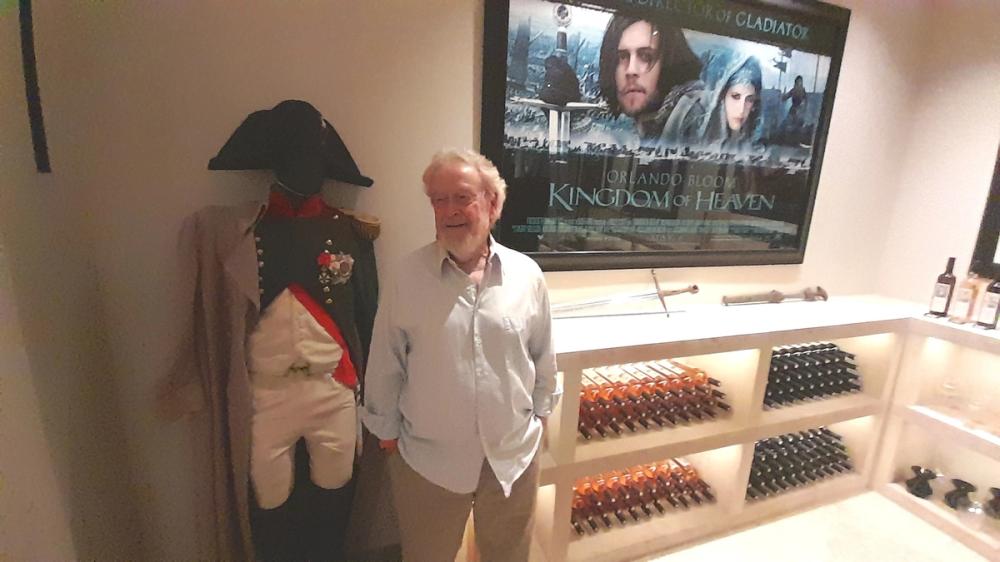
Sir Ridley Scott at Mas des Infermières, June 2026
One of the great film directors of his time, Scott has no intention of retiring despite reaching the age of 88. He looks and sounds many years younger, and travels frequently between his main home in Los Angeles, his film sets and Mas des Infermières, his beautiful estate an hour or so's drive north of Marseilles in the Luberon region.
Ironically, given the fact that a virus wipes out humanity in The Dog Stars, it was in the Covid year of 2020 that Scott started making his own wine. He had bought Mas des Infermières, which came with 11 hectares of vines, as a holiday home in 1992 but always sent the grapes to the local co-operative. Then, in 2017, he recruited Christophe Barraud to design the construction of a winery and stay on as general manager and winemaker.
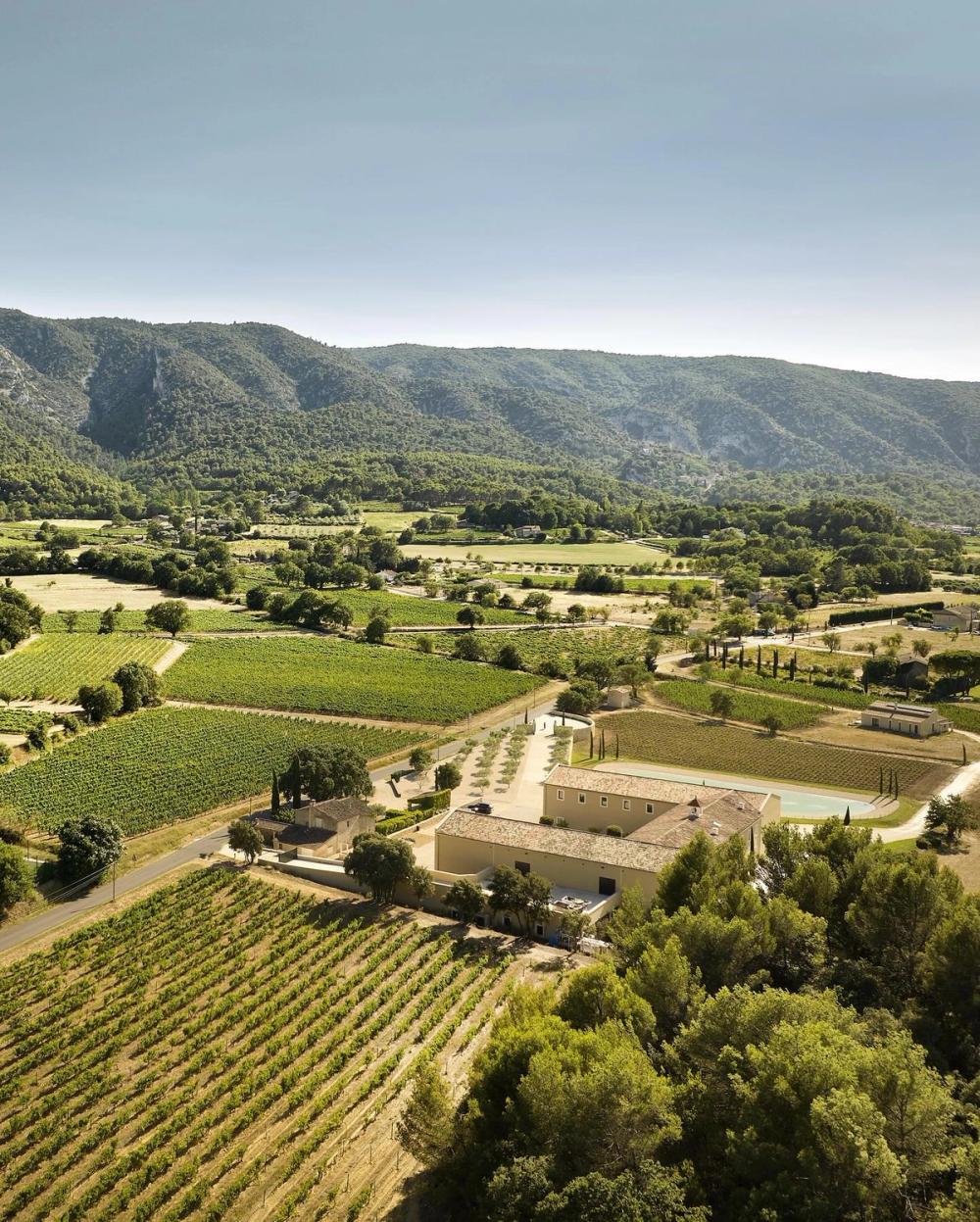
Mas des Infermières - 350m of elevation and high diurnal range means the wines have a natural freshness
“I had no intention of getting into wine originally but the grapes kept getting prizes,” Scott revealed. “I’m a farmer at heart, and wine brings me joy. Once I began, I didn’t expect people to stop drinking. Everything’s a challenge, but I’m still pleased I did it. Hopefully people will get over being teetotal and not drinking. We’re five years old really, and our ambition is to break even. It takes time and we know that. We’re working on Ireland - they will never stop drinking there.”
Targeting the UK market is also part of the business plan, with a distributor there being actively sought by Mélanie de Rudder, Mas des Infermières’ commercial director. Scott’s daughter, Jordan, and one of his sons, Luke, who both live in London, take a strong interest in the winery and are keen to see its labels sold in the UK.
It’s no secret that good labels can help persuade consumers to buy a wine, and the brilliant artwork on Mas des Infirmières’ bottles has every chance of having that effect. Remarkably, the labels are all the work of Scott himself.
“I did badly at school in Hartlepool, but I could do one thing – I could draw,” he chuckled. “I can do a label in 15 minutes while on the phone. It happens in a flash, I just use my intuition. My work is entirely intuitive, and story-telling is part of my life. I did Napoleon in 42 days. Al Pacino needed 40 takes, and Robert DeNiro doesn't get going till he’s had 38 takes. A lot of life is about decision-making. I like the mantra: ‘Just do it’.”
Being a dog-lover with two cavopous of his own - Lulu and Jojo - there is always a dog (and generally two of them) on every one of his labels. Sometimes, you have to look hard to spot them if the main images are human, but the dogs are always there. There are even dogs inscribed on his corks.
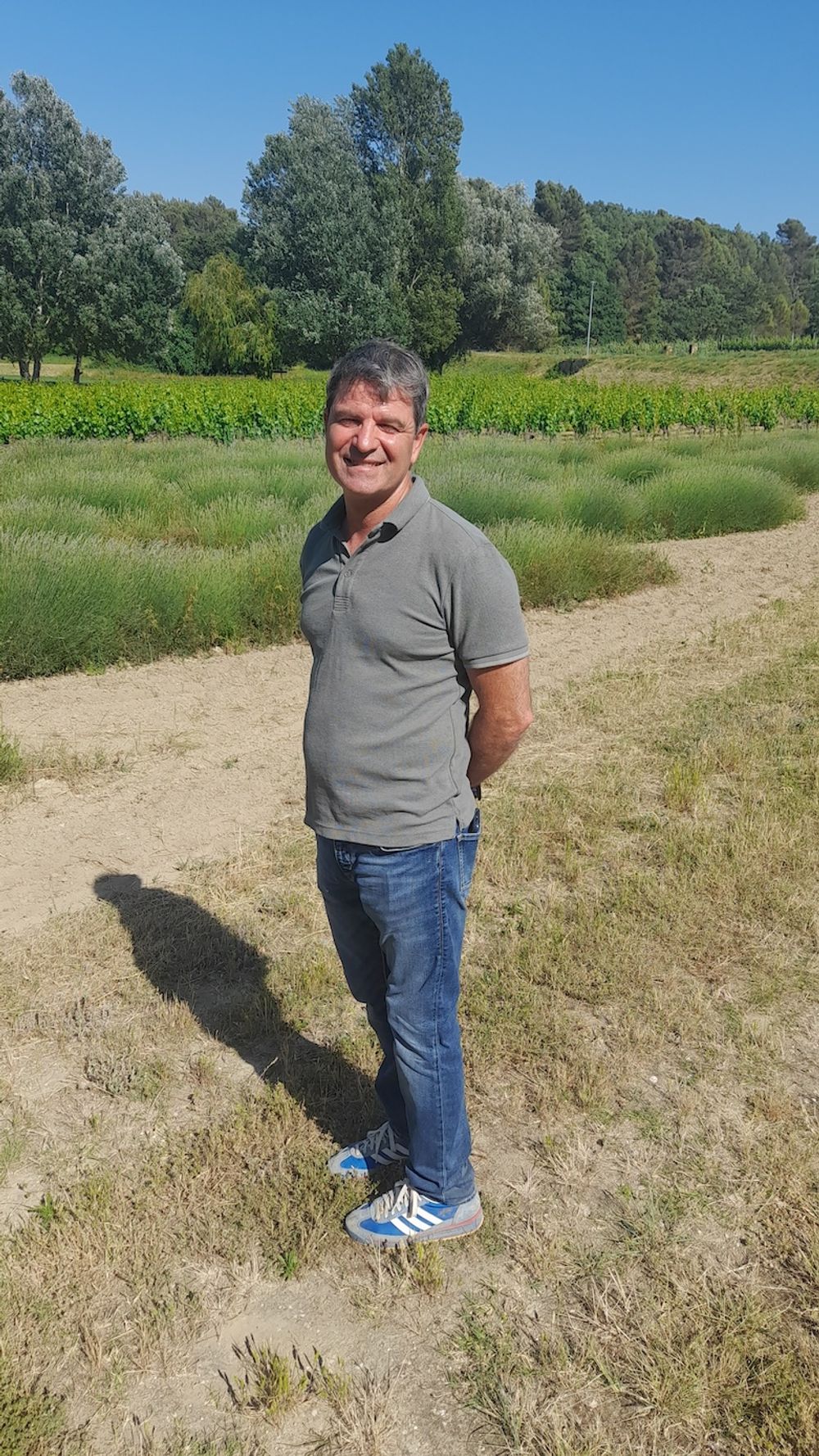
Christophe Barraud - recruited as winemaker and general manager
What of his wines though? With its cool nights and consequent wide diurnal range, not forgetting altitude of 350m, all of the wines have natural freshness thanks to low pHs and high acidity. Fruit quality is excellent with the Grenache vines being 80, Carignan 60 and Syrah 40-years old. Cinsault, Mourvedre and Marselan are also grown, while Rolle, Grenache Blanc, Clairette and Roussanne are the main white varietals. Two distinct soil types shape the range: limestone in the southern end, with sandier clay to the north for a more fruit-forward expression. Sheltered from the Mistral by the Luberon mountains, the parcels enjoy long growing seasons.
Barraud is a top-notch technical director, and Fabien Lacassaigne a highly capable cellar master, with the full estate team numbering 24. They are committed to enhancing biodiversity and improving soil life, and eschew fertiliser or insecticides, favouring green waste and cover crops. Although not certified organic, the estate enjoys both HVE3 and Bee Friendly certification, with 20 beehives tended by a local beekeeper.
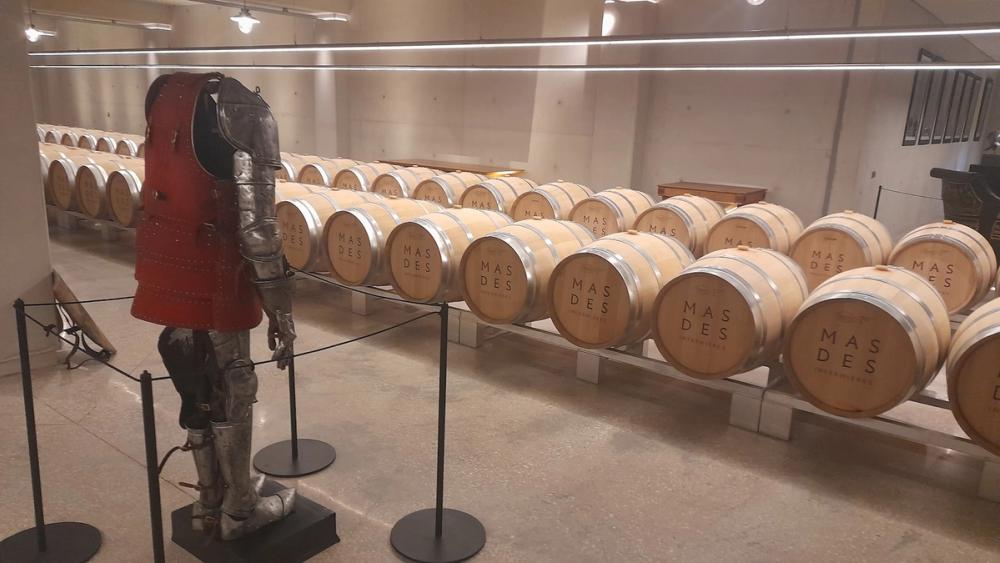
The winery and cellar door house a permanent exhibition dedicated to Scott’s films, with props, iconic costumes and photos from The Martian, Gladiator and Napoleon displayed inside them. In July and August on Friday nights, the estate hosts open-air screenings of Scott’s films, with this summer’s selections being A Good Year, Blade Runner, Alien, Thelma & Louise, Robin Hood, Gladiator, Gladiator II and House of Gucci.
Mas des Infermières is situated just outside Oppède, one of 28 ancient villages in the Luberon, all of which are perched on hilltops or nestled against the Luberon and Monts de Vaucluse massifs. Landscapes of centuries-old drystone walls, fields of lavender, poppies, sunflowers, cherry orchards and olive groves have a magnetically seductive appeal. Five of the villages are among ‘Les Plus Beaux Villages de France’, and it was in one such, Lourmarin, where we met Bianca Ogel, marketing director for Destination Luberon.
“We have 63 independent wineries and nine co-operatives in the Luberon, which was granted AOC status in 1988,” she said. “Approximately 7,500 hectares are under vine, with 95% between 250 and 500 metres above sea level. Nearly two-thirds are HVE certified and 28% organic, and production in 2025 was 50% rosé, 28% white and 22% white.” She added that the Luberon has been granted both Biosphere Reserve and Global Geopark status, a rare distinction.
Lourmarin was where Albert Camus bought a house with his Nobel Literature Prize money in 1958, and lived till his tragic death two years later aged 46 in a car crash. He is buried in the town’s cemetery. While the author Peter Mayle lived in the village of Menerbes, very close to Mas des Infirmières, when he wrote “A Year in Provence”, he loved Lourmarin, which remains a magnet for artists and writers, as well as hundreds of locals and visitors every Friday morning when its celebrated market is staged.
Mayle ended up in the village of Vaugines where we had a delicious lunch at L’Insitio, a charming little bistro that boasts not just 350 wine labels but also a Michelin star. Equally good was Le Bacheto, a Lourmarin restaurant that takes its name from a Provençal expression ‘faire bachéto’, meaning to linger and savour without any time pressure. We had dinner under a century-old olive tree on the patio.
The last word must go to Sir Ridley Scott, whose love of the Luberon knows no bounds. “I wanted a farm in the sunshine,” he mused. “I ended up in the Luberon, and that was the best thing that ever happened.”
Tasting the Mas des Infermières range
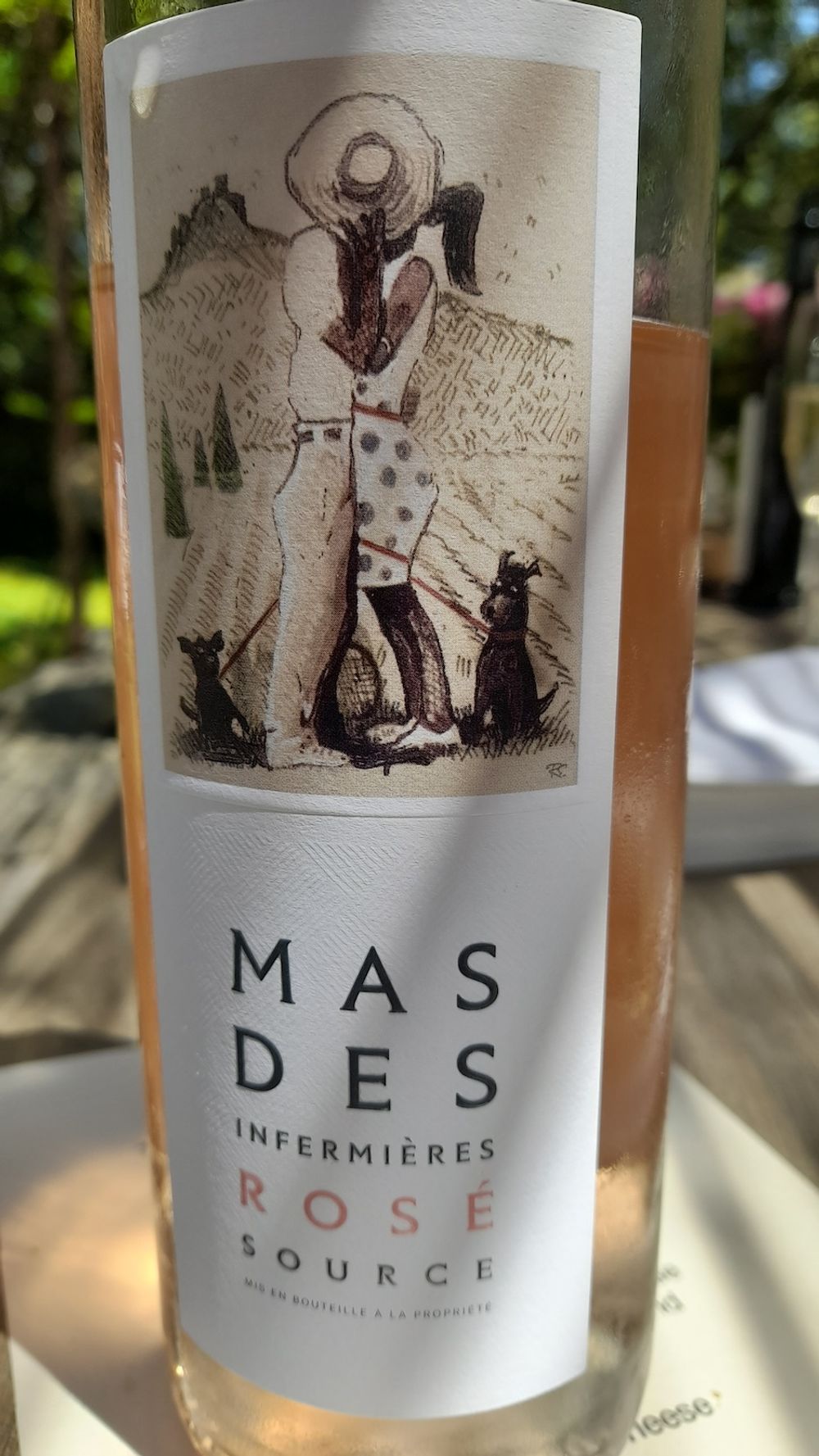
Source Rosé 2025, AOC Luberon
Benchmark Provencal rosé, being pale in colour with fresh red fruits on the palate. 75% Grenache and 25% Syrah. Grapes machine-harvested at night-time.
Perle du Mas Rosé NV, Vin de France
Tank method sparkling wine made from Grenache (70%) and Syrah (30%). The label features an officer in Napoleon Bonaparte’s army who grew vines on the estate. Delicate acacia aromas with refreshing white fruit on the palate.
Lulu Blanc 2025, Vin de France
Named after Lulu, one of the family’s current dogs, this is a blend of Clairette (50%), Sauvignon Blanc (25%) and Rolle (25%). Very fresh everyday drinker with stone fruit notes.
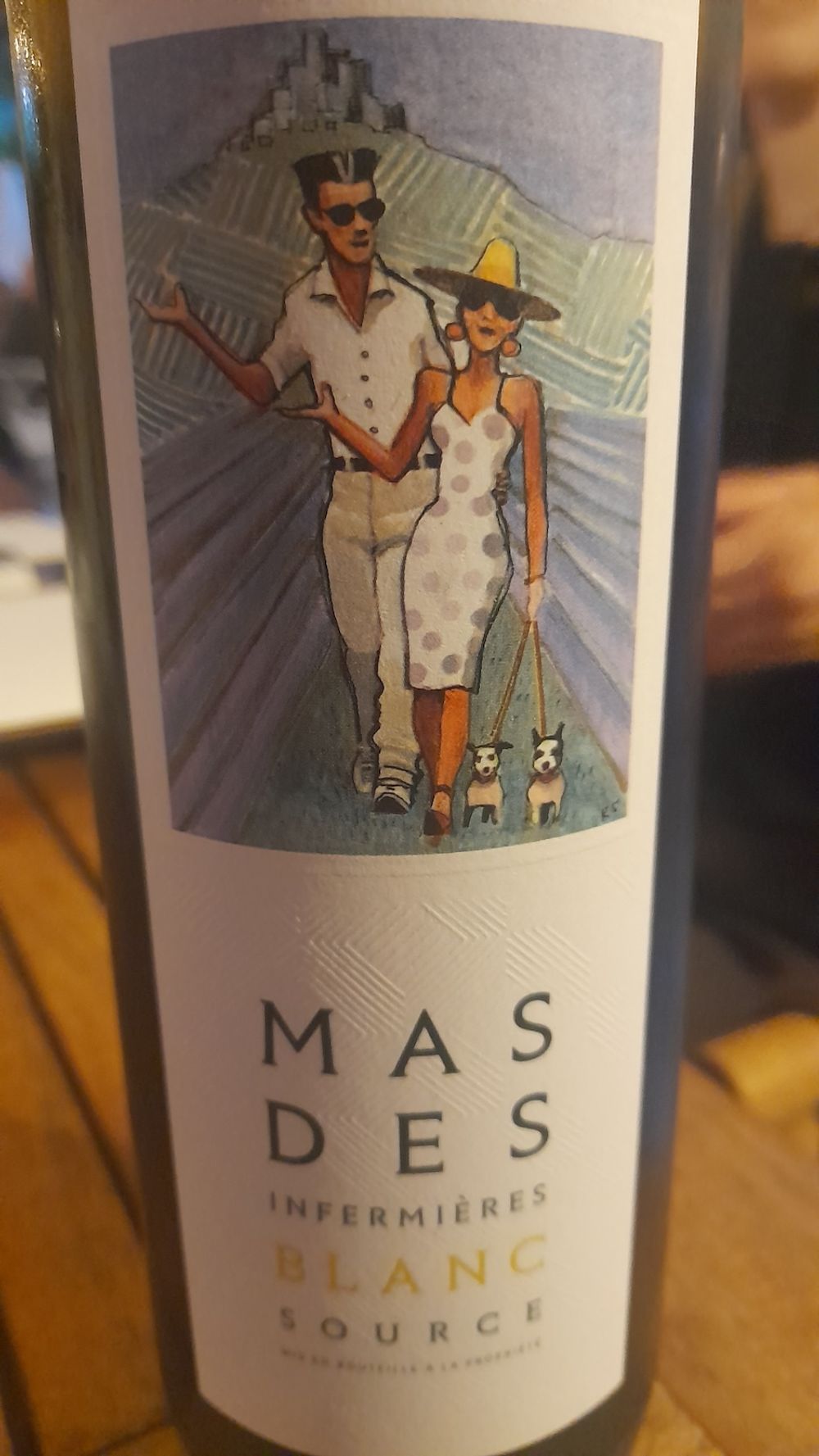
Source Blanc, 2023, AOP Luberon
A 13% abv blend of Rolle (50%), Clairette (30%) and Roussanne (20%). The name “cuvée source” derives from an historic abundance of water locally. Notes of almond and white fruits, notably peach.
Chevalier Blanc 2024, AOP Luberon
40% Rolle, 32% Roussanne, 28% Clairette. Fermented in second fill oak. Ample and generous, with aromas of citrus and fig. Brioche on the finish. Fresh and long.
Jack Rouge 2024, Vin de France
Named after a favourite Jack Russell of the Scott family, this is a refreshing everyday drinking red, made up of Grenache (50%), Syrah (30%) and Cabernet Sauvignon (20%).
Spicy red fruit with approachable tannins.
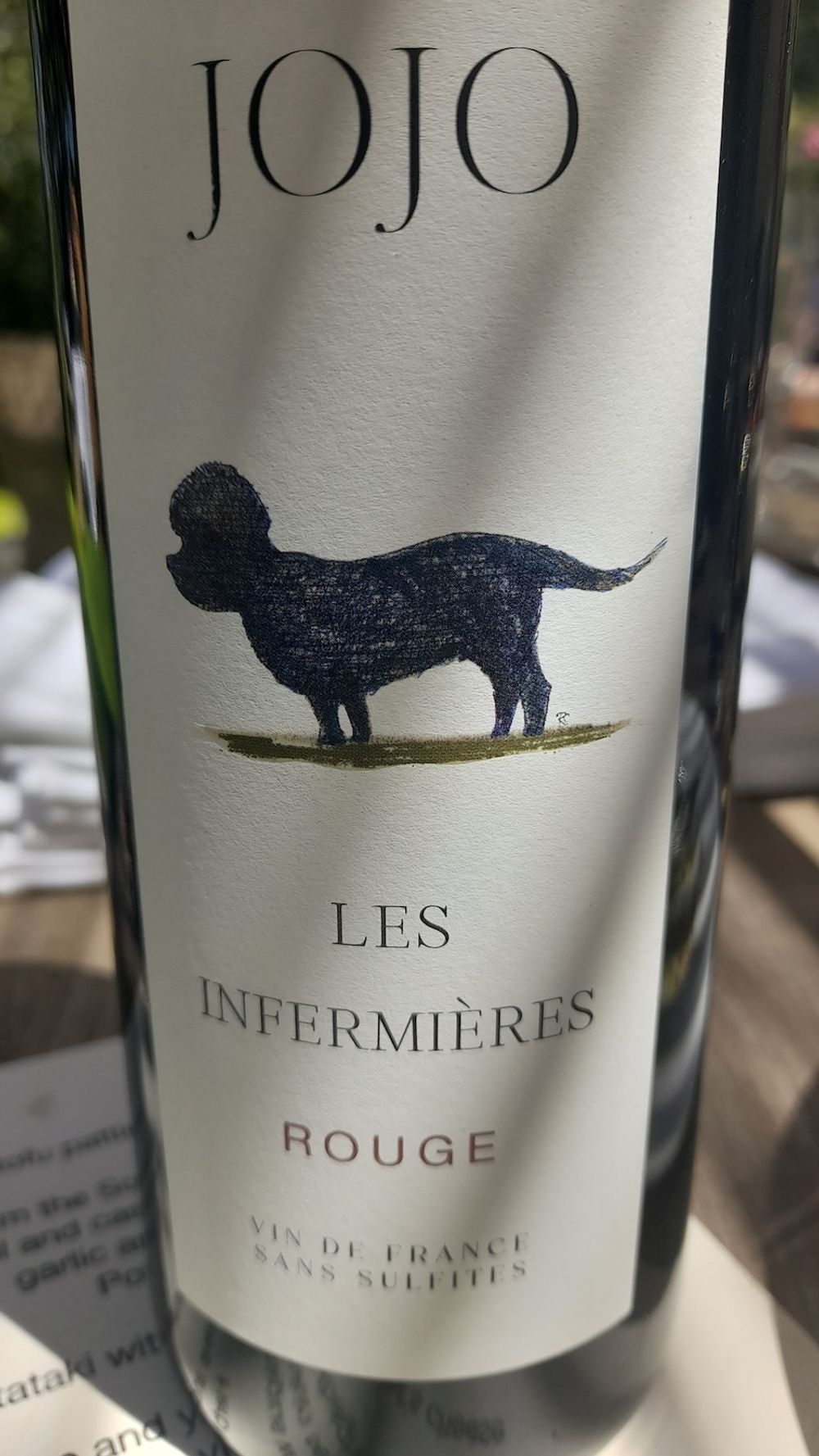
Jojo Rouge 2024, Vin de France
Named after another of the family’s current dogs, this is almost the same blend as the Jack Rouge, with Merlot replacing the Cabernet. No SO2 added. Appealing cherry, raspberry and blackberry notes, with soft tannins.
Source Rouge 2022, AOP Luberon
70% Syrah and 30% Grenache. Spicy black fruit with elegant tannins and a lengthy finish.
Chevalier Rouge 2022, AOP Luberon
50% Syrah, 40% Grenache, 10% Carignan. Carbonic maceration for the Carignan only. Elevage in 30% new oak for 12 months. Plenty of structure with fine-grained tannins melding seamlessly. Woody, spicy aromas with attractive red and black fruit on the palate.
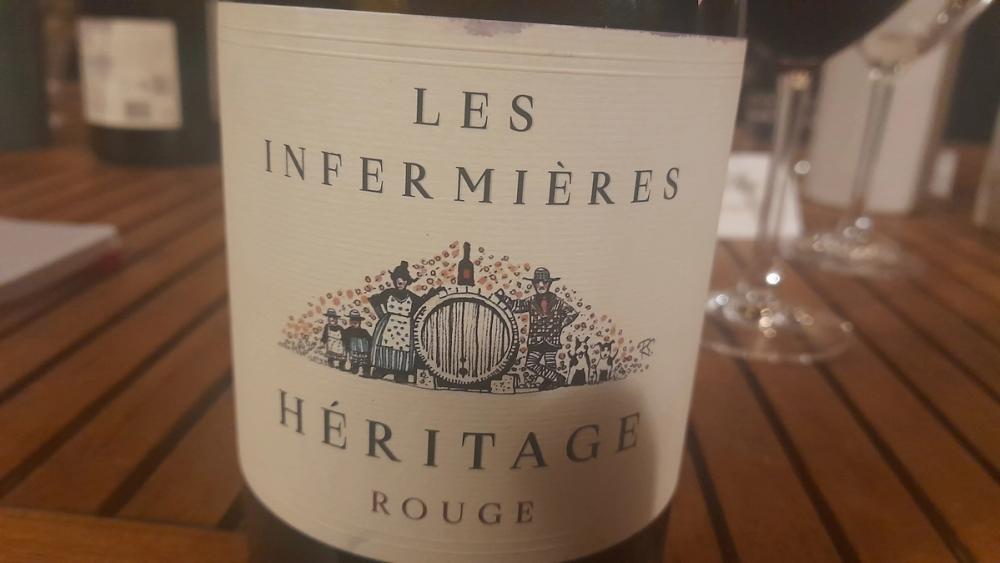
Heritage Rouge 2023, Vin de France
Cabernet Sauvignon and Syrah co-fermented in a 50:50 split. Elevage in second and third fill barrels for 12 months. Expressive nose with notes of black fruit and leather. Quite rich with silky tannins that are well-integrated.
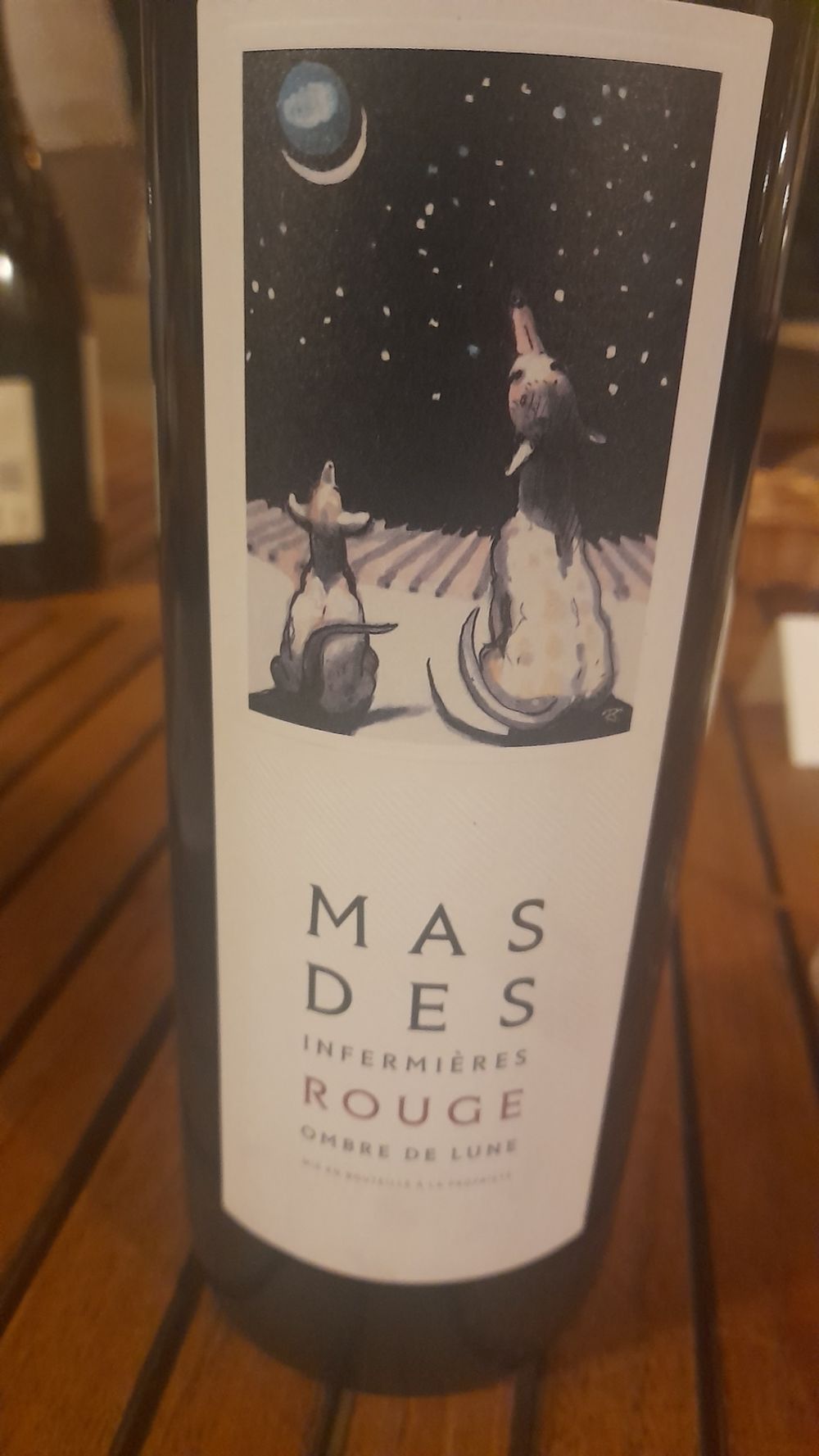
Ombre de Lune Rouge 2021, AOP Luberon
Flagship wine of the estate with 40-year old Syrah vines providing 90% of the fruit (with Grenache making up the remaining 10%). Aged in 100% new oak, which is absorbed very well with fine-grained tannins being beautifully integrated. Spicy, vanilla aromas with complex stewed black fruits on the palate with a very long finish.