
Peter Dean: First, congratulations on your centenary anniversary. For those unfamiliar with the wines of the region could you provide an overview of the region and its main characteristics?
Nicolas Dufour: Cellier des Princes owns vineyards in the heart of the Châteauneuf du Pape appellation and its surroundings. We are in Southern Rhône, and the vineyards benefit from a mediterranean climate with mild winters and dry hot summers. This is the perfect place for Grenache, the dominant grape which offers ripe fruit, roundness, smooth and silky tannins. It is very often associated with Syrah for the finesse, freshness and spices, and with Mourvèdre for the structure and depth.
Our vineyards are located mostly on red clay and limestone soils covered with the famous “Galet Roulés” (Large round pebbles). They give the grapes a unique and perfect ripeness by storing up the day’s heat and returning it to the soil and vines during the night allowing a constant temperature.
"The move from bulk to bottled is to better showcase the value of our wines, to take control of our distribution, and to reduce our dependence on intermediaries and fluctuating market conditions." Cellier des Princes export director Nicolas Dufour
What style of Rhône wines do you make?
We are making authentic wines from Southern Rhône that can appeal to the largest number thanks to a good fruit concentration, ripeness and elegance. The wines are approachable and sophisticated at the same time thanks to smooth and silky tannins, intertwined aromas of fruits and spices.
Do you make wines from all Rhône regions?
We are focusing on Southern Rhône. If we were specialised mostly in Châteauneuf du Pape, Côtes du Rhône and IGP Vaucluse in the past, we have now become a Southern Rhône Cru specialist with growers joining the cooperative in the recent years. We can now offer the most popular and prestigious Crus from Southern Rhône: Châteauneuf du Pape, Gigondas, Vacqueyras, Rasteau and Cairanne.
What have been the major developments in the region in recent years?
With the global warming the region had to adapt by planting the right varietals, by changing its production processes in both the vineyards and the cellar to maintain enough acidity while preserving the ripeness to allow the right balance. The demand for white wines has also grown a lot and more white varietals have been planted.
Cellier des Princes - voted for the second year running the second best cooperative in France after La Chablisienne.
How was the 2025 harvest in terms of volume, yield and quality compared to previous years?
The 2025 harvest was impacted by the August heatwave, which led to berry concentration, resulting in more concentrated wines, but also caused an approximate 25% reduction in yields compared to a normal year.
What do you think has been the main ‘secrets of your success’ in Cellier des Princes lasting this long?
You have to reinvent yourself constantly. The drinking population is ageing, and wine doesn’t appeal to the younger crowd like it used to. We need to offer wines that can appeal to the largest number, in term of style and/or packaging/format. That’s why we need to reinvent the tradition and stay current.
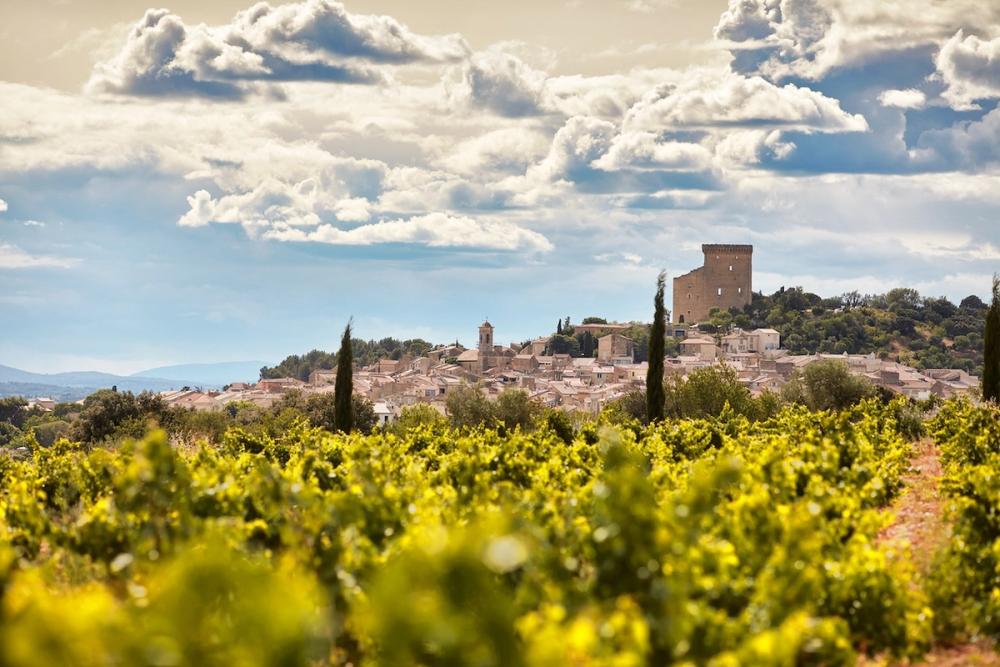
Cellier des Princes - The only co-op in the village
This reinvention certainly seems to have been successful. In 2005 there was a major change with the board of directors and the president being overthrown. Why was this and what was the result?
In 2005, the winery embarked on a new strategic direction, transitioning from bulk wine sales to bottled wines in order to fully express and enhance the quality of our terroirs and savoir-faire. At the same time, we launched our Cellier des Princes brand, which has since grown to become a name known and recognised in more than 40 countries worldwide.
Why was it so important to the cooperative that you moved away from bulk wine?
The transition from bulk wine sales to bottled wines was a decisive step. It allows us to better showcase the value of our wines, to take control of our distribution, and to reduce our dependence on intermediaries and fluctuating market conditions. Most importantly, it enables us to fairly remunerate our cooperative growers, giving them the means to invest fully in quality-driven practices in the vineyard. This continuous commitment to excellence leads to ever-improving wines, greater value creation, and ultimately forms a truly virtuous circle.
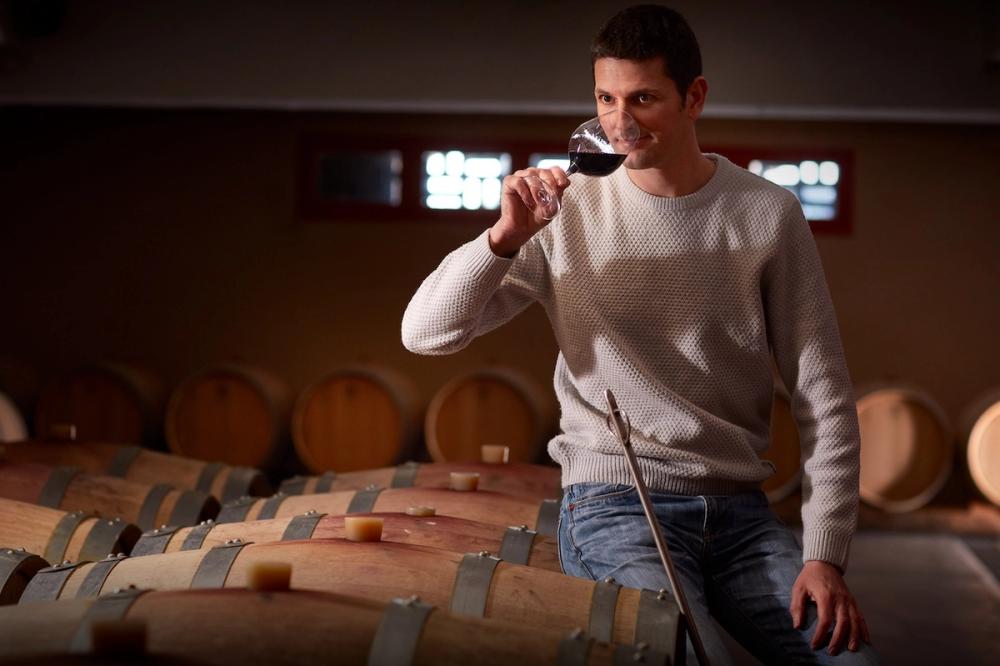
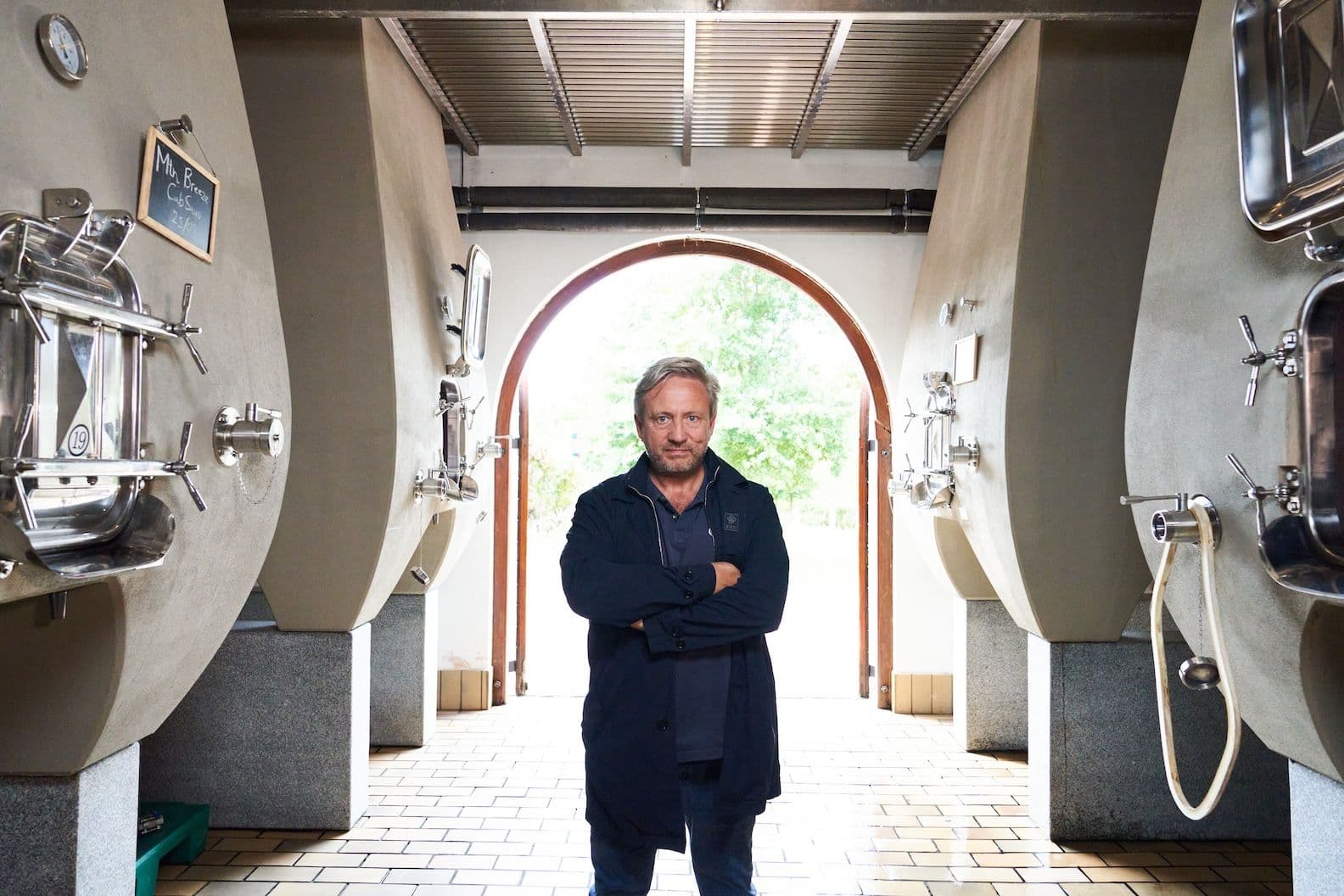
A trusted and solid relationship with growers – Cellier des Princes winemaker Thierry Ferlay
Another major landmark was in 2017 with the introduction of oenologist, Thierry Ferlay – explain please his role and how he works with your 116 wine growers.
Thierry works in very close partnership with our wine growers, maintaining a constant dialogue and listening carefully to their feedback and experience. The efforts he asks of them are always clearly explained, justified, and supported by tangible results in the wines.
He plays a key role in the precise organisation of the harvest, defining picking dates, parcel by parcel, according to terroir, appellation, and weather conditions. This highly detailed approach allows us to harvest at optimal maturity, a fundamental parameter in achieving high-quality wines.
Thanks to the consistently strong results achieved in recent years, a solid and trusting relationship has been built between Thierry and our growers. This shared confidence enables everyone to move forward together, with a common vision and a clear direction focused on quality.
As a cooperative do you feel that you have to continually justify yourselves quality-wise against independent, family-owned wine estates?
Of course, you have to prove more as a cooperative. Cellier des Princes has invested a lot in the last 10 years to improve the quality of its wines. The investment was made both in the vineyards and in the cellar. From being the sole and unique cooperative cellar of Châteauneuf du Pape, we have become now one of the leading cooperatives in France and one of the leading producers of Southern Rhône, recognised for the quality of its wines and its competitive prices. We have been elected for the 2nd year in a row best cooperative from the Rhône by Wein Wirtschaft and 2nd best cooperative of France right after La Chablisienne. We can offer today more than 20 wines with 90+ scores from international journalists.
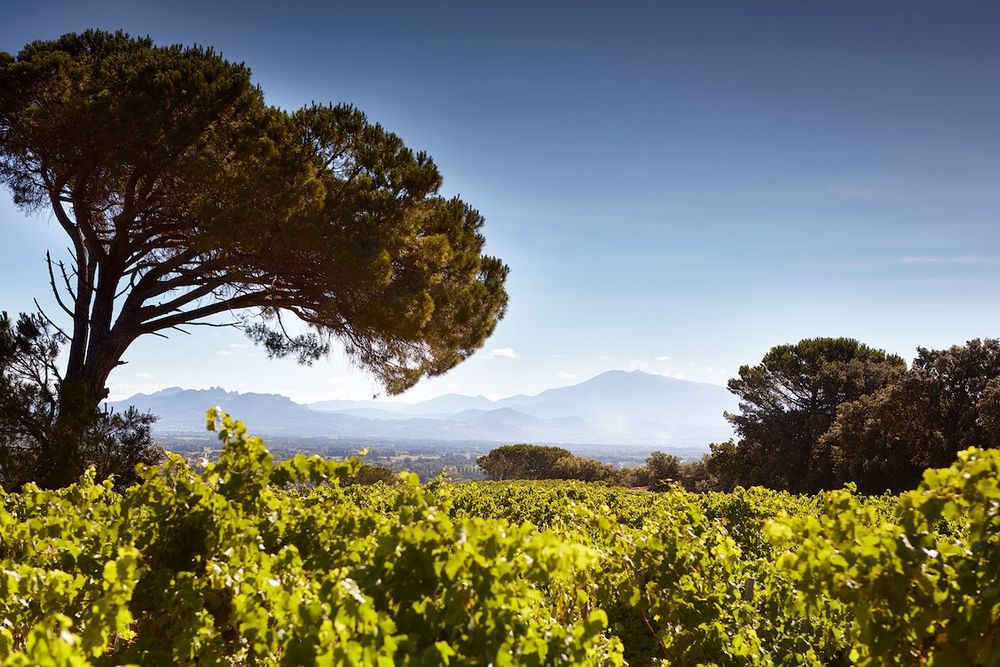
The 2025 August heatwave led to a 25% reduction in harvest yields
What are the unique challenges facing a cooperative when needing to invest in innovation and transformation of viticulture practices?
While innovation and the transformation of viticultural practices can be seen as a challenge, we firmly believe that being a cooperative is in fact a real strength in addressing these issues. One of the key advantages is that the experiences and learnings of each grower benefit the entire group. Trials, successes, and adjustments made in one vineyard quickly become shared knowledge, accelerating collective progress.
This dynamic creates a strong sense of emulation, where growers inspire one another and move forward together. There is also a genuine collective momentum, driven by a shared vision and common objectives.
Finally, investment in innovation is far more achievable when it is undertaken collectively. Pooling resources allows us to implement new tools, technologies, and practices that would be far more difficult to access individually. This collective approach enables us to innovate more efficiently, more sustainably, and with a long-term perspective.
50% of your production is exported – which are your main export markets and which are the fastest-growing?
The reality today is more like 60% as the export market has always been keen on Southern Rhône wines, especially Châteauneuf du Pape which is one of the most iconic wine appellations. Our main export markets are Ireland, USA, Belgium, Denmark, Germany and South Korea. The fastest growing markets were definitely Ireland and Denmark in recent years and we hope now to regain presence in the UK as this market is really important to us.
So where does the UK stand in all this? and how do sell and distribute in the UK?
The UK was historically an important market for us, but we unfortunately have lost our presence over the years. However, we believe that we can be today a major supplier thanks to our quality/price ratio, the depth of our range and the profiles of our wines that can suit very well the British palate.
Also, being a producer means we can also offer 100% traceability from the vineyard to the bottle and offer long term price stability/quality as we don’t depend on the bulk market and its fluctuations.
We have today a limited presence in the UK on-trade and off-trade but we have the potential to grow this presence significantly. We love the UK market, we love the Brits and for that reason we are willing to come back strong in the market.
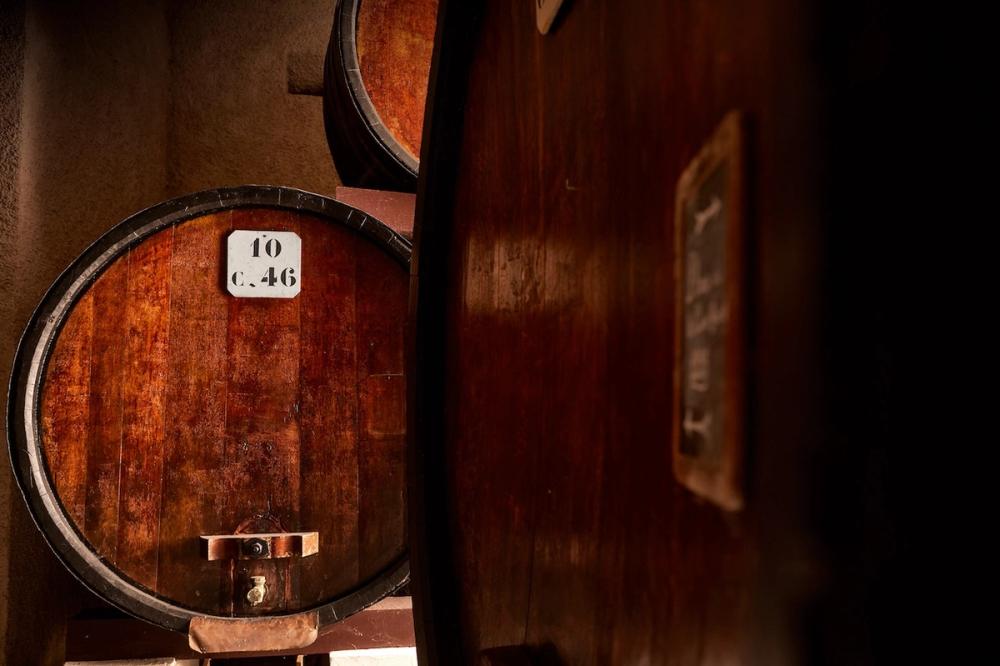
"The past hundred years have already been marked by profound changes, evolutions, and crises. We have faced them collectively, adapting our practices and our organisation each time."
Where do you think Cellier des Princes will be in another century?
Cellier des Princes is a winery built on a century of history, rooted in a community of around one hundred family wine growers. Many of them farm vineyards that have been passed down from fathers, grandfathers, and even great-grandfathers. Today, we are fortunate to have a new generation of young, highly committed and passionate growers, who are deeply engaged in viticulture and will, in turn, pass this passion on to their children.
Looking ahead to the next century, we are fully aware that major challenges lie before us such as climatic, technical, and commercial. However, the past hundred years have already been marked by profound changes, evolutions, and crises. We have faced them collectively, adapting our practices and our organisation each time.
Our strength has always been this ability to move forward together and to remain agile. By continuing to adapt, innovate, and rely on our collective spirit, we are confident that Cellier des Princes will continue to thrive and to transmit its values, its know-how, and its wines for generations to come.
Tasting three new Cellier des Princes wines
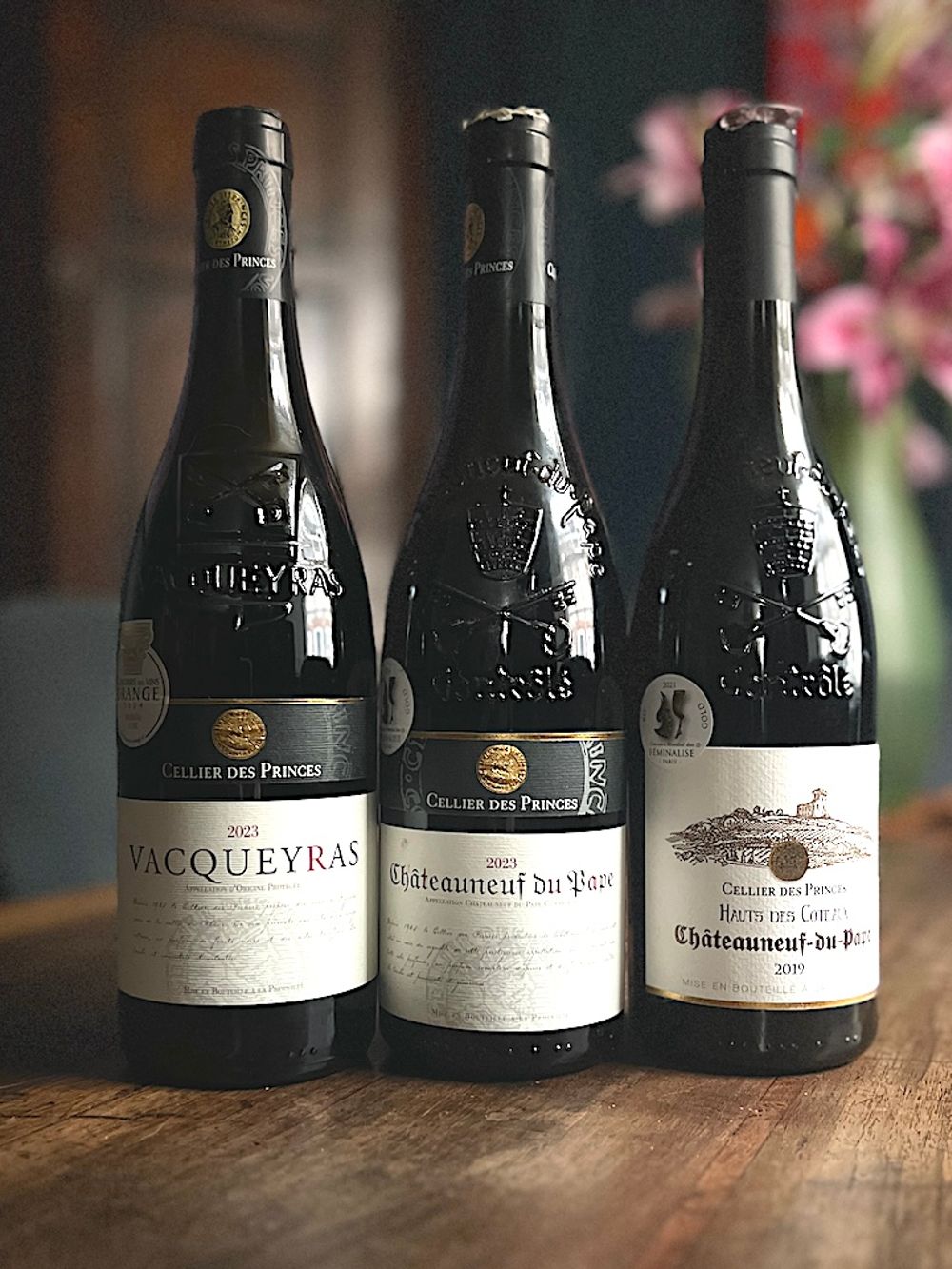
Cellier des Princes,Vacqueyras, 2023
Early drinking, fruit-driven classic Rhône – a blend of Grenache, Syrah and Mourvèdre. Wild black fruit, herbs, roasted spicy note. On the palate rounded, integrated velvety tannins, decent structure and balance. Surprisingly juicy and approachable for a wine so young and so high in alcohol. (Seeking UK distribution)
Cellier des Princes,Châteauneuf-du-Pape, 2023
Rich and full-bodied CNdP - a blend of Grenache, Syrah and Mourvèdre – spicy and wild cherries on the nose, strawberries, resin and spices, in the mouth the wine is lush, intense, fruit-driven, the tannins apparent but well balanced, the wine packs a lot of jammy flavours. Dry finish. You can feel the alcohol but it does work. (Available: C&C Group and Hallgarten)
Cellier des Princes, Châteauneuf-du-Pape, Hauts des Coteaux, 2019
With fruit hailing from 60-year-old vines and 12 months in barrel, this ripe and full-bodied CNdP - a blend of Grenache, Syrah and Mourvèdre – is more complex than the straight CNdP. On the nose there’s purple stone fruit, mulberries, liquorice, vanilla, potpourri, seasoned wood. The palate is concentrated, jammy fruit, tannins quite chewy still. Tight, dry finish. (Seeking UK distribution)