Since its acquisition by the Ferragamo family, Castiglion del Bosco has been quietly transformed from a secluded winery and abandoned medieval borgo into a world class destination. The guiding principle throughout has not been reinvention, but authenticity. Chiara Ferragamo was personally involved in curating interiors, sourcing antiques and collaborating with local artisans to restore the original appearance and atmosphere of the village.
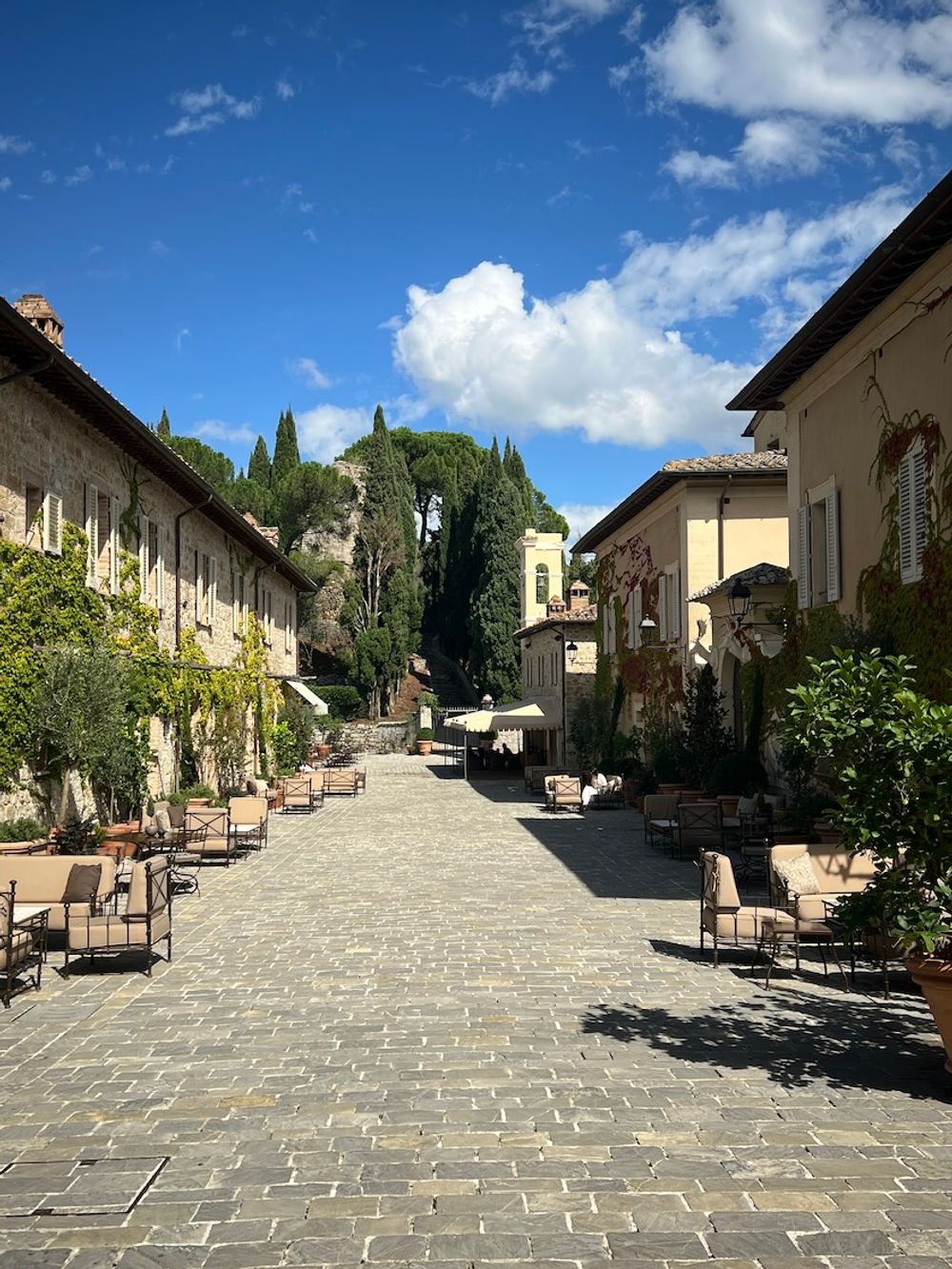
The borgo at Castiglion del Bosco - a case study in fine wine and luxury living
Although the property changed hands in 2022, the Ferragamo legacy remains evident in the estate's restrained Tuscan aesthetic, architectural sensitivity and thoughtfully designed accommodations. Today, the Rosewood-managed hotel comprises 42 suites and 11 private villas, supported by high end amenities including a spa housed in former wine cellars, an 18-hole private golf club, and several culinary destinations.
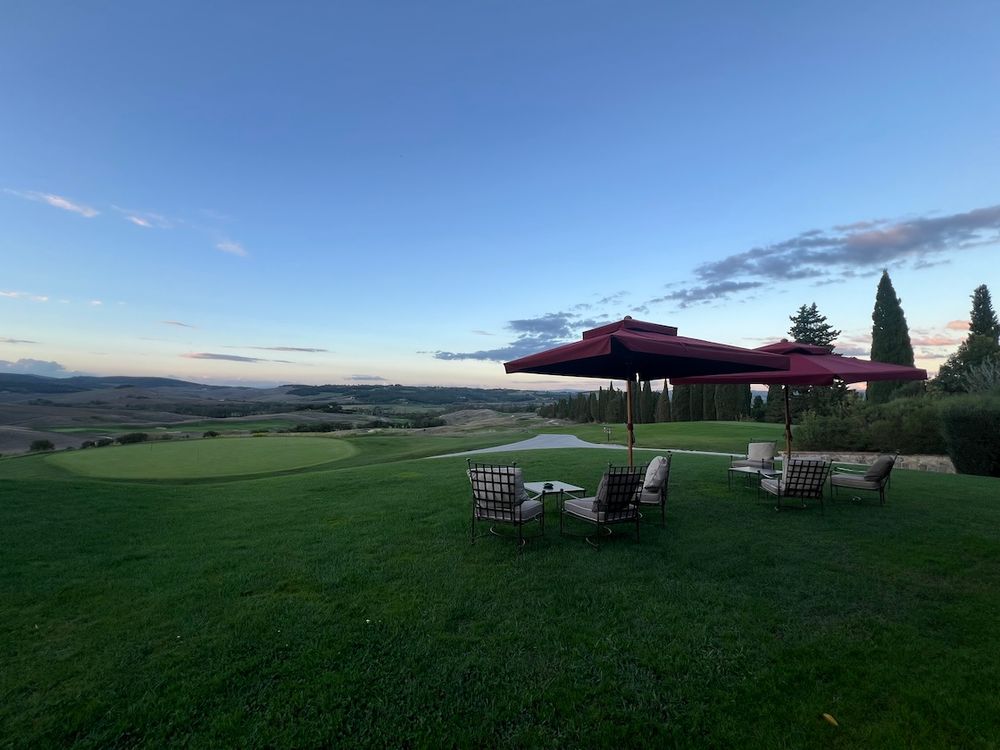
The 18-hole golf course at Castiglion del Bosco
These include Michelin starred Ristorante Campo del Drago, offering refined Tuscan cuisine, Brunelliere for a more relaxed experience, and a cooking school La Canonica, all drawing produce from the estate’s organic kitchen garden, often frequented by local deer. The effect is undeniably charming, inducing an immediate fairytale fantasy. At the same time, the estate’s restored 14th century chapel, complete with beautifully preserved frescoes, satisfies a more adventurous curiosity.
Wine club, winery and private cellars
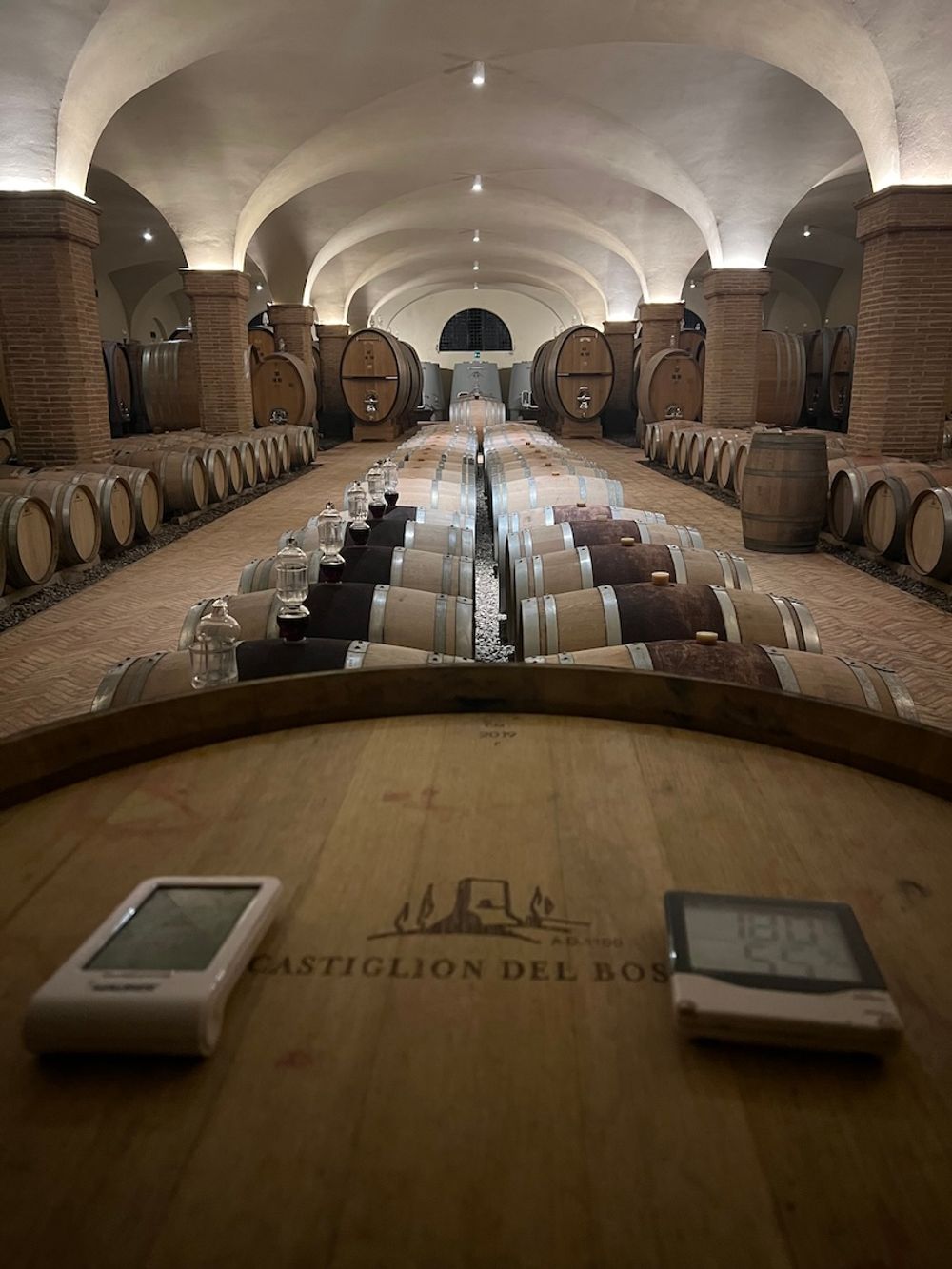
Access to private cellars is all part of the wine club benefits
Another major draw for wealthy guests and collectors is the Castiglion del Bosco wine club, currently operating at full capacity with a waiting list. Members enjoy access to private cellars and a dedicated tasting room within the estate’s winery, located a short walk from the hotel and restaurants. These spaces can be reserved for bespoke tastings and private events.
The modern architecture of the winery complements the estate’s traditional surroundings with impressive restraint. One of its most striking features is the Barriccaia, where Sangiovese rests in a range of ageing vessels. Both technically fascinating and visually dramatic, the cellar reinforces the idea that wine here is not merely produced, but carefully staged as part of a broader immersive experience, particularly when viewed from the mentioned tasting room above, which offers panoramic views over the barrels below.
Historic authority: Brunello di Montalcino founding member
While Castiglion del Bosco now sits confidently at the intersection of fine wine and luxury lifestyle, its historic authority should not be overlooked. The estate was a founding member of the Brunello di Montalcino Consortium, established in 1967 to protect and define the identity of Sangiovese grown in this unique area of Tuscany. Today, it remains one of the region’s largest producers.
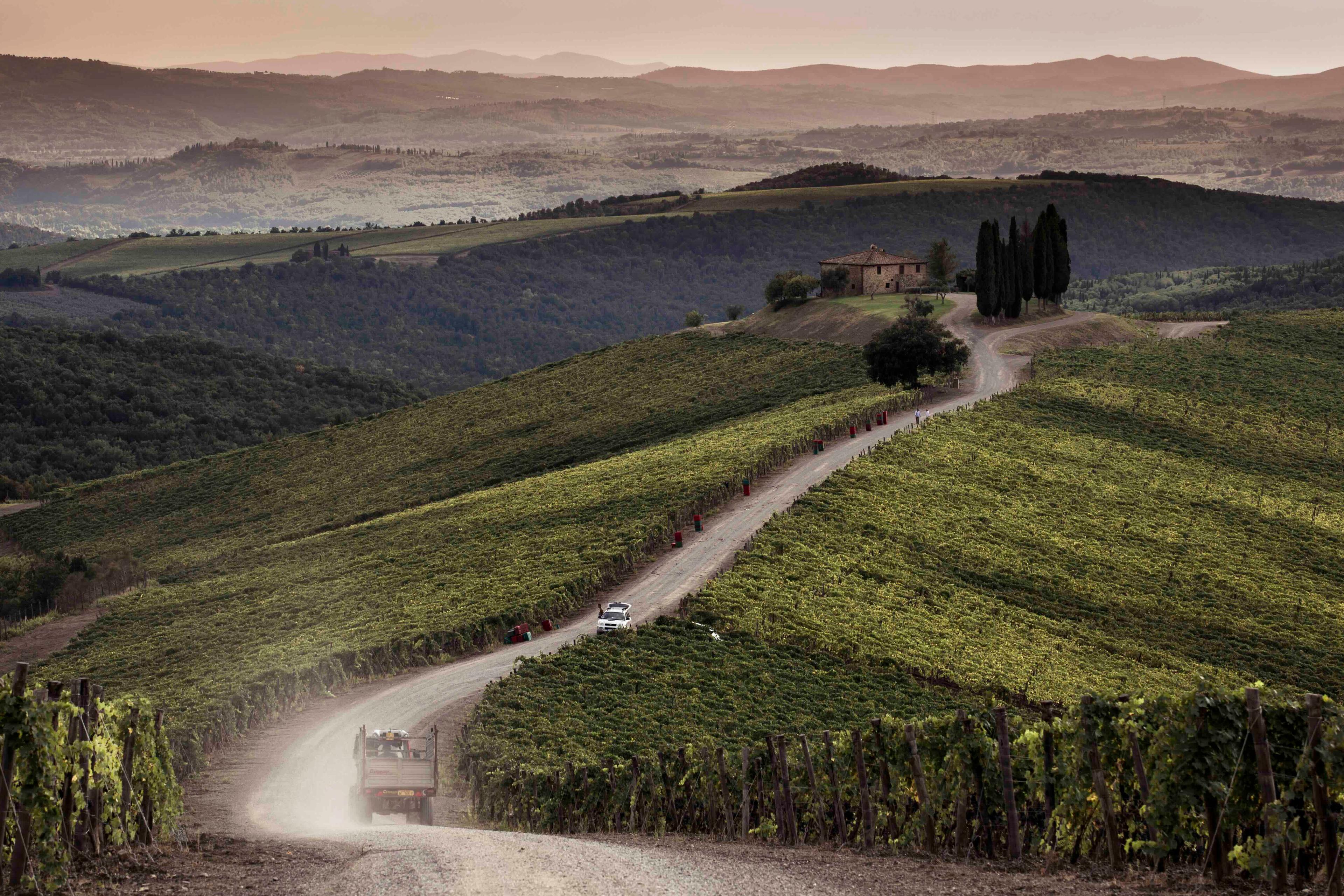
The vineyards span 60 hectares of gently rolling hills, surrounded by approximately 1,600 hectares of forest. Portions of this land remain active hunting grounds, while others are protected as part of the UNESCO listed landscape, underscoring the estate’s long-term commitment to environmental stewardship and preservation for future generations.
Female led winemaking
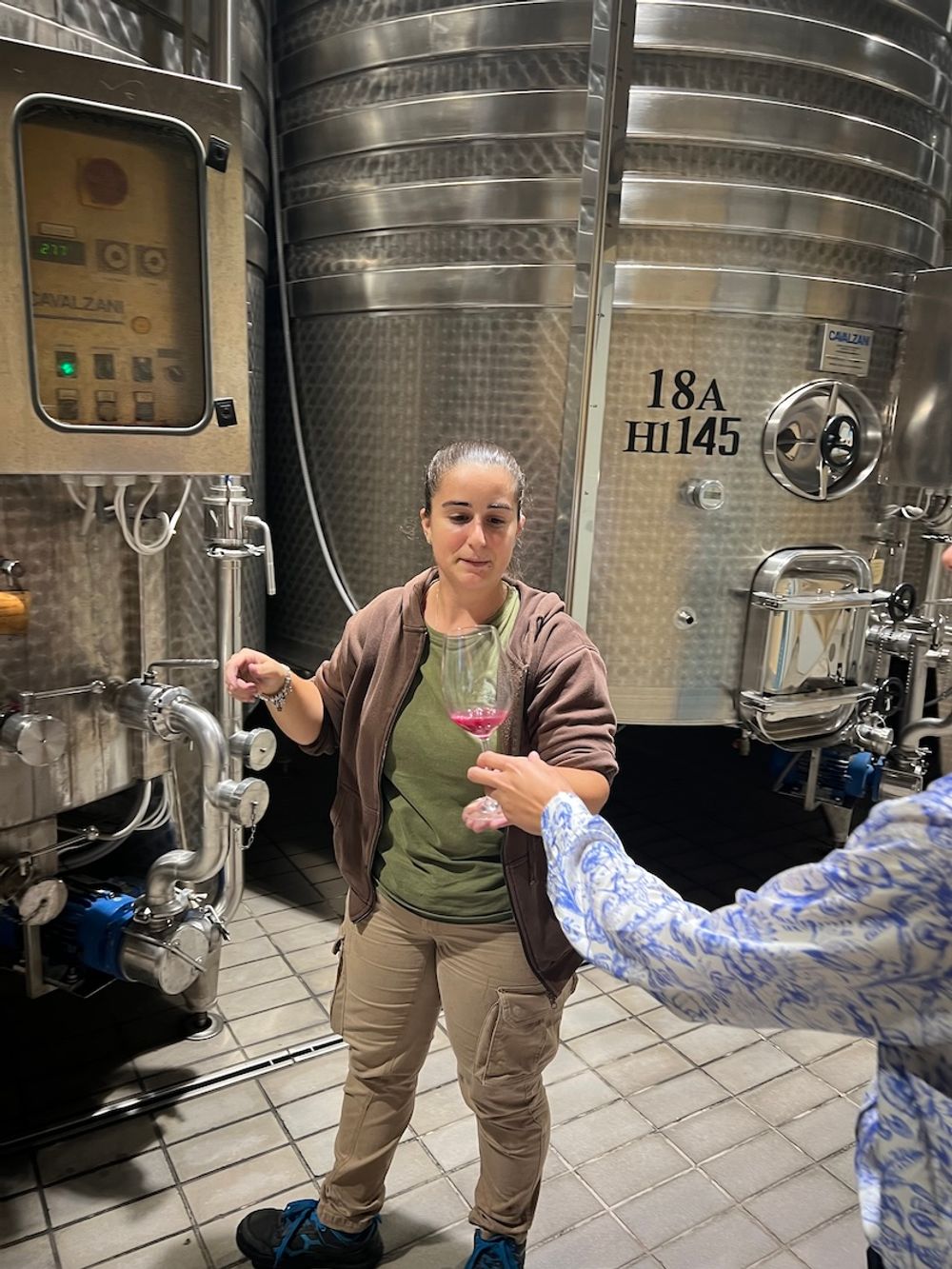
Gianna, assistant winemaker at Castiglion del Bosco
Despite changes in ownership, all winemaking operations continue under the leadership of seasoned oenologist Cecilia Leoneschi. Castiglion del Bosco vinifies each plot separately, maturing all wines in the same way before making final decisions on classification. Only at the end of the process is it determined which wines will become Brunello and which will be released as Rosso di Montalcino.
Among the estate’s more distinctive expressions are the Zodiac Brunellos, which spend an additional year in wood compared to the Rosso wines, an intriguing detail particularly for astrology enthusiasts. While it might be tempting to view entry level labels as a preview of the estate’s flagship wines, that assumption would be misleading. Campo del Drago Brunello di Montalcino and Millecento Brunello di Montalcino Riserva are institutions in their own right.
Campo del Drago stood out as a personal favourite. Powerful yet refreshing, it shows superb fruit concentration with beautifully integrated oak. Millecento follows closely behind. Probably it needs a touch more ageing.
Tenuta Prima Pietra: the next frontier
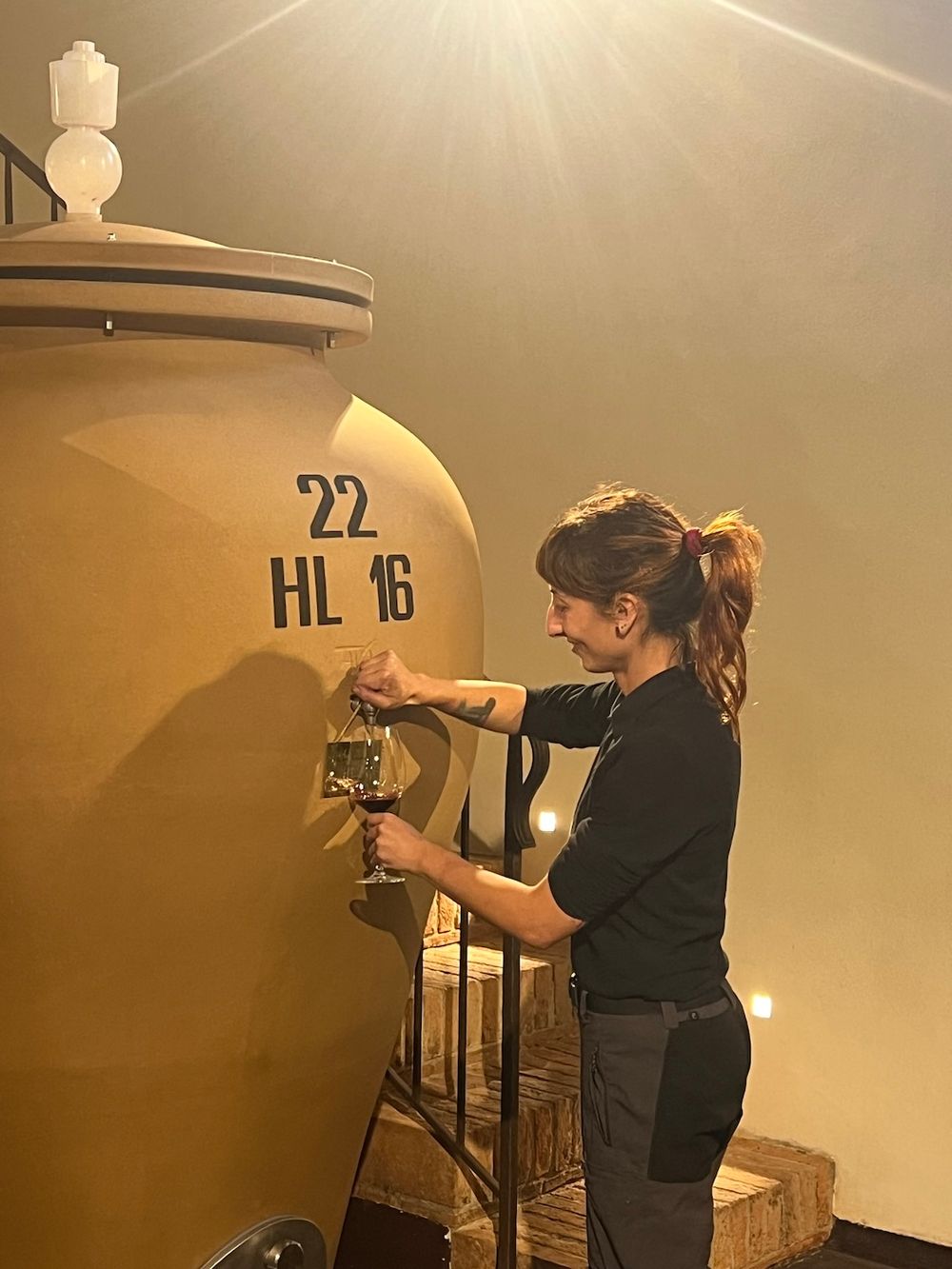
Winemaking at Prima Pietra is, again, female-led and highly experimental
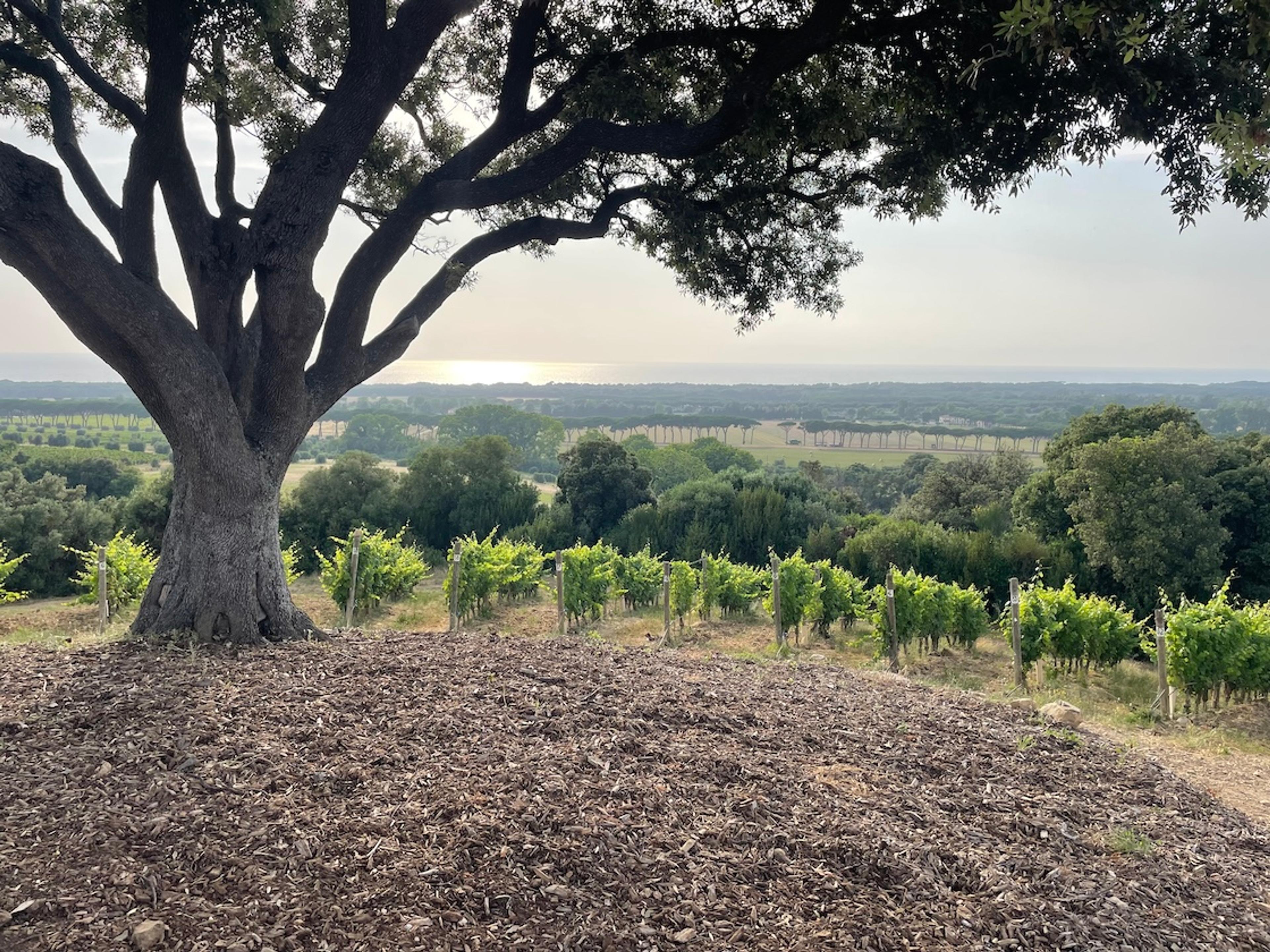
When the Ferragamo family sold the Brunello estate, Tenuta Prima Pietra in Riparbella was sold alongside it, with both properties passing to an international family office. Located approximately 30 kilometres inland from Sassicaia and planted at an altitude of 450 metres, the site was completely deserted until Massimiliano Ferragamo began planting vines in 2002.
In recent years, Riparbella has emerged as a highly desirable location, increasingly viewed as a future Bolgheri. On clear days, views stretch across the sea as far as Elba. Although weather conditions during our visit were less cooperative, brief breaks in the rain allowed us to taste Prima Pietra, the estate’s flagship wine.
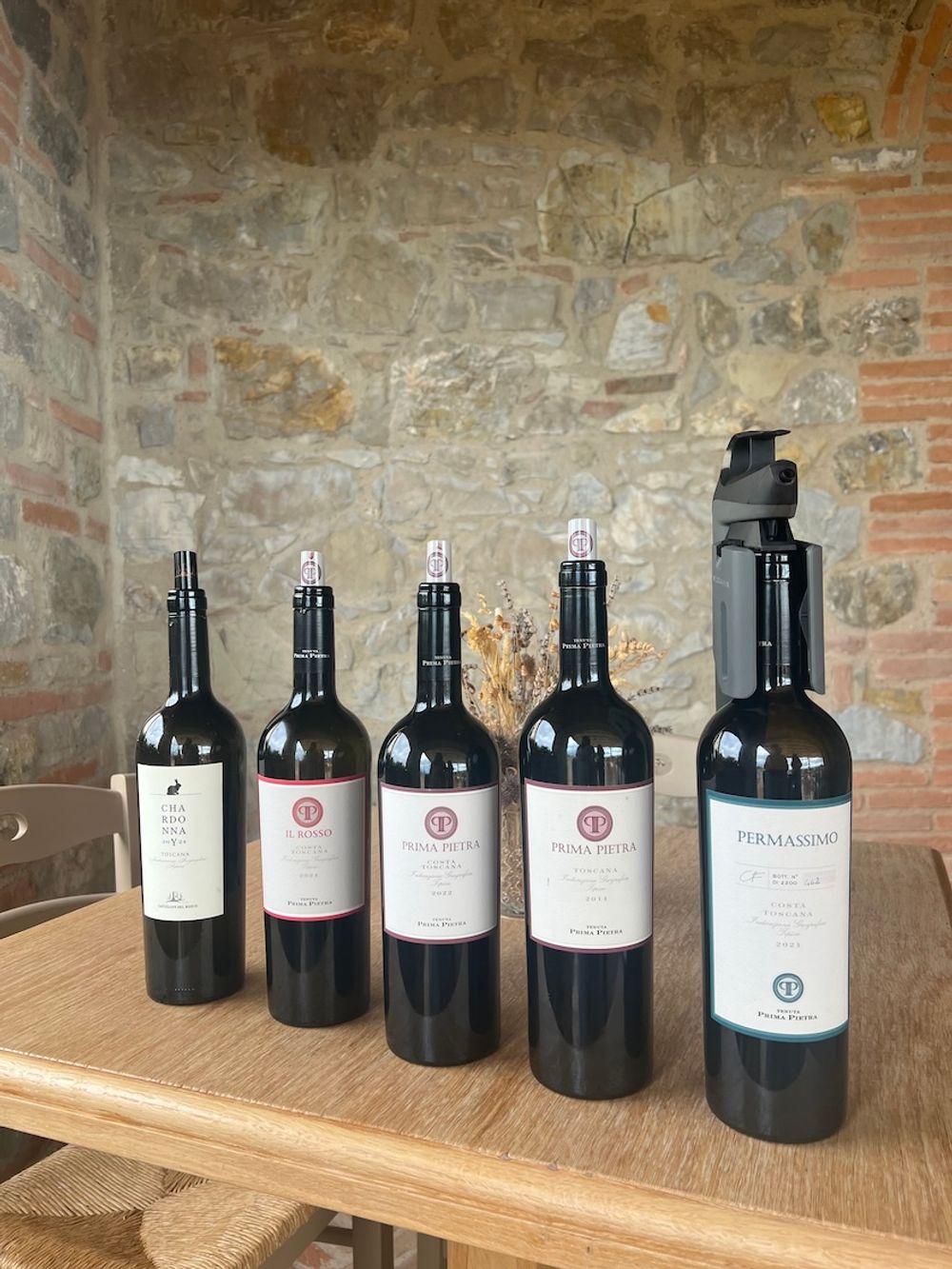
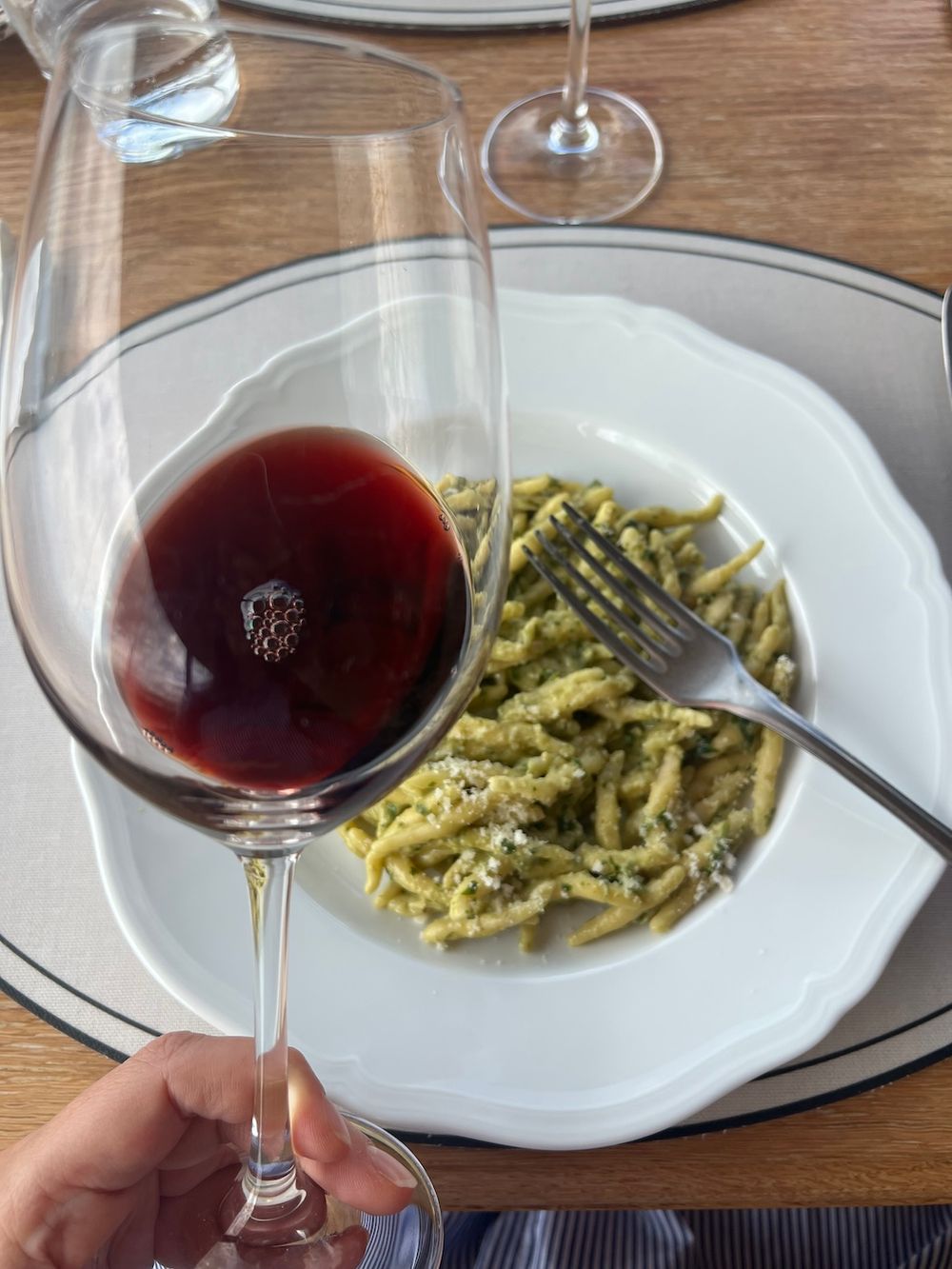
Permassimo, a Cabernet Franc led blend, was the standout. It captured my attention immediately, and I fell head over heels for it. The Prima Pietra wines follow classic Super Tuscan compositions built around Cabernet Sauvignon, Merlot and Petit Verdot. Chardonnay is also grown here and performs impressively.
Winemaking at Prima Pietra is, again, female-led and highly experimental, utilising a combination of clay amphorae, stainless steel and traditional oak barrels. While production volumes remain limited, these trials are clearly shaping the estate’s future direction. A newly vinified Syrah, sampled directly from the barrel, showed particular promise.
Costa Toscana: Tuscany’s appellation to watch
As climate pressures increase and land availability in Bolgheri becomes ever more constrained, it is hardly surprising that attention is shifting uphill toward Riparbella. At higher elevations, temperatures are marginally cooler, sun exposure is broader, and maritime influences including sea breezes and fog help preserve freshness. These conditions may yet allow Costa Toscana wines to rival, or even surpass, their coastal neighbours.
Land is already changing hands rapidly, with many Bolgheri producers expanding northward and planting classic Super Tuscan varieties in this emerging zone. Having tasted both Prima Pietra and Permassimo, it is clear that Massimiliano Ferragamo made a decisive and forward-thinking investment when he planted here in 2002, one whose full potential the new owners are only just beginning to unlock.