There are some unusual experiences in the world of drinks; however, one of the most unique must be to find yourself being sung to by Zhenlong Wu, a third-generation master distiller. Even more so, when you are in Fenyang City in Shanxi Province, some 400 miles South-West of Beijing, in the presence of the man who supervises the manufacture of 150 million litres of the indigenous white Chinese spirit, baijiu.
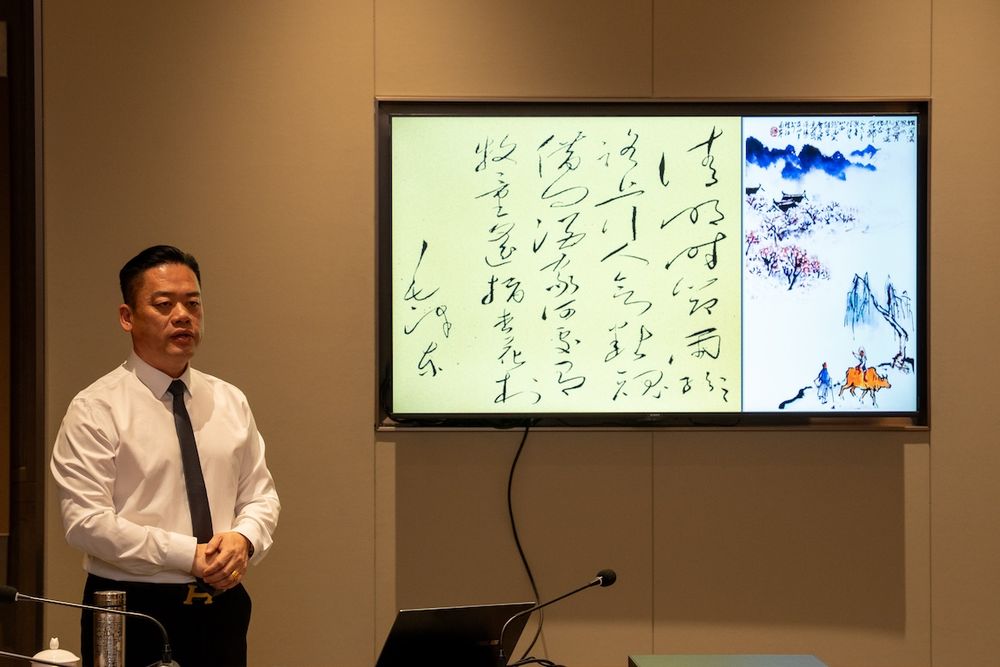
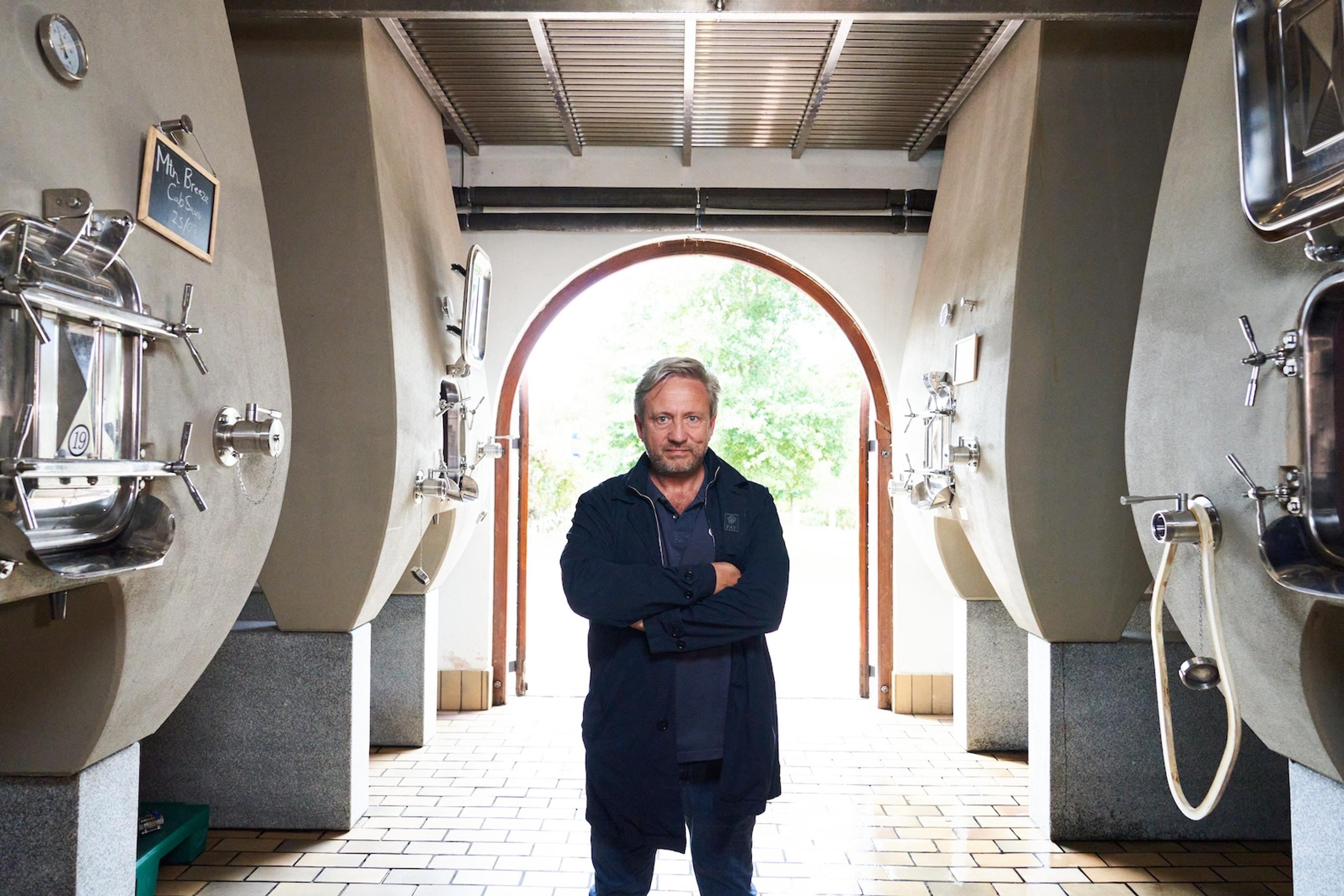
Zhenlong Wu, Fenjui's master distiller, and the ninth century poem from which the company gets its branding
The poem Wu is singing was written by the Tang dynasty poet Du Mu in the ninth century. ‘Qingming’ is learnt by all schoolchildren in China, and it tells the story of a traveller looking for refreshment, who is then advised by a bullock-riding shepherd boy where he might find it. That location is the very ‘village’ I am sitting in, and it gives an idea of baijiu's heritage and its largest producer, Fenjiu, which uses that image as its brand symbol.
Wu believes that “craftsmanship is core” and that the “special history and story of this spirit is key”. The reasons for Wu’s haunting serenade are, he says, that to truly understand the spirit he makes “you must understand its cultural roots, history and legend.”
The pioneering spirit of Fenjiu
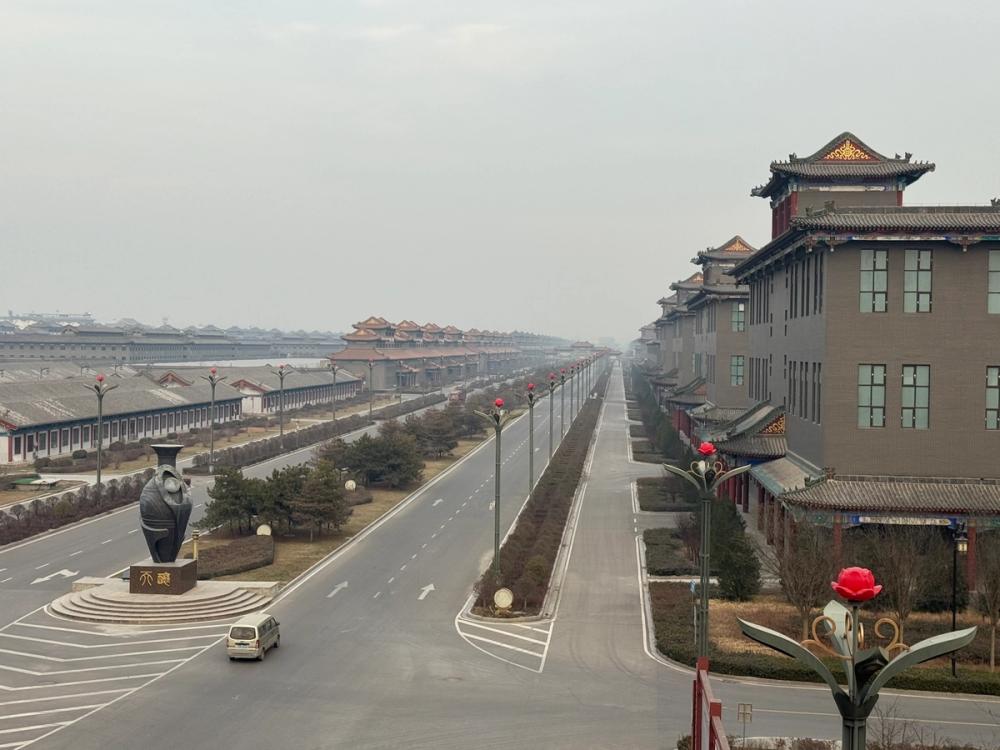
Walled city with studio buildings
Xinghua, known as ‘Apricot Blossom Village’, is a suburb of Fenyang and a national tourist attraction classified ‘AAAA’ by the Chinese government, such is its importance. The enclave encompasses a museum and Fenjiu’s production and distribution facilities, some of which are contained within what appears to be a replica of a Chinese walled city.
The surrounding buildings blend architecture from the Tang, Song, Ming and Qing dynasties. To give an idea of scale, the facility covers 4.85 square kilometres with over 1.58 million square metres of building space. The enclosed surrounding walls are over 10 kilometres in length, making it ten times the size of Beijing’s Forbidden City.
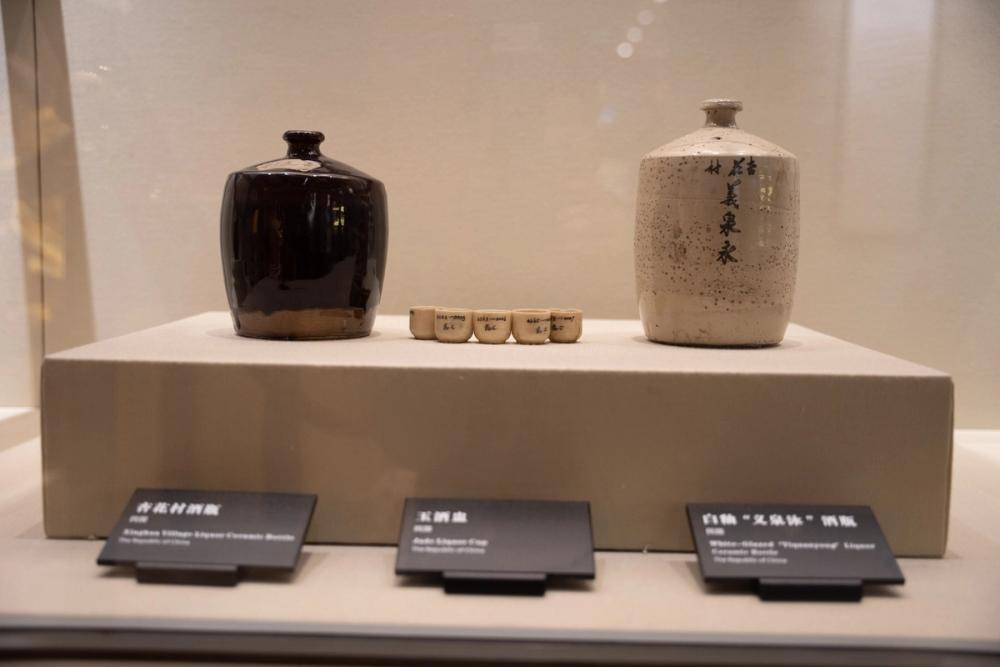
Ancient baijiu drinking vessels in Xinghua museum
Fenjiu itself has always been at the heart of China’s spirits business and is also the most famous brand. Its museum displays plaudits from Chairman Mao and famous poets and even displays 600-year-old brewing vessels found on site. Baijiu itself has roots dating back some 6,000 years, with ‘Bai’ meaning white and ‘Jiu’ meaning liquor.
Fenjiu was the first producer to register for incorporation as a company in China and had its eyes firmly set on the overseas market from the outset. In January 1915, at the San Francisco Panama-Pacific International Exposition, it became the first to exhibit outside its home country, in a move to increase consumer confidence, and earned the kudos of a First-Class Grand Medal.
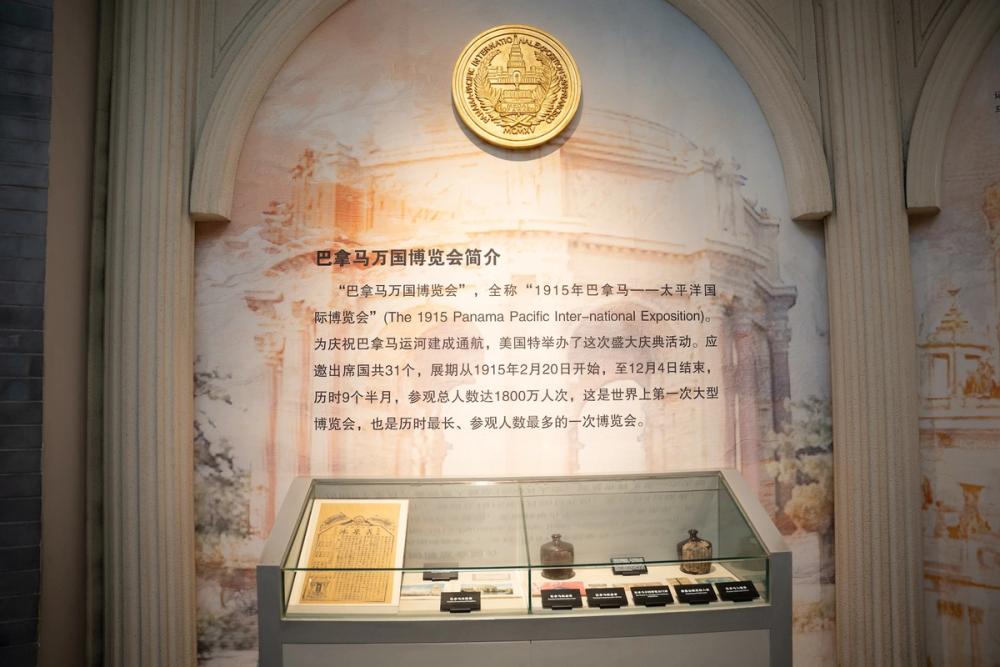
The medal awarded to Fenjiu - an example of early interest in expanding overseas markets
Later, it became the only brand to serve at all national banquets celebrating the foundation of the People’s Republic of China. Wu proudly affirms that this is the first time in China that a regional drink has been served to all political parties from all provinces.
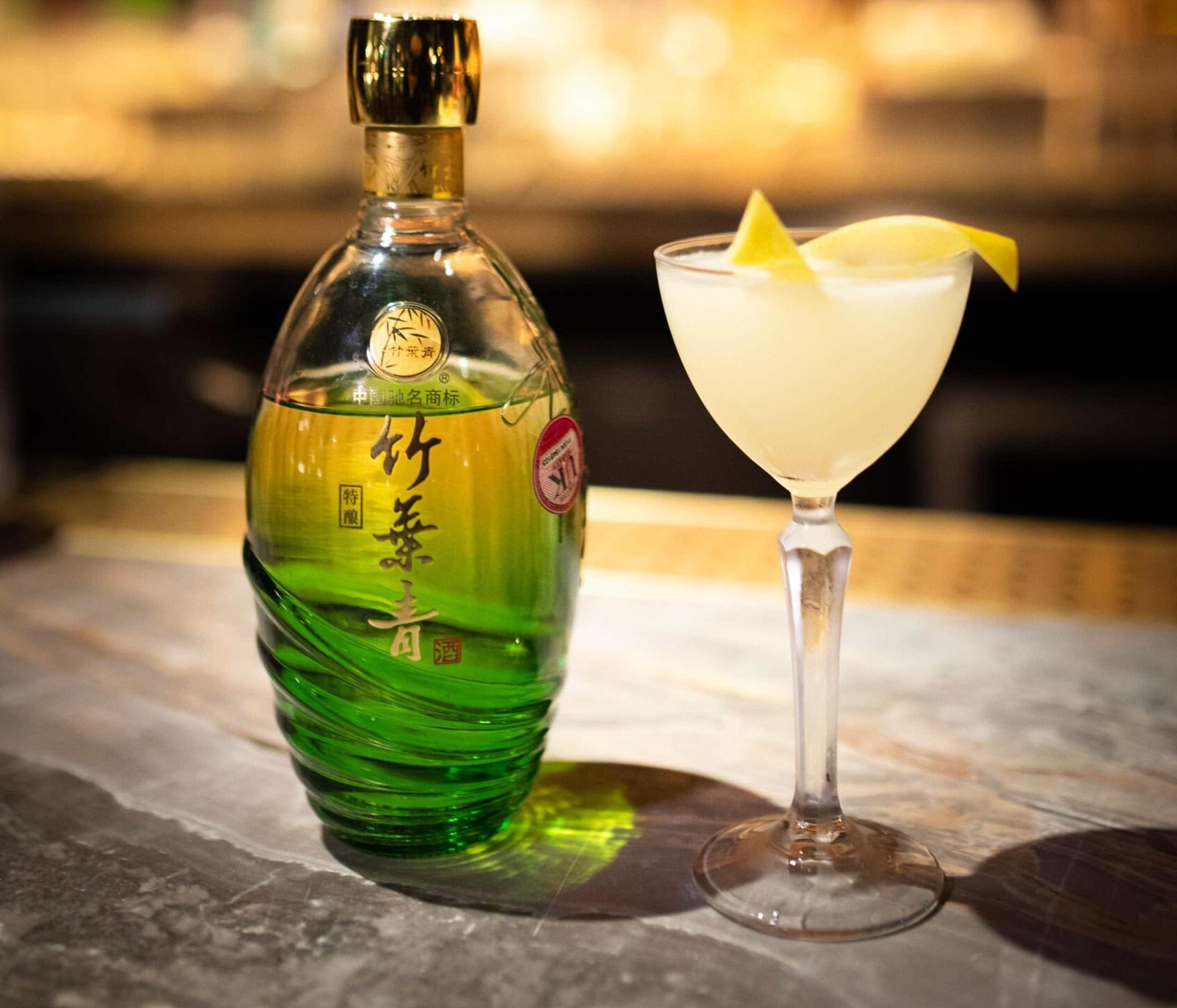
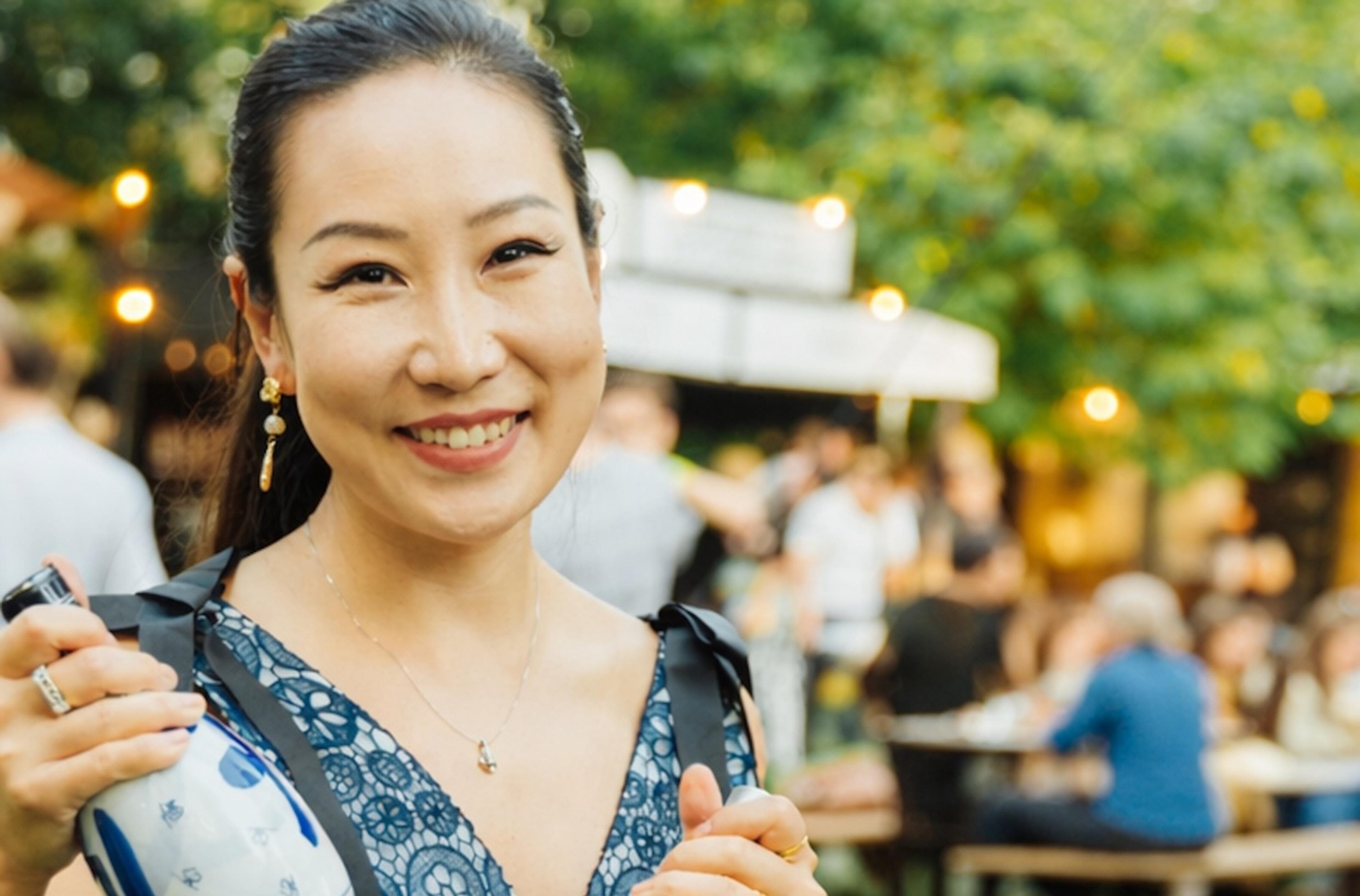
The company's speciality is the spirit in its ‘light aroma’ format, easily the most approachable of the four varieties in China. As Qiqi Chen, MD of Cheng International, the UK’s distributor, says, “It’s like introducing someone to cheese who’s never had cheese before. You want to start with something light and slowly climb up the ladder.” She goes on to say that this light style is “always” the right access portal into the baijiu world.
With her experience in the hospitality industry, Chen says the best way to introduce it “is to incorporate it into the local lifestyle.” This she has already done successfully by promoting it in the UK, particularly through listings in some of London’s finest cocktail bars. With some 6,000 certified baijiu distilleries across China, only 1% of the resulting 10 billion litres a year is sold outside the country.
How baijiu is made
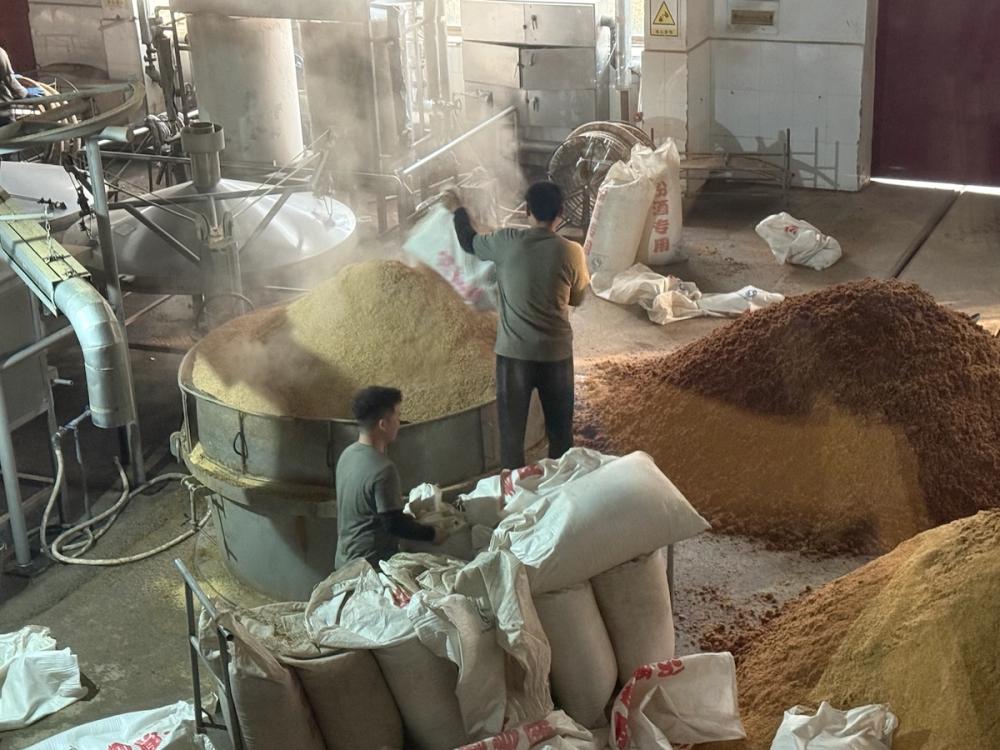
Like a scene from Blade Runner - one of Fenjui's baijiu-making studios
Production takes place in ‘studios’ of which Fenjiu have some 260. A studio has a team master and three production teams of seven people each; a fourth team is responsible for cleaning down the studio every day. During their shift, a production team will process 1.1 tons of the raw baijiu ingredient, Sorghum.
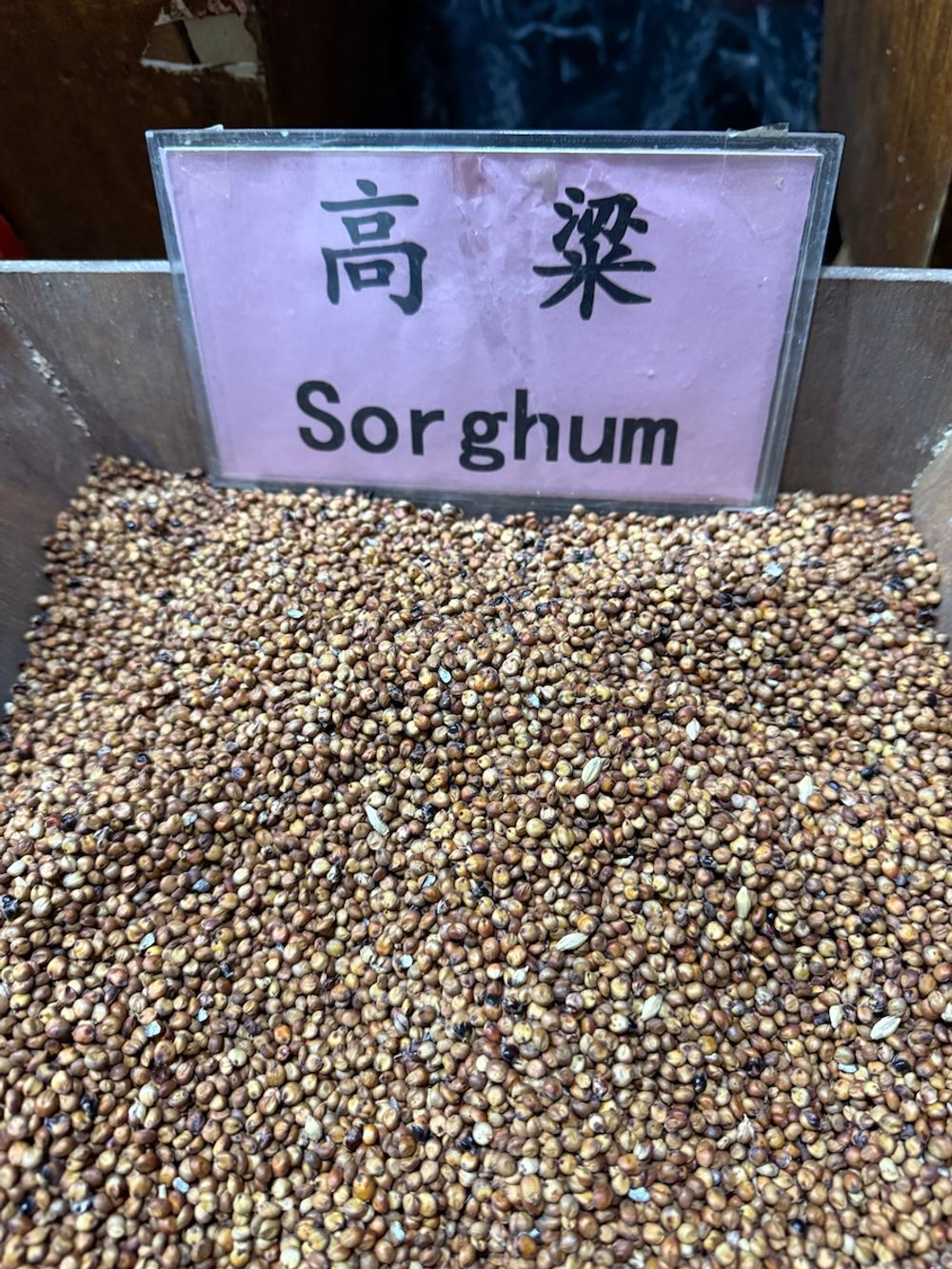
Like a scene from Blade Runner, the studios are steamy, humid places with staff stripped to the waist, as the process is very hands-on: core ingredients are moved around, ground, and mixed. The odour in the air is a heady, earthy one similar to freshly steamed quinoa, although apart from both being gluten-free and used similarly in cooking, that is where the similarities end. The other ingredients are pure spring water from 840 metres below Fenyang City and something called daqu.
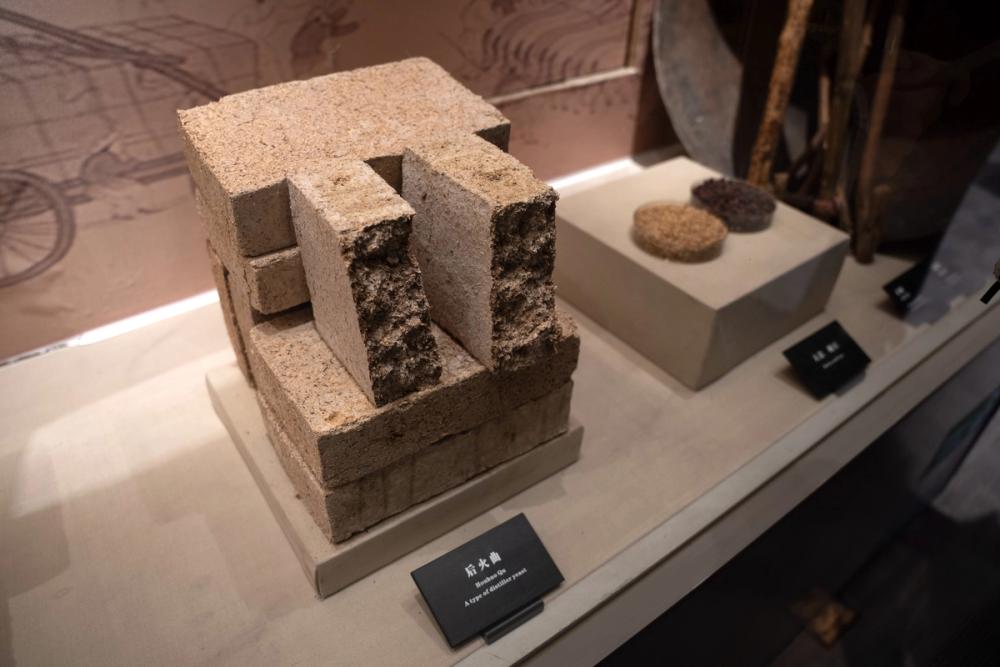
Daqu bricks have unique yeast structures
Daqu are large bricks, about the size of a breeze block, used as the fermentation agent produced in a state-of-the-art yeast production zone. In Fenjiu’s case, the daqu is hand-made from a mixture of barley, peas and water. The blocks are then stored in an air-conditioned, temperature- and humidity-controlled environment for six to eight weeks, under constant monitoring, to develop their unique yeast structures.
The sorghum is ground, mixed with hot water (hence the quinoa-like aroma), and steamed for about 80 minutes. Fresh, cold spring water is then added to form a paste. The mixture is then transferred to a large earthenware pot whose size was determined by reverse-engineering, as eight full jars contain the complete output of a single team. The paste is then cooled to the desired temperature, and the daqu is added.
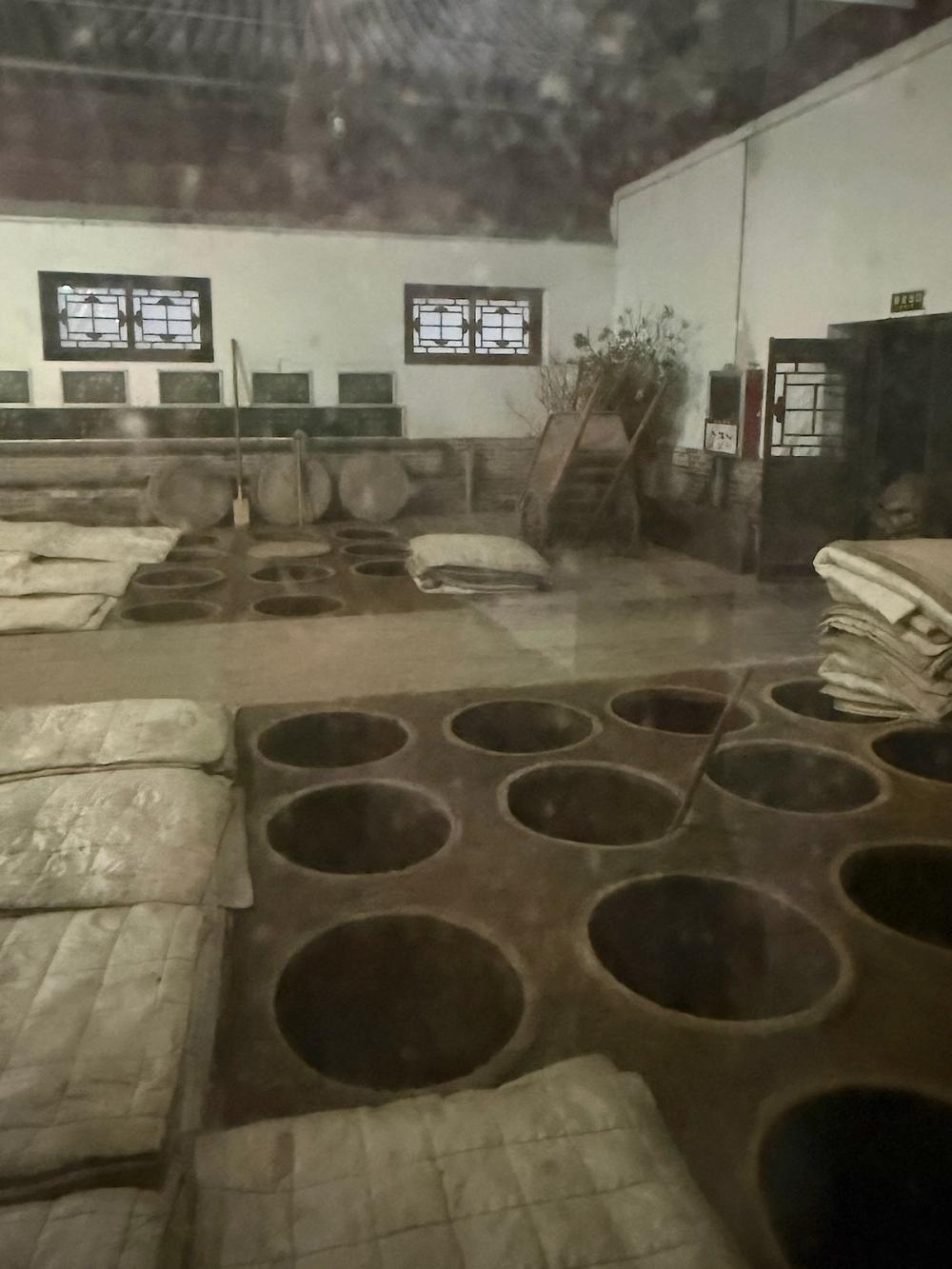
Storage vessels
This style of earthenware fermentation is an unique feature of Fenjiu’s production process. To ensure the correct depth of flavour and that the carbohydrates are both soluble and fermentable, the paste's humidity must be stabilised at 52.5-54.5%. The jars themselves are buried underground and capped with fresh grain or, more commonly, cornhusk. A stone slab is then applied as a final protection against soil and air contamination for a minimum of 28 days of fermentation. This process provides the optimal environment for sorghum and daqu to react and ensures premium quality and outstanding purity, fragrance, and clarity in the resulting spirit.
Baijiu is unique in that, after both the first and second fermentations, it is the residual solids, not the liquid, that are distilled. During distillation, cornhusks and fermented grain are also added to ensure the required heat level is reached. This stage of the process is hard work as it may take 6-700 distillation pans to ensure the additional ingredients are lightly and evenly distributed. This manufacturing process also increases alcohol yield as the manually added cornhusks and grain can absorb any excess moisture.
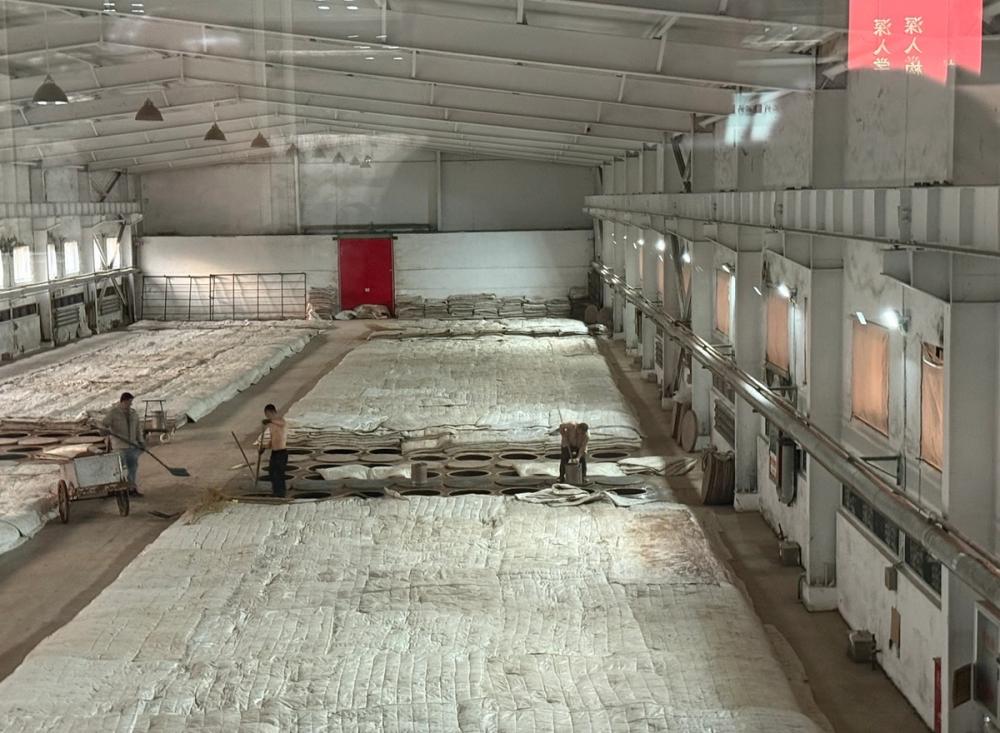
Fermentation storage with underground vessels
After the alcohol is drawn off for storage, the remaining solids are cooled, and new daqu is added, beginning the process again for a second fermentation and distillation. After this spirit is captured, the waste sorghum, grain and cornhusks go on to become cattle feed with residual alcohol of around 2%. For storage and ageing, both resulting distillations are returned to large ceramic jars and stored for 1-50 years, then blended, if required, prior to bottling.
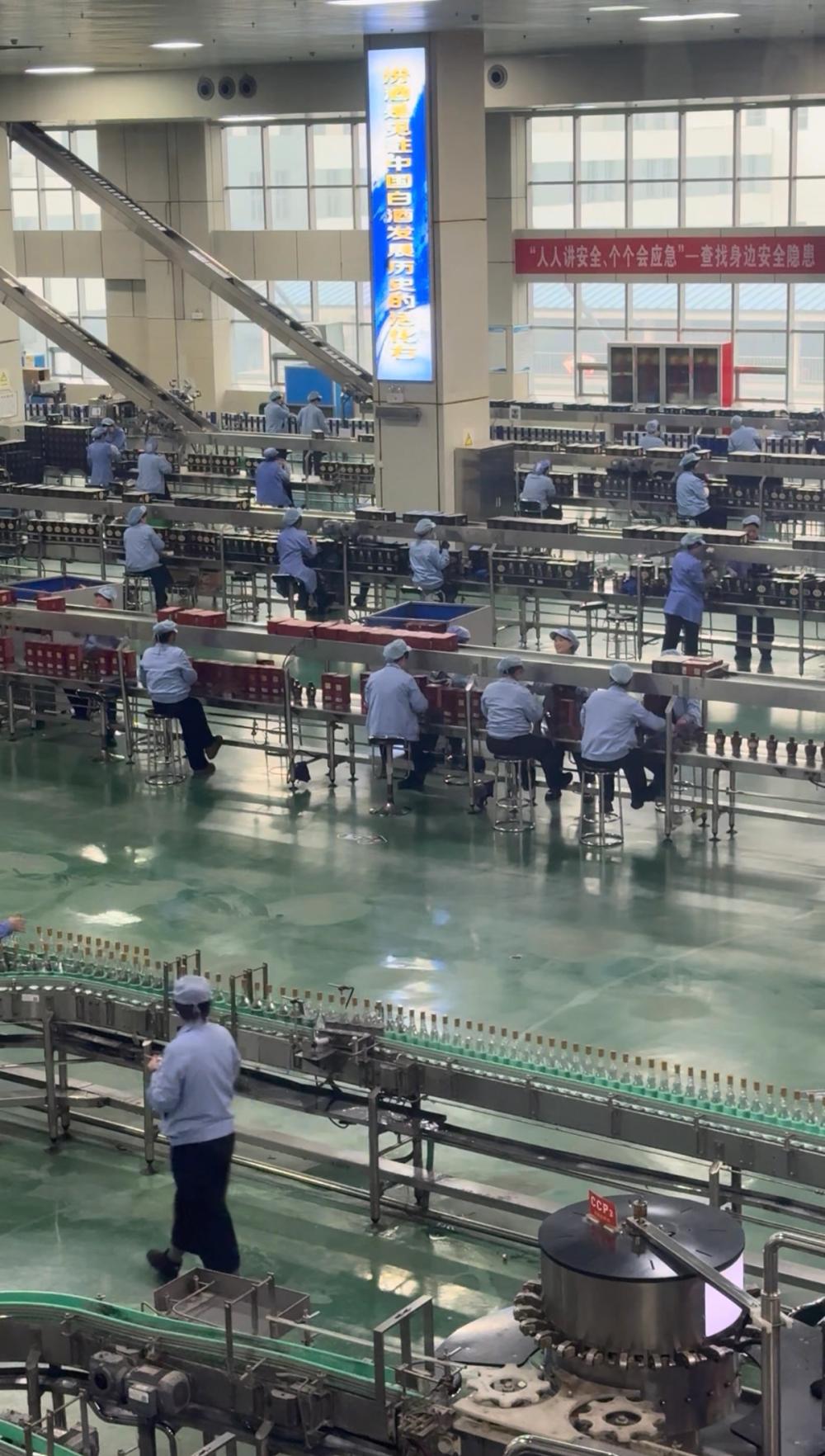
At the end of the wholly manual production process, more modern practices can be utilised. Mechanised production lines ‘clink’ as bottles are put into cartons at a rate of 12,600 bottles per hour on each of the eight lines I see at work. They are then whisked away to cathedral-like, modern warehouses with robot picking and distribution; then dispatched to an ever-waiting fleet of trucks.
Baijiu is a drink of contrasts
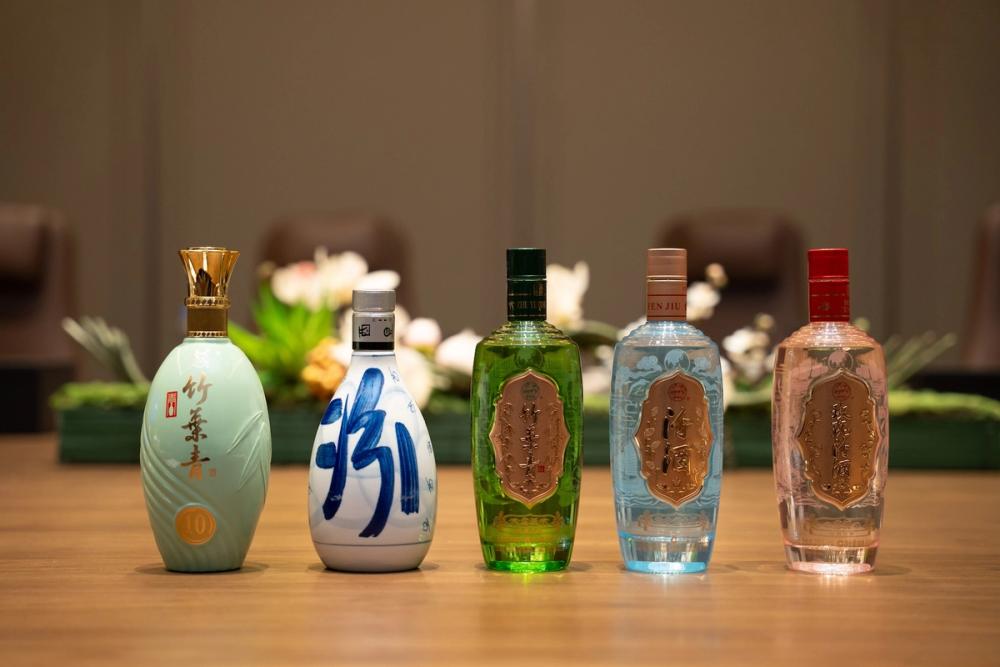
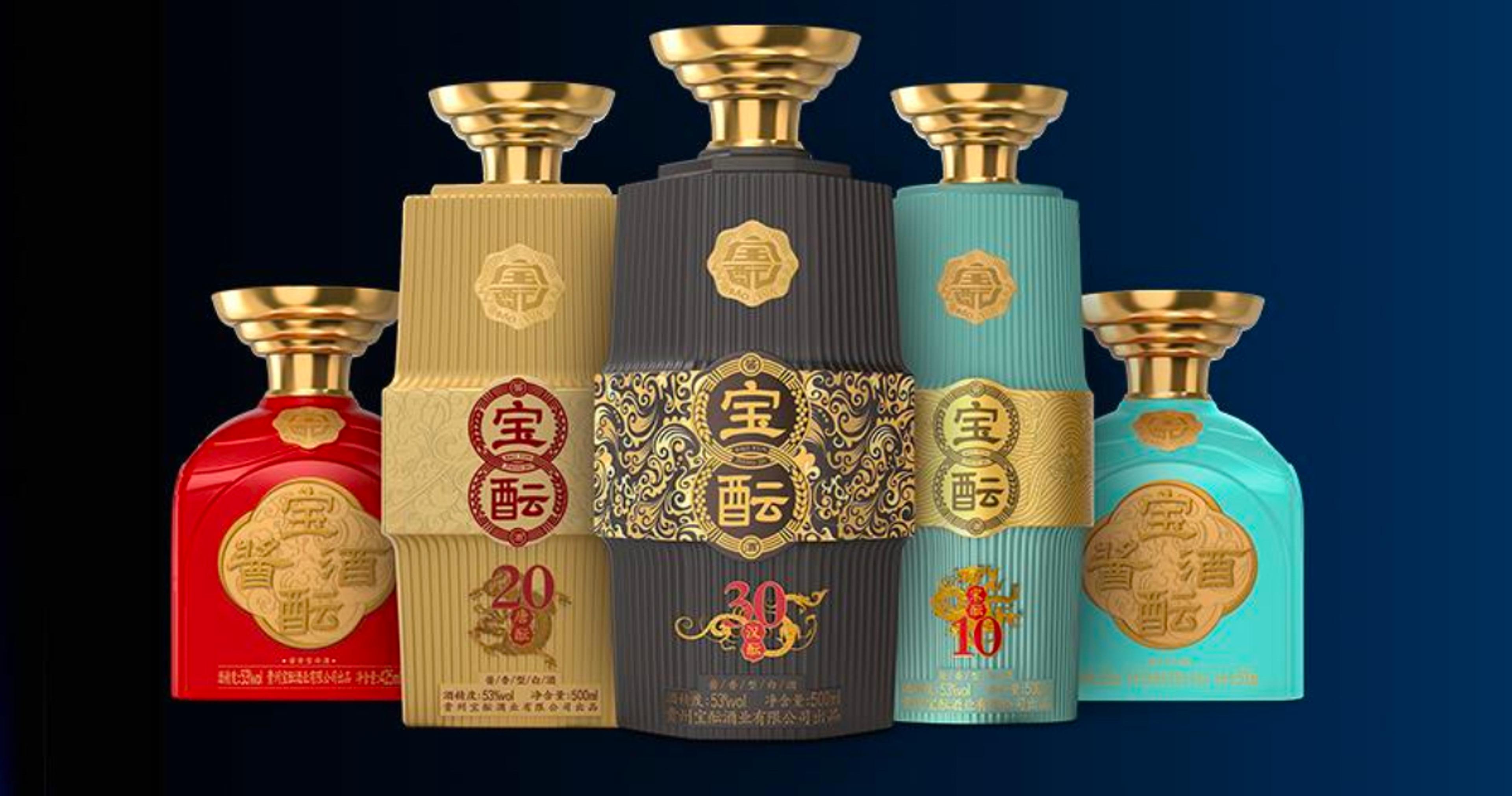
“It’s like introducing someone to cheese who’s never had cheese before. You want to start with something light and slowly climb up the ladder.” Part of Fenjiu's baijiu portfolio.
Baijiu, in its manufacturing process alone, undoubtedly highlights it as a drink of contrasts; no different to the Range Rovers and Maybach Limousines present on the streets of Fenyang, vying with bicycles for road space. It holds a place in tradition within Chinese business, family life, and the culture woven into its history, but aspires to appeal to a younger, more cosmopolitan market. Fenjiu’s quality assurance and maturation options do, however, ensure a product that is undoubtedly both accessible and premium, echoing more familiar global spirits.
Having fully immersed myself in his universe, Mr Wu has one more surprise – a written exam to ensure I am worthy to wax lyrical about the fruits of his labours. I am pleased to say I passed and now hold my certificate in “essential knowledge and understanding of Fenjiu culture.” And just maybe, you could pass it now too….
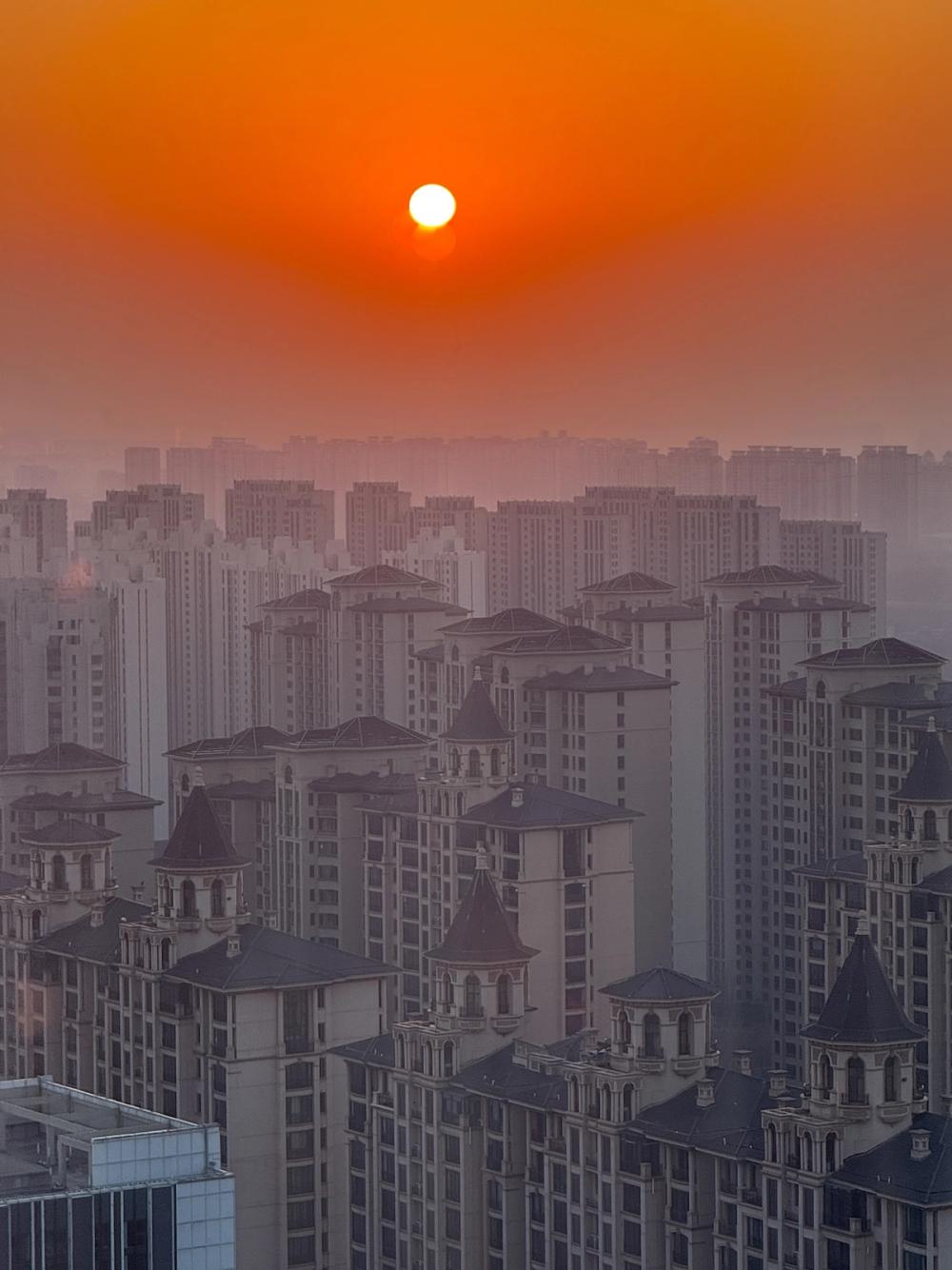
Spectacular dawn in Fenyang City in Shanxi Province