Who knew that Terminator would first be used to buy alcohol for the underaged? That plot twist may actually have been easier to predict, had we recognised that humans love using new technology to weasel their way around select laws.
As funny as it sounds, agentic shoppers do raise the risk that alcohol sellers accidentally violate regulations. Alcohol sellers now need two records: proof that the human can legally buy and proof that AI agents followed that human's instructions.
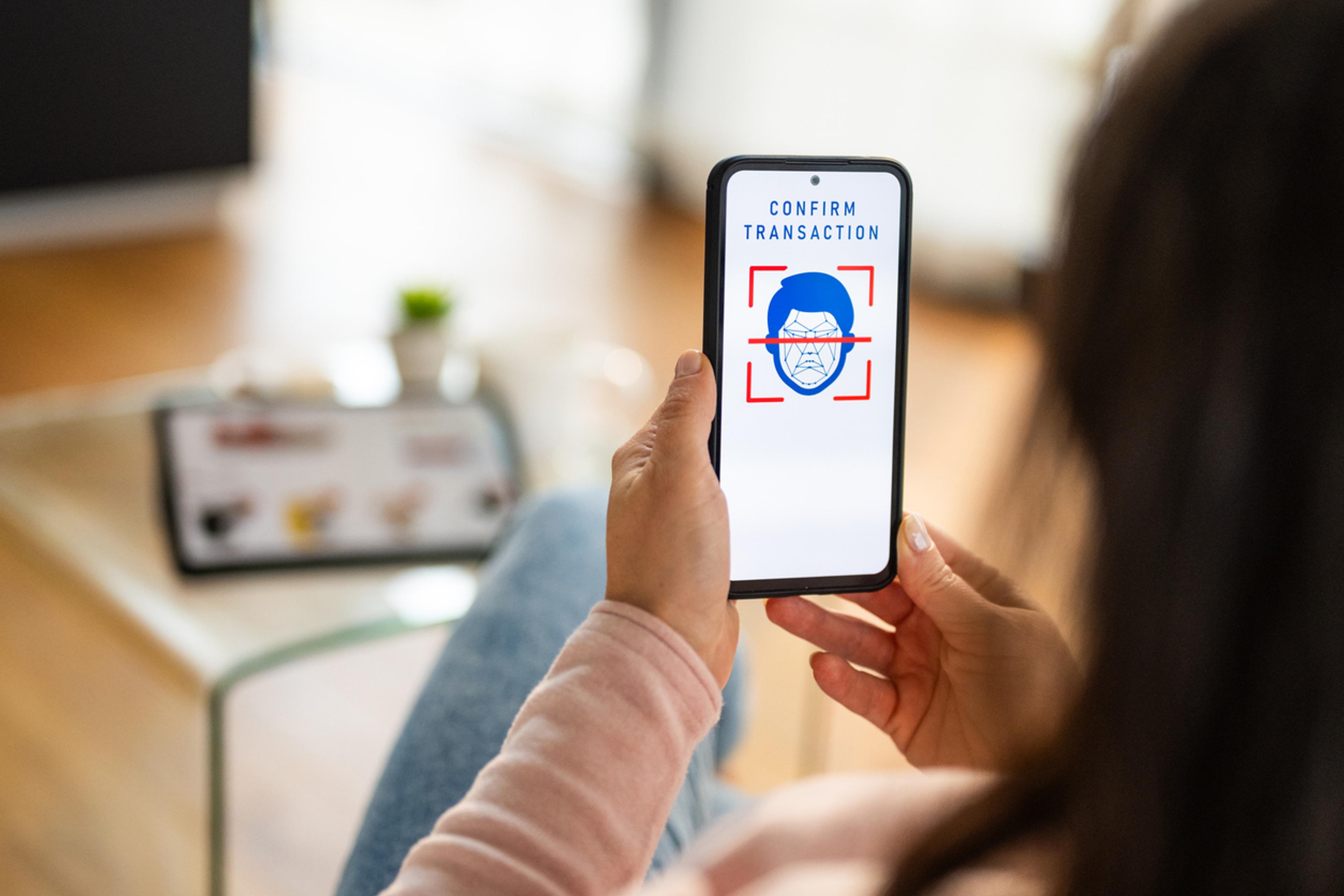
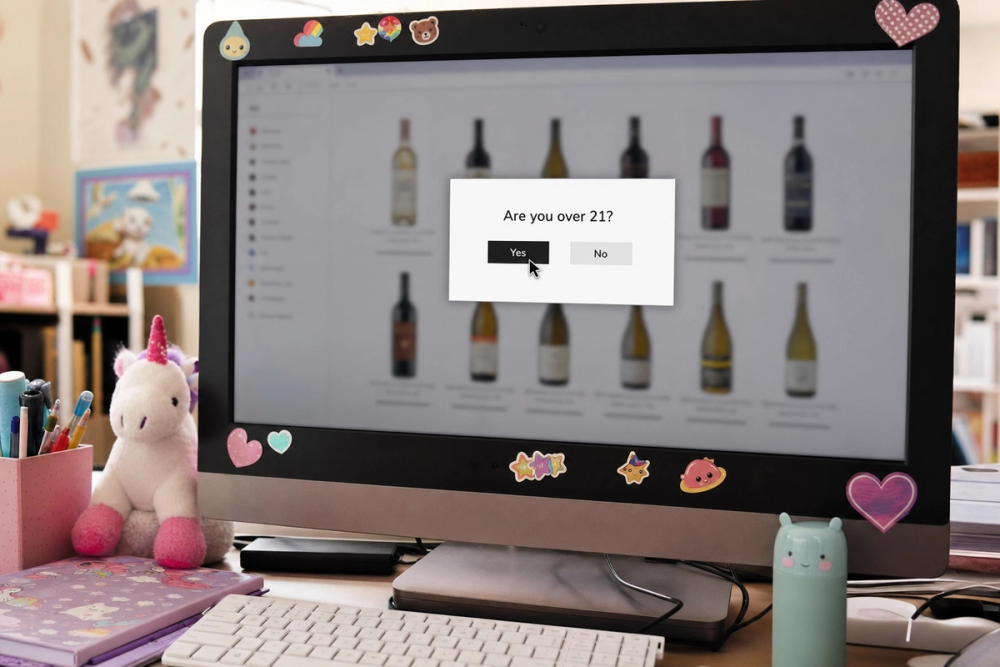
We've all gotten used to the "I'm 18" or "I'm 21" (depending on the country) pop ups on websites. Those "I'm of legal age" checkboxes record a claim and leave the compliance work for checkout, pickup, or delivery.
But the sustainability of that approach is becoming harder as alcohol regulations become an increasingly complex patchwork across different countries and US states. The broad claim that most jurisdictions killed website checkboxes in 2026 is nonsense. The actual rules depend on the seller's license, the buyer's location, and the pickup or delivery method.
In the US, for example, Texas requires covered off-premise sellers to visually inspect and electronically scan IDs, although Texas Alcoholic Beverage Commission disciplinary action against businesses starts September 1, 2027. Louisiana requires age verification and a signature at delivery, with records kept for two or three years depending on who delivers the order.
In the UK the law requires online alcohol retailers to take steps to prevent sales to underage customers, including verifying the recipient's age at delivery. And those are just some examples.
The AI factor
The age verification process for buying alcohol online is set to become more complicated the more AI and AI agents are involved in online drinks recommendations and ecommerce platforms
AI adds another actor to the transaction. An agent (ChatGPT, Claude, etc) can find bottles, compare prices, and build a cart without engaging a normal storefront interaction. And they're not exactly human - so can they legally attest to human age? I mean, Chat and Claude are technically barely out of diapers in human years.
At the moment, full alcohol checkout through major AI channels remains limited but that's likely to change with time. Right now, OpenAI prohibits alcohol in ChatGPT commerce. Google's direct AI Mode checkout excludes products requiring ID verification, including alcohol and tobacco.
When and how will agents get a full foot in the digital liquor store? That will be up to the LLMs, payment networks, governments, and regulators.
The AI's "ID" is a permission record
Right now, there are a variety of ways to prove age, and they all focus on the human behind the purchase. Sellers can scan a government ID, check identity data against trusted records, accept supported digital IDs, or require an in-person check at pickup or delivery.
Google's AP2 uses signed mandates to record approved merchants, spending limits, and the final transaction. Mastercard's Verifiable Intent connects the cardholder's authorisation to the agent's instructions and resulting purchase. Visa's Trusted Agent Protocol helps merchants verify that an agent is legitimate instead of another bot hammering the website.
FIDO (Fast Identity Online) started developing shared standards in 2026 using AP2 and Verifiable Intent as starting points. While these players work on their competing visions, retailers of all types should plan for overlapping systems and keep enough transaction data to support whichever standard each sales channel adopts.
A valid mandate records what the customer authorised the agent to do. The seller still has to connect the order to the human's age-verification record and preserve both records for compliance reviews or disputes.
What online alcohol sellers should build now
- Mark every restricted product in structured data. Add alcohol type, shipping restrictions, adult-signature requirements, and agentic-checkout eligibility to the product source of truth. Different e-commerce platforms handle this in different ways. Shopify can use metafields. BigCommerce supports custom fields and metafields. WooCommerce and Adobe Commerce can store the same data through product attributes or extensions.
- Put the control inside the order flow or path. Website popups are just decorative when an AI or headless storefront skips the normal page. Shopify supports server-side Cart and Checkout Validation Functions. BigCommerce offers Open Checkout and its Checkout SDK. WooCommerce supports server-side checks through its Store API, while Adobe Commerce provides order validators and required pre-order webhooks.
- Preserve the handoff. Save the verified agent identity and the customer authorisation. Connect both to the age-check result and order number. Unsupported AI channels should send the customer into the merchant's compliant checkout instead of inventing a shortcut. Pay attention here- AIs love to find little backdoors to get the job done.
- Keep delivery verification real. Require the proper carrier service, ID check, and recipient signature. Failed verification should stop delivery and return the order. Have enough safeguards in place to ensure that you're not eating $1M in return costs.
B2B alcohol sales need company verification

What role will AI have to play when buying wine online and how protected will businesses be with age verification processes?
One of the places where these agents are being used most frequently is in B2B settings.
Once more, properly setting yourself up for AI agents beforehand helps to ensure their growing utilisation doesn't become a compliance problem. Wholesale buyers need approved company accounts before they place orders.
In the US, TTB (Alcohol and Tobacco Tax and Trade Bureau) says anyone purchasing alcohol for resale at wholesale must obtain the required basic permit before starting that business, but state permits still control what the buyer can purchase and where it can go. So check the business license type and expiration date. Restrict the account to authorised buyers and approved shipping locations.
A restaurant buying bottles for resale belongs in the B2B flow. A company buying wine for an office party belongs in the consumer flow. A business email address proves nothing. And all of those checks need to ensure an AI agent is properly validating.
Shopify and BigCommerce provide company-account systems with buyer permissions and location controls. WooCommerce and Adobe Commerce stores can build the same approval rules through account roles or custom modules. Use company-specific pricing and payment terms. Add purchase-order rules and manual review where the license requires tighter control.
When an AI places the order, your alcohol license is still on the line.
Can your checkout prove who authorised the purchase and who passed the age check? Can your fulfillment record prove who accepted delivery? Can these systems prove it was an authorised and real human behind the scenes?
* You can find out more about Coalition Technologies here.