
“Regenerative viticulture” has become one of those phrases many use but few can define. Ask 10 producers and you’ll hear 10 different versions: some visionary, others vague.
Justin Howard-Sneyd MW, trustee of the Regenerative Viticulture Foundation (RVF), defines it as “restoring and enhancing ecosystems, not merely sustaining them.” It’s a way of thinking that “sees wholes, not parts.”
What happens in the vineyard, he explains, cannot be separated from what happens in the winery or within the business itself.
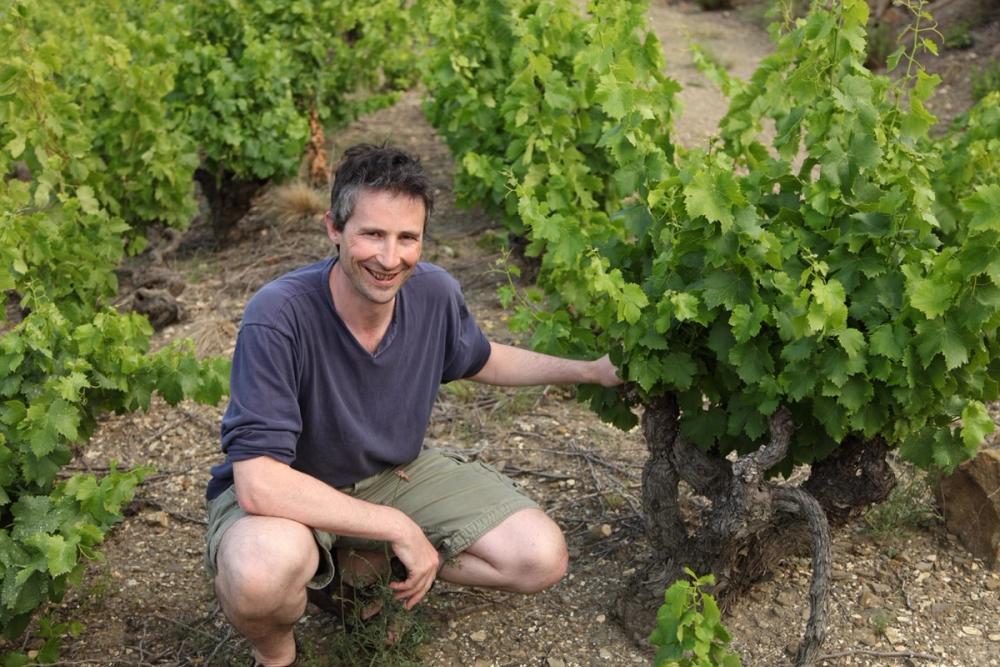
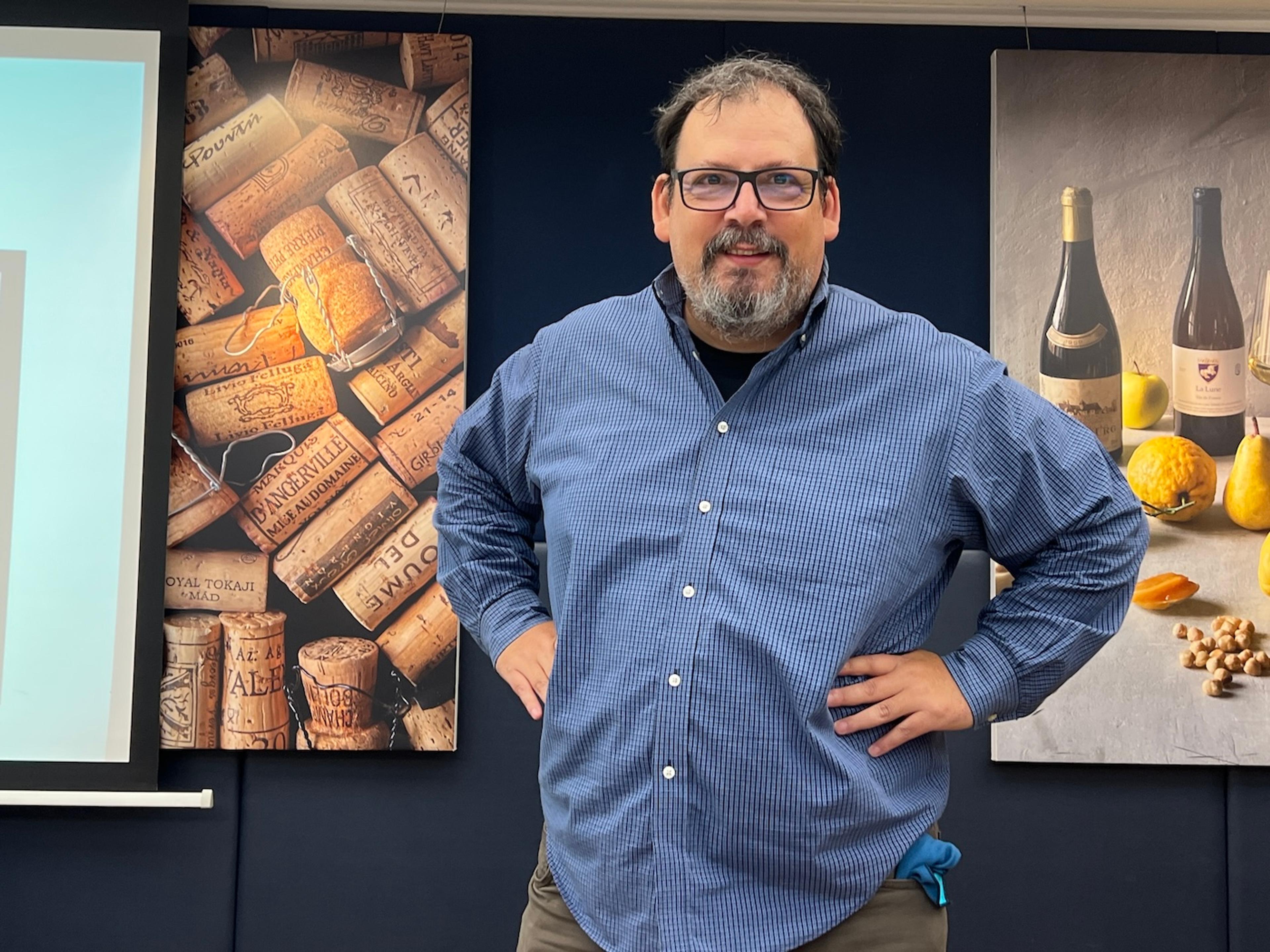
Justin Howard-Sneyd says people have to have an open mind when it comes to regenerative viticulture and be prepared to challenge themselves
Quoting US organic pioneer Robert Rodale, he adds: “The problem with sustainability is we’re not challenging ourselves enough. That just means holding things where they are. Regenerative is about building back.”
The RVF’s mission is to “inspire and empower the transition towards regenerative agriculture through science, communication, and grower support.”
Its goal, to see 10% of the world’s vineyards farmed regeneratively by 2035, may sound ambitious when fewer than 0.1% are today. Yet Howard-Sneyd insists regeneration “isn’t another label; it’s a mindset”.
That mindset moves beyond control and towards collaboration with nature. It means maintaining living roots in the soil, minimising disturbance, protecting against erosion, encouraging biodiversity, integrating livestock and, above all, staying curious.
“It’s not a checklist,” says Howard-Sneyd. “It’s a journey.”
The approach can clash with long-held traditions. As Howard-Sneyd points out, in France, for example, travail du sol - working the soil - remains a mark of pride. Bare, tilled rows still signal care and discipline. Yet in regenerative terms, they are scars of degradation.
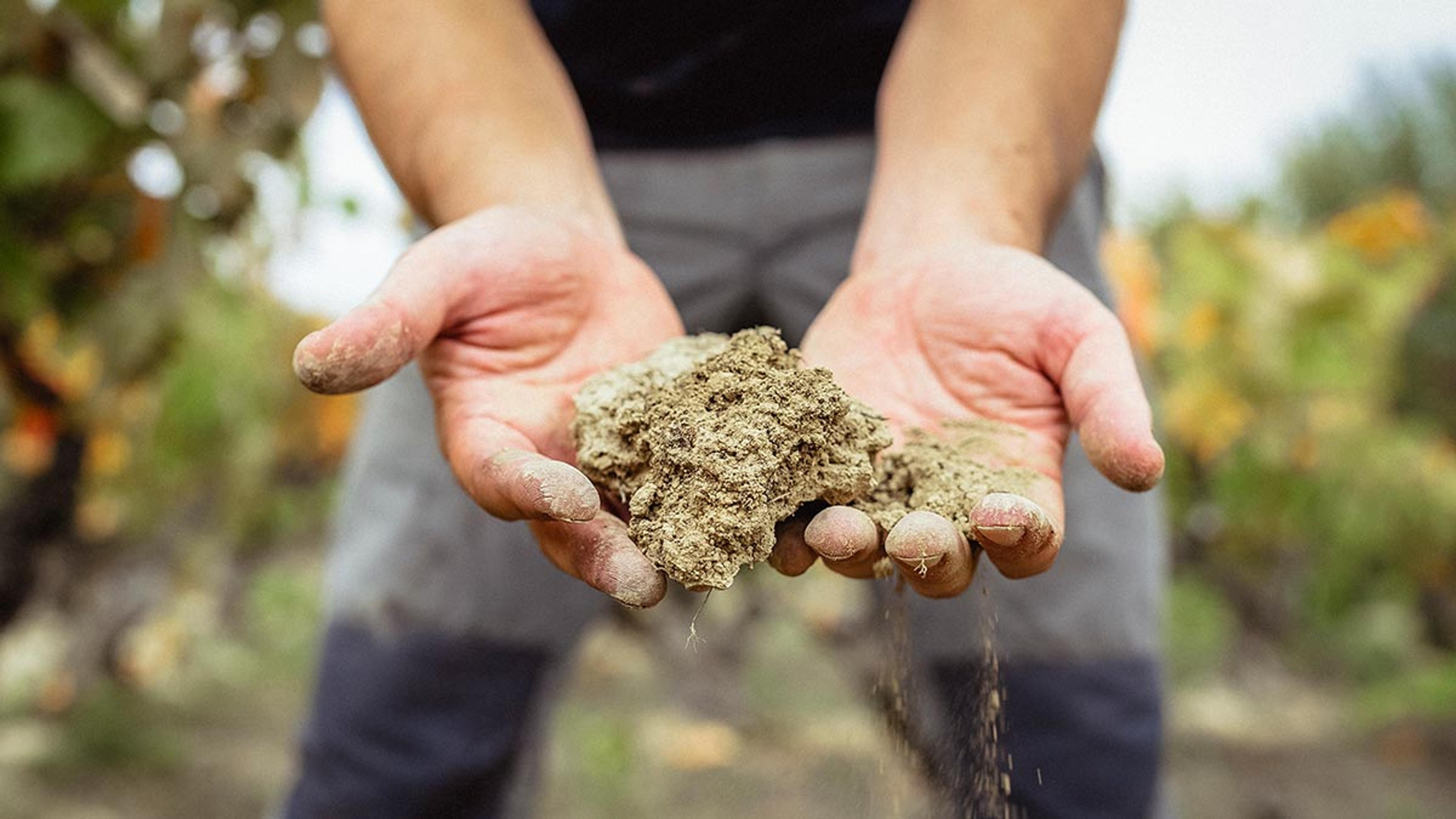
“Tillage is one of the most destructive things you can do,” he warns. “If you must disturb the soil, do it as little as possible.”
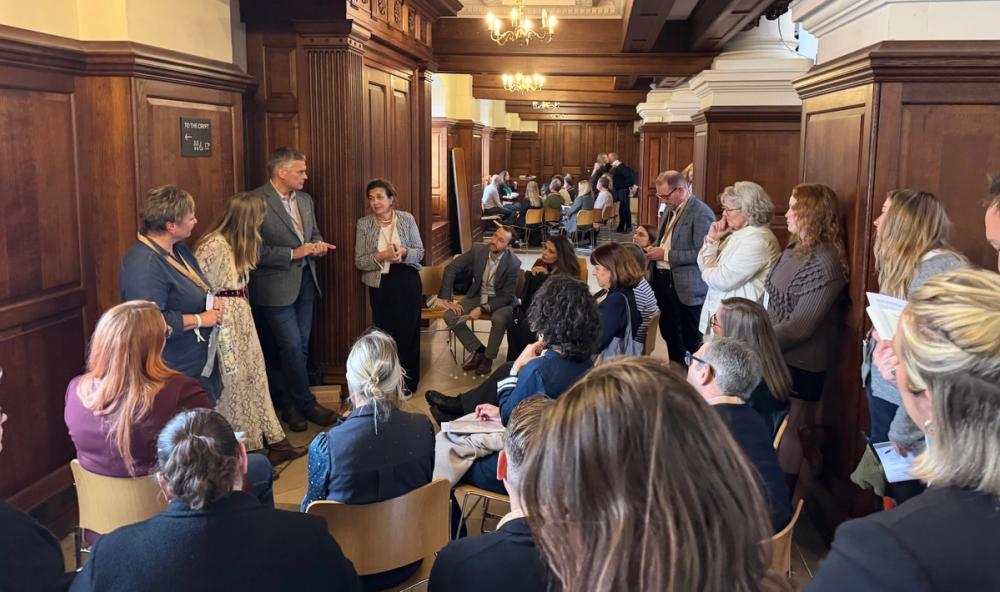
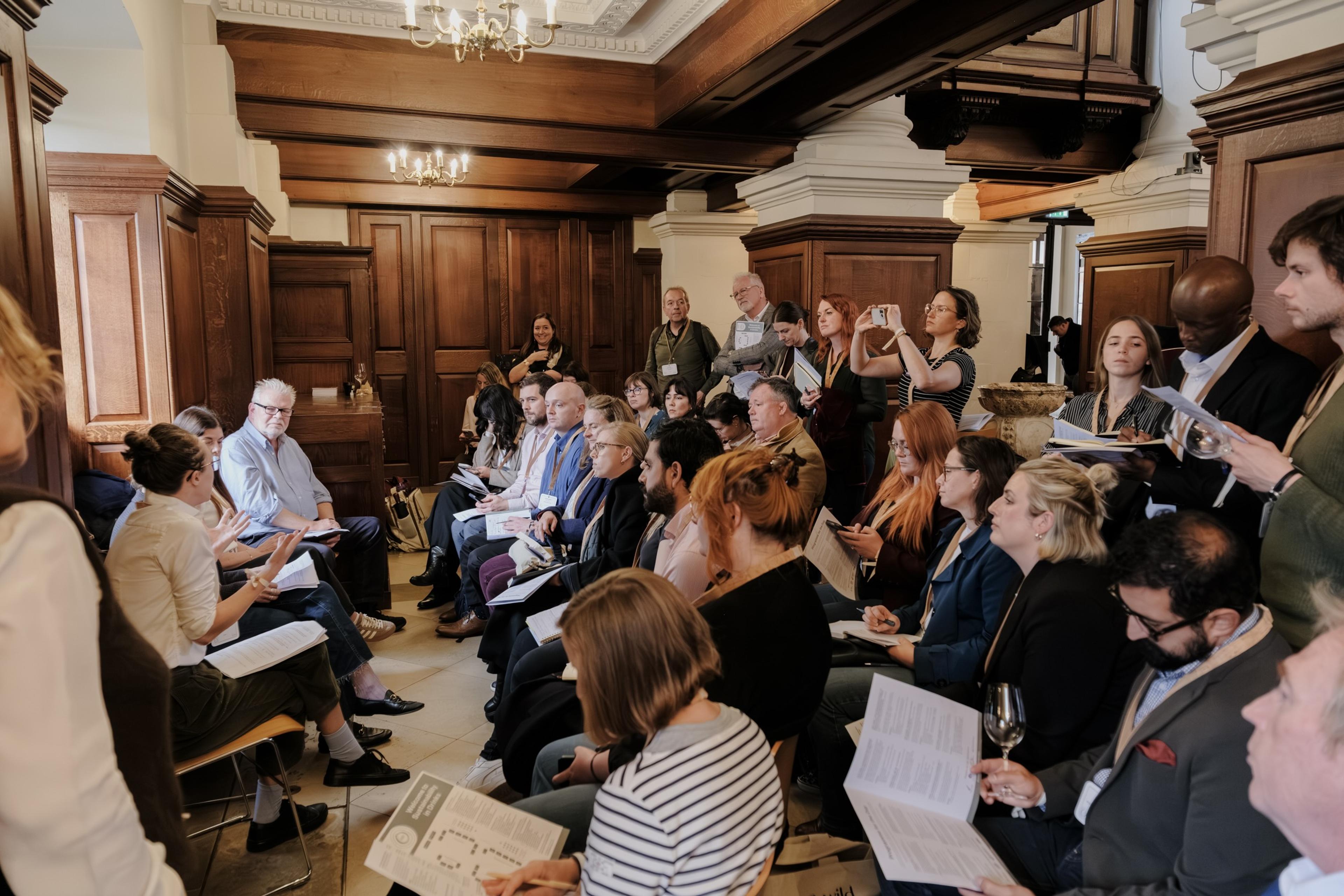
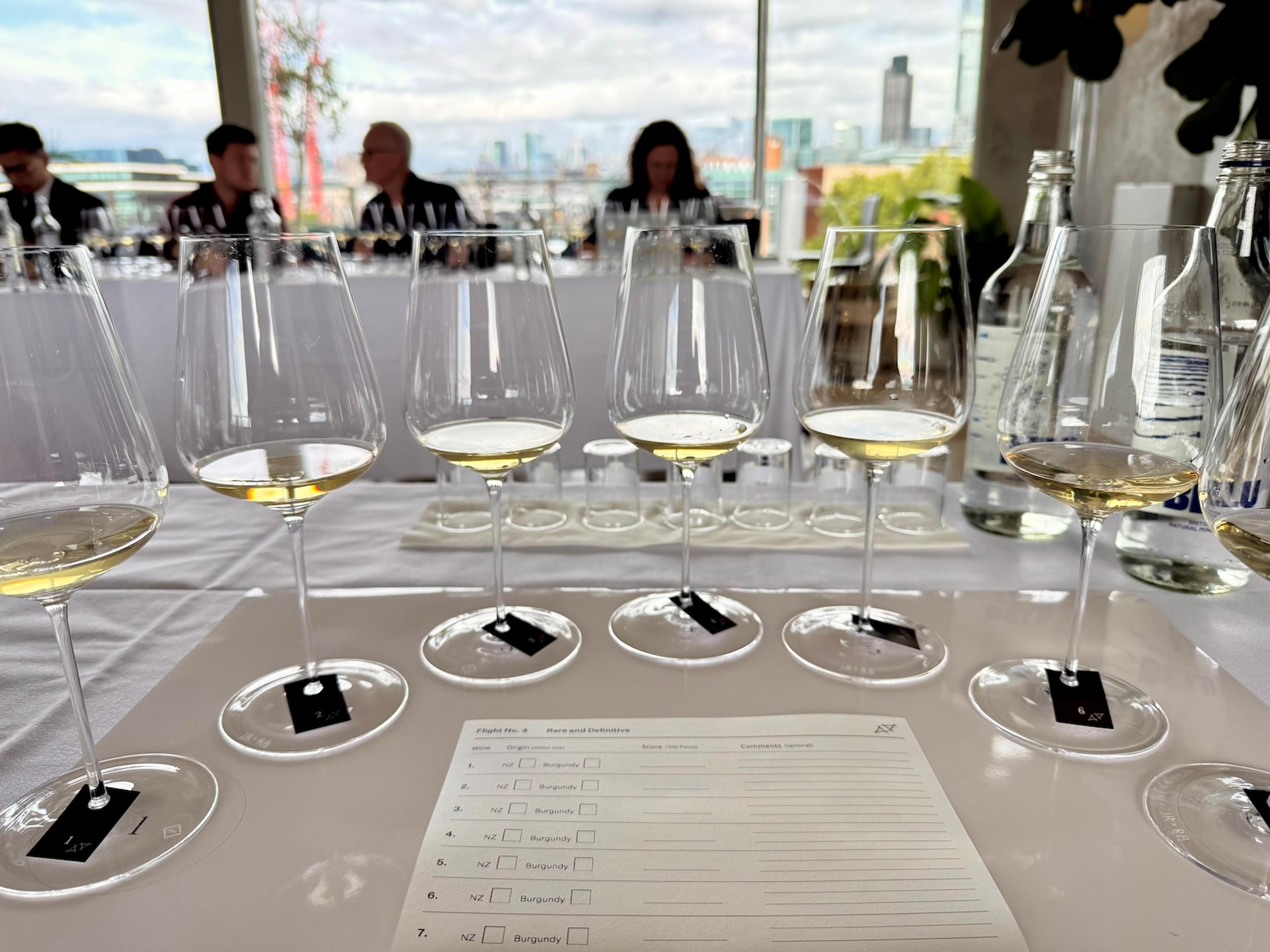
Regenerative viticulture was a key theme for many of the talks at this year's Sustainability in Drinks event
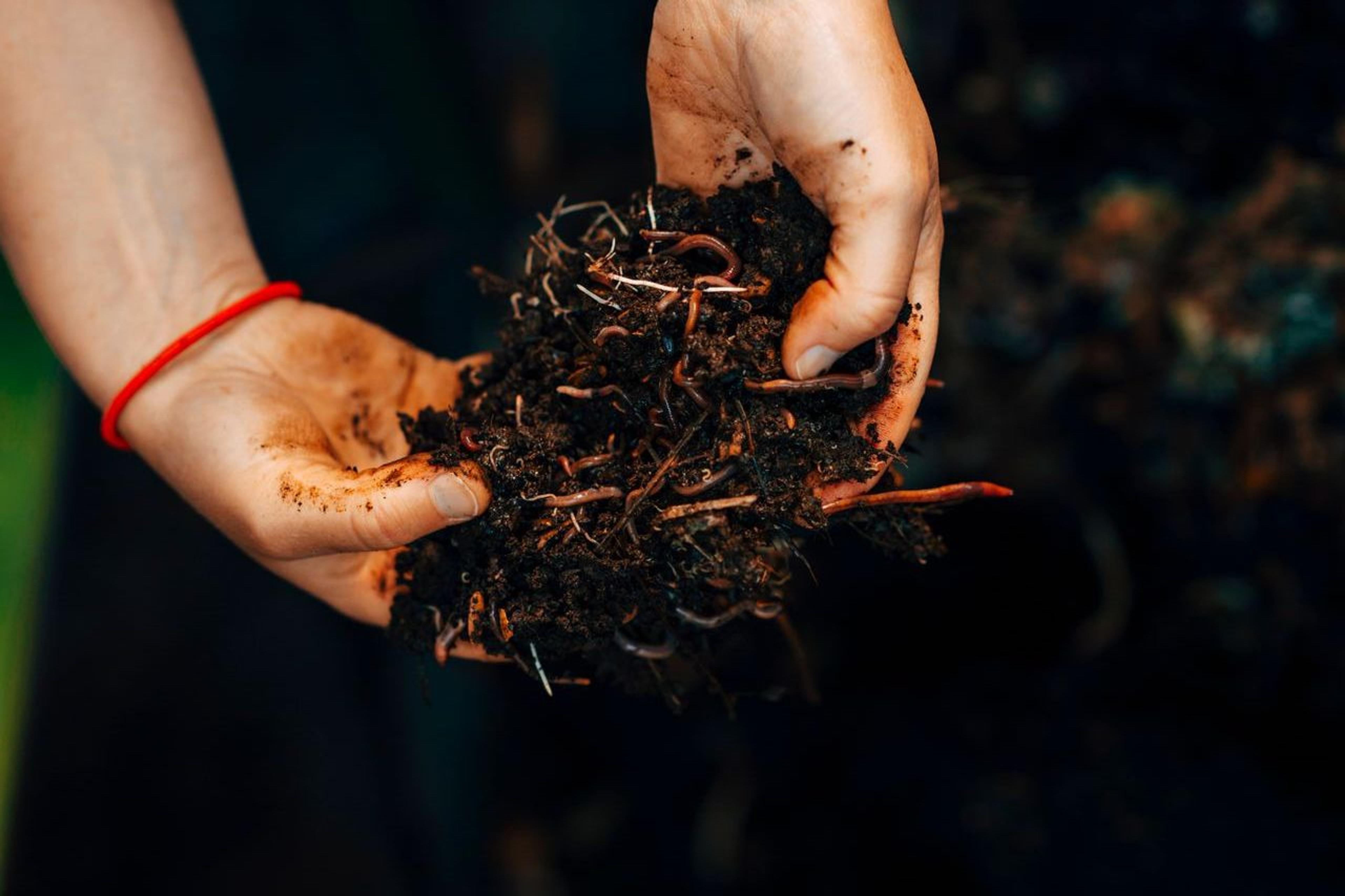
Instead of fighting nature, regenerative growers learn to collaborate with it. Cover crops, microbial networks and living soil biology replace the plough as the true engines of fertility.
“A teaspoon of healthy soil contains more microbes than there are stars in the galaxy,” Howard-Sneyd says, a reminder that the real work happens beneath our feet.
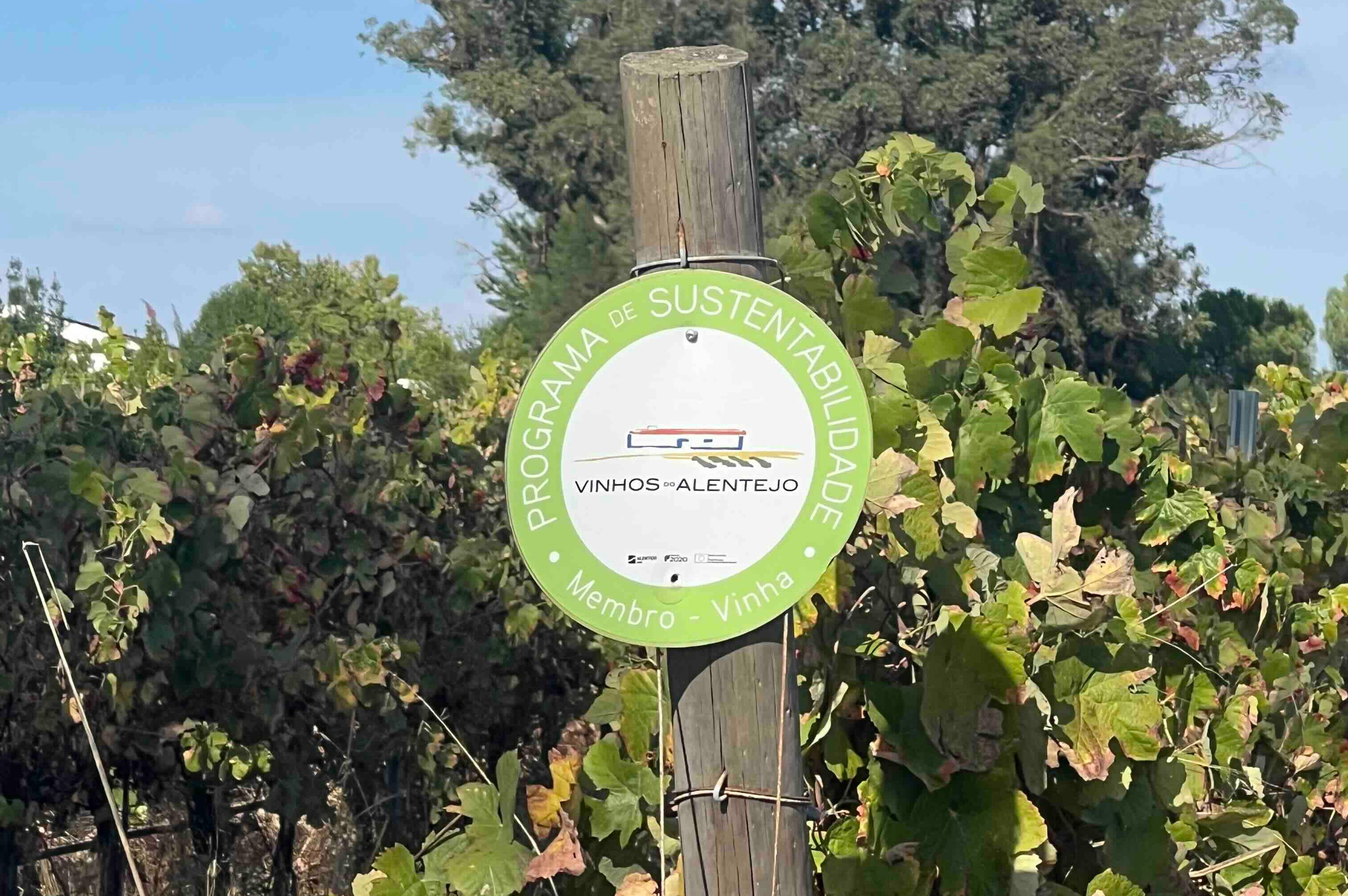
Certification is now catching up. Howard-Sneyd notes that three years ago, there were none; today, several programmes recognise regenerative vineyards. Some, such as Regenerative Organic Certified, require organic status. Others - Land to Market, A Greener World, Regenified and Napa Green - do not. Each takes a slightly different approach: some measure outcomes, such as soil carbon gains, while others assess practices.
Yet the RVF remains neutral, offering information and resources on these schemes and encouraging producers to adopt what Howard-Sneyd calls “a regenerative layer” above existing sustainability or organic certifications.
Ultimately, regeneration is less about labels than intent: shifting from “doing less harm” to actively restoring the land. It asks growers to observe, experiment and adapt. As Howard-Sneyd puts it: “Regeneration isn’t something you achieve. It’s something you practise.”
If regeneration begins in the soil, its meaning is revealed in practice.
New life

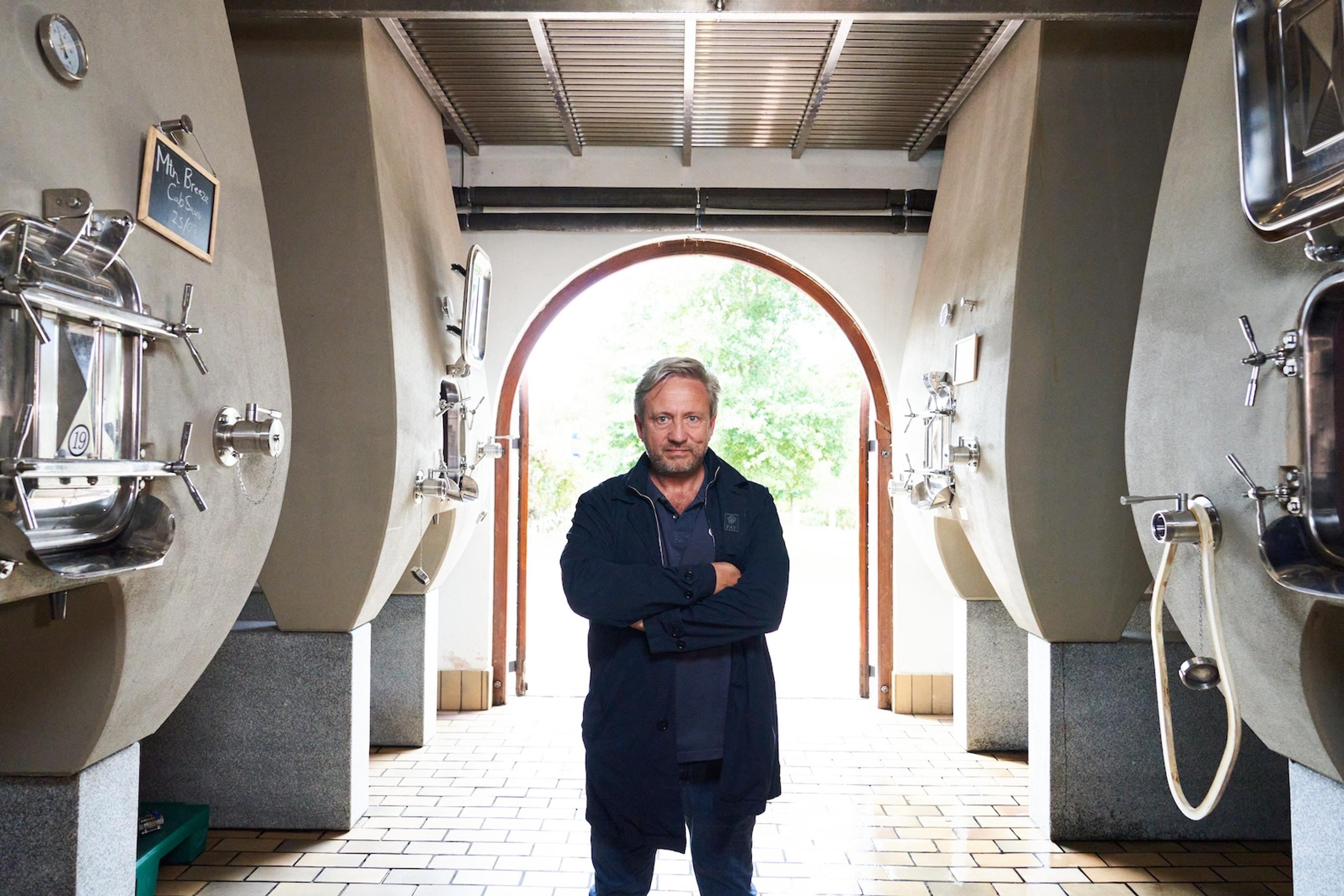
Keith Tulloch says improving soil and vineyard health is essential in such growing conditions as the Hunter Valley in Australia
At this October’s Sustainability in Drinks event two producers from opposite sides of the planet - Mathys Hallet of Domaine Famille Lafage in Roussillon and Keith Tulloch of Keith Tulloch Wine in Hunter Valley, Australia - were able to share their views as part of a Land Health workshop.
Both began from the same premise: soil must not just sustain life but generate it.
For Hallet, regeneration is a “whole-system” approach. “It’s not just one cover crop or one vine,” he says. “It’s the whole system. Irrigation, cover crops, roots—they all link together in a feedback loop that builds fertility.”
At Domaine Lafage, the team has replaced mechanical tillage with living roots, explains Hallet. “We’re trialling under-vine cover crops to reduce mechanical destruction,” he adds.
Native cover crops are irrigated by drip lines to enhance nitrogen and microbial life while outcompeting weeds. The estate is also experimenting with keyline hydrology, planting vines along contour lines to retain rainfall, and using biochar mixed into compost to boost soil carbon.
“Biochar must be charged with nutrients first,” he warns. “Otherwise, it steals fertility. But on young vines, we saw maturity one year earlier. That’s a big difference.”
Across the world, Tulloch faces the opposite challenge: aridity.
“Hunter Valley soils are some of the oldest and poorest in the world,” he says. “For every 1% increase in organic matter, we can hold an extra 100,000 litres of water per hectare. In an arid environment, that’s the difference between survival and collapse.”
His approach is low-input and high-diversity. “I start with minimal tillage or no cultivation,” he adds. “Less machinery, more ground cover, improving the vines, improving vineyard health, improving the quality of the fruit.”
Tulloch has replaced ploughs with biodiversity: clover and radish to fix nitrogen and break clay; fescue and dichondra to self-seed and shade the ground. His vineyards have now gone seven years without pesticides.
“We get boxes of ladybirds and lacewings in the mail.Shake them into the canopy and they do the rest.”
Together, Hallet and Tulloch embody the RVF’s principles: minimise disturbance, maintain living roots, keep soil covered and promote diversity. Their message was simple but radical: regeneration begins when we stop turning the soil upside down and start letting life work its way up.
“We’re not trying to grow more grapes,” stresses Tulloch. “We’re trying to grow better soil. That’s where the quality begins.”
Communicating sustainability
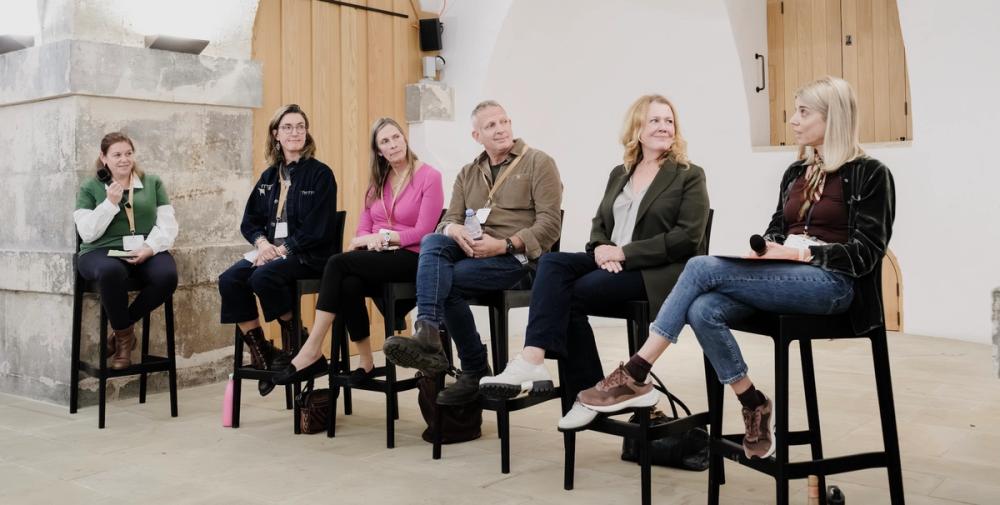
The Communicating Sustainability panel discussion at Sustainability in Drinks
If soil health is the foundation of regenerative farming, communication is the bridge between the vineyard and the market. At the SID session on Communicating Sustainability, speakers wrestled with how to tell this story - and who gets to tell it.
“The biggest challenge is the complexity. It’s environmental, social and economic, and that’s a lot of things,” says Alison Jordan of the California Sustainable Winegrowing Alliance.
Her solution? Simplicity through humanity. “We need to humanise the story. Show that this is real: winegrowers as environmental heroes and community stewards.”
Jane Masters MW, wine buyer at Majestic, says before the trade can communicate regeneration, it must first understand it.
“Sustainability is really complicated,” she says. “We need to understand how the different bits fit together - from vineyard to glass -and then share examples that give people hope. Without hope, it’s despair.”
Hope, many agreed, is the emotional entry point. Claire McKenzie, producer of Six Inches of Soil, describes her storytelling approach: “We wanted to swing it around to a heartfelt, transparent but beautiful story, not too technical, not too serious. Positive storytelling brings people in. Fear switches them off.”
From a producer’s perspective, Jeany Cronk of Maison Mirabeau emphasises the power of imagery over jargon.
“Show the wildflowers, the insects finding shelter,” she says. “People find that visually beautiful. Don’t say ‘carbon sequestration’. Show what it looks like.”
Tim Wildman MW, winemaker and producer low intervention wines at Lost in a Field wines in England, adds:“We’re at a turning point. The old top-down model of points and critics is fading. The future is bottom-up: growers telling their own stories, in real time.”
He calls regenerative producers “the new heroes”, shifting the narrative from winemakers to viticulturists, from chemistry to community.
But there was also a warning. As Jordan notes: “Our industry is in more danger of greenhushing than greenwashing.”
The consensus was clear: the story of soil must be told with humility and evidence, not slogans. As McKenzie puts it: “Touch the soil. See what’s alive in there. That’s where the story begins.”
Regenerative viticulture defies easy definition because it’s not a set of rules; it’s a mindset of curiosity, humility and repair. As Justin Howard-Sneyd MW says: “It’s about learning rather than knowing.”
That learning begins beneath our feet. The soil remembers everything: the ploughs we ran, the chemicals we poured, the microbes we ignored. But it also forgives. Given time, cover and care, it comes back to life.
Perhaps the story of regeneration isn’t just about vineyards. It’s about a wine world learning to grow again, from the ground up.
* You can read more about Sustainablity in Drinks event here.