The most surprising message from a recent masterclass comparing two of the world's benchmark Cabernet Sauvignons wasn't that the climate is changing. That much is already accepted. Despite growing on opposite sides of the world, Château Lascombes in Margaux and Casa Real in Chile's Alto Maipo Valley are arriving at remarkably similar conclusions: climate change is forcing producers to rethink both vineyard management and winemaking.
That was the key takeaway from a comparative masterclass at 67 Pall Mall, where Axel Heinz, chief executive and winemaker at Château Lascombes, and Sebastián Labbé, head winemaker at Casa Real, explored how one of the world's most widely planted fine wine varieties is adapting to warmer growing conditions.
"We're much quieter as winemakers in the cellar," Heinz said, explaining how improved vineyard management and consistently riper fruit have reduced the need for heavy-handed extraction. Instead of trying to compensate for shortcomings in the vineyard, today's challenge is preserving freshness, balance and the character of Cabernet Sauvignon.
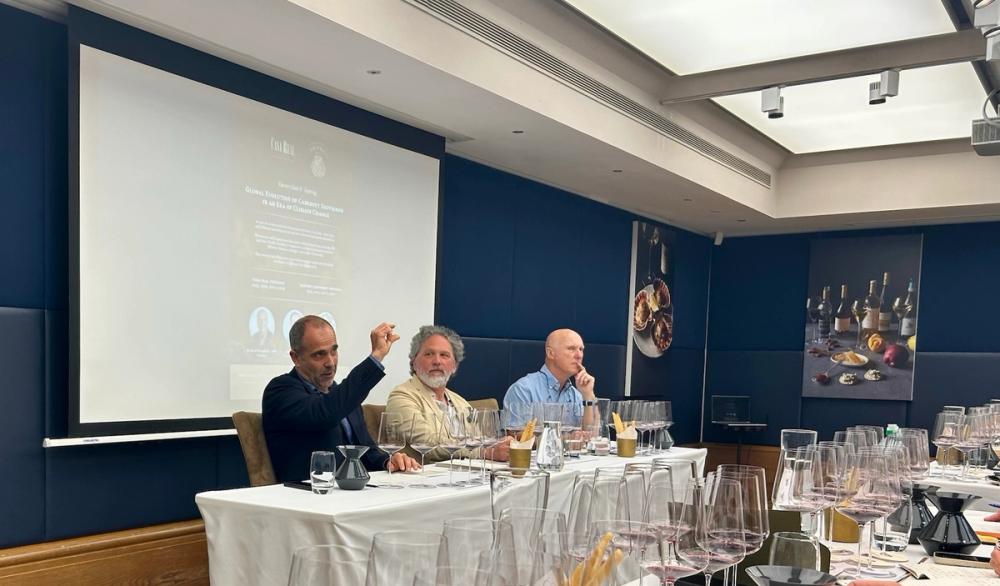
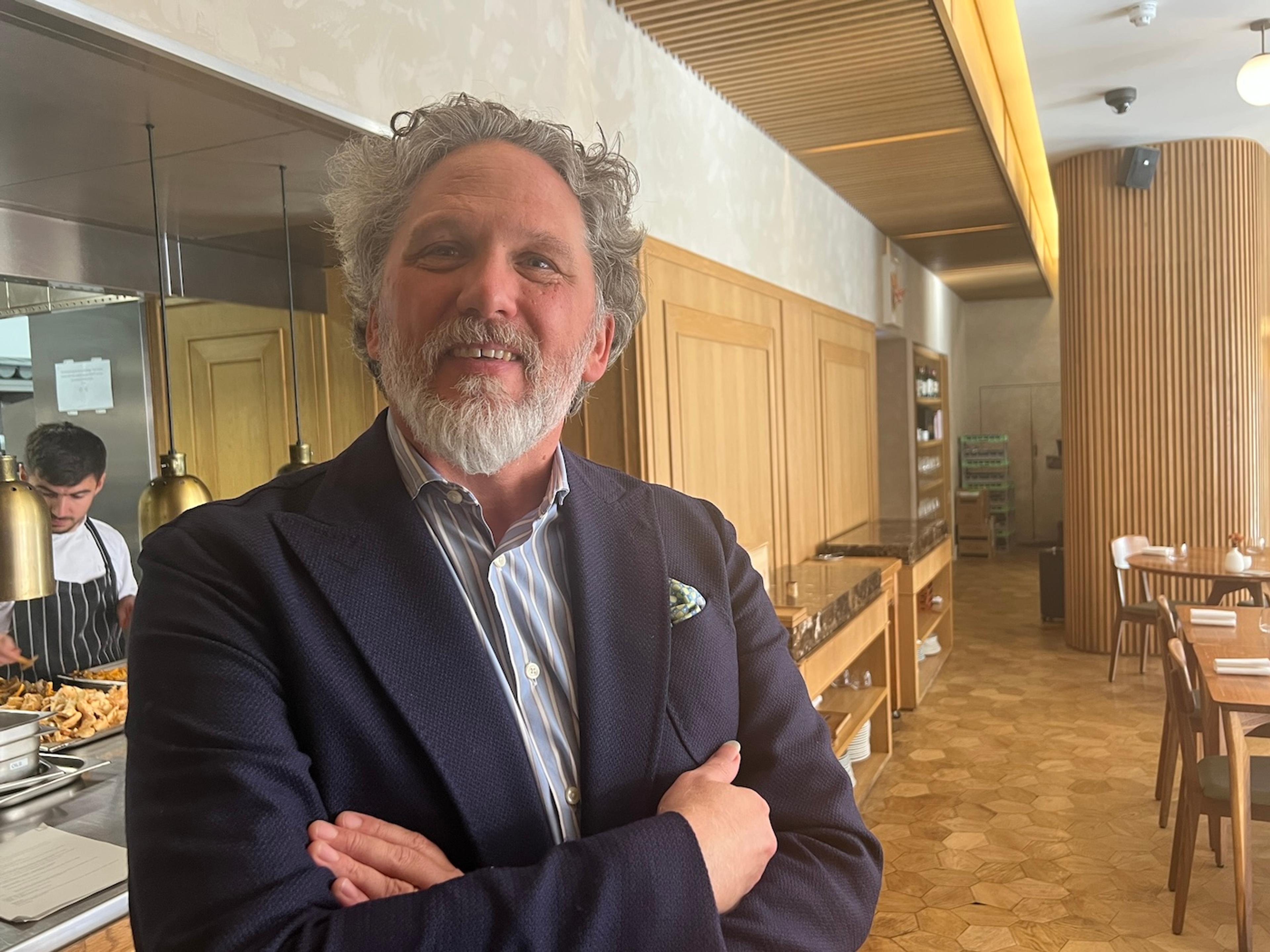
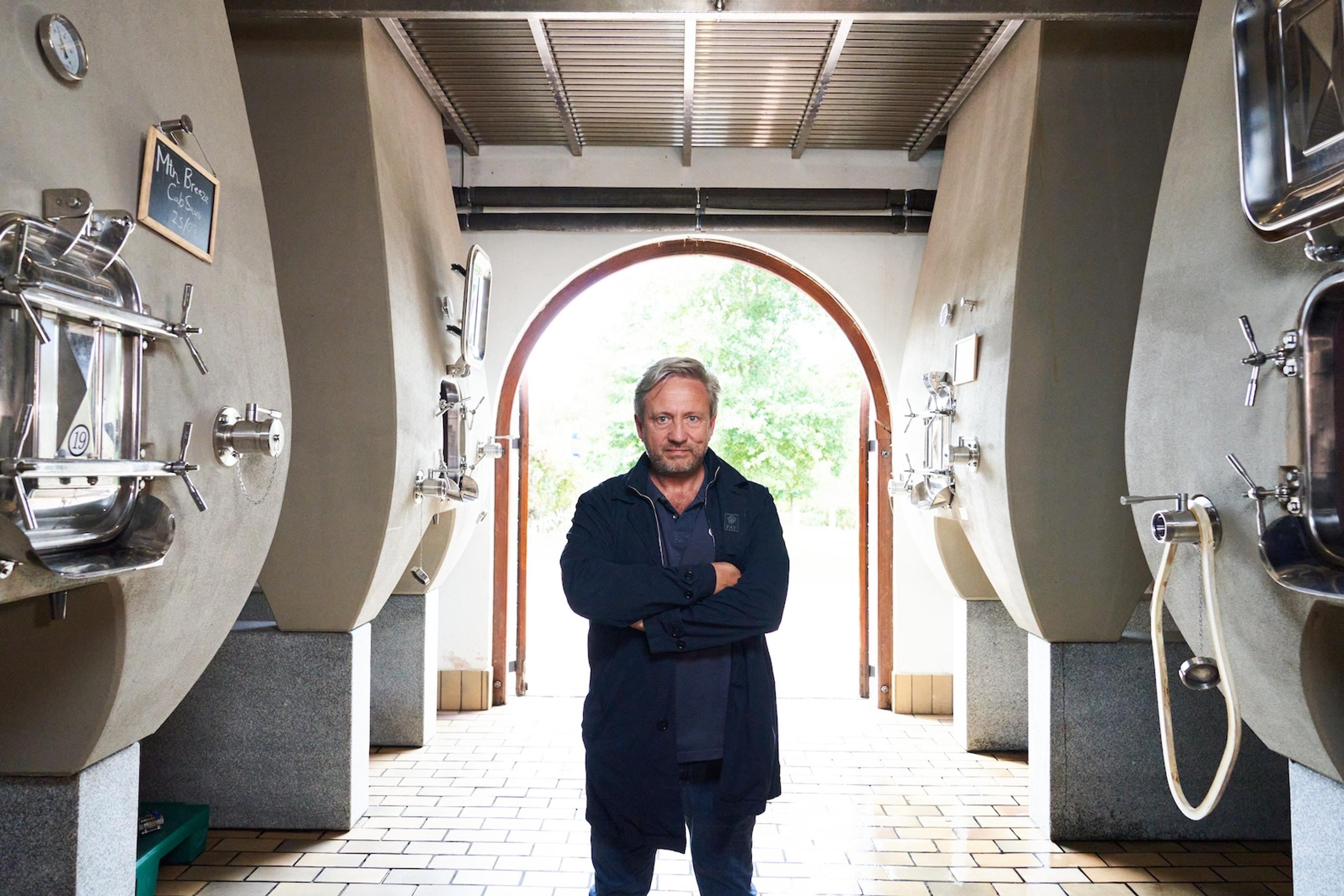
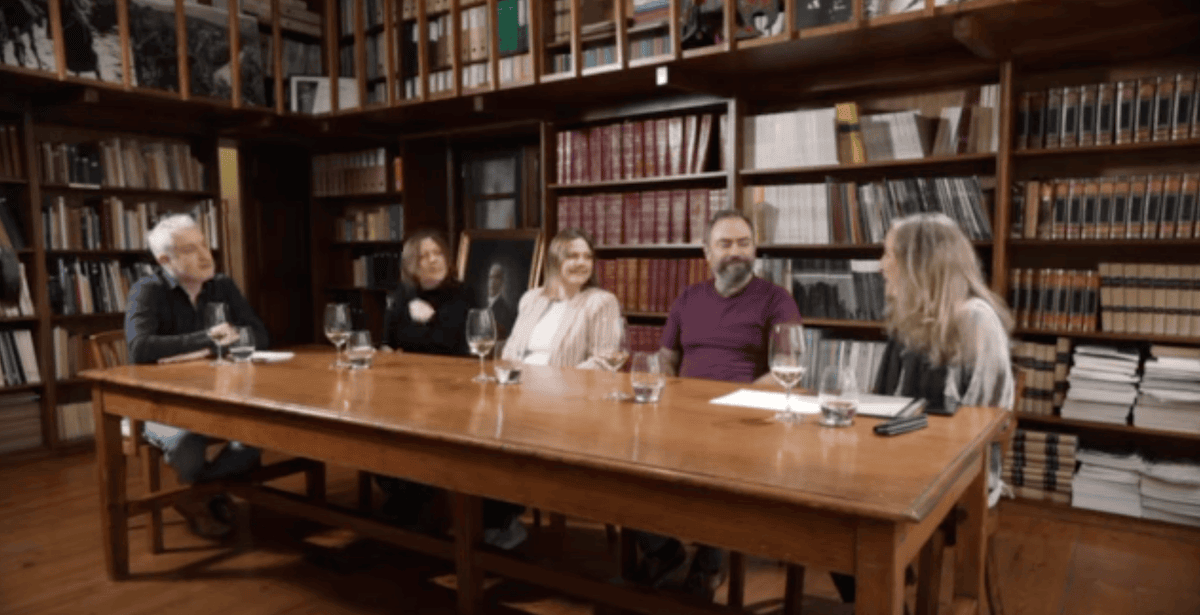
Sebastián Labbé from Casa Real, Axel Heinz from Château Lascombes, and chair Richard Bampfield MW (l-r)
A lighter touch in the winery
The changes being made at both estates are strikingly similar.
At Château Lascombes, fermentation temperatures have been lowered, macerations shortened and extraction reduced. Heinz explained that, while previous generations often left grapes on the vine for "another three or four days" in pursuit of greater ripeness, today's approach is different. Once balance has been achieved, waiting longer can introduce unnecessary risk rather than improve quality.
Labbé described a similar evolution at Casa Real. "Concentration and power comes naturally," he said. "Our main job and challenge now is actually to balance that." Fermentation temperatures have fallen from around 28–30°C to 23–25°C and extraction has become progressively gentler as the focus shifts towards freshness and drinkability rather than maximising concentration.
Both producers argued that warmer vintages no longer demand more intervention in the winery. Instead, they require greater precision in deciding when to intervene – and when not to.
The vineyard has become the winery
The discussion repeatedly suggested that the biggest decisions affecting wine quality are now being made months before fermentation begins. While the tasting focused on Cabernet Sauvignon, much of the discussion centred on the vineyard rather than the cellar.
Listening to both speakers, one thing became increasingly clear – they spent remarkably little time discussing barrels or fermentation.
Instead, the conversation repeatedly returned to:
Historic parcels.
Massal selection.
Rootstocks.
Canopy management.
Harvest timing.
Block selection.
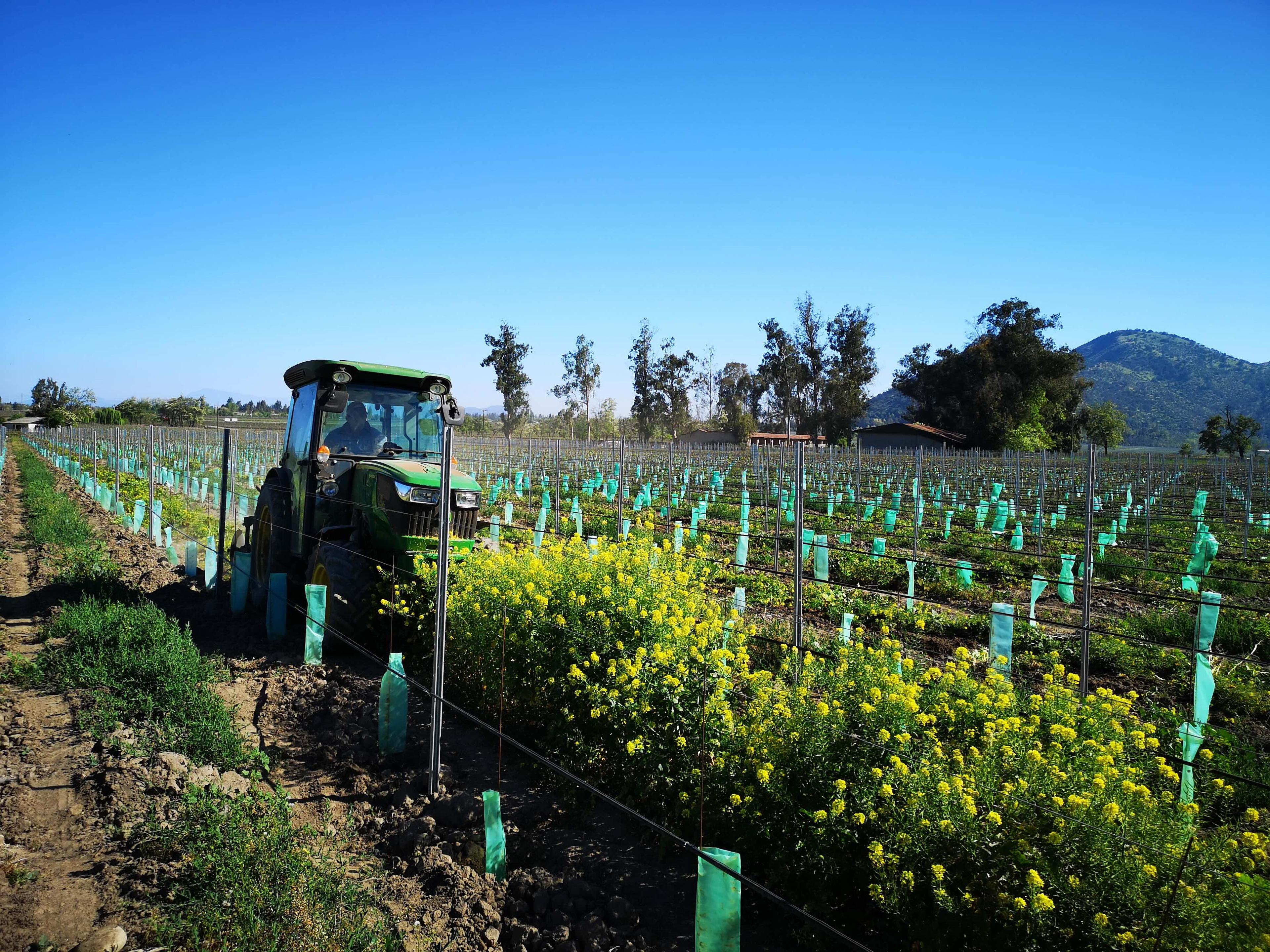
At Casa Real, the focus remains firmly on the historic Carneros Viejo and Población blocks in Alto Jahuel, where Cabernet Sauvignon has been cultivated for decades on ancient alluvial terraces beneath the Andes. Vineyard subdivision into ever-smaller parcels allows each block to contribute a distinct expression to the final blend.
Lascombes is following a similar path, albeit in Margaux. Heinz explained that the estate is increasingly returning to its historic terroirs, with particular emphasis on older Cabernet Sauvignon vines and massal selection, while biodiversity, cover crops and site-specific vineyard management now play a central role in shaping wine quality.
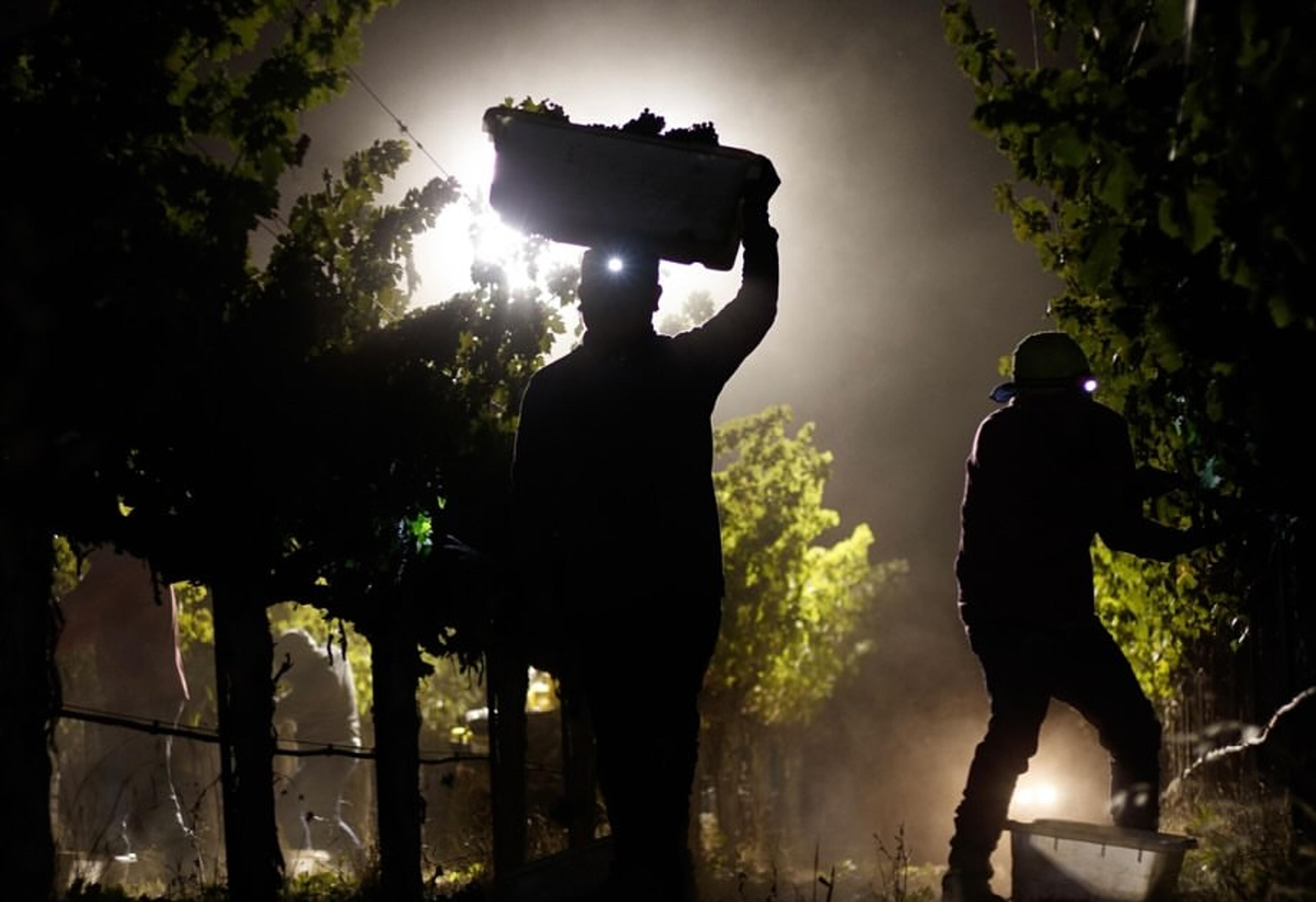
"We're much more hands-on in the vineyard and very hands-off in the cellar," Labbé said. "The vines themselves are giving you a lot of information." Laboratory analysis remains important, he explained, but it cannot replace walking the vineyard and tasting berries when deciding harvest dates.
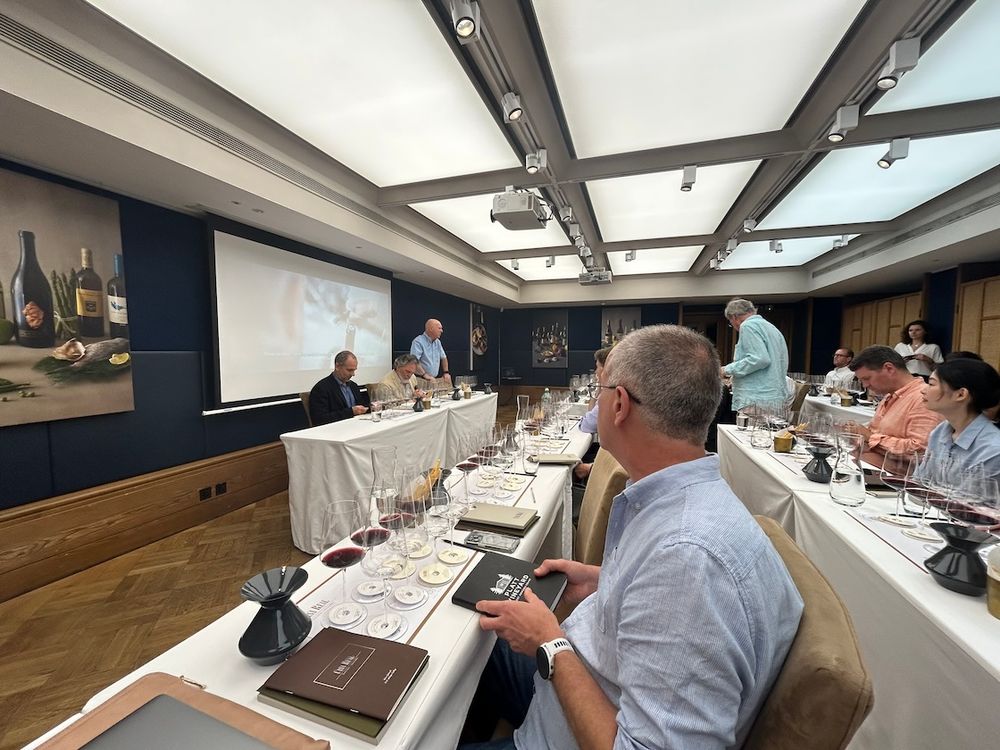
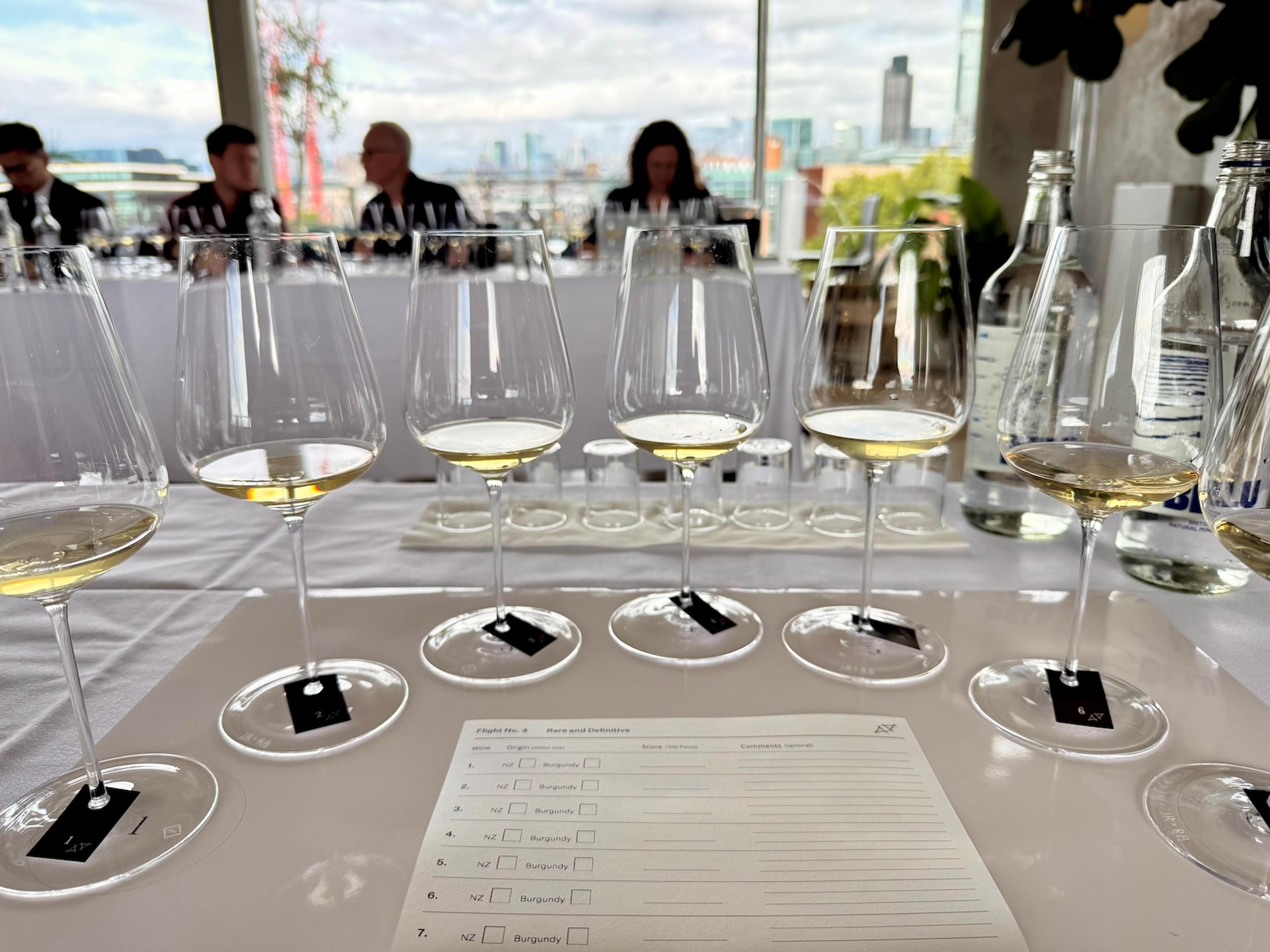
Comparative masterclass at 67 Pall Mall, London, June 2026
More science, more confidence
The discussion suggested that advances in viticulture have fundamentally changed the role of the winemaker.
Improved understanding of canopy management, the changing preception of phenolic ripeness and vineyard variability all mean that many of the decisions that once relied on cellar techniques are now being made in the vineyard.
Harvest timing has become one of the most critical decisions. Rather than chasing maximum ripeness, both winemakers emphasised identifying the point at which fruit has reached balance.
Climate change has compressed decision-making into increasingly narrow windows, where a matter of days can define an entire vintage.
Heinz reflected that previous generations might have delayed picking "another three or four days" simply to gain extra ripeness. Today, that mindset has changed. Once balance has been achieved, waiting longer may introduce unnecessary risk rather than additional quality.
Recent vintages have reinforced that lesson. Weather events arriving in the final weeks before harvest can fundamentally alter the profile of a wine, making timing every bit as important as extraction or élevage.
The role of the winemaker has become less about correcting the fruit after harvest and more about recognising the precise moment when intervention should stop.
The same philosophy extends into the winery.
Discussing optical sorting machines, Labbé said early trials revealed an unexpected downside.
"We identified there was a risk of going too precise and losing complexity," he said. Wines made from only the ‘perfect’ berries often became more one-dimensional, leading the team to accept a degree of natural variation that ultimately contributed greater depth and character.
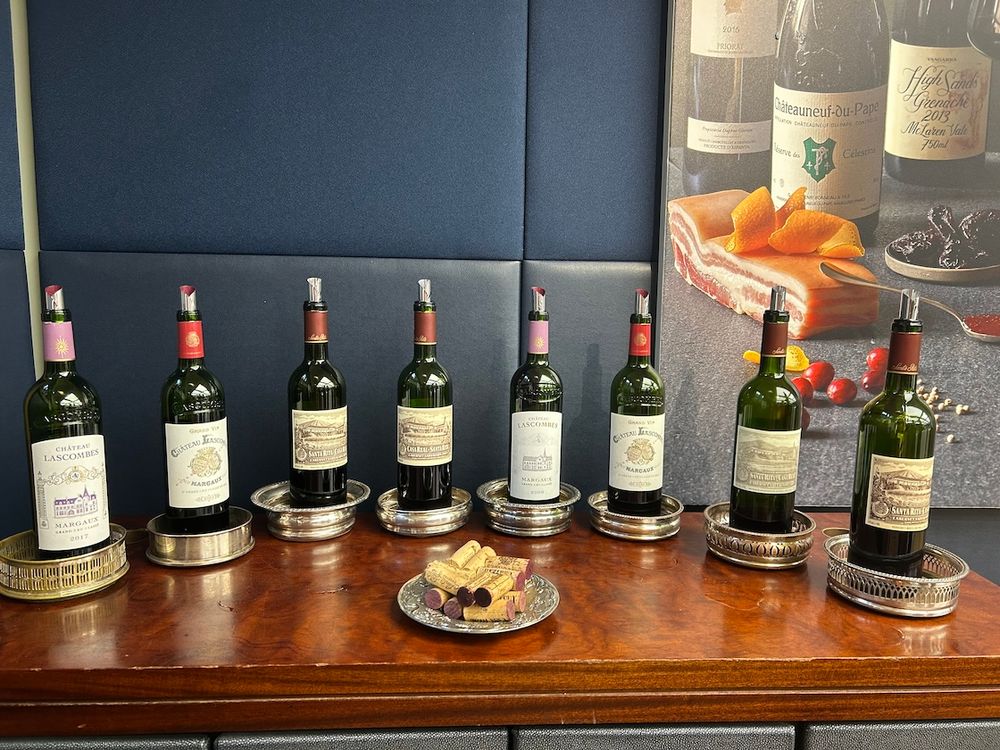
The wines reflected the discussion
The wines themselves reinforced many of the themes raised throughout the tasting.
My standout wine of the tasting, Château Lascombes 2023, was remarkably restrained despite the warmth of the vintage. Broad without being oversized, it combined generous fruit with lively acidity and finely structured tannins, suggesting that freshness need not be sacrificed in warmer years.
Even more surprising was Château Lascombes 2009. A vintage historically associated with richness instead delivered a wine of elegance, energy and freshness, with cranberry, cinnamon and truffle notes carrying impressive lift and definition.
Casa Real offered similar lessons. The extreme conditions of the 2020 vintage produced a wine that was generous and concentrated, yet deliberately approachable. For Labbé, that vintage was about more than simply managing difficult conditions.
"Wine is part of telling the story of that particular harvest," he said. Rather than chasing concentration, the team aimed to produce a wine that remained balanced while honestly reflecting one of the estate's most challenging growing seasons.
A quieter future
Climate change is undoubtedly forcing Cabernet Sauvignon producers to adapt. Although Bordeaux and Alto Maipo face different growing conditions, both producers described remarkably similar responses to climate change.
The tasting suggested that climate change is not simply changing how Cabernet Sauvignon is made. It is changing where it is made. Increasingly, quality is being determined long before the grapes reach the cellar, making the vineyard – not the winery – the defining factor in the future of fine Cabernet Sauvignon.
Sometimes, the most progressive thing a winemaker can do is simply know when to stop.