Riesling is almost synonymous with German wine in international markets. In the UK, Wines of Germany has successfully run its annual ‘31 Days of German Riesling’ campaign for many years. In 2025, however, it was renamed ‘31 Days of German Wine’.
The change sent a strong signal. More interestingly, according to Nicky Forrest, managing director of Phipps, whose agency has represented German wine in the UK for decades, the shift was largely driven by the trade, many of whom wanted to participate while showcasing wines beyond Riesling.
Importantly, this does not signal the end of Riesling. If anything, it demonstrates how successfully the variety has fulfilled its role.
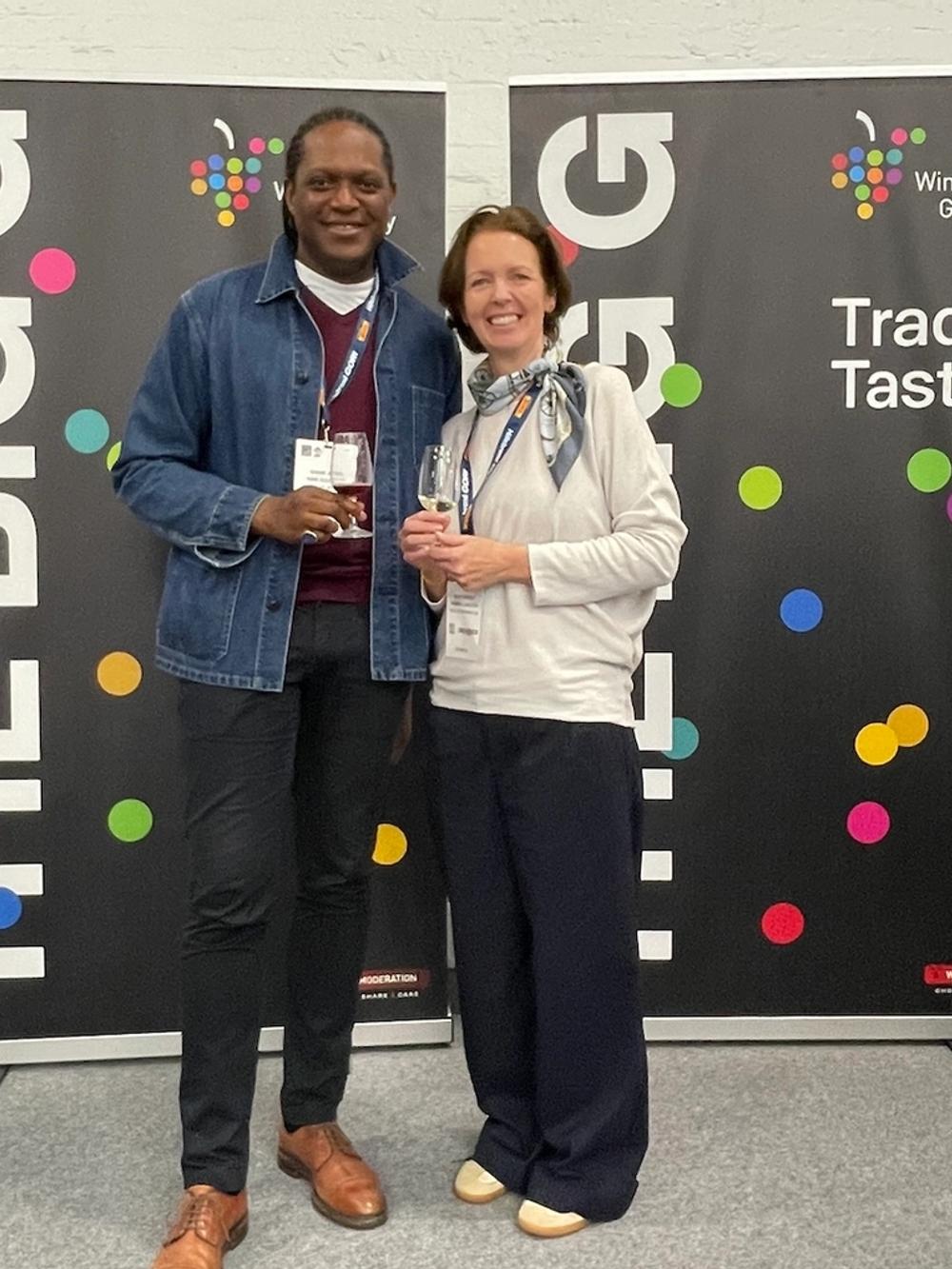
“"When these wines are now in Sainsbury’s, you know that you’re onto something." Nicky Forrest, MD of Phipps (R) with wine educator Shane Jones
New strategy
Melanie Broyé-Engelkes, managing director of the German Wine Institute (DWI), describes Riesling as the “wise family leader” of German wine – a variety that built Germany’s international reputation while creating space for Pinot Noir, Pinot Blanc, Chardonnay and Sauvignon Blanc, reshaping perceptions of German wine abroad.
The shift also aligns German wine closely with broader consumer trends in a warming climate. According to Broyé-Engelkes, light white wines now account for roughly two-thirds of production, positioning Germany strongly as consumers increasingly move toward fresher white and sparkling wines over heavier red styles.
Broyé-Engelkes only joined the DWI last July after a career spanning perfume, cosmetics and whisky, and her non-wine background brings an unique lens to the role. Drawing on her experience at Guerlain, she sees clear similarities between luxury beauty and German wine: both are rooted in craftsmanship, heritage and family stories, yet both must evolve without losing their identity. Her guiding philosophy, “keeping your roots while opening your wings,” underpins an approach focused on innovation, sustainability and more accessible communication.
The approach clearly energises her. “Germany is a haven of really interesting wine innovation,” she says. “Natural wines, low and no, PIWIs… There’s so much happening. German wine really ticks all the boxes.”
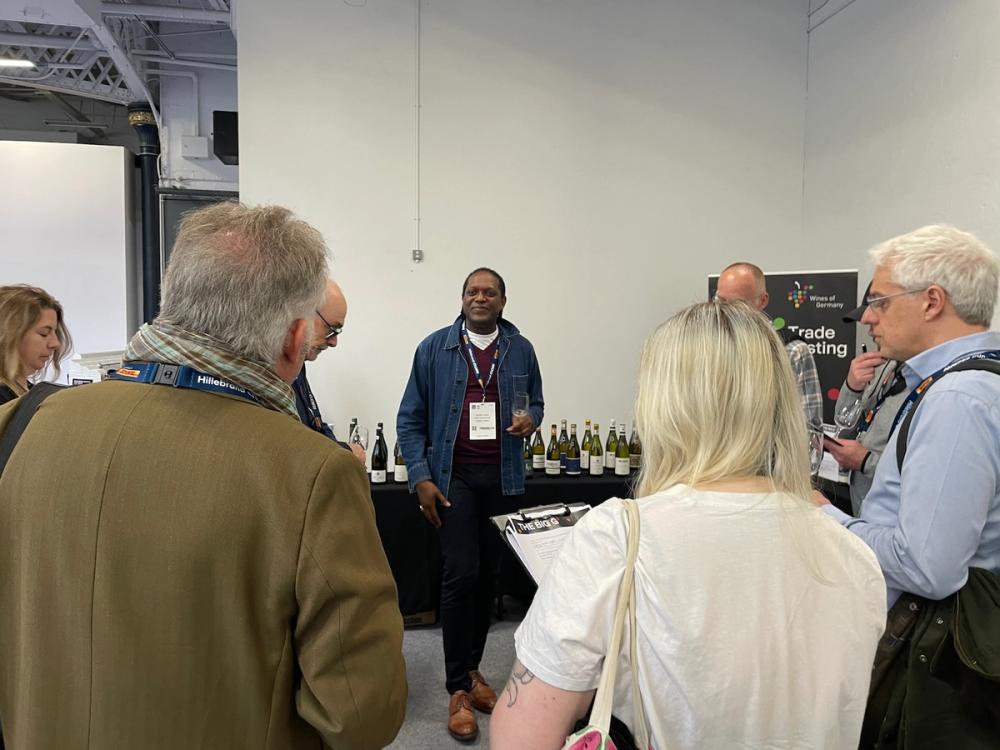
Shane Jones led a group of visitors to explore what he believes is the next big thing German Chardonnay and Pinot Noir.
Broadening the consumer base
That confidence is backed by research. The DWI has already conducted focus groups in Germany with Gen Z (18–24) and Gen Y (25–34) consumers, shaping a concrete strategy for 2026. The initial focus will be Gen Y, which Broyé-Engelkes describes as a “quicker win” because this group appears more open to transitioning into wine. She also sees them as influential opinion leaders capable of shaping both younger Gen Z consumers and older millennials.
The strategy centres on lighter, fruit-forward, slightly sweeter wines positioned as accessible alternatives to heavier spirits and RTDs. It is supported by simpler communication that focuses on sustainability, authenticity and lifestyle rather than technical wine language. Rather than pushing traditional wine culture immediately, the aim is to guide consumers gradually into wine in a way that feels approachable and relevant.
Throughout 2026, the DWI will test these ideas in Germany through targeted social media and retail-media campaigns before considering expansion into markets such as the UK. Importantly, Broyé-Engelkes stresses that the strategy is designed to broaden the consumer base, not replace it, while continuing to support the industry’s core audience of drinkers aged 45 and above.
In the UK, that strategy is taking practical retail shape. Forrest believes the focus should be on familiar grape varieties. Chardonnay, Pinot Noir, Pinot Grigio and Sauvignon Blanc therefore serve as accessible entry points for younger drinkers who may initially find German Riesling intimidating.
Visibility is also part of the equation. Modern packaging, the Generation Riesling initiative and the rebranding of 31 Days of German Wine are all part of a broader effort to modernise Germany’s image in UK retail.
The results are already emerging. German Sauvignon Blanc, for example, has been included in Sainsbury’s Taste the Difference range. As Forrest puts it: “When these wines are now in Sainsbury’s, you know that you’re onto something.”
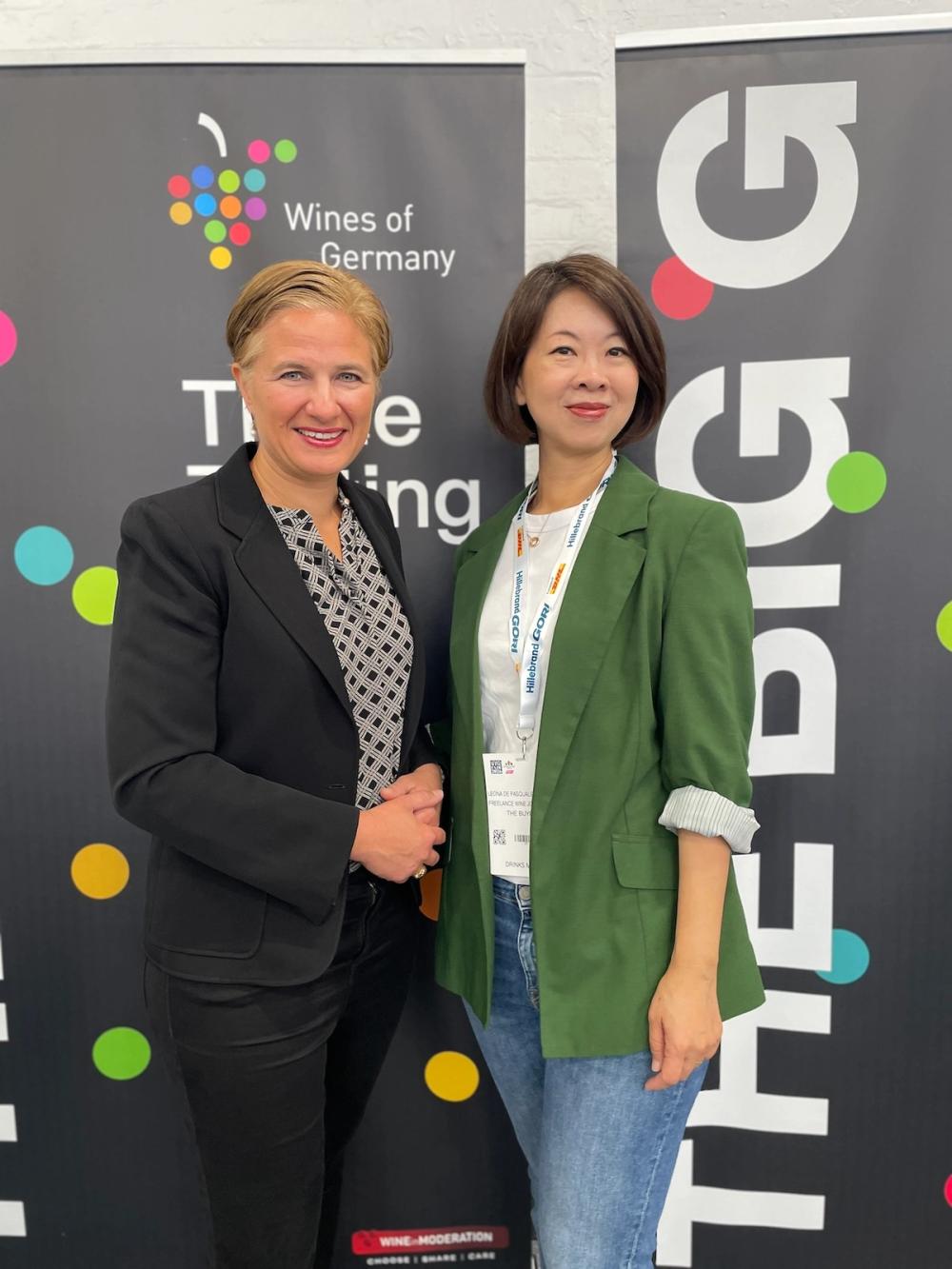
Melanie Broyé-Engelkes, DWI managing director (L) and Leona De Pasquale
The next big things in German wine
One might argue that the market hardly needs more Chardonnay and Pinot Noir. According to German wine educator Shane Jones, however, Germany’s Burgundian varieties could easily become the country’s next big thing.
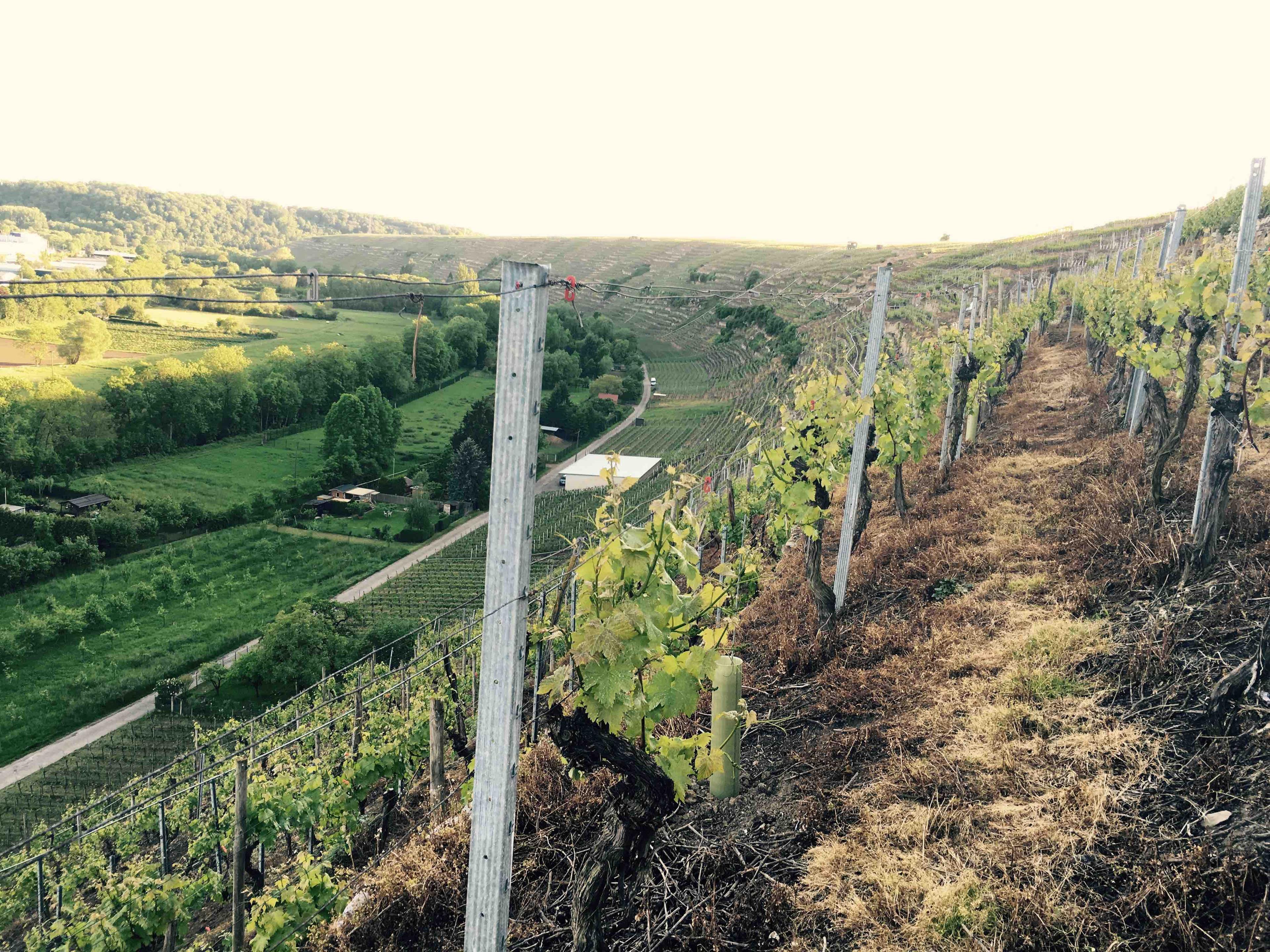
Unsurprisingly, climate change is a major driver, alongside increasing producer expertise. Excellent vineyard sites have been identified, particularly limestone-rich areas in the Pfalz, where both varieties can now be expressed at a level capable of competing with leading international examples, including Burgundy itself.
The opportunity, Jones argues, lies not only in quality, but also in style and value. German sparkling wines made from Chardonnay and Pinot Noir frequently overdeliver for the price compared with entry-level Champagne. German Pinot Noir also offers a distinctive style: softer, rounder and more immediately approachable than structured Burgundian examples, with floral aromas, vibrant red fruit, refreshing acidity and fine, lacy tannins. Moderate alcohol levels further reinforce the wines’ lighter, more refined profile.
German Chardonnay, meanwhile, is defined by precision and balance. It often shows purity of fruit, restrained oak and moderate alcohol, with freshness and clarity taking precedence over richness or weight. Perhaps surprisingly, as Jones points out, Chardonnay was only officially approved in Germany in 1991, and producers have embraced the variety fully only in recent years. British consumers already understand Chardonnay and Pinot Noir, giving Germany’s fresher, high-quality expressions a natural entry point.
For buyers and retailers, the message is clear: Germany can now credibly answer almost every brief on a modern wine list, from entry-level supermarket Sauvignon Blanc to premium Pinot Noir that punches well above its price point… without forgetting the versatility of Riesling.
German wine has not simply broadened; it has outgrown its own story. After decades spent convincing the world to take its Riesling seriously, it has succeeded. Now, with lighter styles, sustainability credentials and a generation of producers pushing boundaries, the question is no longer whether German wine is relevant, but whether the trade is ready to keep up.
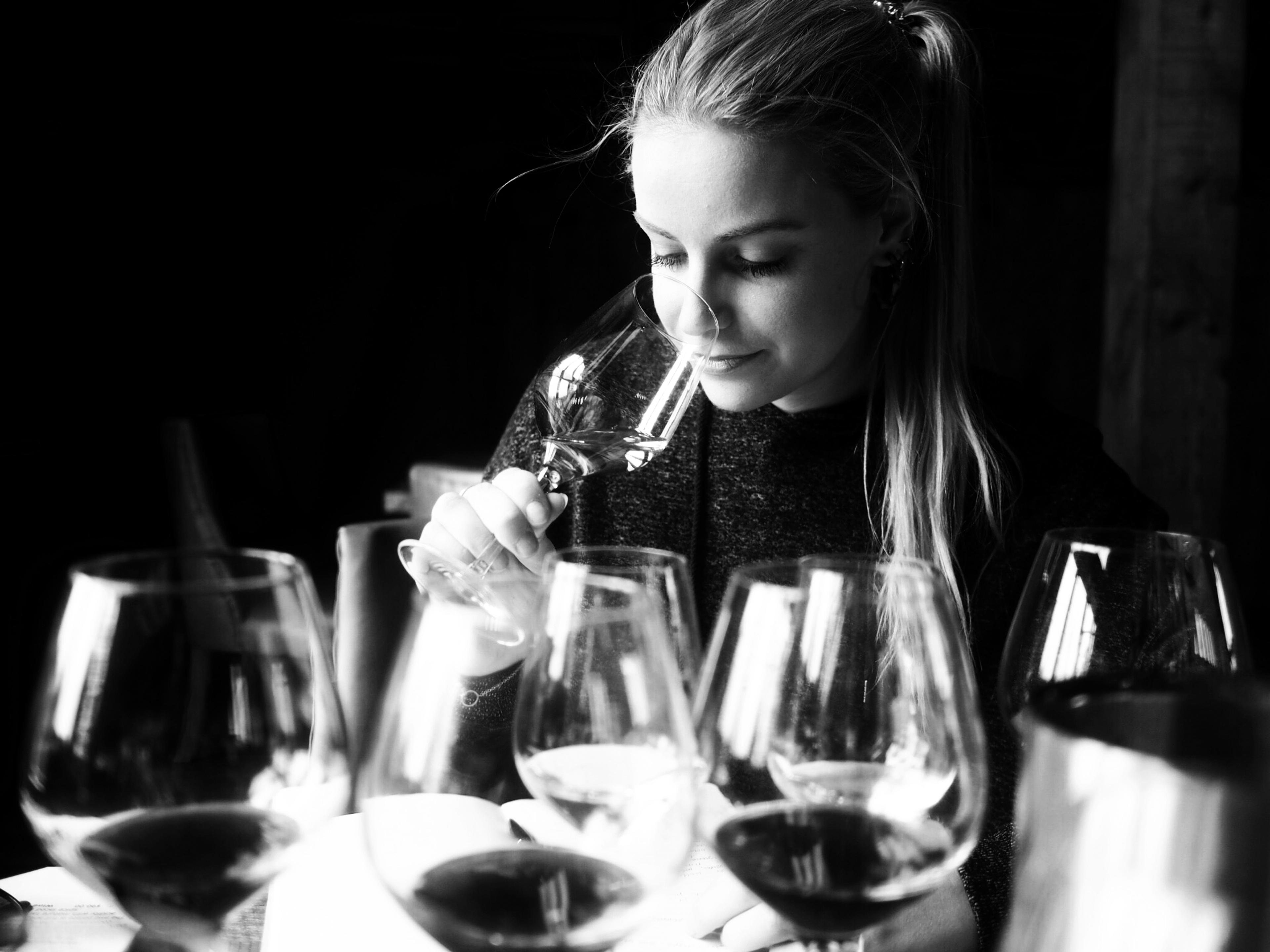
Leona De Pasquale’s Top 10 German Wines from the LWF Tasting
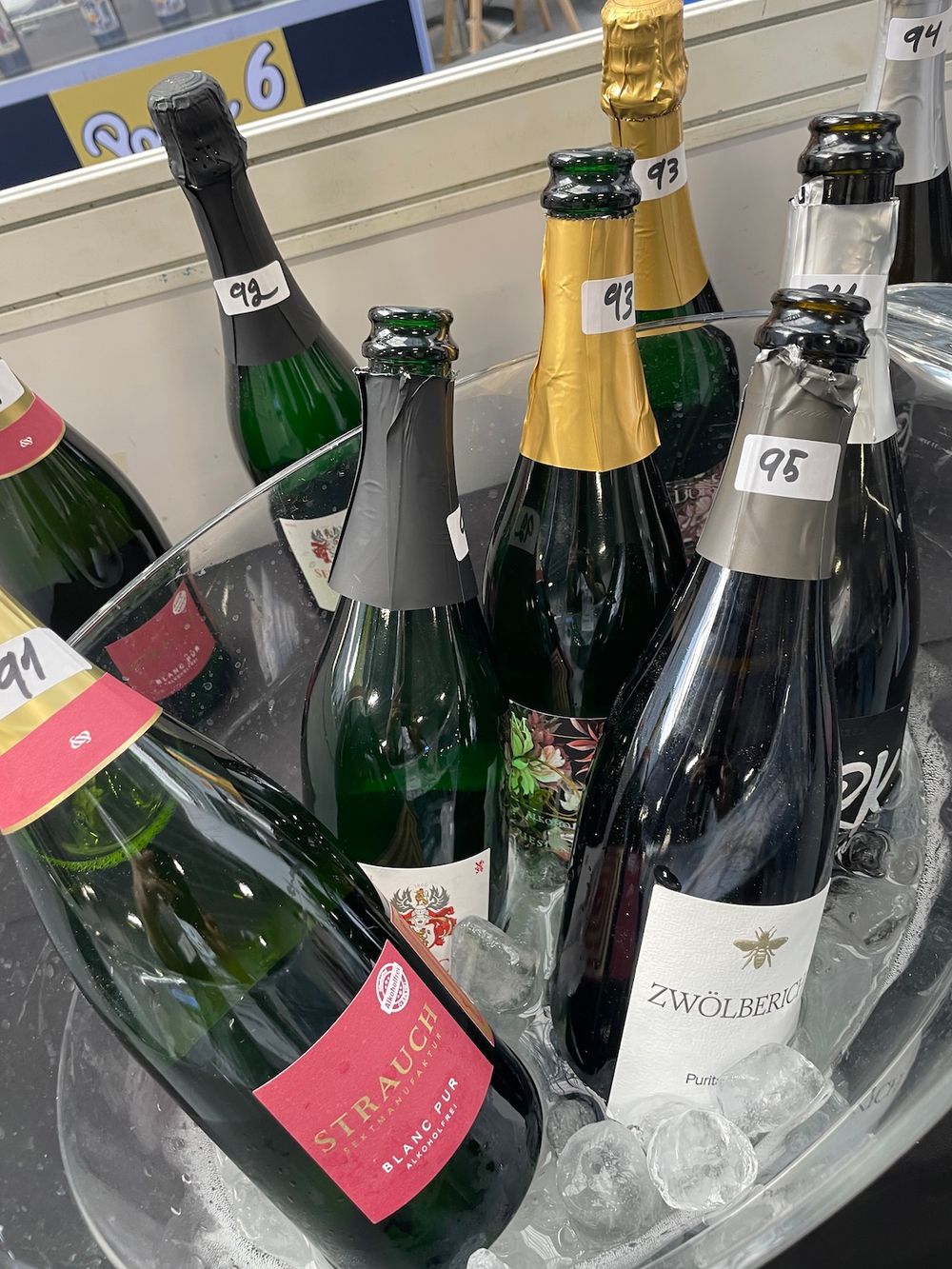
Some great examples of German sparkling wines using Pinot Noir and Chardonnay.
Sparkling wine
2021 Pinot Noir Sekt, Prestige, Griesel & Compagnie, Hessische Bergstraße (RRP £29)
Traditional-method sparkling wine with 46 months of lees ageing. Toasty and layered, with excellent texture, depth and weight.
Chardonnay
2024 Chardonnay, Wonsheim Alte Reben, Weingut Steitz, Rheinhessen (Ex-cellar €17)
Wild-fermented old-vine Chardonnay with oak ageing in a smoky, reductive style. Savoury and saline, with a profile reminiscent of top Chablis.
2023 Chardonnay, PAGODE Ihringen VDP.GG, Weingut Stigler, Baden (Ex-cellar €45)
A very different expression from the previous Chardonnay. Wild-fermented and undergoing full malolactic conversion, it combines a rounded mouthfeel and ripe peach fruit with balancing freshness and acidity.
Pinot Noir
2025 Pinot Noir Rosé, Weingut Dr. Josef Köhr, Pfalz (RRP £10.60)
Excellent-value rosé with notes of candied strawberry and vibrant, juicy fruit. Bright, easy-drinking and highly quaffable.
2022 Pinot Noir, Recher Herrenberg, Weingut Oliver Schell, Ahr (RRP £35)
Stony and mineral, with almost medicinal notes. Deep, dark and savoury, with earthy complexity and a bitter cherry-skin finish.
2024 Spätburgunder, Höllenberg, Weingut Robert König, Rheingau (Ex-cellar €39.90)
Excellent fruit intensity supported by a chalky tannin structure. Velvety yet serious, with impressive freshness and tension.
2022 Spätburgunder, Kirchberg, Weingut Salwey, Baden (Ex-cellar €75)
Dense and full-bodied, showing ripe red berry fruit, sweet oak spice and considerable concentration.
Alternative Riesling
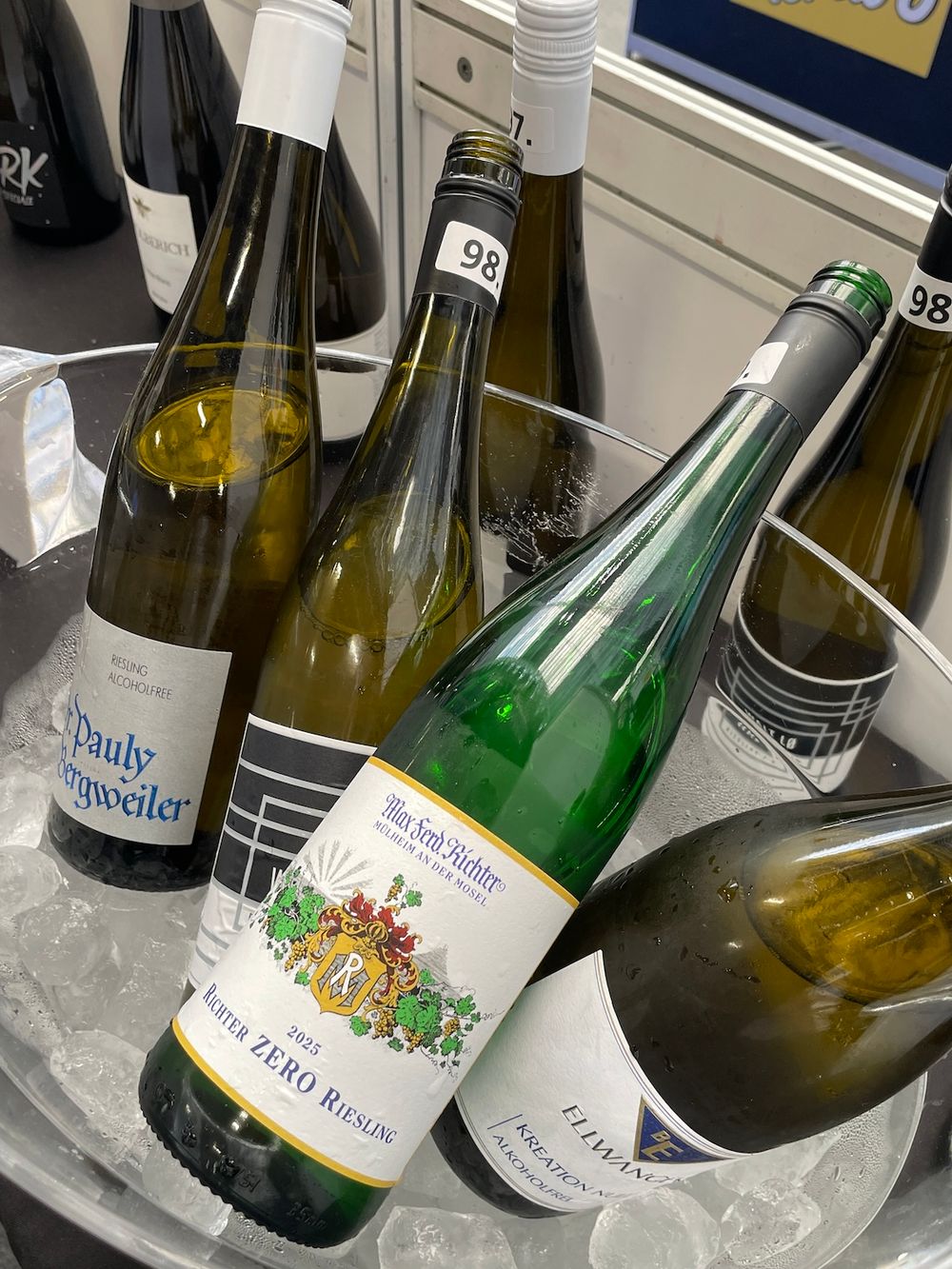
Weingut Max Ferd's Riesling Richter Zero is a successful example of Germany's de-alcoholised wine.
Alcohol-free wines
Truth be told, I am not usually a fan of de-alcoholised wine, largely because the process can feel overly manipulated and often results in high residual sugar levels. However, if there is one grape variety suited to the category, Riesling is perhaps the strongest candidate, as its naturally high acidity helps balance sweetness while maintaining freshness and structure.
2025 Riesling, Richter Zero, Weingut Max Ferd. Richter, Mosel (RRP £19, Charles Taylor Wines)
A highly successful de-alcoholised Riesling and, in my view, the strongest wine in this category at the tasting. It comes closest to expressing classic Riesling varietal character, with 50.6 g/l residual sugar effectively balanced by 8.4 g/l acidity.
Bischöfliche DOM Zero Sparkling Riesling Alcohol-Free, Bischöfliche Weingüter Trier, Mosel (RRP £9.08)
Fresh and lively, with charming white blossom aromas and well-integrated mousse, making it an easy and enjoyable drink.
PIWI
2024 Riesling Cabernet Blanc, Weingut Heinrich Vollmer, Pfalz (Ex-cellar €8.90)
Juicy and fresh, with vibrant acidity alongside subtle peppery and grassy notes.