
Koshu is changing. Full stop.
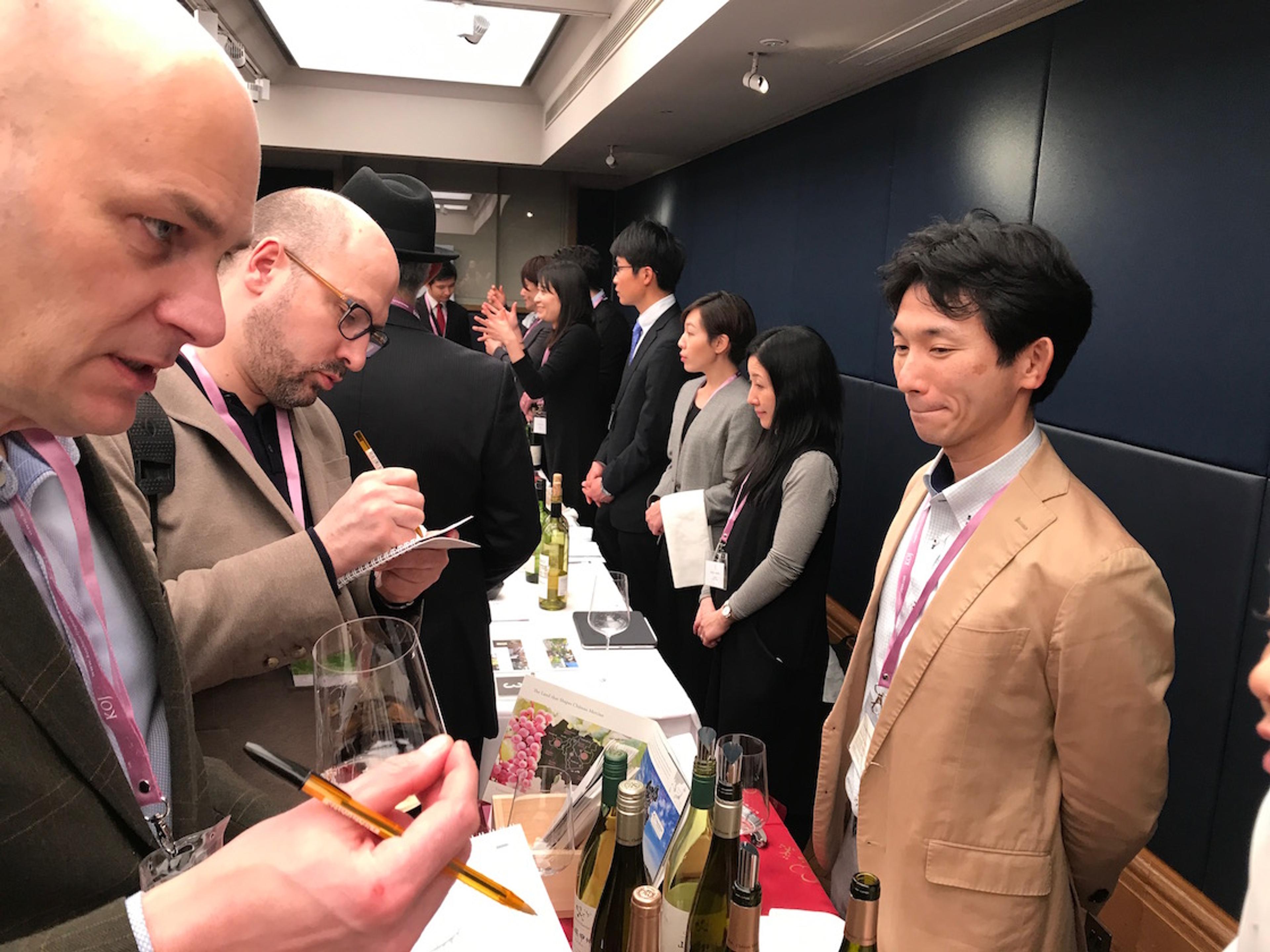
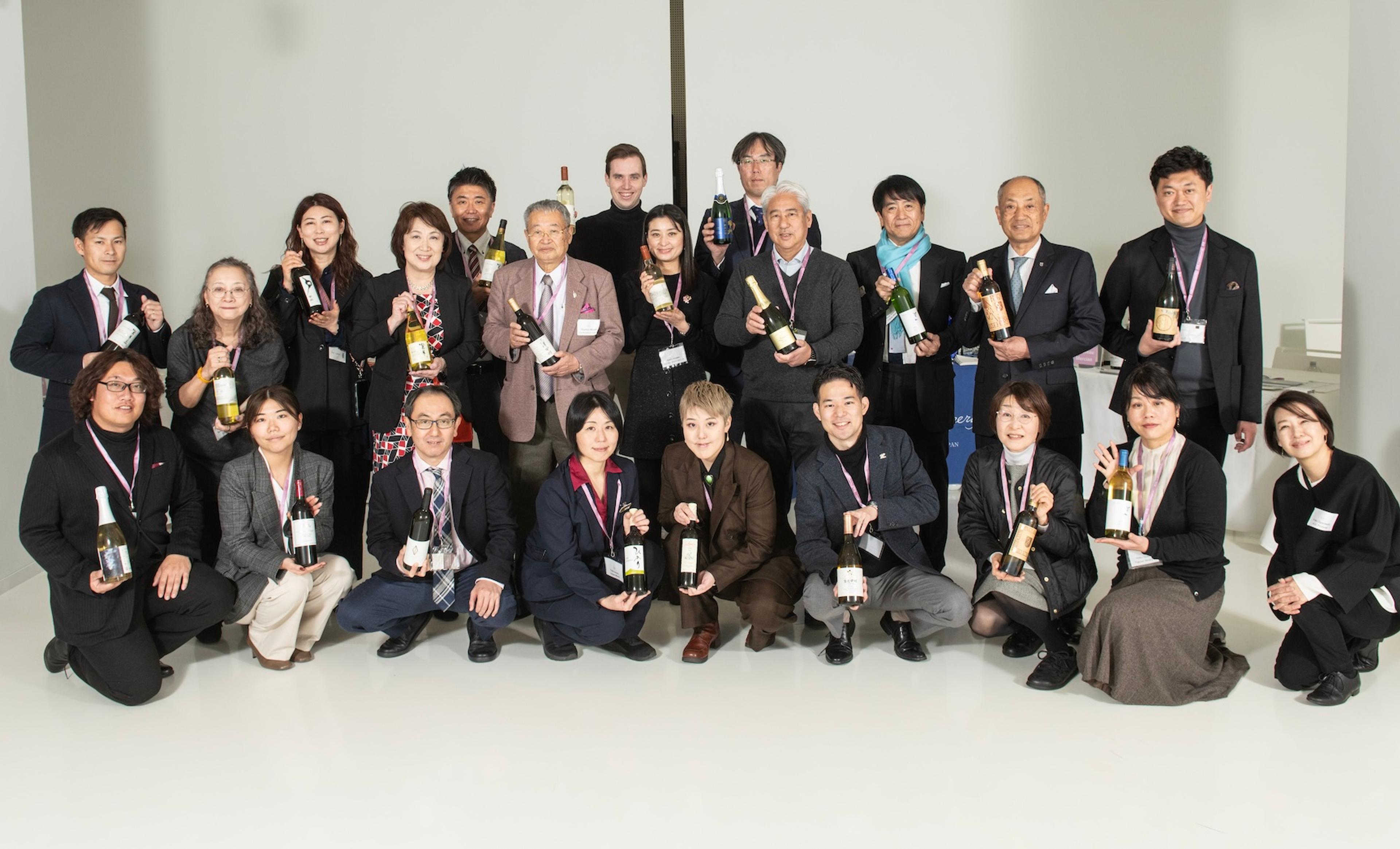
That change was clearly visible at the 2026 Koshu of Japan (KOJ) Annual Trade Tasting at London’s 67 Pall Mall, the 17th edition held in the UK. The progress is quantifiable: all nine producers presenting this year have secured UK importers. In 2024, ten producers showed wines, but only six had UK representation.
This is a significant achievement and proves two things. First, for an emerging wine region, producers are stronger together. Second, Koshu of Japan’s (KOJ) long-term marketing strategy has paid off. From the outset, KOJ made a strategic decision to focus its export efforts on the UK. The aim was never immediate volume, but credibility and visibility. One of KOJ’s stated goals was to establish Koshu abroad and, in doing so, bring international recognition back to Japan.
The shift in narrative is evidently on show at this year’s tasting. KOJ is no longer satisfied with the image of “delicate Japanese wine”. Instead, it wants to convey a clear message: that Koshu’s delicacy is precisely what allows it to express site-specific and soil-driven differences.
This year’s masterclasses, led by Sarah Jane Evans MW, centred squarely on soil. Through a carefully curated line-up, she demonstrated how geology, altitude and farming decisions across Yamanashi Prefecture translate into tangible differences in texture, structure and flavour.
As Evans observed, describing Koshu as merely subtle or Zen-like obscures its defining quality. “Calling Koshu wine ‘delicate’ actually damages the concept,” she noted, “as it hides the quality that comes from place.”
Geological nuance
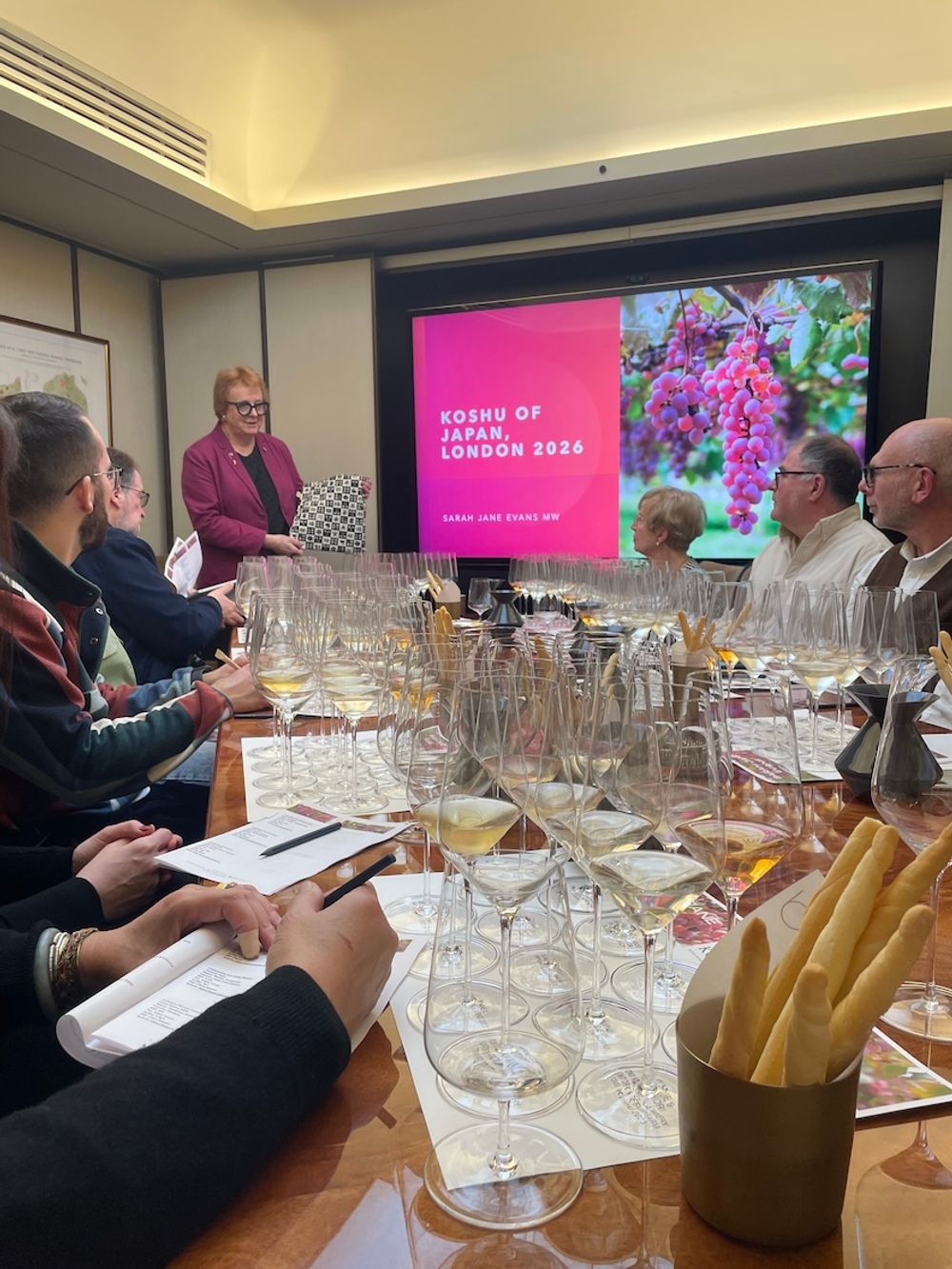
Sarah Jane Evans MW led the soil focused masterclass
Koshu has been cultivated in Japan for over a millennium. Once grown primarily as a table grape, DNA analysis confirms it as Vitis vinifera. Pink-skinned and naturally high-yielding, it has traditionally been trained on pergola systems to manage humidity and rainfall. Increasingly, however, growers are gradually adopting vertical shoot positioning (VSP), prioritising fruit concentration over yield.
Koshu’s subtle aromatics once made it difficult to judge in an international context, and early tasters often struggled to identify what they were tasting. What has changed is not the grape itself, but the confidence with which it is interpreted and presented by producers.
If delicacy framed earlier discussions, soil now provides the more rigorous lens. Yamanashi is geologically fragmented, shaped by volcanic activity, erosion and sedimentation. Rather than a single terroir, it is a mosaic: sandy gravel, decomposed granite, clay, ancient seabed sediments and volcanic ash, each showing measurable influence.
Evans placed Yamanashi within Japan’s tectonic context, where plate convergence and volcanic history create sharp shifts in soil composition over short distances. While such geological nuance is commonly discussed in saké, she argued that vineyard soils in Koshu now demand equivalent attention.
Lower-lying vineyards around Yamanashi City (Mercian, Lumière, Manns Wines) and the Fuefuki area (Katsunuma Jozo Winery) are planted on sandy gravel derived from decomposed granite, often laid down as alluvial fans. These free-draining soils moderate vigour and encourage root spread. Wines from these sites tend to be linear and fresh, with high natural acidity, subtle citrus and white peach notes, and a chalky texture on the palate. This is the style that has historically defined Koshu, but in this context it is no longer presented as neutral or simplistic, rather as a precise expression of site.
Moving into the historic centre of Koshu City (Kurambon and Iwasaki Jozo), soil composition becomes more complex. Here, clay is mixed with granite fragments and weathered seabed sediments, resulting in harder soils that encourage lateral root growth rather than deep penetration. Evans noted that wines from these sites often show more structure and grip, with slight astringency and greater mid-palate presence. These characteristics make them particularly well suited to techniques such as short skin contact, lees ageing and restrained oak use, without overwhelming the inherent delicacy of the grape.
At higher elevations (350–800m), particularly in areas such as Hokuto, Kai City and Nirasaki, volcanic influence becomes more pronounced. Soils are often combined with clay (Grace Wine and Suntory) or sand (Fujiclair Winery) and benefit from cooler temperatures and greater diurnal variation. Evans pointed out that wines from volcanic soils frequently display savoury, smoky or nutty notes, alongside a broader, more textural palate. Fruit expression is often less overt, replaced by umami-driven depth and a lingering, chalky finish.
Grace Wine and the terroir turning point
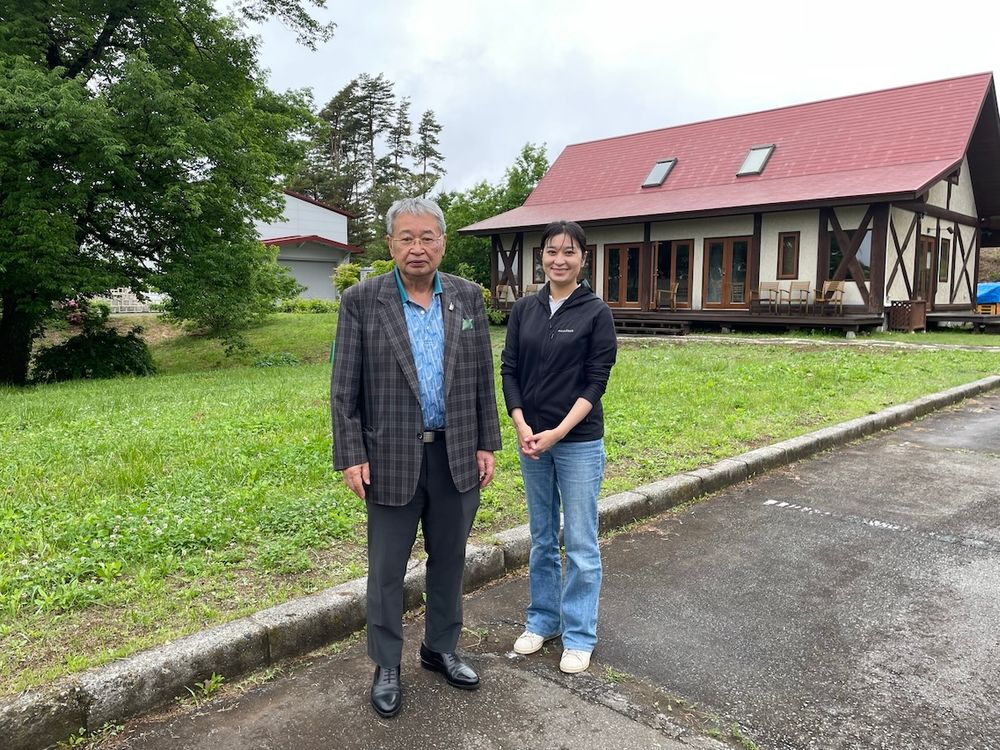
Father and daughter team at Grace Wine
After the masterclass, it became clear that while KOJ articulated the soil framework, it was individual producers who advanced the shift. Few illustrate this more visibly than Grace Wine, among Yamanashi’s most internationally recognised estates.
In 2014, Grace Wine’s Cuvée Misawa Akeno Koshu 2013 became the first Japanese wine to win a Gold Medal at the Decanter World Wine Awards. For President Shigekazu Misawa, a founding member and current chairman of KOJ, such an accolade was significant. But it was his daughter, Ayana Misawa, who drew the deeper lesson.
Following the wine’s success, European tasters began comparing Koshu to Albariño, Grüner Veltliner and even Chablis. While flattering, these comparisons prompted reflection. Ayana realised she had focused primarily on expressing the intrinsic character of the Koshu grape, rather than questioning what distinguished one Koshu vineyard from another.
In Europe, she observed, wines made from the same grape variety often taste fundamentally different depending on where they are grown. Terroir, rather than varietal typicity, was the defining factor.
This realisation marked a turning point.
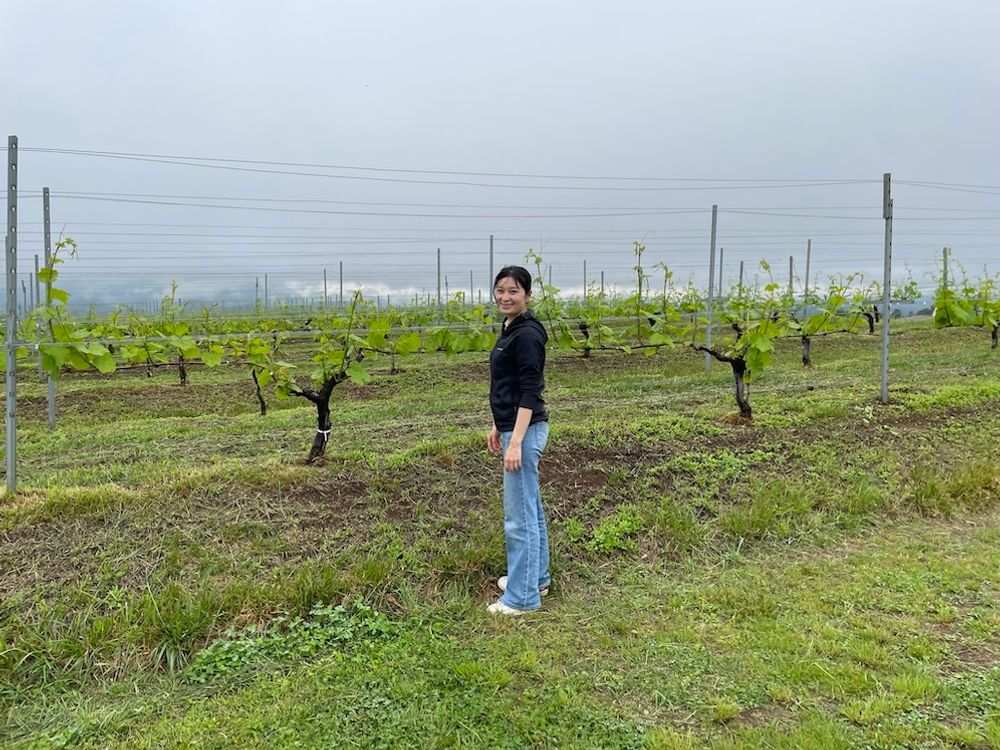
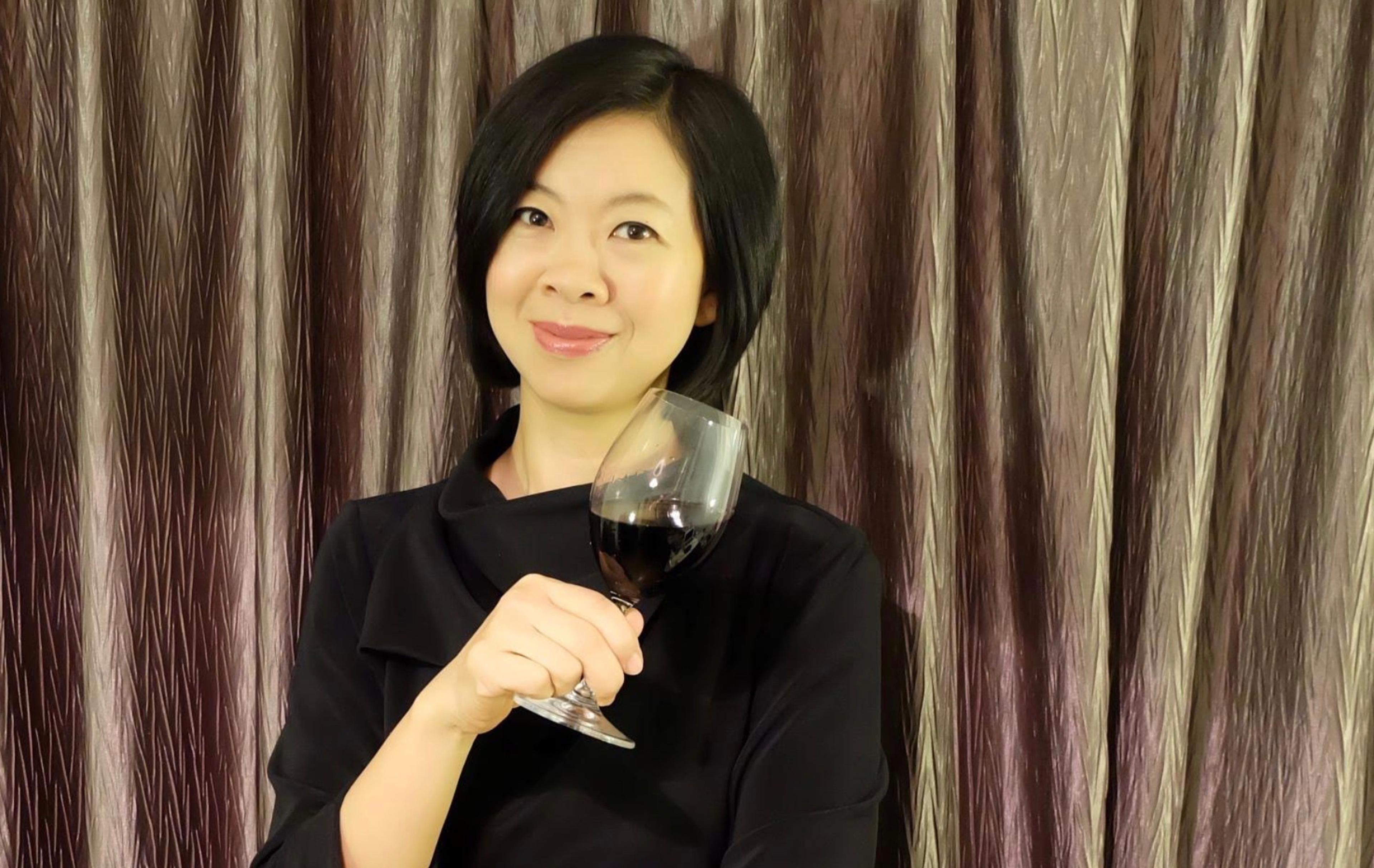
Ayana Misawa, winemaker of Grace Wine
Grace Wine’s response was both philosophical and practical. The first step was a move towards organic viticulture, an ambitious decision in Japan’s humid climate, where disease pressure is high and chemical intervention has long been the norm. Seven years of experimentation initially led to certification of a 0.2-hectare parcel; today, one hectare is certified.
The pursuit of terroir expression extended into the cellar. In 2017, Ayana noticed that a barrel of Koshu undergoing oak ageing had spontaneously completed malolactic conversion. Typically, this would rarely happen, given Koshu’s low malic acid, low pH and nitrogen content. The resulting wine showed unexpected depth and complexity, which triggered curiosity.
Chemical analysis revealed the presence of previously unidentified lactic acid bacteria specific to the Misawa Vineyard. To ensure this was not an anomaly, the team at Grace monitored the phenomenon over the next four vintages. The results were consistent. Further research identified at least 65 locally specific strains of lactic acid bacteria, underlining the role of microbial terroir in shaping the wine’s character.
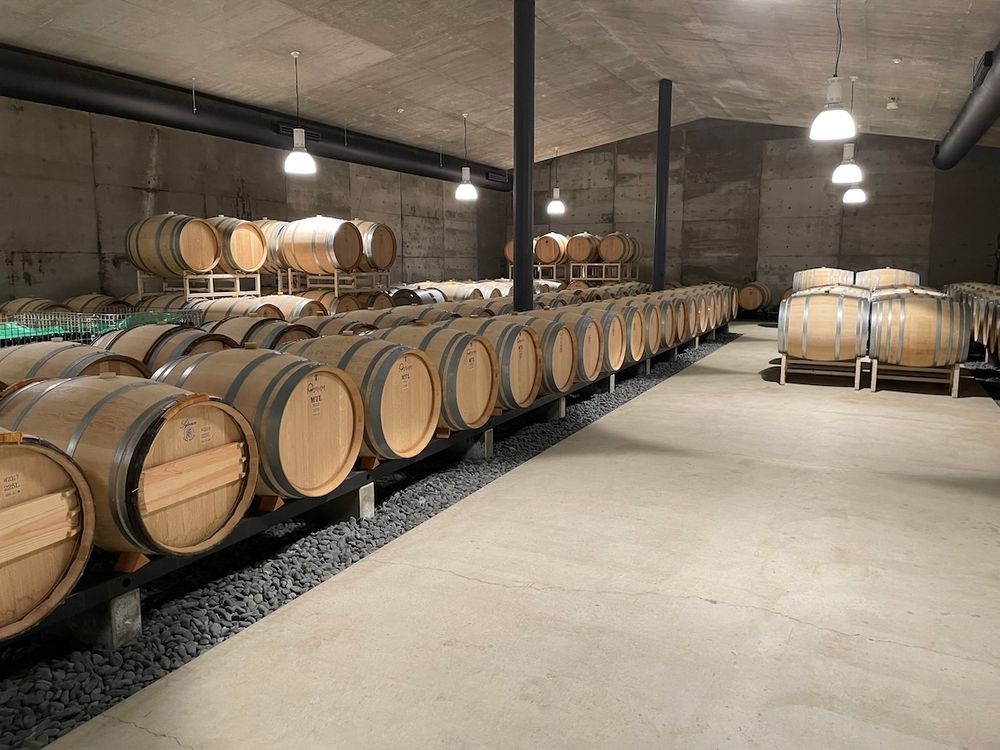
Grace Wine's cellar where native lactic acid bacteria strains were discovered
Ayana’s findings were published in July 2025 and, in practical terms, reshaped Koshu winemaking. She had long sought complexity derived from site rather than cellar intervention. Their flagship Koshu is now vinified with spontaneous malolactic fermentation, which she believes helps to produce age-worthy Koshu wines.
For her, this is significant, as she notes that the UK market has shown how important it is to make terroir-driven wine. She believes that although Koshu is an unique grape variety, gaining lasting popularity and regular customers requires more than simply emphasising the variety itself.
A broader spirit of experimentation
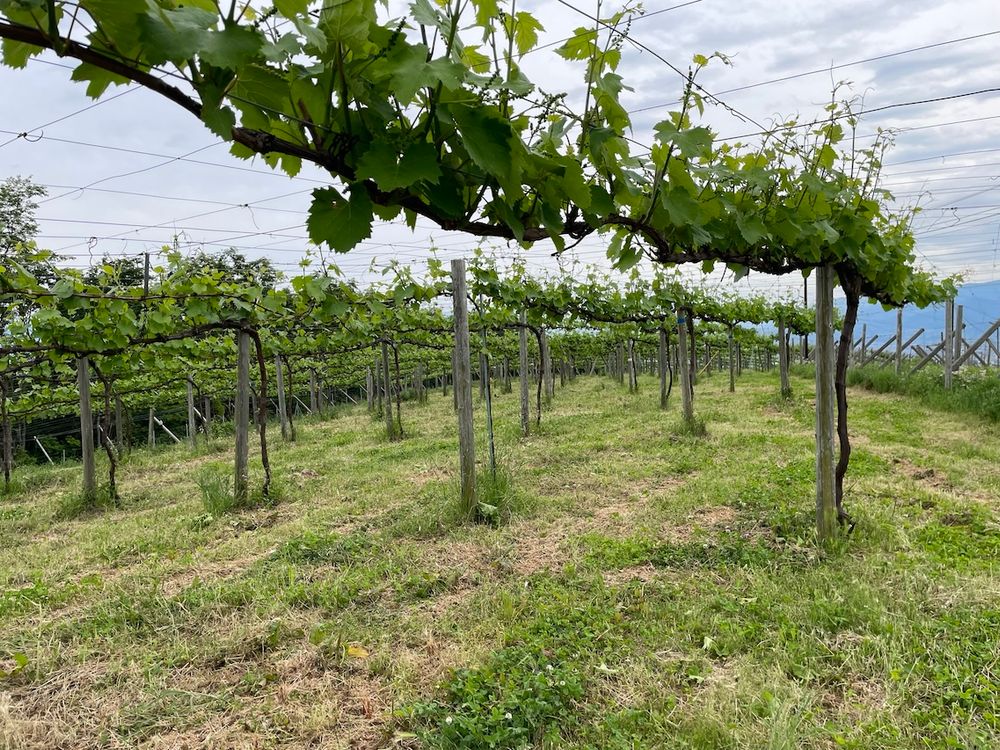
Suntory's Tomi no Oka vineyard
While a number of wineries – including Suntory’s Tomi no Oka Winery and Kurambon – are slowly transitioning towards organic, the region’s evolution extends well beyond farming practices. A broader spirit of experimentation is taking hold, from vineyard plantings to cellar technique and stylistic interpretation.
Kurambon Winery, founded in 1913 and now led by fourth-generation proprietor Takahiko Nozawa, began its organic conversion as early as 2007. The estate has planted Tannat, Viognier and Albariño and has experimented with more than 40 grape varieties alongside Koshu. In the cellar, Nozawa uses his own pied de cuve (natural yeast starter) as one way of expressing terroir.
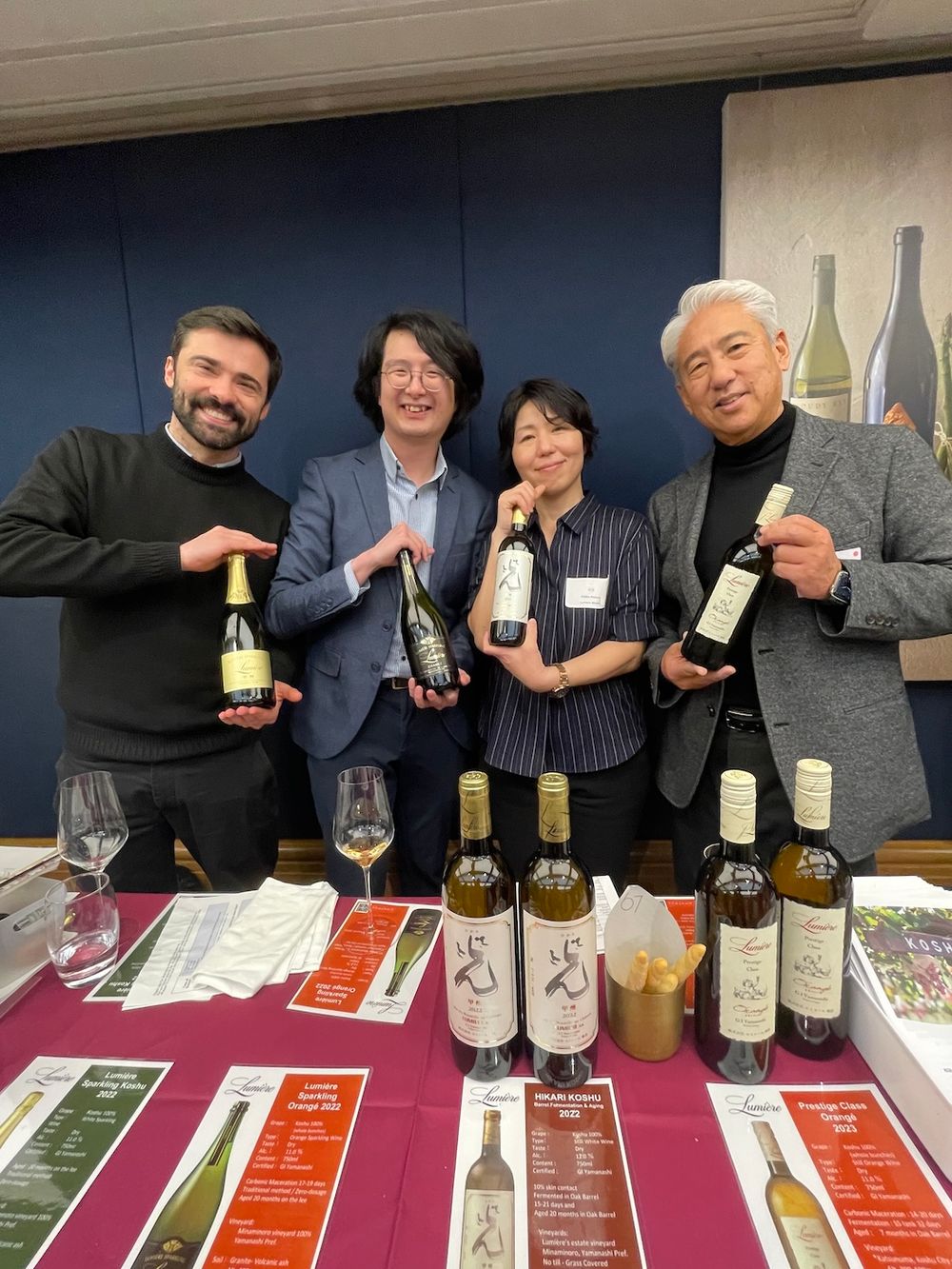
Lumière Winery - owner Shigeki Kida (R), Export Manager Yukiko Amano (second right) with Amathus sales team
Stylistic diversification is equally noticeable. Barrel fermentation, lees ageing, carbonic maceration, orange wine and sparkling wine have all demonstrated Koshu’s versatility.
Lumière Winery exemplifies this widening spectrum. Its Hikari Koshu Barrel Fermented range demonstrates the gastronomic potential of oak-influenced Koshu, and its still and sparkling orange wines also push boundaries further, appealing to younger, experimental consumers.
On the other hand, Iwasaki Jozo represents another dimension of change. Operating as a négociant with 130 contracted growers, President Soma Shiraishi who trained at Yamanashi University, adopts an explicitly European framework. Evans recounted Shiraishi’s comment during the masterclass, quoting him as saying: “I’m Japanese, but I’m making European wines.” With an emphasis on sur lie ageing and food pairing, his approach positions Koshu not as an ethereal curiosity, but as a structured, table-orientated wine.
Koshu’s transformation is tangible in the glass. What was once defined by delicacy is now defined by differentiation. Soil, altitude and microbial life are emerging as the true authors of style. As Yamanashi moves from grape identity to terroir driven, Koshu is slowly but surely stepping confidently onto the world stage.
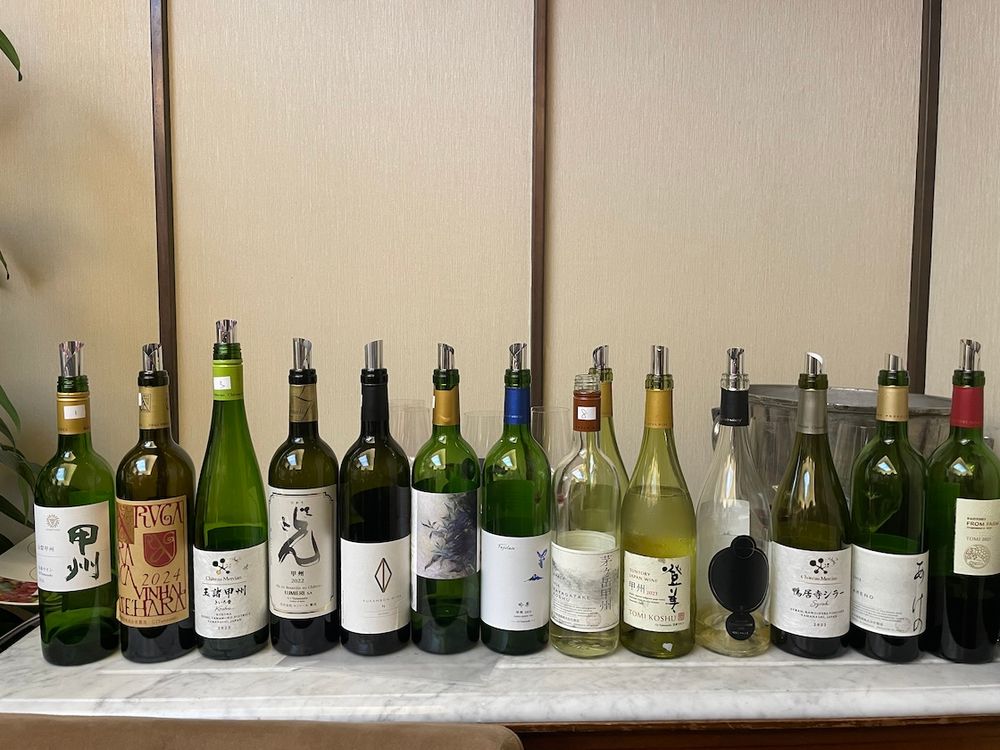
Tasting notes from the soil-focused masterclass:
Sandy gravel & granite (Yamanashi City / Fuefuki)
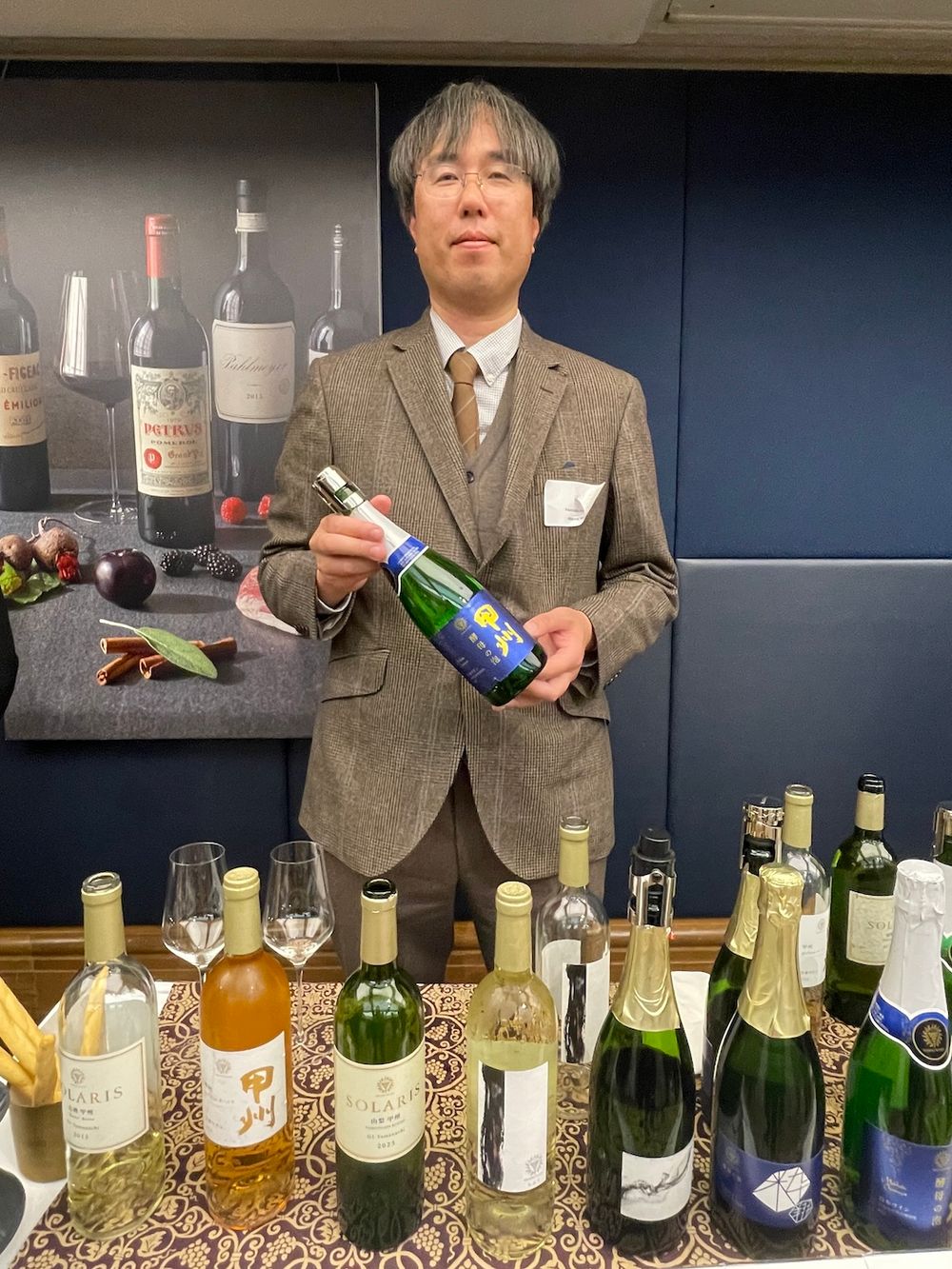
Hirose Kazutaka, vineyard manager of Manns Wines (Kikkoman Group)
1. Manns Wine Yamanashi Koshu 2024
Ethereal and very light, with citrus, ripe lemon and mountain freshness. White peach and lime zest lead to a rounded yet clean finish. Bright acidity balanced by a touch of residual sugar. Chalky texture. (Importer: JFC UK)
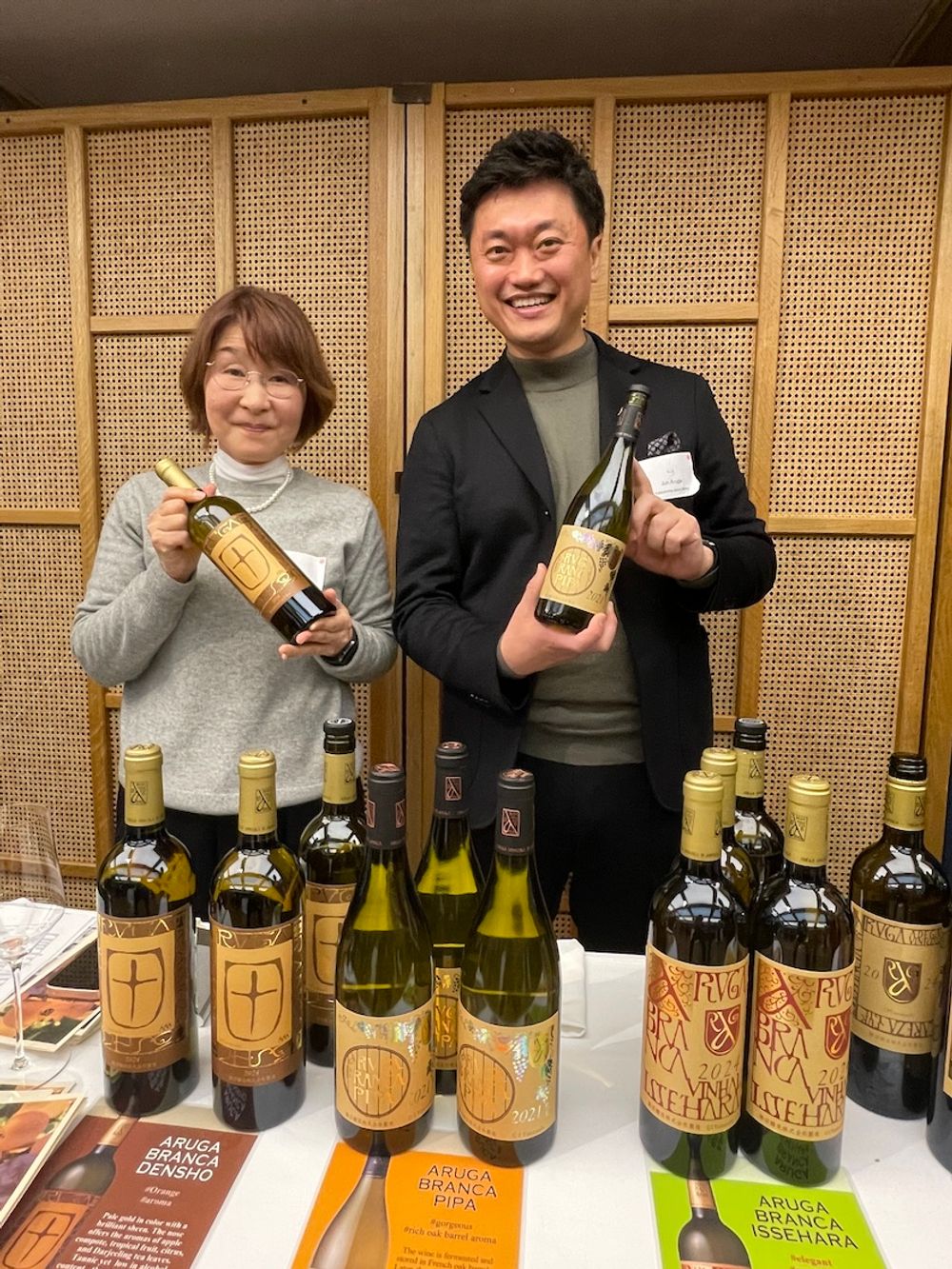
Chizuko Oda (L) and Owner Jun Aruga from Katsunuma Winery
2. Katsunuma Jozo Aruga Branca Issehara 2024
Linear yet rounded. Ripe lime and lemon with a subtle peach note on the finish. Mouthwatering acidity and a dry, saline edge give length and gastronomic appeal. Less aromatic, but serious and premium in expression. (Importer: Japan Food Express)
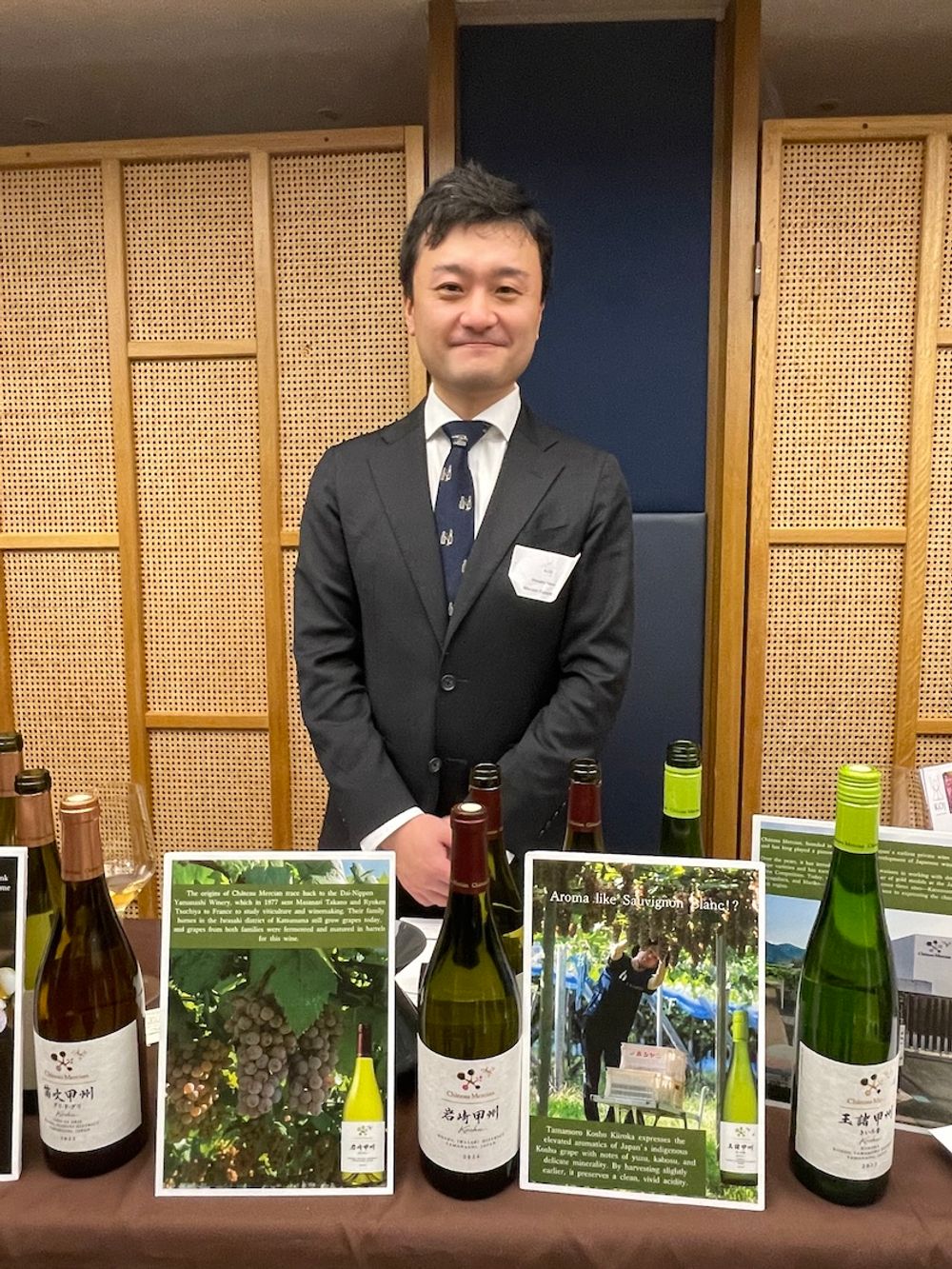
Chateau Mercian (Kirin Group)'s European office director, Shinsaku Takimoto
3. Château Mercian Tamamoro Koshu Kiiroka 2023
Aromatic and citrus-led, with lime zest, grassy nuances and stony minerality. Punchy acidity, light body and phenolic grip on the finish. Clean, restrained and polished, with a Chablis-like profile. (Importer: Boutinot)
4. Lumière Winery Hikari Koshu 2022
Medium copper-orange colour. Peach purée and faint red fruit hints. More textural than aromatic, with fine tannins suggesting skin contact. Rounded mid-palate, firm dry finish. Oak adds depth without weight. (Importer: Amathus)
Clay, granite & ancient seabed sediments (Koshu City)
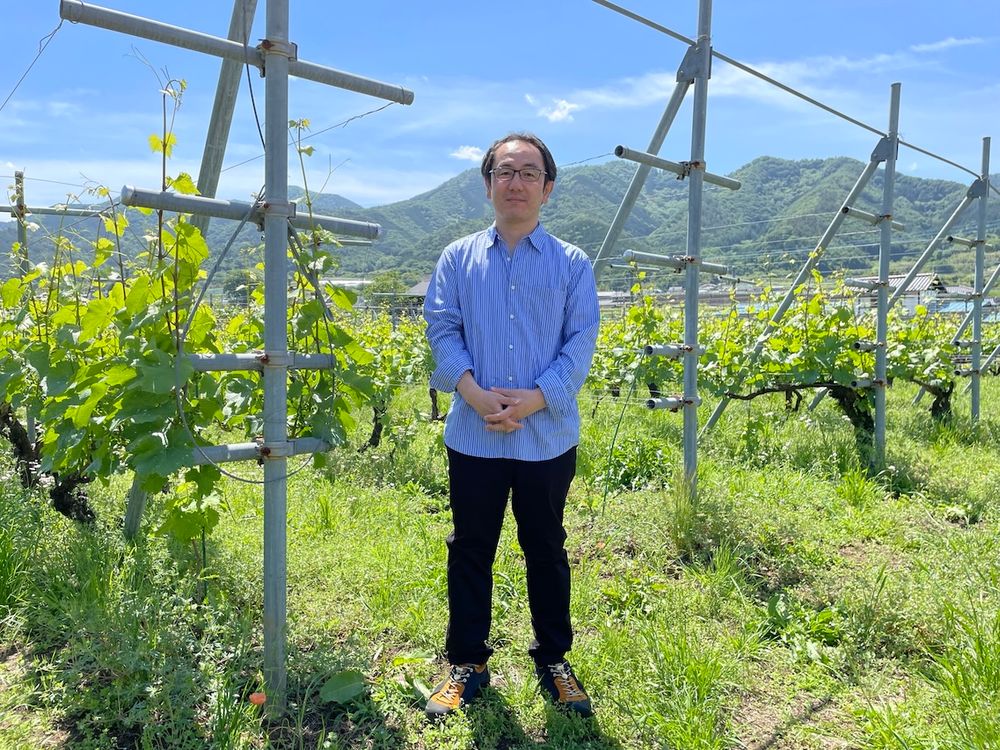
Takahiko Nozawa, fourth generation of family owned Kurambon Winery
5. Kurambon Wine N Koshu 2024
Creamy, lightly buttery nose. Ripe lime and lemon on a round, persistent palate. Silky texture with subtle grip from short skin contact and measured oak. Elegant, composed and intense. (Importer: Japan Gourmet)
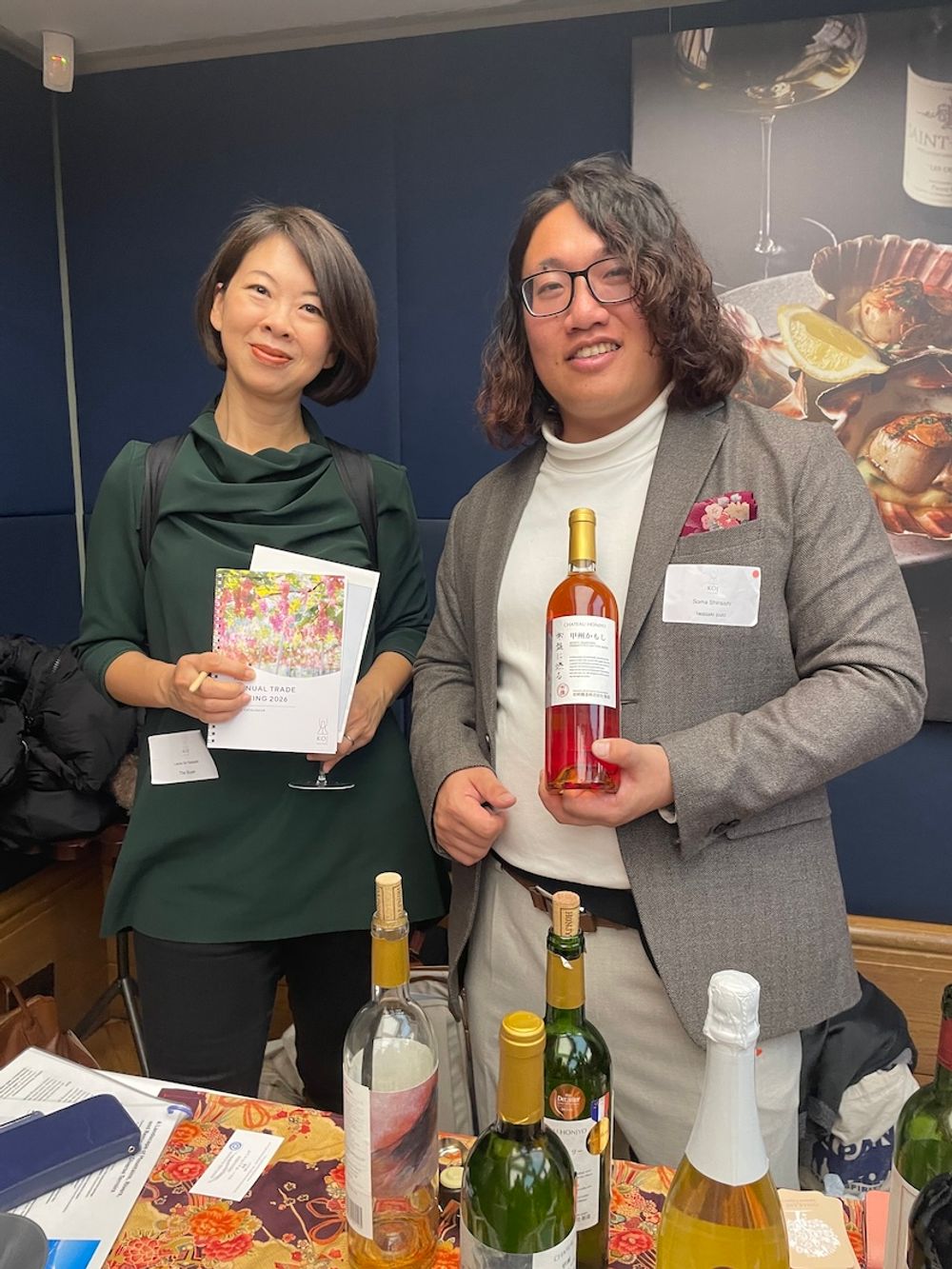
Leona De Pasquale (L) with Soma Shiraishi of Iwasaki Jozo
6. Iwasaki Jozo Chateau Honjyo Koshu Sur Lie Utatane-Wa 2022
Smoky aromatics with lime skin and savoury undertones. Phenolic grip and a saline, chalky finish. Muscadet-like; umami-driven and food-focused. (Importer: Omakase Ltd)
Volcanic soil (Hokuto, Nirasaki, Kai)
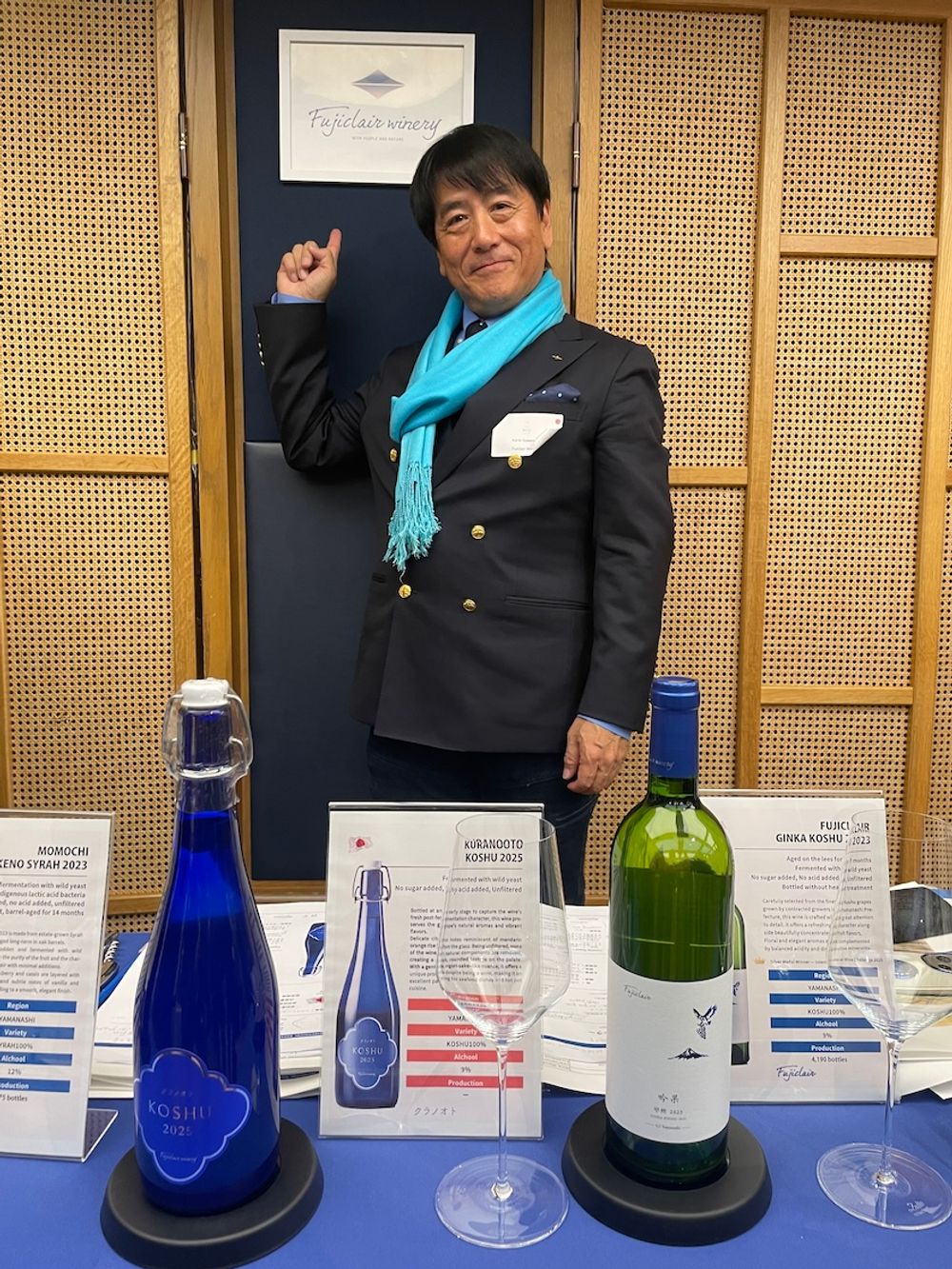
Kanta Sawamura, CEO of Fujiclair
7. Fujiclair Winery Ginka Koshu 2023
Very light (9% abv). Peach skin, grassy and nutty notes with subtle smokiness. Rounded yet delicate, lifted by refreshing acidity.Very characterful. (Importer: Japan Centre)
8. Grace Wine Kayagatake Koshu 2024
Creamy, lightly smoky nose. Firm phenolic structure with citrus and lime at the core. Fine acidity and a persistent mineral finish. Shows notable depth and structural evolution. (Importer: Hallgarten & Novum Wines)
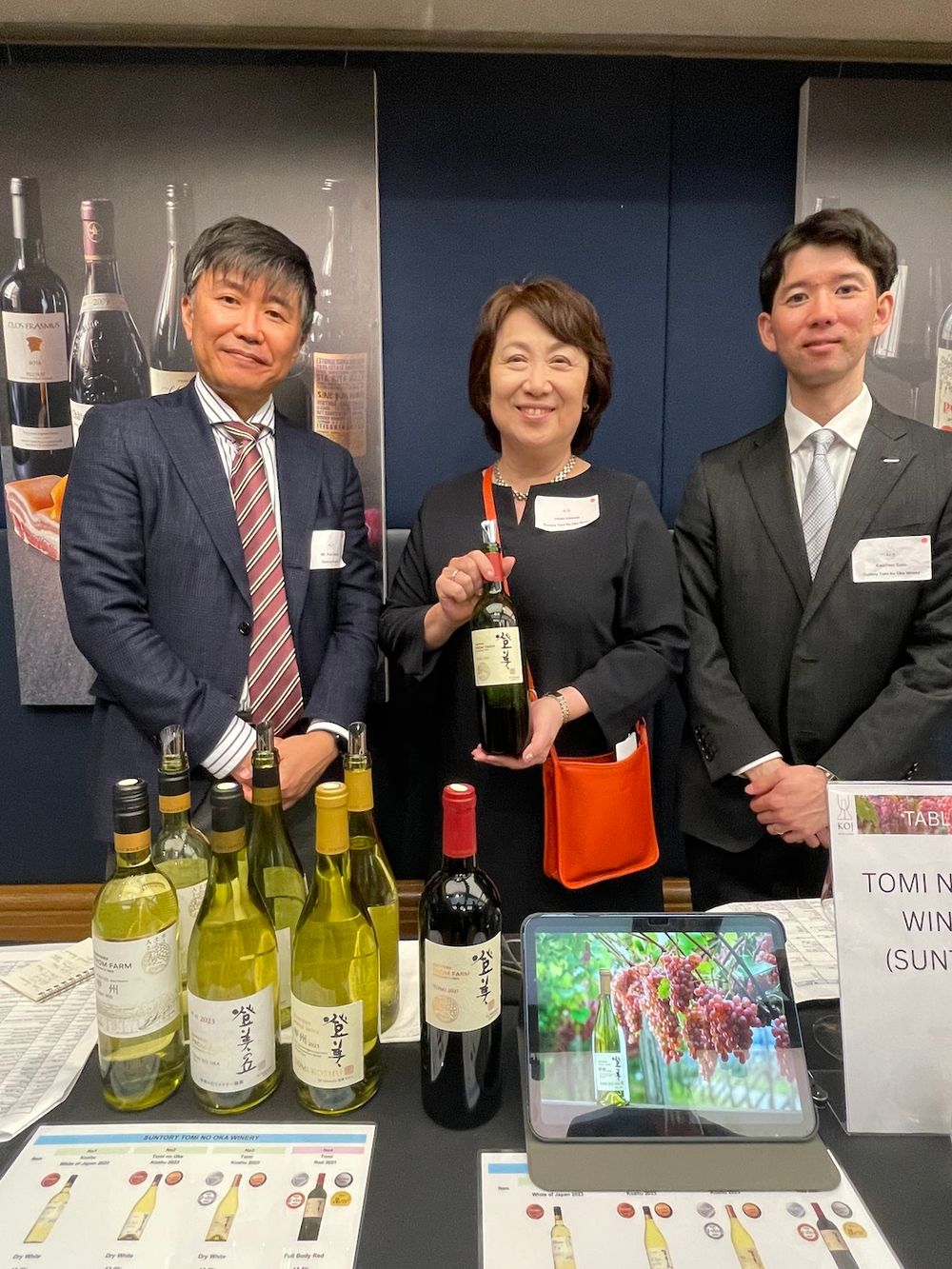
Suntory Tomi no Oka Winery team
9. Suntory Tomi no Oka Winery Suntory From Farm Tomi Koshu 2023
Round and palate-filling. Ripe peach and subtle honeyed notes with a warmer mid-palate. Balanced and accessible, underpinned by solid structure. A broader interpretation of Koshu. (Importer: Nishikidori)
International Varieties
10. Fujiclair Winery Momochi Akeno Chardonnay 2023
Ripe stone fruit and generous weight. Full-bodied, with yuzu-skin texture on the finish. Concentrated and well structured. (Importer: Japan Centre)
11. Château Mercian Kamoidera Syrah 2022
Game, smoky bacon and pepper on the nose. Vibrant red fruit core. Structured yet energetic, with impressive intensity and length. (Importer: Boutinot)
12. Grace Wine Akeno 2023
Bordeaux blend with clear Cabernet Sauvignon character — capsicum, fine tannins and precise structure. Polished, with a long, spicy finish. (Importer: Hallgarten & Novum Wines)
13. Suntory Tomi no Oka Winery Suntory From Farm Tomi Red 2021
Another Bordeaux blend with darker fruit and firmer tannins. Bigger in frame yet finely managed. Serious and age-worthy. (Importer: Nishikidori)