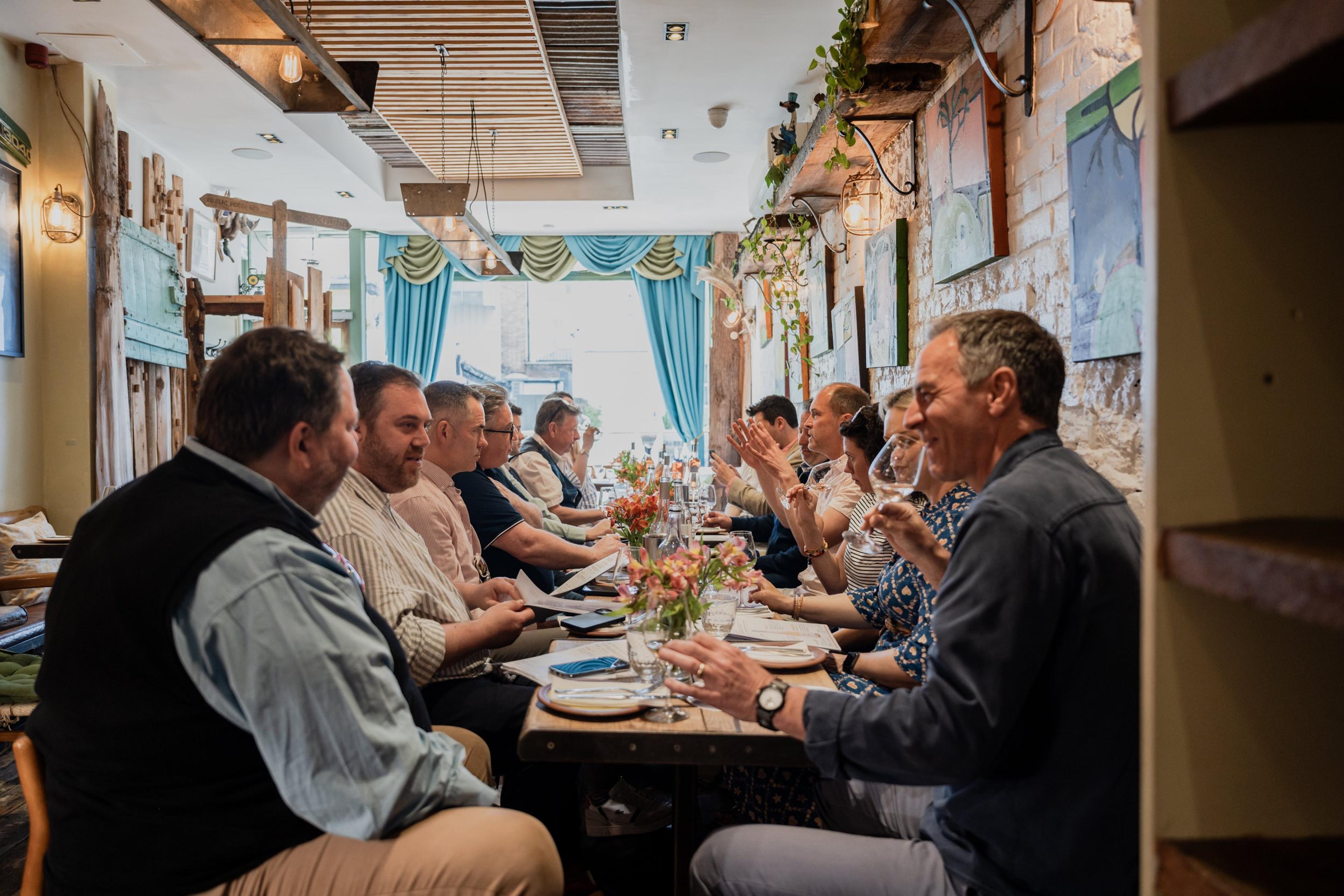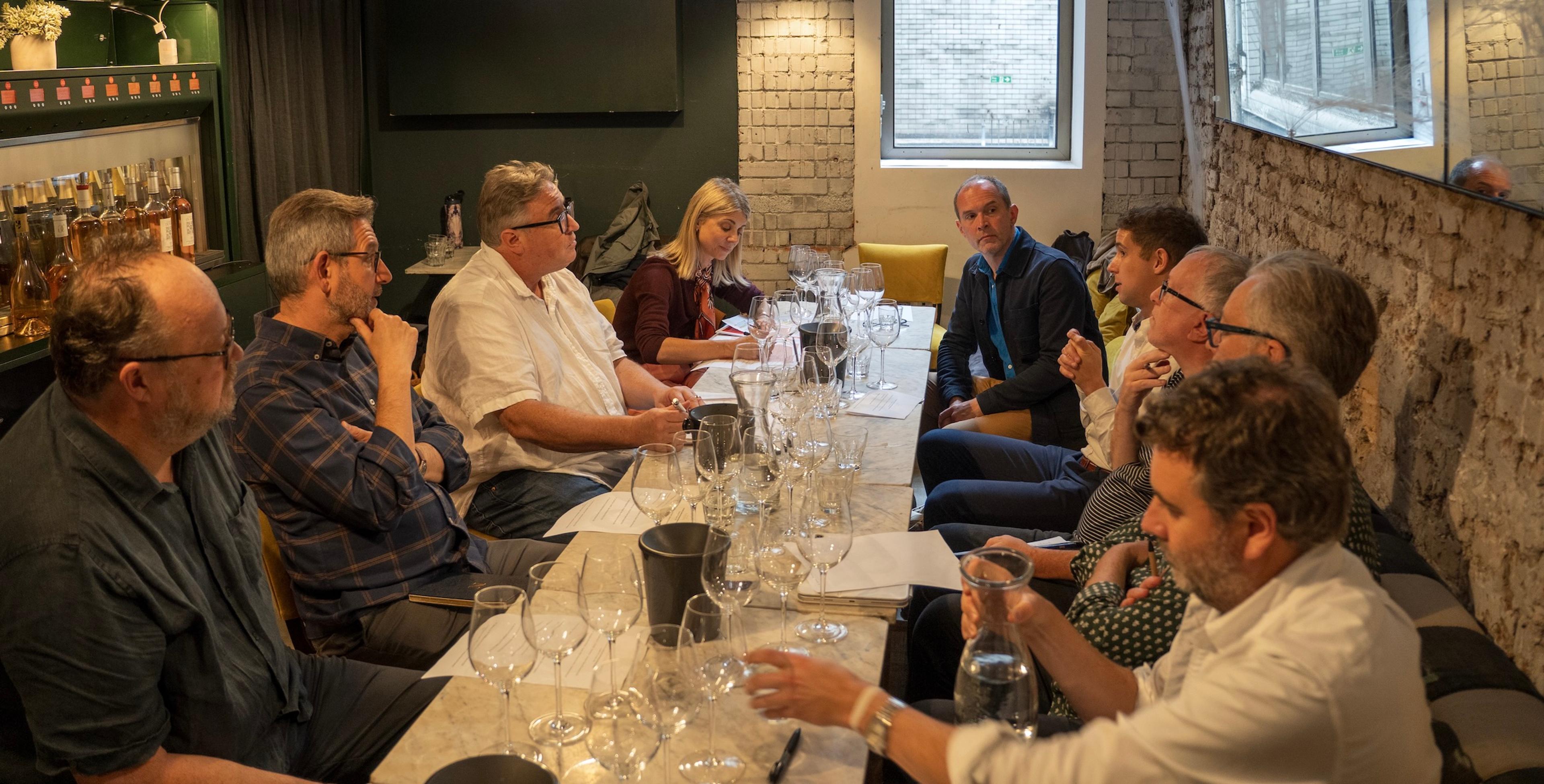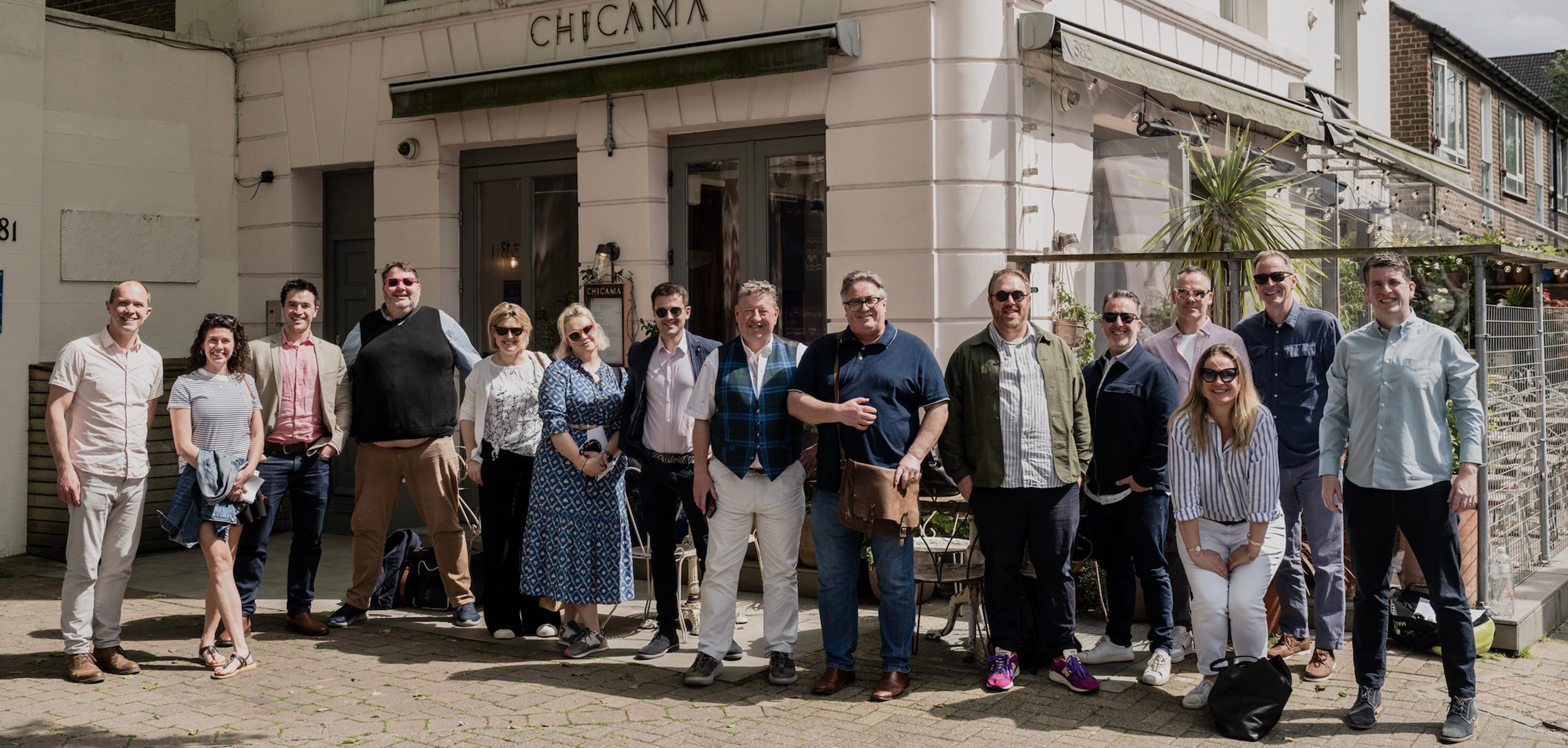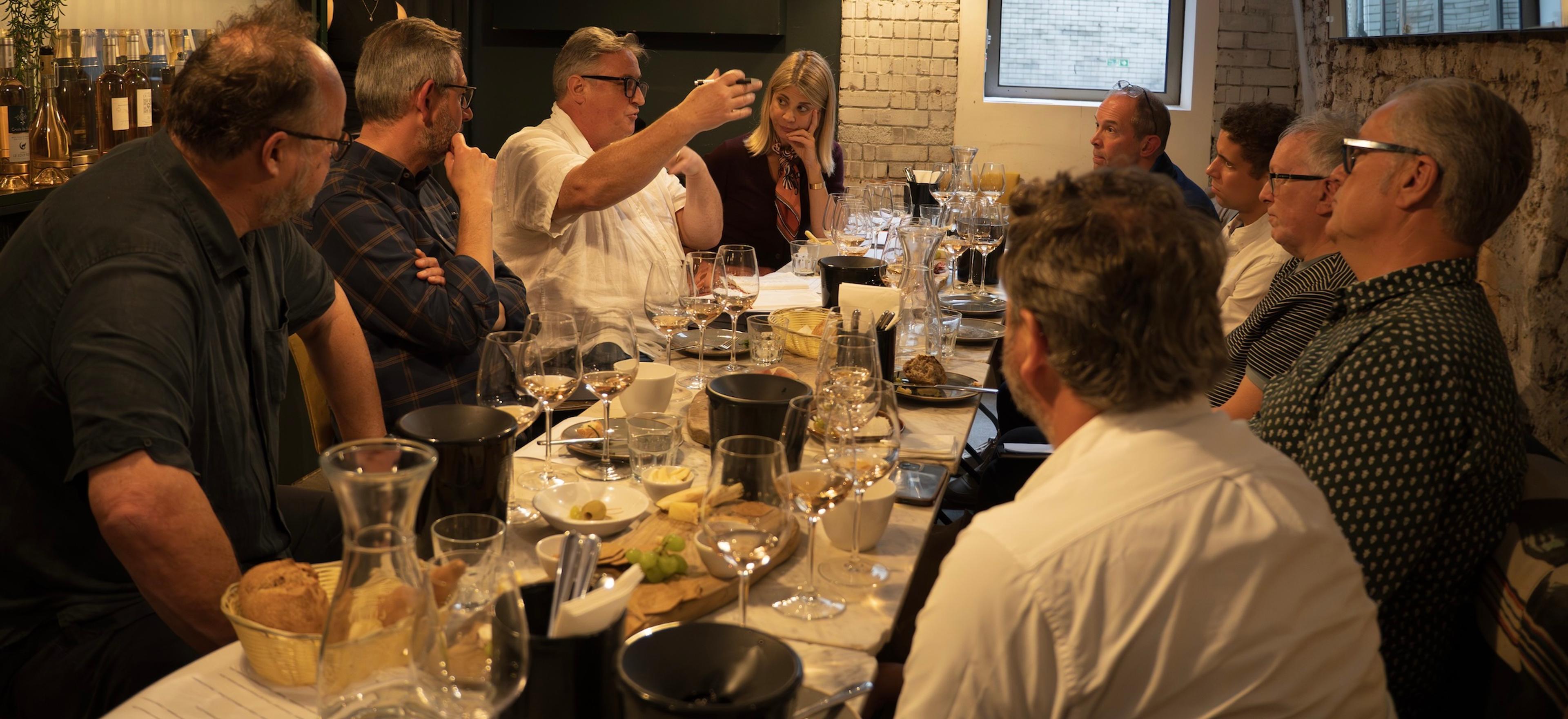

“Who knows what the average price for a Provence rosé really is?” That’s the question that Freddie Cobb, Vagabond’s head of drinks buying put to the panel of buyers, importers and distributors at the recent The Buyer event, hosted at Vagabond Wines’ Monument venue in London, held in partnership with Vins de Provence.
Such has been the growth and impact of Provence rosé it has developed into a category that has such a strong following both at the budget end of the sector, right through to luxury and fine wines, he adds.
To help get a better understanding of just what Provence rosé’s future potential is in the premium on and off-trade The Buyer was able to bring together a panel of leading players that between them cover a great deal of the UK wine market. Our thanks go to:
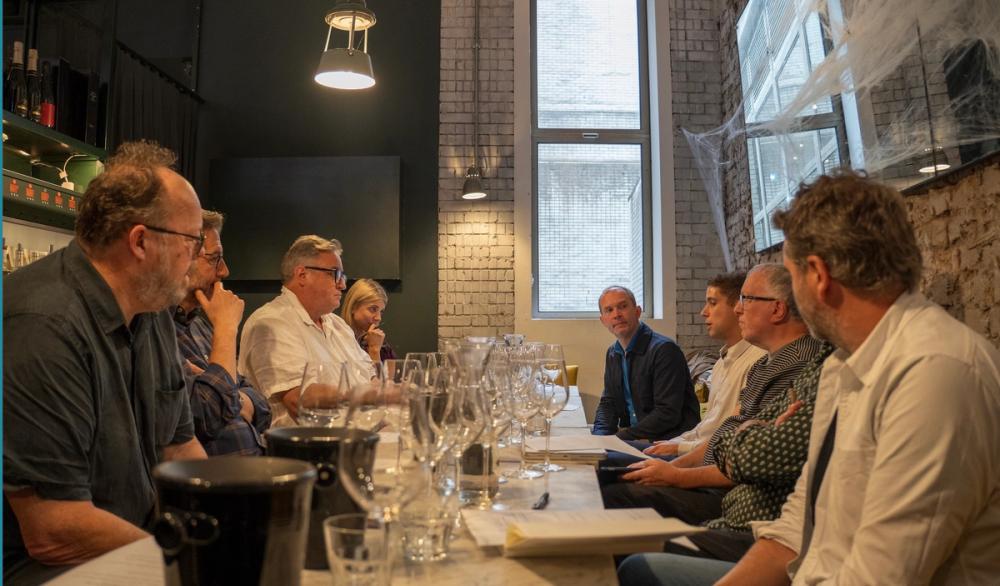
The debate was an opportunity to hear from some of the UK’s leading importers, retailers and on-trade operators on how Provence rosé is performing
- John Graves, London sales director, Enotria.
- Peter McCombie MW, restaurant wine consultant.
- Omar Raafat, head of sales, Jascots Wine Merchants.
- Doug Wregg, buying and marketing director, Les Caves de Pyrene.
- Joseph Arthur, senior wine buyer, Marks & Spencer.
- Freddie Cobb, head of drinks buying, Vagabond Wines.
Representing Wines of Provence.
- Jeany Cronk, co-founder of Maison Mirabeau and co-chair of Vins de Provence’s marketing and communications committee.
- Ray O’Connor MW, UK brand ambassador for Vins de Provence.

Marks & Spencer's Joseph Arthur says Provence rosé is outperforming all still wines sales across red, white and rosé
Joseph Arthur at Marks & Spencer was quick to set out its trading strategy when it comes to Provence rosé. He says it has invested in a lot of “NPD at the premium end of Provence rosé” and now has a range that stretches from £9 to £22. It means it now has a range that is not only outperforming the rest of its rosé wine sales, but across red and white wines too.
Its average selling price of Provence rosé now sits third overall across all wines, at £11.27, behind the Loire (£11.90) and Burgundy (£12.18) and moved ahead of the Rhône in the last 12 months - which compares strongly to its overall average selling bottle price of £8.47.
That’s why, he says, it is “investing so much” in the region as “Provence rosé is the category where we are able to trade customers up - it’s of immense value to us.”
It has, for example, recently introduced an own label organic Provence rosé at £18 a bottle which is already its fourth best performing selling Provence wine, albeit on the back of a fair bit of initial support.
When looking at M&S’s overall rosé sales its best-performing own label Provence rosé sits third behind two Pinot Grigio rosés.
Cobb says Vagabond has seen a bit more “elasticity” in price come into the Provence rosé category and people are willing to trade up when given a good opportunity and reason to do so - hence the focus on more gastronomic styles.

Vagabond's Freddie Cobb says Its customers are willing to trade up for more premium Provence rosés
It has, for example, been running an incentive scheme for its staff to sell a £50 Provence rosé from the Sainte-Victoire appellation that has ended up being the second most popular wine out of the 500 plus wines it sells across all Vagabond venues.
“It shows there is an appetite for a different type of rosé that has a bit more texture to it and more premium feel in the mouth.”
In the main, its rosé sales sit at around £30 to £40 per bottle, and when it took the decision to take out the cheapest in its range - £26 bottle - “no-one missed it,” he adds.
Price ranging
John Graves believes it is essential for a general wholesale business like Enotria to be able to offer its customers a good selection of Provence rosés to choose from with varying prices and levels of quality.
Its Provence rosé range goes from “very entry point” to “quality” - represented by its exclusive agency house, Château Léoube, alongside other agency producers - through to the big brands which can be “as high as you want to go,” he adds.

Enotria's John Graves says Provence rosé can go as high as it wants in terms of price
It does very well, for example, with Maison Mirabeau because it has “very high quality rosés, but also produces what I would call a great workhorse rosé that hits a price point really well, over delivers and looks great and works the hell out of the market”.
It is the strength of the Provence rosé category that allows a business like Enotria to build a range that combines the strengths of both agency producers and the big brands that a lot of the restaurant and on-trade groups are looking for. Where the big brands are acting and getting listings in very similar terms and deals to the big Champagne brands.
Omar Raafat says Jascots is using a very similar pricing and ranging model for its range of Provence rosés where it is working very well with its agency producer Chateau d’Astros to supply wines at different levels that work well across all areas of the on-trade, from contract catering upwards. It then has a major brand that it supplies mainly to retail or regional wholesalers. A tiering system that sees it sell Provence rosé to the trade from £7.50 to around £20.
Doug Wregg has focused its Provence rosé buying at Les Caves de Pyrene on working with nine Provence producers that can, similar to Enotria and Jascots, hit all the different price points you need for your customers.

Doug Wregg says Les Caves de Pyrene sells nearly £1m worth of Provence wines a year
As a result it sells £950,000 of Provence wine a year, the equivalent of 50,000 six cases of wine, 90% of which is rosé and 95% of which they sell at £10 to £12.50 ex VAT a bottle into the trade.
It’s clear from its figures, he adds, that there is not too much demand from its restaurant or independent wine merchant customers for Provence rosé above £25 retail price point and £35 to £40 on a restaurant wine list.
Which, considering the big increase in restaurant wine mark-ups over the last couple of years, has made it more of a challenge to find premium Provence rosés that can work well in top end restaurants. A £15 trade price for a Provence rosé could end up being £90 on a restaurant list, he explains.
Instead Les Caves has seen so much more business for Provence rosé from gastro pubs where it can offer such great value and sells incredibly well.
Rise in competition
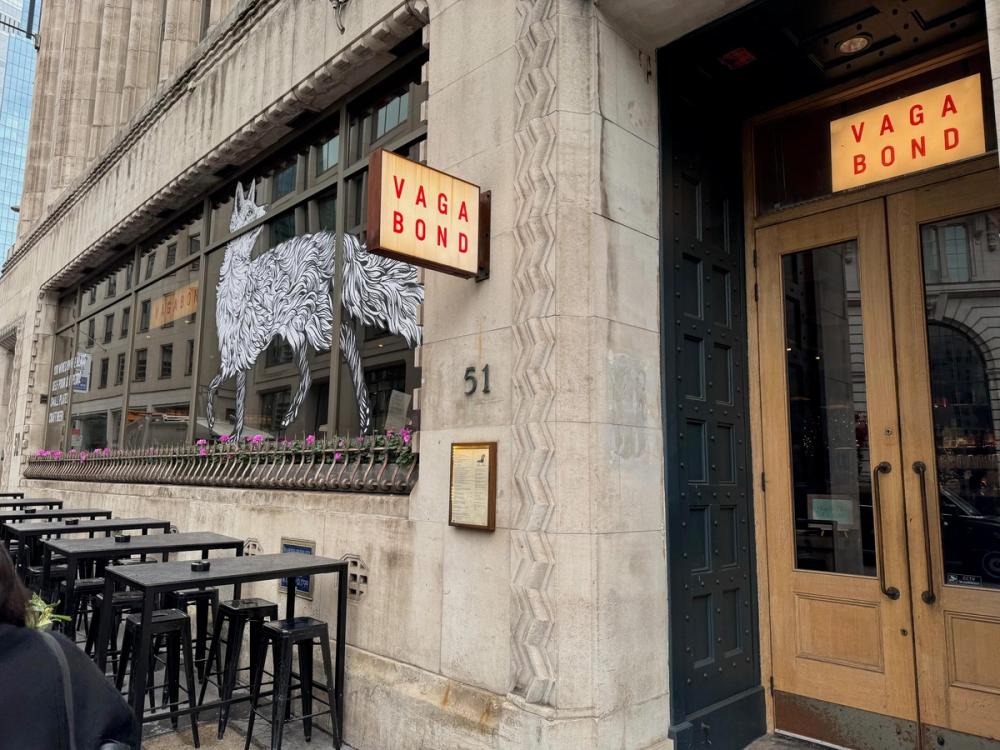
Vagabond's Monument venue was the host for the debate
The outstanding success of Provence rosé has made it by far the category leader in terms of style and most of all the colour that consumers now expect and associate with rosé overall.
But it has also has resulted in a big rise in the number of wannabe and lookalike Provence rosés most of which are available at a lower price.
In fact Graves is keen to clarify his line about Provence rosé being a “must-stock” (see part one of the report) with the caveat that some of the more price fixated operators are now being attracted by the alternative lookalike Provence rosés that can offer a cheaper alternative.
“It’s being copied…everywhere,” he says.
Arthur says “it’s an interesting development” just how far a retailer like M&S can now “stretch” the rosé category, and appeal of the pale pink Provence style, into listing more non-Provence but French rosé wines.
So whilst Provence rosé has set the standard, and the benchmark for what a good, quality premium rosé should taste and look like it does not have control of the category and consumers are happy and willing to buy other wines that look and feel like a Provence rosé, warns Arthur.
“It’s definitely opened up that opportunity for non-Provence as well,” he adds.
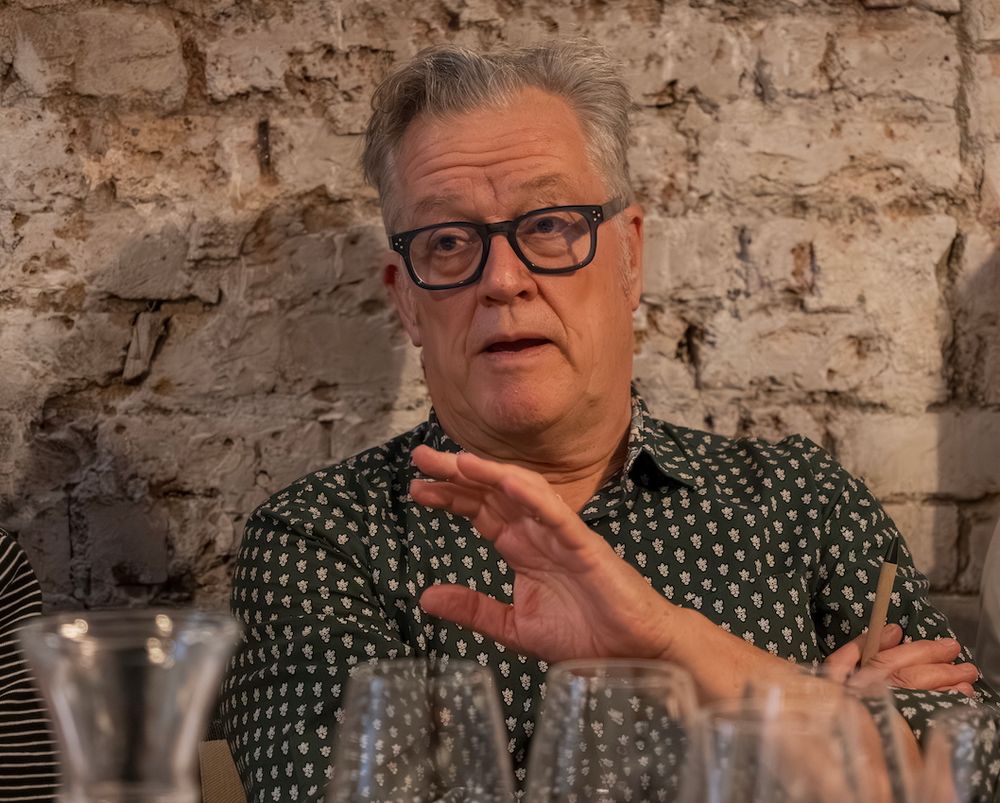
Peter McCombie MW says Provence rosé now has to contend with so many “copycat” rosés in the market
Peter McCombie MW says the issue for Provence is that with so many copycat Provence wines now available it can be hard for the consumer to stay “loyal” to Provence when offered a cheaper alternative. They might also think they are ordering and drinking a Provence wine when actually they are not.
Wregg says that Les Caves’ overall best rosé sales are now coming from the Languedoc as they are “pale, pink and cheap” and they can be sold on “their Provencal-likeness”. It is also seeing a move towards “more substantial rosés” from Italy and Spain that are darker in colour and have more structure and tannin.
Provence, though, is “still top of the tree” when it comes to brand value and customer and consumer awareness of what it does, he adds.
It’s not just the colour that is being copied, but the bottle shape and appearance of the wines on shelf, says Cobb.
Graves says Provence also needs to keep an eye on what the world’s biggest wine producers are doing, particularly in producing high quality Provence-style wines right down to the distinct packaging.
Arthur says one way to keep ahead of the competition is to use the success of Provence rosé to help raise the quality and reputation of the region’s red and white wines. It is a factor that M&S, he adds, has seen in other regions around the world. Where it is the demand for rosé that is driving innovation and improvements across the region’s other wines.
“Is there an opportunity for Provence to do that?” he says, pointing to the success of La Vielle Ferme which has “exploded” on the back of the success of its rosé.
Promoting Provence
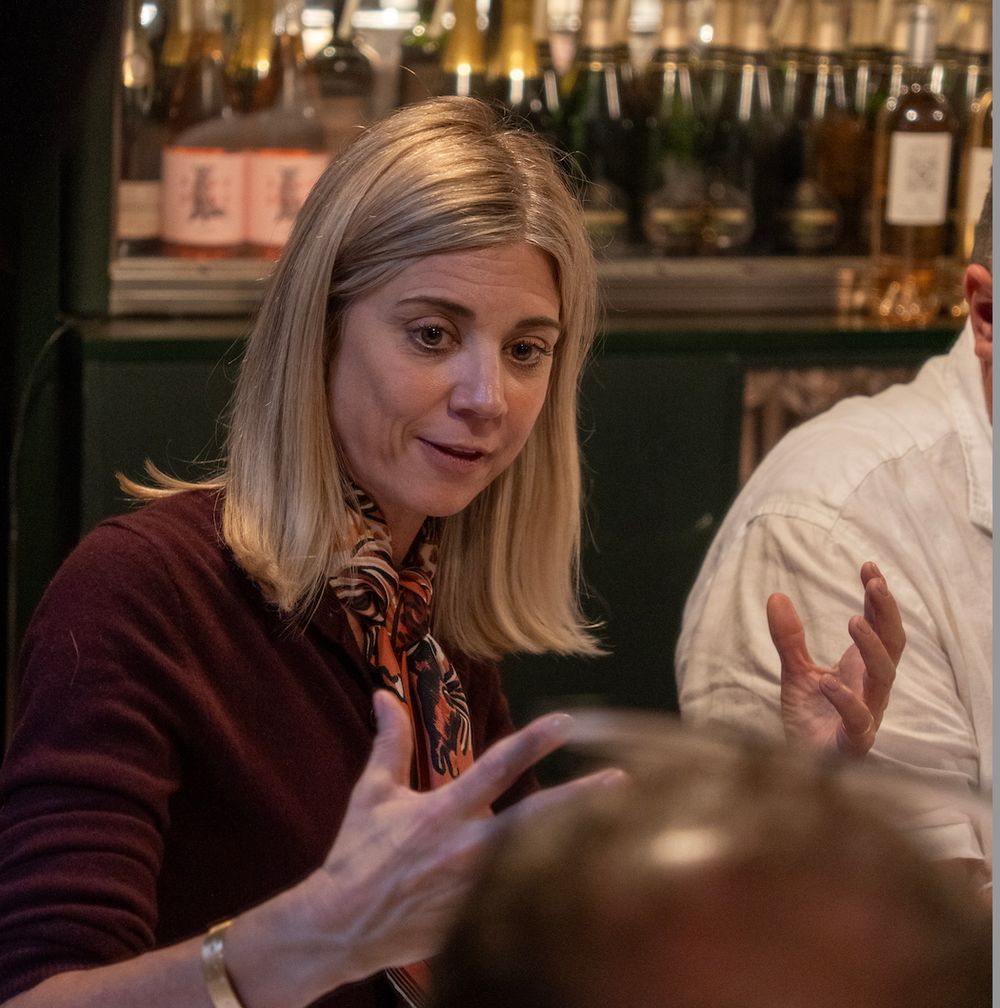
Maison Mirabeau's Jeany Cronk says its younger customers are interested in all aspects of the brand including its environmental credentials
Vins de Provence’s overall focus and commitment to help lift sustainability standards across the region is also becoming a key marketing message too, says Jeany Cronk.
She says it sees a lot more interest from its younger customers in how Maison Mirabeau wines are made and what its environmental policies and values are. They are also, crucially, “open to more complexity and how the wines go with food - it’s a massive change”. “We know they care more,” she adds.
As the tourism in the region becomes more focused on its food and gastronomy that can only help the image and reputation of its wines, says Cronk. Which is why all of Maison Mirabeau’s imagery for its social media on Instagram is driven by its wines in conjunction with the region’s food, beauty and nature.
“As well as making great wines all the time and being at the forefront of sustainability, we need to tell that story. That we are Provence. We know that people come to Provence to go and see the lavender fields and swim in the sea. A visit to a vineyard is not part of the agenda. But you would not go to Tuscany without dropping into a vineyard somewhere,” she says.
Which is why it’s important the region’s mega brands are also telling Provence’s story and the fact they are a big wine brand that comes from Provence, she argues. “That’s what Champagne brands do so well. It is always all about Champagne.”
What should Provence do next?
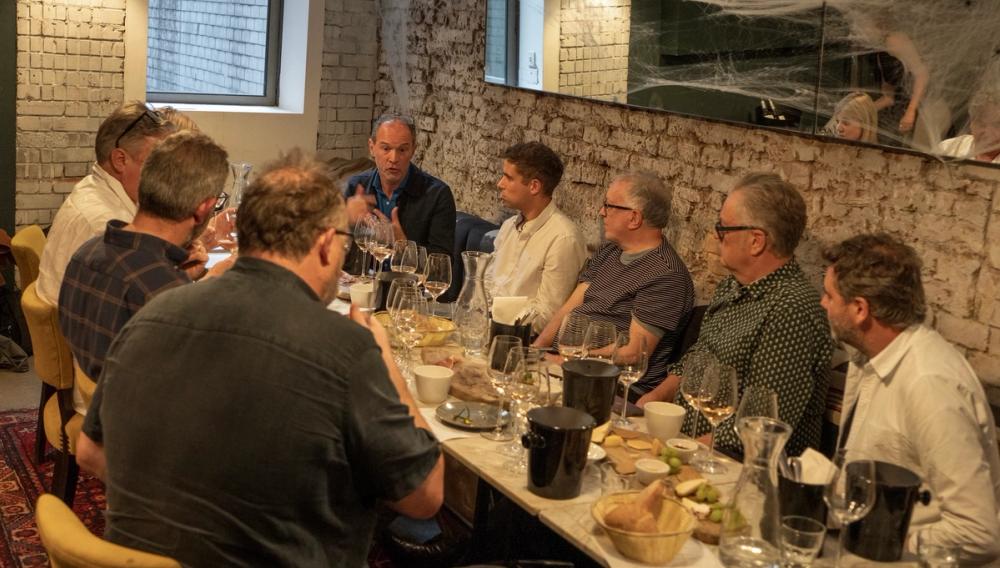
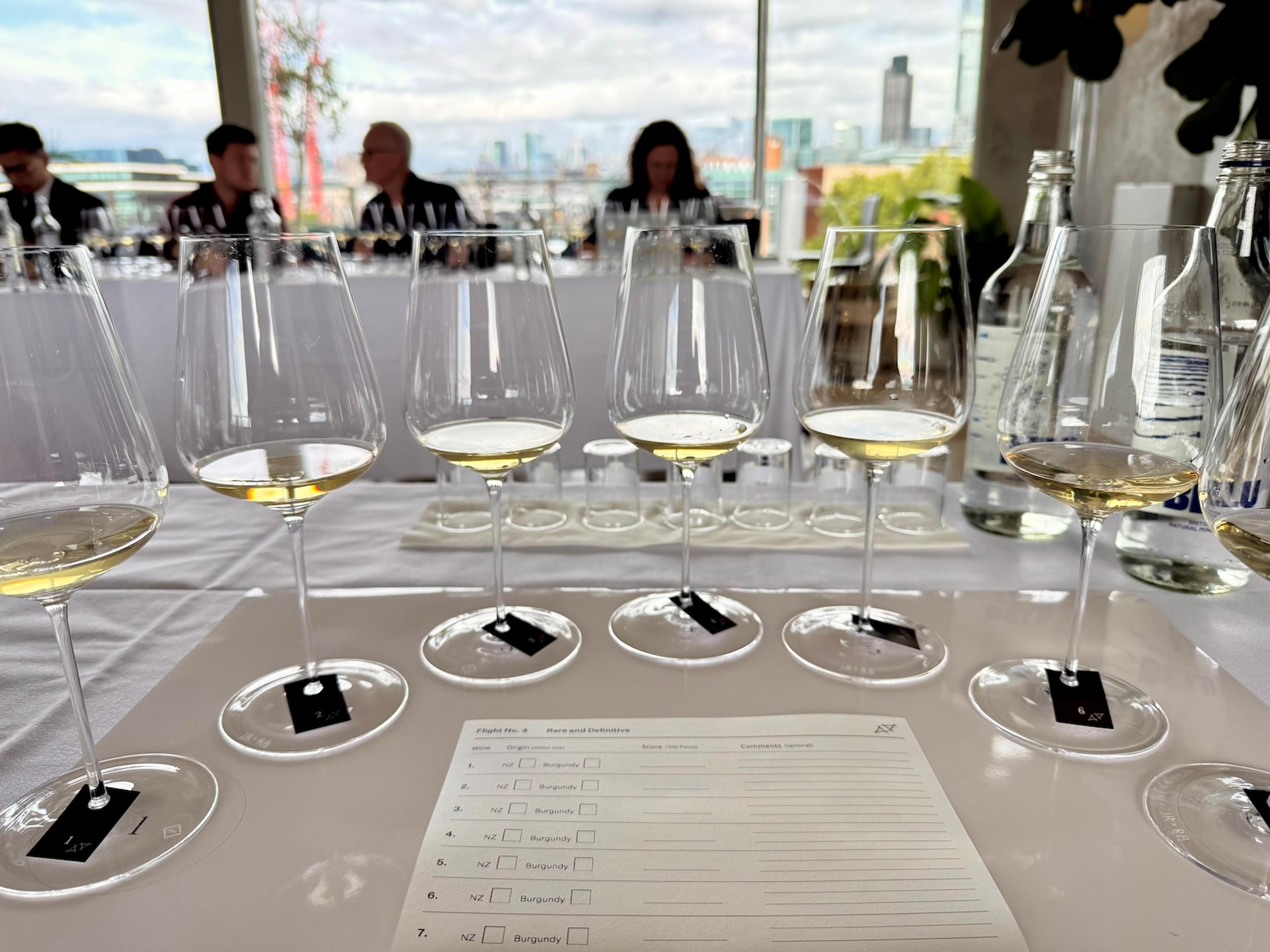
Ray O'Connor MW was able to take the panel through a number of wines to show the diversity of what Provence can now offer
For as much as we know Provence and its rosé wines there is still a strong need to get more buyers, merchants and sommeliers out to the region so they can experience it for themselves, says Wregg.
“The best way of selling wines is to tell the story and to get people close to the growers and to see the good practices that are going on in the vineyards,” he says.
Arthur says from an M&S point of view the more consumer tastings the region can do, the better, and to expose more customers to what Provence can do.
McCombie MW says it is essential that the “real” Provence comes to the fore where the trade and consumer alike can see all the good things that Provence is doing “properly”.
“Don’t look over your shoulder at the people who want to be Provence,” he stresses. “Don’t compete with the Languedoc on price,” he adds but show all the things that Provence is doing right.
“You want to be a US built fender telecaster and not a Japanese copy,” is how Graves succinctly sums things up. “People have a perception of what quality is and are loyal, but you can lose it very quickly. So keep the quality level up.”
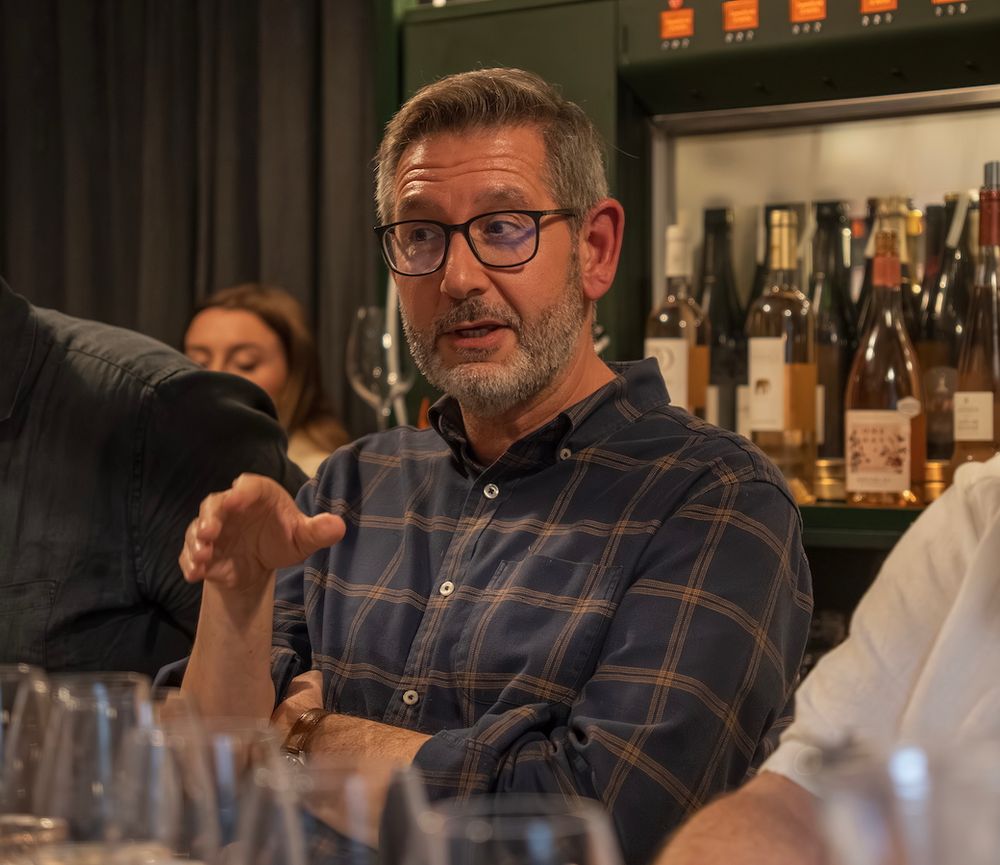
Jascot's Omar Raafat says there is an opportunity for Provence to now start to showcase its diversity and different styles of winemaking
Raafat says there is a big opportunity to “create a story about the wider region” where the focus is on smaller producers and growers so that you can “show the diversity and the interesting winemaking where they can’t afford to do that themselves” - leaving the big brands to do their own marketing and promotion, but also ensuring they “don’t get to define the region”.
“That’s how you keep the region alive.”
Cobb argues: “It all goes back to story-telling. It goes back to the people on the ground, and their feet on the ground story.”
There is also the big opportunity to talk about the “unsung heroes” who are making non-rosé wines in Provence, he adds. “They are making some fantastic wines.”
The final word goes to Jeany Cronk who welcomed all the buyers’ comments and their messages and advice and was heartened to know that the region is already doing many of those things, but probably needs to be a lot louder about them, particularly in terms of promoting its diversity and sustainability.
“It’s a wonderful region to be part of. They have welcomed us in and been enormously helpful.
The spirit is very open and modern and they are interested in new things and developing new ideas without losing their identity.”
* You can read part 1 of the Provence debate here.
* You can find out more about Vins de Provence at its website here.