
(Click to watch a short film of The Buyer Provence debate)
“A Provence rosé is now pretty much a must stock for virtually every account we work with.”
That’s how Enotria’s John Graves opened the debate and set the scene for what proved to be a fascinating and far-ranging debate on not just the potential and size of the Provence rosé category, but the steps being taken by Vins de Provence and the region’s producers to build on that success by constantly looking at how it can develop and improve the overall quality of the region’s wines - that are so dominated by its world-leading, benchmark-setting rosé wines.
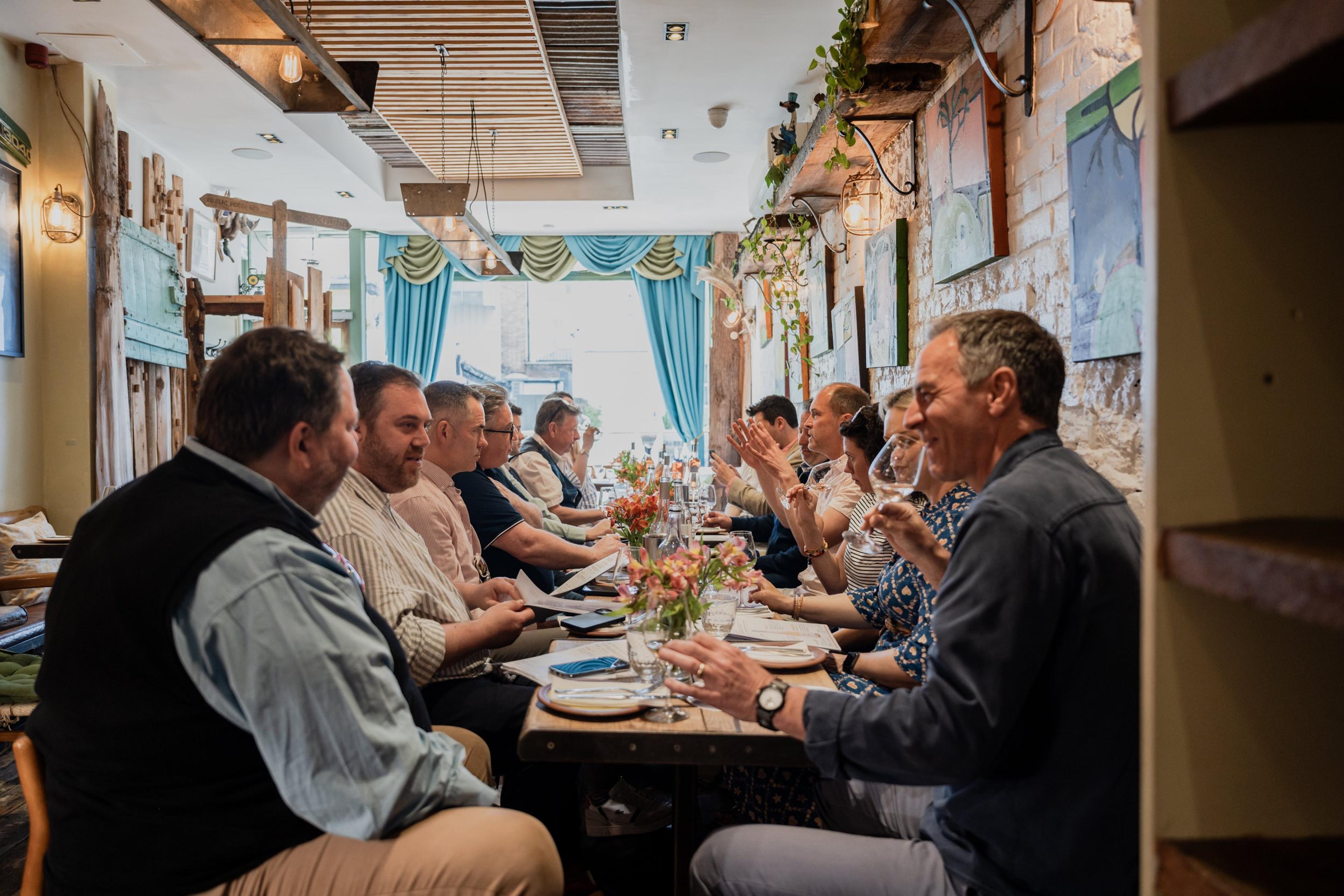
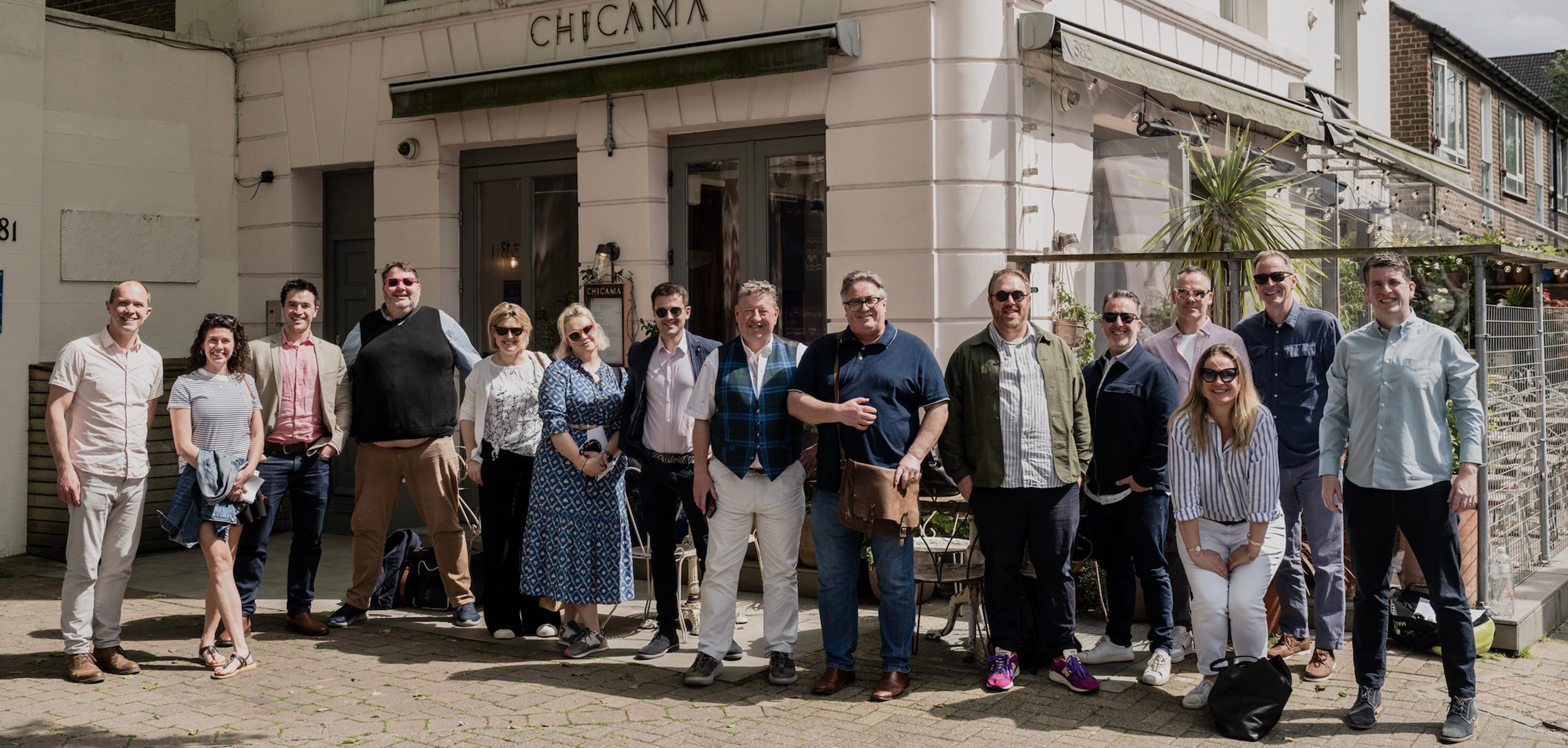
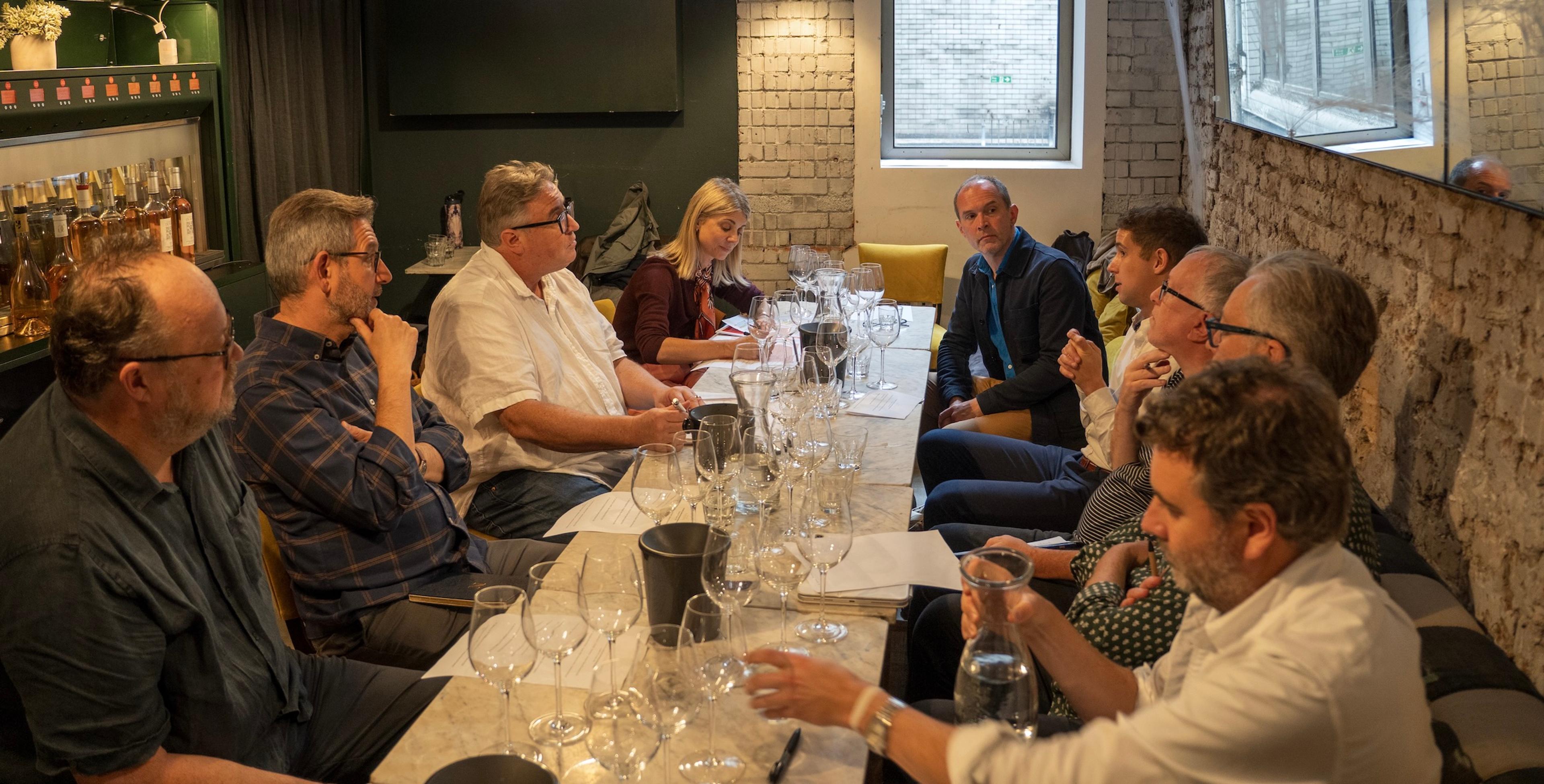
With so much potential at stake it’s vital the country’s leading importers, suppliers and premium on and off-trade operators are as well-placed as possible to make the most of the Provence rosé opportunity. To help assess the steps some of those leading players are taking The Buyer was able to work with Vins de Provence to bring together a panel of leading players - with particular thanks to the team at Vagabond Monument for hosting the event. Our panel included:
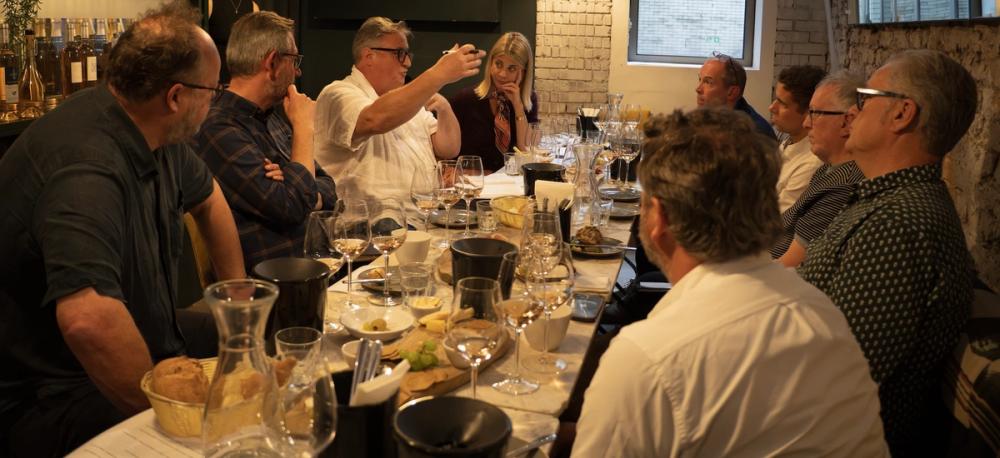
The panel included buyers from leading supermakets, wine importers and on-trade groups
- John Graves, London sales director, Enotria.
- Peter McCombie MW, restaurant wine consultant.
- Omar Raafat, head of sales, Jascots Wine Merchants.
- Doug Wregg, buying and marketing director, Les Caves de Pyrene.
- Joseph Arthur, senior wine buyer, Marks & Spencer.
- Freddie Cobb, head of drinks buying, Vagabond Wines.
Representing Vins de Provence.
- Jeany Cronk, co-founder of Maison Mirabeau and co-chair of Vins de Provence’s marketing and communications committee.
- Ray O’Connor MW, UK brand ambassador for Vins de Provence.
The debate was an opportunity for each of our panelists to set out just how important Provence and, in particular its rosé wines, is for their respective businesses.
Peter McCombie MW was quick to agree with John Graves’ opening line and says that in all the restaurants, bars and pub groups he works with “Provence rosé is a must-sell”.
Freddie Cobb says that not only is rosé and Provence rosé still a “growing category” for Vagabond and its expanding number of bars and venues, it is one that is growing more than any other wine category in its range.
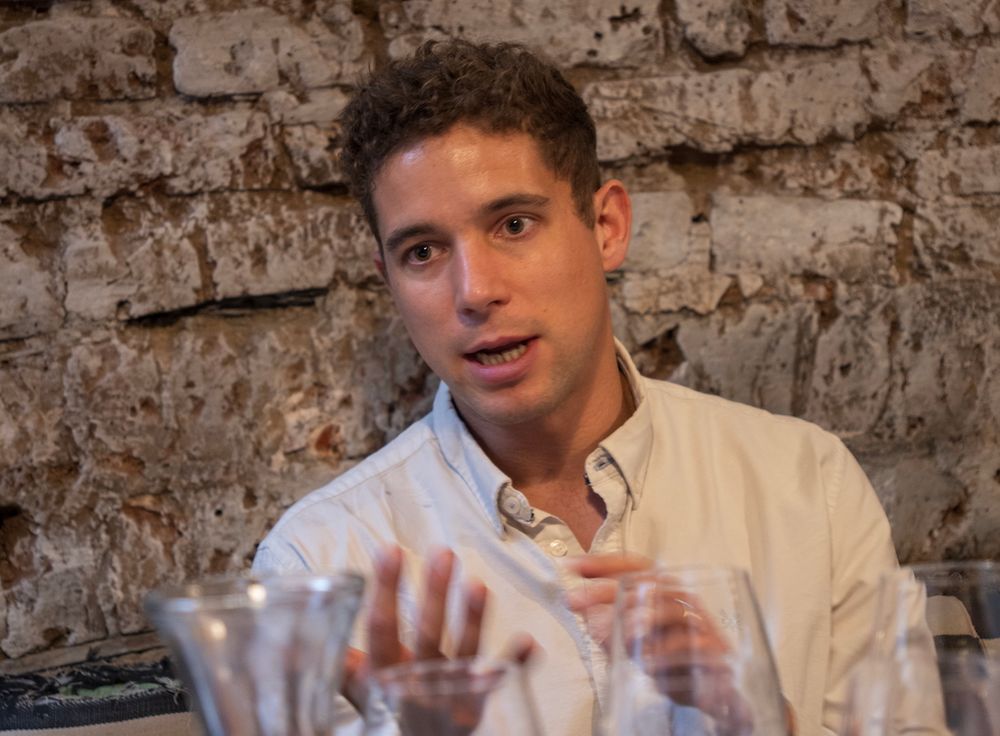
Marks & Spencer's James Arthur says the fact Provence is so strong as a region it has been able to switch out many brands for its own exclusive labels
Joseph Arthur says “Provence is a golden egg at the moment” and is a particularly “interesting category” for Marks & Spencer as it is where it can push its strategy to focus more on its own exclusive and own label lines and move brands out of its range.
He says it’s testimony to the “strength of the Provence brand” that the challenge of “premiumising Provence through its own label wines” has been easier for Marks & Spencer than it has been with a similar strategy to overhaul its Champagne range.

Les Caves de Pyrene's Doug Wregg says Provence rosé is now a brand in its own right
Doug Wregg at Les Caves de Pyrene agrees that Provence rosé has emerged as a brand in its own right and one that consumers will increasingly “default to” when given the choice.
McCombie says a lot of praise for that growth has to be given to the big brands in how they have created the “phenomenon” that is now Provence rosé.
“I think it has been extraordinary in how successful it has been in convincing people to pay more,” he says.
But they have also helped cement the idea with the consumer that when they talk about “rosé” they immediately think of the “fruity, dry and pale colour” style of Provence rosé, adds McCombie.
What’s particularly exciting for Provence, adds Graves, is that because it is still “a massively young category - which I think we forget sometimes - it has not actually knocked” any other wine off a list but “invented itself” as “a must-stock”.
Omar Raafat at Jascots says that because Provence rosé has become the “go to” drink for so many more customers the “on-trade can lean on that as a margin and revenue generator where you don’t have to put the work in and you don’t need a somm team to sell Provence rosé - it does it itself”.
Consumer connection
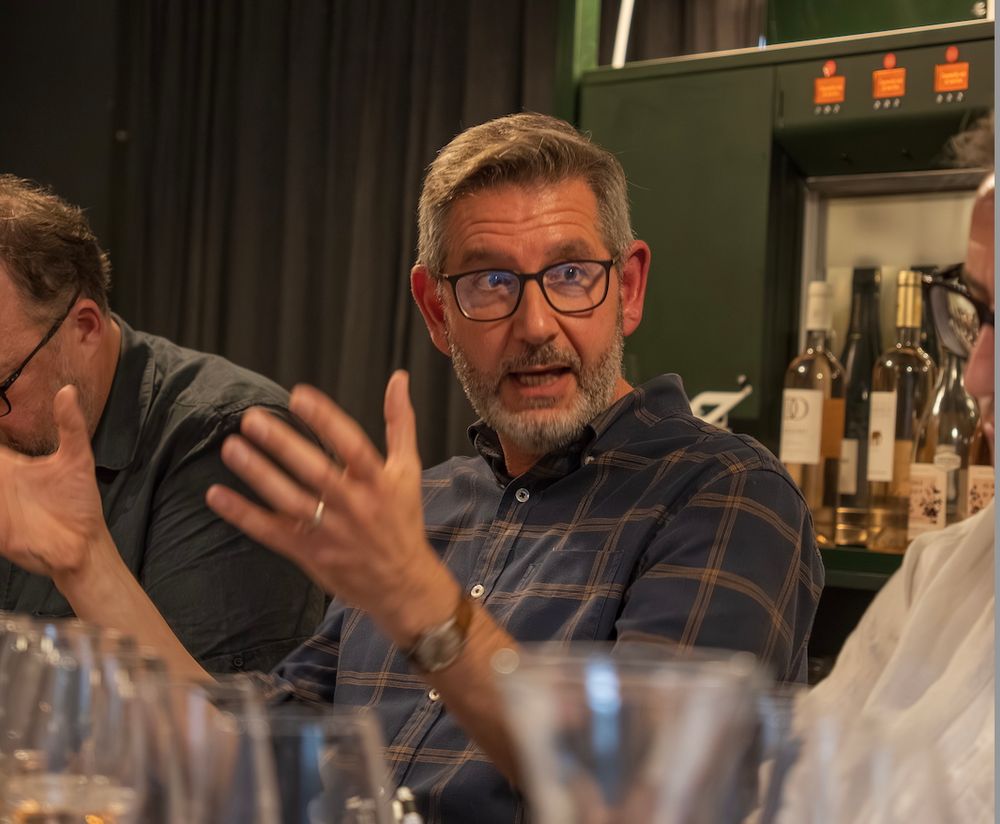
Jascot's Omar Raafat says Provence rosé has become the benchmark for the entire rosé category
It has also been fascinating, adds Raafat, to see how “Provence has become the dominant international style” for rosé based on both the characteristic dryness of the wine, and its pale colour - both of which people now associate with a quality rosé.
It was a point that Ray O’Connor MW was keen to build on as he believes it is the “weight” and the “mouth feel” of the average Provence rosé that distinguishes and separates it from rosés from other regions and countries and why the consumer has connected with it is so much.
“There is something happening in their mouth where they feel like they are getting a little bit more,” he says. Yes, he agrees the starting point was the colour, but now it is the quality of the actual wine in the mouth that differentiates Provence and that’s what people like.
Year-round success
The panel were agreed that Provence rosé has also helped the overall rosé category become a year-round sales opportunity and not just being squeezed into a few months when the sun comes out.
But, however much the big distributors plan for peak rosé season, demand soon outstrips supply, says Raafat.
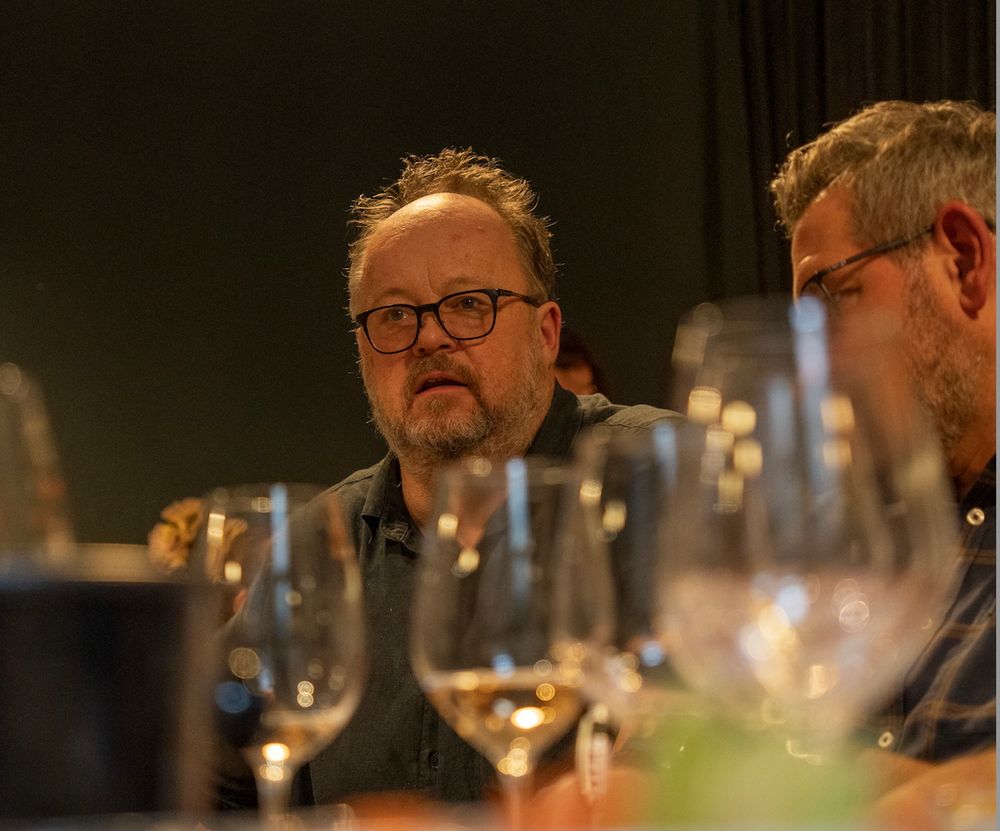
Enotria's John Graves says the demand for Provence rosé means every year there is "rosé gate" when there is not enough wine to meet demand
Graves agrees: “I know it’s doing well because every year we have rosé-gate - where we haven’t got enough rosé. No matter how much we order.”
The issue for the big importers is it “arrives too late as rosé season starts earlier and earlier,” adds Raafat. “We now need to start thinking about Provence rosé in January. It seems to get week or two earlier every year.”
Arthur says the year-round appeal of rosé is alive and kicking at M&S where last year in the week before last Christmas its stores sold 90,000 of still rosé - dwarfing the peak week of summer 2025 (week commencing July 7 2025) which followed the UK’s hottest day of the year (35.8°C on July 1).
"We see sales of rosé outside of the historic summer drinking window continue to increase," he says.
That year-round demand for rosé has enabled Vagabond to dedicate one of its tasting machines - that allows it to sell tasting samples of 10 different wines - just to rosé, says Cobb. The consumer interest in Provence rosé means that if they had five of those wines from Provence at different price points then “they would all sell,” he adds.
He believes the rosé category is now so entrenched in the market that we are starting to see a different kind of rosé drinker that are looking for rosés with a “bit more of a gastronomic side to them”.
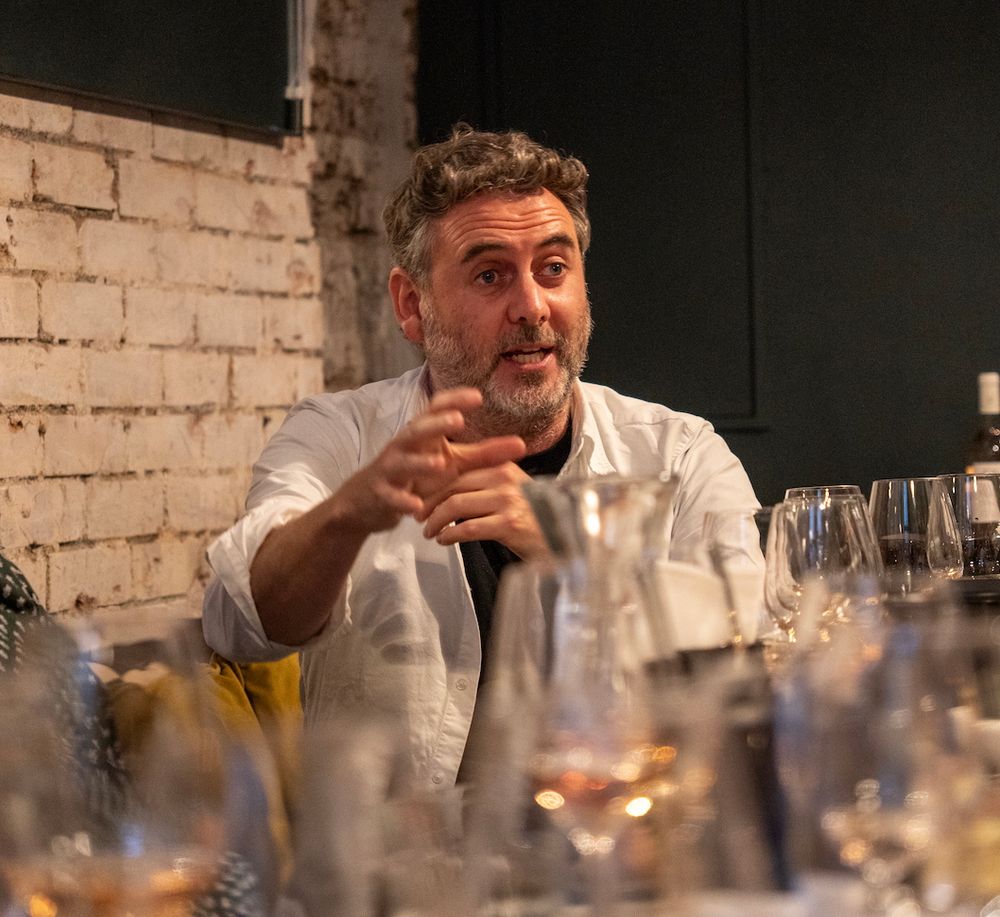
Vagabond's Freddie Cobb says its guests are looking for rosés with a bit more gastronomic flair to them
Which for Vagabond means looking to work with Provence producers “that can really offer a point of difference” and help them educate its guests about what different styles of Provence rosé are out there, particularly those that you would want to drink outside of the peak six months rosé season through the summer.
“Rosé is one wine where people buy on colour,” he says, which is why it is so important.
Protecting and growing
The panel also discussed in depth the need for Provence rosé to learn from other countries and regions about how to secure its future and ensure it keeps and builds on its premium image.
Raafat explains: “It’s become a New Zealand Sauvignon Blanc or an Argentinian Malbec on a restaurant or bar’s list. It gives us all volume and operators something we know we can all sell.”
But that does not guarantee its success in the future unless the region and its producers tread carefully to protect the brand and its profile and reputation and that it does not become too “homogenised” around a few strong brands and we get to see the diversity there is in the region coming to the UK.
Graves says you only have to look at what has happened to New Zealand Sauvignon Blanc and how huge demand for one grape variety has forced New Zealand into areas it did not want to go to and the overall brand has suffered as a result.
“What is going to become more and more important is the quality,” he says. “If Provence is going to grow in the UK it has to be pushing the quality. The temptation will be there to cut corners, but you can’t. You have to keep Provence as an entity and a region that people perceive as a quality product. When we are putting wine lists together - that’s the way we would do it.”
Building on its provenance
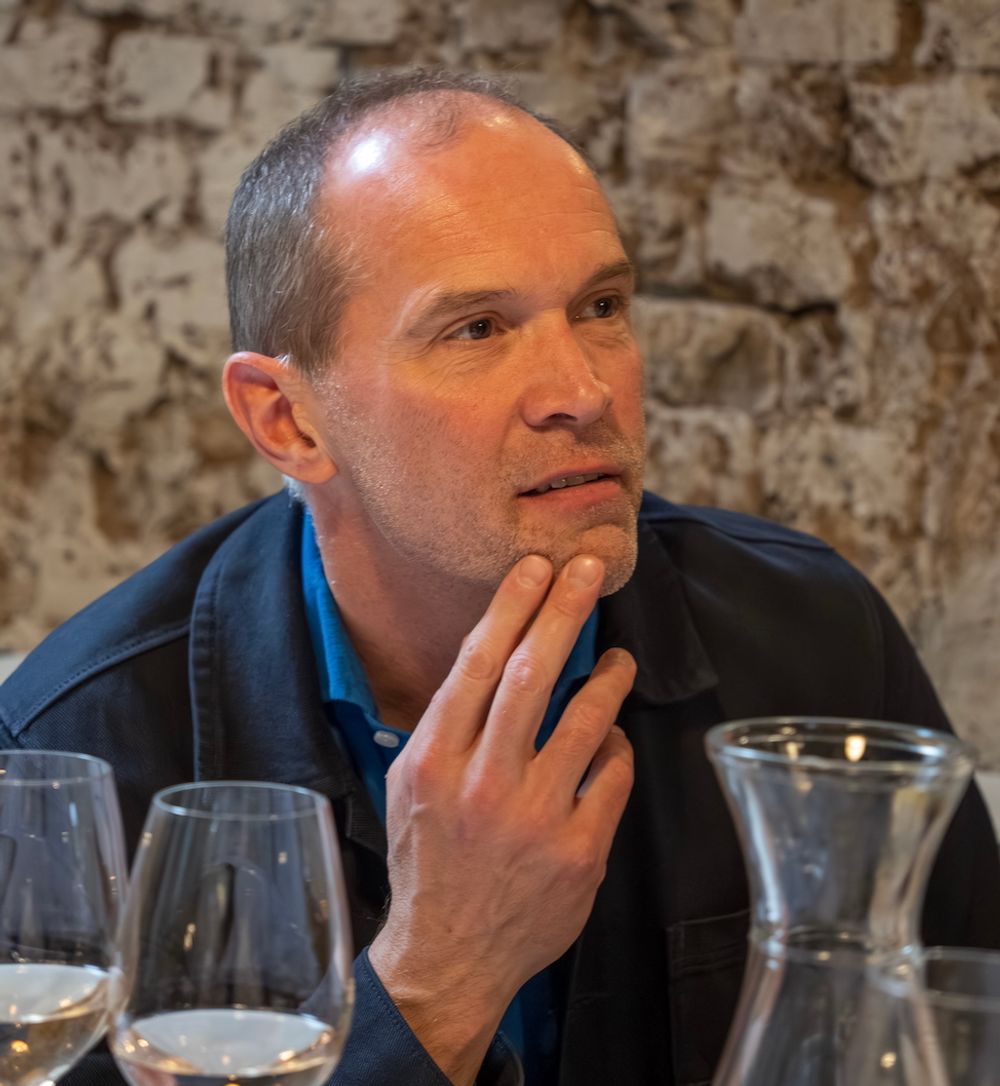
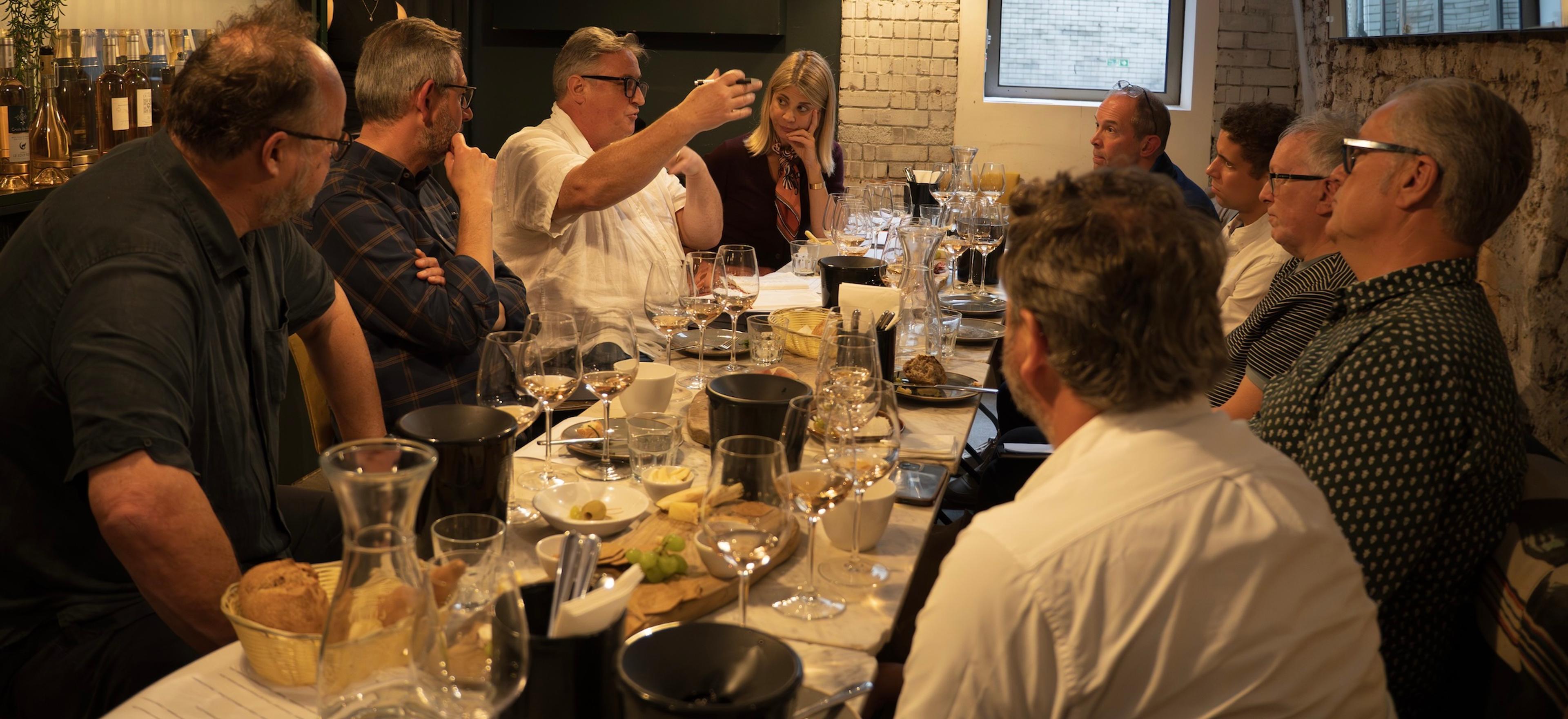
Ray O'Connor MW and a Provence rosé ambassador was able to take the buyers through a series of wines to show different styles of premium Provence wines
Ray O’Connor MW and Jeany Cronk, in their respective roles as brand ambassador and committee member of Vins de Provence, were able to explain to the panel the lengths the region goes to in order to protect and build on its premium reputation. A position it maintains thanks to the unified approach there is to driving quality and, in particular, the work of the dedicated Centre du Rosé that has spent the last 25 years bringing all its research and development together.
Research that is focused on “one objective,” says O’Connor - and that is to “advance” and improve the quality and consistency of the rosés that Provence producers are making and setting out benchmarks and guidelines for winemakers to follow.
It means, says O’Connor, all the producers are “feeding into” Le Centre du Rosé feedback and information from their vineyards and cellars that it can then use to plot and determine how the region can move forward together based on their needs and the individual requirements of its syndicate and appellations.
Be it oxygen and temperature management, or improving viticulture techniques, analysing drought resistant varieties, through to the picking and handling of the grapes - all of it is analysed and then improvements relayed to the growers, co-operatives and producers, he says.
All of which also helps drive and feed the enormous steps being taken across the region around sustainability and introducing farming methods that protect and enhance the health of the vineyards and its soils due to climate change and the pressures on water, says O’Connor.
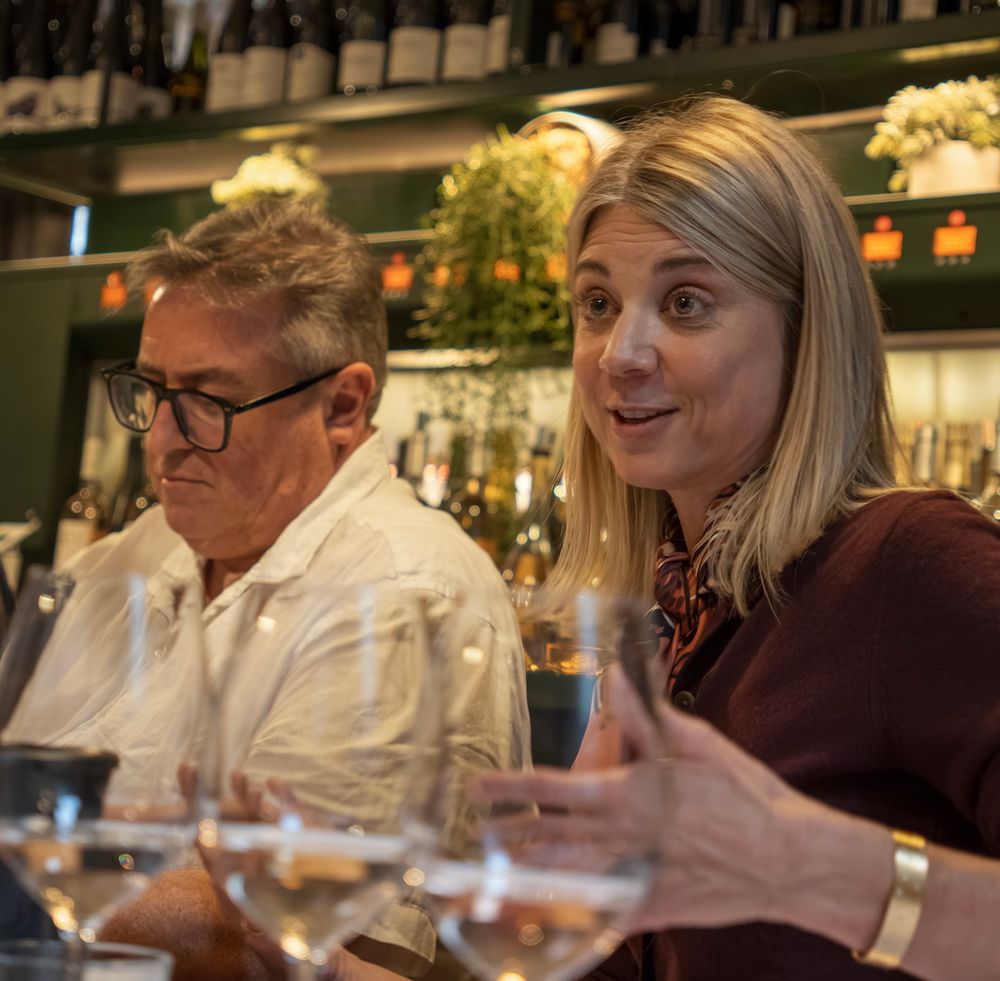
Jeany Cronk at Maison Mirabeau was able to share her personal experiences of making wine in Provence
Cronk says it has been fascinating and inspiring for herself to see first-hand just how united the region and its producers and growers are - most of whom have less than 20 hectares each.
“I have worked there [Vins de Provence] since 2016 and put a lot of my free time into it because itis the place where everybody can come together and think about what can we do as a region to create the gold standard - to try and find ways to make us more unique, and to do things better, to produce a product that more people love and that is genuinely the case,” she explains.
Steps that collectively have helped the average price of a Provence rosé to go from an average €5.80 ex cellar per bottle from around €3 just 10 years ago.
Cronk says it now has the funding to build a new research centre and take its work to another level.
Wregg welcomes all the steps the region is taking to push the provenance and identity of its wines as not only is it the right thing to do, but it helps explain and talk about the wines to their customer and their consumers. Which together helps them source better wines at higher margins.
McCombie says Provence’s focus on provenance is exactly the way to go as it can only connect more with consumers as time goes by.
Tasting styles and appellations
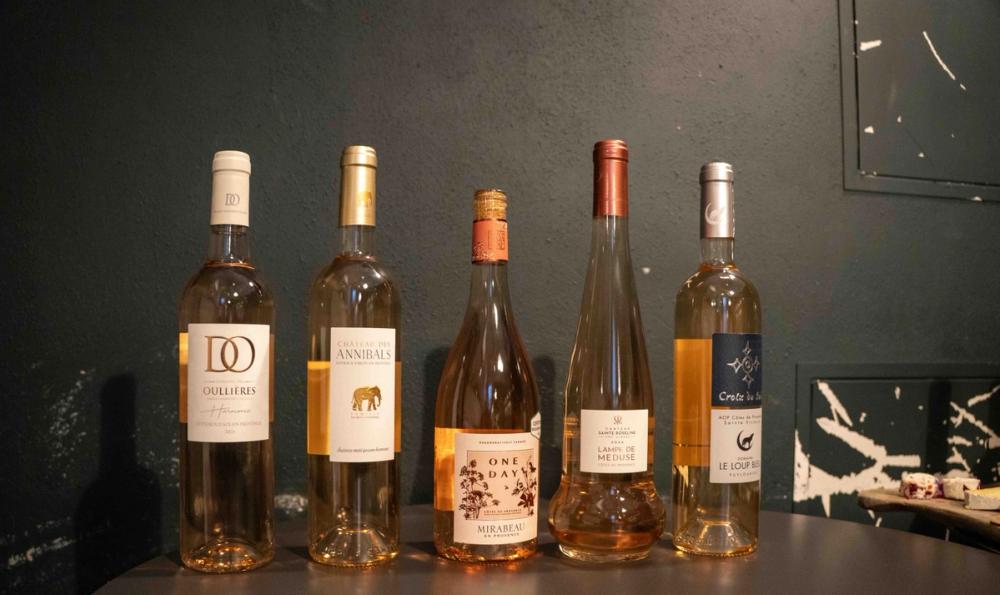
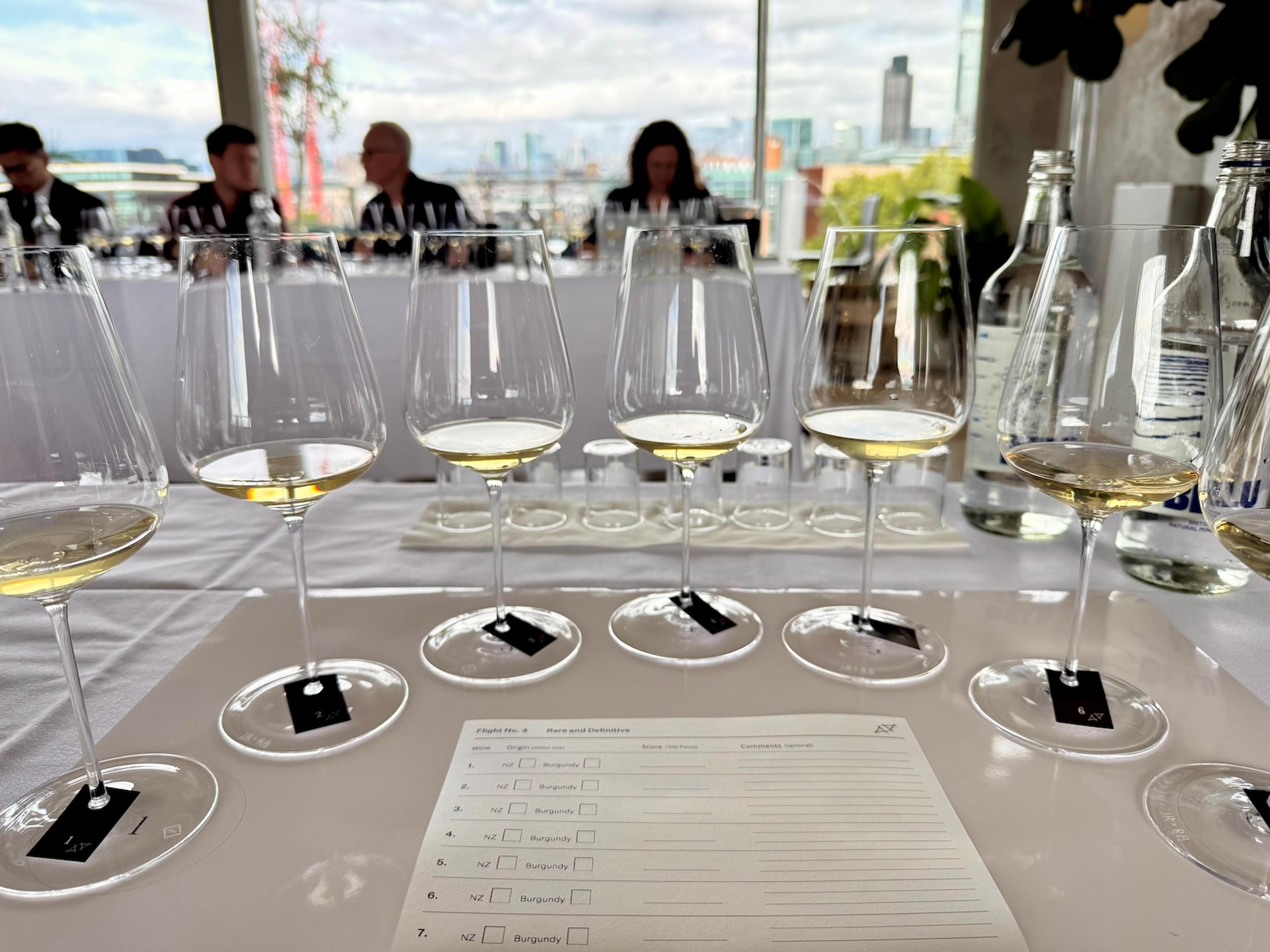
The buyers had the chance to taste different Provence rosé across appellations and vintages
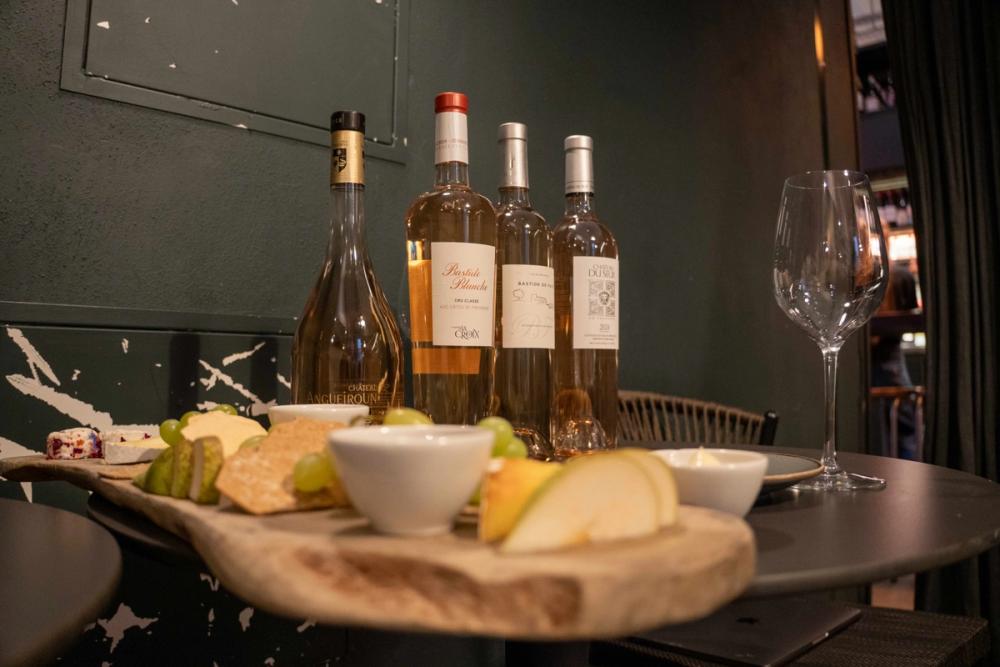
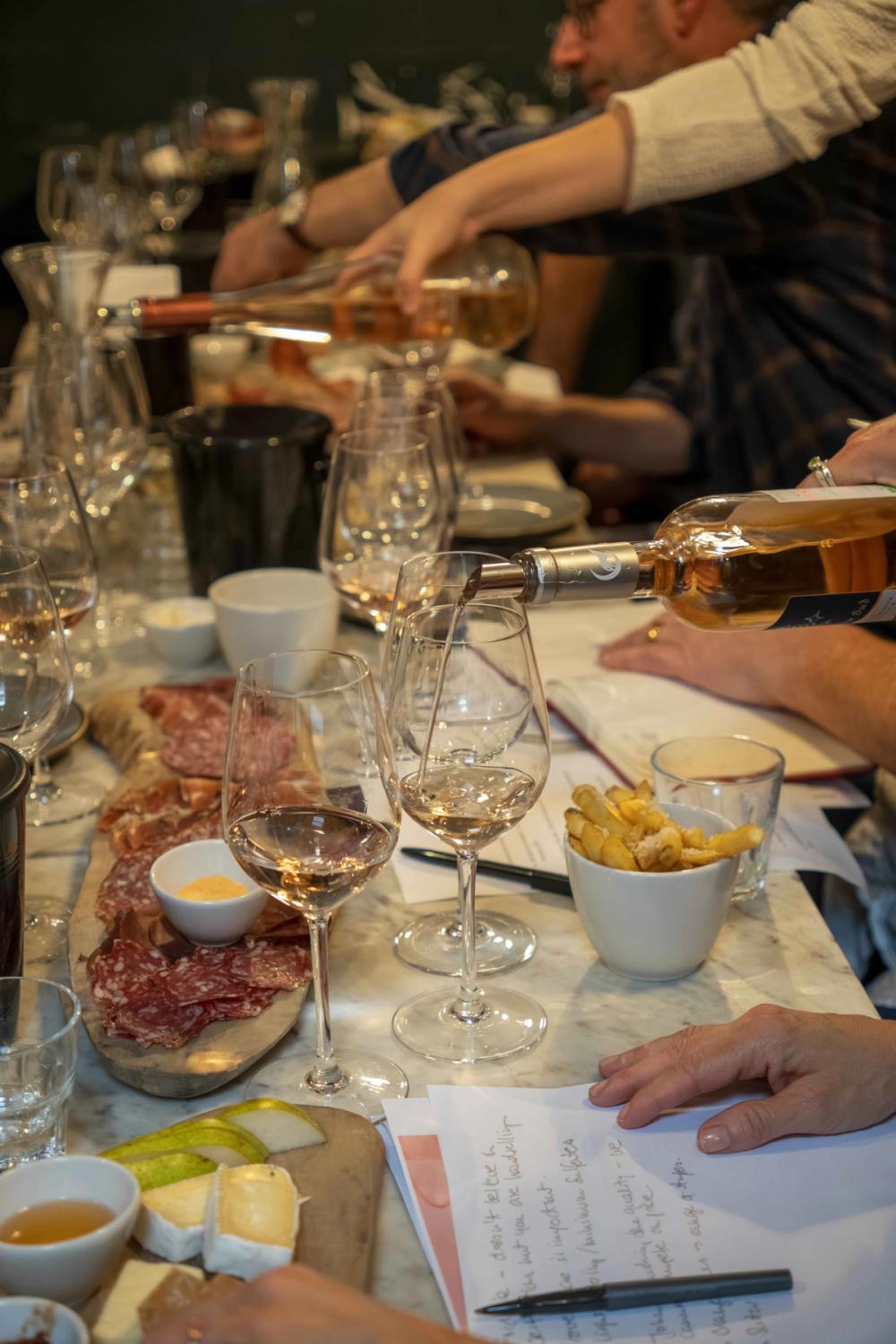
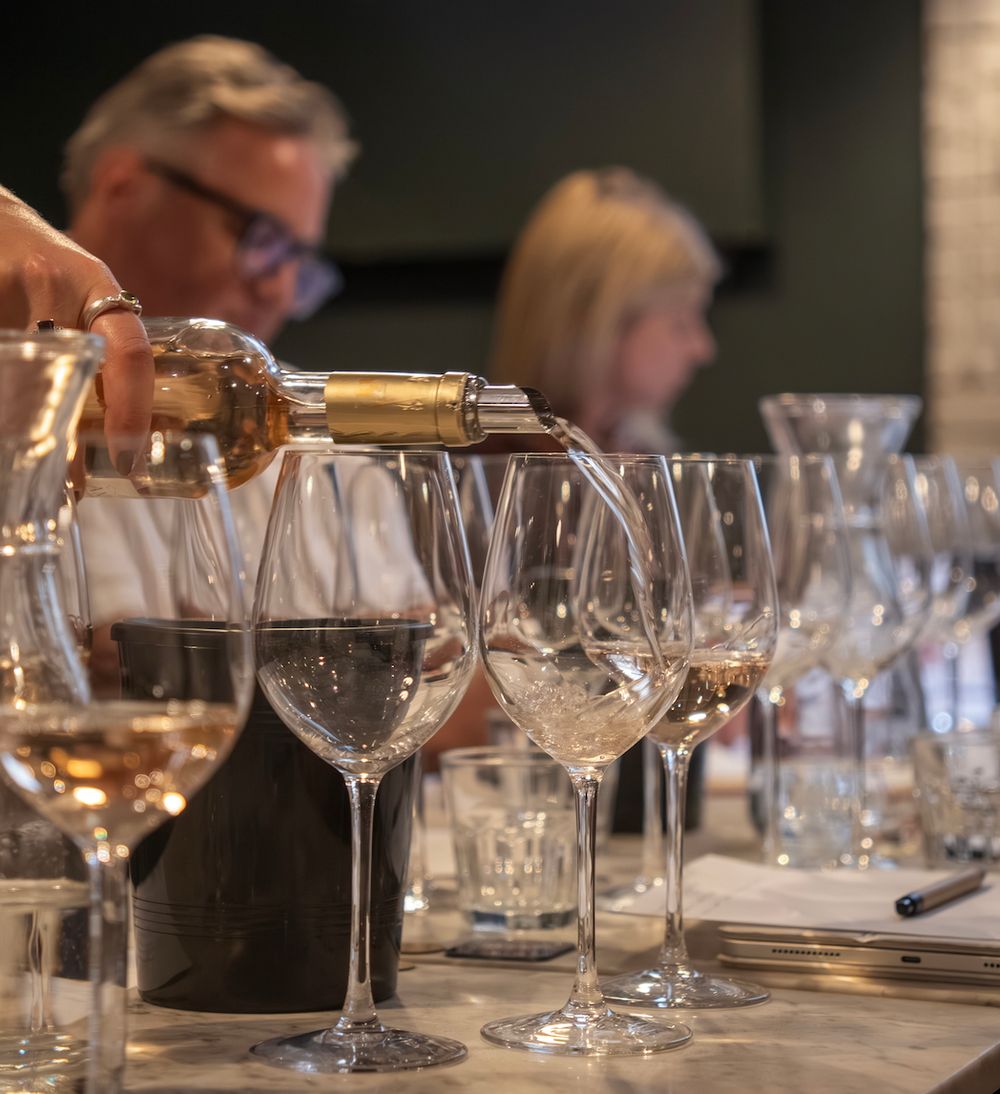
O’Connor and Cronk were also able to take the panel through a tasting of nine wines, broken down into different tiers of Provence rosé chosen to show the different quality levels there is to be found in the region that best illustrate the diversity and complexity on offer from the three main Provence appellations: Coteaux d’Aix-en-Provence; Coteaux Varois en Provence; and Côtes de Provence.
Tier 1
Domaine des Oullières, Harmonie, Coteaux d’Aix-en-Provence, 2024
Domaine des Annibals, Suivez-Moi-Jeune-Homme, Coteaux Varois en Provence, 2024
Maison Mirabeau, One Day, Côtes de Provence, 2024
Domaine de Fave, Bastide de Fave, Coteaux Varois en Provence, 2024
Provence Wine Heritage, Château du Seuil, Coteaux d’Aix-en-Provence, 2024
The first tier was chosen to show “the immediate sensation of weight” that can be found in quality Provence rosé wines that show the “texture, dimension and depth” that is so typical of the unified approach to winemaking that you find in the region, says O’Connor.
The mouth feel in the wine comes down the timing of the harvest, the viticulture, and the light extraction from the grapes, he adds.
Cronk was able to talk the panel through Maison Mirabeau’s One Day wine which it claims is the first negociant wine in Provence to be made using grapes from growers following regenerative viticulture practices - an approach that has become very important to Maison Mirabeau.
Cronk says it has worked with seven of its most “forward-thinking, terroir-focused” organic growers and helped certify them and their older vines in regenerative farming.
“We wanted to start integrating regenerative into our own supply chain and we have started to have some influence,” she says.
Tier 2
Château Sainte Roseline, Lampe de Méduse Cru Classé, Côtes de Provence, 2024
Hugues, Croix du Sud, Côtes de Provence Sainte-Victoire, 2024
Château Angueiroun, Prestige, Côtes de Provence La Londe, 2024
The second tier of wines offered the panel an opportunity to taste higher price-tier rosés from Provence and explore what the region can deliver a little higher up the pricing and quality ladder, says O’Connor.
Again picking wines from different appellations and terroir designations Côtes de Provence; and two of the specially designated Dénominations Géographiques Complémentaires (DGC) areas of Côtes de Provence: Sainte-Victoire and La Londe.
These are wines that very much fit the bill of offering buyers and their customers “something more” from the classic Provence profile and what Provence is looking to do that is a bit different, he adds, whilst still maintaining the safety and reassurance of the pale rosé colour associated with the region.
These are what you might call the “Premier Cru of the rosé world” showcasing what Provence can do with focused regional wines, claims O’Connor. Sainte-Victoire, for example, has just been granted Cru status for its red and rosé wines.”
Cru Sainte-Victoire is a recognition of a specific terroir, with dedicated regulations on grape varieties, yields, and production methods, highlighting the unique character of the area.
This is in addition to the region’s Cru Classé designation, an historic list established in 1955 that recognises 18 estates in the Côtes de Provence for their long-standing quality.
These classifications highlight exceptional expressions of Provence rosé wines.
These wines might only be around €2 to €3 more a bottle but offer a significant step up in quality, he adds.
These wines offer “more nuances” and demonstrate “not all Provence wines are equal,” adds Cronk.
“There is more finesse and elegance here,” says McCombie. “This is what a good Provence rosé should be.”
“They all have something quite textural about them. That’s where the big difference is. The acidity is on the finish and the shape that gives you,” says Raafat.
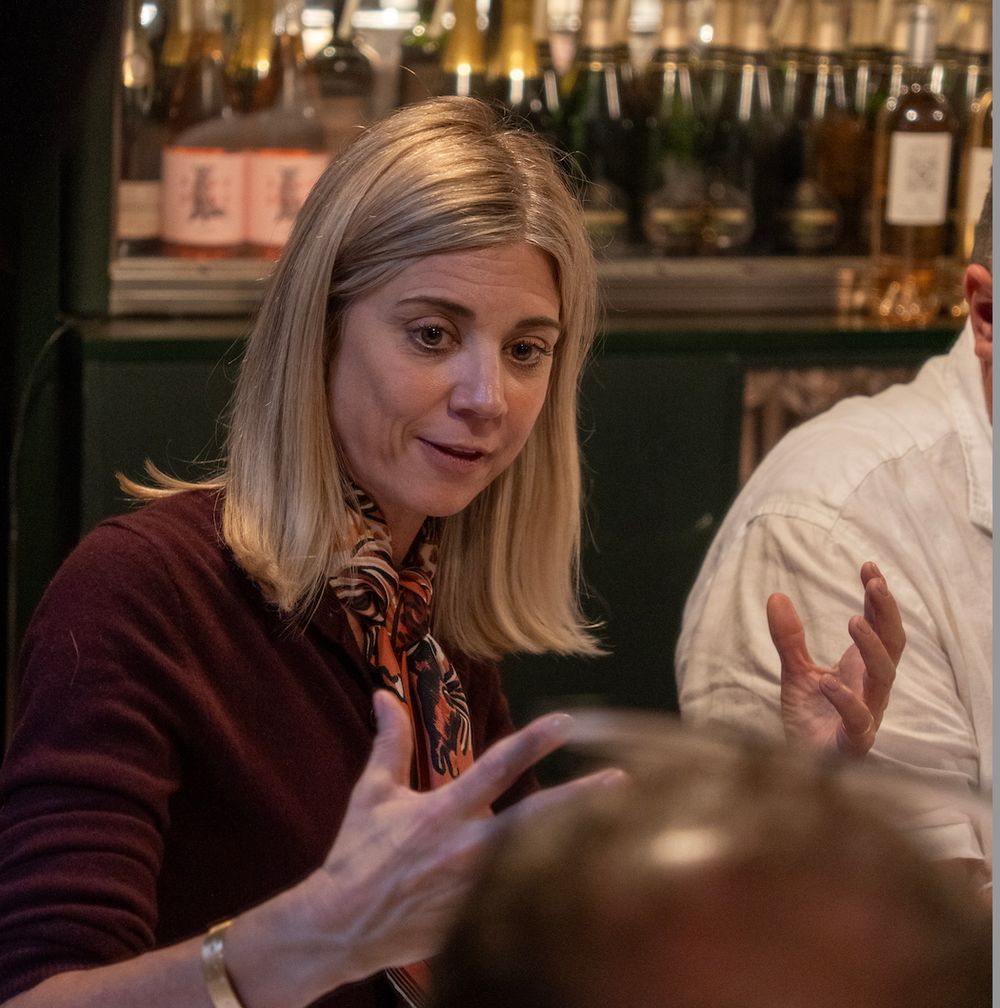
Jeany Cronk say Provence rosé is now at such a level that it deserves its place on wine lists in Michelin
Tier 3
Le Grand Cros, Aurélia, Côtes de Provence 2020 & 2022
Domaine de la Croix, Bastide Blanche, Côtes de Provence, 2022
“They feel like a separate category of wine,” says Raafat. “They are not what you are expecting from Provence,” adds Graves. “There are some real style differences here,” says Arthur.
That’s how some of the panel responded to tasting the third flight of wines where they had the chance to see how Provence rosé wines perform when they are aged - wines that rarely find themselves in the UK market as it represents such a tiny part of the overall production. Wines that express far more oak and body than the typical Provence rosé in the market.
O’Connor says it is very interesting to see how the wines manage the oak and how integrated they are in the wine.
These are the kind of wines that allow you to have conversations with a Michelin restaurant, says Cronk.
Pushing individuality
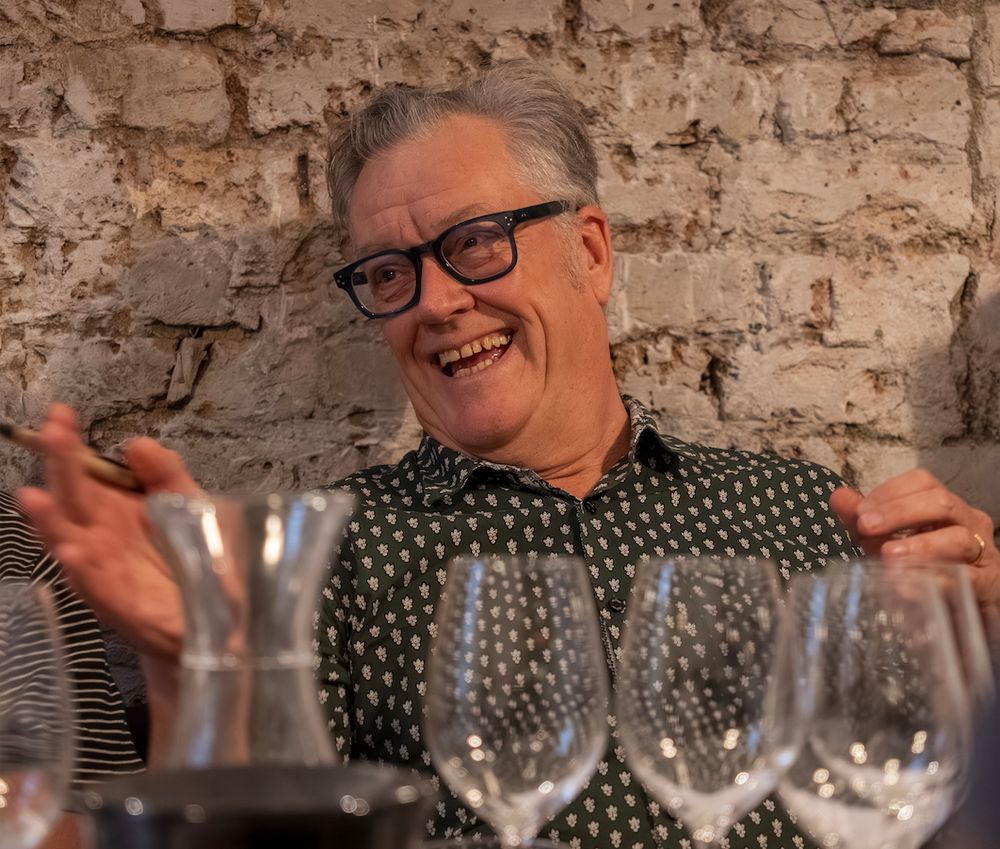
Peter McCombie MW says Provence rosé is now a "must sell" for any bar or restaurant
Being able to taste and enjoy such a diverse range of wines was an opportunity to see where Provence might go to next.
It prompted Wregg to urge Provence and its producers to push and explore other styles of wine that takes its rosés, whites and reds into new areas, be it co-ferments, skin contact, low intervention and natural wines.
“Provence has the ability to make all these styles of wine,” he says and if producers did make more of them it can only help add to the appeal of the total category and show that it has so much more to offer.
There is no reason why “brand Provence” could also be about celebrating all the “individuality” there is in the region where “doing something authentic, traditional and beautiful becomes the brand”.
Raafat says he would welcome more producers getting into what he calls more “terroir-led” conversations and introducing different varietals into the mix.
As the region is now so well-recognised then “why not” try and be a bit more experimental, he adds. “But that is also down to us as the gatekeepers to bring more of these wines into the market.”
The final thought goes to Arthur who wanted to stress again how well-placed Provence was to push its sustainability story and how powerful a message it can be when you are “collectively doing it as a region”. For it not only cements your “premium credentials” it also goes a long way to build your region’s brand image “which is so important” but it also “elevates you” and protects you from any threat to discount or push that brand image down.
- In part two of our Provence Debate report we talk to our panelists about their trading and pricing strategy for Provence rosé and where they see the future potential for the region and how best to promote it.
- Our thanks go to Vins de Provence for helping to make this debate happen and the team at Vagabond Monument for hosting us.