
Hugging the rugged coastline on the south-west corner of Western Australia where two of the world’s great oceans collide, recent celebrations in Margaret River have been almost as wild as the weather - the region toasting a haul of 29 gold medals atthe IWSC’s 2026 Global Judging, including the first 100-point wine in the history of the current scoring system, combined with growing export success, its performance in the UK setting the pace as consumers warm to its premium wines.
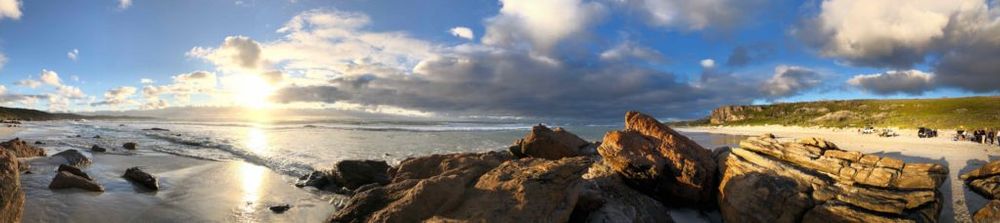
The coastal influence of Margaret River is reflected in its wines
The most recent numbers tell the story: exports from Margaret River to the UK were up 38% over the 12 months to the end of June, compared with 5% growth across the region’s overall exports, a performance that is even more impressive when the state of the market is considered, with Australian wine exports to the UK falling to their lowest level in a decade last year.
A young region, not yet 60 years old, representing just 2% of Australia’s total grape crush, it overdelivers on export share, commands a higher average price per litre, and bucks the global trend for declining sales, so what is its secret and how can it maintain that momentum?
A sense of place

The Wine Society's Freddy Bulmer says Margaret River is "a genuinely exciting region"
The Wine Society’s Australia buyer, Freddy Bulmer, who co-chaired this year’s IWSC Global Judging in Margaret River, says the region has a clear proposition: “It’s a genuinely exciting region for fine wine doing a great job of carving out a unique identity, making its elevator pitch crystal clear: the idea that you get first class Chardonnay and Cabinet Sauvignon from Margaret River. Of course there is more to it than that, but the fact that they have led with that really clear simple message is genius, because it has meant that people know what they're getting.”
The Wine Society has seen sales of Margaret River wines rise 48% in value and 42% by volume over the past year, with sales of wines above £20 increasing by almost 180%, underscoring its place in the fine wine market.
“I think it's a fantastic time to be buying the wines because the value is remarkable and the quality sensational.There's a lovely balance of very famous names alongside this exciting undercurrent of smaller, but still very high quality producers,” he adds.
Bulmer’s co-chair, Andrew Caillard MW, says the region has found its voice: “Its reputation and track record are underpinned by highly consistent, reliable and impactful wines with singular definition, freshness and resonance. When compared to other fine wine regions it offers classical expressions of Chardonnay and Cabernet, with house style bringing difference and interest. It has taken several years to achieve this, but Margaret River is now in an era where it can claim distinctiveness and a strong voice of place. The top wines are comparable to some of the great wines of the world, but offer better value.”
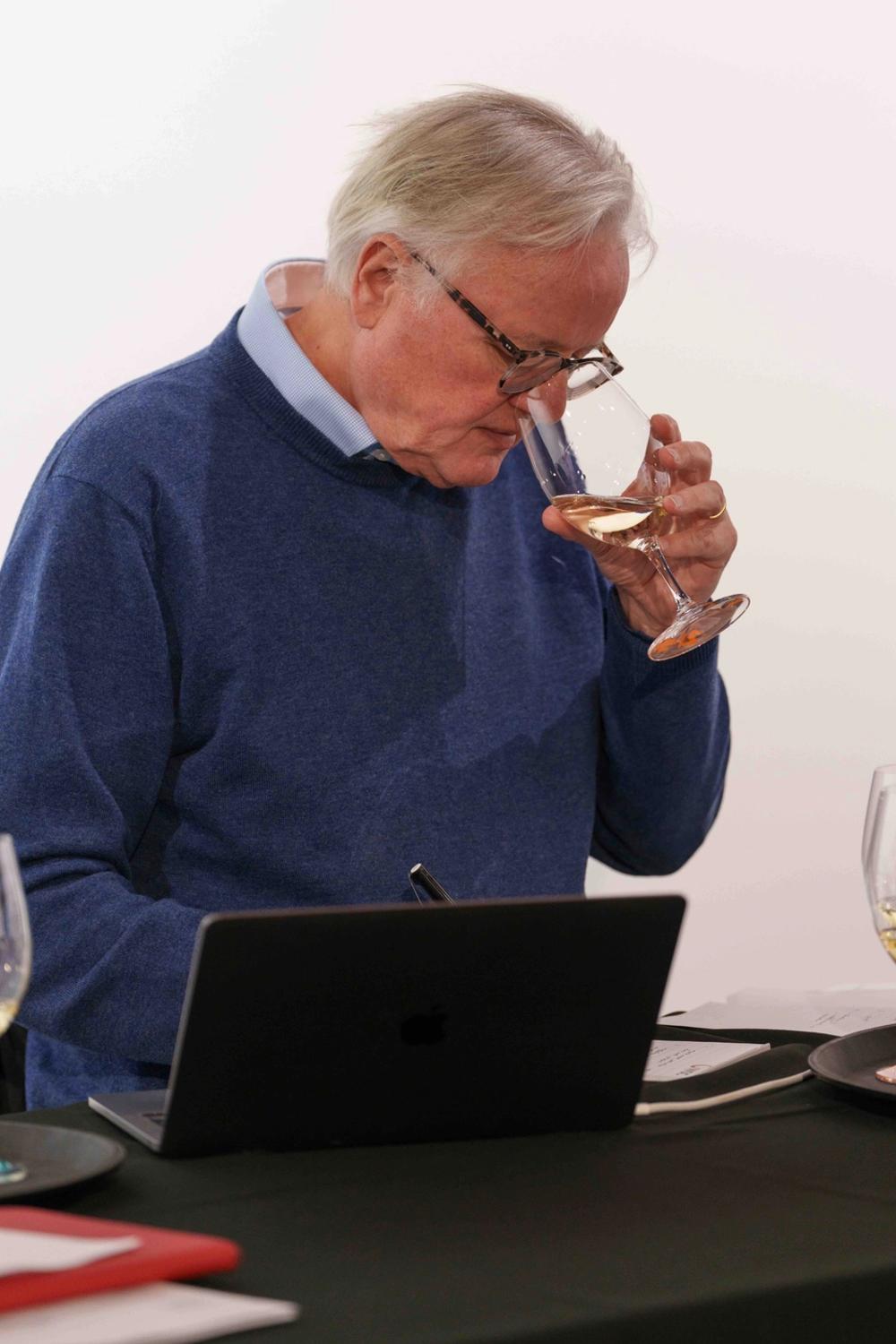
Andrew Caillard MW was able to bring his Australian wine expertise to the judging
Callaird, author of the Australian Ark, also points to the region’s two celebrated clones as a USP: “Gingin, for Chardonnay, and Houghton, for Cabernet Sauvignon, are the vectors that elevate the stature of the vineyards and the wines.”
On trade potential
Judge Emma Robinson, wine buyer for Jeroboams, says the region’s varietal double act is successful because it is well executed.
“Margaret River really benefits from having a clear identity around two key grape varieties, Chardonnay and Cabernet Sauvignon. While we had the opportunity to taste lots of alternative varieties and styles, the quality and style of the Chardonnay and Cabernet are much more defined and consistent. This has really helped with consumer recognition of the region and consistency in pricing and availability adds to this,” she says.
Margaret River’s profile is rising within the on trade, but Robinson says there’s still plenty of headroom.
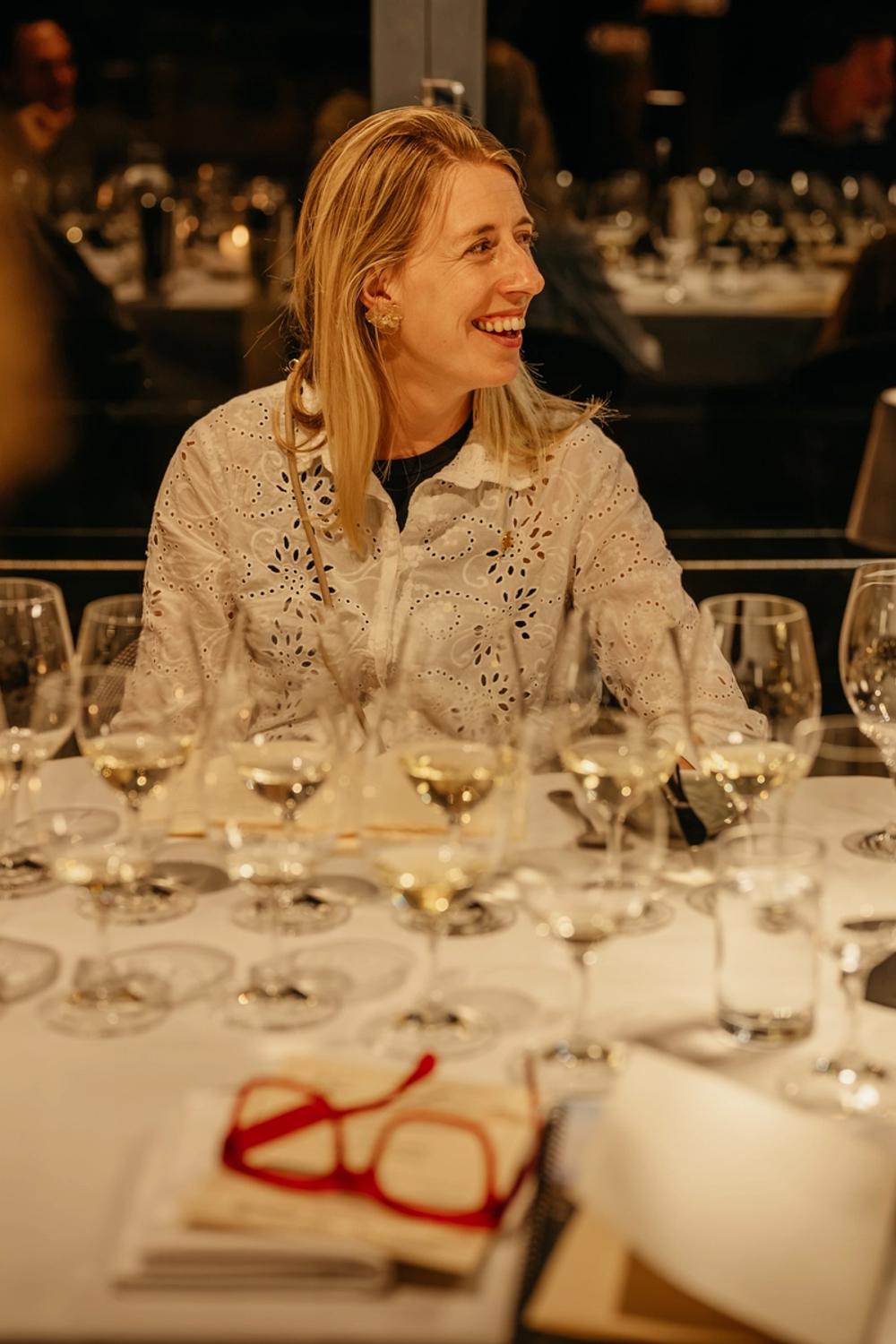
Jeroboams' Emma Robinson says the region's focus on Chardonnay and Cabernet Sauvignon is really helping to raise the profile of its wines
“The style and price point are well suited to by-the-glass listings at £10–15 in premium restaurants and fine dining. The cool-climate acidity works really well with food, while there is enough fruit and approachability for the wines to work equally well on their own. The region seems to have a very good reputation amongst sommeliers, and I think consumers are increasingly recognising Margaret River as a consistent fine wine region. I think Margaret River has potential to take some of the slots that Burgundy would traditionally occupy,” she adds.
Fellow judge and head sommelier at Raffles at the Old War Office in London, Joanna Nerantzi, echoes the sentiment around the potential for by-the-glass listings: “The biggest opportunity is by-the-glass and in pairings, so more consumers explore the region. Margaret River offers classic structure and age-ability at a price that still leaves margin, which is exactly what sommeliers need for tasting menus. The Chardonnay can sit alongside Burgundy on a list, while the Cabernet gives guests a compelling alternative to Bordeaux.”
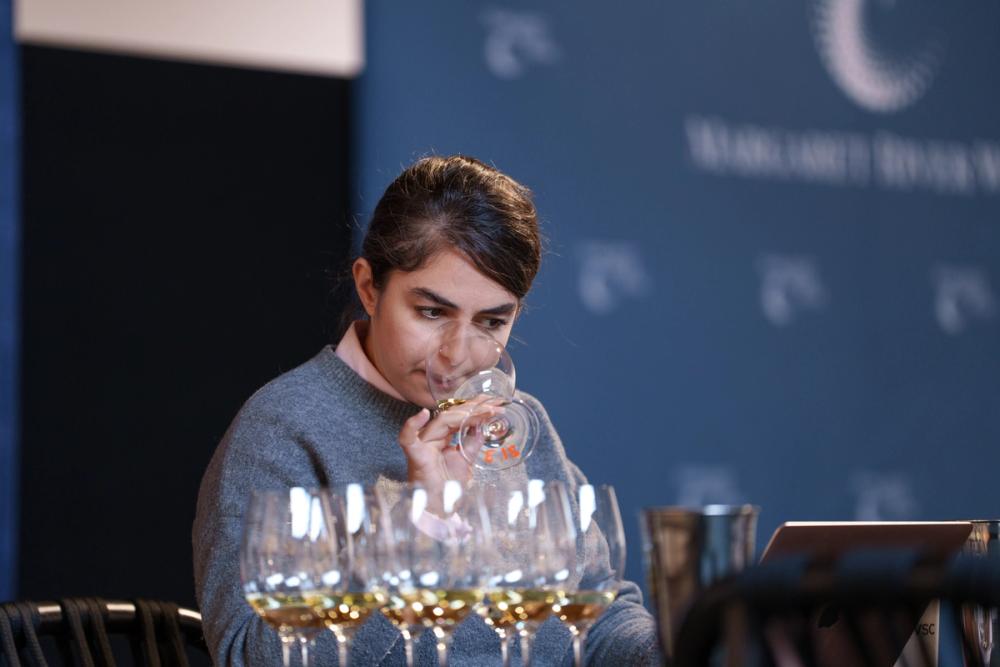
Raffles' Joanna Nerantzi encourages Margert River's wine producers to travel and tell their stories out in the market
She adds: “Winemaker visits, back-vintage releases, and older bottles would help establish the region as a genuine fine wine category rather than an ‘outside Europe’ choice."
Isa Bal MS, founder and director of London restaurants Trivet, which holds two Michelin stars, and one-Michelin-starred LaBombe, says: “Margaret River is a relatively small region producing really high-quality wine, so there is still a genuine sense of discovery. It’s important to embrace those different varieties as well, because they complete the picture.”
The perfect wine
The IWSC’s current 100 point scoring system was introduced in 2019 as part ofsweeping changes instigated by then chief executive, Christelle Guibert, architect of the Global Judging programme.
The competition is widely regarded as one of the toughest, with a mere 2-3% of entries getting a gold medal, while no wine has ever scored 100 points… until now.
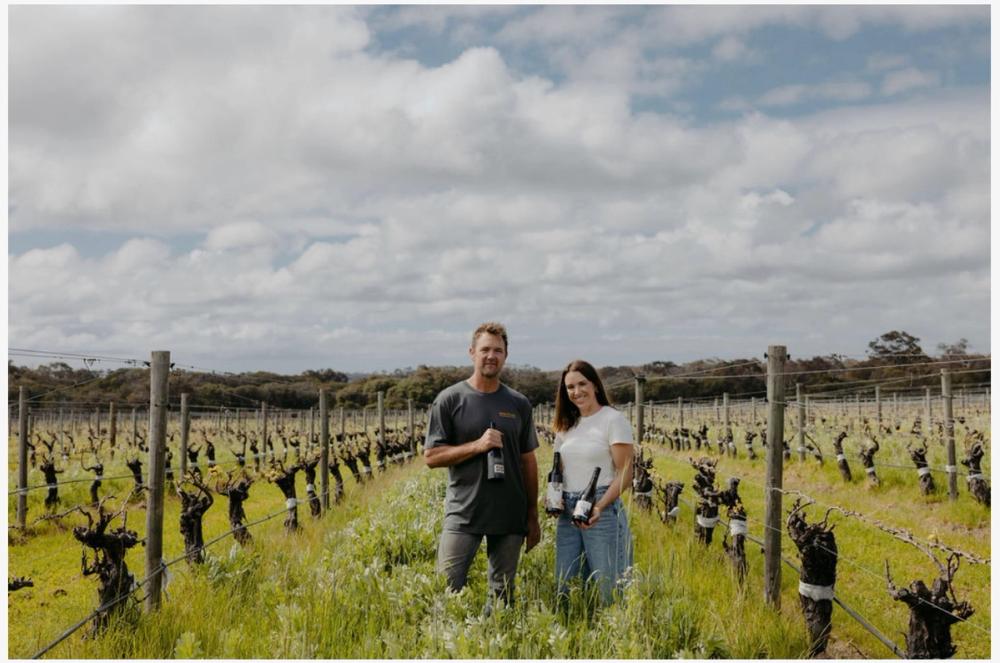
House of Card's Travis and Elizabeth Wray received the IWSC's first 100 point score for their 2025 Ace High Chardonnay
House of Cards Ace High Chardonnay 2025 wowed the judges and entered the record books, its century resulting from multiple assessments, blind-tasted first at panel level then by the co-chairs.
“It was so perfectly of its place. I was so taken with this wine I just couldn’t stop thinking about it,” says Bulmer.
Caillard adds: “Our role as judges is to adjudicate and use points to reflect quality and stature. Not to impose, manipulate or preclude as if we are gods. We know the benchmarks and when a wine of extraordinary presence like this appears, it behoves praise, backed up by a decisive and meaningful number.”
House of Cards is a 12 hectare winery in Yallingup, established in 2011 by Travis and Elizabeth Wray; the 2025 Ace High Chardonnay, now unsurprisingly sold out, was from a 1300 bottle run.
“We’re absolutely blown away, I think the highest score I've ever got was 97, so to jump 98, 99 and go straight to 100 is crazy, it's what the wildest dreams are made of,” Travis tells me, while wife Elizabeth says the couple are “absolutely stoked” and have spent the past few weeks celebrating.
For Penny Dickeson, chief executive of Margaret River Wine Association, the results vindicate the region’s strategy of promoting itself within the global fine wine market, harnessing the power of international acclaim.
“We have our trusted pioneers such as Vasse Felix and Cape Mentelle; consistent trophy winners such as Xanadu and Deep Woods; and a new generation, House of Cards and Nocturne, who have received multiple gold medals as well as IWSC trophies, showing just how well small-batch, focused wines can shine.”
She adds: “Bringing influential judges to Margaret River is an investment in far more than medals: it puts our producers in direct conversation with global trade, media and sommeliers, building relationships, market insight and advocacy that continue long after judging has finished.”
* For the full IWSC Margaret River results click here.
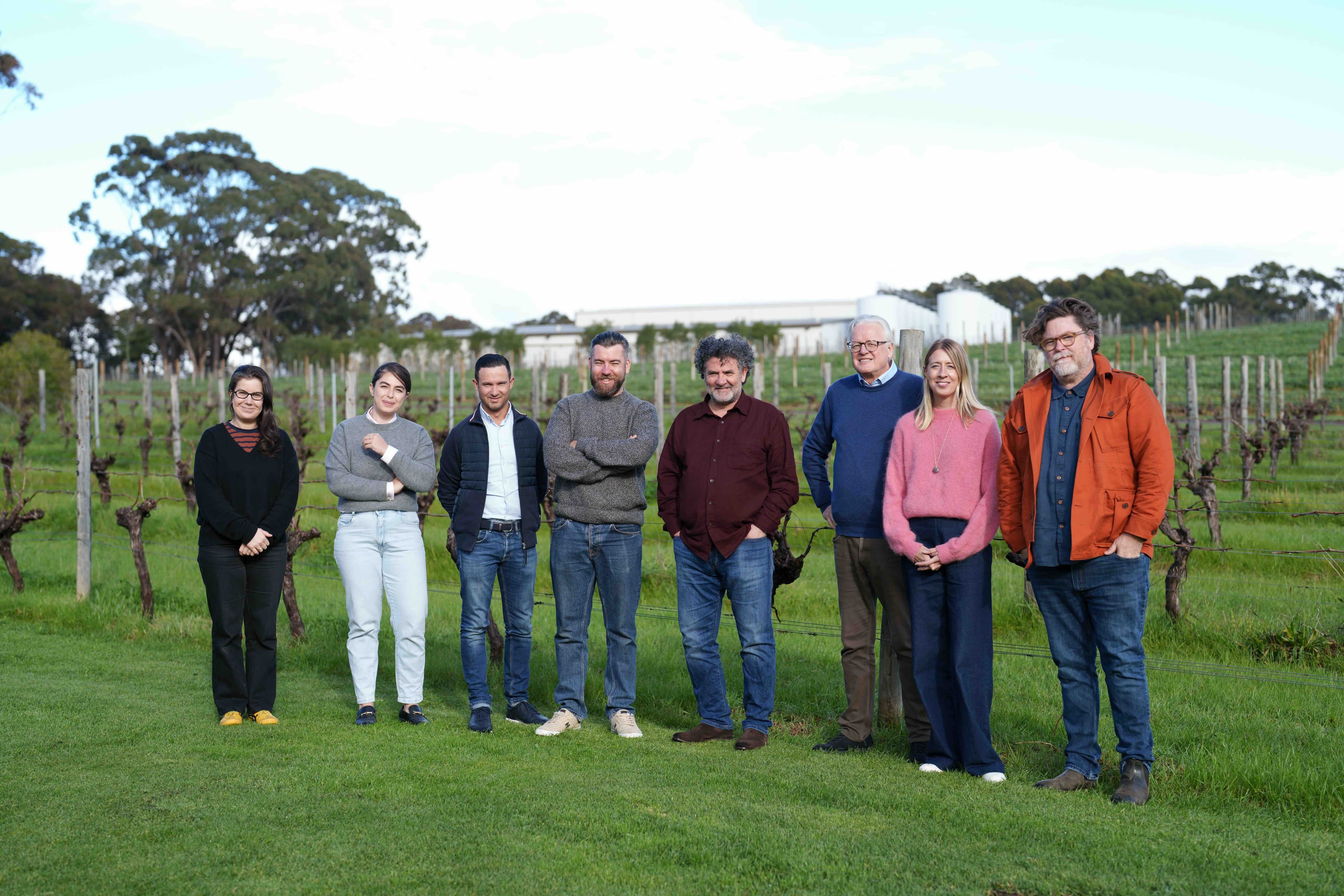
* The IWSC would like to thank Leeuwin Estate, Domaine Naturaliste, Juniper Estate, Wayfinder Wines and Margaret River Truffle Farm for hosting its judges, as well as Vasse Felix, the venue for this year’s judging.