
Tell us about the recent awards you have announced and what the key results were?
Now in their sixth year, we announced results in October for The WinesDirect Consumer Choice Awards 2026. Our winners are based entirely on consumer ratings and feedback, making them a real testament to the supermarkets, wine merchants, wine clubs and drinks brands that have won medals.
This year we have improved the voting process in our survey, to ensure that results are based on performance rather than popularity, and have expanded the research element, giving us a detailed picture of how engaged UK consumers interact with the wine market in 2026.

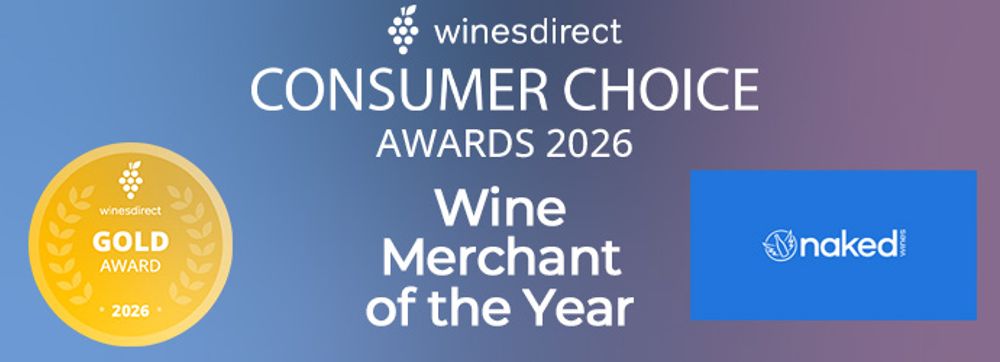
Receiving over 1.7k votes, competition was close between entrants, with our headline winners being Lidl as Wine Supermarket of the Year, Waitrose Cellar as Online Wine Supermarket of the Year, Naked Wines as Wine Merchant of the Year, Laithwaites with Wine Club of the Year and Master of Malt as Spirits Specialist of the Year.
For our Brand of the Year winners, we saw that gin is still in top spot with Gordons taking Spirits Brand of the Year, Australian branded wine is also still supreme with Yellow Tail taking Wine Brand of the Year, and Moet & Chandon is the current go-to for celebrations, taking the Gold Award for Sparkling Wine Brand of the Year.
How do you choose the finalists and the winners?
The awards are decided by ratings from customers, not by a judging panel.
For our supermarket and wine merchant awards, customers provide feedback across value for money, quality of the range, website or shopping experience, customer service and trust/recommendation and rate them out of 10.
We take the average of these ratings and weigh each average equally to find the best overall score so that the methodology recognises the overall performance rather than allowing the retailers with the largest customer base to win automatically.
For Wine Club of the Year, we follow a similar method where six measures are equally weighted: wine quality, value, discovery factor, flexibility (customisation or skipping), ease of cancellation, and the level of wine knowledge gained from the wines or theme.
Wine and spirits brands we decided to do a little differently, asking our respondents subtly different questions to challenge the way they think about the best brands.
We asked for open-ended answers for consumers to vote for their favourite brand (worth 25%), which they actually purchase most often (worth 15%), the best value wine brand (worth 10%) and then the one they’d choose overall (worth 50%). Some chose the same brand for each of these questions, but as we had hoped, many did not.
As part of the awards process, you also do extensive consumer research - what is it you do and why?
At WinesDirect, we have cultivated a loyal and engaged membership over many years and realised there was a great opportunity to learn more about consumer behaviour from these genuine wine buyers.
The industry has been beset on all sides from rising costs, in every aspect you can think of, to the joys of increased tax over the past few years in particular, and it seemed important to us to understand what this has done to consumer opinion and habits.
We were also curious about industry trends, asking, for example, questions about the importance of sustainability or if there are any styles of wine that consumers have found themselves buying more often this year.
We’ve found out a lot about our members, and the overall picture took us pleasantly by surprise, with most actually having a positive outlook on the wine market. There is clear passion and love alive, and it was great to see.
What were the key findings from your research?

WinesDirect was able to ask over 1,500 online wine buyers what trends they are seeing in wine and what they do and don't like about buying wine online
As you might expect with the current economic outlook, value is central, but our survey shows that it isn’t that simple. You won’t win consumers over by just offering them cheap plonk.
Over 87% said that they always or sometimes actively seek wine offers but only 29% said they were choosing more affordable wines. Rising prices have driven the desire to buy wine on offer but many people won’t trade down on quality, they’ll wait for the right price.
At the same time, consumers remain highly engaged with 63% buying wine weekly or two to three times per month. Consumers are still buying regularly, but they are paying closer attention to value to justify it.
Mixed in with this is that the average price that consumers said represents “good value” today was £8 per bottle. This I’d say is slightly below the so-called “sweet spot”, but what consumers said they paid per bottle versus what they deemed “good value” had an interesting difference. More on that later.
More anecdotally, from comments on how the wine buying experience can be improved, we saw lots around people wanting clearer tasting information and greater opportunity for tastings or samples before they buy.
People love and want good wine, they just need the right price, right encouragement and right excuse to buy it.
What did you discover in terms of the purchasing decisions that your customers make when choosing which wine to buy?
Taste is overwhelmingly the most important factor with 94% rating it as important. It shows the regular significance of repeat purchases. If you know you like it, you have nothing to lose.
However, 39% valued the opportunity to try something new as important as well. That’s a number of shoppers willing to explore the wine world and discover a new style and flavour which is exciting to see. That is where the right encouragement will really come in.
Price was valued the second most important overall factor after taste, as you might have guessed, but beyond that grape variety was the next most key factor with 41% rating it important. Interestingly, country of origin (31%) and appellation/region (26%) were of lower relevance, which might speak to a slight lack of wine knowledge/confidence in the wine drinking public. Grapes are after all easier to gain a general understanding of.
Consumers do genuinely value awards and reviews, with 36% finding them important decision guides, but brand and label design only came in with 23% and 16% respectively which surprised me. Are big brands losing their mojo? Given the winners of our brand Awards and general brand dominance on store shelves, it’s foolhardy to conclude that, but it seems when wine lovers take the time to consider what they really look for in wine, brand name becomes below even secondary.
What wine trends did you pick out for the year ahead?

The gap between online shoppers interest in English wine and Champagne was only 1.5%
Nothing to completely take us by surprise with the strongest leanings in the core red, white and rosé still wine categories with around 40% saying they bought each of these more often in 2026. These were swiftly followed by your Prosecco/Cava type sparkling wines at 32%. Despite what social media trends might suggest, the classics are still very much the most drunk.
However, where it gets interesting is that English wine is apparently now creeping more into consumers’ repertoire than Champagne. It was by a relatively small 1.5% margin (17.2% vs 15.7%), but it marks a significant shift and is a margin we expect to grow.
Below these stalwart categories was low/no alcohol wine with 11% buying it more often, showing the steady growth of this category, though perhaps not at the level some headlines suggest, and 9% more people buying RTD cans, suggesting a small but relevant growing younger audience.
We also asked about some trendy styles such as natural wines, orange wines and chilled reds, which all sat between 4-5% buying it more often. This was probably lower than I’d expected but another good example of the physical world being different to the digital one.
We read a lot about low and no alcohol - what did your research find in terms of consumer demand?
We do hear a lot, particularly about huge growth numbers, but it is worth remembering that the base of drinkers is still a lot lower than people drinking “normal” wine. Our results back that up.
We found 11% of respondents said they were buying more alcohol-free or low-alcohol wine. It certainly shows it is indeed increasing, but not quite to the extraordinary levels we sometimes read about.
More interestingly, when we asked about what is important to consumers’ purchasing decisions, we intentionally split out mid strength wines and low/no wines, and the answer was telling.
While 11.5% rated low/no alcohol as important or extremely important when choosing wine, mid-strength wine came in with 18.7%. It seems mid-strength wines are starting to appeal to more consumers. Moderation may begin to increasingly involve reduced-strength products, not only fully alcohol-free alternatives.
Similarly, sustainability is that an area of concern and if so, what are people interested in?
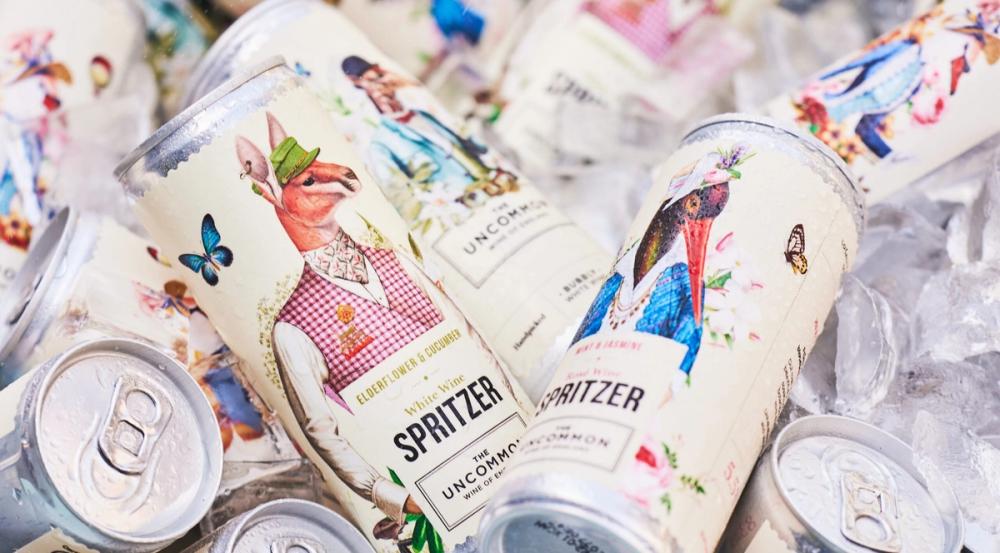
Online wine shoppers are interested in alternative packaging says WinesDirect
The strongest response was for recyclable packaging with 38% rating it important, followed by environmental certifications: sustainable (32%), organic (24%) and biodynamic (19%).
The standout rating of recyclability shows that consumers are most interested in accessible, tangible environmental efforts when they are easy to achieve at home. Glass bottles, cardboard and plastic packaging and cans all come under this umbrella, suggesting there is room to grow into new formats.
But the overarching leaning towards recycling suggests you need to make it easy and make it participable, and consumers will be more willing to follow sustainable initiatives.
Whilst the certifications show relative importance, they reduce in it as awareness of each type drops. Biodynamic is arguably the best environmental certification of the three, but public awareness of what it means and does has likely hampered its importance.
We also asked whether vegan/vegetarian, local production and lightweight bottles come into play, but these were of a much more minor consideration.
So, sustainability is relevant but, in many ways, I’d consider it more relevant to the winemakers who want and need to protect their environments and future business than it is to consumers at the moment. We had much more enthusiastic ratings for things like price, taste, grape variety and so on previously and so I don’t believe that sustainable signals on the bottle will compensate enough for consumers when choosing a wine overall.
What are the biggest frustrations and challenges that people have about buying wine?

Online shoppers are frustrated by delivery charges according to WinesDirect consumer survey
There was one standout issue that our respondents had and that was delivery charges. A whopping 35% found this to be the very worst part of buying wine online and we had a number of people suggesting that free delivery or at least lower prices would improve their experience. There were even some calls to include delivery costs into the price of the wines.
Some distance behind this but in second place were misleading discounts with 13% highlighting that as their biggest issue. Very few respondents explicitly said what they found misleading, but tended to suggested improvements around clearer pricing, genuine offers and easier price comparison instead.
A futher 12% of people find themselves overwhelmed with too much choice, and 10% do not think there is enough tasting information, whether it is written in too expert a manner or simply not there at all. Perhaps these two are somewhat linked, where better, clearer tasting notes will make choice easier and less confronting.
How about pricing? What are the average spends?
The average respondent thought they usually spend £9 a bottle when shopping for wine. That’s just about edging into the mid-range, particularly when supermarkets run their big-ticket offers.
Later in the survey, we also asked what people thought was actually a “good value” bottle price. Interestingly, the typical answer for this was only £8. There seems to be a disconnect between what people pay versus what they want to pay, which is actually an advantage to the wine trade.
Any findings on what people think about the cost of wine?
Yes, our results showed that recent price pressures have had an effect in creating even savvier shoppers.
The majority at 34% said they’d only now buy wine if it was on offer. This was closely followed by 29% saying they’ve actually had to trade down and choose more affordable wines. Still, 32% don’t want to compromise on their favourites and are still finding the necessary cash to buy the same wines as before, despite the fact they’ve gone up in price.
Only a tiny 2.7% are able to treat themselves to more expensive wines, whilst an even smaller 2.5% have shifted to drinking low/no to save costs instead.
Tell us about the business overall and what you see as your point of difference?
At WinesDirect, we have prided ourselves for over 20 years on introducing UK wine lovers to our retail partners’ brilliant wines. We are a price comparison website that goes beyond just looking at prices, instead aiming to connect consumers with the right wines and the right merchants, with the bonus of saving money as they shop.
On our website, regular wine drinkers search for their favourite wines, compare prices across our retail partners and pay the very best price on the market. By working closely with our partners, we empower consumers with unique offers and clear information to allow them to make informed decisions about their next purchase. Whether they are interested in finding the wine club that best suits them, are looking for something different to the big brands or just don’t want to be ripped off, we are here to help.
What is the best way to attract and retain customers?

With our unique proposition as a wine focused price comparison website, it is all about ensuring that everything is transparent and consistently up to date so our users know they can trust us.
Because we have such close relationships with many of our partners, we are always working together to ensure that we highlight the latest promotions we know will appeal to our website members.
We really have a mixture of wine lovers who come to our website, from those looking for cheaper drinks for a party to someone who wants to learn more about the wine world and be guided into exploring something new. With my WSET Diploma in hand, I am well informed to pick and choose the best wines at the best value for anyone who comes on our website.
Biggest challenges you face as an online operator?
The recent buzzword is no doubt AI. Whether Google’s AI overview it is stealing our content or summarising our promotions, it constantly risks directing people away from our website or providing the wrong information.
Also, as our survey found there is some frustration around tasting notes and overwhelming choice. Online, consumers cannot simply pick up the bottle, read the back label easily, ask someone nearby for help or digest a webpage of wine as easily as you might a store shelf. Our job is to add tasting notes whenever possible and give as much up-front information as possible to try to bridge this tangible gap.
Anything else to say?
Our survey shows there is a largely positive outlook for consumers in the UK wine industry.
They are buying regularly and interested in discovery, but shopping has, by necessity, become more deliberate. Consumers want stronger evidence of value before they buy. Price matters, yet so does taste and the difference of £1 between what people say they spend per bottle on average versus the perceived “good value” price of a bottle shows they are always willing to spend more on the right wine.
When asking respondents to sum up their thoughts on the current state of the industry this year in one word, the vast majority left positive comments. Only a small 7% feel it is too expensive. That is also encouraging to see.
It isn’t about the cheapest bottle or the largest range, it’s about which wine makes you want to spend more to drink better.
* You can find out more about the The WinesDirect Consumer Choice Awards here.
* You can find our more about WinesDirect here.