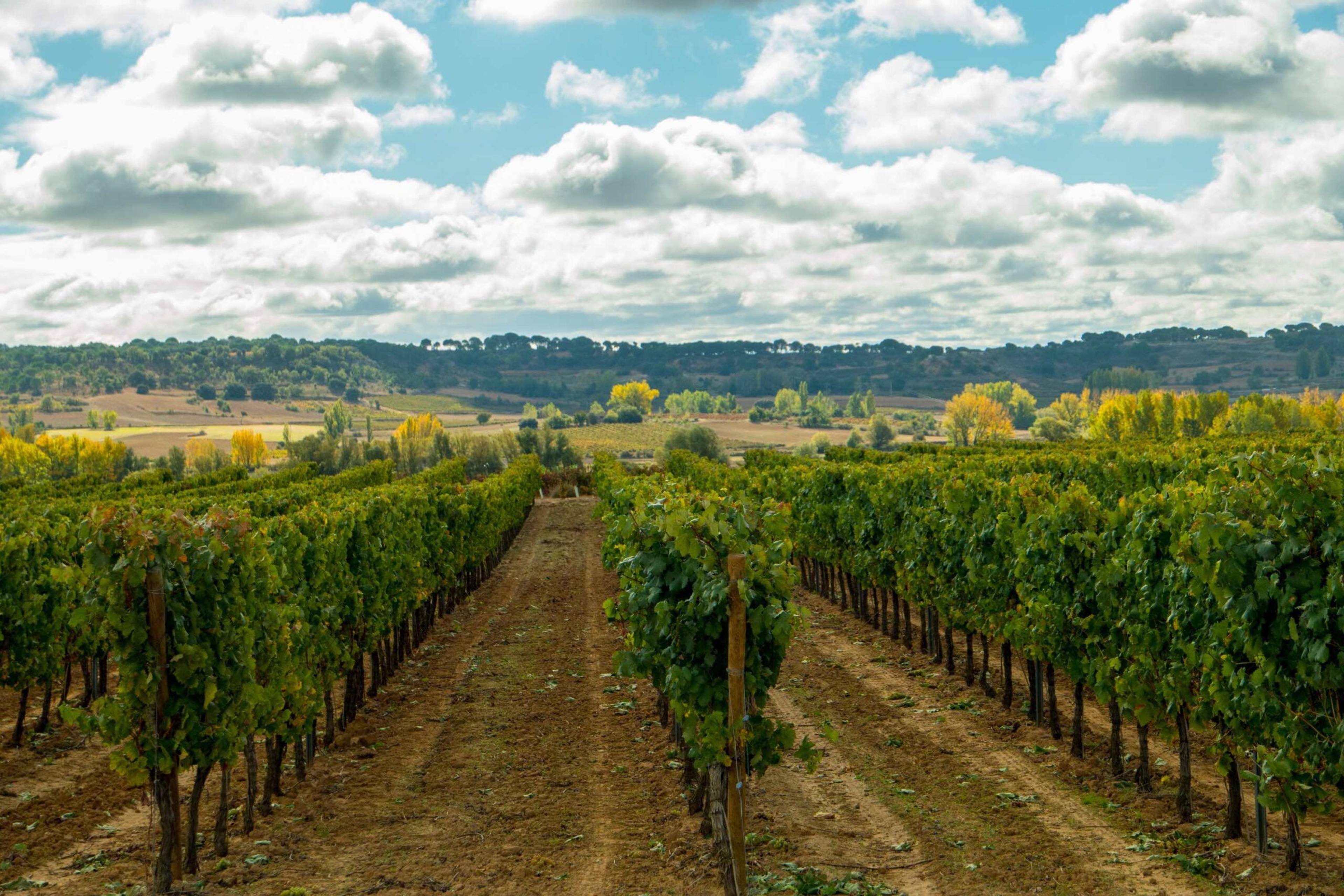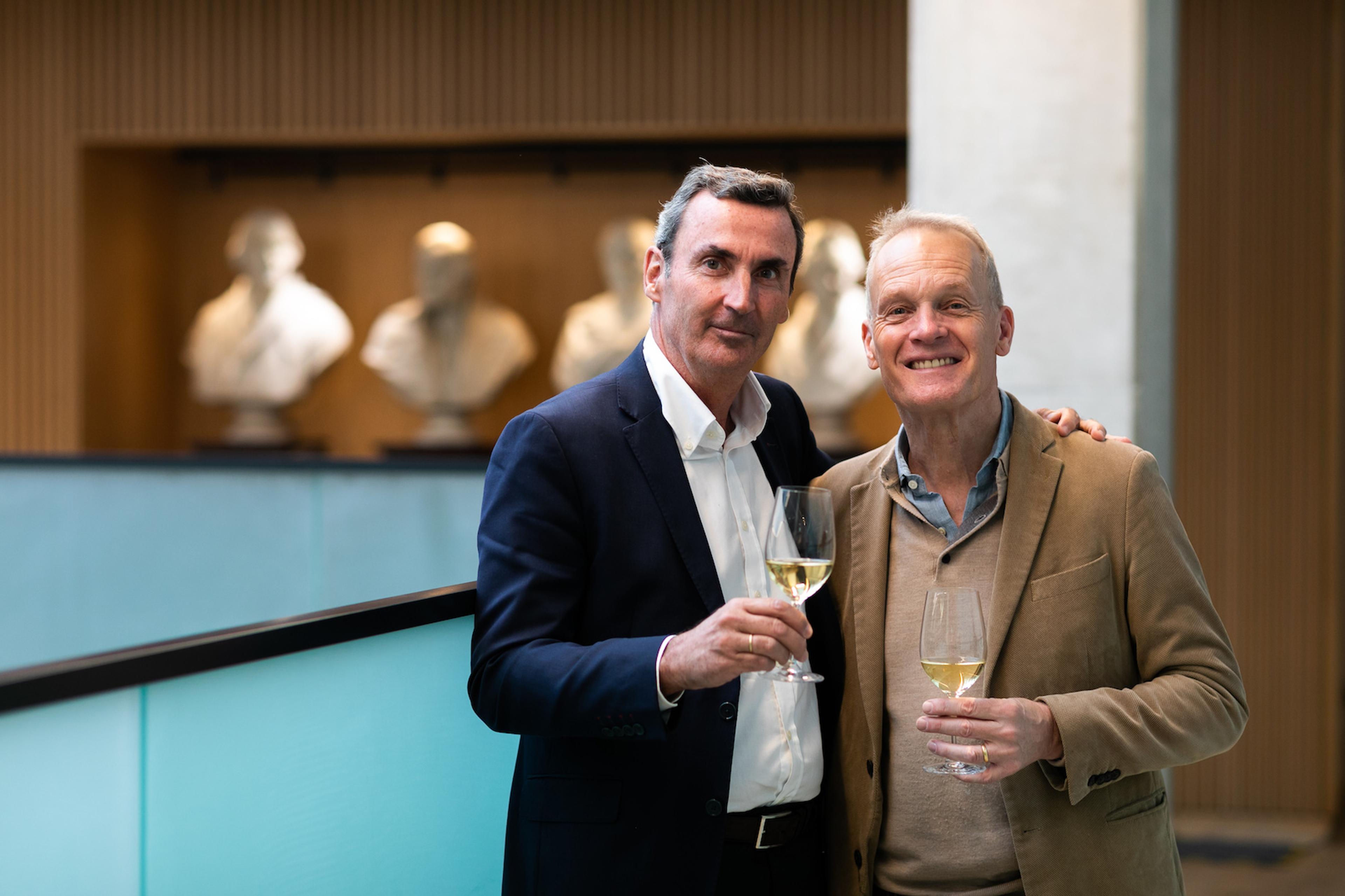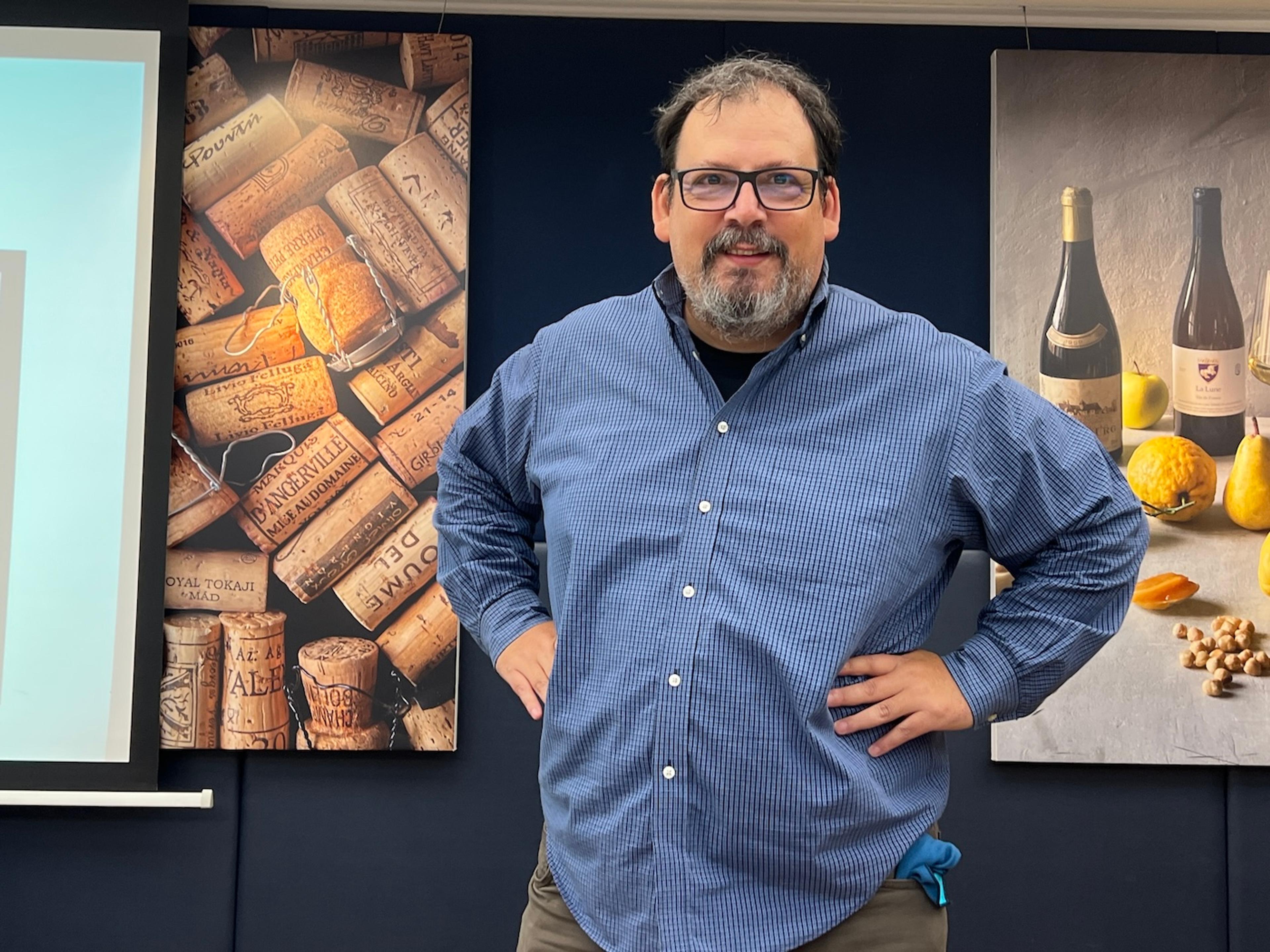
I joined Tim Atkin MW and a small group of trade professionals for lunch before the full tasting, to hear Atkin’s highlights from his sixth annual regional report, for which he tasted 565 wines from 183 producers. Atkin was keen to showcase the diversity emerging from what is essentially a single-variety region, with almost all production based on Tempranillo, often called Tinto Fino locally.
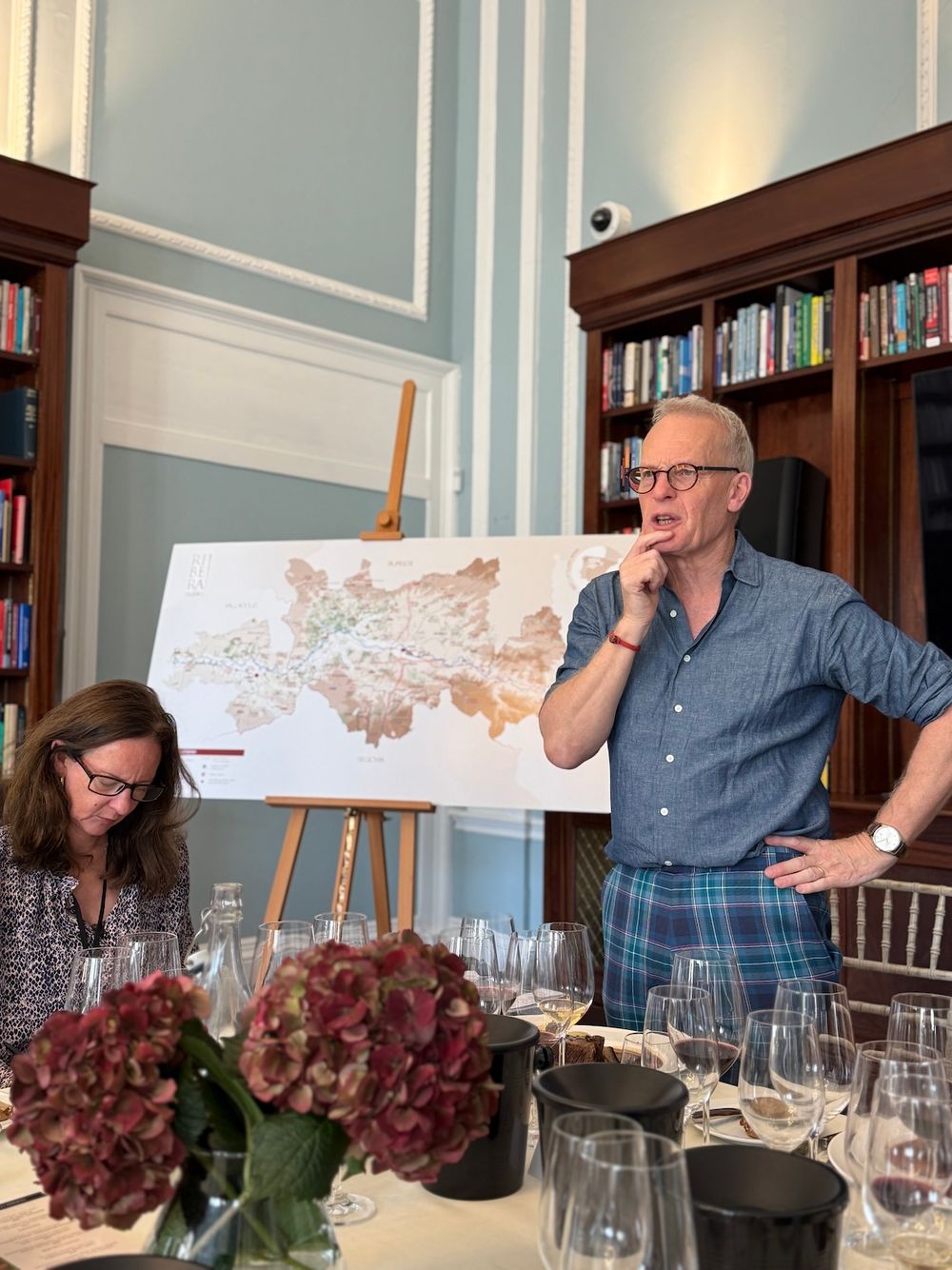
“I strongly believe that the best is yet to come.” Tim Atkin MW - keen to showcase the diversity of the region
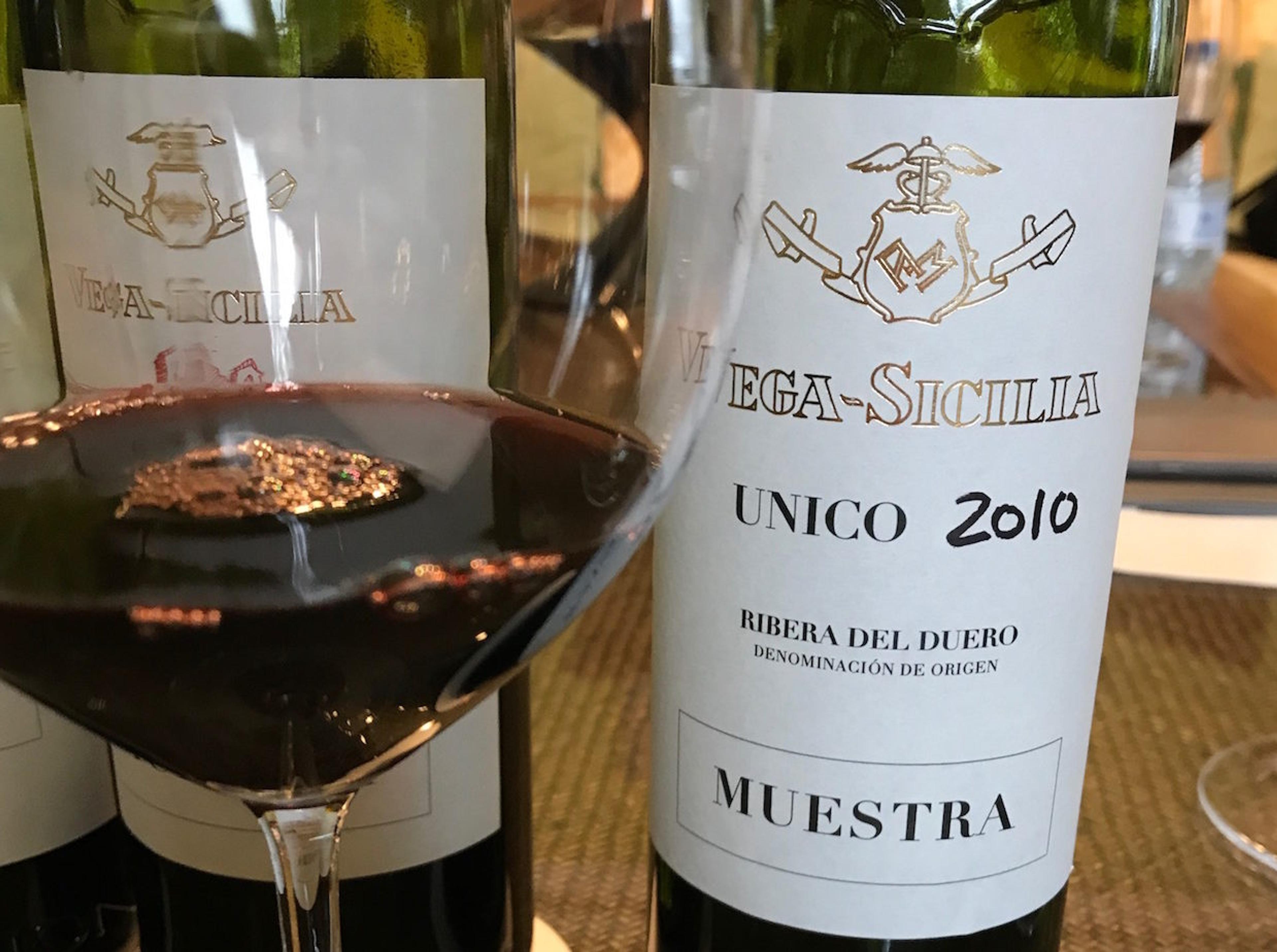
Wines from producers like Vega Sicilia, Dominio de Pingus and Tinto Pesquera helped to build Ribera del Duero’s reputation and continue to be seen as benchmarks. The region has stayed nimble however, with contemporary offerings matching trends in the market: increased production of white wines; a reclamation of tradition with production of clarete wines; reduced use of new oak and gentler extraction.
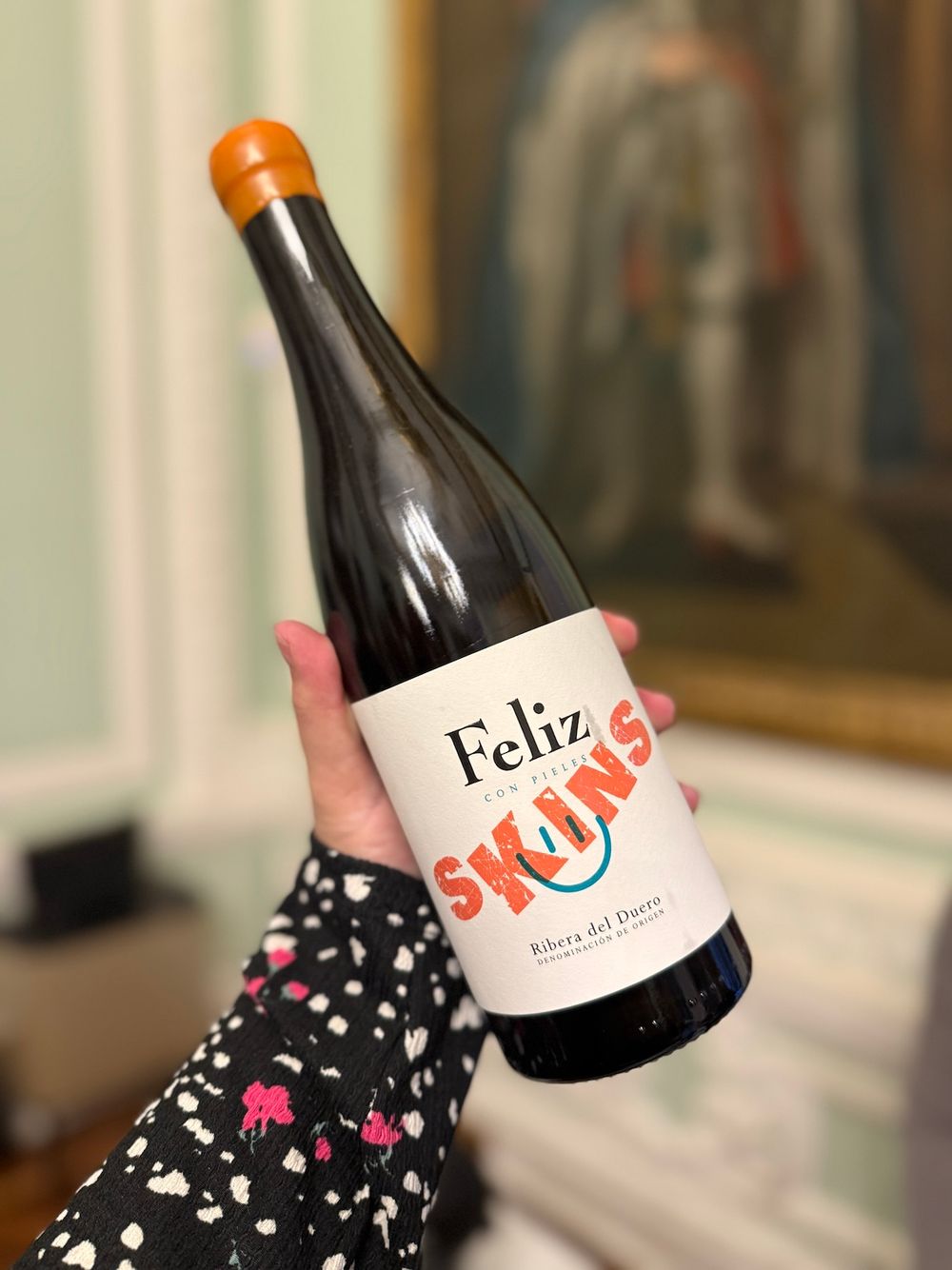
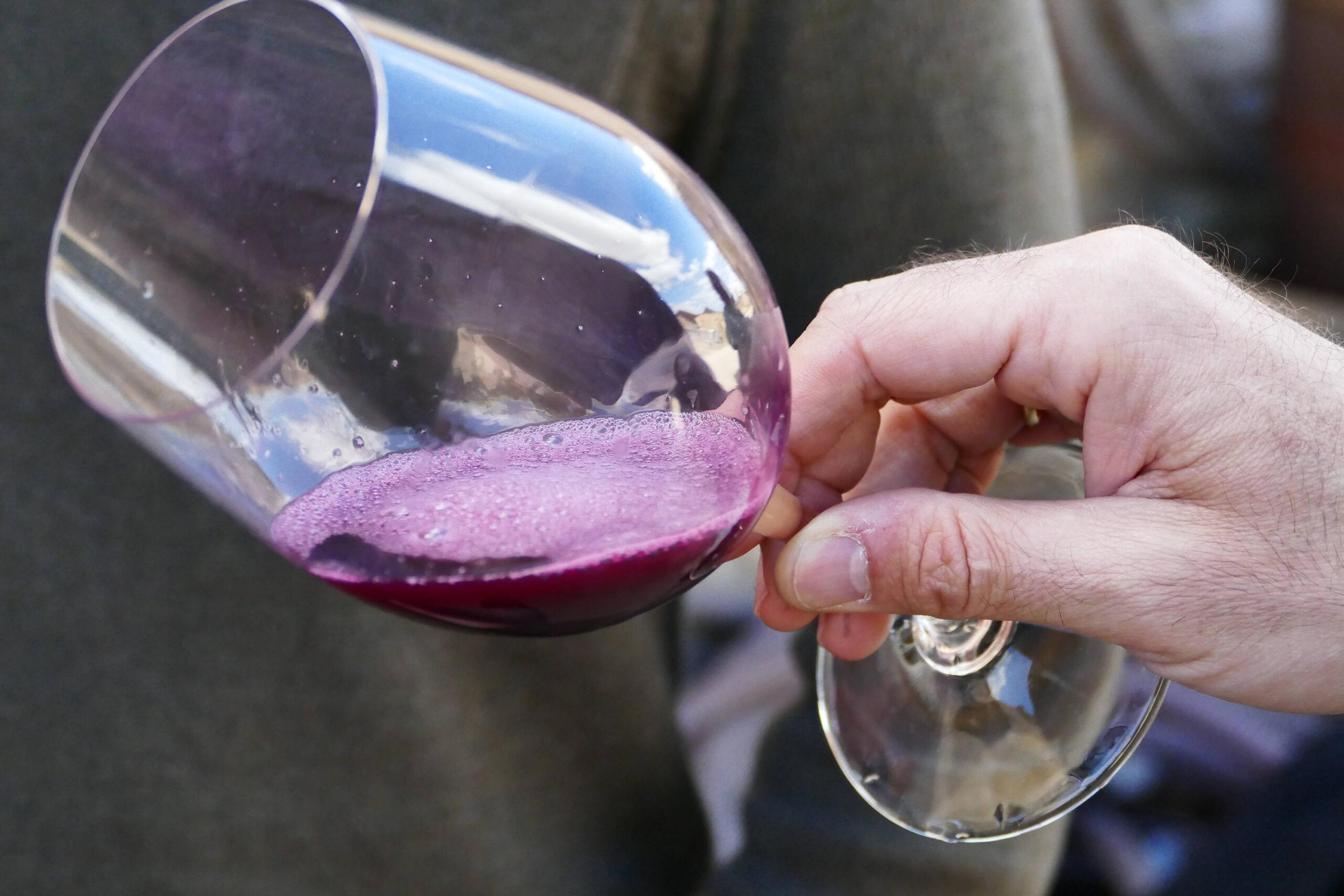
Some Ribera del Duero producers are experimenting with extended skin contact
Over lunch we discussed how entwined in this flexibility is a reduced reliance on traditional oak ageing labels. While Crianza, Reserva and Gran Reserva styles exist in the region, many producers simply label their wines as 'Cosecha' (vintage), as the traditional terms are increasingly seen as old-fashioned, particularly amongst younger Spanish consumers. Atkin notes a further shift towards quality and terroir over oak ageing, commenting on pago (vineyard) names appearing more frequently on labels.
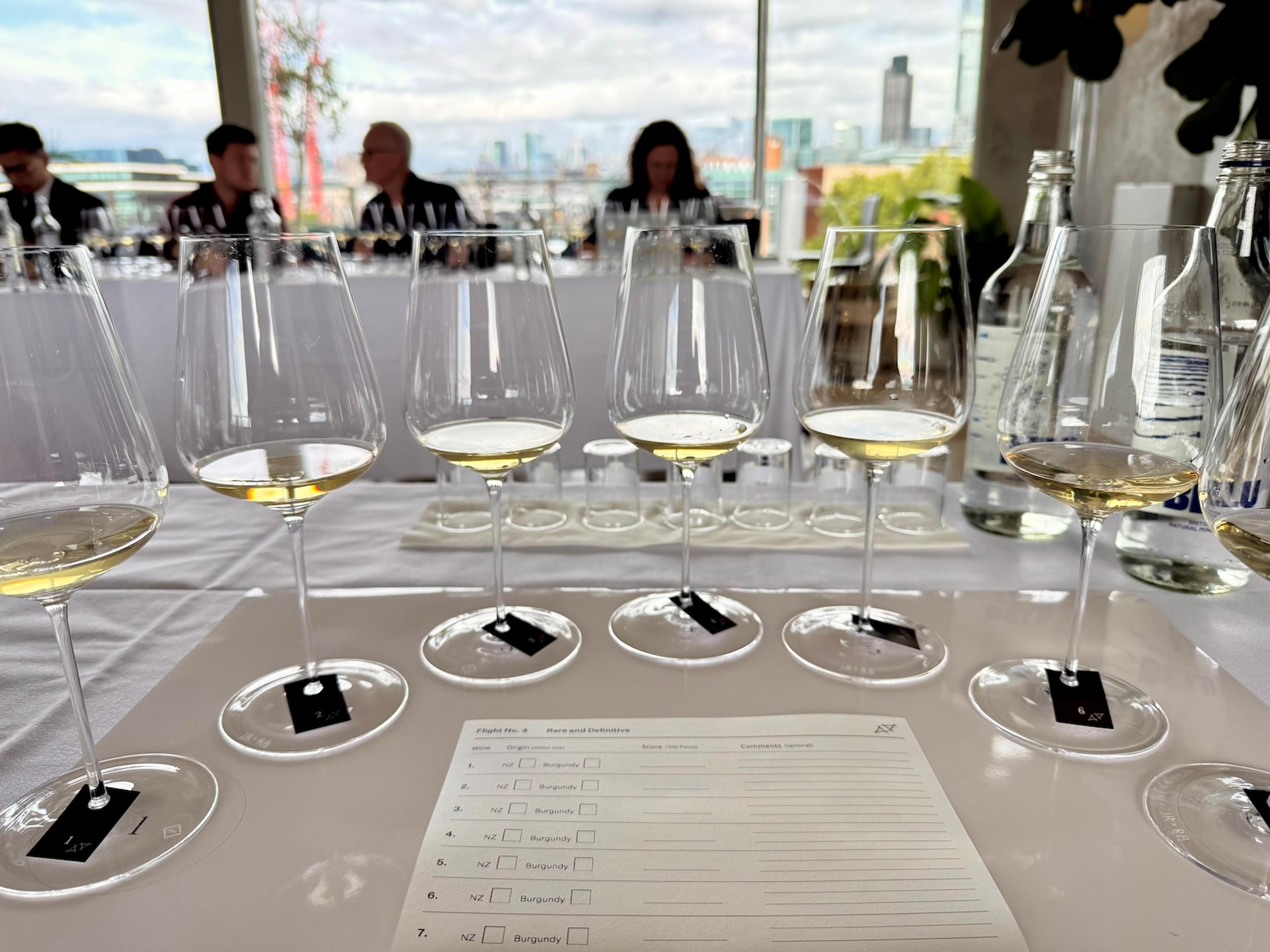
So how were the new wines showing? (all scores from Tim Atkin MW report)
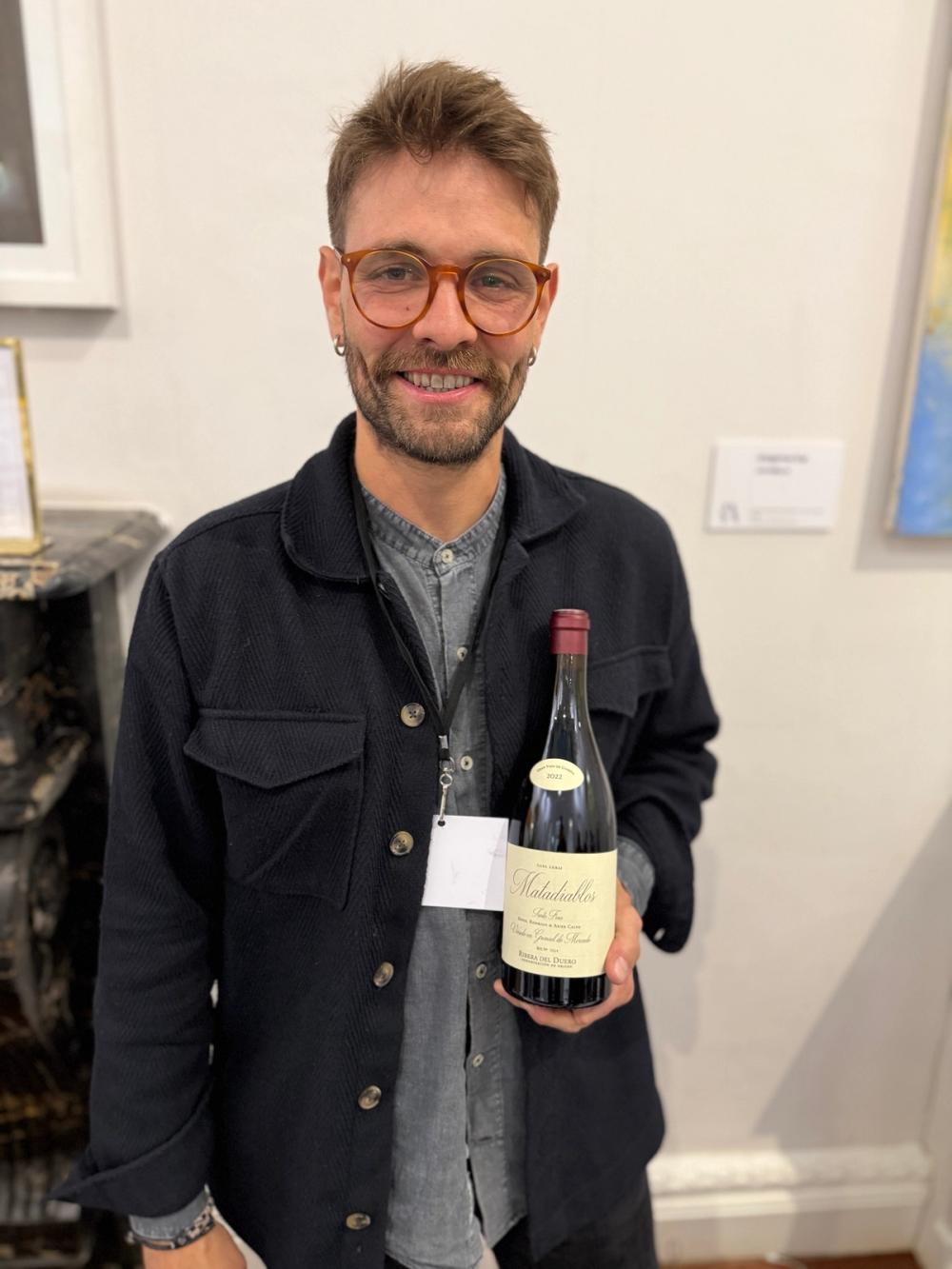
Matadiablos, Casa Lebai, 2022 (Score 98) is a great example of this new direction. Made by two brothers from a vineyard at 900m on the paramo (moorland) and foot-trodden in lagares (traditional troughs), this is a concentrated but elegant Tinto Fino with savoury dark berries and fine tannins, labelled as a Cosecha.
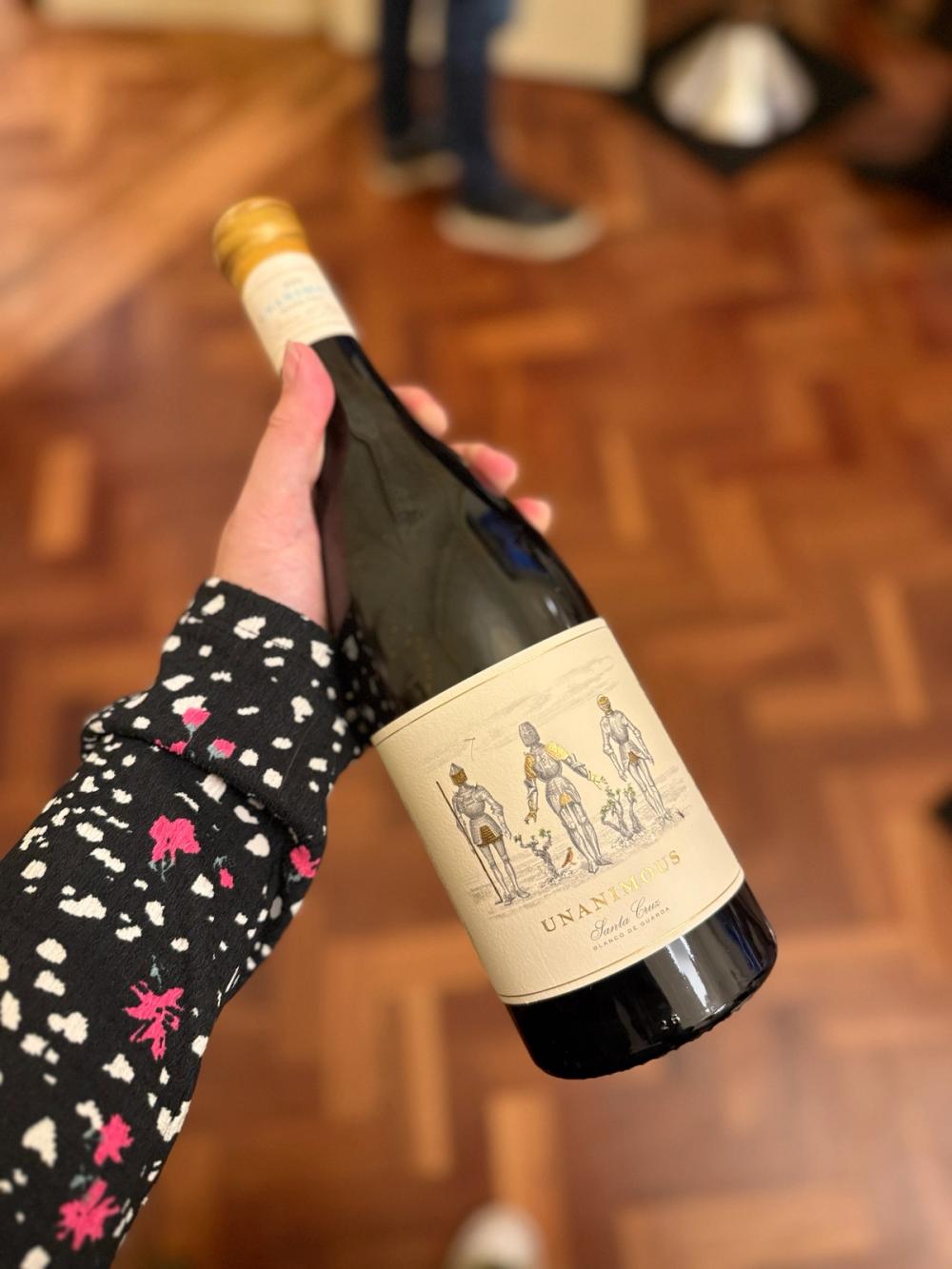
White wines, usually made from Albillo Mayor, are still a small proportion of production, but those in the selection are deserving of their place. Albillo has a natural affinity with oak, with good examples also showing some minerality.
Unanimous Santa Cruz, Trespiedras, 2022 (Score 95) is a complex Albillo Mayor which balances subtle oak and citrus and tropical notes; Albillo Mayor, Dominio del Pidio, 2024 (Score 94) shows more mineral, floral and apricot notes alongside the oak. Lagar Blanc, Cuarto Lagar, 2022 (Score 95) is foot-trodden and aged in a mixture of woods including acacia, American, French and Hungarian oak. Albillo Mayor, Dominio Del Soto, 2024 (Score 93) has had lees ageing in stainless steel and shows a saline edge, while some producers are even experimenting with skin contact, like Feliz Skins con Pieles, Feliz Compania Vinicola 2021 (Score 92).
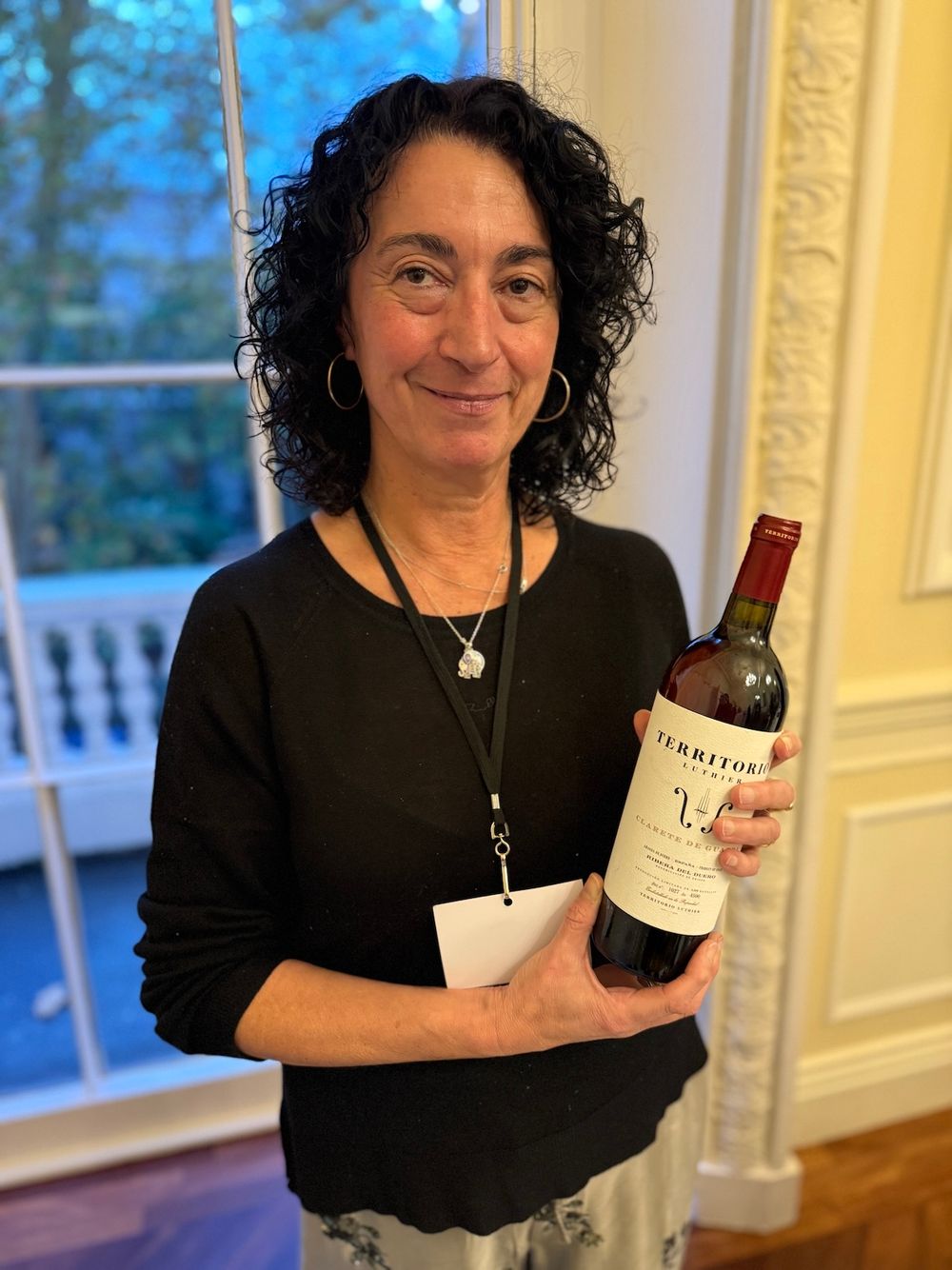
Clarete, a traditional style of rosé made from co-planted and co-fermented red and white grapes, is experiencing a revival. Atkin is championing these wines and included two in his Top 100 this year. Clarete de Guarda, Bodegas Territorio Luthier, 2020 (Score 96) from winemaker Fernando Ortiz, who Atkin describes as “obsessed with clarete,” comes from very old vineyards in Aranda. A field blend of Tempranillo, Garnacha, Bobal, Albillo Mayor and some unknown varieties, it is creamy with layers of red fruits and spice. A powerful and complex rosé with the ability to age.
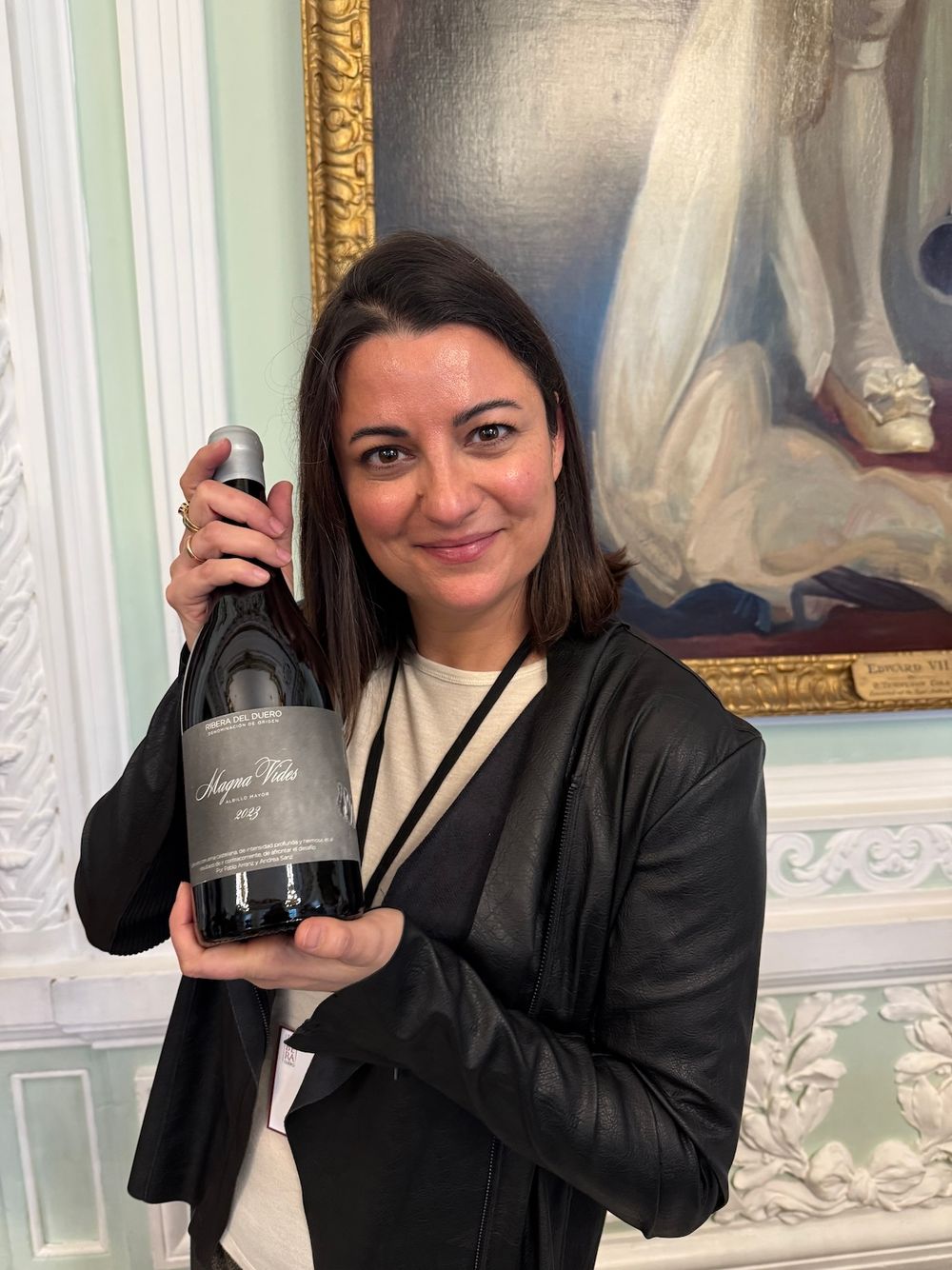
Exciting wines: Andrea Sanz at Magna Vides
Atkin gives credit to the number of young winemakers in the region, such as those at Cuarto Lagar, Casa Lebai, and Magna Vides, and their collaborative spirit, for driving this new wave of wines in the region. He comments that this newer generation has often travelled to make wine in other regions and demonstrates a keenness to taste with and learn from their contemporaries.
Winemaker Andrea Sanz at Magna Vides produces a number of exciting fresh wines, including Vera Vides 2024 (Score 92) a light, juicy, fresh red field blend made with carbonic maceration; Bancales del Sardal 2023 (Score 98) from Tempranillo co-fermented with 25% Albillo Mayor for freshness; and Albillo Mayor 2023 (Score 95) matured in large, lightly toasted barrels for structure.
Winemakers across the region are producing a new wave of lighter, fresher reds. Many are experimenting with different fermentation and maturation vessels, and emphasising altitude, freshness and earlier picking. Atkin’s Discovery of the Year, Parcela Casablanca, Bodegas Arrocal, 2023 (Score 97) is from the same family as Casa Lebai, from vineyards at 890m. Aged in old barrels with picking and maceration carefully managed for lower alcohol and increased freshness, it retains the characteristic red and black fruit and spice profile of Tempranillo.
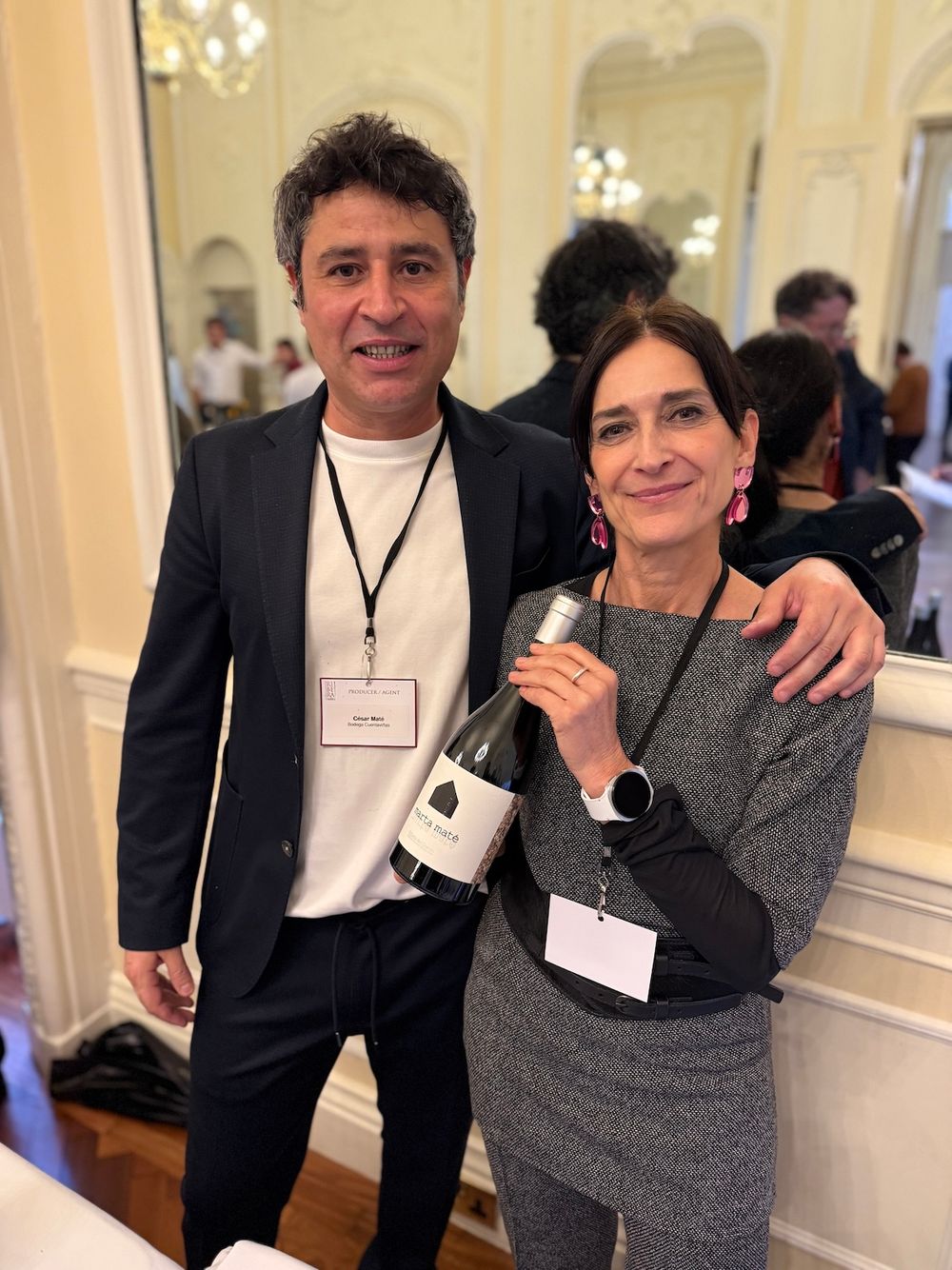
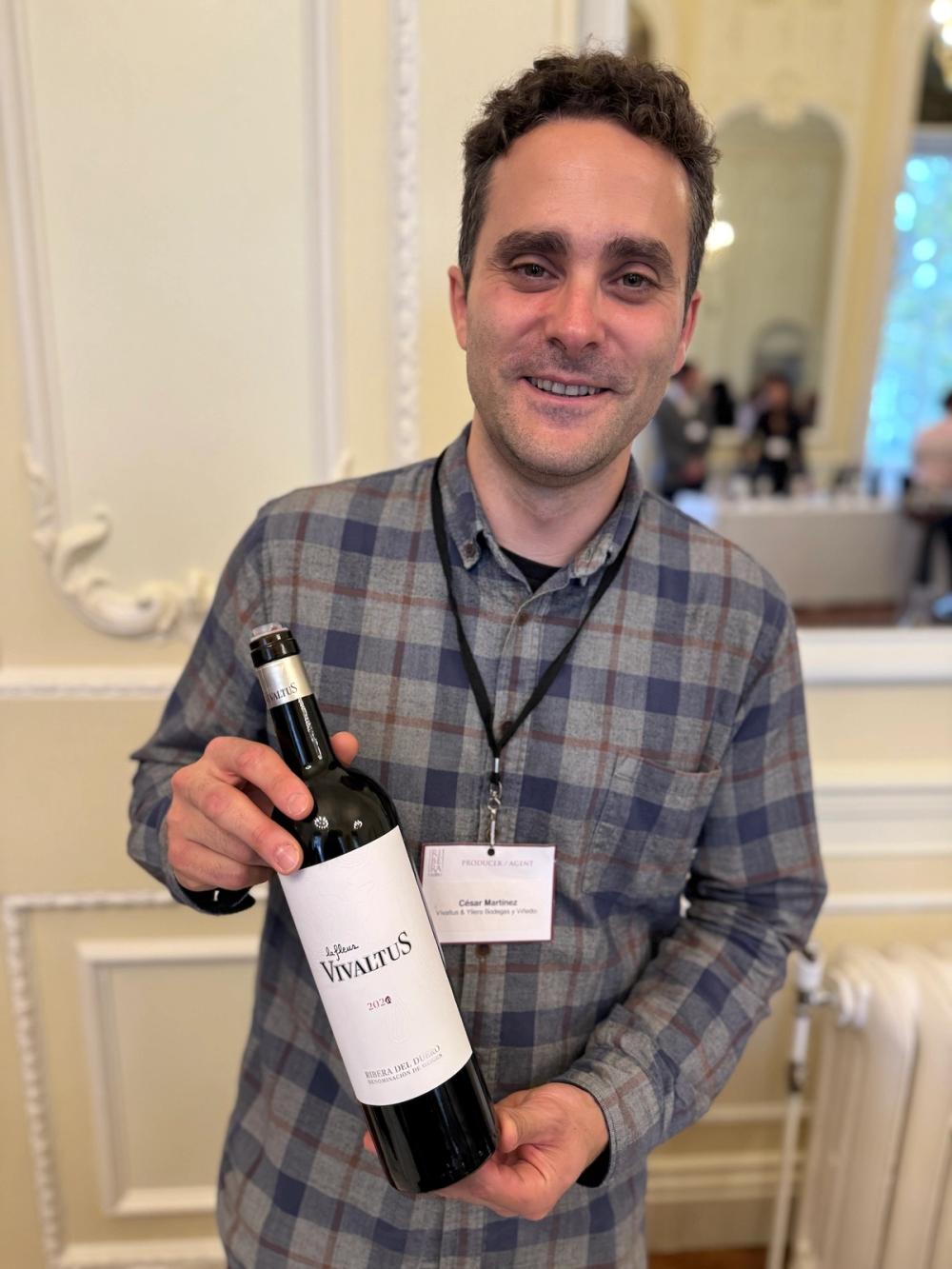
Other notable examples include Tinto, Milsetentayseis, 2022 (Score 96) an elegant fresh red named for the 1,076m altitude it is made at, with microvinifications aged in oak, clay amphorae and concrete; Marta Maté, Bodegas Marta Maté, 2023 (Score 95) a Tempranillo from very old organic vineyards, fermented in concrete tanks and aged in large barrels, showing spiced dark fruit and grippy tannins but subtle oak; Abrí las alas – Nogal de la Valera, Valdemonjas, 2023 (Score 95), a single-vineyard Tempranillo from vines over 75 years old, with intense berry fruit; and Vivaltus, Vivaltus, 2021 (Score 99), a project with oenologist Jean-Claude Berrouet of Château Pétrus fame, where an assemblage concept is used to blend fruit from villages across the appellation for complexity and body, before ageing in only 15% new oak, with 10% amphorae for freshness.
The ability of Ribera del Duero to embrace innovation, while also respecting the traditional styles on which its reputation was built, positions the region well for the future. Atkin comments, “I strongly believe that the best is yet to come.”