
Romagna may be best known for its stunning towns like Ravenna, where eight of its monuments are UNESCO world heritage sites, Rimini, with its ancient Roman arch and bridge, and Ferrara, with its UNESCO-listed historic Renaissance centre, but head into the hills and vinous treats await you. For Sangiovese lovers, in particular, there are many outstanding examples of the varietal, with these being more approachable earlier on than most of their Tuscan or Montalcino counterparts.
The region’s indigenous white grape, Albana di Romagna, was the first in Italy of that colour to be elevated to DOCG status, in 1987. Romagna also has five DOCs – Romagna DOC; Colli di Faenza DOC; Colli d’Imola DOC; Colli Romagna Centrale DOC; and Rimini DOC – as well as four PGIs. In all, there are 107 producers and eight co-operatives.
It is the best Sangiovese, though, that has underpinned the continual rise of Romagna’s burgeoning reputation as a region for top quality wine. Not the unexciting generic Sangiovese di Romagna on flat vineyards south of the River Po, but the Sangiovese di Romagna ‘Sottozone’ (sub-zones). There are 16 of these sub-zones, with some of the best-known being Bertinoro, Brisighella, Castrocaro, Imola, Marzeno, Modigliano and Predappio.
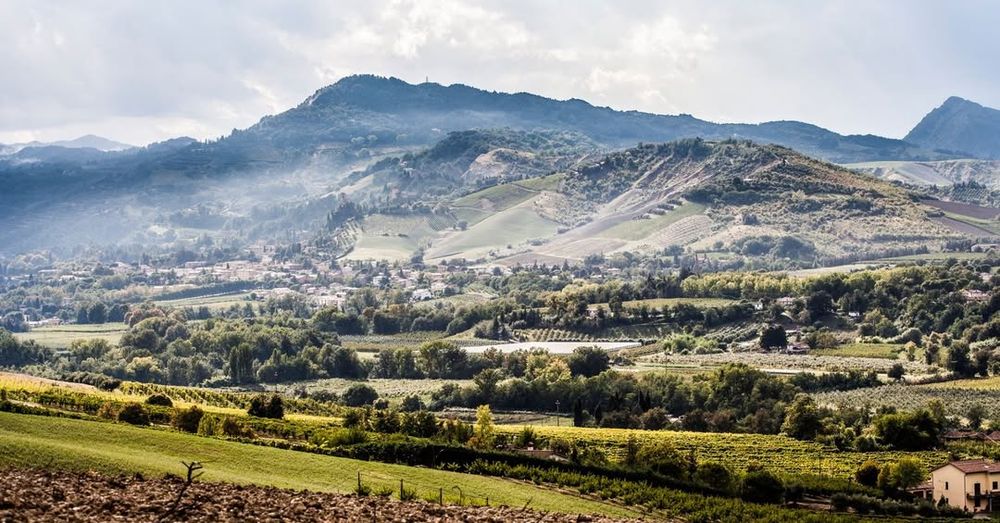
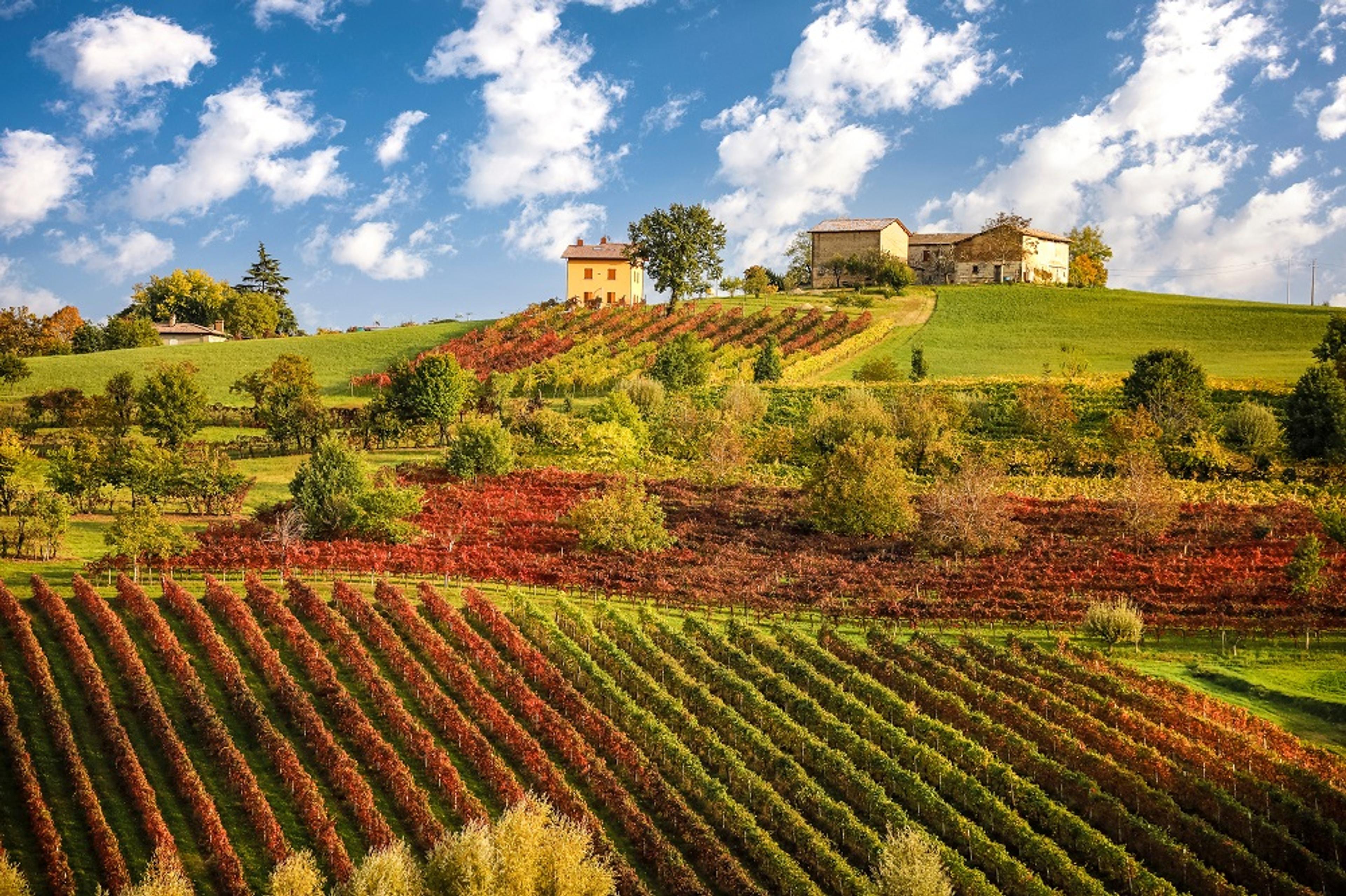
Vinous treats await in the hills of Romagna
Modigliana - source of the Tiber
One of the sub-zones, Modigliana, used to be part of Tuscany until 1923 when Mussolini changed the provincial borders so that Modigliana was in his home province of Romagna, and with it the source of the Tiber which he regarded as sacred. The bulk of producers within the sub-zones use Sangiovese clones of Romagnan origin which, tellingly, proved to be some of the best when Chianti Classico viticulturists conducted quality analyses.
One Modigliana winemaker, Renzo Morresi of La Casetta dei Frati, believes his sub-zone’s wines are a match for any other Italian Sangioveses.
“Modigliana's are possibly as long lived as the best Tuscan and Montalcino Sangiovese wines,” he told me when I visited his winery. “However, we believe that those of Modigliana have little to envy Tuscan and Montalcino examples in terms of originality. Our wines are certainly recognisable for their elegance, minerality and spicy character. We believe they are surprisingly fresh, and therefore modern, although their longevity and authenticity are undeniable.”
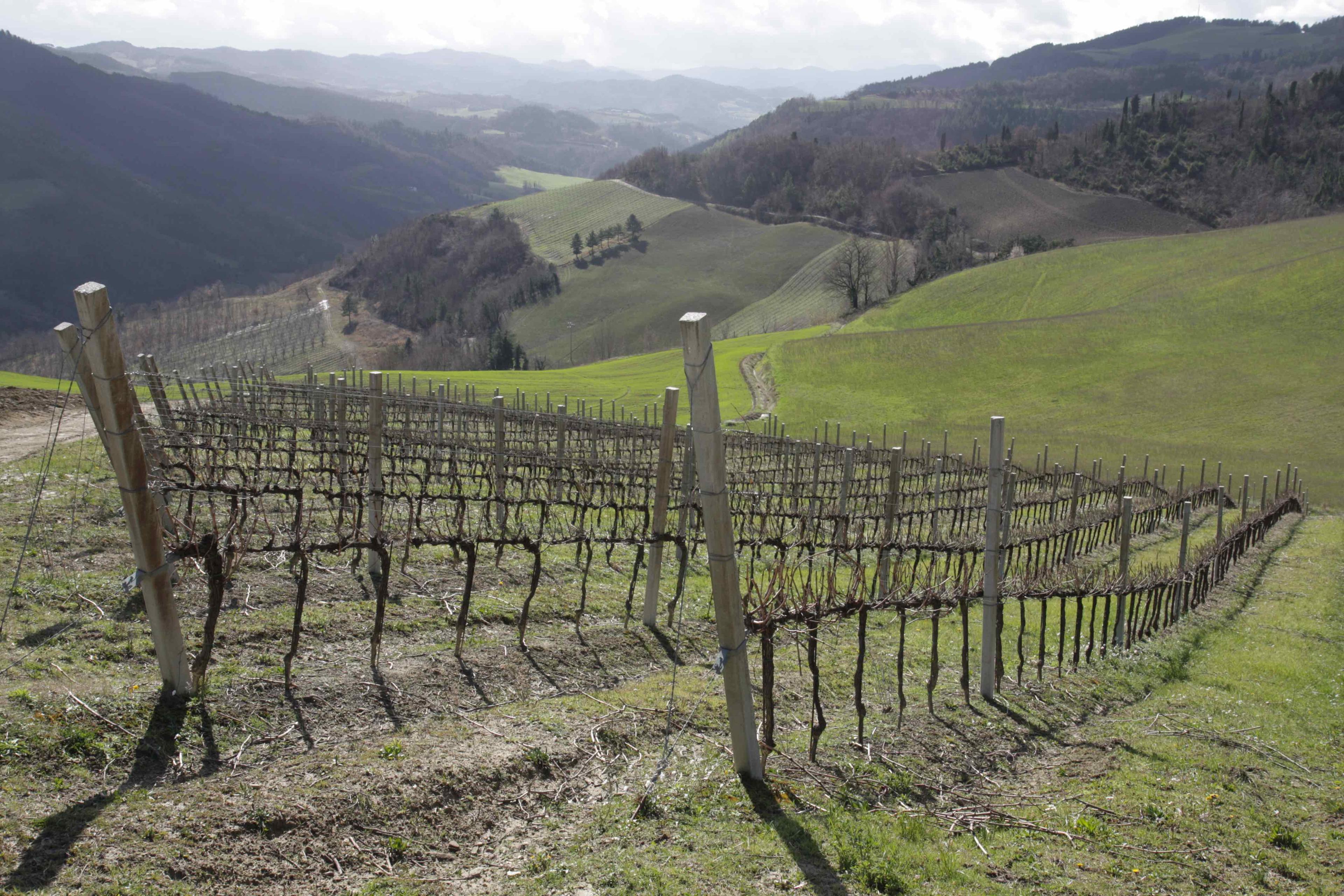
Modigliana’s terroir is the key. Its high-altitude vineyards in the Apennines of between 450-570 metres ensure a wide diurnal range, and with it good acid retention in the grapes. Poor marl and sandstone soils are ideal for these Sangiovese vines, which produce elegant, fresh, and long-lived wines with complex balsamic and woody aromas. Dense surrounding forests not only protect the vines but also help produce blueberry, mushroom and forest floor notes on the palate. The region of Modigliana is divided into three valleys – Ibola, Tramazzo, and Acereta – each with unique soil and altitude, producing distinct mineral styles of Sangiovese.
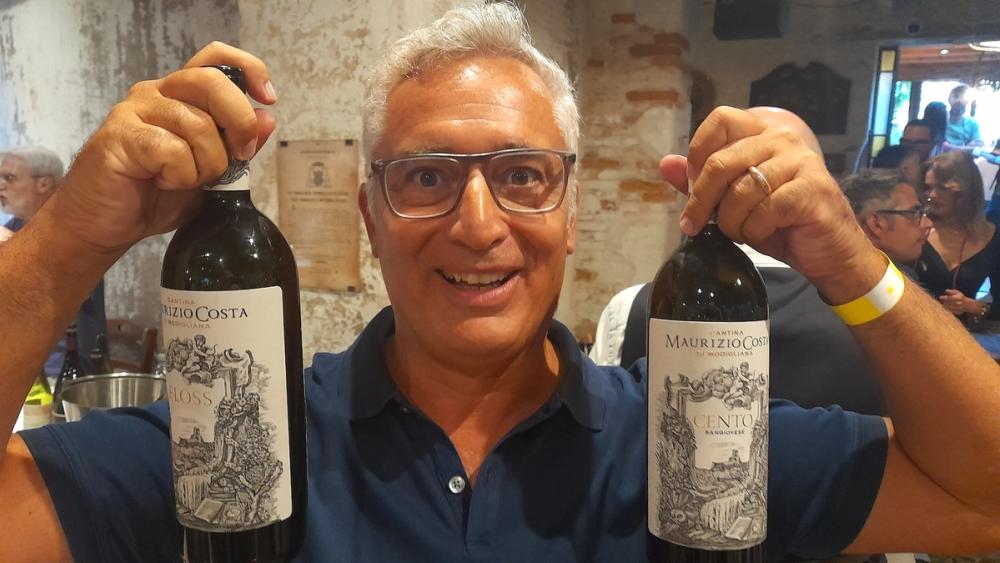
Angelo Costa
Moreover, there are some very old vines in Modigliana. Cantina Maurizio Costa’s super-premium Cento 2020 flagship is made from a hectare of Sangiovese vines at 300 metres that are over 100 years old. The same winery’s excellent Cabernet Franc ‘Floss’ 2020 label likewise shows how well the variety can flourish in Modigliana.
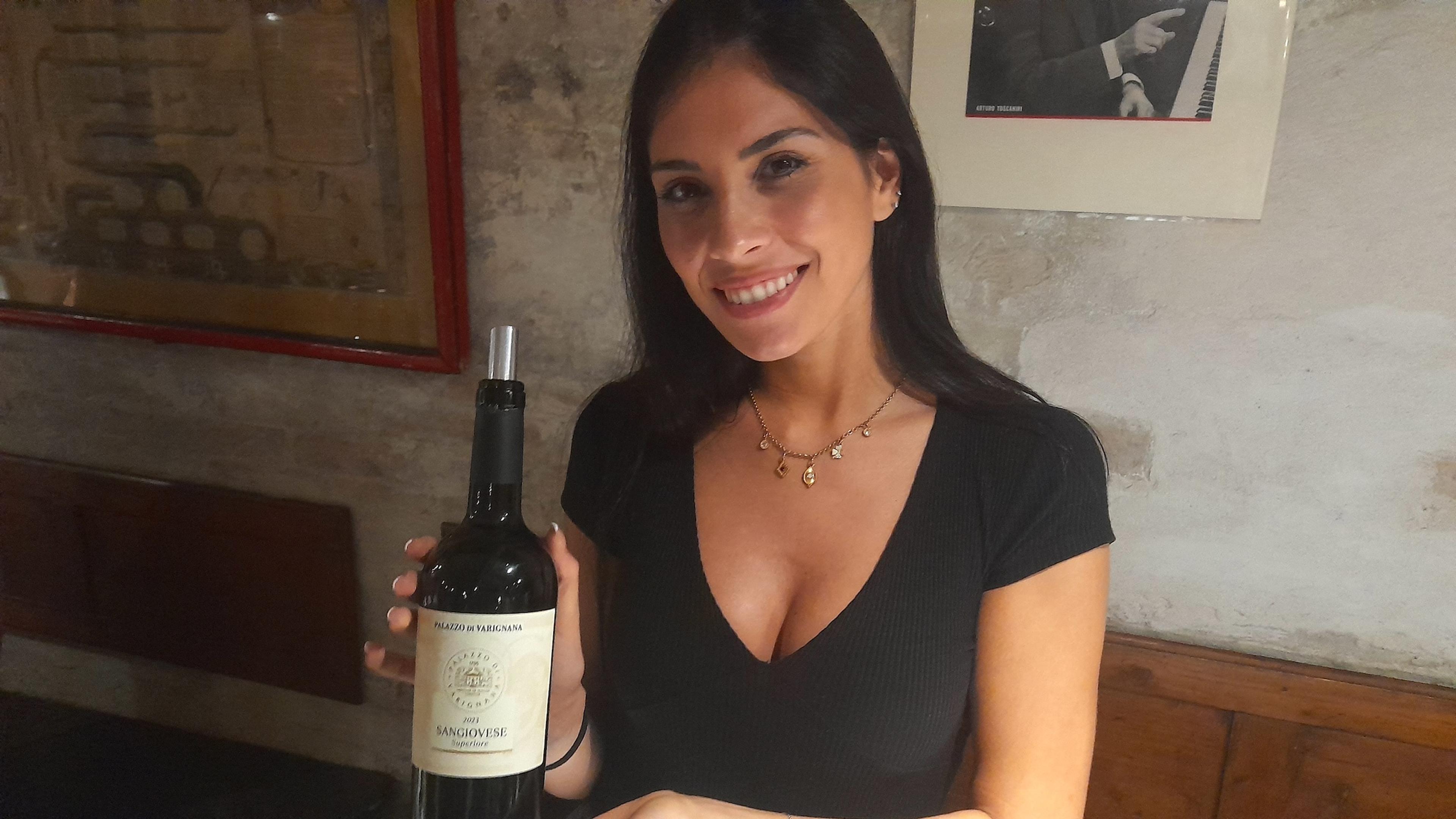
Other producers’ Sangiovese to impress included Palazzo di Varignana (Imola sub-zone), Poderi dal Nespoli (Predappio), Fattoria Zerbina (Marzeno), Tenute Tozzi (Brisighella), Villa Papiano (Modigliana) and Tenuta Casali (Mercato Saraceno).
Notable white wines of Romagna
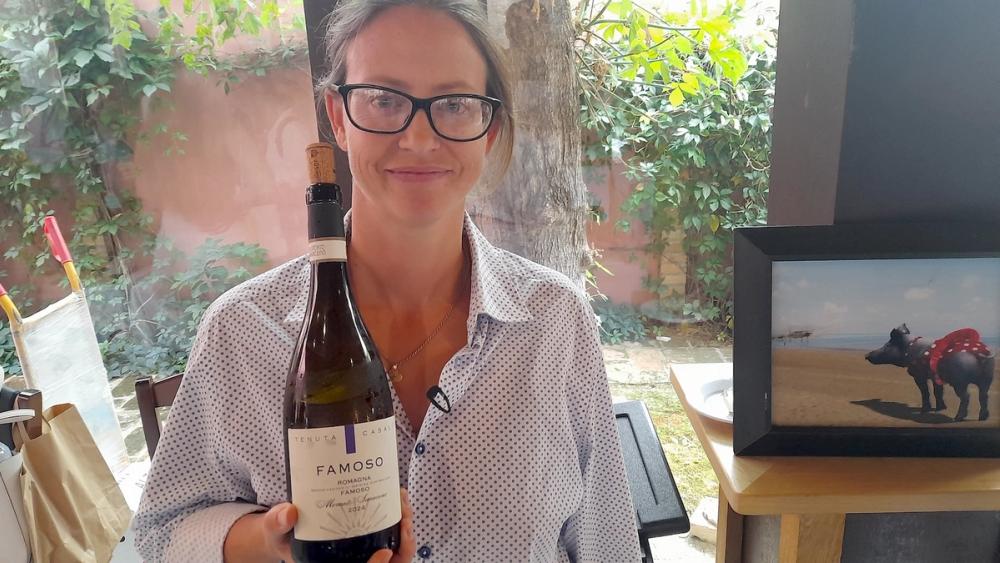
Silvia Casali
The winemaker of Tenuta Casali, Silvia Casali, revealed her labels are imported into the UK by Stone Vine & Sun. Her range includes the Romagna DOC Mercato Saraceno Famoso 2024, made from the white grape Famoso that, despite being mentioned in 15th century tax documents (when also known as Rambela), was almost extinct when only two rows of it were left by 2000.
Local producers, liking its sweet floral and exotic fruit aromas as well as its bright acidity, clubbed together to save it and were rewarded when it became an official Italian grape variety in 2009.
“Famoso is wonderful news for the region,” winemaker Massimo Randi declared, “because my clients around the world, who buy my reds, ask for something different to Trebbiano. They want a new white wine.”
While Romagna Trebbiano DOC is the most commonly produced white wine in the region (with 14,297 hectares under vine in 2024), Albana (with 768h) is the grape that is Romagna’s point of difference. The best examples of it come from a hilly area known as the Spungone Romagnolo, where calcareous clay-rich soils with marine fossils are found.
Producers whose 2024 vintage impressed included Branchini (Imola sub-zone), Caviro (Faenza), Fiorentini (Castrocaro), Giovanna Madonia (Bertinoro), Giovannini Giorgio e Jacopo (Imola), Podere La Grotta (Cesena), Tenuta Uccellina (Brisighella) and Tre Monti (Serra).
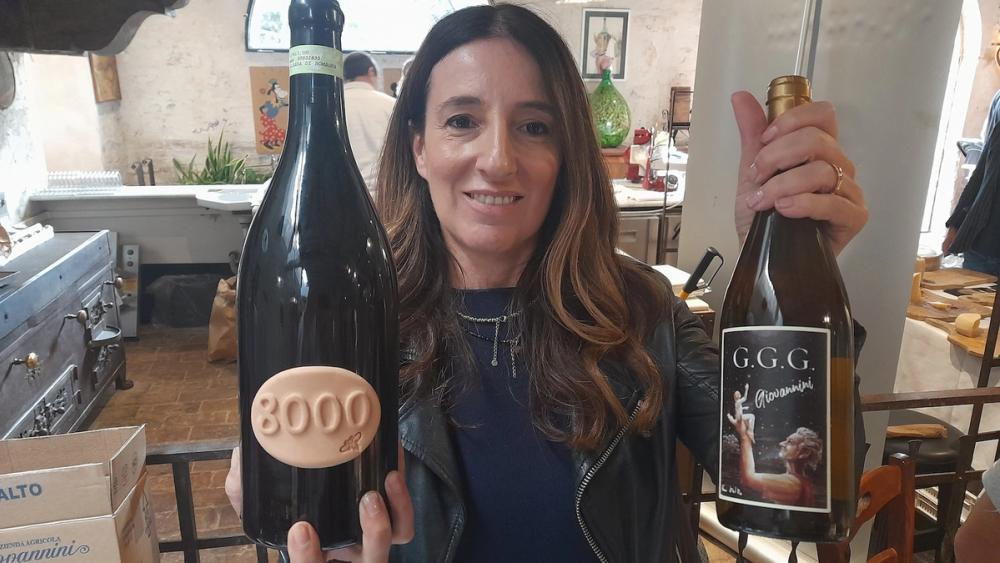
Magdalena Giovannini
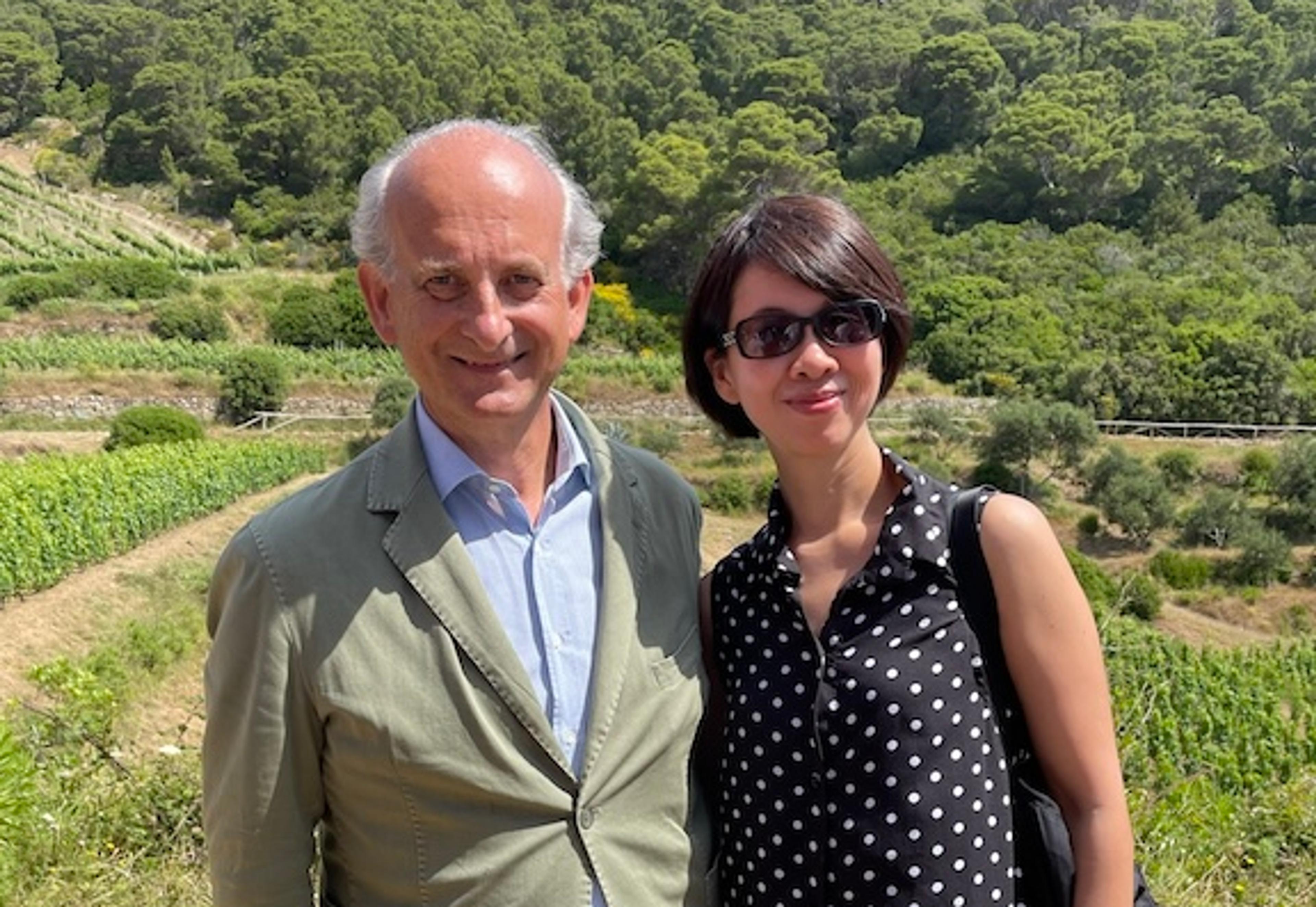
An orange wine from Albana, left on the skins for 20 days and aged in amphorae for nine months, is made by the Giovannini Giorgio e Jacopo winery in Imola. “We named it ‘8000’ as the first amphorae for wine was used 8000 years ago,” says Magdalena Giovannini, wife of Jacopo.
Apart from zippy acidity, aromatic intensity is a notable feature of Albana, with white flowers, pear and herbal notes apparent on the nose. Although the climate is continental, cooling breezes from the Adriatic mitigate the daytime heat. On the palate, light citrus notes are evident along with an almond, slightly bitter finish. Apart from dry (Secco) examples, sweet (Dolce) and straw (Passito) wines are made from the grape, underlining its versatility in the region.
Raffaella Bissoni
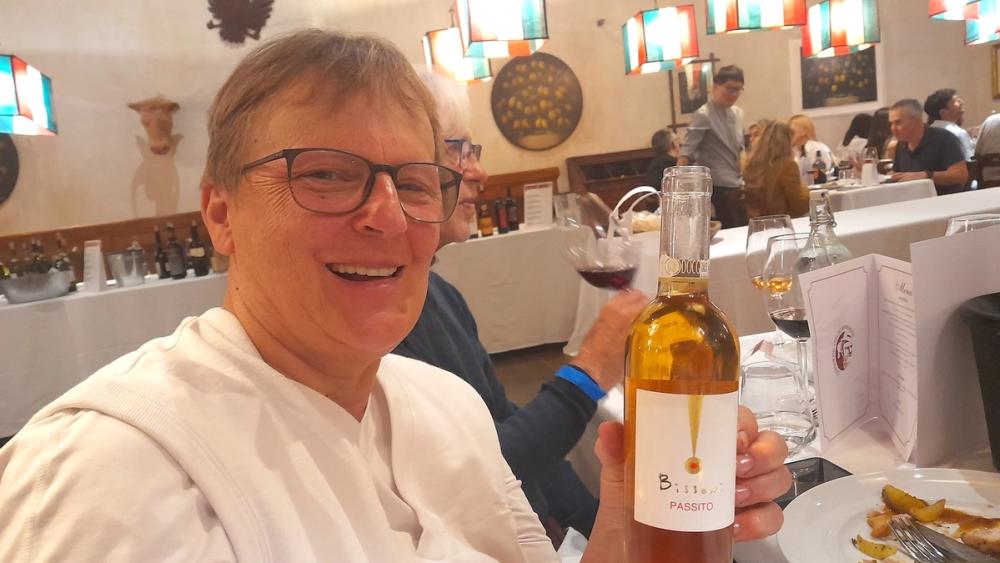
One Romagna Albana DOCG Passito that caught the eye was Raffaella Bissoni 2023. Made from botrytised fruit picked during seven ‘tris’ from 35-year old vines on a half-hectare plot in Bertinoro, this had 140g/l of residual sugar and an abv of 12.5%. Blessed with concentration and a long finish, its vibrant acidity ensured its concentrated quince notes were not cloying.
The last word, though, must go to Romagna’s Sangiovese. To distinguish it from Tuscan and Montalcino versions of the varietal, the Consorzio Vini di Romagna launched in 2022 the ‘Rocche di Romagna’ logo that appears on its Sangiovese Sottozone labels. It features the iconic mosaic art of the Mausoleum of Galla Placidia in Ravenna, the Rocche being fortresses that were built all over the region, remain symbolic of Romagna.
“The objective of the Rocche di Romagna brand,” said the Consorzio's president Roberto Monti, “is to increase knowledge of the multiple identities of Sangiovese in our area, and to stimulate curiosity in the production of the sub-zones, which are the ones with by far the strongest territorial imprint.”
Lead pic. Eleonora Mazza (sales specialist for Palazzo di Varignana)