Querciabella was founded by Giuseppe ‘Pepito’ Castiglioni in 1974 in Ruffoli, on the hillsides of Greve in Chianti. Founded at a time when Tuscany “wasn’t exactly famous for fine wines”, Pepito nevertheless had a vision: to make a wine he could proudly open alongside the greatest wines in his collection. It started well, with Camartina, a Super Tuscan blend, first made in 1981, and Batár, the original white Super Tuscan following in 1988, but even back then the family knew that they wanted to make site-specific wines.
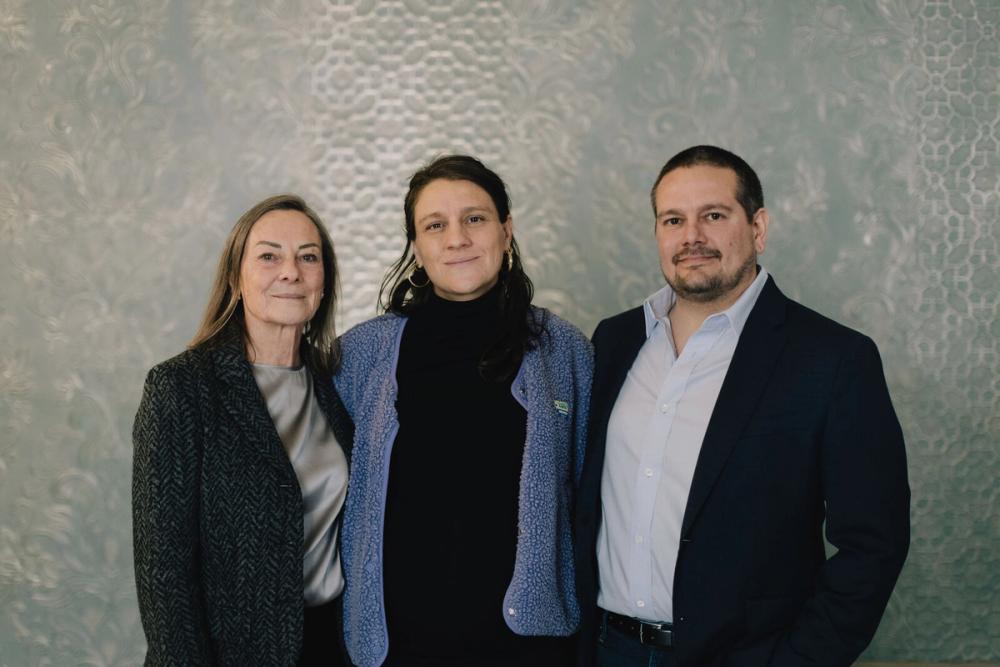
Mita Castiglioni (left) took over ownership of Querciabella in 2014 after her brother stepped down after 36 years
As early as 2007, and more seriously from 2010, Querciabella understood that the future of Chianti Classico lay in recognising the subtle differences between its many vineyards. The estate began creating small-parcel wines focussed on terroir long before the legal framework caught up. By the time Gran Selezione was introduced in 2014 (to much criticism), and UGAs (Unità Geografiche Aggiuntive – similar to crus) were officially recognised in 2021, Querciabella already had over a decade's worth of single-parcel wines hidden away.
The launch of the new Querciabella Gran Selezione wines
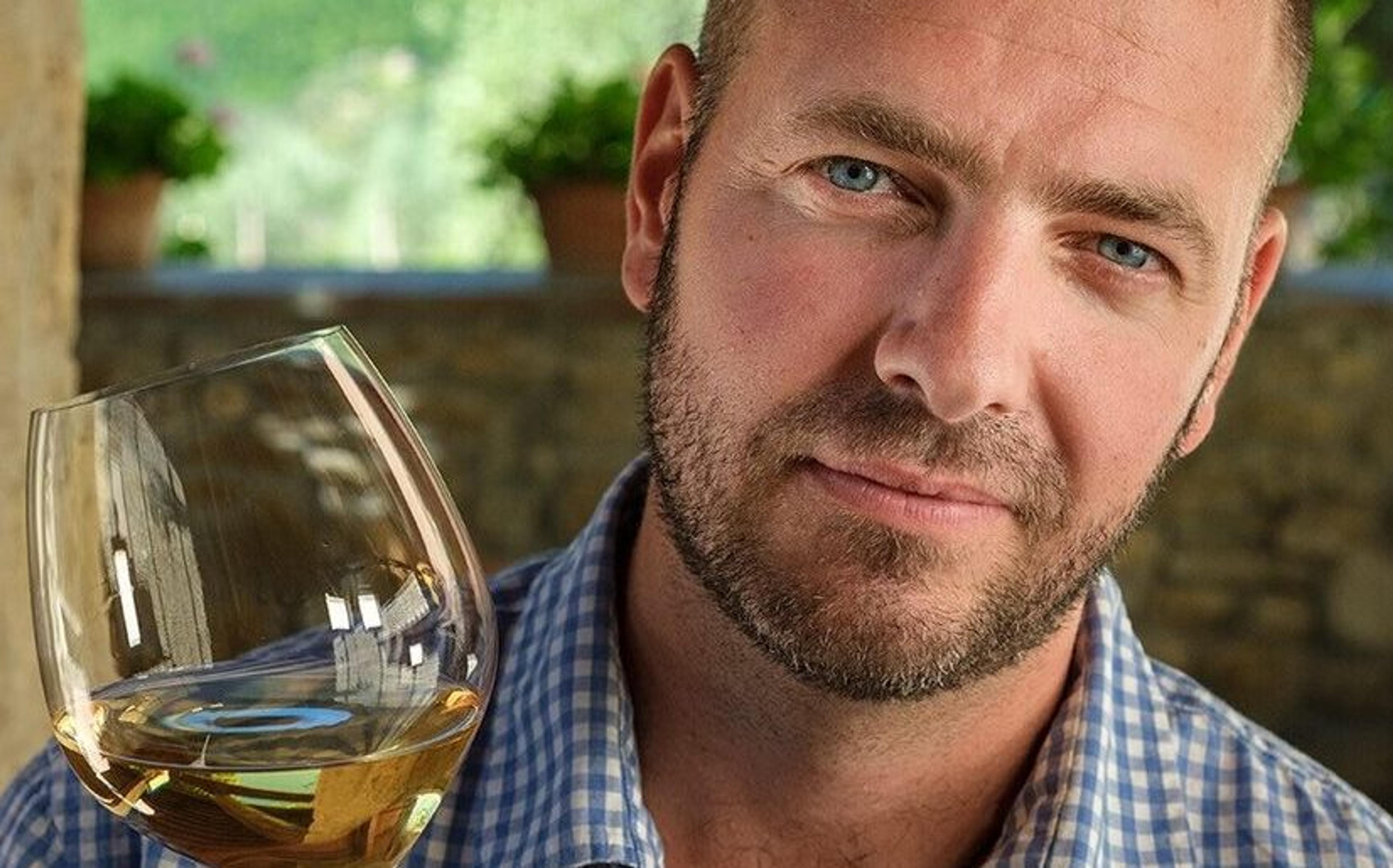
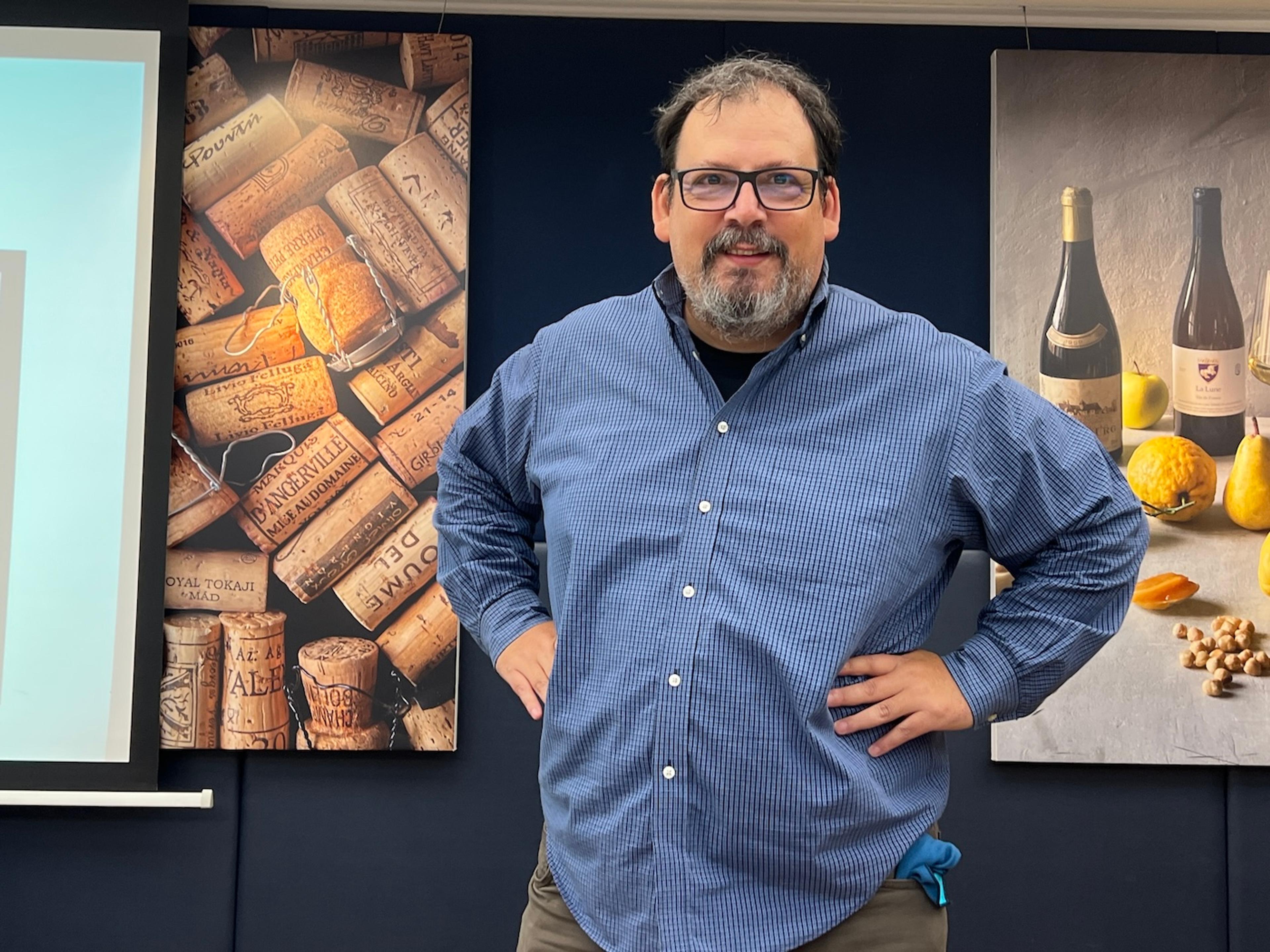
I travelled to Milan for the launch of Querciabella’s three Gran Selezione 2021 wines from distinct UGAs, marking the culmination of this long-term project. Over the course of the event, winemaker Manfred Ing talked us through the idea behind the wines, the history of the project and a tasting of the single origin wines from 2010, 2011 and 2016 as well as the new 2021 releases. “The idea,” he says, “is to show you where we began, the journey we’re on and the future we’re moving towards.”
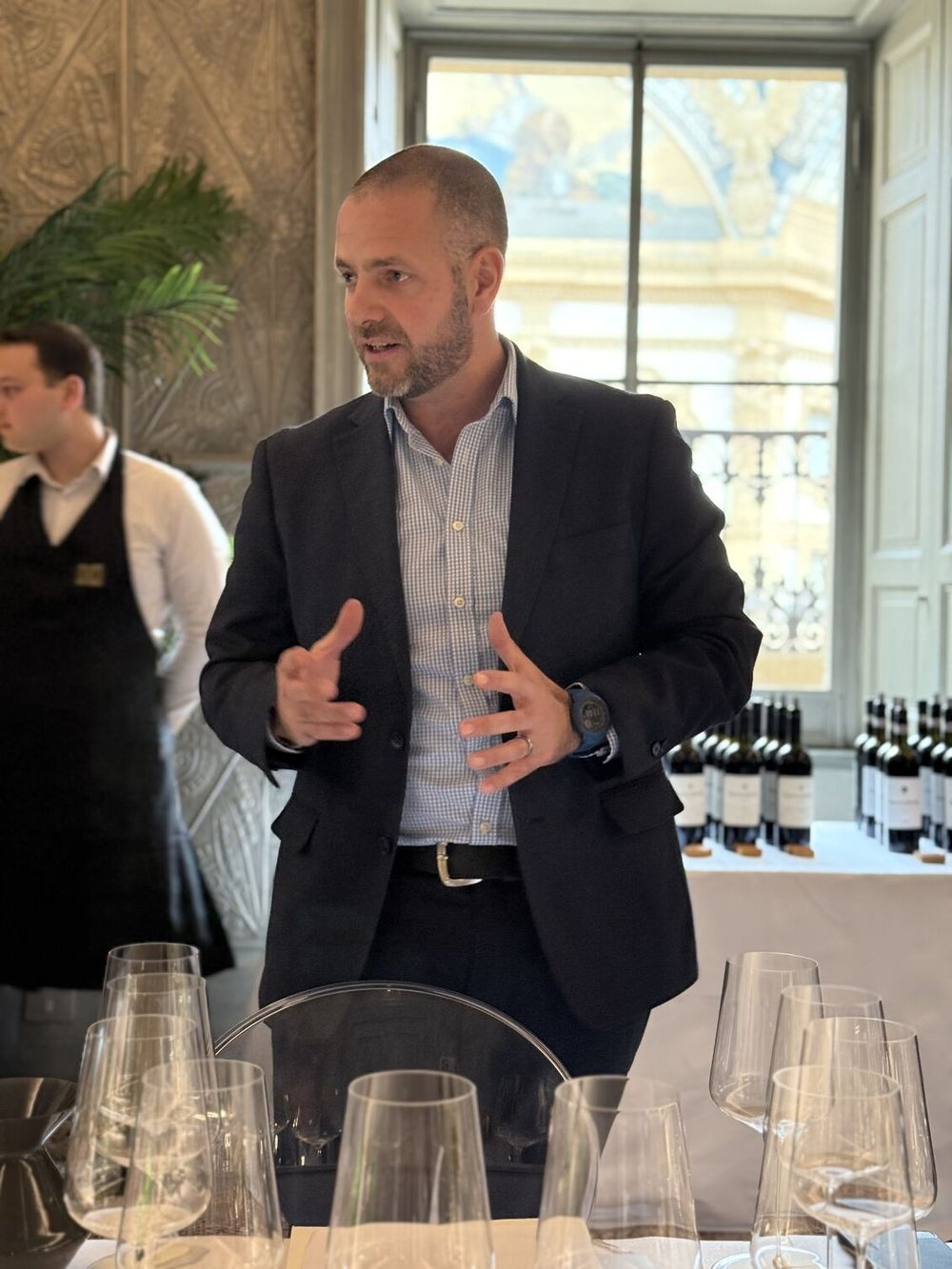
“Sangiovese is the truest chameleon of terroir – how the Sangiovese grows and how the Sangiovese speaks is something incredibly special." Manfred Ing, Querciabella winemaker
Ing, South African by birth and Italian by blood, has been the winemaker at Querciabella since 2010. He pays credit to Pepito’s son Sebastiano Cossia Castiglioni, who took over the estate in 2000 and was fundamental in expanding the vineyard sites. Since 2024, Sebastiano’s sister Mita Castiglioni has been heading up the company together with her children Andrea and Selene who are embracing the family legacy whilst looking to the future with projects such as this one.
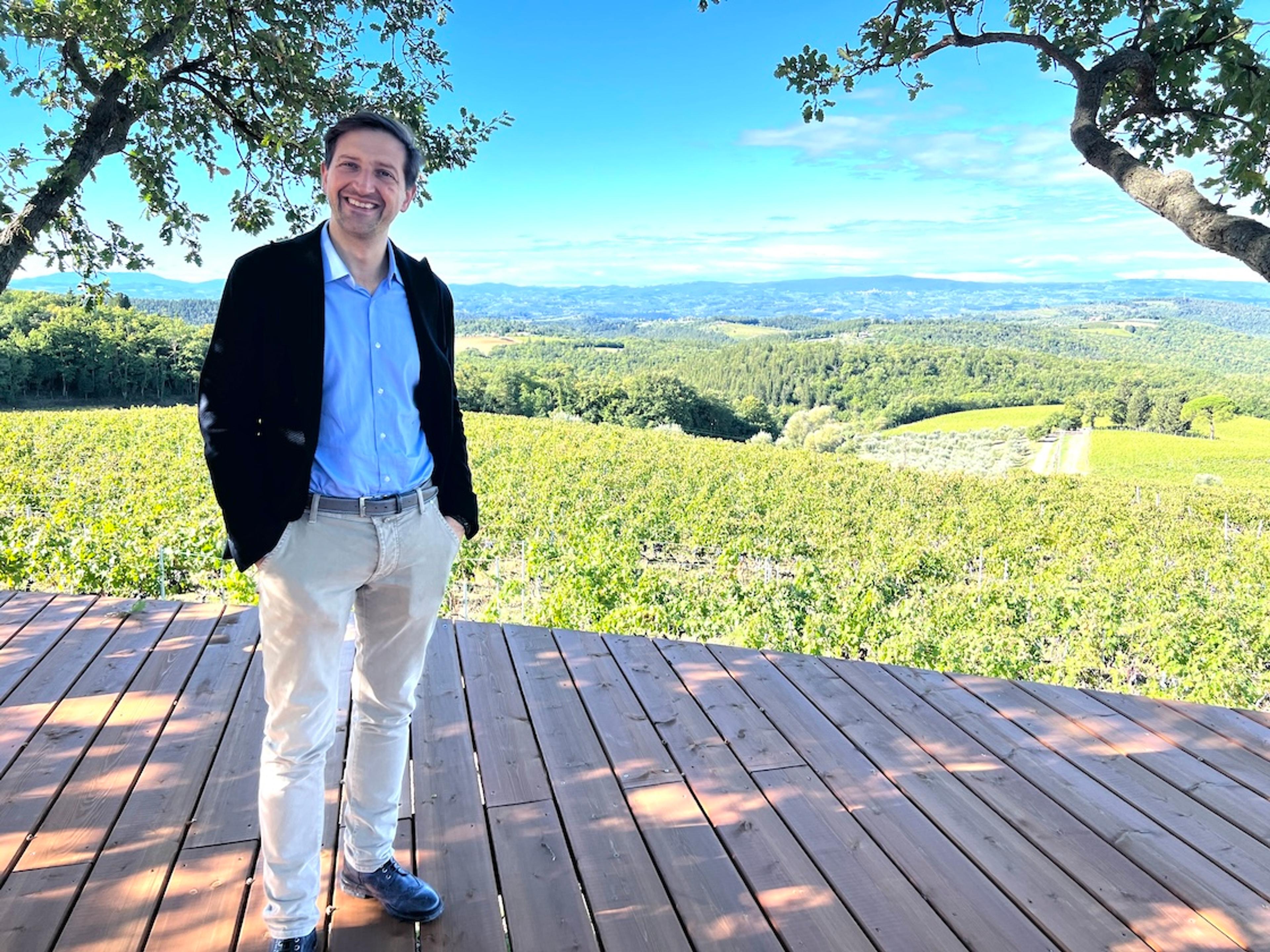
Querciabella now has around 100 hectares of vines in total, 50 in Chianti Classico, and 50 in Maremma. Ing sees Querciabella’s uniqueness in Chianti Classico in its vineyards across three different sites – Greve, Radda, and Lamole. “At Querciabella being in three different villages in the Chianti Classico is our way of adding layers of complexity thanks to how the Sangiovese is growing,” Ing tells us.
The single origin project began in earnest in 2010, creating micro-vinifications from small parcels of fruit across its sites in the Chianti Classico region, and following their evolution from grape to end of maturation.
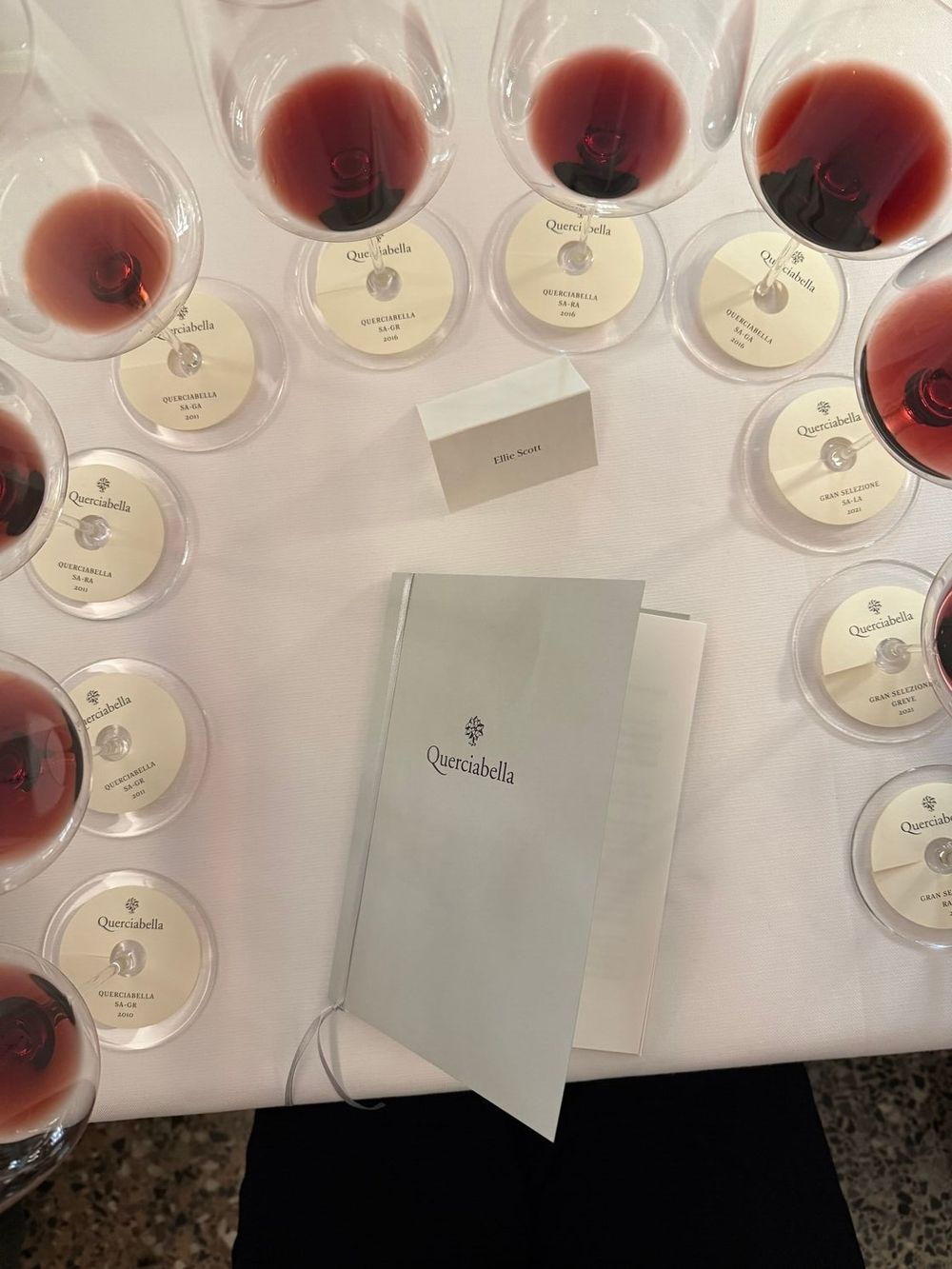
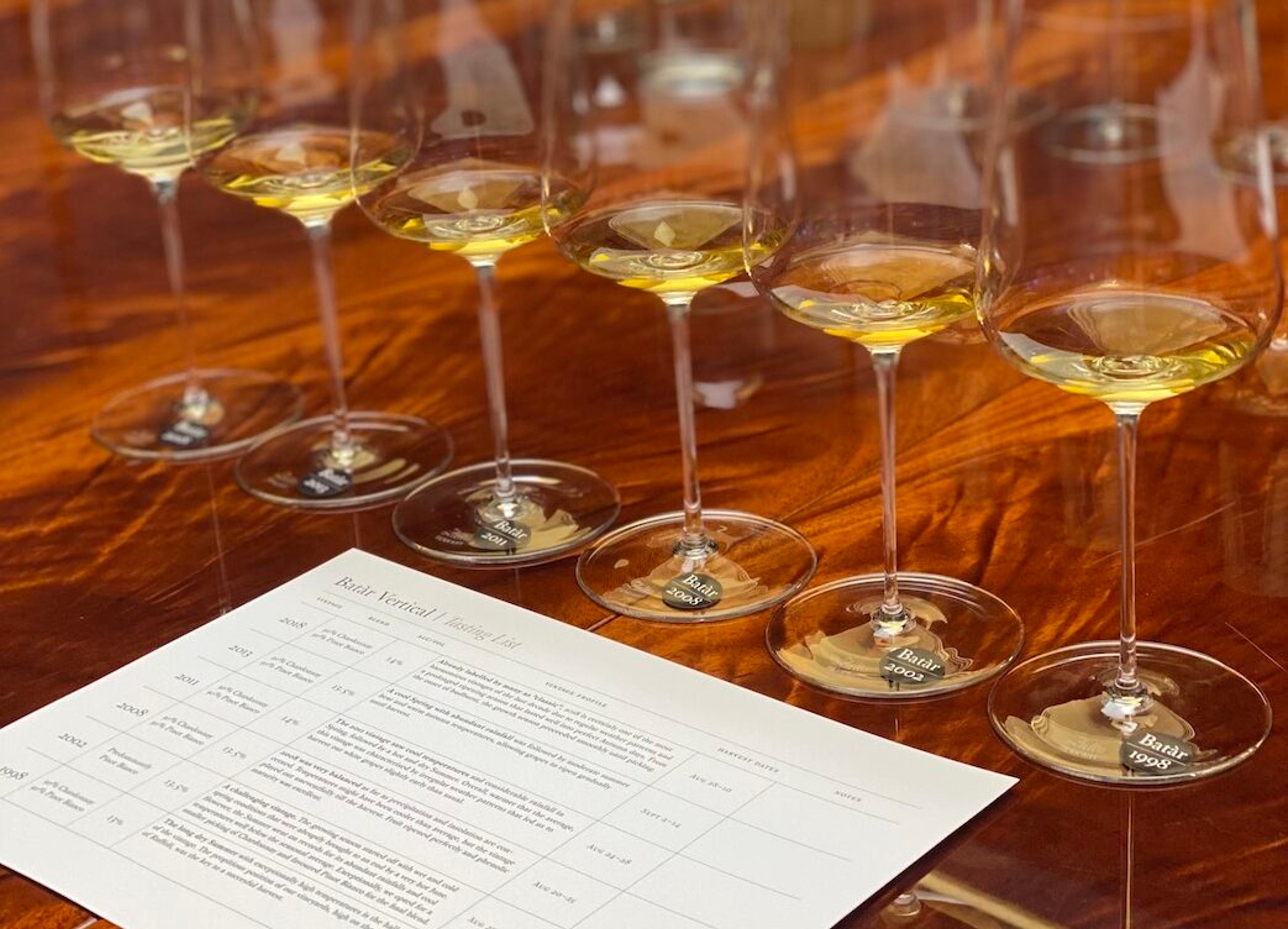
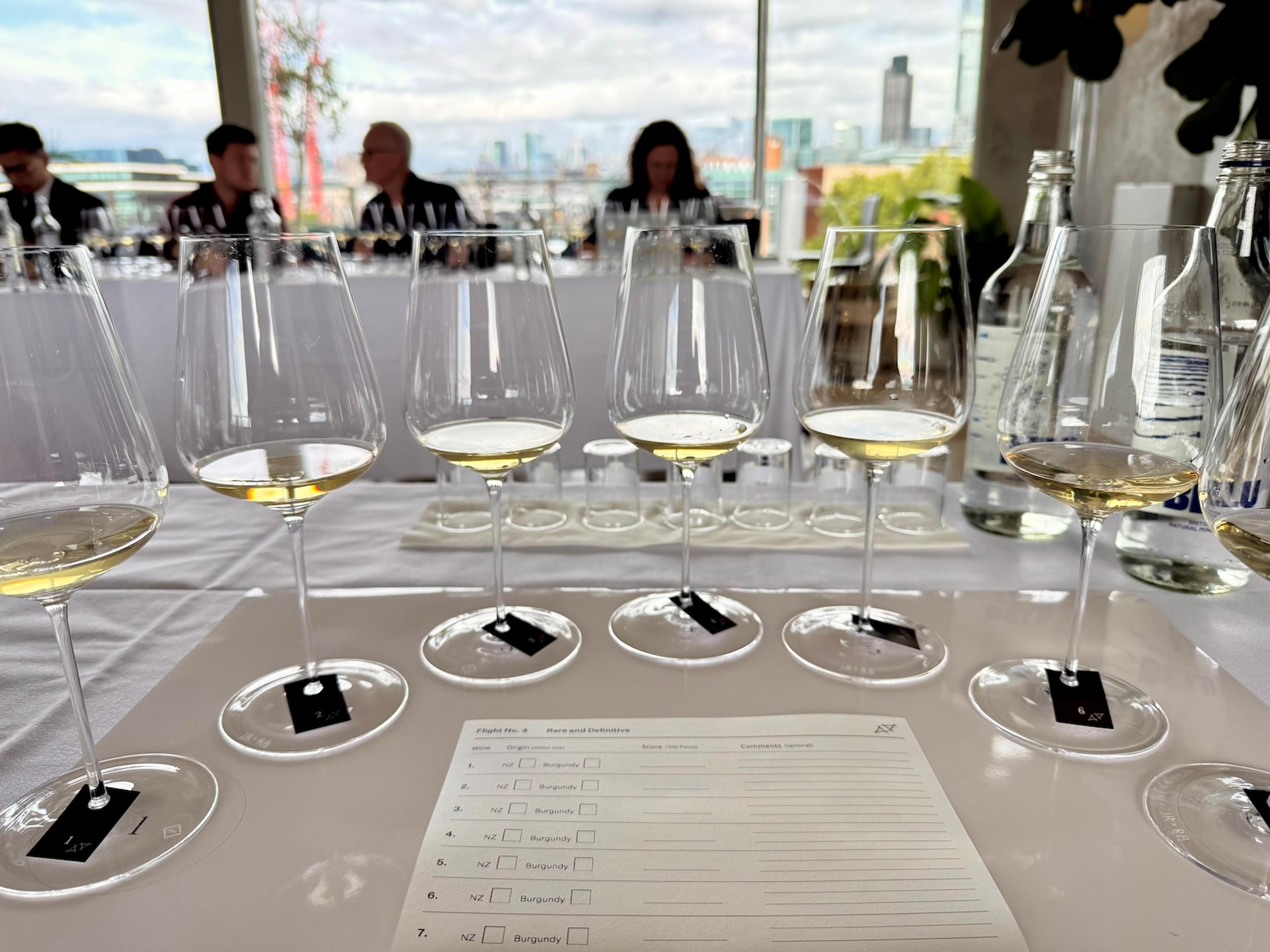
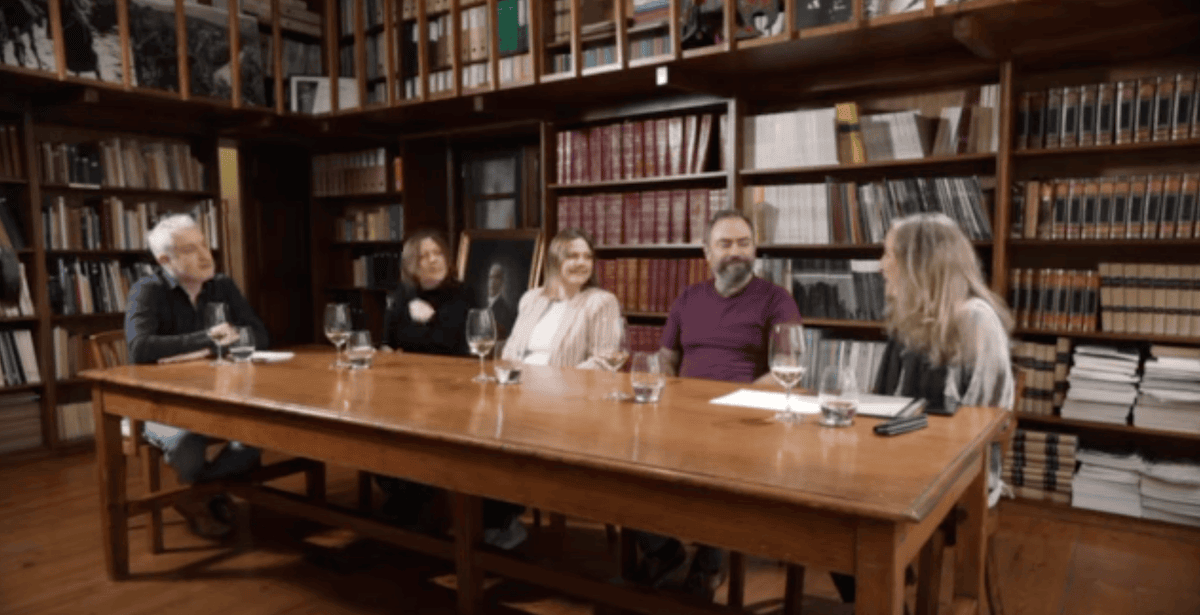
Tasting the (unreleased) single vineyard wines that form the thinking behind the Querciabella Gran Selezione project
Ing says: “in doing this you really get a feeling for how Sangiovese speaks,” adding that he believes “Sangiovese is the truest chameleon of terroir – how the Sangiovese grows and how the Sangiovese speaks is something incredibly special. And that is something we’ve been trying to capture over the years at Querciabella.”
Despite the focus on single sites, Ing is clear that these are not single vineyard wines; rather he is looking to bring out the greatest expression of Sangiovese from each of the villages. The winemaking may also not be the same for each parcel. Ing explains this by talking about “terroir vs technique”, saying that at Querciabella although terroir is the most important thing, he will use techniques to bring out the best of the terroir. This could be, for example, incorporating a small amount of whole bunch fermentation for certain parcels in certain vintages.
In line with global trends, the treatment of oak has been something to which Querciabella has been paying a lot of attention, moving to larger oak vessels, using little new oak, and only lightly toasted wood. Through regular tastings, Ing says, “we learn and test, learn and test” and he and the team are convinced that “Sangiovese speaks better in larger volume oak.” Ing adds that while this changes the way tannins are managed, the ‘transparency’ in Querciabella’s Sangiovese is the most important thing: “we want you to enjoy the raw beauty of our Sangiovese.”
Tasting the three Querciabella Gran Selezione
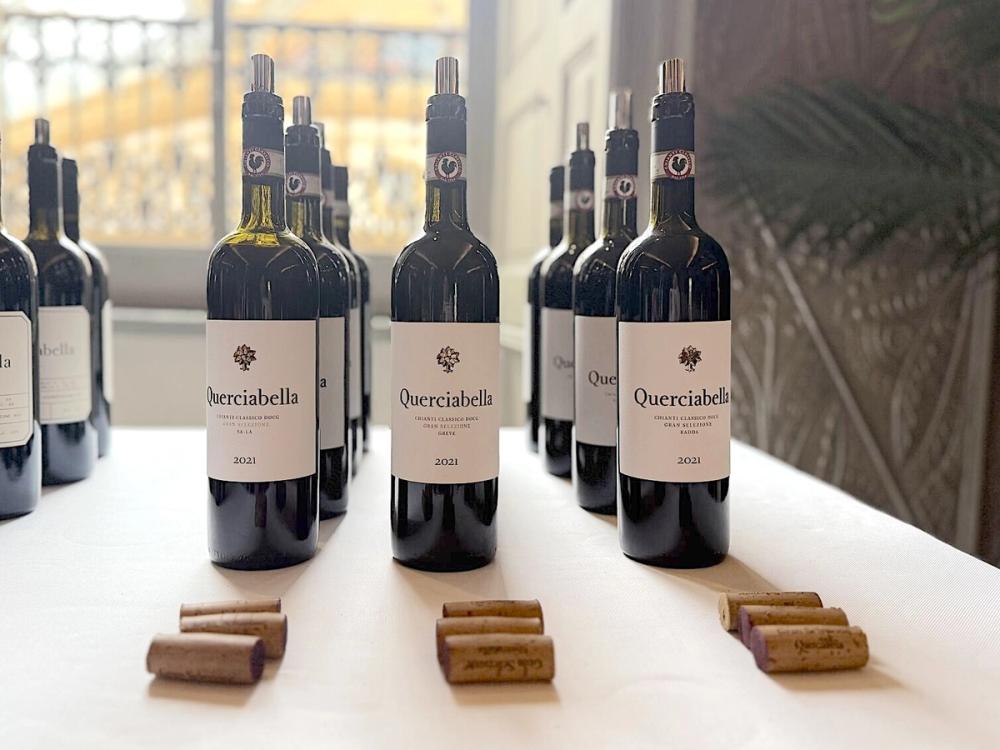
The three new releases are all 100% Sangiovese, made with careful extraction and minimal new oak to preserve the purity of the Sangiovese. The older vintages we tasted alongside the new releases show how well these wines will evolve over time, while already drinking beautifully.
Querciabella Gran Selezione Greve 2021 comes from south and southwest facing slopes on poor rocky soils up to 550m in Ruffoli di Greve. Greve is beautifully balanced, with generous red cherry fruit, ripe tannins and fresh acidity along with a stony minerality.
Querciabella Gran Selezione Radda 2021 is from slopes at 400-450m with significant amounts of galestro, with the rugged soils bringing tension and structure to the wine. Radda has concentrated, slightly darker fruit, with an underlying power and warm stoniness.
Querciabella Gran Selezione SA-LA 2021 is from the Lamole UGA, although unable to be labelled as such until next year. SA-LA is perfumed and fresh, light and elegant with aromas of sour cherry and hints of dried herbs and pine forests. After releasing themselves from a lease in Gaiole in 2020, Querciabella acquired eight hectares in Lamole in a move to concentrate on higher altitude sites away from spring frosts and the heat of summer. The altitude goes up to 650m here, and Ing is excited about the beauty of Lamole and the fruit it produces, likening the wine to a ballerina, light on its feet but with strength and poise.
Ing believes UGAs are driving the fine wine scene in Tuscany, and the launch of this project many years in the making is clearly a special one, “to finally be able to share [these wines] is very, very emotional.” He adds that “everything we do with the UGA wines filters into how we make all of our wines at Querciabella, so I think we’re making better wines at Querciabella thanks to this project.”
After more than a decade of patient experimentation and a meticulous focus on terroir, it was truly a privilege to see Querciabella's belief in terroir come to fruition with these beautiful wines which represent both the culmination of years of work and an exciting new chapter for the estate.
The Gran Selezione 2021 UGA wines have been produced in limited quantities of approximately 2,600 bottles each. A selection of the wines forming the base of the single origin project will also be released in extremely limited quantities over the coming years.
Querciabella is available in the UK through Hallgarten & Novum which is a commercial partner of The Buyer. To discover more about them click here.