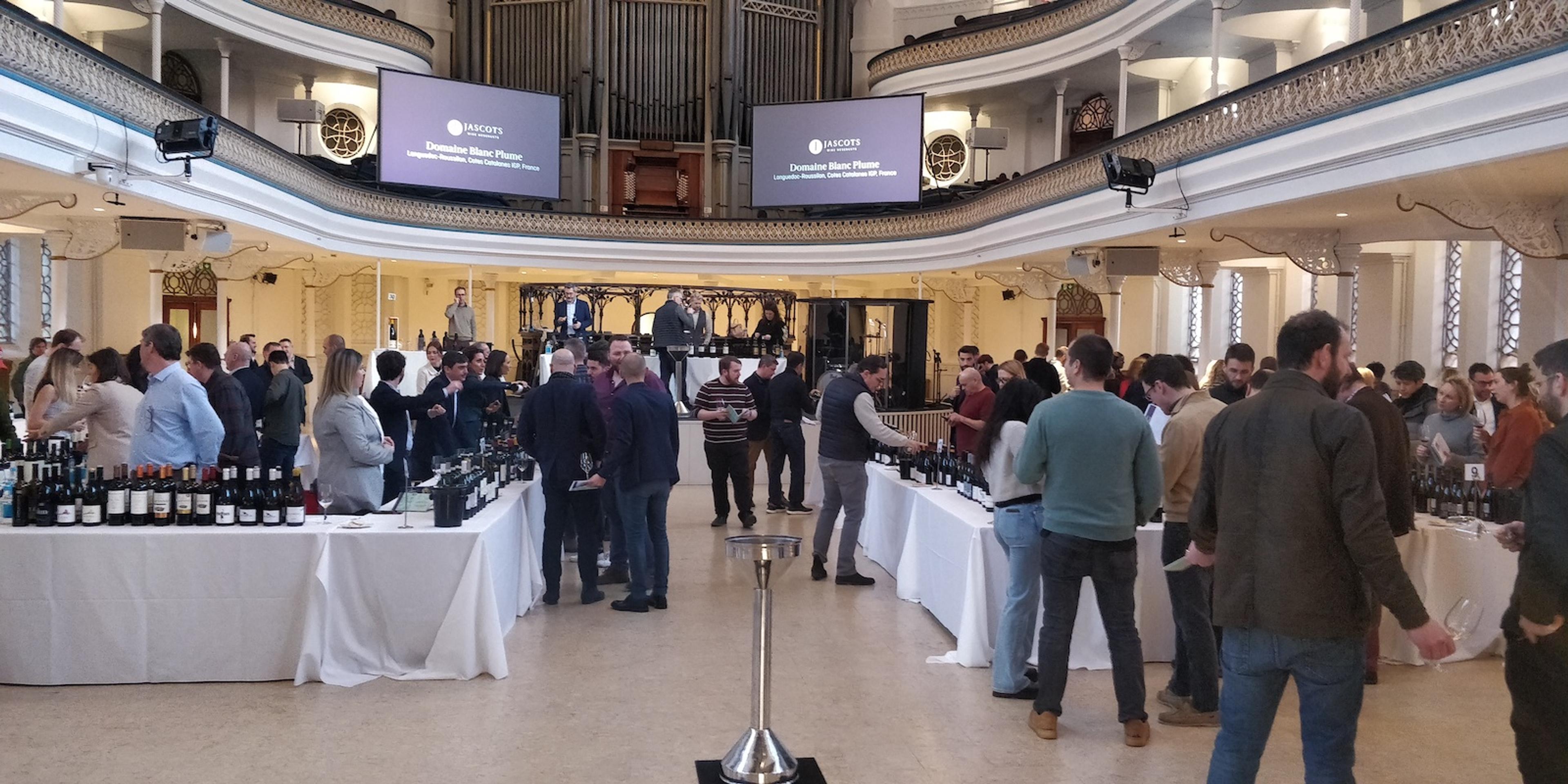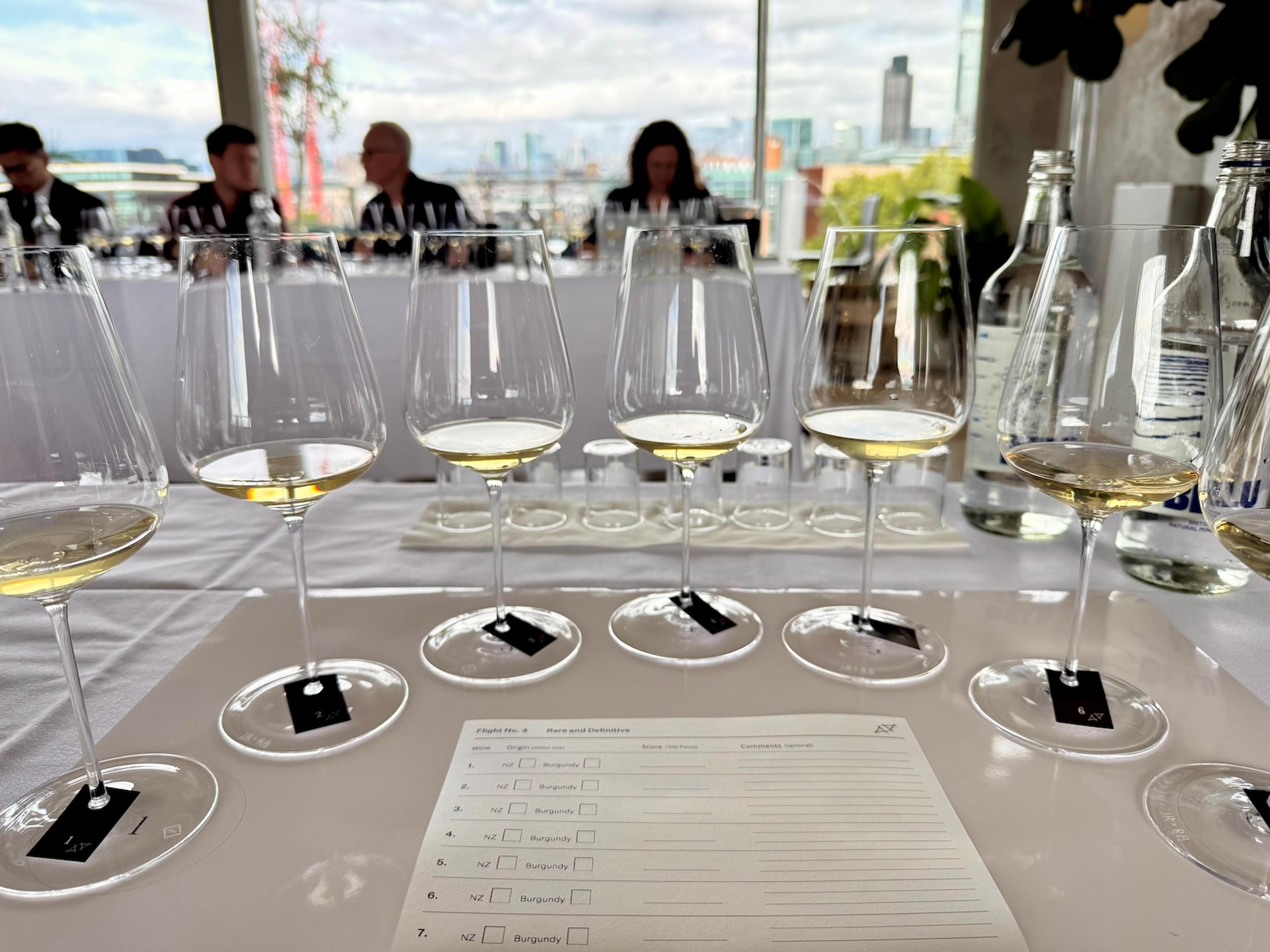
Spread over two levels at the Thameside Glaziers Hall, the ground floor of the Jascots portfolio tasting was a showcase of European talent, while the first floor was assigned to the Rest of the World, Essential Wines, Fine Wine, and a cleverly positioned Spritz area with a mixologist.
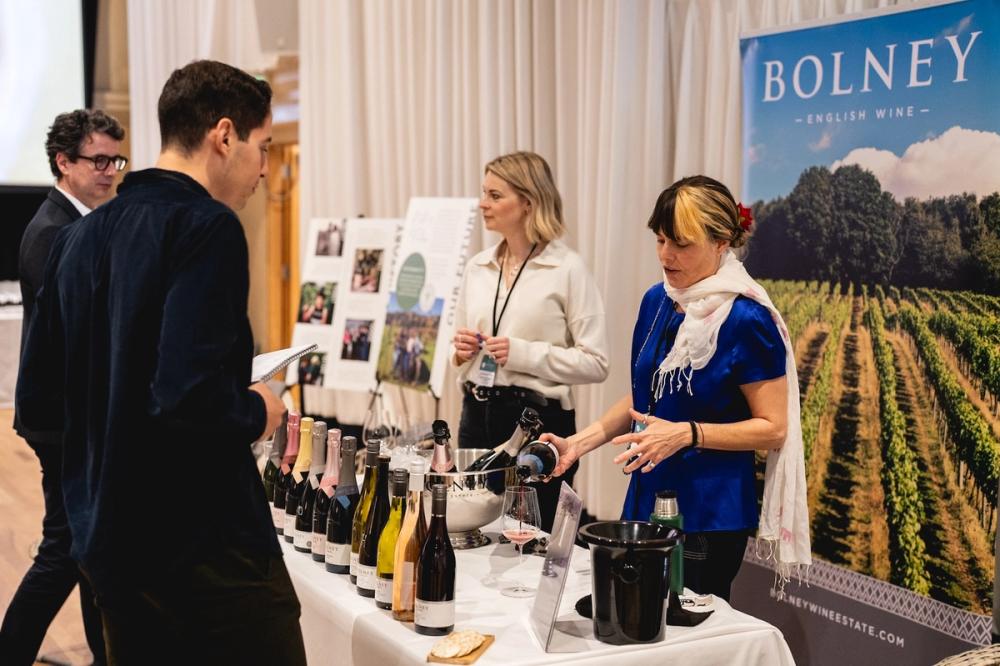
In opening batting, Bolney showed its new Pinot Noir English Rosé, bottled for the first time in 2025. This proved dangerously easy morning drinking (I mean tasting) being full of texture and light in aspect. Heavy on the redcurrant and, for around £60 a bottle, this will be a lovely glass for an apero or Sunday lunch with pheasant or lamb. The Blanc de Blancs 2022 (100% Chardonnay) showed equally well, with a lightly floral finish – a focused, fresh, refined, linear wine with a plethora of pairing opportunities.
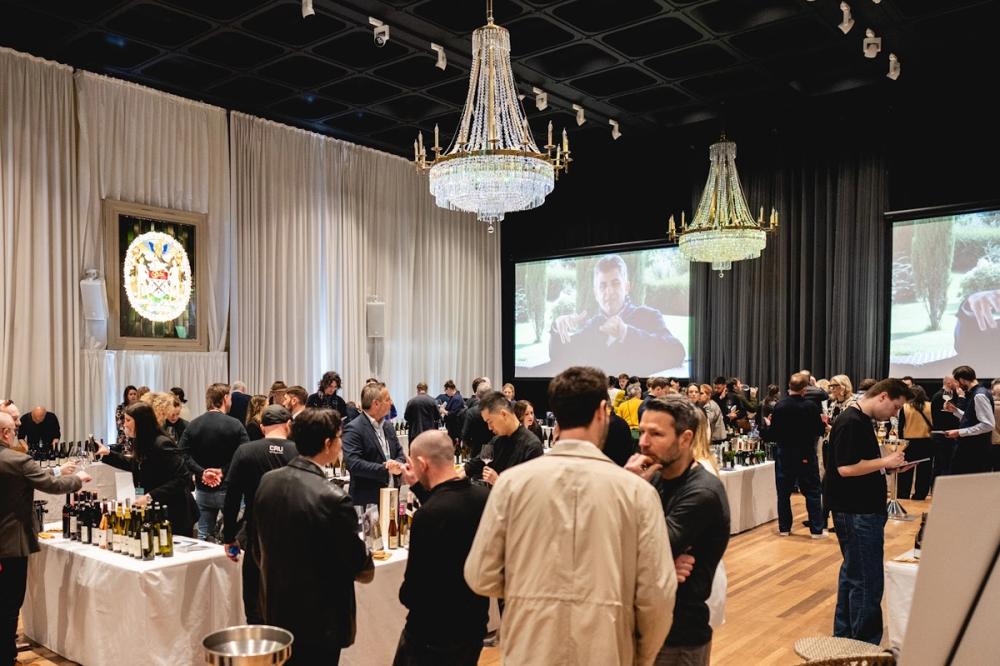
Jascots portfolio tasting, Glaziers Hall, London, March 2026
Crossing the room, I found a very familiar Champagne brand in Alfred Gratien. Set just back from the Avenue de Champagne in Reims, just the location itself always makes me wonder why everyone doesn’t list this house, let alone, because of its use of oak barrels, which synergises with other, more expensive houses. Seventy per cent is fermented in oak from the estate’s own forest, then the wines are stored in barrels on yeast for 12 months.
Gratien has one of only two cutting-edge barrel rooms in Champagne, fully racked and equipped with an articulated system for access, cleaning, and barrel repair.
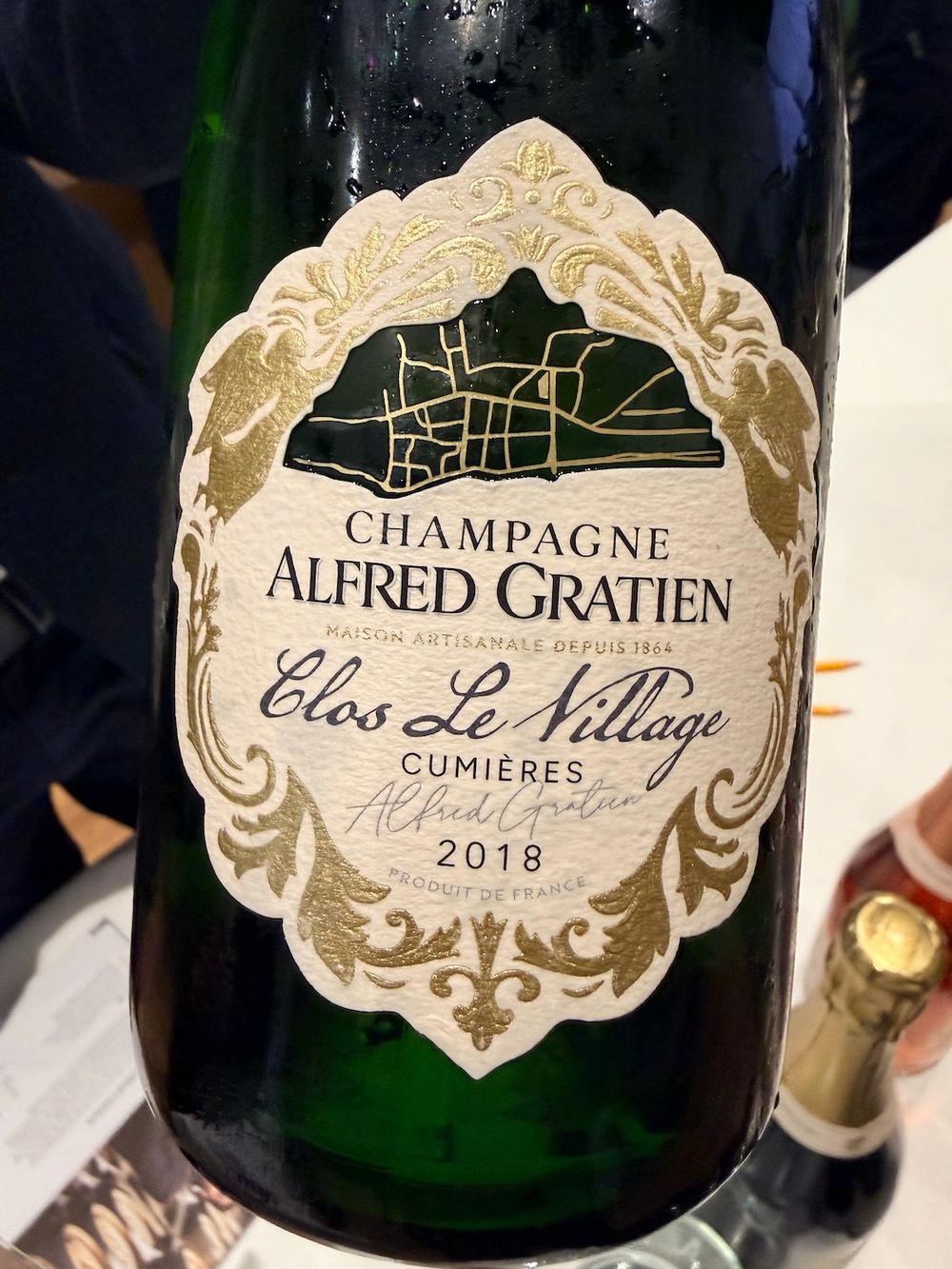
Hidden beneath the tasting table in London was what I had come to assess – Clos Le Village 2018. Cellar master Nicolas Jaeger went to kindergarten with the owner of this single plot of Meunier in Cumières. The owner approached him, and out of kindness, Nicolas went to view the parcel of land. When he saw it was a Clos and gave him the ability to produce a single-plot Premier Cru wine reflecting their joint heritage in the Marne, he said he would undertake the task. The resulting 2018 vintage, the first ever Meunier produced in the house's 166 years, has been barrel-fermented and then left to rest on lees under cork.
Unsurprisingly, the nose immediately offers brioche; however, this quickly evolves into apricot and plum, then praline and light tobacco. On the palate, the wine is scintillating and lively, giving way to a round finish, exotic fruit, minty bitterness, and a subtle salinity. With just 1800 bottles available and presented in its own oak box, this cuvée has great presence.
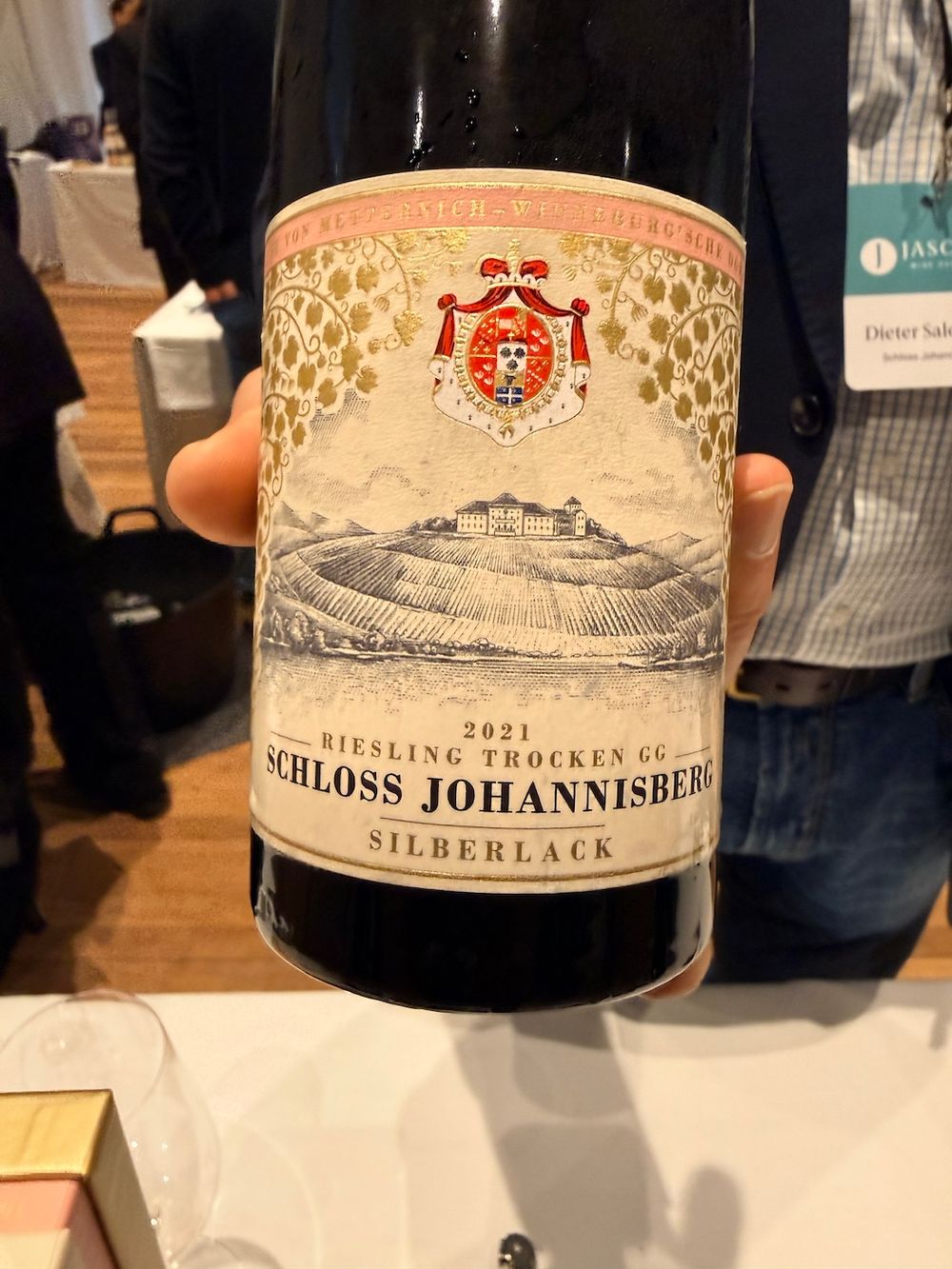
Dieter Salomon, wine ambassador for Schloss Johannisberg explained the estate’s pared down approach: “We think keeping it simple is the best way. One name for the castle, one for the vineyard and one grape – Riesling. Different colour caps for each wine.”
Resplendent with its silver cap, the Silberlack Riesling Trocken GG 2021 is a subtly styled wine from a cool vintage. 70% is fermented in oak from the estate’s own forest, then the wines are stored in barrels on yeast for 12 months.
Onto the Goldlack Trocken Riesling, and you find a PX-like mouthfeel and complexity that you would struggle to cite as Riesling blind. A wine made since 2017, this 2019 offering is 100% fermented in oak, then aged for 30 months on the yeast. Suckling rated 3 Johannisberg wines at 100 points, and this was one of them.
Schloss Johannisberg’s most famous wine is the Spätlese, as it was the founder of the late harvest technique in Germany. For the last 15 years, no botrytis has been at work whatsoever, the taste coming entirely from the terroir – it presents sweetness with balanced acidity, and it’s easy to see why it is so well regarded.
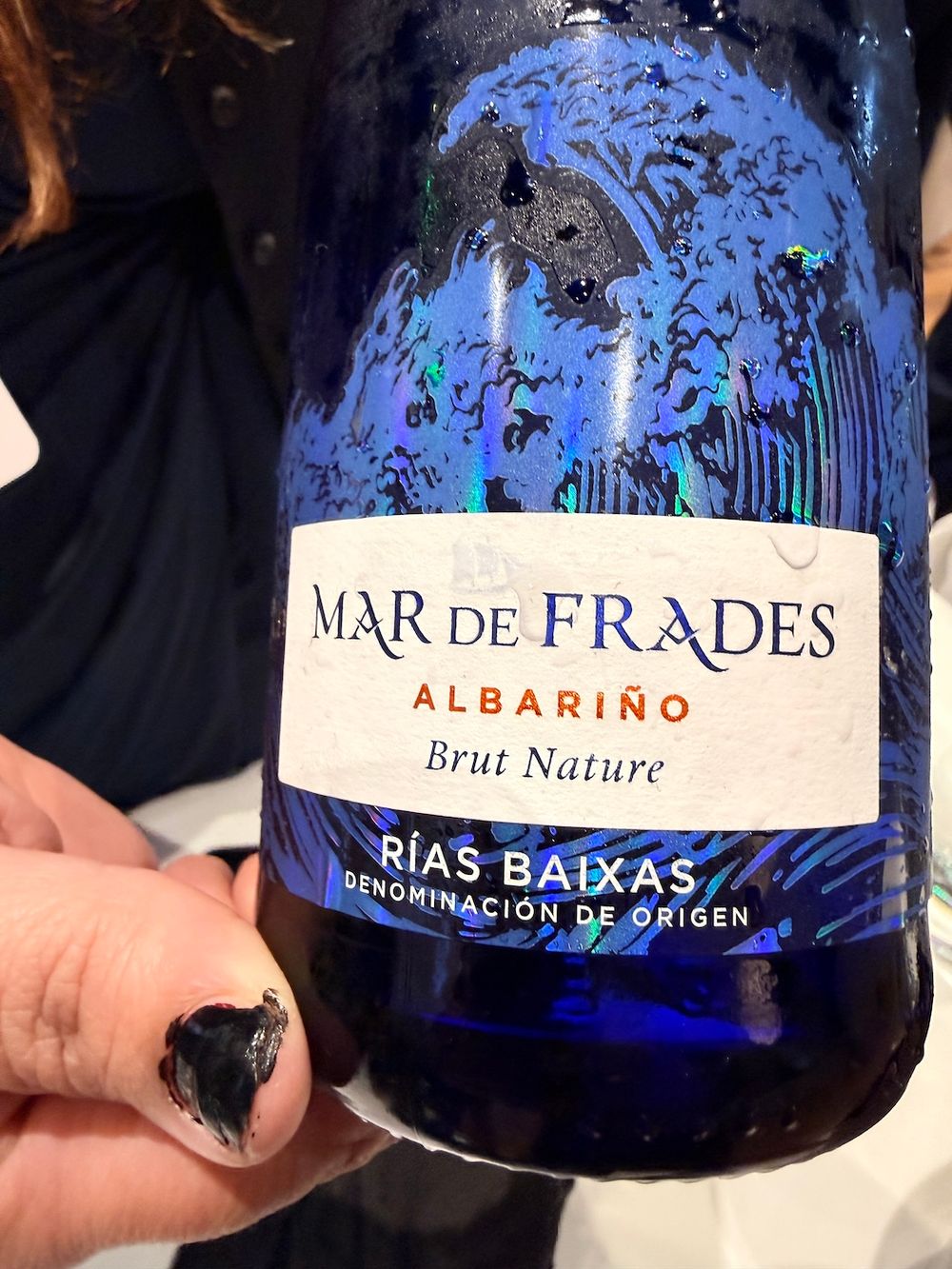
In total contrast, Mar de Frades was the first to tread the path of a sparkling Albariño with a non-vintage first released in 2010. Mar de Frades centres on vibrant aromatics, refreshing acidity, texture from lees ageing, and salinity on the finish. With 15 months on very fine lees, the result is an educated crowd-pleaser at £20.59.
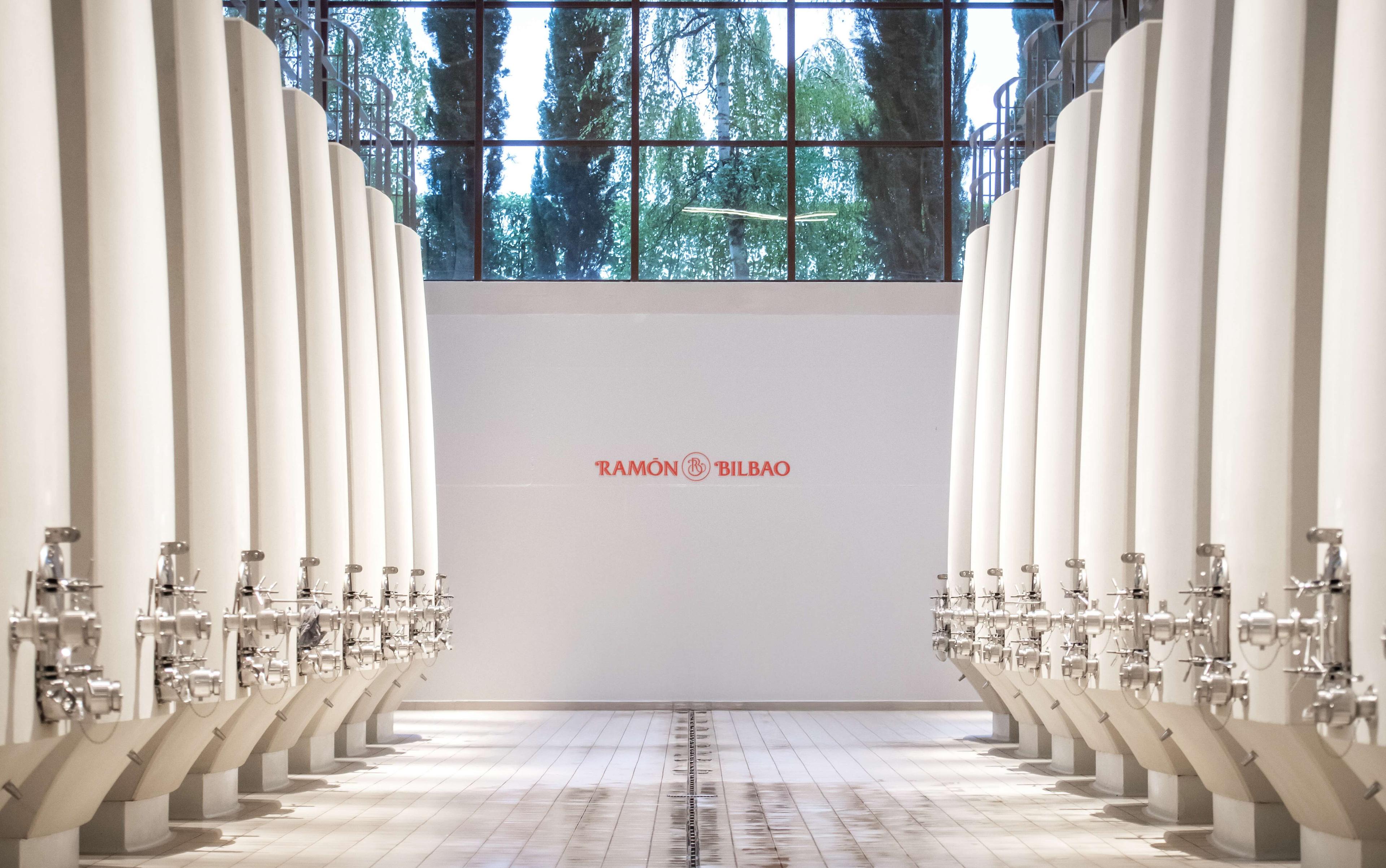
Head winemaker Rodolfo Bastida of Ramón Bilbao, is renowned for being one of Rioja's great innovators – the bodegas is using lower-barrel toasting, concrete vats, and gentle racking to preserve varietal flavours and aromatics which makes the wines even more accessible.
For whites, Ramón Bilbao turns to Rueda and its Edición Limitada (£13.15) is made with 100% Verdejo and has incredible balance and weight; back to Rioja, the red Mirto has sunshine notes of cedar, American oak and vanilla toastiness.
I asked Jeremy Rockett of Zamora Company, which owns Ramón Bilbao and Mar de Frades, how he is finding the market: “Trade is tough, the on-trade has high costs. We started working with these guys in 2024, and we are seeing distribution pick up because they are working hard for us. The energy from Jascots is incredible. It’s the energy and their knowledge which is making the difference.”
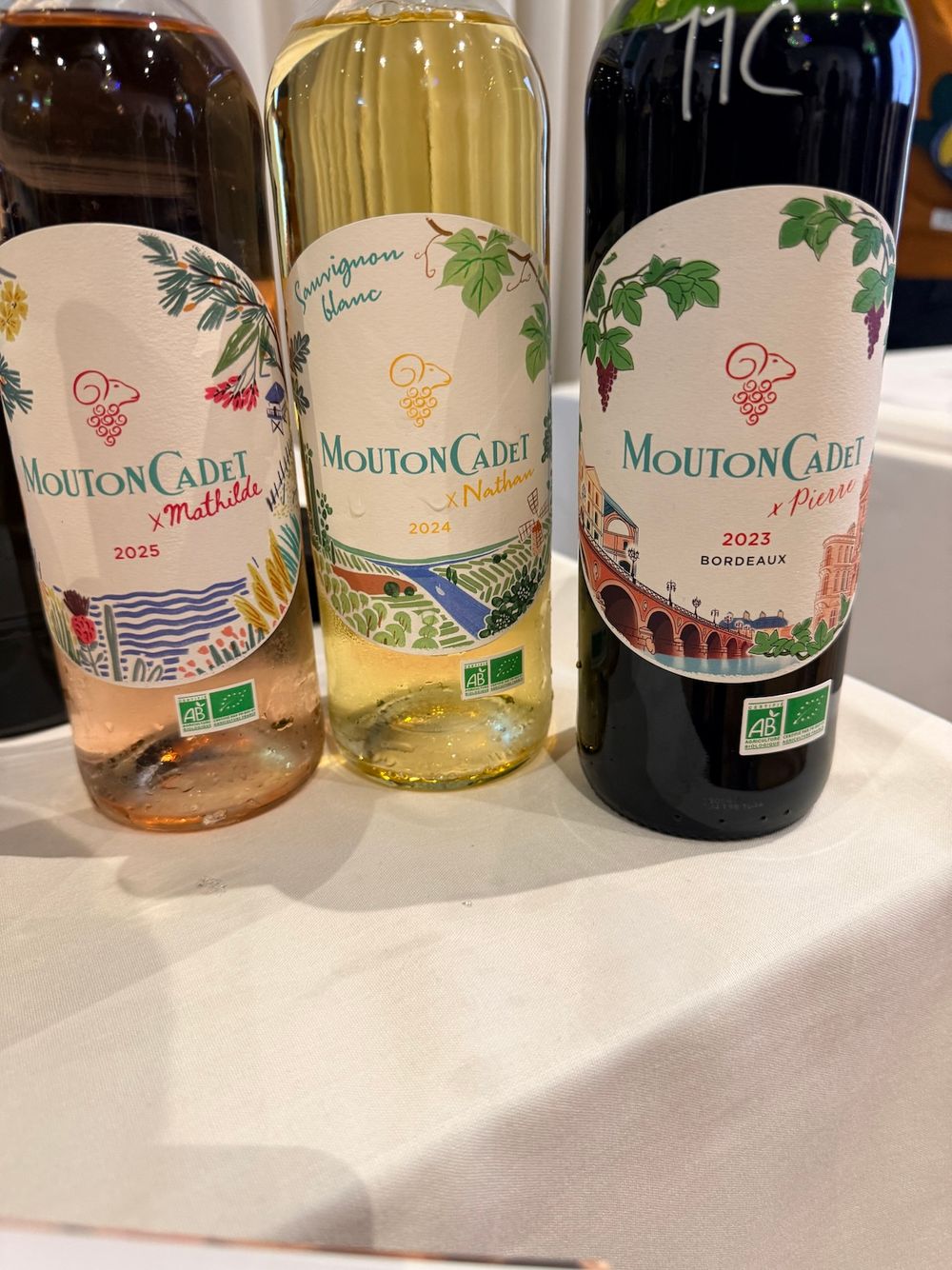
Mouton Cadet’s funkily labelled, organic Fresh Collectionis aimed at the palate of younger drinkers. Nathan and Mathilde, son and daughter of Philippe Sereys de Rothschild, and their cousin Pierre are responsible for these wines. The White is a 100% Sauvignon Blanc, wonderfully smooth, and an entry-level option at £12. An accompanying Rosé Merlot with 1-2% Cab. Sauvignon chooses freshness over tannins. Achieving the colour in a Merlot rosé is difficult, and doing so without tannins is very difficult indeed. The salinity and colour are sophisticated at this price point. The Red is tannin-structured but all about fruit, and “jumping on the train of lighter reds”; it could even be served, chilled in summer.
Jascots’ parent company, Freixenet, now has a portfolio that stretches across the Mediterranean region, encompassing French sparkling wine, white, alcohol-free rosé and prosecco (as well as cava, of course). The nose on the de-alcoholised rosé is mouthwatering, with red and blackcurrants, leaving just the right amount of texture. The blend of Colombard and Chardonnay in the Freixenet Brut Royale is a little sweeter, making it ideal for transitioning customers from prosecco to wines and other sparklers.
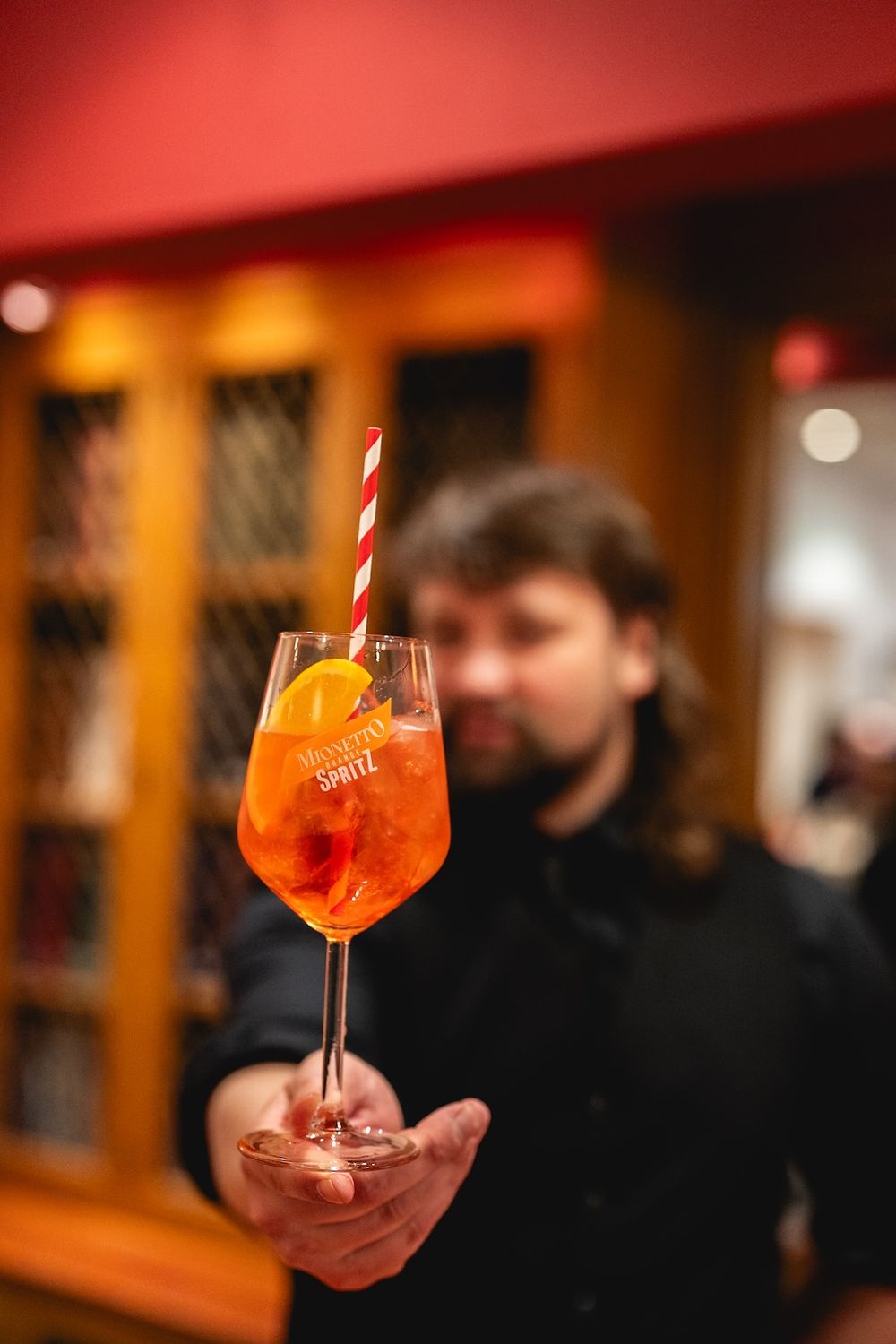
The surprise of the day's tasting was Mionetto, an alternative bright orange, Italian aperitivo. Having started with a very successful Prosecco brand, the company reverse-engineered its offering to suit its sparkler, adding a complementary spritz brand. The resulting liquid has far more orange flavour than its nearest rivals, but with no bitter aftertaste whatsoever. There are two options available: an 11% ABV and a zero alcohol option. When mixing regular Prosecco with non-alcoholic Mionetto, it combines to make a smooth ‘lower alcohol’ option. For the texture alone, go for the lower-alcohol hybrid rather than the full no-alcohol option, in my opinion.
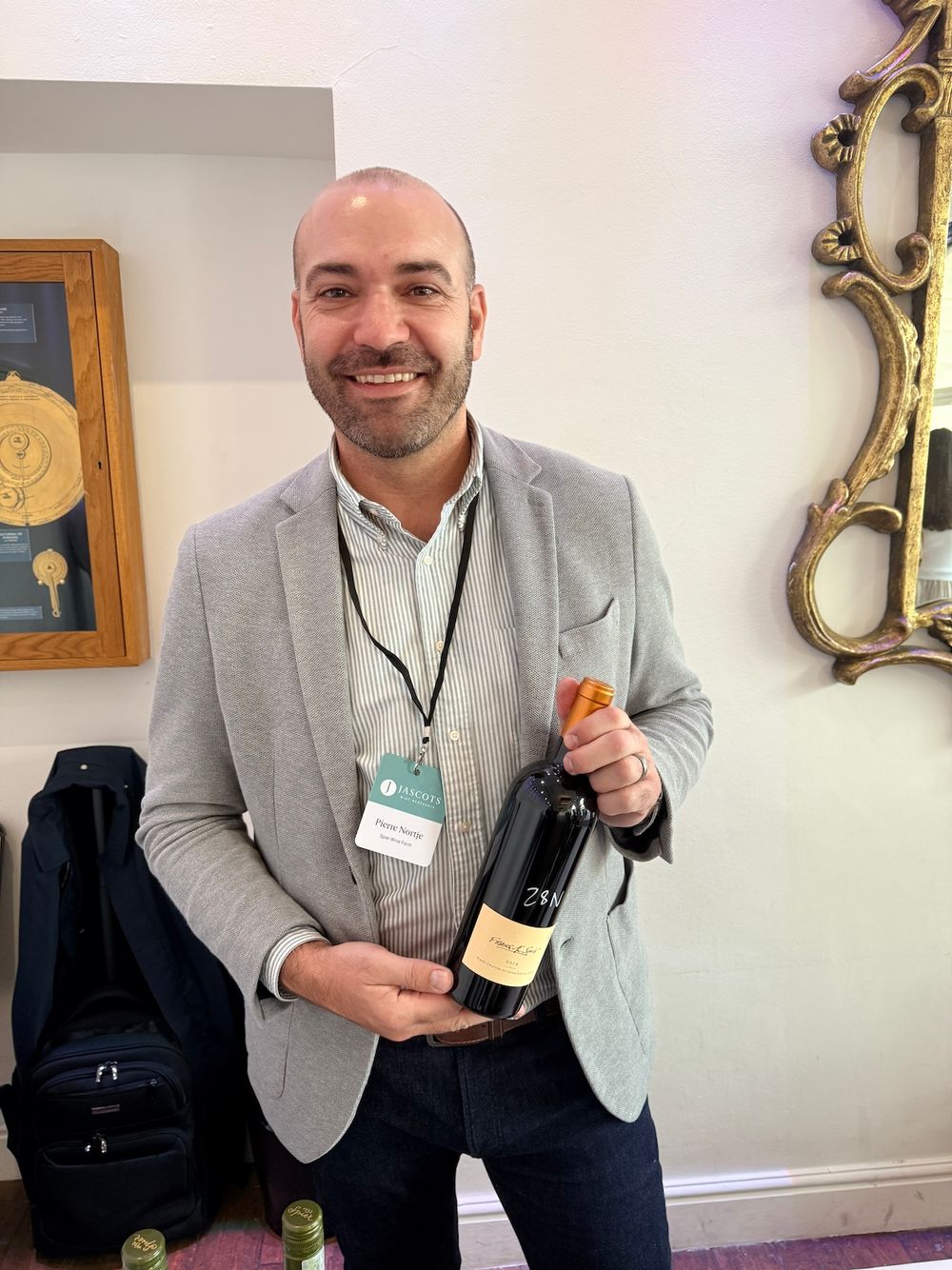
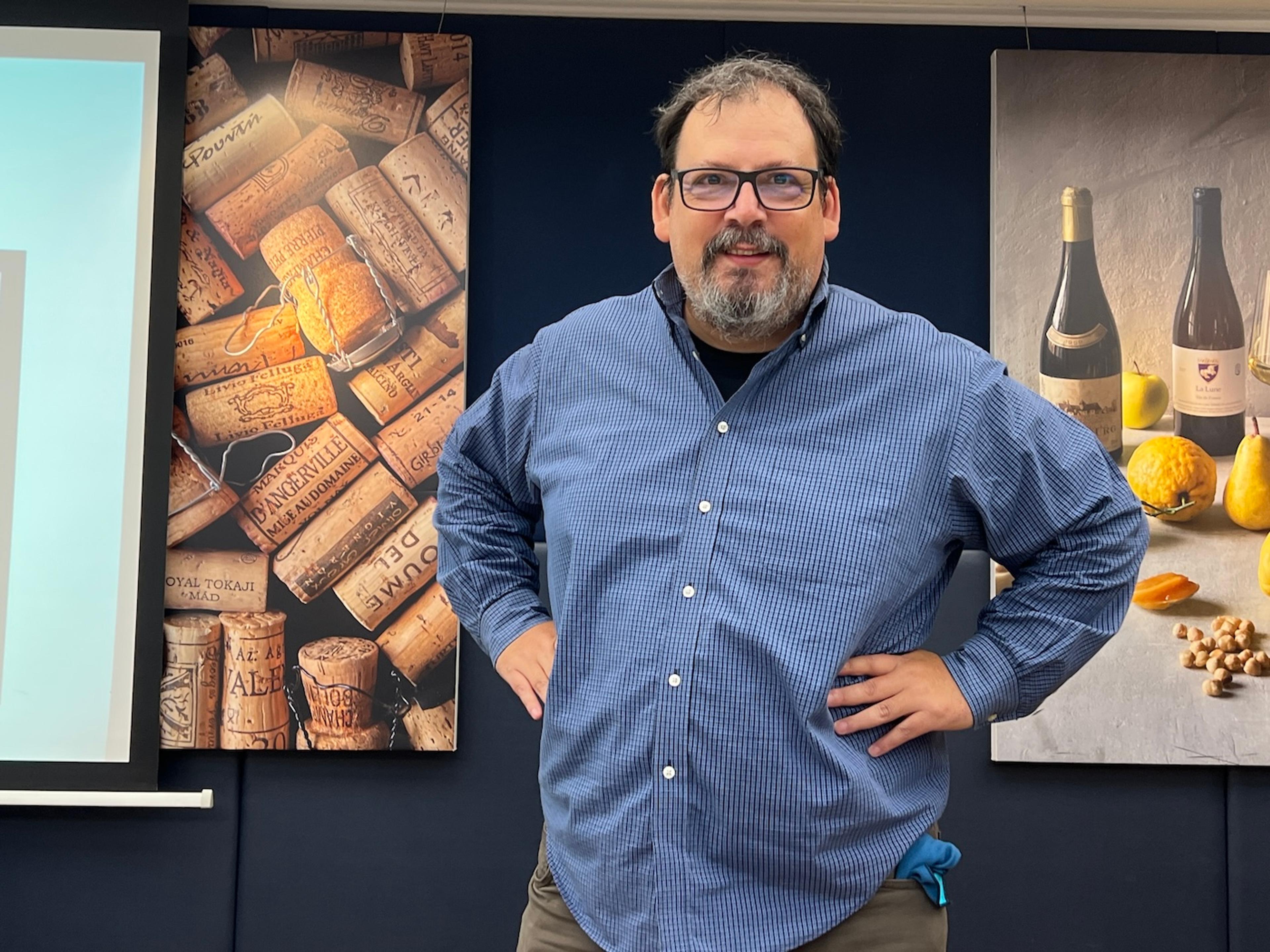
Pierre Nortje from Spier Wine Farm
From the rest of the world, South Africa’s Spier Wine Farm was a standout. First out of the gate was a Cap Classique Prestige 2018. With seven years on the lees, this second vintage won't hang around – the previous vintage sold out in a year. The new wine over-delivers on taste, is full of leesy flavours and doesn’t show too much evolution (on account of the cap closure). This is ideal daytime fizz at £27.52, with the equally creditable Cap Classique at £13.53.
Spier’s 21 Gables Cabernet Sauvignon, with its additions of Merlot and Cabernet Franc, was hinting at Tuscan overtones and warm-weather Cab Franc. This cuvée comes from fruit grown on the south side of Stellenbosch, 250m up and close to the ocean. The current release is seven years old and is drinking well now, on its own or as a mid-market gastro-red.
In an impressive Fine Wine Area, Freemark Abbey’s Bosch Cabernet Sauvignon, Caiarossa Bianco and Château Marquis de Terme were outstanding across a wide price range.
There was a welcome focus on Regional Hero wineries that meet Jascots’ ethos of sustainable, authentic and inspired winemaking. Those present included Domaine François Villard, Bodega Juan Carlos Sáncha, Château d’Arcole and Barone di Villagrande.
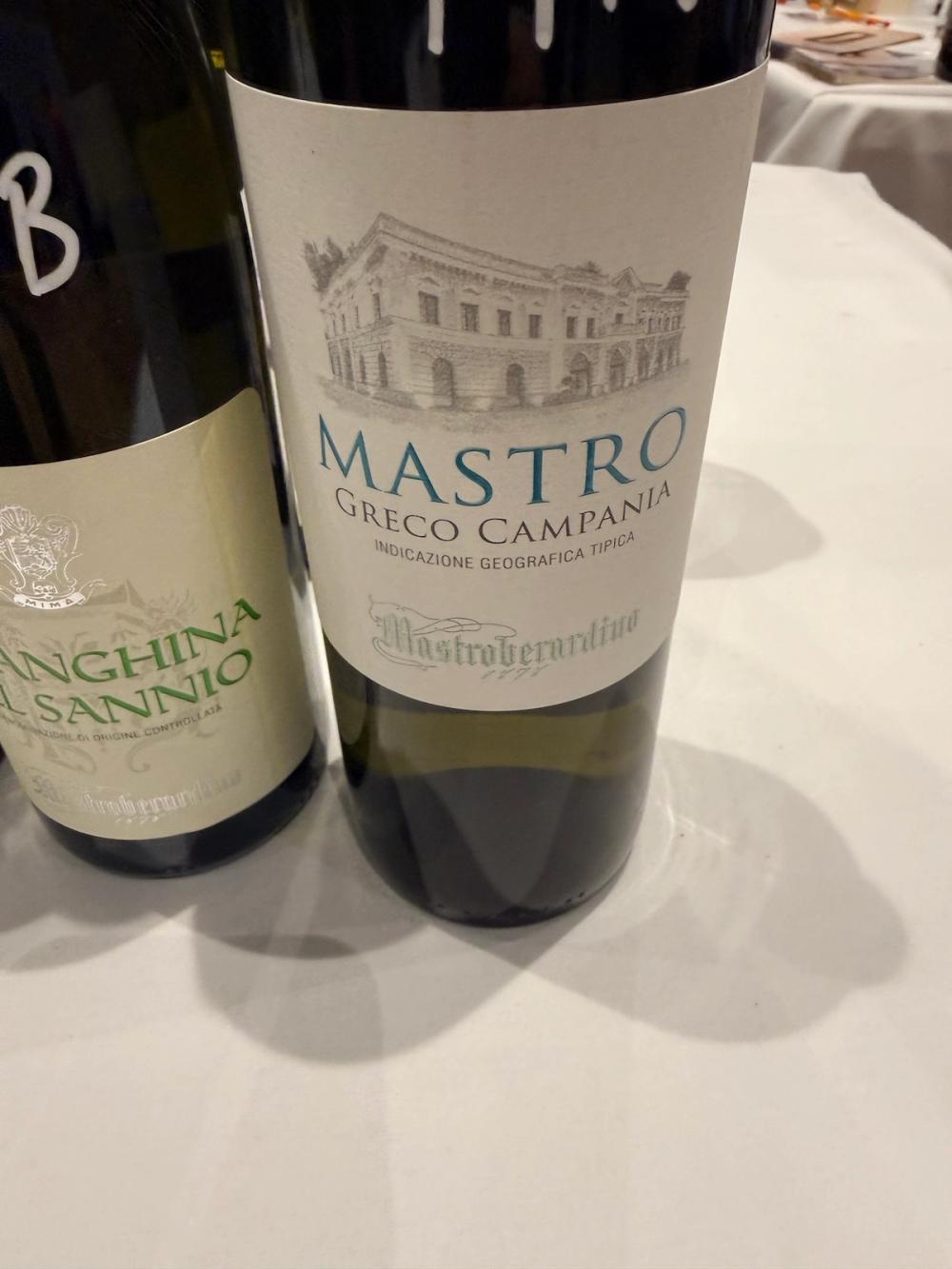
Volcanicity is becoming a key consumer theme now, and amongst these heroes was Mastroberardino. Ideally located in Campania, the estate works predominantly with unsung varieties like Greco, Aglianico and Fiano. All of the wines, without exception, show a mastery of local viticulture. Wines presented ranged from £10.76 to £35.72, with many sharing their sites with olive trees. This added a delightful hint of olive salt to these wonderfully textured, flint-smoky wines.
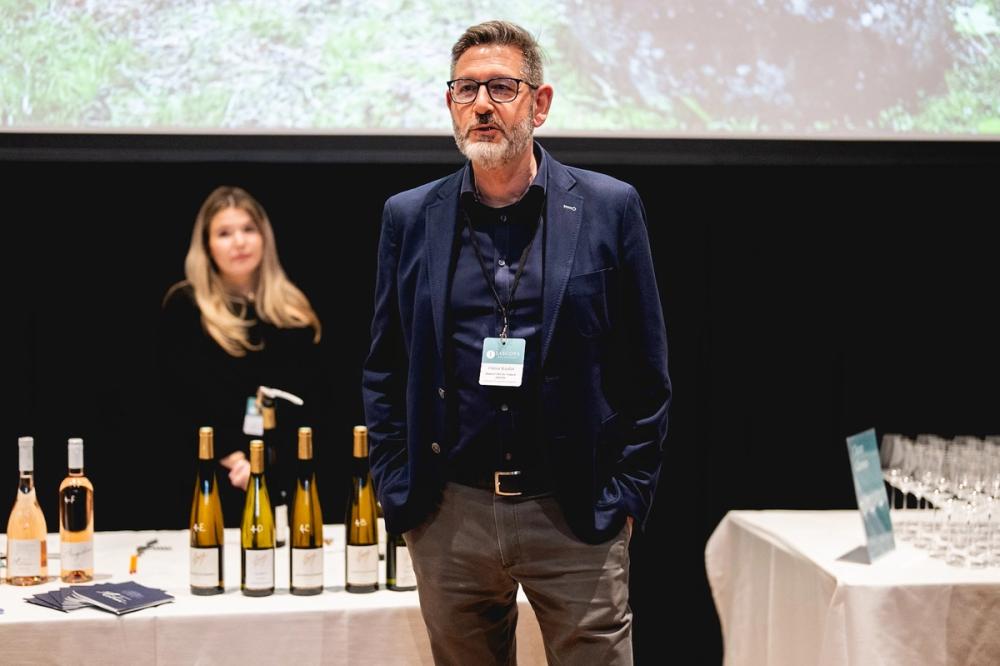
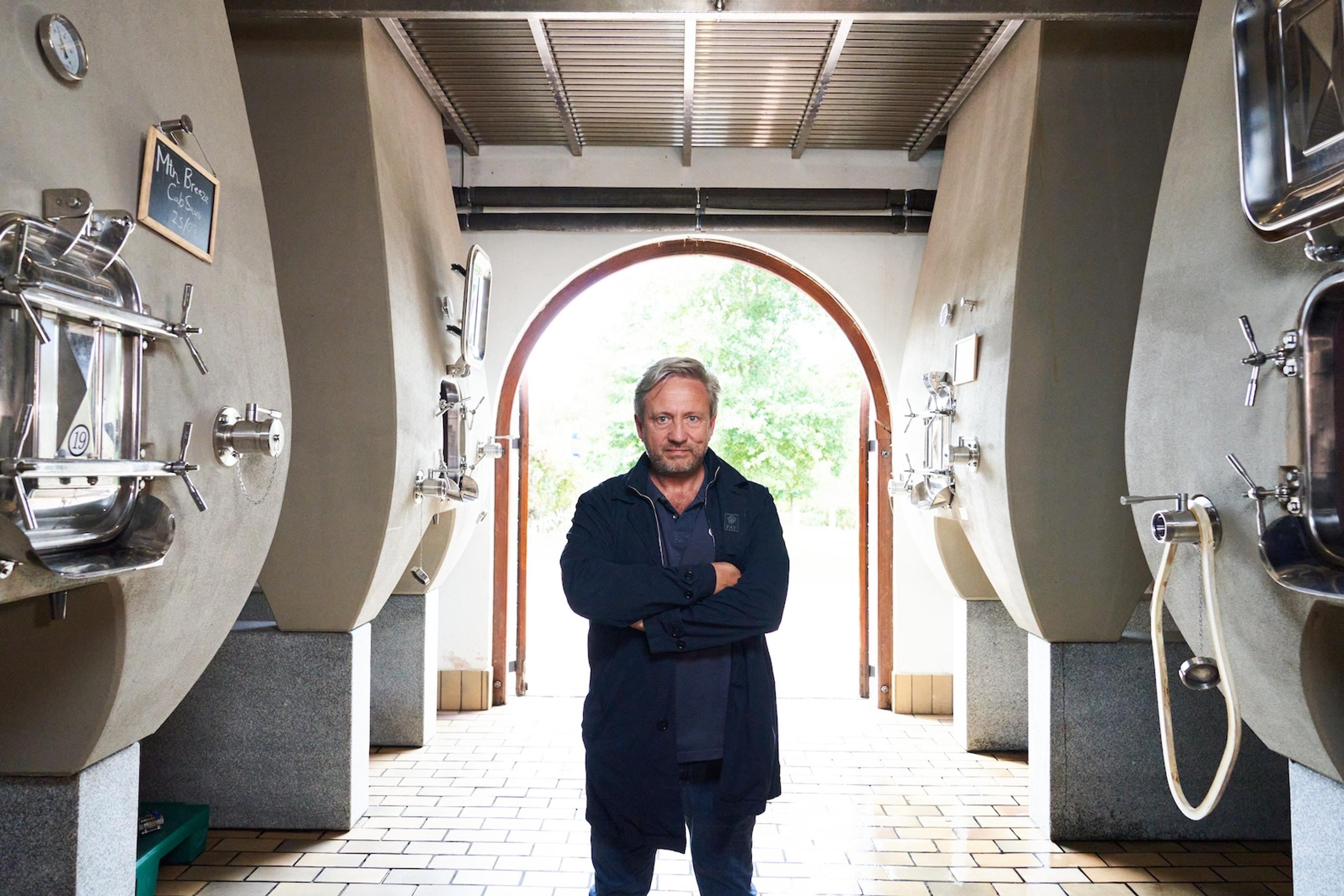
Omar Raafat - head of Jascots Wine Merchants
The last words of the day have to be given to Omar Raafat, head of Jascots. In overview, he said: "We were really happy with this year's event. As the biggest event on our calendar, we want to thank all the attendees who made it such a buzzy, engaged tasting. In a challenging trading environment, Jascots are looking to bridge the gap with excellent service and added value for our customers. We were delighted to welcome winery representatives from across our outstanding portfolio, and it was fantastic to see so many positive conversations and a real sense of excitement from so many corners of UK hospitality."
More of my recommendations
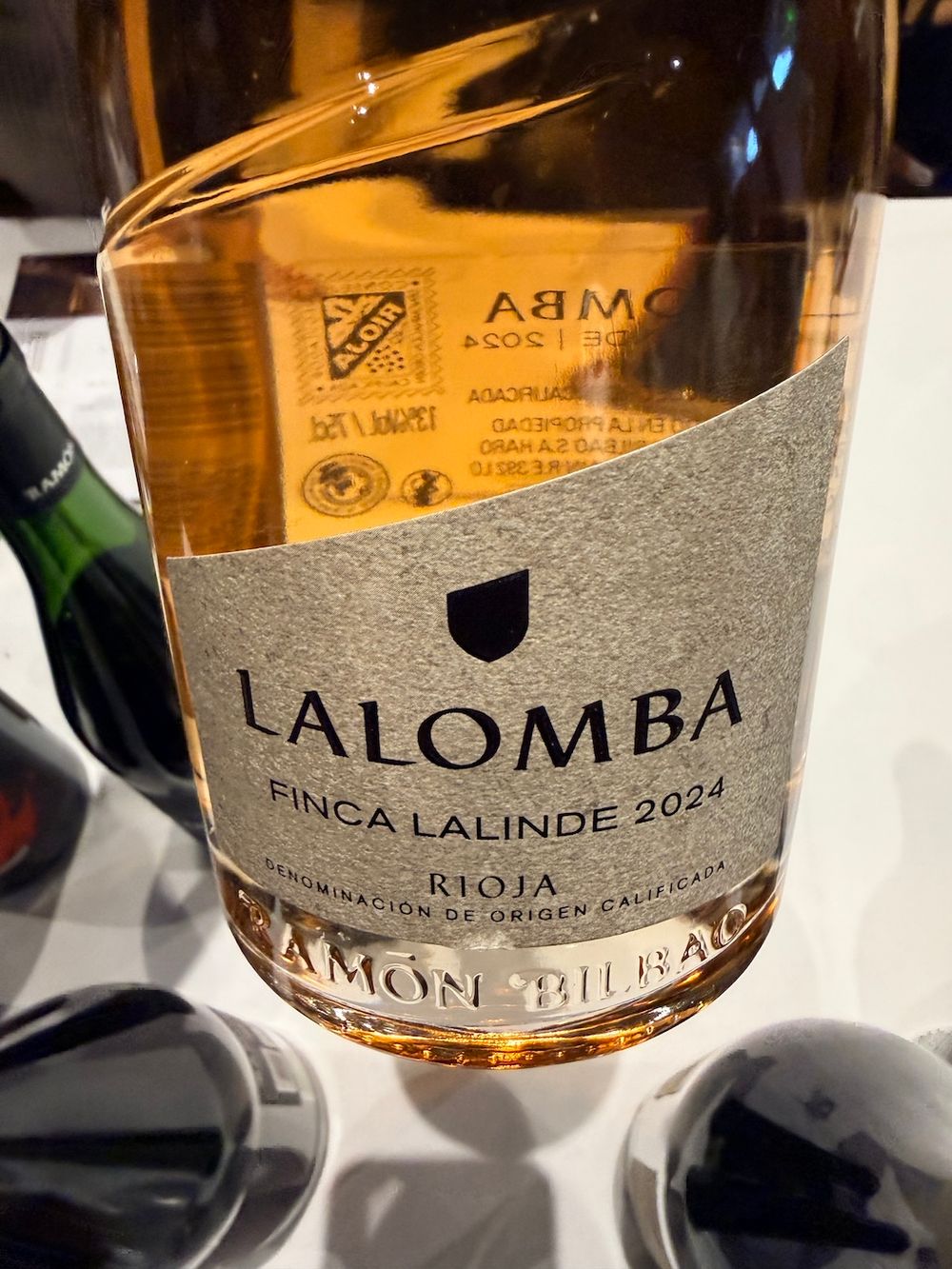
Lalomba Finca Lalinde Rosé 2024
From the Mediterranean/South-eastern side of Rioja, the fruit hails from a single plot that is mainly Garnacha. Made in concrete tank which helps retail the high acidity and crispiness – elegant and complex with a creamy palate. £17.97
Limite Norte 2021
This is the most northwesterly wine the estate produces, a blend of 50% Maturana Blanca and 50% Tempranillo Blanco. Non-traditional, aged and fruit-focused it has managed to retain salinity while further increasing quality. £14.76
Godello 2022
Despite being thick-skinned like Chardonnay, Godello absorbs the salinity and herbaceousness from the surrounding area. It takes on a gastronomic quality from lees ageing, making it austere on the nose and rounded and creamy on the finish. £20.13
Finca Valinas Albariño, single vineyard 2019
A single vineyard close to the sea that is less than three hectares provides the fruit for this unique steel-aged wine with enhanced salinity. £23.62
2022 was an incredible vintage for this producer. Full of cherry, raspberry and blackcurrant with a silky, quality finish.
Cuvée Paradis 2008 Rosé
At £70.79 for a Vintage 2008 rosé, this will make the wine list sing. A stellar vintage that is savoury, mineral-rich and has a copper-salmon colour that is so sought after.
Smooth, mineral-charged Deux Bars Picpoul de Pinet with real salinity, but that could be the placebo effect of the label and the fish portrayed on it! An accessible style for those who may not normally gravitate to Picpoul. £9.54
Belleplane Viognier
A Languedoc Viognier that is aesthetically pleasing for restaurants and bars. A little vanilla and ultimately refreshing.
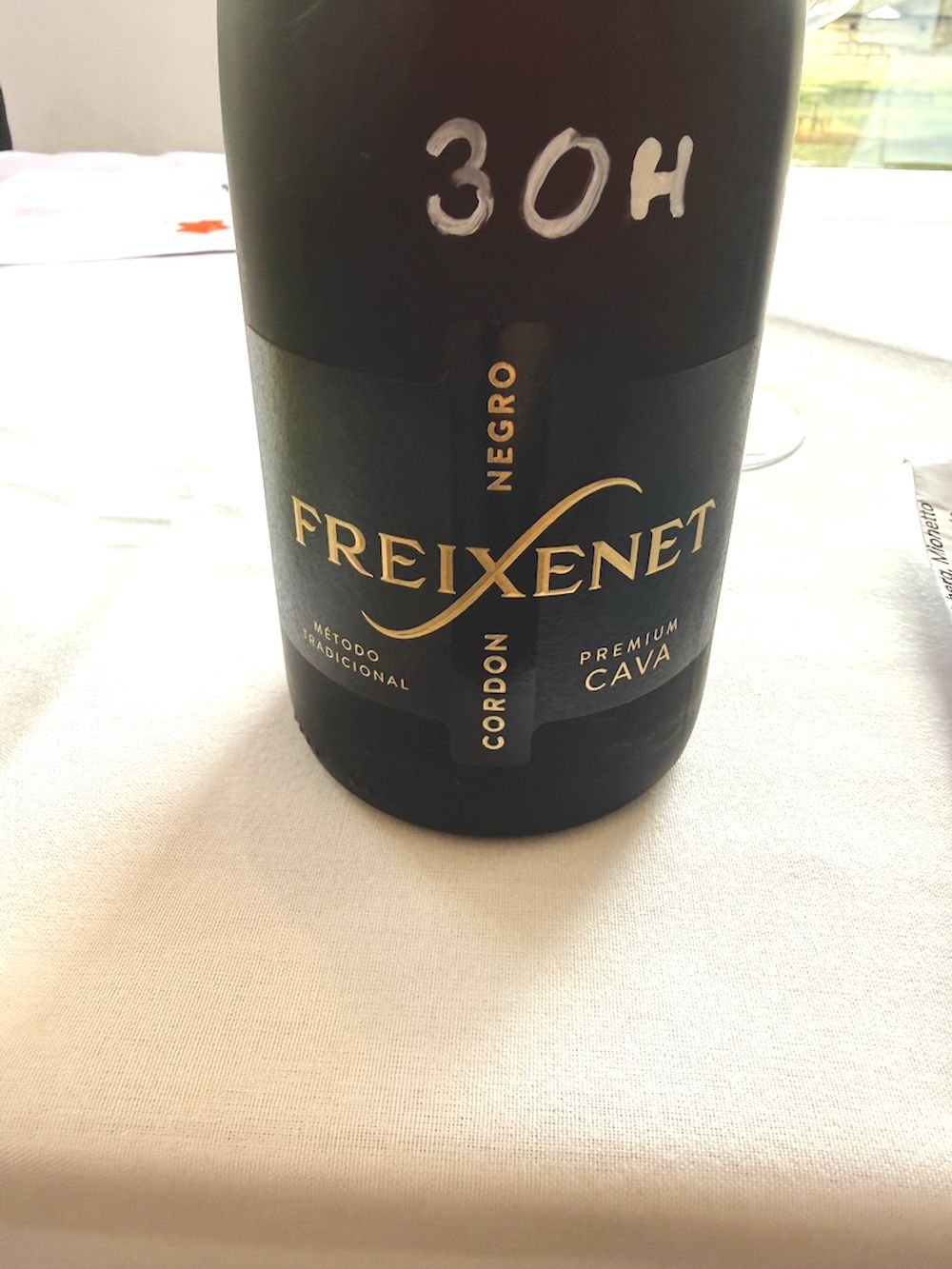
Cordon Negro Seleccion Brut; this has an excellent nose, with citrus and woody notes. Will take food and lower tempo occasions. Great with creamy desserts. £9.34
21 Gables Chenin 2022. Old-vine planting in 1983; use of both new and old oak. Wild ferment, ripe style and not overly oaky. £21.05