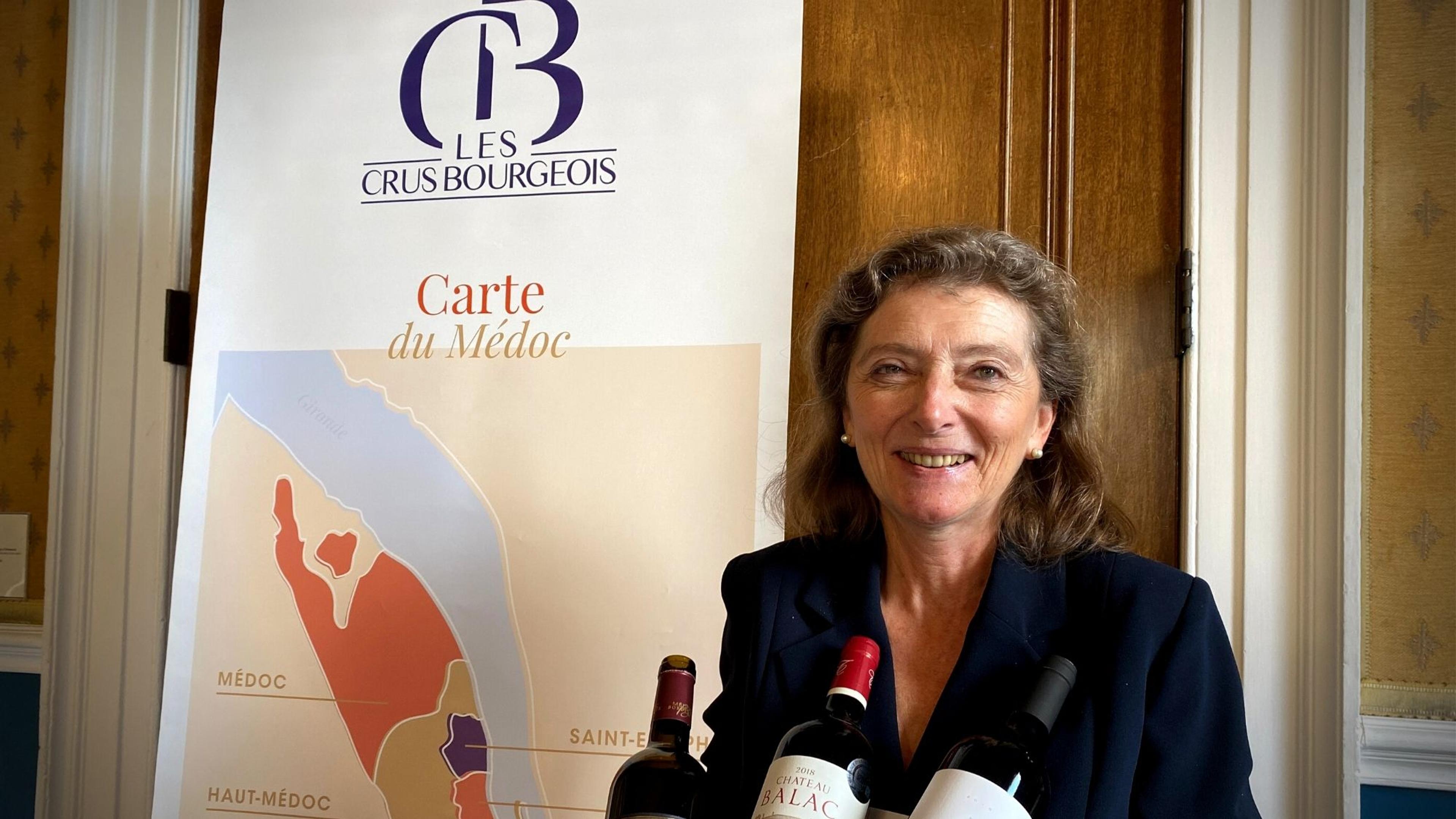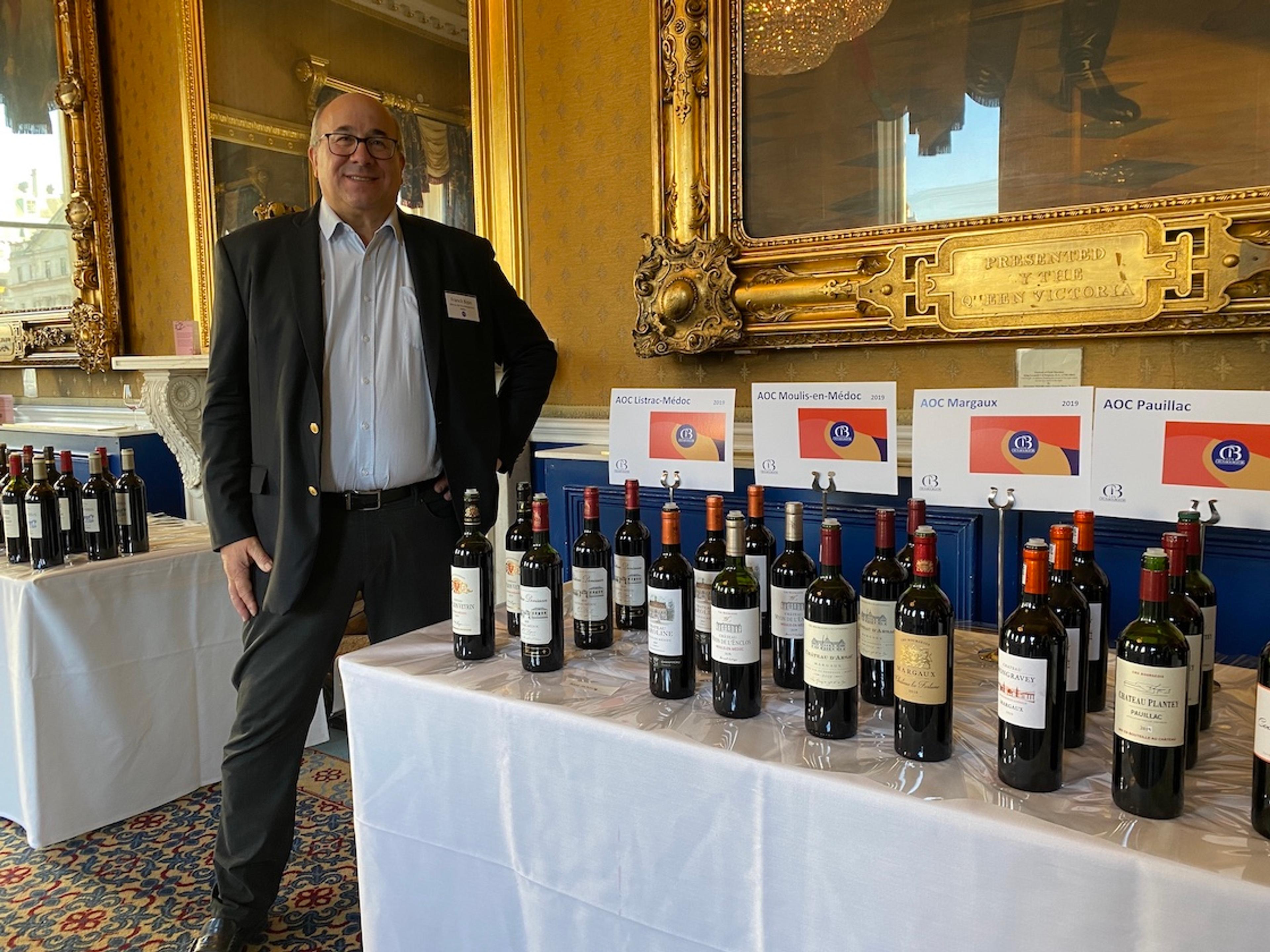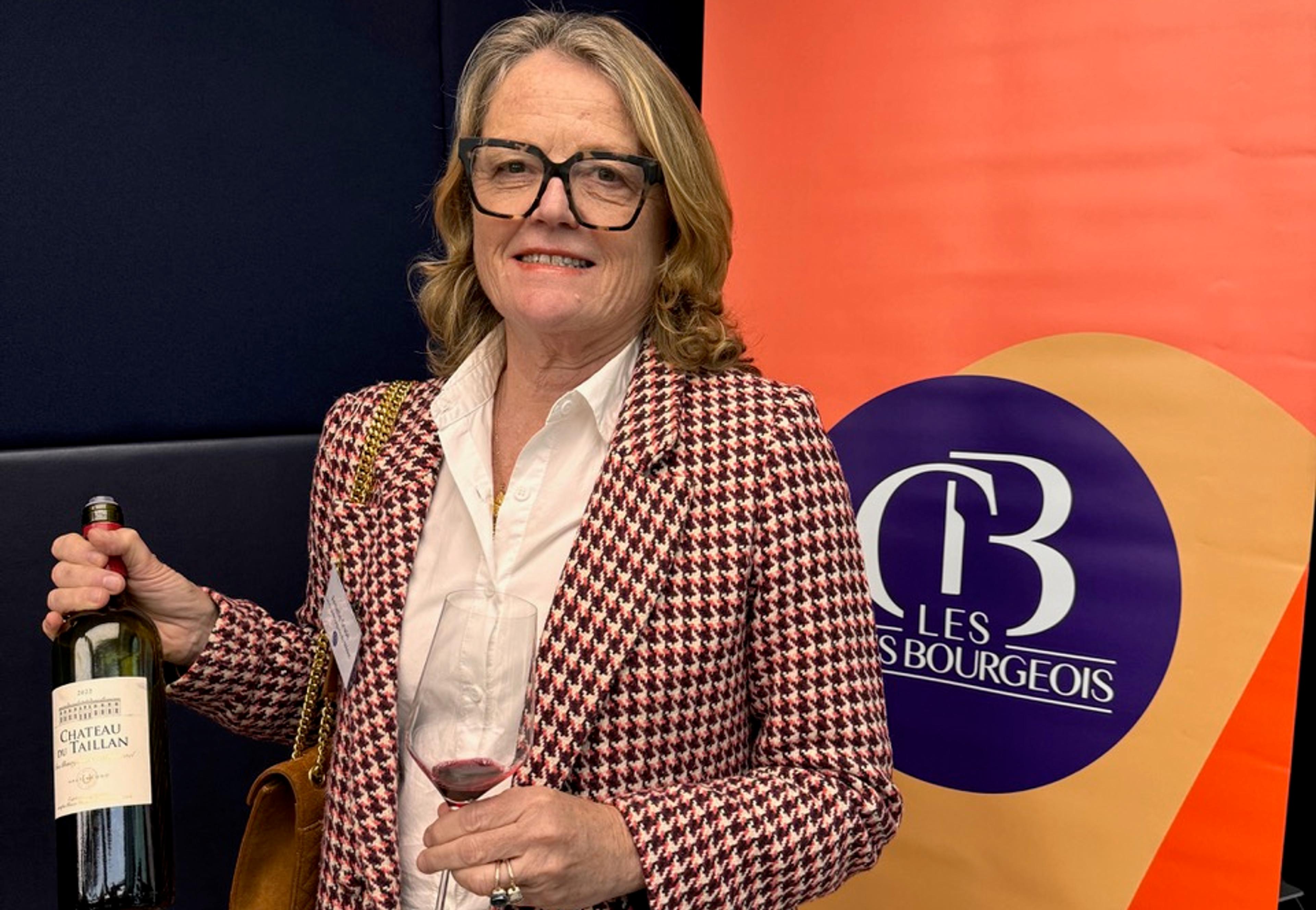
For many in the trade, Cru Bourgeois still suggests dependable Médoc with structured Cabernet blends, solid value and a style that traditionally needed time in bottle. After speaking with Anne Sophie Pagès, who manages Château Noaillac winery and in addition serves on the Cru Bourgeois Board of Administration, it becomes clear that the classification is moving through one of its most important periods of change.
Château Noaillac has been part of Cru Bourgeois since the early 1980s, and for Anne Sophie the involvement is both a family legacy and a commercial asset. In her view, the name Cru Bourgeois immediately signals Médoc and quality to buyers worldwide, but the current ambition is also to communicate approachability, modernity and stylistic diversity.
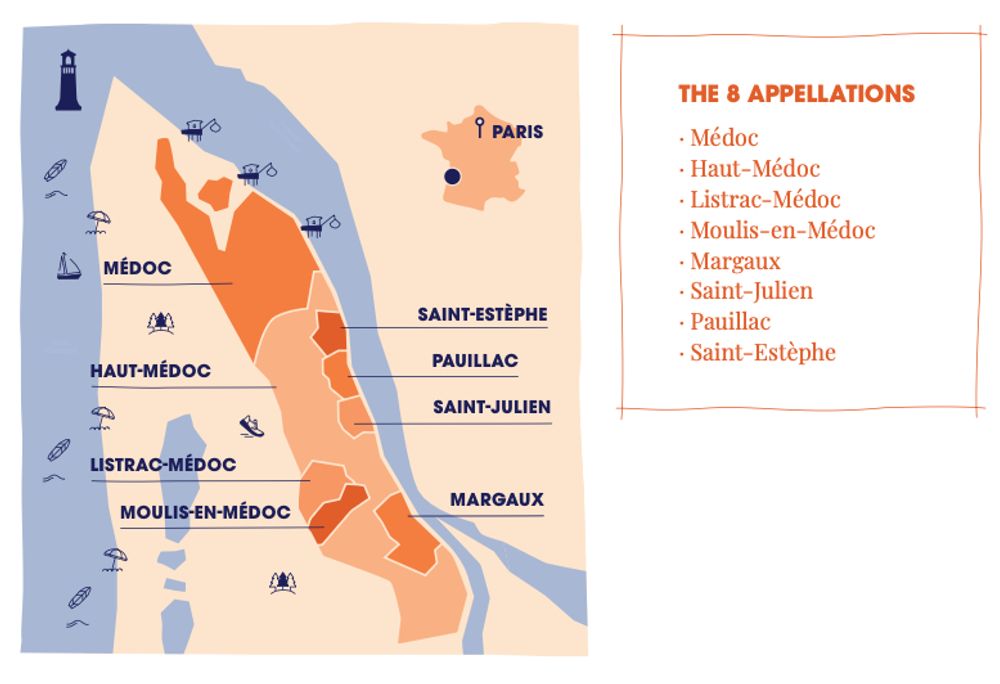
The most significant shift arrived in 2020 with the introduction of a five-year classification. This system replaced the stressful annual tastings that characterised the 2000s and now provides far greater stability for the trade. Every estate undergoes a blind tasting carried out by an entirely external jury. For buyers, this creates a classification that functions as a reliable quality guarantee over multiple vintages, which are ready to consume when the classification is released.
The final classification of the Cru Bourgeois du Médoc and the awarding of additional Cru Bourgeois Supérieur and Cru Bourgeois Exceptionnel distinctions are up to the six members of the jury. The jury is chaired by Philippe Faure-Brac, chef-sommelier and 1992 World’s Best Sommelier.
Producers who wish to obtain Cru Bourgeois Supérieur or Cru Bourgeois Exceptionnel status face additional scrutiny. They must submit a detailed 50-page dossier covering viticulture, cellar work, environmental responsibility, wine tourism, sales strategy and long term planning. This is followed by an on-site audit of around three hours during which a jury verifies each claim.
As Anne Sophie explains, the process is demanding, yet it forces estates to articulate their methods and intentions with much needed clarity. It also provides the trade with a greater sense of transparency and technical rigour.
Environmental responsibility now forms a central part of the system. All Cru Bourgeois estates must hold an officially recognised environmental certification. For the Supérieur and Exceptionnel tiers, estates must hold the respected HVE (Haute Valeur Environnementale) level 2 or 3 certification. In practice, many estates were already farming responsibly. The main change is that these efforts are now verified and communicated. For Anne Sophie, the benefit lies in building consumer confidence through proof rather than intention.
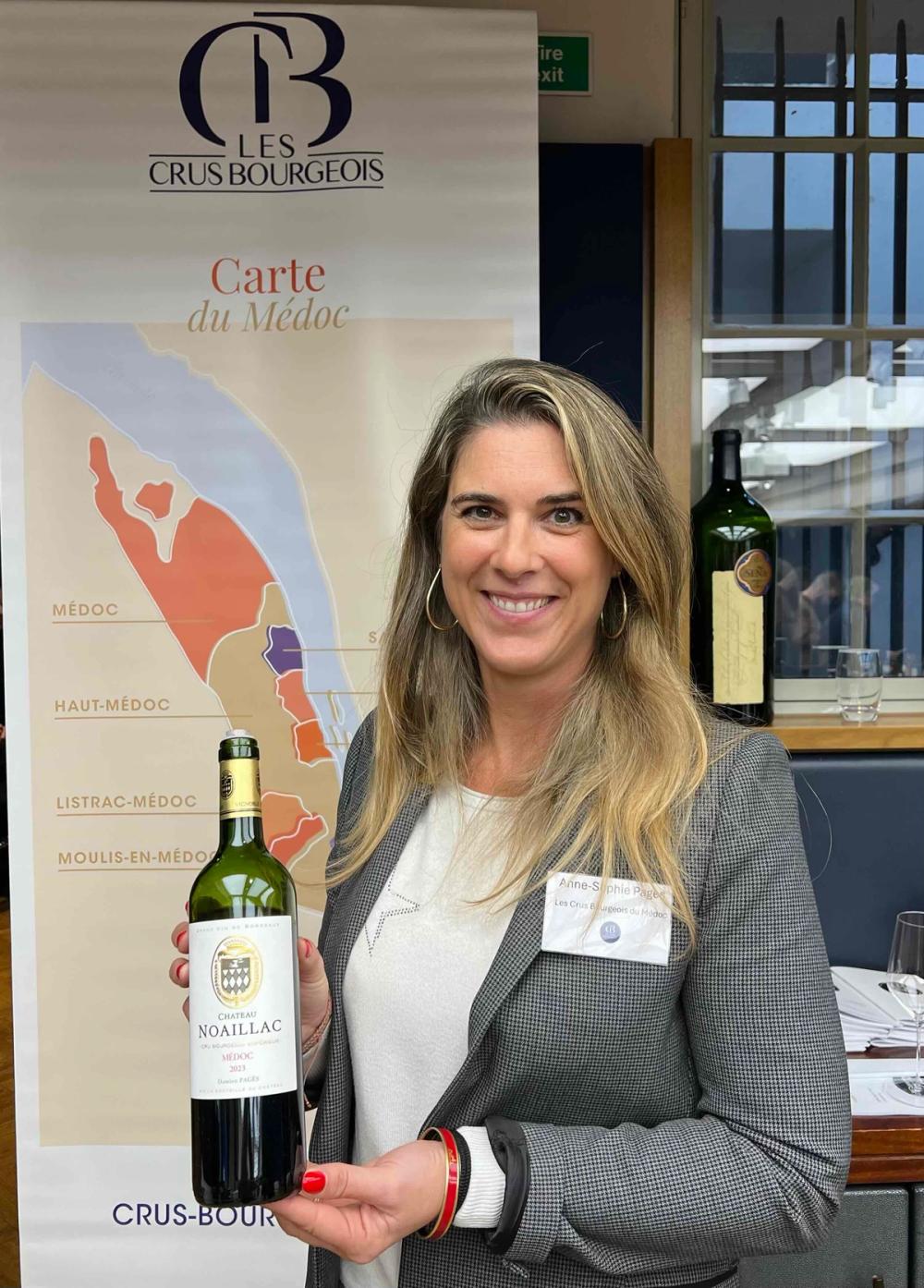
The process provides the trade with a greater level of transparency - Anne Sophie Pagès, MD Château Noaillac and serves on the Cru Bourgeois Board of Administration
Château Noaillac demonstrates how the modern Médoc style is evolving. The blend is led by Merlot, which brings a naturally softer and more accessible profile. Extraction is handled with a lighter touch than in previous decades. Daily tasting guides every decision in the cellar, with the aim of avoiding hard or angular tannins. The resulting wines remain recognisably Médocain, yet they offer greater harmony in youth and work well with a wider range of dishes and buying audiences, an important consideration for the on trade.
The Board of Administration is already preparing the next classification cycle. Members are asking for clearer rules and better communication, and the group is investing in outreach that speaks both to traditional readers and to younger consumers who obtain their information online.
Recent vintages offer encouraging diversity. Anne Sophie describes 2022 as exceptional, 2023 as a strong classic year, 2024 as fresher and ideal for early drinking, and 2025 as very promising after an unusually early harvest. We are all eagerly anticipating 2026.
For buyers looking for reliable quality, verified sustainability and contemporary drinkability at competitive prices, the new Cru Bourgeois offers a compelling opportunity. Château Noaillac stands as a clear example of where this renewed energy is heading.
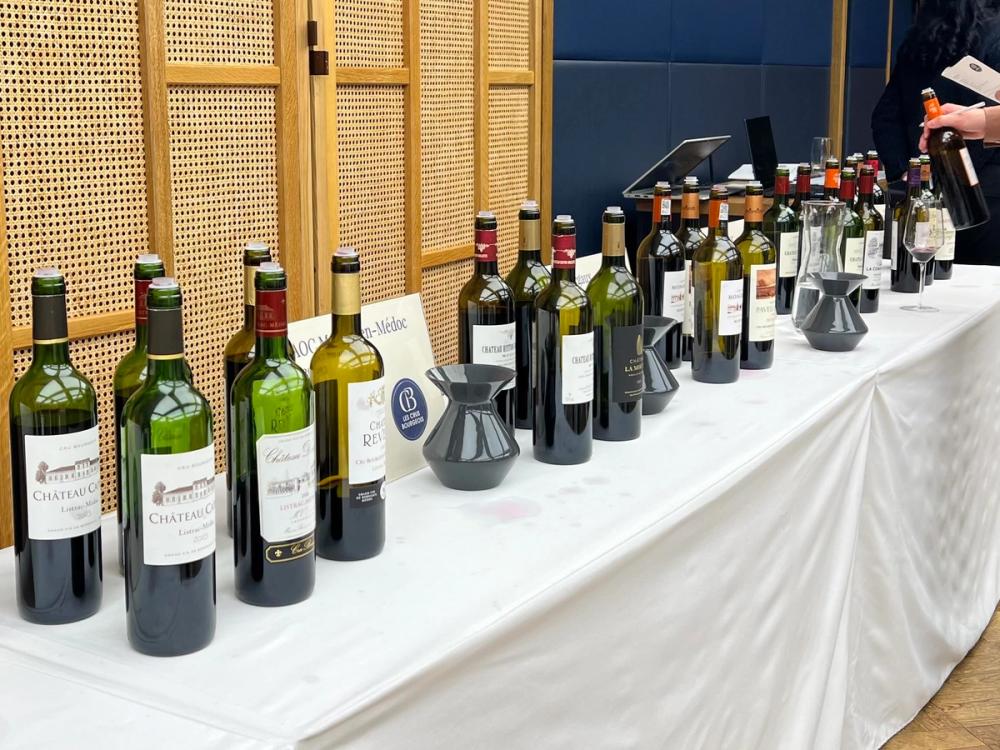
Last year I highlighted 15 wines from the 2022 vintage, so it only feels right to do the same with 2023. The challenge, however, was real. I enjoyed 36 wines this year and narrowing them down to just 15 was no small task.
15 Cru Bourgeois from the 2023 vintage
Cru Bourgeois:
Château d’Argan, Médoc
Soils: Clay limestone.
Blend: 50% Merlot, 50% Cabernet Sauvignon.
Distributor: Seeking UK importer.
Very fruity, very good.
Château Le Bourdieu, Médoc
Soils: Sandy gravel and clay gravel.
Blend: 50% Merlot, 47% Cabernet Sauvignon, 3% Petit Verdot.
Distributor: Seeking UK importer.
Gorgeous, fresh and mineral.
Château Rousseau de Sipian, Médoc
Soils: Garonne gravel, sandy gravel and clay limestone.
Blend: 71% Merlot, 22% Cabernet Sauvignon, 7% Petit Verdot.
Distributor: Seeking UK importer.
This is gold. Violet and cherry on the palate, mineral, beautifully integrated tannins. Fantastic wine.
Château Vieux Robin, Médoc
Soils: Clay limestone.
Blend: 55% Cabernet Sauvignon, 40% Merlot, 3% Cabernet Franc, 2% Petit Verdot.
Distributor: Seeking UK importer.
More complex, bold and juicy, yet with firm structure. Delicious.
Château de Braude, Haut Médoc
Soils: Garonne and Pyrenean gravel.
Blend: 61% Cabernet Sauvignon, 39% Merlot.
Distributor: Seeking UK importer.
Blackberry, mint, freshness, gorgeous. A touch of clay and a slight amphora influenced oxidative note that adds charm.
Cru Bourgeois Supérieur:
Château Fleur La Mothe, Médoc
Soils: Clay limestone and gravel.
Blend: 45% Cabernet Sauvignon, 40% Merlot, 15% Petit Verdot.
Distributor: Seeking UK importer.
Aromas of dried prune, lifted acidity, very nicely made.
Château Noaillac, Médoc
Soils: Garonne and Pyrenean gravel.
Blend: 55% Cabernet Sauvignon, 38% Merlot, 7% Petit Verdot.
Distributor: Thorman Hunt.
A more delicate wine, with smoked cherry notes, high acidity and strong minerality. Almost Pinot Noir in profile rather than classic Bordeaux.
Château Patache d’Aux, Médoc
Soils: Clay limestone.
Blend: 50% Cabernet Sauvignon, 48% Merlot, 2% Petit Verdot.
Distributor: Liberty Wines.
Fresh with well-shaped tannins and good acidity.
Château Bel Air Gloria, Haut Médoc
Soils: Gravel and sand.
Blend: 70% Cabernet Sauvignon, 30% Merlot.
Distributor: Seeking UK importer.
Gorgeous. Soft tannins, great fruit and ready to drink.
Château du Cartillon, Haut Médoc
Soils: Sandy gravel and sandy clay.
Blend: 52% Cabernet Sauvignon, 40% Merlot, 8% Petit Verdot.
Distributor: Seeking UK importer.
Seductive nose of sugared fruit and violet. Great acidity and tannins. Absolutely yes.
Château Dillon, Haut Médoc
Soils: Sandy gravel and clay limestone.
Blend: 40% Merlot, 26% Cabernet Sauvignon, 17% Petit Verdot, 17% Cabernet Franc.
Distributor: Seeking UK importer.
Elegant palate, exuberant nose, black fruit driven. Very enjoyable.
Château La Mouline, Moulis en Médoc
Soils: Clay limestone and gravel.
Blend: 60% Merlot, 40% Cabernet Sauvignon.
Distributor: Seeking UK importer.
A gorgeous wine. Cherry, blackberry and raspberry, nicely rounded with good texture.
Cru Bourgeois Exceptionnel:
Château La Cardonne, Médoc
Soils: Gravel and clay limestone.
Blend: 52% Cabernet Sauvignon, 40% Merlot, 8% Petit Verdot.
Distributor: Seeking UK importer.
One of my favourites. Minty, fresh and mineral, with good tannin and a touch of jam that adds charm.
Château du Taillan, Haut Médoc
Soils: Clay limestone with gravel.
Blend: 80% Merlot, 20% Cabernet Sauvignon.
Distributor: Seeking UK importer.
Cherry driven, complex palate, very nice.
Château Reverdi, Listrac Médoc
Soils: Clay limestone.
Blend: 50% Merlot, 35% Petit Verdot, 15% Cabernet Sauvignon.
Distributor: Seeking UK importer.
Cherry, limestone, lightly oxidative cherry character, but lovely and well rounded.
Château Mongravey, Margaux
Soils: Garonne gravel.
Blend: 73% Cabernet Sauvignon, 25% Merlot, 2% Cabernet Franc.
Distributor: Charles Taylor.
One of my absolute favourites. Blackcurrant, blackberry, a touch of sugarcane, ripe fruit and firm tannins. Yes, yes, yes.