
This piece starts with a confession. Over my many years of writing about Portuguese wine, I regarded the Tejo region – now the fifth largest in the country – as an ‘also ran’ compared to Alentejo, Vinho Verde and Douro. Even to Dão and Bairrada, both of which have made huge qualitative strides in recent years. Somehow more focused on quantity than quality, with very few standout estates.
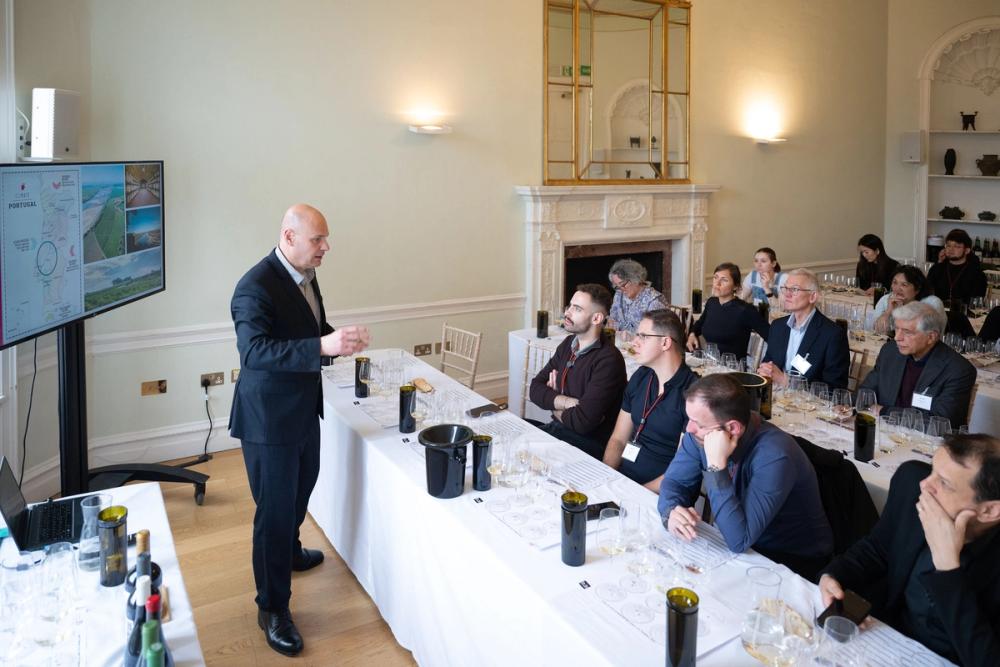
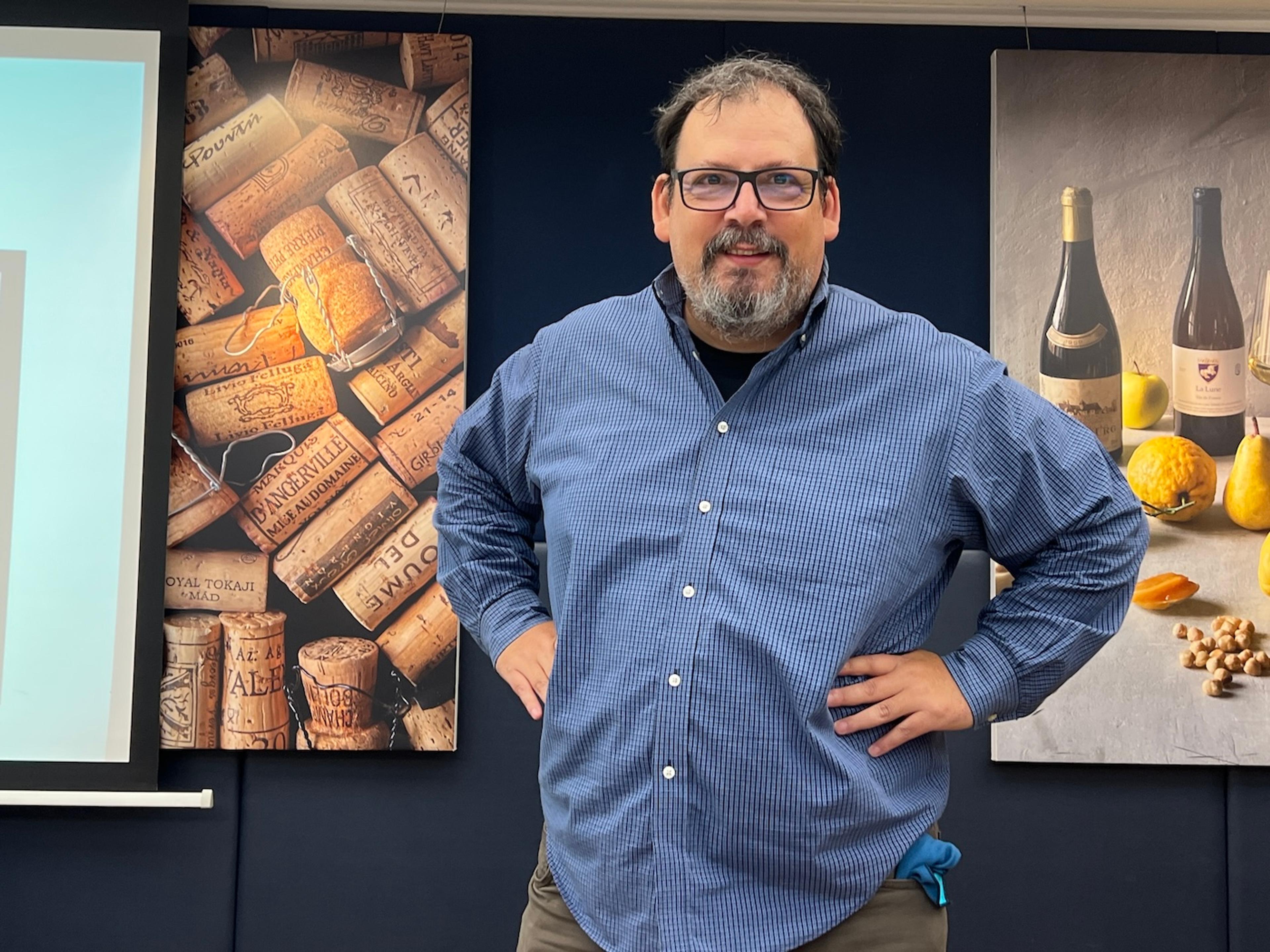
"Things have changed completely" – Dirceu Vianna Junior MW.
Renaissance of the region
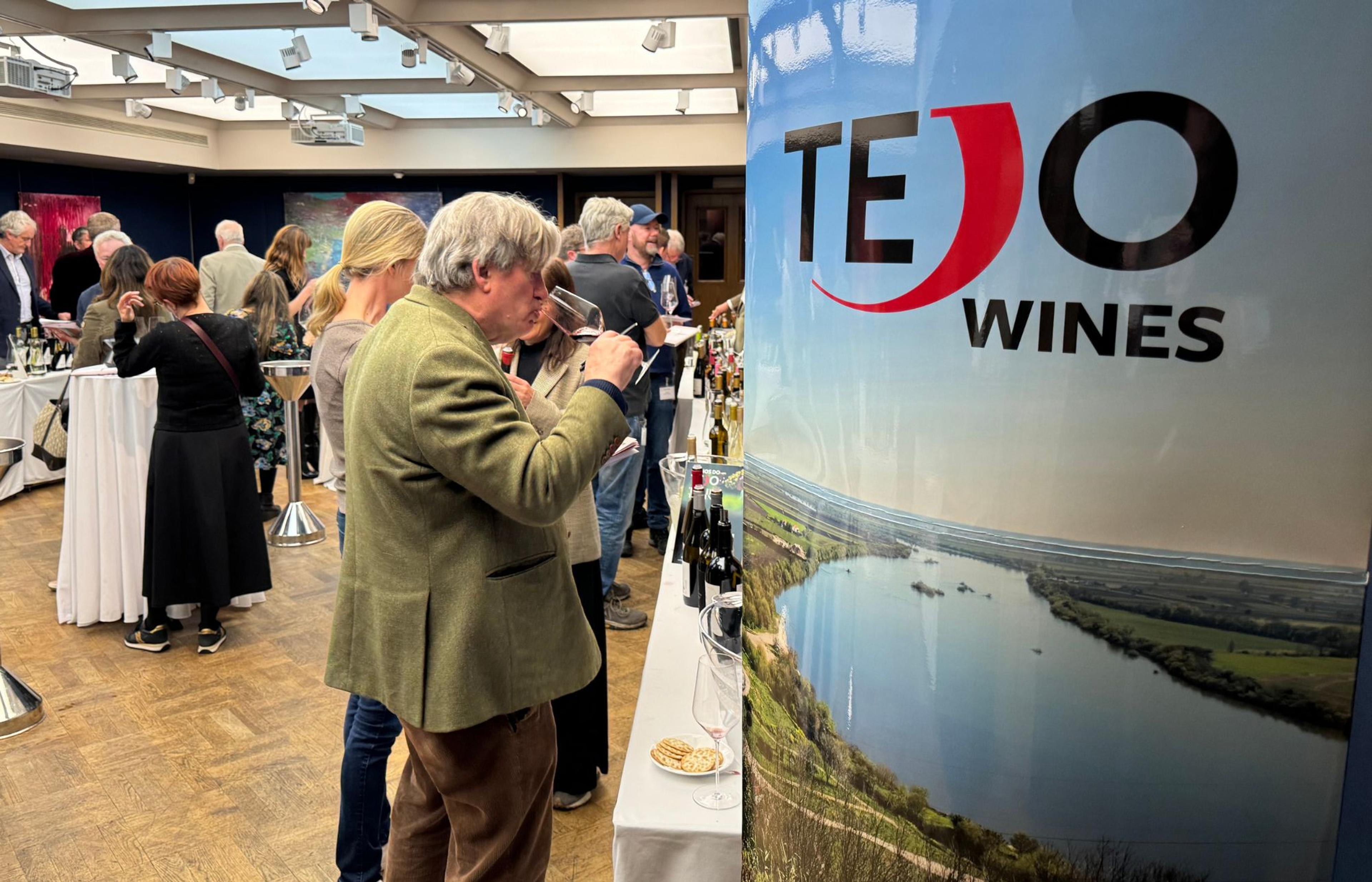
I’m not alone. Dirceu Vianna Junior MW, who presented a fascinating masterclass at this eye-opening tasting of wines produced by 11 of Tejo’s 80 producers, and a Portugal expert (“If I have, say, five bottles of wine open in my house, chances are three of them will be Portuguese,” he tells me) admits he used to be of the same mind.
“A few years ago, I would have struggled to find 12 really decent wines for a masterclass: aside from Quinta do Casal Branco there wasn’t much that was noteworthy. Things have changed completely. You have young well-travelled, imaginative producers growing for themselves rather than selling to the four coops; they are making stylish, fresh, modern wines from indigenous grapes on often very old vines – 90-100 years old isn’t unusual here,” he says.
The renaissance of Tejo as a wine region was captured in Junior’s Masterclass entitled ‘New Terroir, Old Vines and Modern Styles of Tejo’: wine was produced here when Portugal was Roman Lusitania; it was then exported to Portugal’s colonies; and then to Lisbon’s ruling elite right up to the 1974 Revolution.
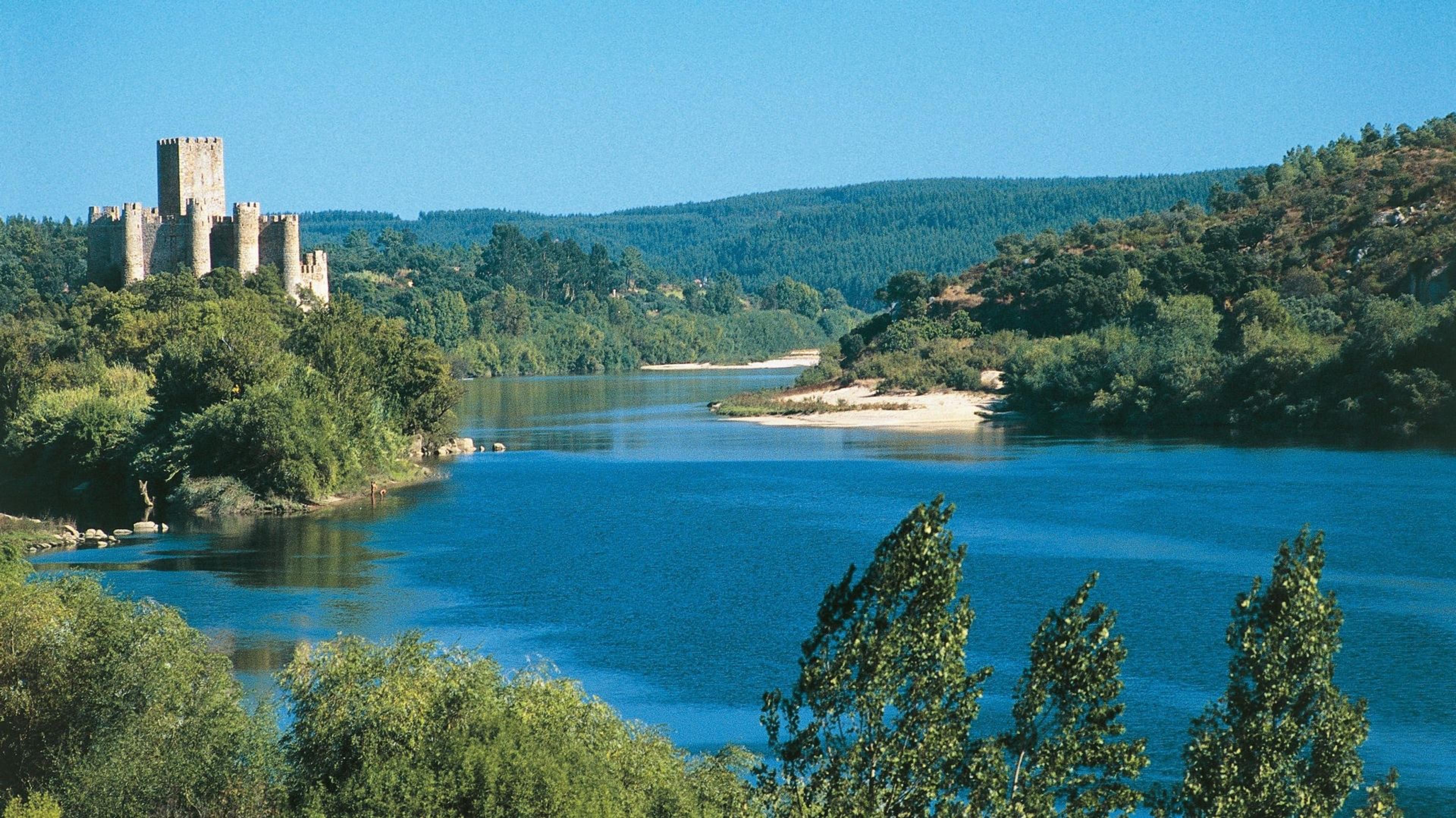
The region’s strengths are many: indigenous varieties led by white Fernão Pires and Verdelho, and red Castelâo and Trincadeira; a rich variety of soils; and a climate perfectly suited to winemaking, with major diurnal differences that allow the vines to get the cooling breezes from the ever-present River Tejo, aka Tagus.
Junior’s focus was on the sub-region terroirs of Tejo:
- Bairro with its clay-limestone soils.
- Campo (located nearest to the Tagus, very fertile with alluvial soil).
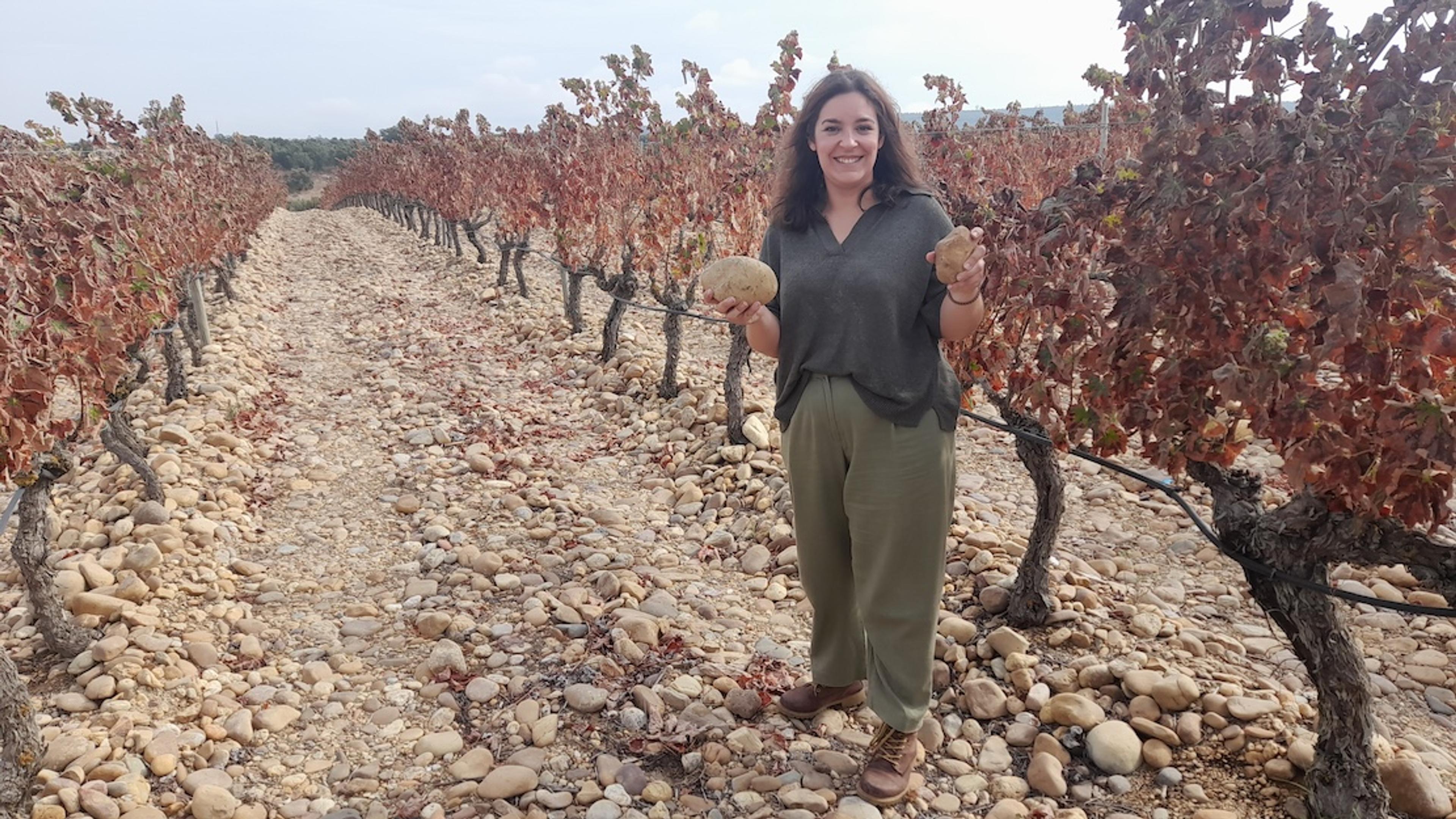
- Charneca, basically sandy soil and gravel.
- Serras, the soils are predominantly stony, with schist and granite, well drained and poor. This terroir is also home to some of the oldest vineyards in the Tejo region and it has higher average altitude (232m) than the other terroirs.
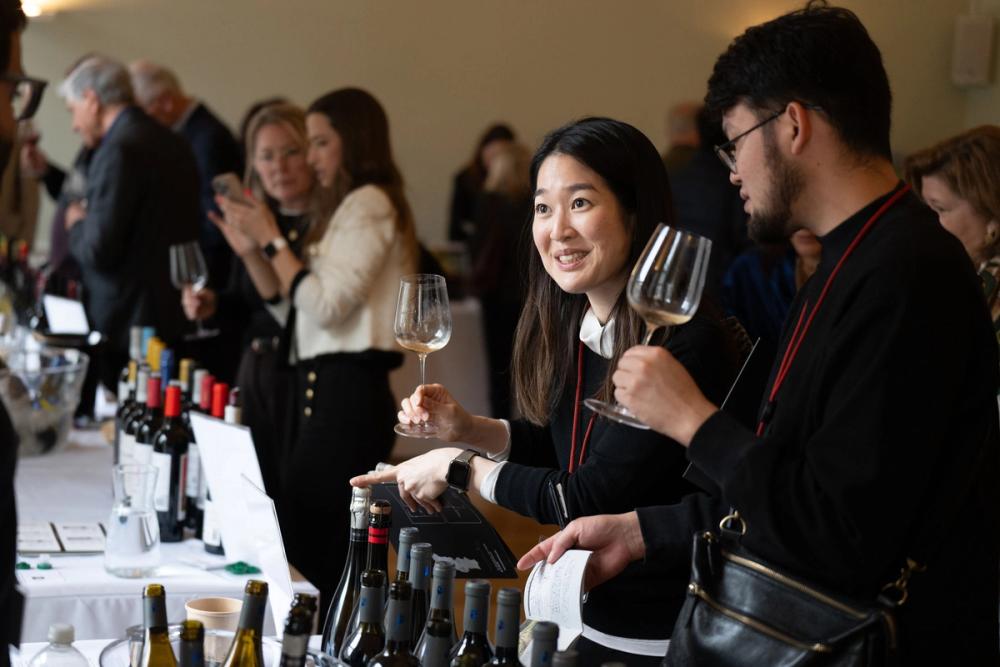
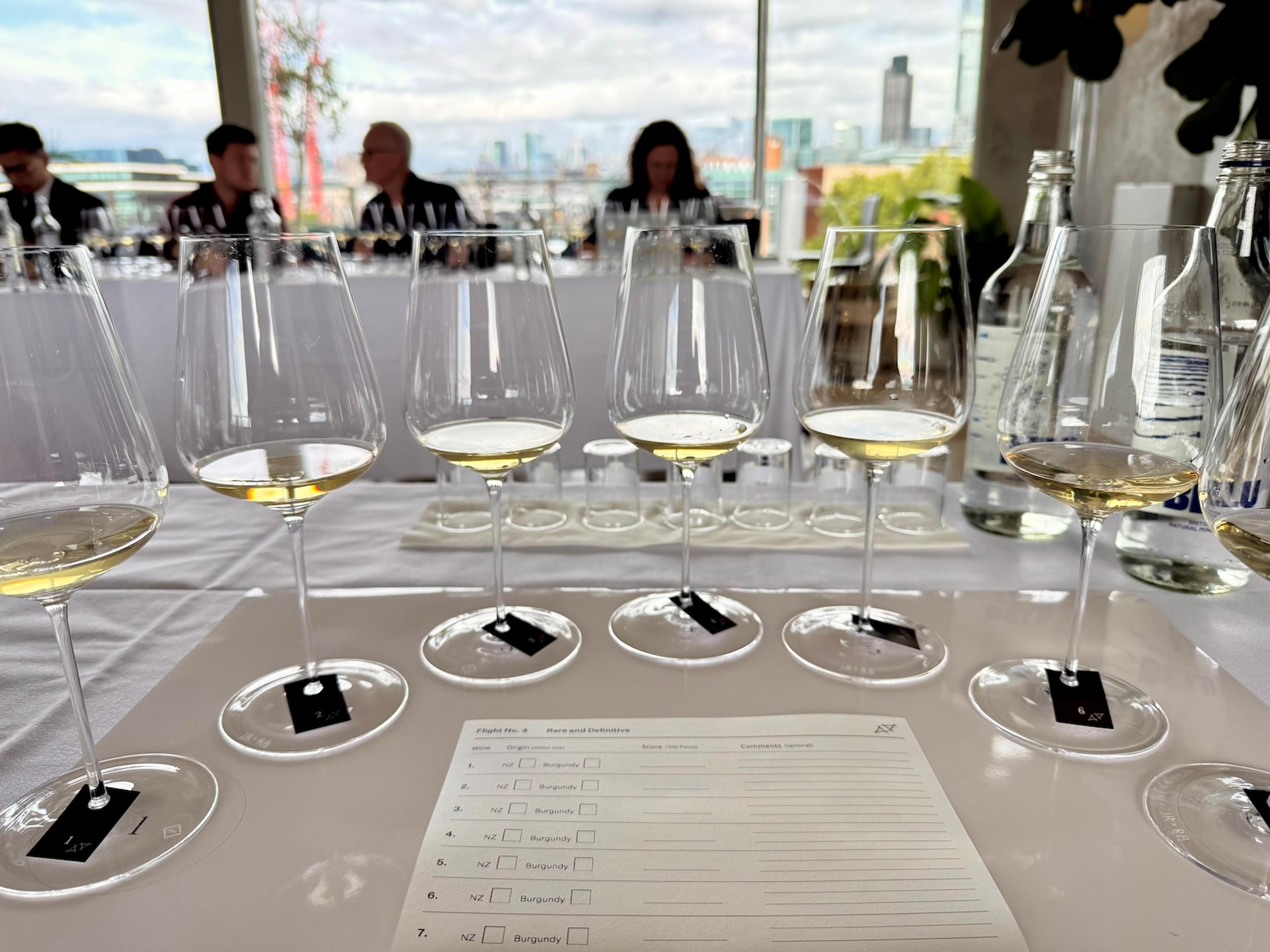
Tejo tasting and masterclass, London, May 11, 2026
The extent to which terroir can impact a wine was demonstrated with two very different iterations of Castelâo – Companhia Das Lezírias Senhora Companhia Vinho Novo 2024, which is from the Charneca area and made in a modern style, with a fruity, cherry-charged edge to it, and the more full-bodied Adega de Cartaxo Castelão 2023, from one of Tejo’s leading cooperatives from vines in Bairro. Both decent wines but made in very different styles, largely reflecting terroir.
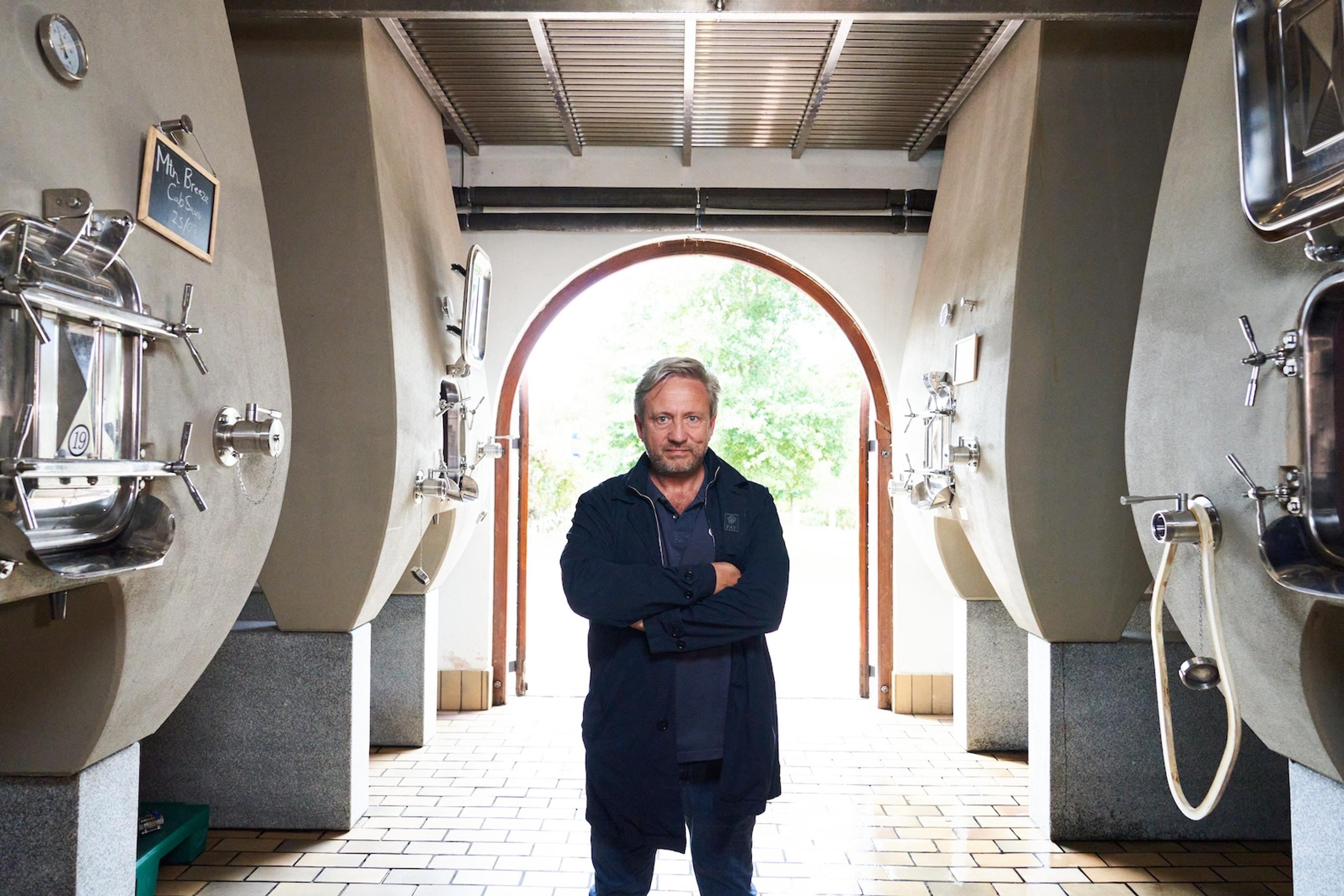
Producers have been taking advantage of the Tejo’s distinctive terroirs, as Jose Lobo de Vasconcelos of Quinta do Casal Branco explains.
“Historically, our estate was planted mainly in the more fertile ‘Campo’ but over time there was a deliberate move towards the poorer sandy soils of the Charneca. That transition allowed us to focus more on concentration, elegance and consistency rather than volume,” he says.
Serras - the new sub-region
A fourth sub-region has just been added – tiny remote and hilly Serras, whose rough and ready terrain is an ideal area for producing red and white field blends on vines with an average age of almost 50 years. To appreciate how small this sub-region is, it comprises 375 ha of vines out of Tejo’s total of 12,000 ha.
The formal launch of Serras, after the completion of a major soil study across the region, is a major development for Tejo, enabling winemakers to hone their skills in four very different soils and terroirs.
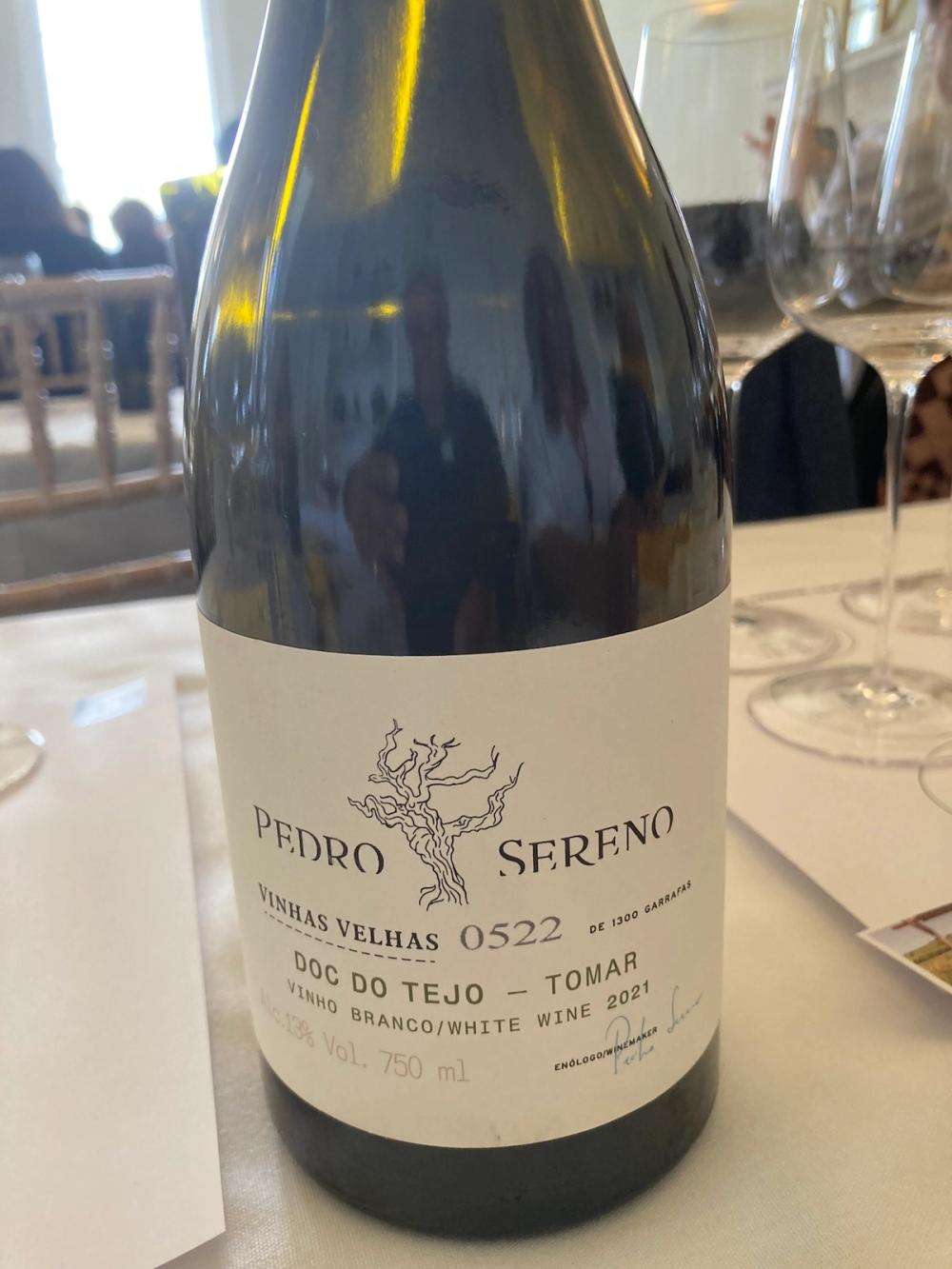
Serras is a cooler region and looks to be very interesting if one of the Masterclass wines – the Pedro Sereno Vinhas Velhas 2021 – is anything to go by. This is a white field blend made from grapes grown on 90-year-old vines, aged in large oak, which was nuanced, quite mineral but also showing great depth of flavour and a definite sense of place.
“It’s a subtle wine that grows on you, that you need to understand,” Junior told me afterwards.
The wine was also a perfect illustration of his earlier point, that winemakers are discovering and reviving old vineyard plots and making wines they think best illustrates the terroir, and not necessarily led by market forces.
“Over the last few years, winemakers here have gained confidence, they have travelled and gained experience and know better than ever how to make the best of the sunshine and amazing soil here. The fact that the region is increasingly winning some awards has also helped, of course,” says Junior.
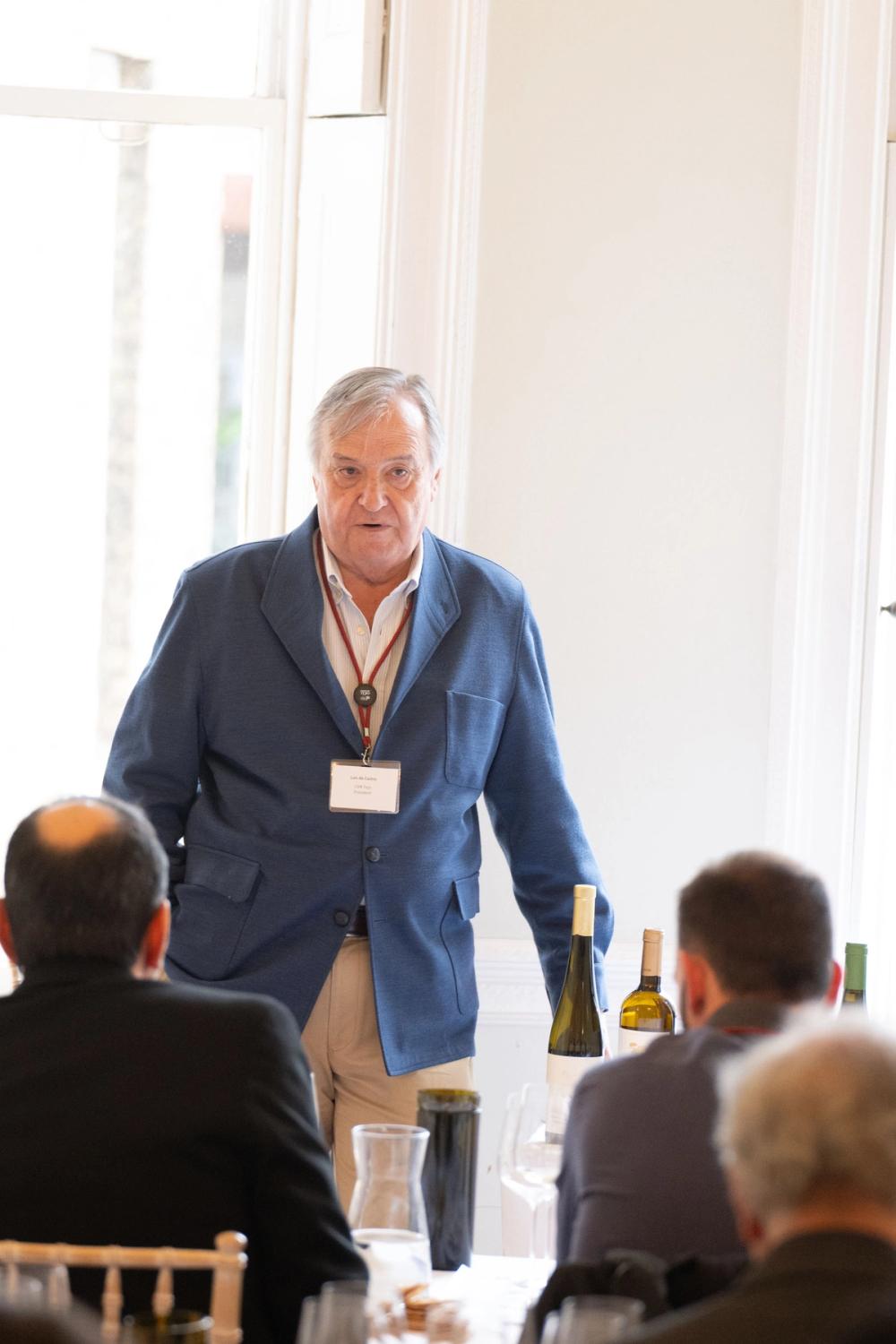
“Our strength lies in making fresh wines which happens to be what the market wants right now." Luis de Castro, trade body chief.
Unique climate
For Luis de Castro, president of the CVR Tejo, it is the region’s climate that constitutes its main calling card; the notorious Tagus fog can hang over the vines for hours, trapping cooler temperatures before the sun rises high later in the day.
“Our strength lies in making fresh wines which happens to be what the market wants right now. Whatever the price point, the wines offer great value, everything from a €3 Charmat sparkling to a more complex field blend of great character and personality,” Castro says, adding that in the UK market the priority is pushing into the on-trade.
For the off-trade, the focus will be building on the successes of such inexpensive brands as Tagus Creek, which launched around 20 years ago and introduced consumers to local varieties such as Aragonez (aka Tinta Roriz aka Tempranillo), Touriga Nacional and Verdelho, blended with international varieties.
“What’s particularly encouraging is that consumers are now happy just to have our local varieties unblended with more familiar international varieties.”
So which producers and wines stood out? Here’s a ‘magnificent seven’.

Established in 1648 this historic 5,400-hectare estate, 80 kilometres north of Lisbon at Muge, has a reputation for breeding horses as well as making decent wines – and I got a good kick out of the 1648 Muge Rose, Colheita 2025. Made from 100% Touriga Nacional, this is a smooth, well made, strawberry charged, onion skin-coloured pink that could easily have come from Provence – albeit with more depth and character. An excellent aperitif that also works well with food.
One of the estate’s leading whites, the Reserva 2023 is a full-bodied and successful blend of Arinto, Fernâo Pires and Viognier, with lots of minerality and length. The 1648 Trincadeira Preta Vinhas Velhas 2023, a local take on the famous variety, is also a joy. Produced from bush vines over 80 years old, this is full on, very dark red, berry and cassis on the palate, quite spicy with a long finish.
An ecologically focused winery established in 1836, which today makes a wide range of wines at various price points, amongst them Tyto alba (‘barn owl’) – a range of ecological wines devoted to protecting local ecosystems. The rosé 2024 is an unusual pink, borderline orange in colour, but very characterful. A blend of Touriga Nacional and Merlot, that works rather well.
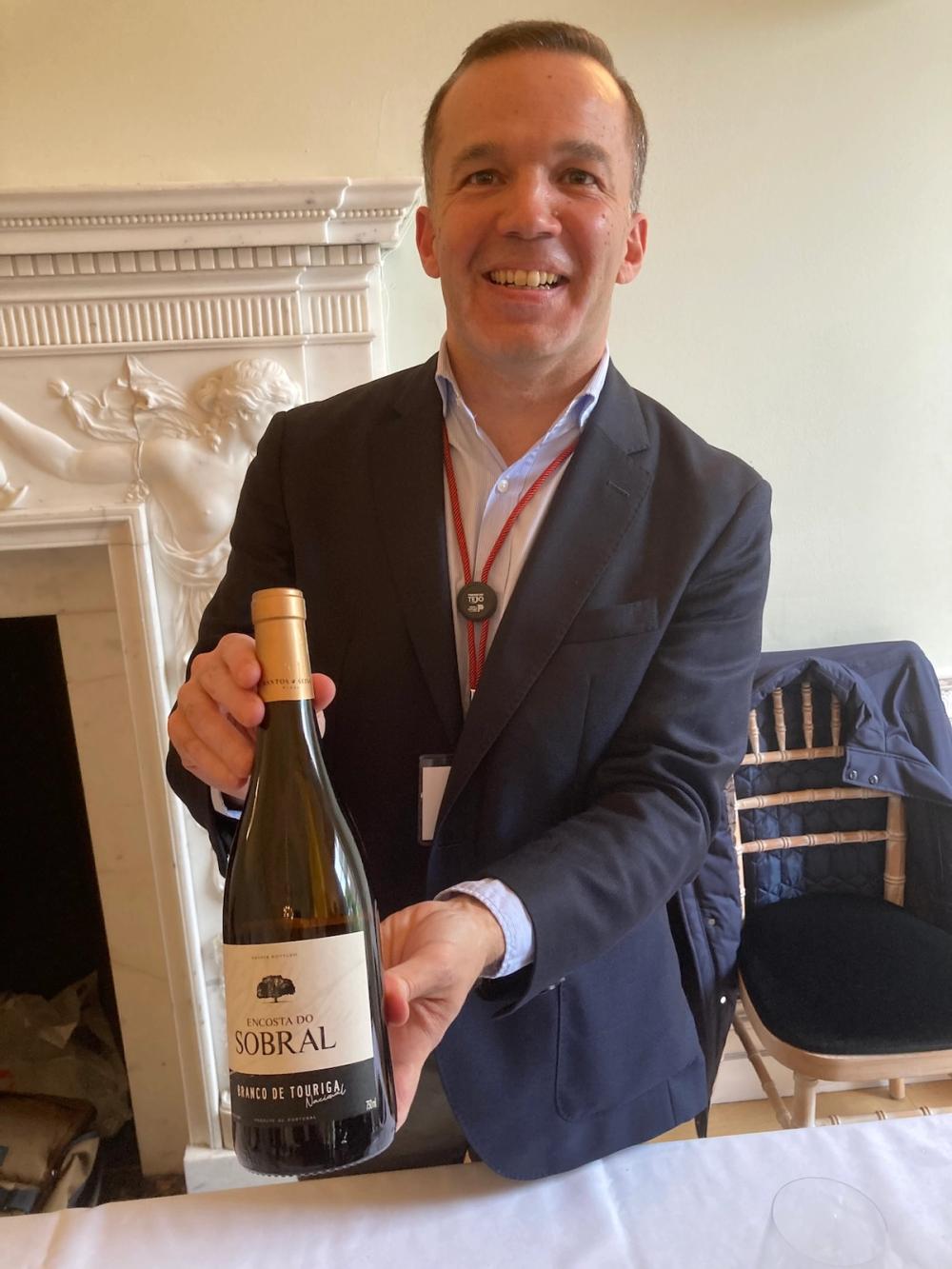
This producer was established by the Santos and Seixo families in 2014, four years before they bought the historic Encosta do Sobral estate.
The Encosta do Sobral Branco de Touriga Nacional Branco 2024 is an individual blanc de noirs style wine using Portugal’s best-known variety and one that is not easy to make a white wine from. Interesting with a good grip but may, I fear, not be to everyone’s taste. More mainstream is the Encosta do Sobral Vinhas Velhas 2022 a full-on blend of native varieties led by Trincadeira and Castelâo, but many others too; this is full flavoured but with decent supporting acidity and some length.
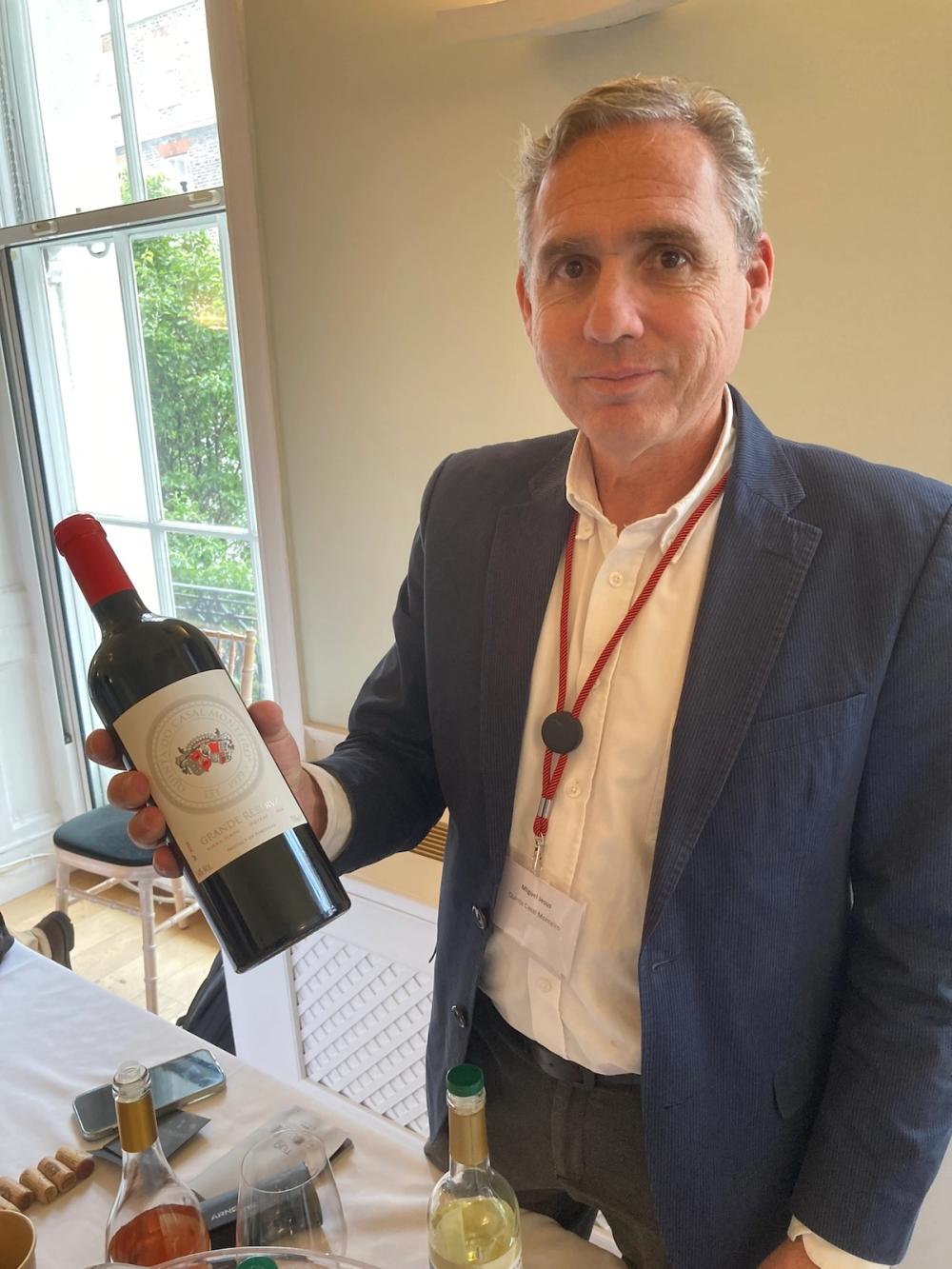
Another quality-focused family producer, this one established in 1928. The screw-capped Forma de Arte range is focused on freshness and accessibility: I liked the Alvarinho 2025, quite generous palate and bigger in style than those from Vinho Verde, and the unoaked, fresh and moreish Touriga Nacional 2023 showed terroir and variety unadorned. The Quinta do Casal Monteiro Grande Reserva Fernão Pires 2022, shown in the masterclass, is a big hitting, peach and apricot-charged take on Tejo’s most planted variety.
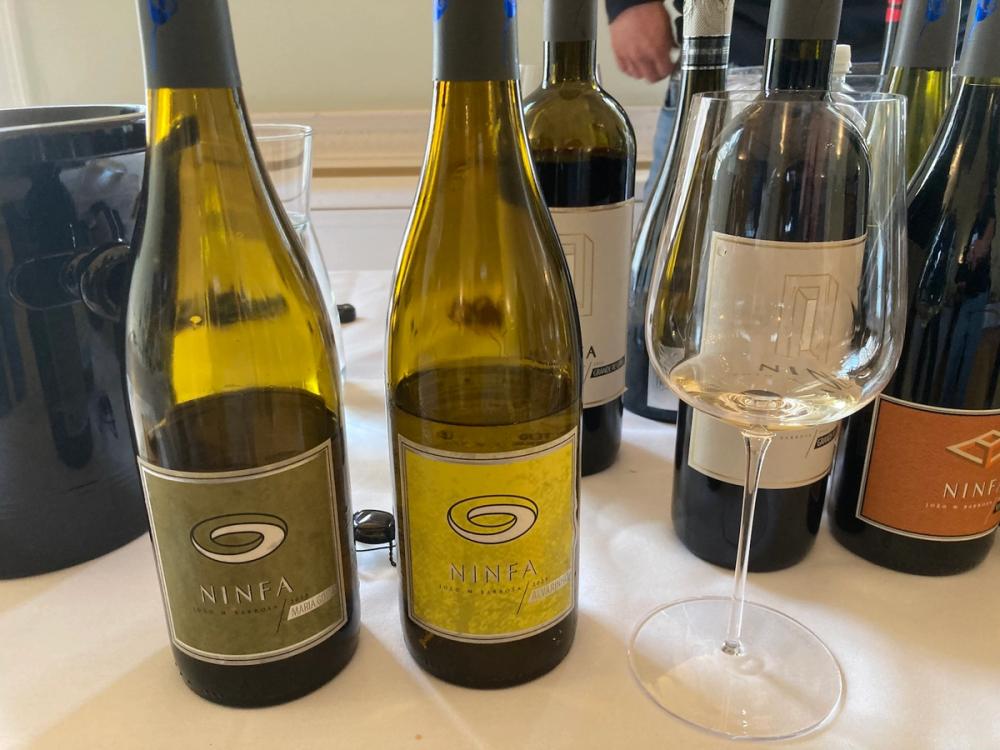
This newish producer only had its first vintage in 2003 but makes a range of delicious, slightly off-piste wines. I loved the Ninfa Alfrocheiro 2019, a fruit-first take on the red Dão-based variety and the two sparklers, the Ninfa Espumante Reserva 2019 and the Ninfa Espumante Platinum 2017, both made in the classic method from Pinot Noir.
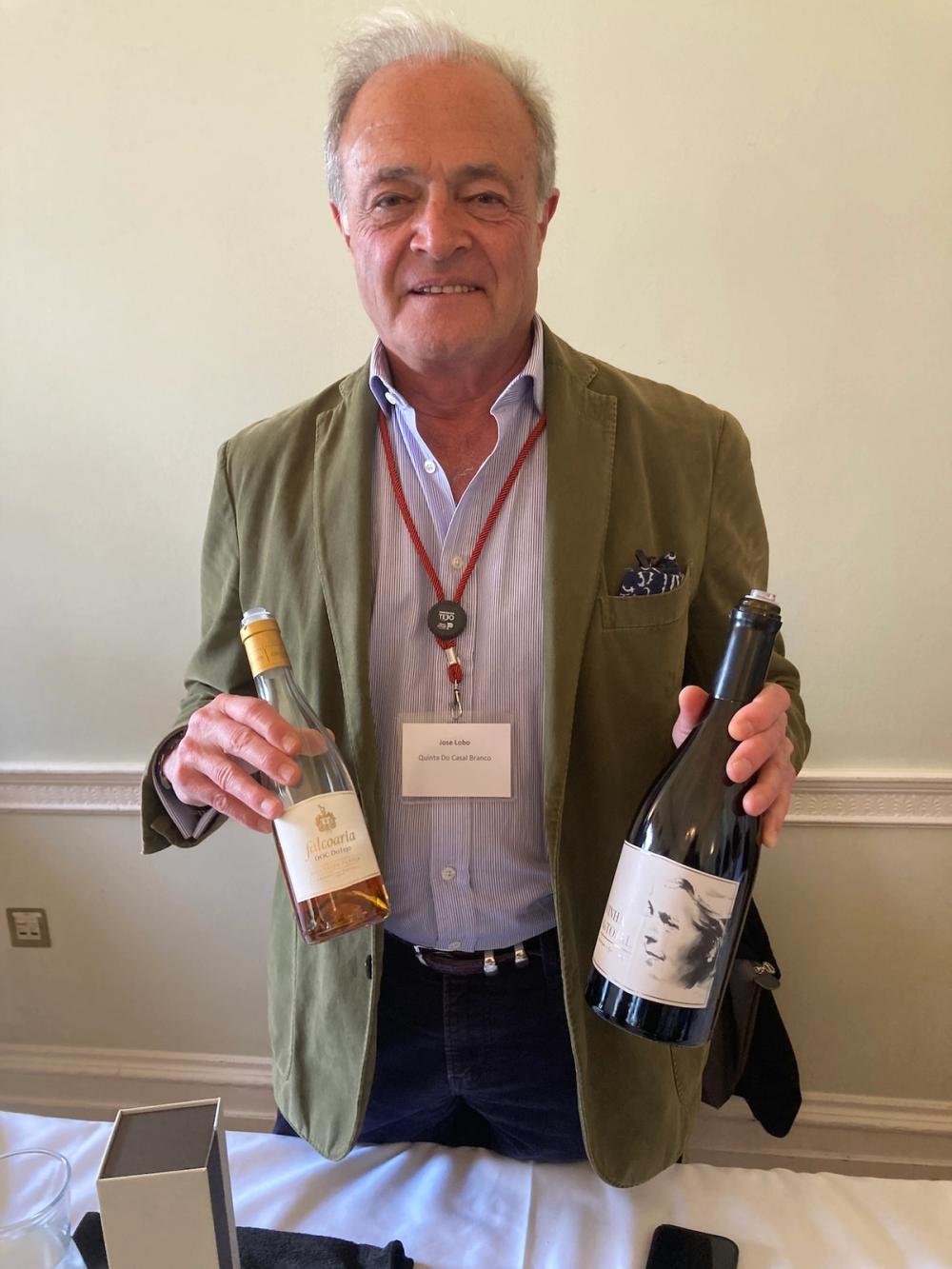
Established in 1775 and perhaps Tejo’s most iconic estate, run for eight generations by the Sobral Lobo de Vasconcelos family, the quinta now produces some one million bottles a year.
Although most of the wines are entry level, there’s lot of innovation here and a great sense of tradition and place. Owner Jose Lobo de Vasconcoles says “Falcoaria was the first wine brand certified by the Tejo region with its 1989 vintage, a wine inspired by the estate’s centuries-old connection to royal falconry traditions. We also pioneered the region’s first traditional method sparkling wine made from Castelão and first botrytis late harvest wine.”
There’s quality across the board here. Highlights for me included the Falcoaria white 2022 made from 60 year old Fernão Pires vines which was rounded and quite Burgundian; the Falcoaria red 2023 (also very old vines) was intense and full bodied – a blend of Casteläo, Alicante Bouschet, Touriga Nacional and Cabernet Sauvignon, partially fermented port-style on open lagares and foot-trodden before a year’s ageing in French oak. Lots of fruit here in a well-structured, textured wine, with good length (15% abv).
The sparkling wine referred to above, Espumante Monge Reserva, is an intriguing blanc de noirs made from 100% Castelao in the traditional method and lees aged for over a year. The 2016 vintage I tasted was still youthful, very distinctive and dry, but with a savoury finish.
The sparkling referred to by Vasconcoles, Vinha do Tojal Homenagem a Dona Sophia 2016 still feels quite youthful, is very dry and quite distinctive. The wine is made in tiny quantities (just 1775 bottles) which are all signed by the owner to honour his mother who oversaw the revitalisation and modernisation of the quinta in the 1980s; this is a one off but certainly the jewel in the crown. An intense blend of Casteläo and Alicante Bouschet grown on vines at least 80 years old, this is very concentrated, with suggestions of liquorice, cassis and herbs on the long palate. Intense and quite delicious.
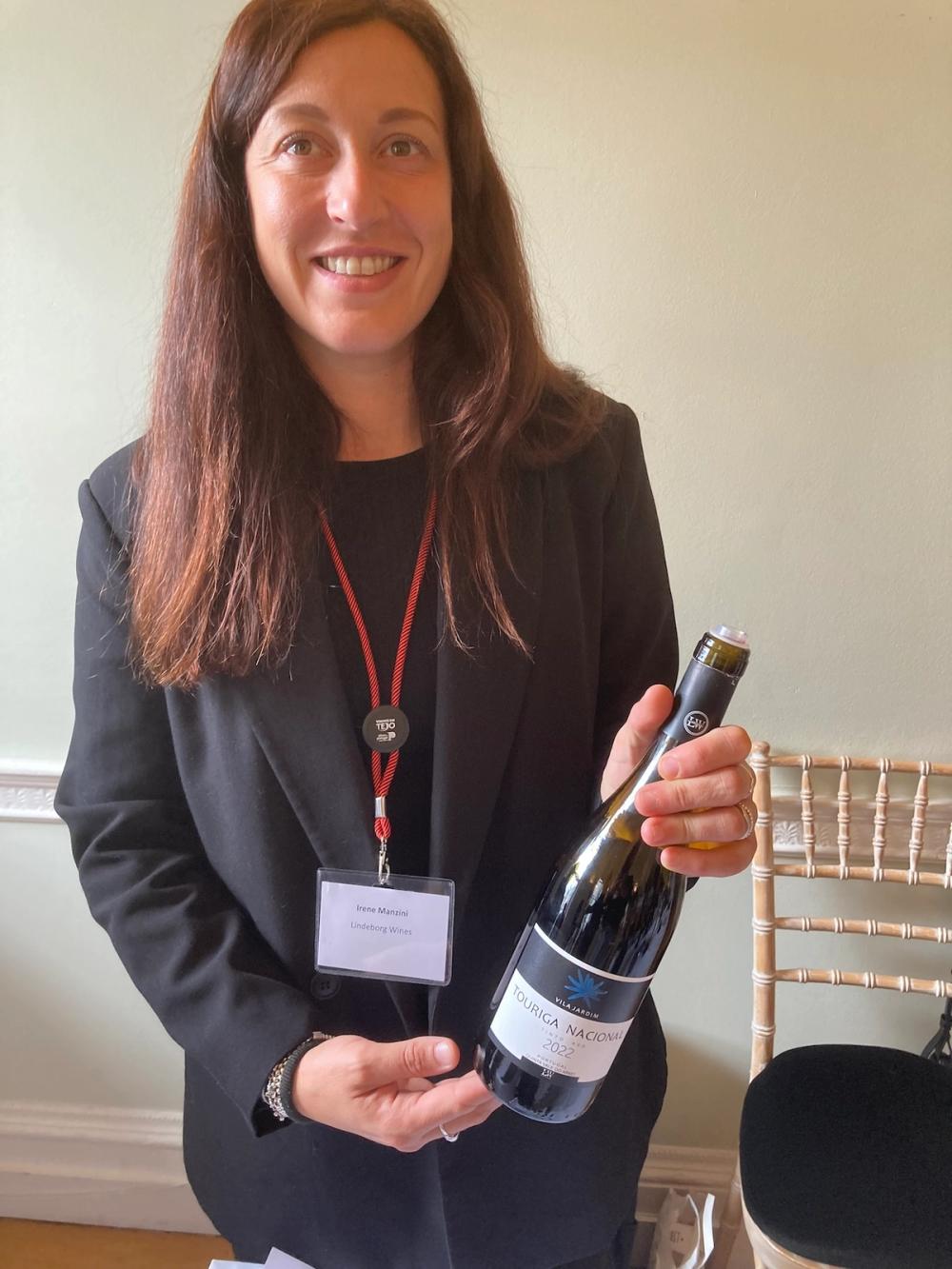
Quinta Vale do Armo (Lindeborg Wines)
A 90-hectare estate which makes a huge variety of wines at a range of price points. I particularly liked the Villa Jardim Reserva Tinto 2021 which is a modern style, medium weight red, made from a blend of at least three local varieties, that
tastes best slightly chilled – not something you could do with similar red blends from say Douro or Alentejo. This has a slightly tangy, moreish nose with suggestions of cherry and plum on the palate.
The renaissance continues
And the Tejo story continues to evolve. Luis de Castro says the region is actively focusing on lower alcohol wines to catch a share of that evolving market and is actively pushing producers to boost their approach to sustainability. Some 15 have already made the transition, something that Jose Lobo de Vasconcoles argues is vital for the region’s future.
“We were the eighth company to be certified nationally and the first in Tejo, but for us it is only one part of a much deeper commitment. In order to preserve old vines like ours (vines that so clearly define the character of our top wines) sustainability must always come first. It is not just about today, but about ensuring that our vineyards thrive for another 250 years.”
Vasconcoles believes Tejo is increasingly producing wines with a strong sense of place that can compete internationally, while remaining unmistakably Tejo.
“I think Tejo still has enormous, untapped potential. We are only beginning to show what the region is truly capable of,” he says.