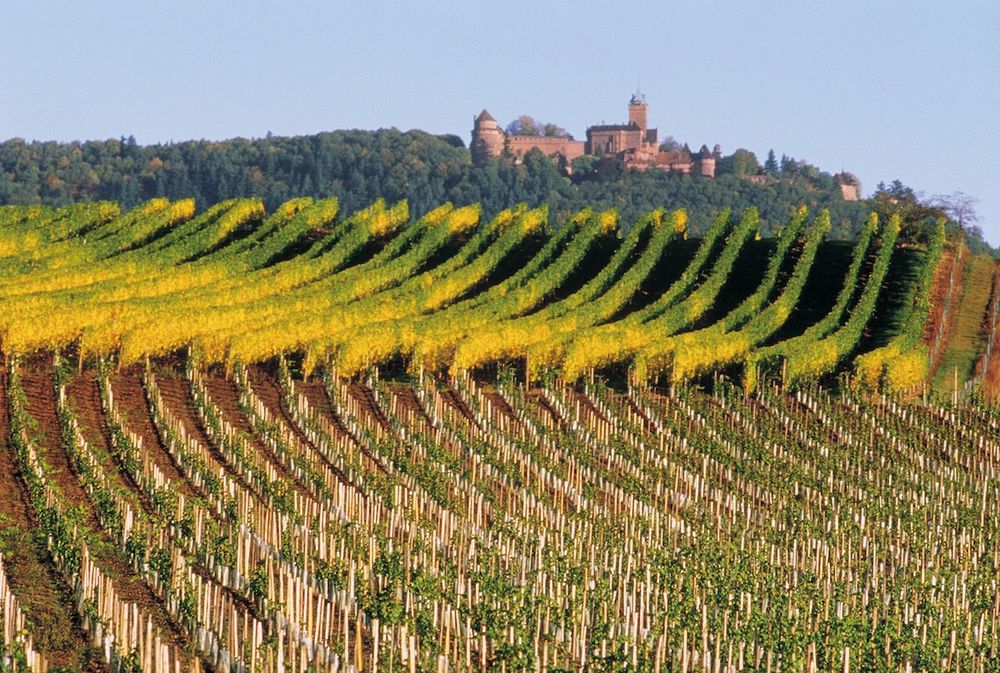
In the sweltering summer of 1998, I took a new boyfriend to Alsace for an under-planned holiday. On our first evening, friendly table neighbours in a tight, chic bistro in Strasbourg recommended – and booked – our next stop: a secluded auberge in wooded hills en route to wine country. There, we drank Pinot Blanc, geniality in a glass. Soup was ladled from a bottomless tureen; owls hooted through the open window. It felt bountiful, generous, elemental.
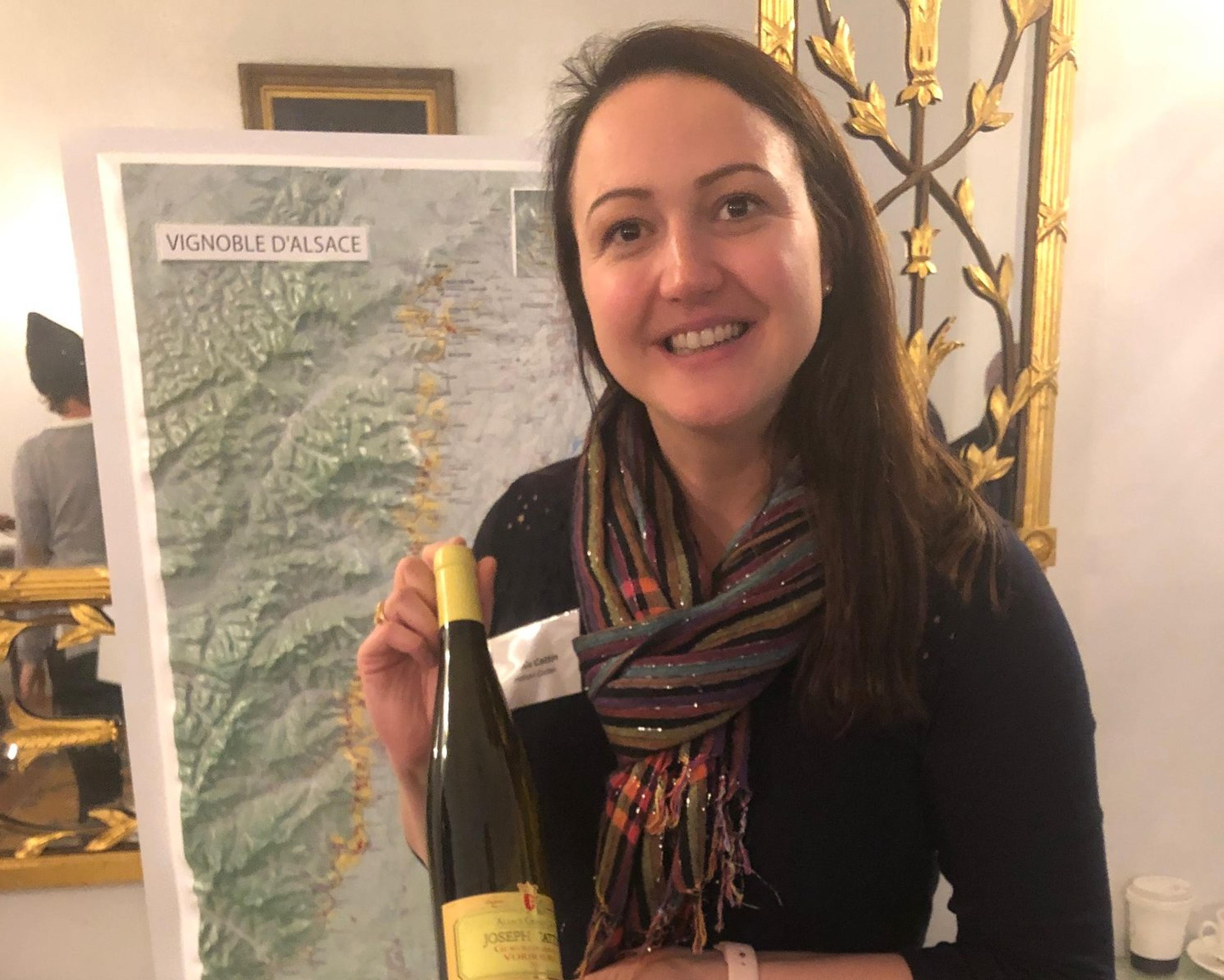
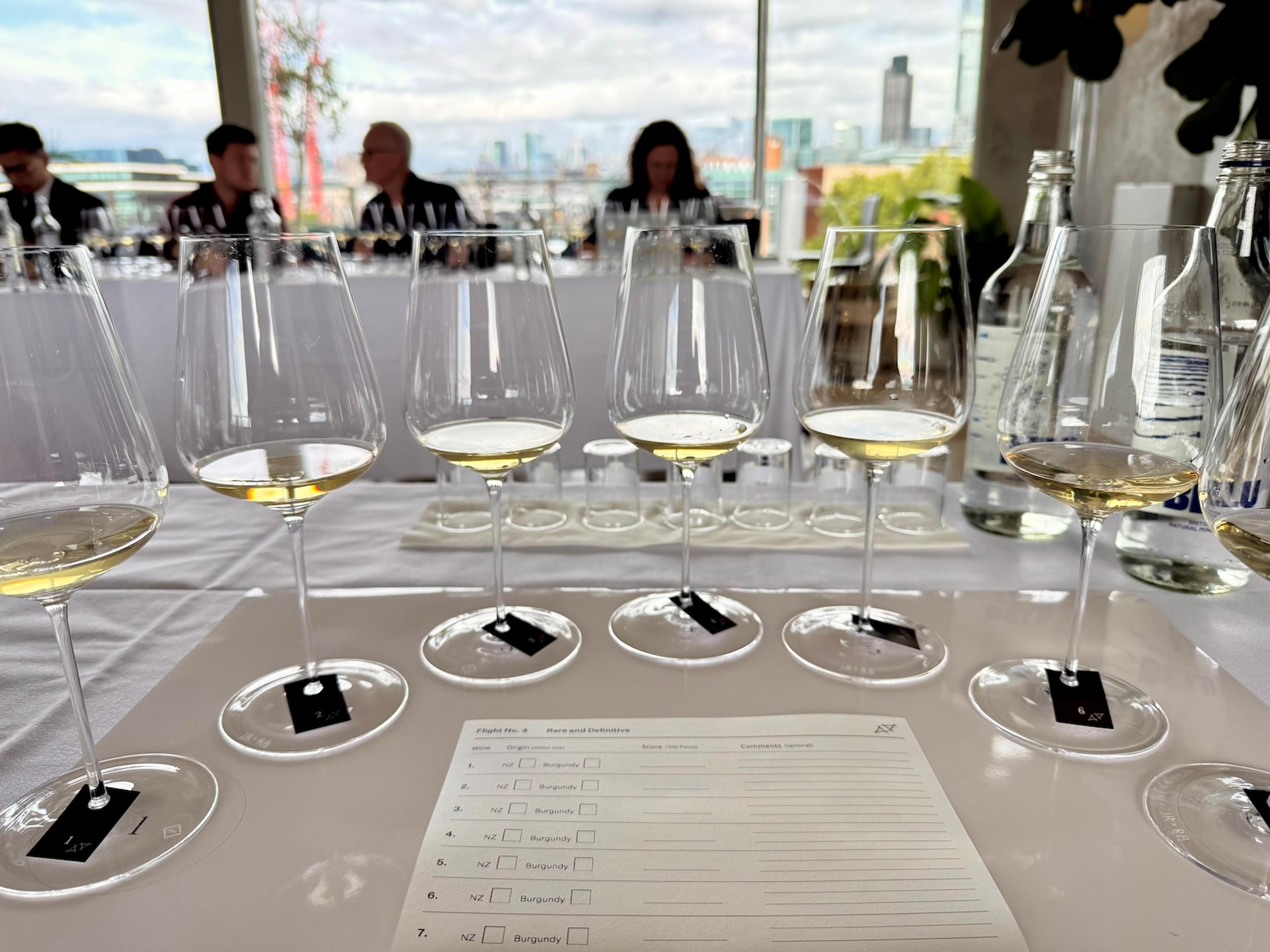
That early encounter stayed with me – not for nostalgia’s sake, but because it captured something enduring about Alsace wines: generosity, clarity and a strong sense of place. A recent tasting, assessed through the complementary perspectives of on-trade, off-trade and MW judges, offered a timely opportunity to reflect on how those qualities translate into today’s market – and why Alsace continues to make sense for the trade.
© CopyrightZVARDON-ConseilVinsAlsace
Riesling: the fine-wine foundation
Riesling remains the foundation of Alsace’s fine-wine status. Today, the global shift towards increased white-wine consumption presents a renewed opportunity. For Jeroboams group buyer Maggie Macpherson, Alsace Riesling is a stalwart of the list. She cautions that even the Grand Crus do not yet command the obsessive collector attention currently lavished on top Mosel sites (now increasingly dry), but the quality – and comparative value – are undeniable.
The Riesling flights presented at the tasting were outstanding. There is a pulsating energy to great Alsace Riesling beneath the toned flesh and stone: low-frequency aromatics and a stimulating counterpoint to Mosel’s pearly precision. From a blind tasting of 20 Rieslings, selecting just three proved difficult – and arguably arbitrary.
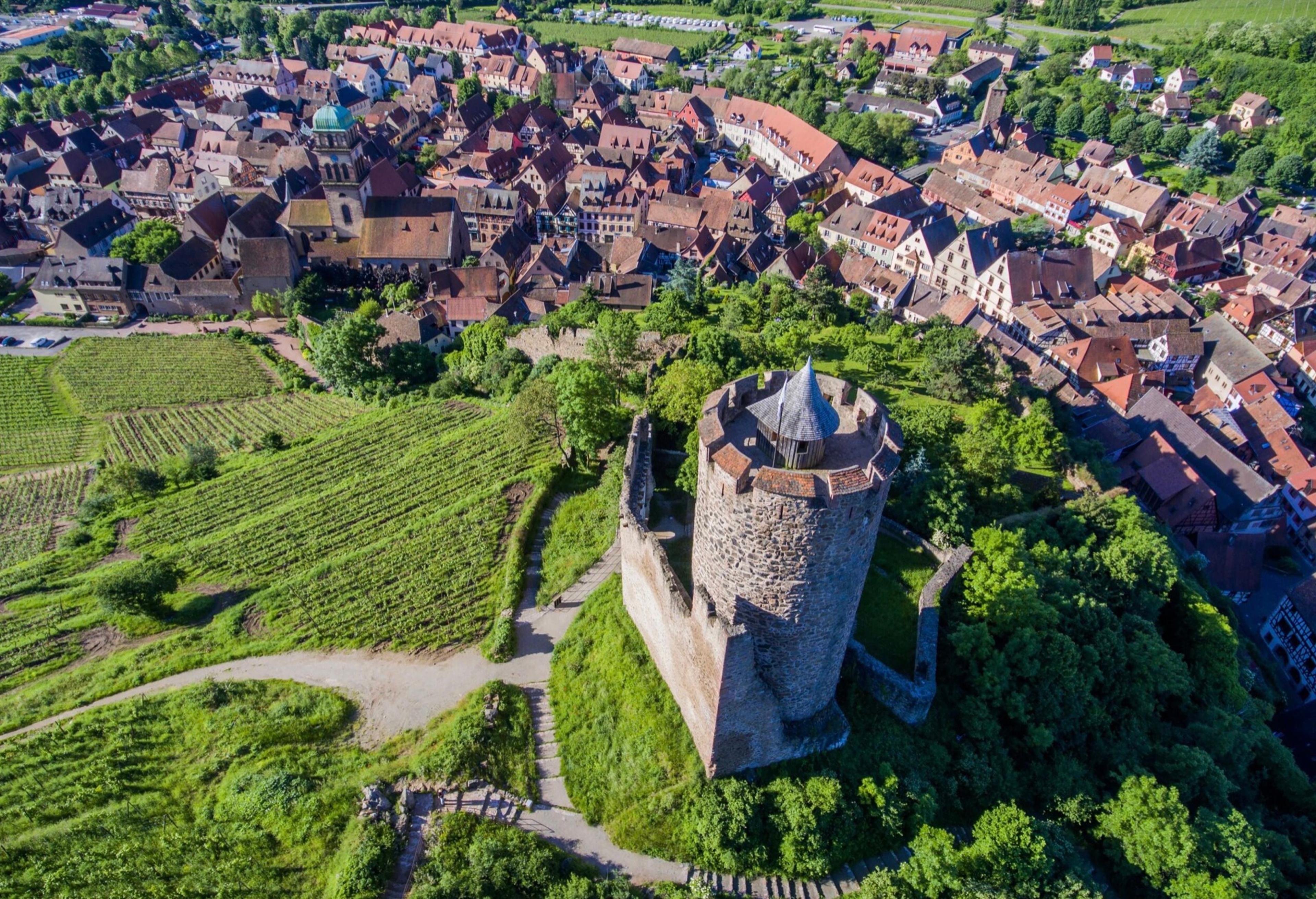
Our final choices were all from Grand Cru sites and, serendipitously, from three different terroirs. The trade often bemoans the diffuse nature of Alsace’s 51 Grand Crus and the perceived inertia of French wine regulation, yet quality will out if attention is paid. With revamped labelling and sweetness designation, these wines offer a compelling encapsulation of Alsace as one of France’s great white-wine regions.
That confidence is echoed on the restaurant floor. Eric Zwiebel, who leads the wine programme at Bonheur in the former Gavroche location in London, notes that Alsace’s top wines are not a hard sell when positioned with conviction. “The Trimbach Riesling vertical commands the same attention as comparable wines in the Burgundy section,” he says, “and the older vintages, in particular, offer superb comparative value.”
For the trade, this matters: these are wines that perform at the top end of lists – not as curiosities, but as credible fine-wine alternatives.
Crémant d’Alsace: beyond the bargain bracket
If Riesling underpins Alsace’s fine-wine credentials, Crémant d’Alsace is arguably its most commercially dynamic category. As sparkling-wine consumption has broadened – thanks, in no small part, to Prosecco – demand has risen across markets. Crémant d’Alsace is the leading French AOC Crémant by commercialisation, accounting for 35.7% of the category in 2024 (ahead of Crémant de Loire at 23.4% and Crémant de Bourgogne at 20.6%).
The panel was united on one point: the challenge is no longer quality, but perception. Crémant d’Alsace should not be positioned merely as a fallback when Champagne is out of reach. The category now spans precise aperitif styles through to more ambitious, gastronomic cuvées, drawing on a felicitous palette – Riesling, Pinot Blanc, Auxerrois, Sylvaner, Pinot Gris, Pinot Noir and increasingly Chardonnay, often with extended lees ageing.
Many of these wines are accomplished, affable and quietly sophisticated, with Alsace’s diverse white-grape heritage proving a genuine secret weapon. In France, premium Blanc de Blancs cuvées have already earned critical acclaim; in the UK, Crémant d’Alsace can deliver outstanding traditional-method sparkling wine – if it is given the chance to step out of the bargain basket.
© CopyrightZVARDON-ConseilVinsAlsace
Aromatic whites: confidence is key
Sylvaner, Muscat and Gewurztraminer remain among Alsace’s most distinctive – and most misunderstood – assets. Our panel urged producers and buyers alike not to underestimate consumer openness to aromatic wines when they are presented with confidence.
Gewurztraminer, in particular, carries an extravagant glamour. Top sommelier Jan Konetzki once told me that Alsace Gewurztraminer “struts on like a beautiful drag queen.” Yet beyond the theatricality lies lift, courage and the capacity of truly great examples to transcend stereotype and demand to be taken seriously.
As Eric Zwiebel and Maggie Macpherson argue vehemently, normal humans love sweet wine once it is properly revealed to them. With its unmistakable main-character energy, Alsace Gewurztraminer is a secret super-hero for the initiated – and, at Bonheur, Eric tells us, it is consistently a strong seller.
Pinot Noir: lightness finds its moment
Here too, Alsace finds itself in step with current demand. As key markets seek lighter, more digestible reds, Pinot Noir has emerged from what was once a tiny enclave. In the late 1990s it felt almost eccentric – a passion project for a handful of growers. Today, at around 11% of plantings, Alsace Pinot Noir is capable of delivering sinuous yet profound wines that satisfy the geek’s grail of varietal typicity.
Recent Grand Cru approvals underline growing confidence. Our selected example – a 2022 Grand Cru Hengst – is rippling, toned and stony, living up to its racy name. Enfin, Pinot Noir Grand Cru from Alsace.
Sustainability as structure, not statement
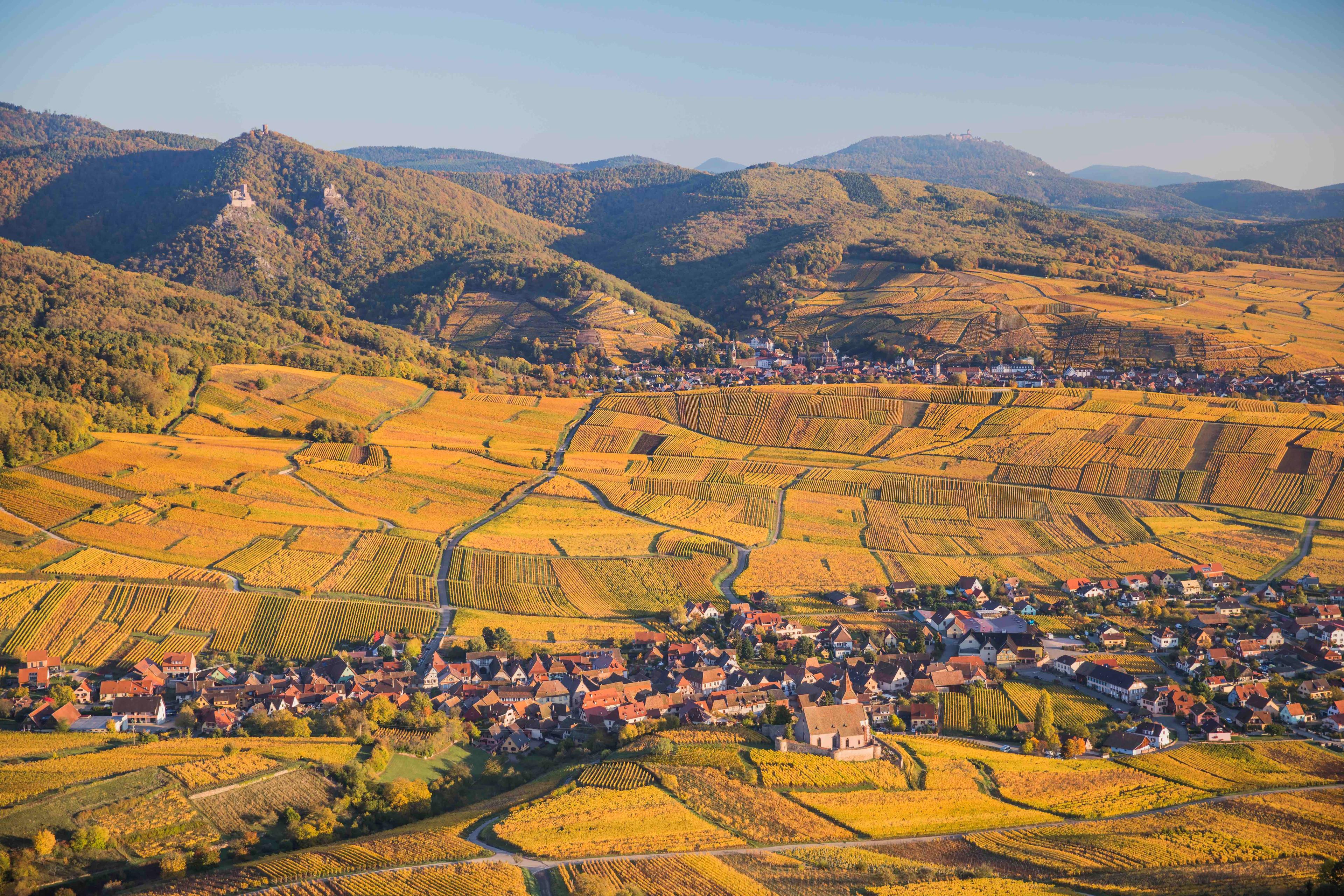
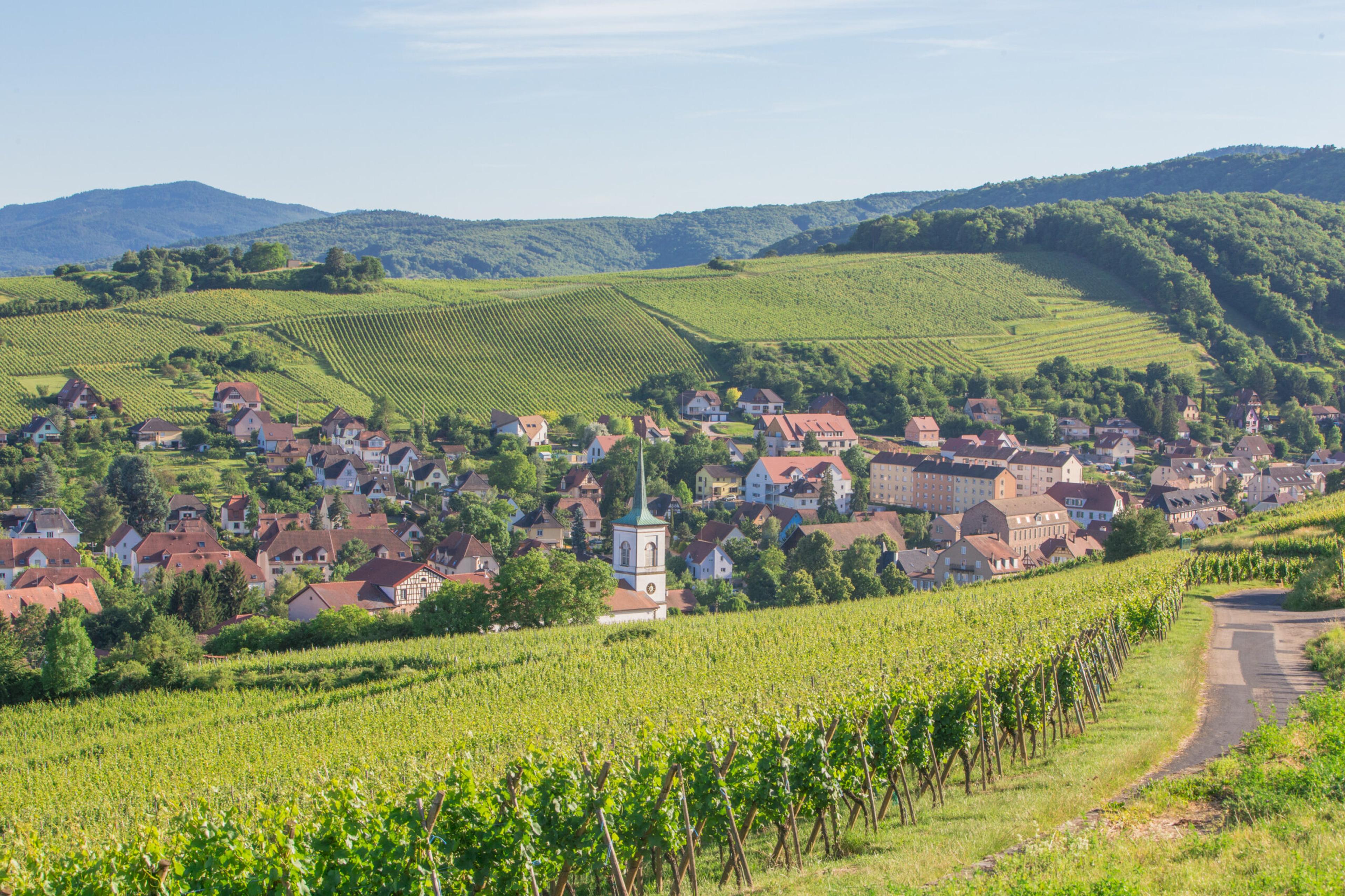
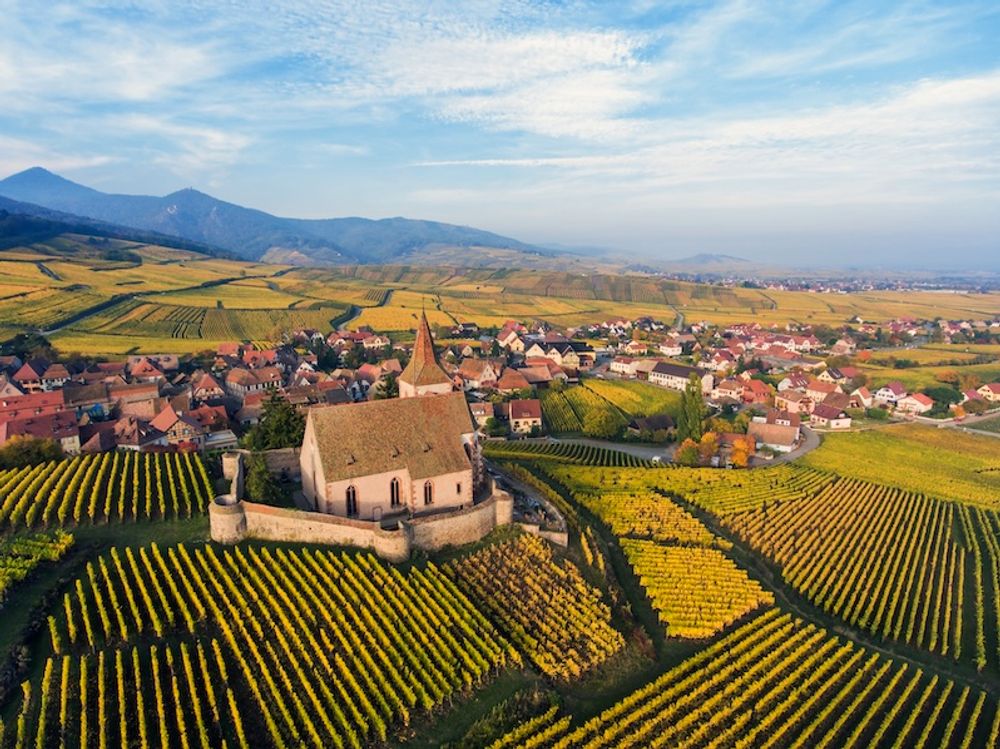
Finally, it is striking how many of the wines tasted – and selected – come from organic and biodynamic vineyards. Sheltered by the Vosges’ rain shadow, Alsace benefits from both a fitting climate and a committed producer base. Today, around 35% of Alsace vineyards are cultivated organically.
Taken together, the wines selected illustrate why Alsace continues to function as a solution for the trade. Across colours, styles and price points, it offers wines that are adaptable, recognisable and commercially coherent. For buyers navigating margin pressure, changing consumer preferences and the need for flexibility, Alsace remains not just relevant – but quietly indispensable.
I married the boyfriend. I think it was my choucroute that did it.
© CopyrightZVARDON-ConseilVinsAlsace
Wine selection:
Selected by the panel from the wider tasting, the ten wines below illustrate how Alsace’s key styles are performing today and can be tasted at the producers’ stands at Wine Paris.
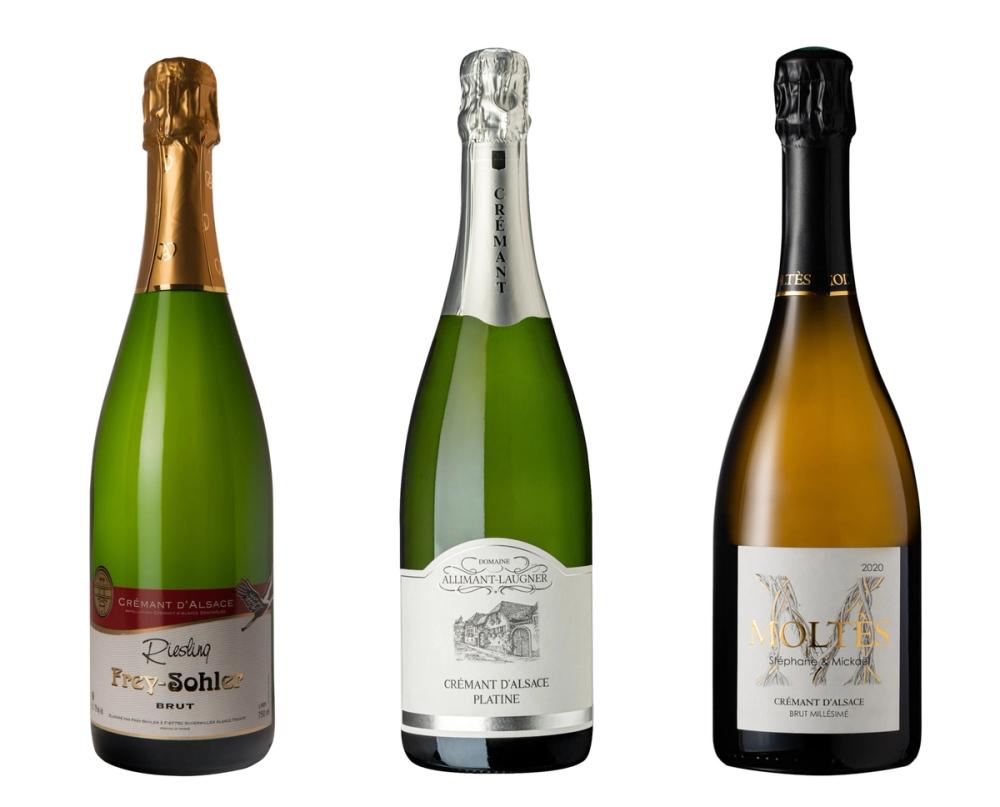
Frey-Sohler, Crémant d'Alsace NV
Riesling on alluvium - 12% - RS: 6.94 – TA: 7.02 – Production: 30,000
UK distribution: Lloyds Wines │ Wine Paris location: Hall 7.3, Stand A220
Tasting Note: Bright and expressive, the nose bursts with vibrant autolytic notes. On the palate, lovely kaffir lime and exotic pineapple intertwine with a touch of yellow apple sweetness, creating a beautifully generous yet balanced experience. The long finish invites you back for more.
Allimant-Laugner, Platine Crémant d'Alsace 2021
Pinot Blanc, Riesling on granit - 12.4% - RS: 0.30- TA: 7.40 – Production : 4,800 bottles
Wine Paris location: Hall 7.3, Stand C258
Tasting Note: Delicate autolytic nuances intertwine with ripe green apple and floral hints. On the palate, a vibrant frothy mousse dances alongside refreshing pineapple, showcasing a racy elegance. The journey culminates in a refined, stony finish that leaves a lasting impression.
Stéphane & Mickael Moltès, Millésimé, Crémant d'Alsace 2020
Chardonnay on limestone – 12.5% - RS: 1.50 - TA: 7.00 – Organic - Production: 5,000 bottles Wine Paris location: Hall 7.3, Stand A249
Tasting Note: The nose opens with concentrated autolysis with intriguing suggestions of mushroom, while the lively mousse and vibrant acidity provide an energizing structure. Creamy ready notes linger delightfully, showcasing a richer, more evolved style reminiscent of a refined Blanc de Blanc.
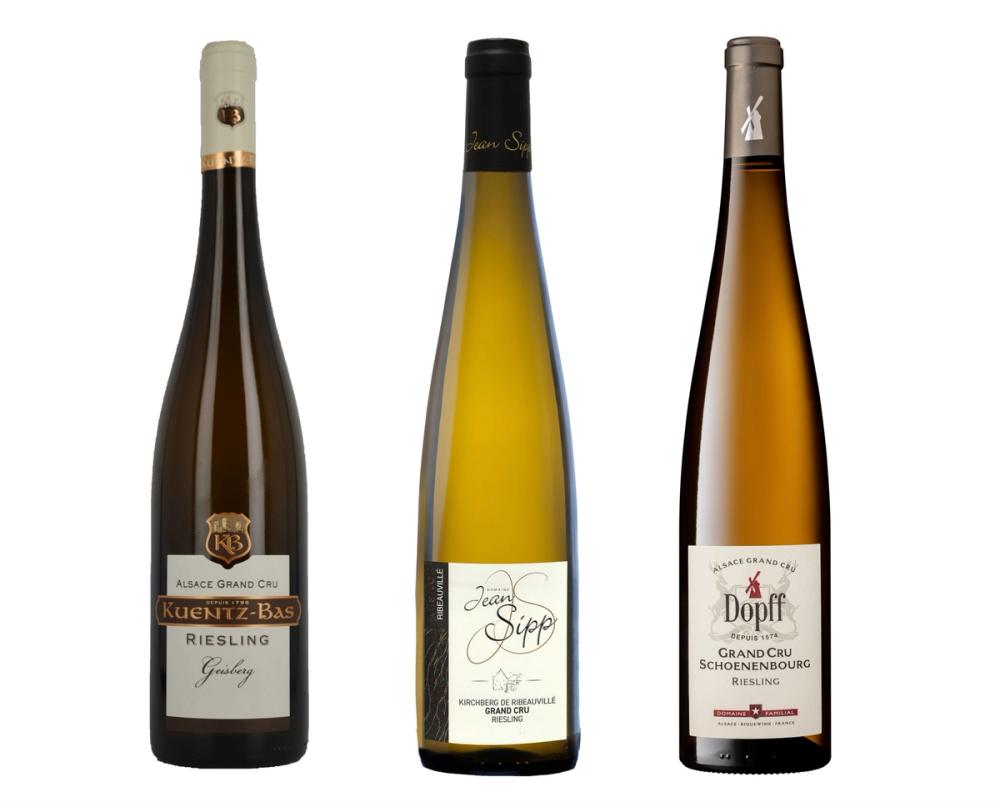
Kuentz-Bas, Riesling, Alsace Grand Cru Geisberg 2022
Marl-limestone – 13% - RS: 0.70 - TA: 5.78 – Biodynamic – Production: 2000 bottles
Wine Paris location: Hall 7.3, Stand A261
Tasting Note: The compelling nose unfurls with a refined intensity, revealing understated aromatics that entice the senses. On the palate, a lively spritz dances alongside a mineral salinity, complemented by a fine acidic backbone. The beautifully balanced finish showcases elegant complexity and a racy texture, leaving a lasting impression of purity.
Domaine Jean Sipp, Riesling, Alsace Grand Cru Kirchberg de Ribeauvillé 2021
Clay-limestone – 13.53% - RS: 2.20 - TA: 8.32 – Organic – Production: 6,000 bottles
UK distribution: Jeroboams │ Wine Paris location: Hall 7.3, Stand A257
Tasting Note: The bouquet bursts with ripe mandarin and invigorating lime zest, exuding a super clean freshness. On the palate, lip-smacking acidity perfectly balances the concentrated fruit, revealing vibrant touches of smoky mineral and papaya. The finish is tense and lively, with a hint of stony nuance that lingers delightfully.
Dopff Au Moulin, Riesling, Alsace Grand cru Schoenenbourg 2019
Clay-limestone – 13.5% - RS: 3.90 – TA: 6.70 – Production: 30,000 bottles
UK distribution: Hallgarten & Novum Wines (2018 & 2019 Vintage)
Wine Paris location: Hall 7.3, Stand B262
Tasting Note: With alluring aromas of white blossom and honeyed notes, this wine entices from the first sip. On the palate, exotic papaya and juicy pineapple mingle with a hint of kaffir lime and mandarin rind. The slightly oily finish is vibrant and energetic, revealing a lovely balance with secondary nuances of gardenia and candied ginger.
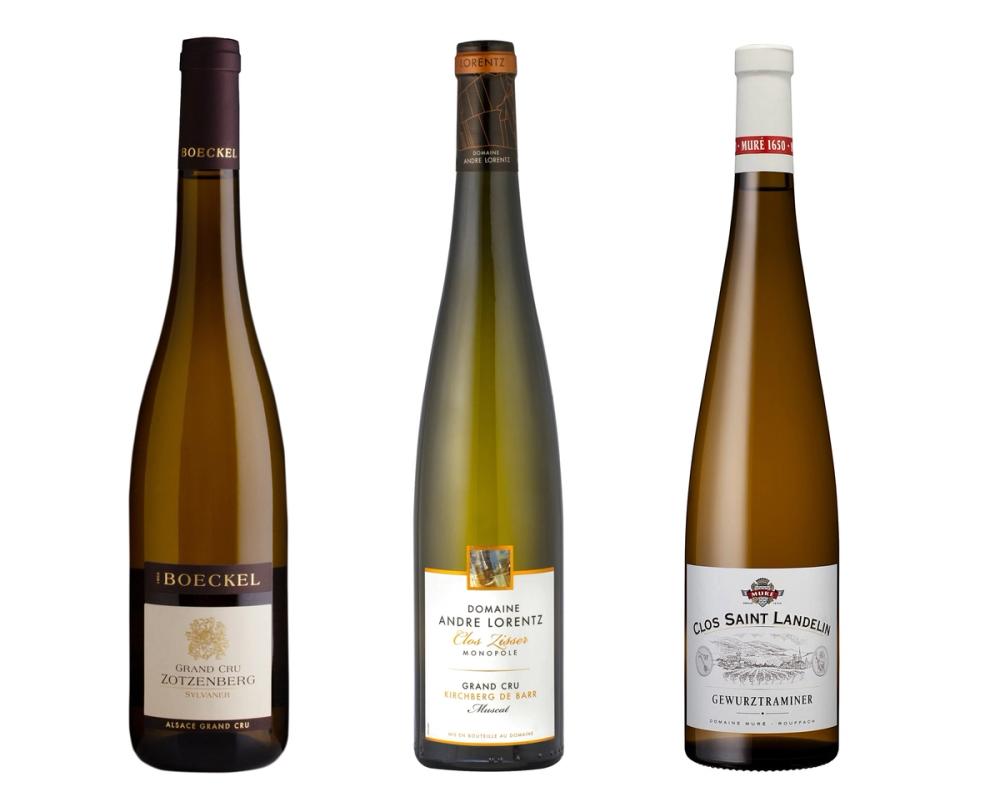
Domaine Boeckel, Sylvaner, Alsace Grand Cru Zotzenberg 2023
Limestone – 14% - RS: 2.70- TA: 4.20 – Organic- Production: 4,000 bottles
Wine Paris location: Hall 7.3, Stand B244
Tasting Note: Opening on the nose, delicate floral notes intertwined with nuances of green spice. On the palate, it delivers a captivating interplay of bitter almond and candied quince, enhanced by a luscious, waxy texture. The finish is long, showcasing juicy minerals and a smoky elegance, leaving a lasting impression.
André Lorentz, Muscat, Alsace Grand Cru Kirchberg de Barr 2024
Limestone – 11.9% - RS: 0.75 – TA: 1.80 – Organic - Production: 3,000 bottles
UK distribution: Sarah’s Cellar, The Vineyard, Dulwich Vintners, Old Butcher Wine Cellar
Wine Paris location: Hall 7.1, Stand B193
Tasting Note: A captivating nose revealing grape and ethereal elderflower entwines with delicate impressions of melon, inviting the senses. The palate reveals a beautifully pure, expressive character, underpinned by nice generality. It concludes with a refined, lingering finish that leaves you wanting more.
Domaine Muré, Clos Saint Landelin, Gewurztraminer, Alsace Grand Cru Vorbourg 2022
Marl-limestone – 13% - RS: 44 – TA: 5.3 – Biodynamic – Production: 3,500 bottles
UK distribution: Berkmann Wine Cellars │ Wine Paris location: Hall 7.3, Stand B230
Tasting Note: Brimming with lovely rose notes, the aroma entices before revealing a clean, refined palate of honeyed fig and succulent mango. A hint of roasted pineapple and curry powder adds depth, culminating in a textured, gently oily finish that lingers beautifully.
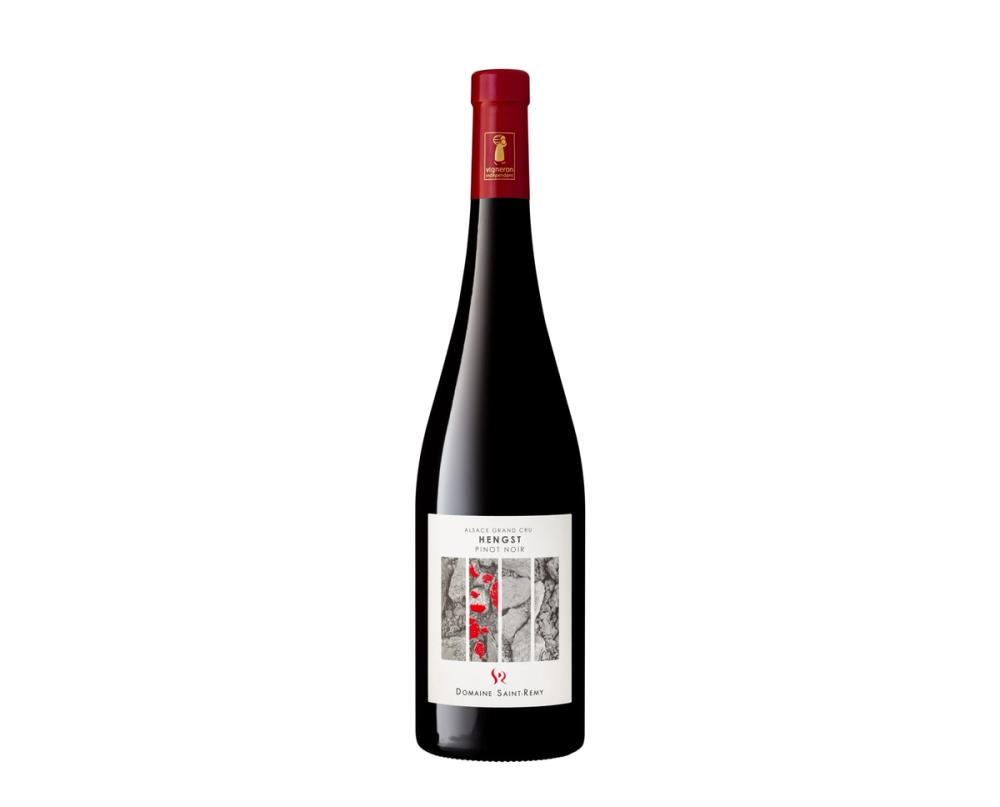
Domaine Saint-Rémy, Pinot Noir, Alsace Grand Cru Hengst 2022
Marl-limestone – 13% - TA: 4.50 – Organic – Production: 1,500 bottles
Wine Paris location: Hall 7.3, Stand C241
Tasting Note: The bouquet bursts with bright, lively red cherry fruit and a charming herbal crunch. On the palate, ripe black fruit and subtle vanilla intertwine, supported by firm tannins and a refreshing, juicy texture. The finish is elegantly stony, adorned with a hint of violet perfume.
The Comité Interprofessionnel des Vins d’Alsace (CIVA) , representing the Alsace producers, looks forward to welcoming international visitors to Hall 7.3, Stand A207 at Wine Paris 2026. CIVA will also be hosting an exciting masterclass on Wednesday 11th February from 10-11am in Room 3, Hall 4: ‘Wine Crisis: why bet on Alsace?’ The session will be hosted in French (with audio translation in English) by Thierry Fritsch, Enologist and Training Manager at CIVA, and including a tasting, this masterclass is free to attend with no booking required.