You are looking to host your tasting roadshows together again in January - why have you decided to work together and host a joint effort?
Laura Jewell MW: Wine Australia and New Zealand Winegrowers have teamed up to run our trade tastings together again in London, Edinburgh and Dublin following successful joint events last year. From our 2025 UK and Ireland tastings, we received great feedback from guests, positive press coverage, and wineries and importers reported strong commercial outcomes.
We’re excited to come together again and showcase Australia and New Zealand’s distinctive terroirs, vibrant winemaking communities and thrilling wines under one roof.
What do you find are the key benefits for your producers and visitors for hosting a joint event?
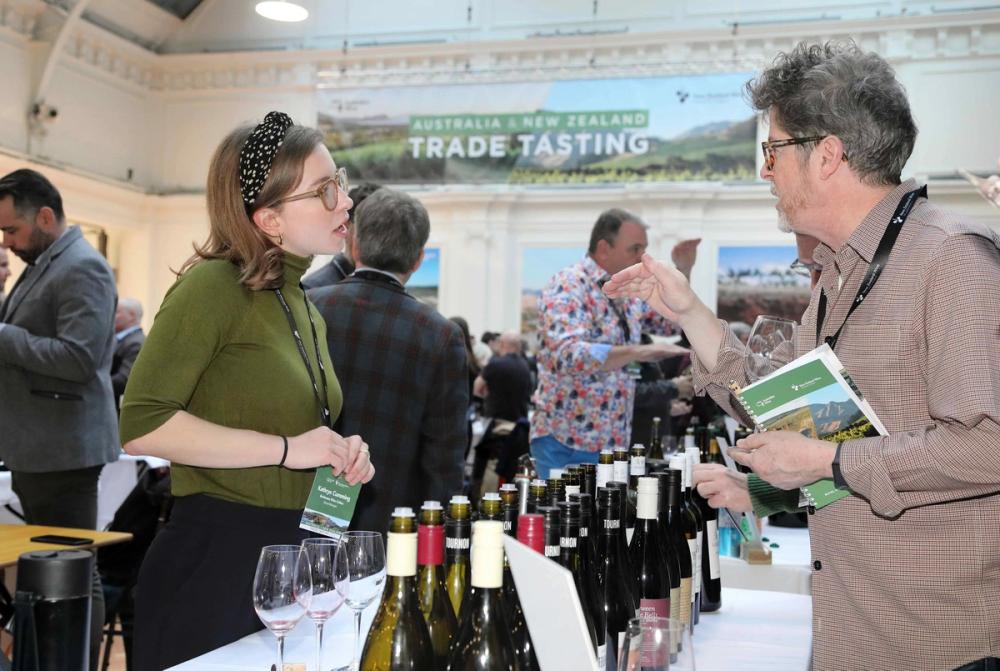
Buyers will get the chance to taste the best of Australian and New Zealand wines under one roof
Chris Stroud: Teaming up enables importers to showcase a wider portfolio at one event, and it helps buyers, retailers and sommeliers get the most out of a day away from their business.
Guests travel from across the UK and Europe, so it is cost-effective, time-efficient, and offers greater exploration of the southern hemisphere. At our last London tasting, we had guests from Germany, Netherlands, Sweden, Poland and Greece.
Can you give us an overview of what to expect at the tasting in terms of number of producers/ wines and themes?
Stroud: Across the three cities, there will be more than 1,000 wines from 250 wineries spanning 57 regions in Australia and New Zealand. It’s a chance to taste the wines that have put Australia and New Zealand in the spotlight and discover exciting new styles.
Whether you’re interested in fine wines from iconic producers or innovative styles and new expressions, it’s the place to be if you’re looking to expand your Australian and New Zealand portfolio.
We’re delighted to have 30 Aussie and New Zealand winemakers, winery owners and principals coming over to pour their wines, particularly at a busy time with vintage.
Is there anything new for buyers and sommeliers to look out for?
Jewell: At the London tasting, there will be a ‘Sommelier Selections’ feature table with 40 Australian and New Zealand wines that some of the UK’s top sommeliers have nominated. These are the Australian and New Zealand wines that most excite them - wines that have ignited a love for the region or with special significance.
You’ll be able to see who has nominated each wine and their reasons. Explore iconic names such as Giaconda and Kumeu River, and alternative varieties like Savagnin, Petit Manseng, Chenin Blanc and Zweigelt.
Sommeliers and on-trade buyers that attend the tasting in London, Edinburgh or Dublin also have the chance to win a two week trade trip to Australia. You just need to attend the tasting and answer a couple of questions about why you would like to visit Australia.
You are also taking the tasting to Edinburgh and Dublin – how do these tastings differ to the London event?
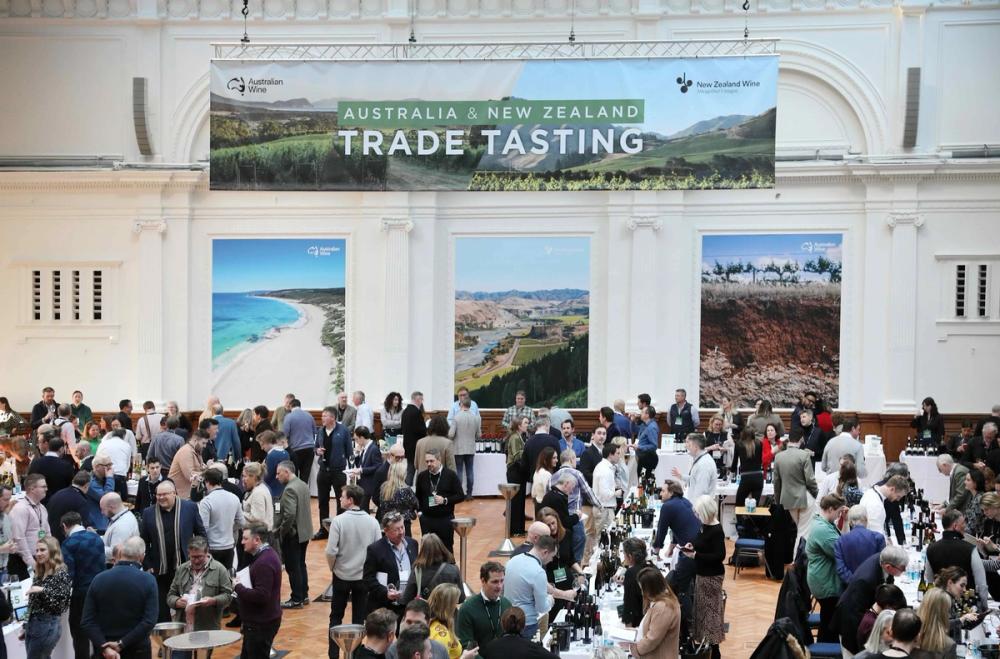
The Australia and New Zealand tastings kick off on January 27 at London's Royal Horticultural Halls
Jewell: The tastings in Edinburgh and Dublin are similar to London but a bit smaller. The main difference is that we are running masterclasses in Edinburgh and Dublin, and an evening consumer tasting in Dublin.
The masterclasses – presented by Emma Symington MW and Rebecca Gibb MW in Edinburgh and Emma Symington MW and John Wilson in Dublin – showcase contemporary styles from Australia and New Zealand.
The line-up includes minimal intervention and skin contact wines, pét-nat and sparkling wine, and alternative varieties like Fiano, Greco, Nebbiolo and Uva di Troia.
You are about to go into the 2026 harvests in Australia and New Zealand - what are the expectations from the harvest in terms of size and quality and any other aspects you can share?
Jewell: Vintage has only just kicked off in Australia, with harvest typically taking a few months to complete due to the wide range of regional climates and varieties planted. Australia is a continent – approximately the size of Europe – so there are lots of regional differences. It is too early to report on the Australian vintage and crush. We look forward to catching up with our producers at the trade tastings and at Wine Paris in February and hearing a bit more.
Stroud: Like in Australia, it’s too early to comment on vintage expectations. What we have seen is that overall spring has been good. Flowering is well underway in many regions, so the vineyards are well set up for summer.
How was the 2025 vintage in terms of quality and size and what impact has that had in terms of market demand and pricing?
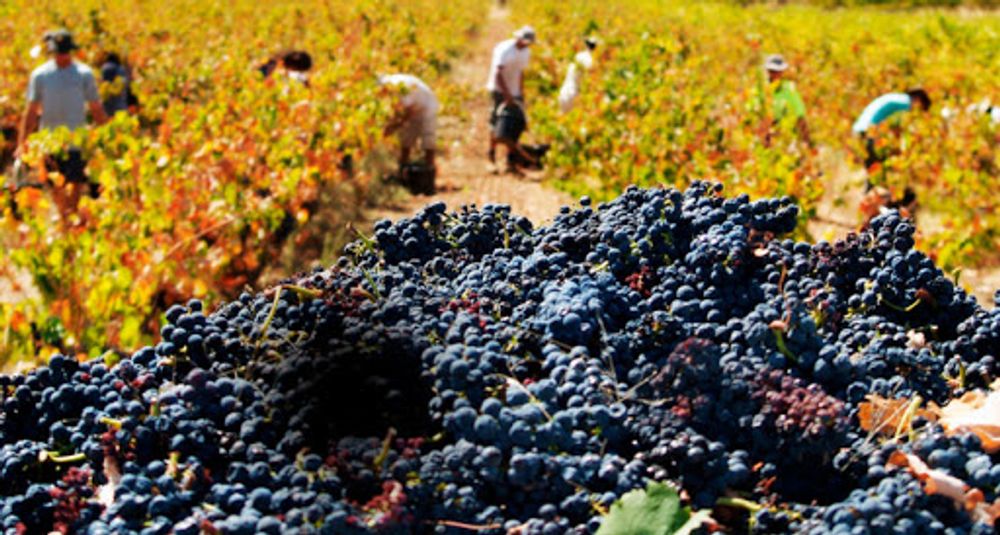
Australia's 2025 wine harvest was dry and warm and saw Shiraz as the number one grape variety
Jewell: For Australia, 2025 was generally a dry, warm and early vintage. The crush, while larger than 2024, was the third below-average vintage in a row. The year-on-year increase was driven by red varieties, leading to a significant increase in their share of the crush.
Shiraz regained its position as the number one variety, increasing by 23% while Chardonnay dropped back to second place, after significant frosts across many regions caused it to decrease by 13%.
The increase in red varieties may not help the challenges facing the sector in terms of excess stocks of red wine and might lead to less demand for these varieties next vintage.
Stroud: Throughout the country, vintage weather was marked by warm, dry days and cool nights - positive conditions for a high-quality harvest. Favourable weather conditions in the run up have made the 2025 harvest one of the largest in recent times.
However, the increased supply will offset the small vintage in 2024 but will challenge wineries to grow sales over the next 12 months.As an industry body, we cannot comment on or influence pricing.
Can you both give an overview of what the UK performance has been over the last 12 to 24 months in terms of sales and volumes?
Stroud: While the UK wine category is suffering a decline, New Zealand has been outperforming the market for a long period while continuously and consistently adding growth. The latest Nielsen figures show New Zealand wine is up 7.4% value and 9.6% volume, while being the second value contributor in the market.

This is also at a 20% price premium to the market. This compares to the total market where still wine is down 1.1% value, and 3.7% in volume. (Nielsen 1.11.25).
Jewell: Australian wine continues to be number one in the UK off-trade, and has been for decades, with a 23% market share currently. France and Italy are joint second with 13%. In the on-trade, Australia is in fourth place behind Italy, France and the US.
The volume and value of off-trade wine sales in the UK have fallen in the last year and Australia, like the majority of other regions, has taken a dip.
Any particular themes and trends you are seeing for demand for Australian and New Zealand wines that is different than over the last five years?
Jewell: There’s a lot of excitement towards alternative grape varieties and lighter, more vibrant and approachable wines, particularly in the reds like Gamay, Grenache and Cabernet Franc. Australia offers so much choice with 65 regions and more than 130 varieties.
We are seeing pét-nats, minimal intervention wines, lower alcohol wines, intriguing blends, and new styles made from ancient vines. The breadth of wines available is the most appealing that I have seen in my 10 years with Wine Australia.
Stroud: Global trends are showing consumers preferring lighter, refreshing wine styles – something we excel at. New Zealand white wine is the category leader in the market and, of course, this is being driven by Sauvignon Blanc, which is getting stronger.
However, we are also seeing growth in other white varieties such as Pinot Gris and Chardonnay as well as increasing interest in smaller plantings such as Albariňo, which adds to the diversity of New Zealand’s offering.
What do you see as being the biggest untapped opportunities for your wines?
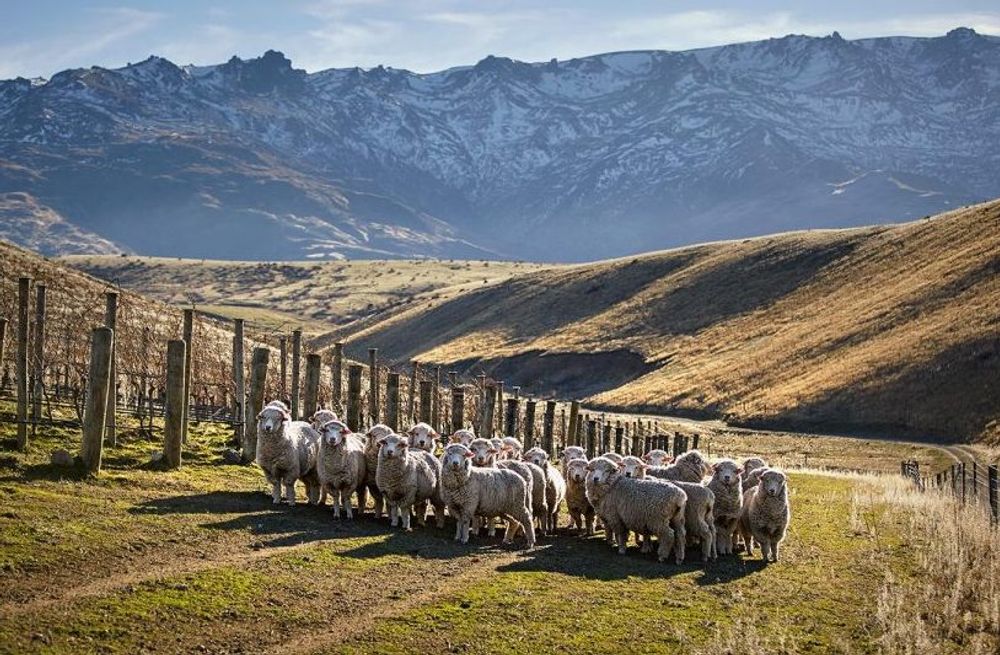
New Zealand Winegrowers still see huge opportunities to grow its share of listing in fine dining
Stroud: There is a strong opportunity for New Zealand in the fine dining scene. New Zealand has a number of world class, high quality, premium producers making outstanding wines that offer excellent value for money, especially when compared to old world counterparts. Getting more of these wines on to restaurant wine lists would only enhance our reputation.
The Sommelier Selections feature in London is an opportunity for buyers and sommeliers to understand the quality these wines offer and how they work in an on-trade environment.
Jewell: There is opportunity for growth at all levels for Australian wine, and like Chris said, the premium end in the on-trade is very important. We know that the UK is a mature and knowledgeable market, but there is still a lot of work to be done to prove that Australia is not one large producing region, but has multiple styles, varieties and regional variations to suit the most demanding of buyers.
What do you see as being the biggest challenges and how are you overcoming them?
Jewell: As is the case for other countries, the global outlook for Australian wine is challenging. World wine consumption is continuing to decline, driven by economic constraints, overall alcohol moderation trends and competition from other beverages. Australian producers are an innovative and resilient bunch, and our growers and winemakers are always seeking ways to progress and thrive despite challenging times.
Producers are crafting creative wine styles, made from alternative varieties and unique blends, and investing in sustainability commitments and certification, and low alcohol wines and no alcohol products.
Stroud: The continued market uncertainty and regulatory pressures are the main challenges we are facing at the moment. Despite this, our global exports are up 5% on the last 12 months showing growth in this current trading environment is testament to New Zealand Wine’s international reputation.
New Zealand produces just over 1% of the world’s wine, so there are opportunities to grow our exports. We have earned our reputation for highly distinctive, premium, and sustainable wines over three decades and this positioning holds us in good standing for the future.
- The Wine Australia and New Zealand Winegrower tastings take place across these dates and times:
- London: January 27, 10am-5pm. The Royal Horticultural Halls, Elverton Steet, London, SW1P 2PB. Register here.
- Edinburgh: January 29, 11am-5pm. Sheraton Grand Hotel, 1 Festival Square. Edinburgh, EH3 9SR. Register here.
- Dublin: February 3, The Alex Hotel, 41-47 Fenian Street, Dublin, Ireland. To register email Jean Smullen on jean@jeansmullen.com.
Wine Australia On and Off-trade Competition

Wine Australia is also calling for entries to its UK and Ireland on and off-trade competition and the chance to win a place on a trip to Australia. Simply attending any of the London, Edinburgh or Dublin tastings puts you in a chance of winning. Anyone interested also needs to answer in writing the following two questions:
1. What is the opportunity for Australian wine in your business?
2. How would you utilise a visit to Australia to raise the profile of Australian wine?
The trip will take place over a two-week period in October and November 2026. Entries to the competition are open now and close on February 20. You can find out more by clicking here.