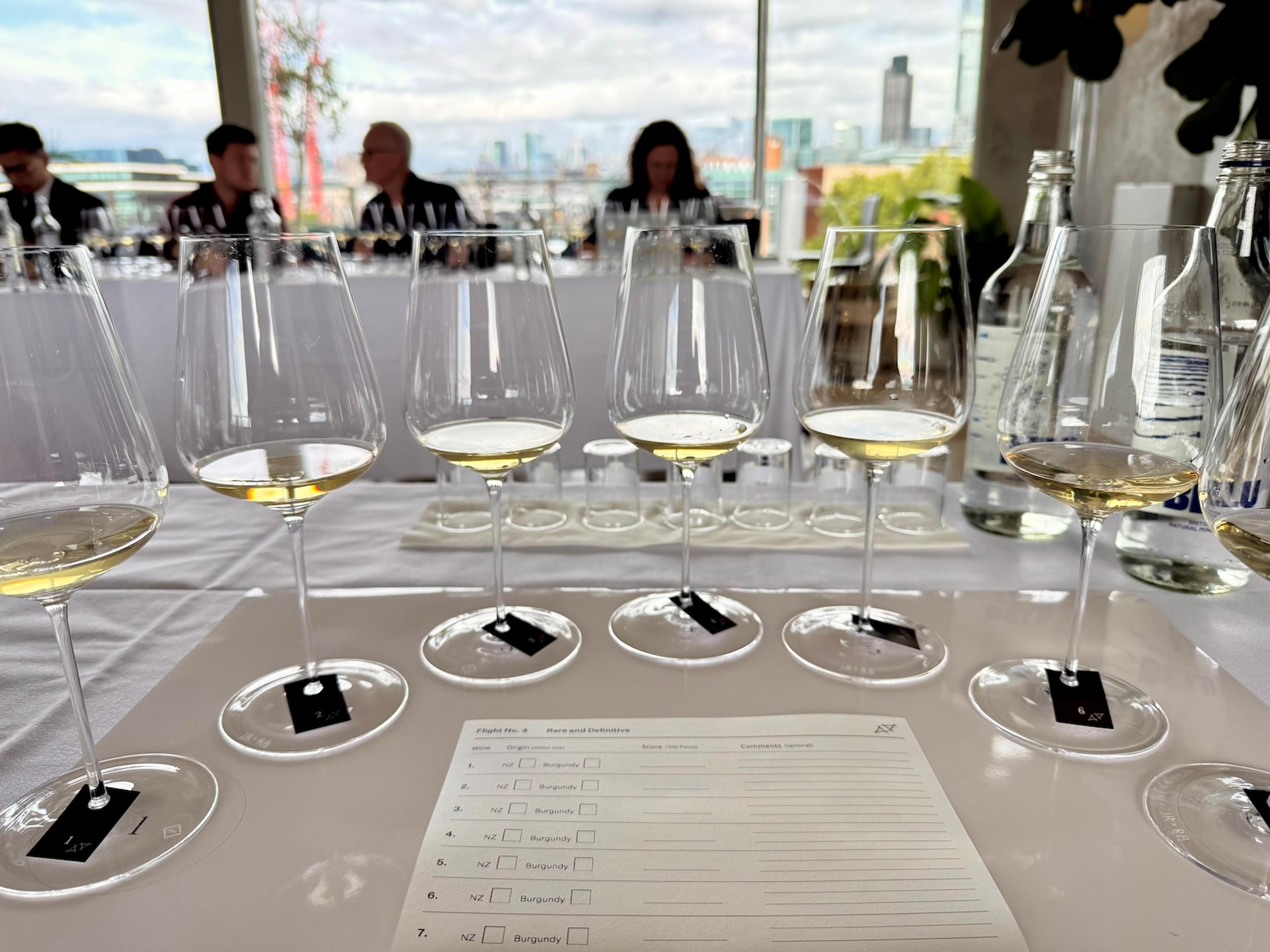
It is the very definition of a First World problem but for the UK wine trade, ‘tasting fatigue’ really is a thing. In a shrinking, competitive and increasingly choosy market, how do you present your wines to potential customers who’ve seen, and tasted, it all before?
Should you go big, as Hallgarten, Berkmann Wines, Fells and Liberty Wines do, and show your whole portfolio in a prestigious venue? Or select just a few choice wines and producers, focusing on a particular region or country or theme? Or go eclectic and hold your event in a basement or warehouse in Hackney or Shoreditch with a rough and ready vibe in an effort to at least grab the attention of Gen Z?
It matters because if you get it wrong, attendee responses can be brutal, lining up real challenges for the next time you hold a tasting.
“Where are all the big names? This feels like a car boot sale, everything just thrown onto tasting tables without any plan,” a friend said to me at a recent generic event in London, just before he left.
It’s tricky getting it right and anecdotal evidence suggests that no-shows at major wine tastings have hit a high of almost 50% of registrations, a costly and potentially embarrassing situation for organisers and a depressing one for the producers present and supporting wine associations.
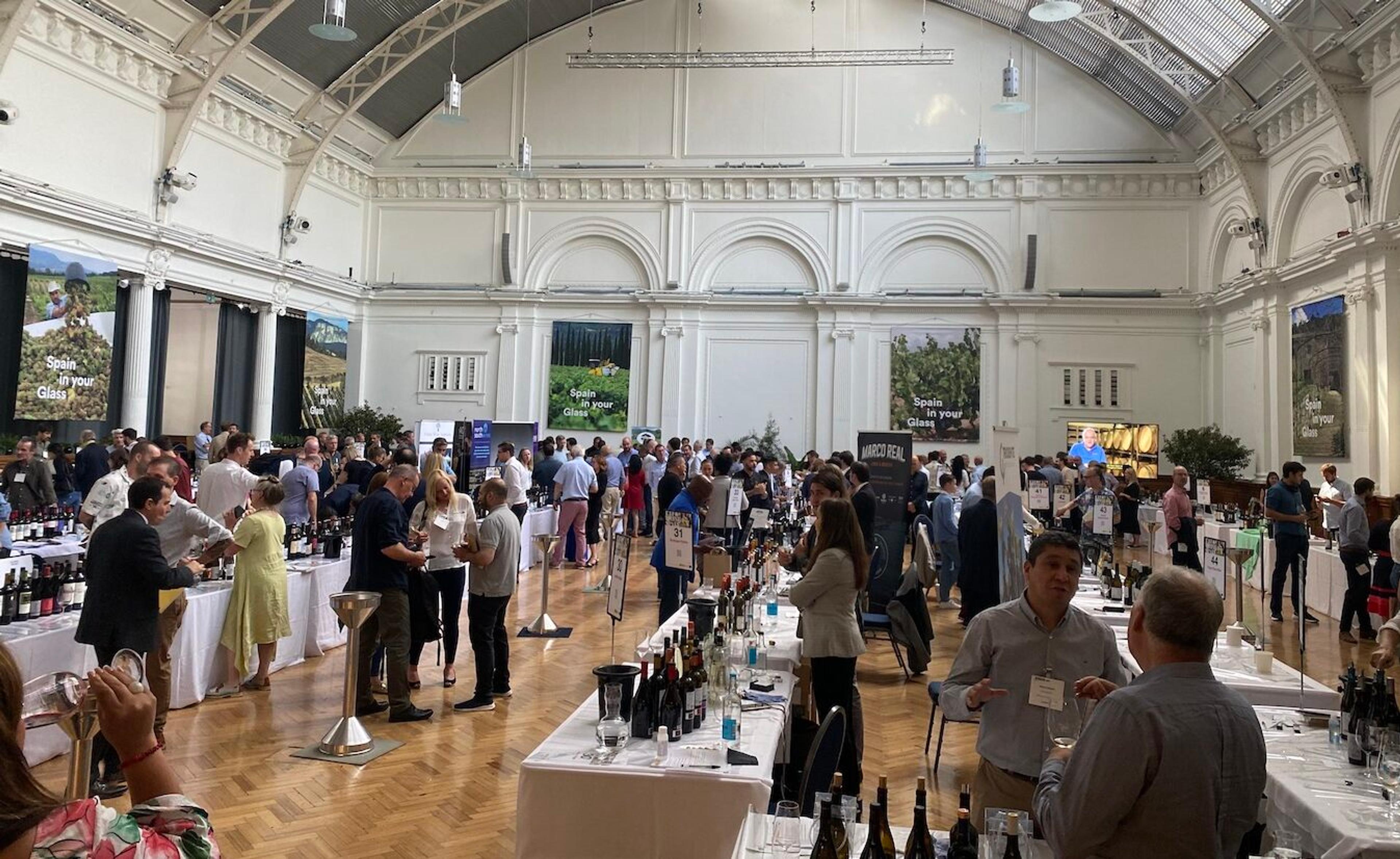
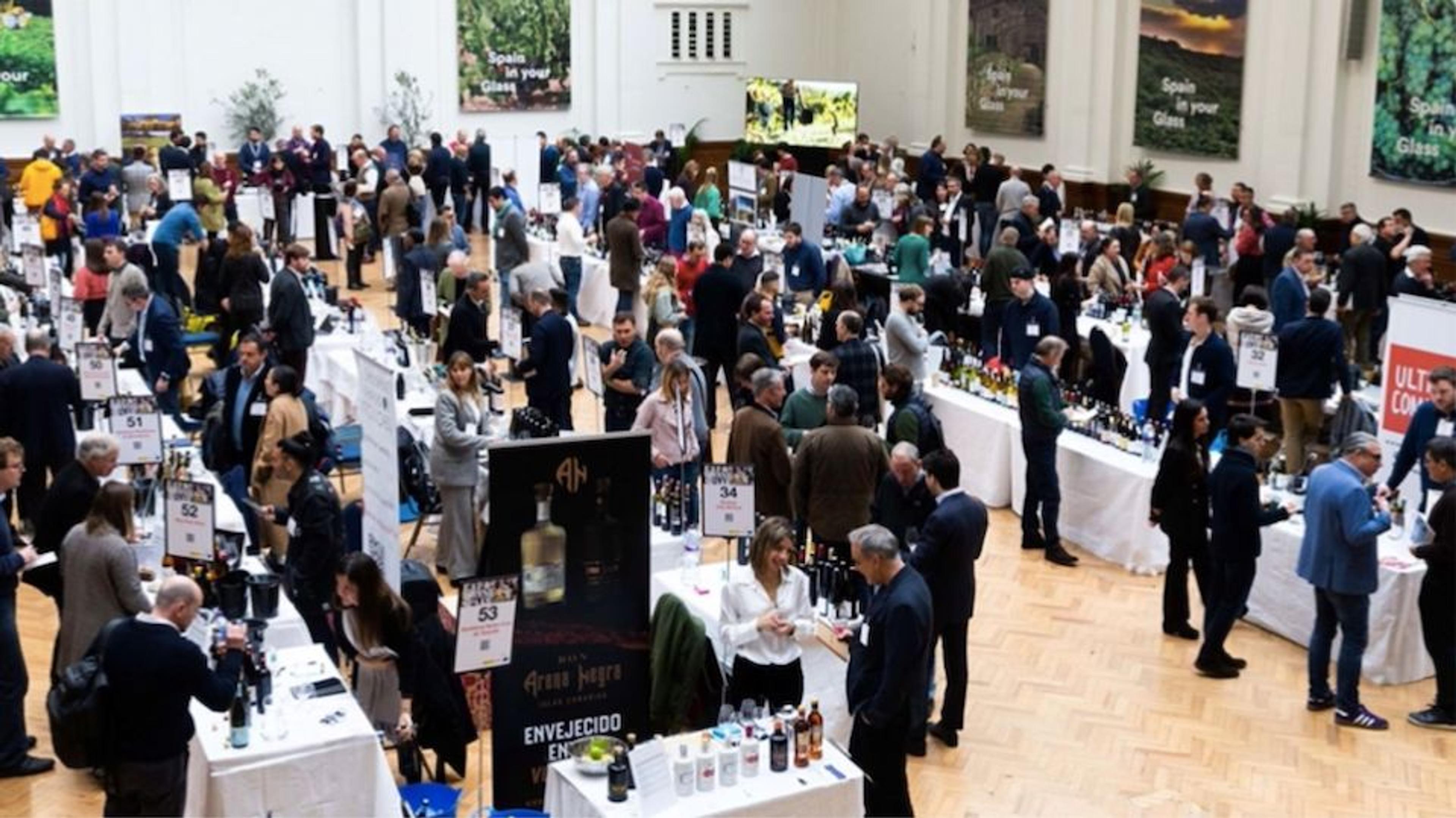
Which made the recent annual Foods and Wines from Spain tasting, held at Mare Street Market in trendy King’s Cross, really fascinating.
Raising the bar
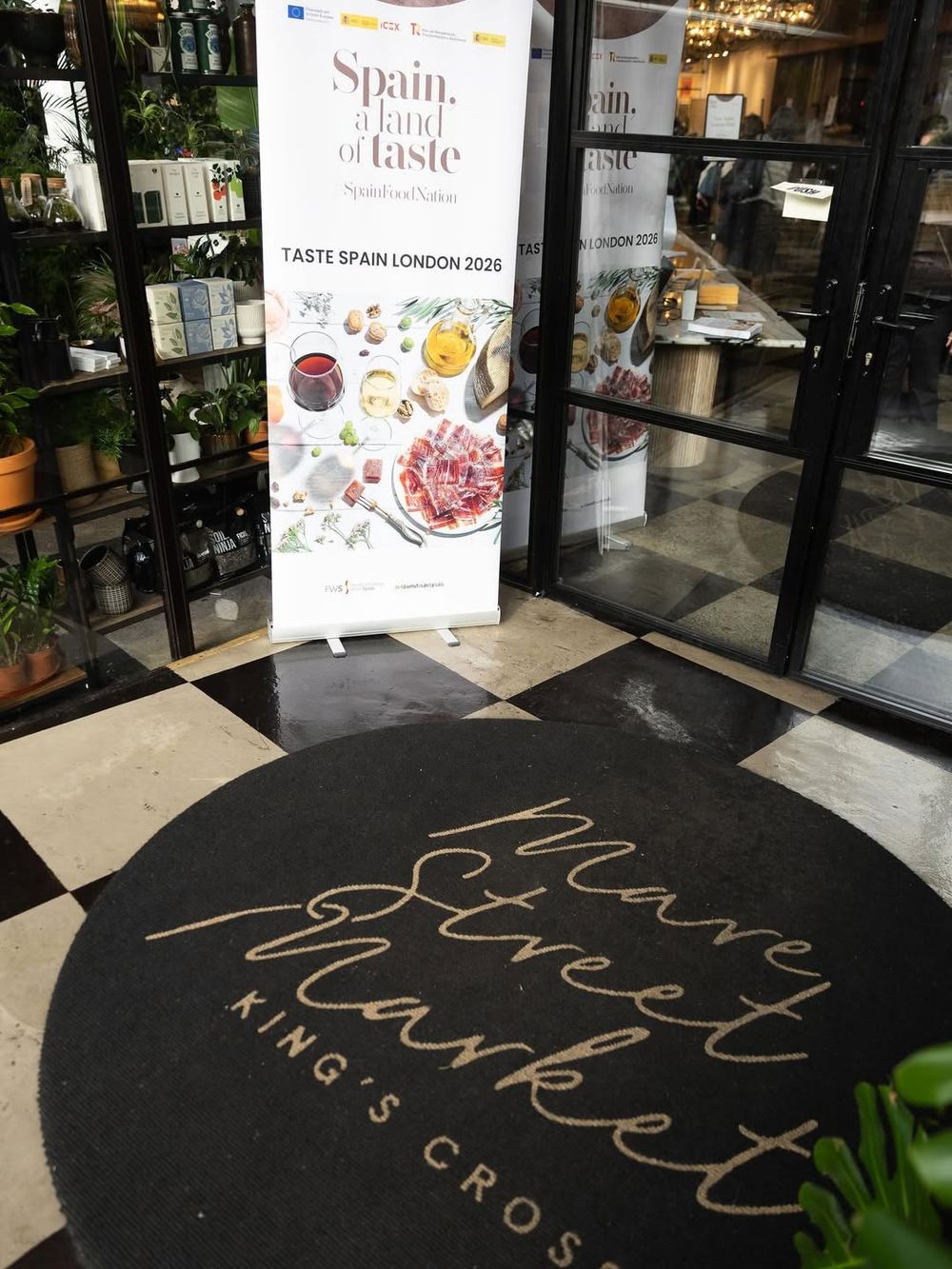
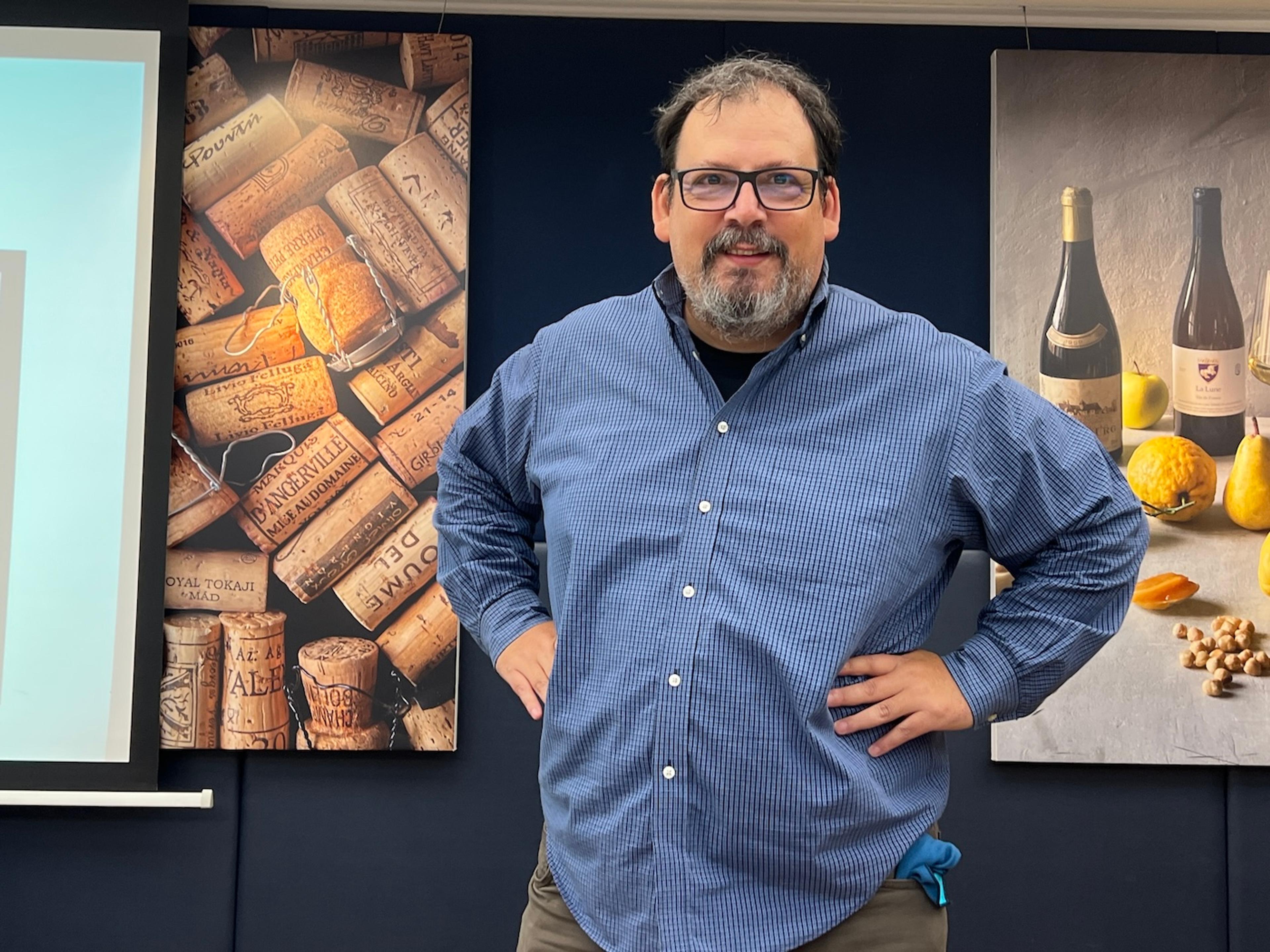
“We were actually quite happy with last year’s event (held at Illuminate in the Science Museum) but really wanted to do something different this time,” says Fernando Muñoz, director of Foods and Wines from Spain. “A lot of our producers were saying that Spain is known not just for its wines but its food and culture too, so we thought ‘why not do an event that really conveys that?’. And producers wanted it with many saying traditional tastings have become boring. It’s risky, because it may not work, but we thought it was definitely worth a try.”
We’re sitting just outside what is a bright and cheery event space and as packed with as many enthusiastic people as you could reasonably hope for on a busy Tuesday in mid-February.
Downstairs were the wine importer and producer tables with all the usual suspects for Spanish wine present including Hallgarten & Novum Wines, Alliance Wines, Jascots, Gonzalez Byass and Ehrmanns.
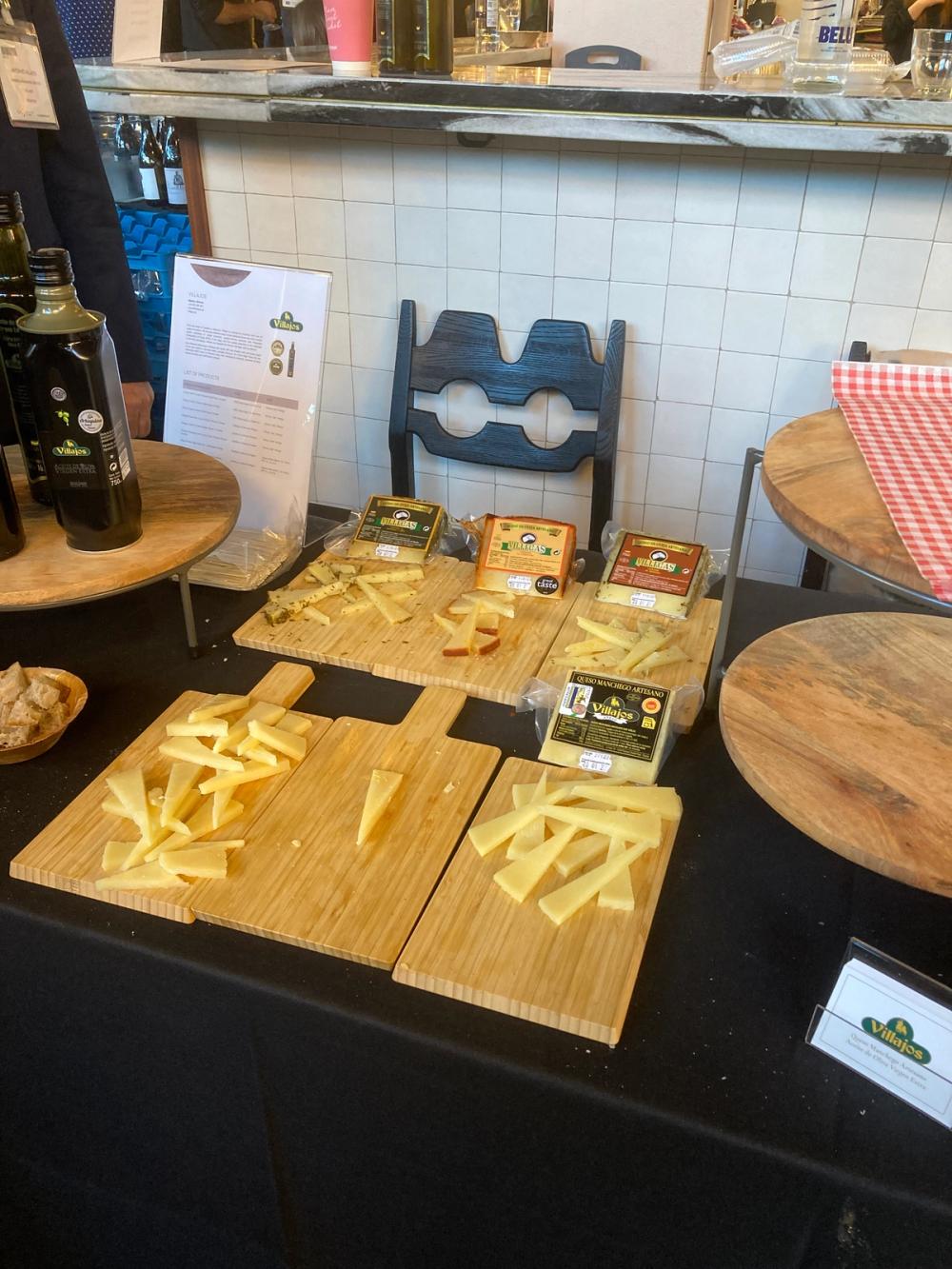
There were stalls showing the finest in Spanish cheese, cakes and olive oil (though oddly no beer given how popular Spanish beer is right now); upstairs, areas fenced off for wine and olive oil masterclasses and cookery events, all short and snappy and all the better for that.
Oh, and ham, lots and lots and lots of lovely jamón, lovingly carved by a patient and apparently indefatigable cortador de jamón. Visitors were guided around the very different styles of jamón, (depending upon what part of the leg the cuts come from) at a fascinating masterclass on matching it with Cava and Sherry led by none other than Ferran Centelles, one of the sommelier team at the famed El Bulli restaurant until 2011.
“We thought hard about how to raise the bar this time and not only in the wide variety of masterclasses. We wanted to get away from too many wines and too much cheap stuff. Exhibitors were told 12 wines maximum (initially we were thinking eight) with a UK retail price of at least £18,” says Muñoz.
The UK is Spanish wine’s second largest market after Germany with imports last year reaching €310m (£265m), making Spain the third main source of our wine after France and Italy.
But where is the growth? Spanish wine used to be seen as ‘affordable’ (aka cheap) but the industry understandably wants to move away from being defined that way. Premiumisation is on the rise with producers and consumers switching to higher quality and to more sustainable wines, helped by Spain having the highest ratio of organic vineyards in Europe, some 18% of the total.
Muñoz points to a rise in popularity for whites and rosados particularly those coming from Catalonia and central Spain, also age-worthy whites made from such varieties as Albariño, Verdejo and Godello. He also sees a growth in innovative smaller producers, often breaking free of their respective DOs, and doing things differently, including aiming for lower abv levels and fresher wines.
“We are seeing a lot more of this and the consequence is that much more interesting wines are being made,” Muñoz says.
A new take on Rias Baixas
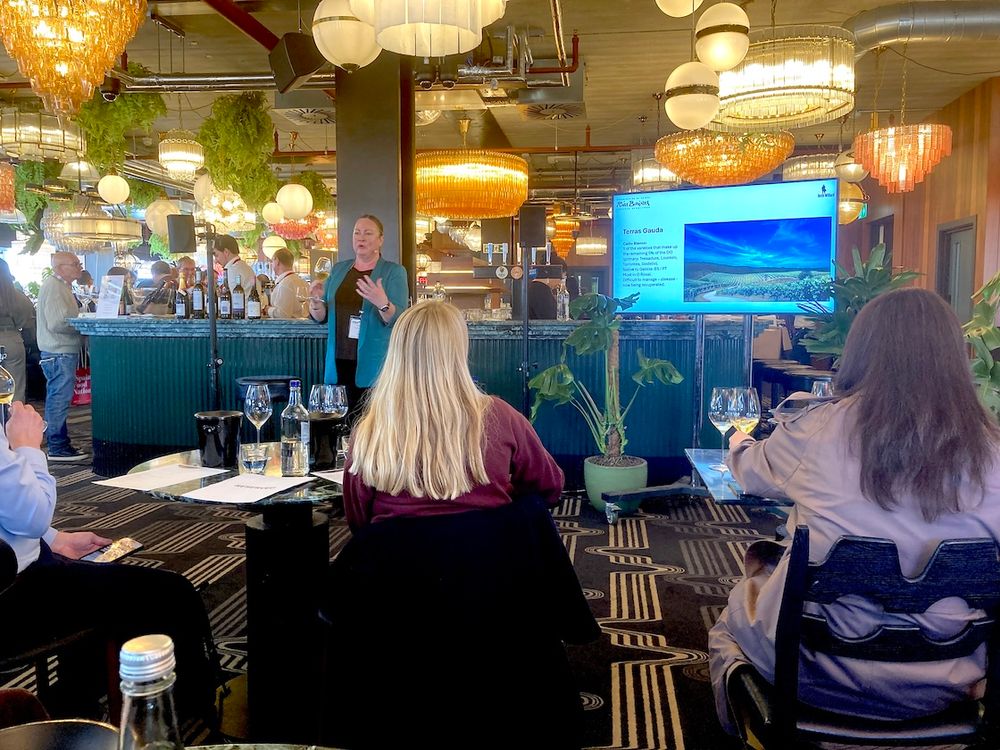
Spanish wine expert Beth Willard gave an insightful look at Rias Baixas
I discovered this for myself at Beth Willard’s excellent masterclass ‘Beyond Albariño - the hidden faces of Rias Baixas’. Of the eight wines shown none were what you might call typical Albariño, and there was a reason for that.
“I don’t really drink much young Albariño. This is a grape that really needs time so you can see its potential. And properly aged Albariño is where it gets really exciting.”
To kick off we tried a sparkling iteration produced by the biggest cooperative in Rias Baixas, Martin Codax; the Espumoso NV (Enotria) was deliciously approachable, showing the saline intensity for which the grape is renowned – nice crunchy acidity and complexity afforded by three years of lees ageing.
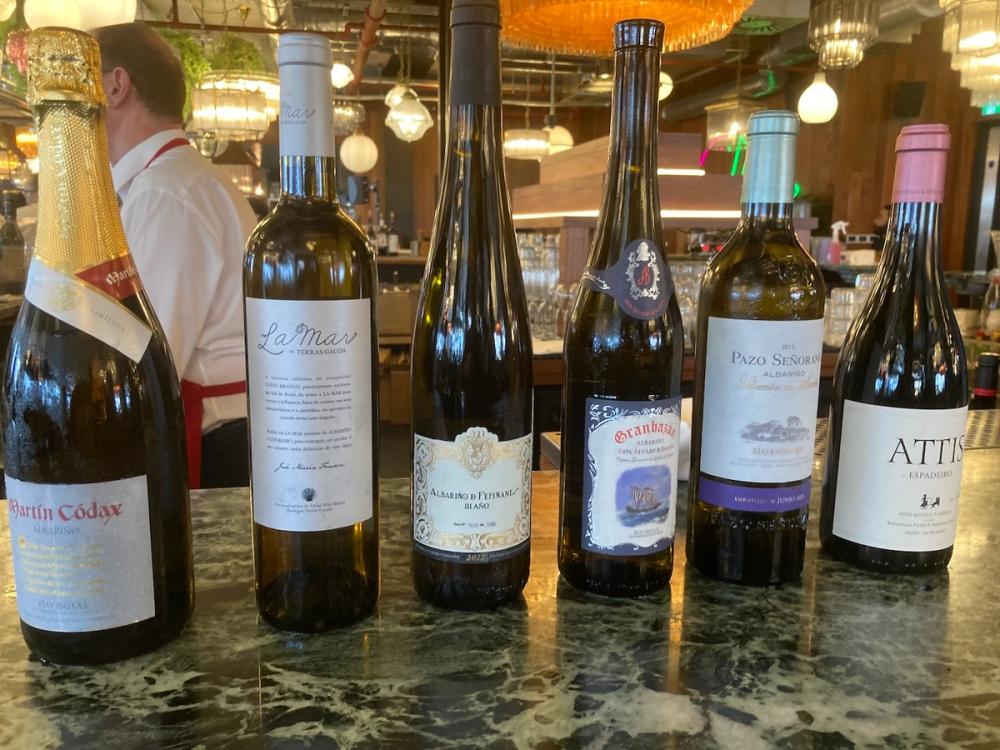
Aged whites, reds and sparkling from Rias Baixas
Age was definitely a factor supporting the excellence of the next three wines III Año Albariño de Fefiñanes 2022 from Fefiñanes (Winetraders), soft on the palate and very elegant after six months of lees ageing before two years resting in the tank; the Granbazan Don Alvaro de Bazan 2021, Agro de Bazan (Boutinot) - very lees heavy, long palate, and Seleccion de Añada 2015 from Pazo Señorans (also Boutinot). Over ten years old and retailing at £65, this delicious and complex wine was made from 45-year-old pergola trained vines, with the grapes resting on their lees for three years before the wine spent a further six years in bottle. Amazingly intense, showing great structure, flavour and texture and proving Willard’s point perfectly.
Equally interesting were the two non Albariño wines: the white Le Mar 2022 from Terras Gauda (Les Caves de Pyrene) comprising the rarely seen Caiño Blanco grape – very textured and expressive – and the red Espadeiro 2019 from Attis, just 12%, a spicy and alluring taste of a grape that was rescued from extinction and a reminder of the days when Rias Baixas was, rather like Vinho Verde over the border in Portugal, a predominantly red wine region.
Sarah Jane Evans on Vinos de Pago
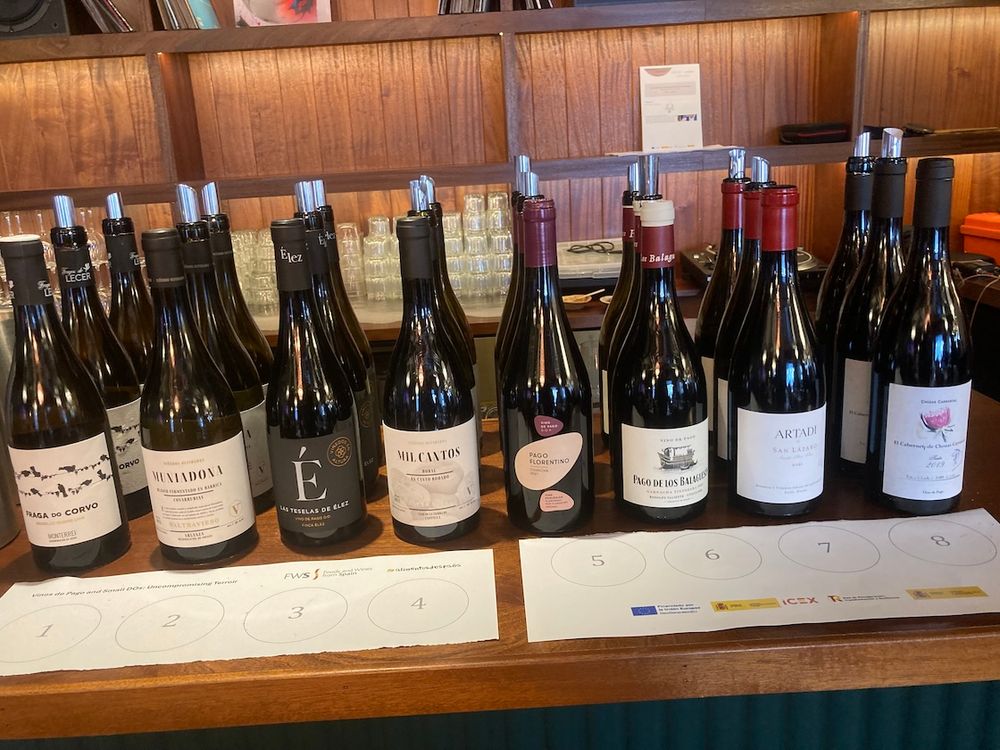
The range of top-tier single-estate, terroir-driven wines.
There was more learning to be had at Sarah Jane Evans’s ‘Vinos de Pago and Small DOs - Uncompromising Terroir’. I’ll admit I wasn’t quite sure how to define Vinos de Pago exactly, but Evans describes them as the “highest, top-tier quality Spanish wines, representing single-estate, terroir-driven wines.”
The classification was introduced in 2003 to signify that the wine is produced within a specific, limited area – usually outside a DO – possessing unique soil and microclimate characteristics that differentiate it from its surroundings. There are currently some 22 across Spain usually located, it would seem, in the “less prestigious” regions like La Mancha and inland from Valencia.
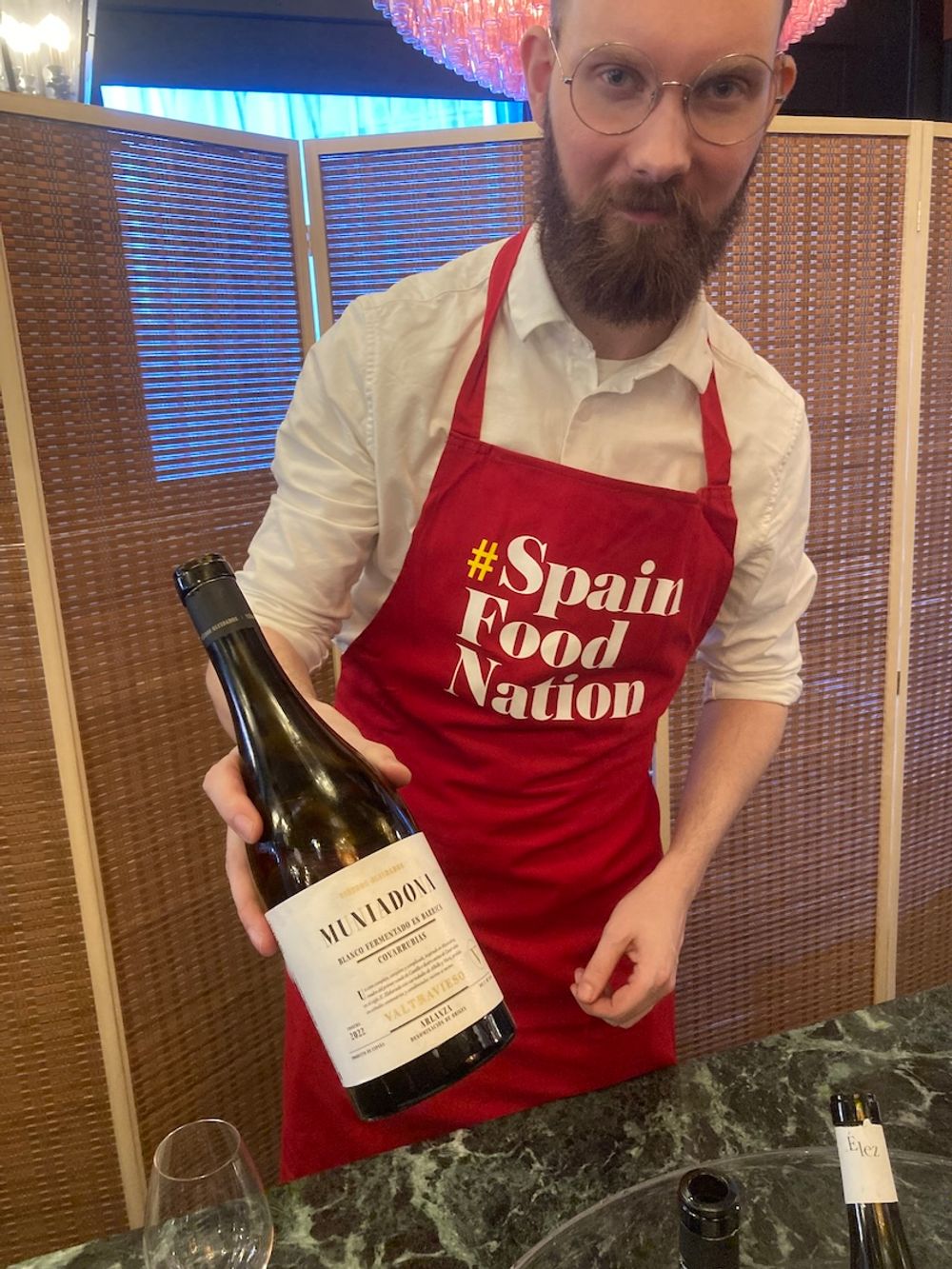
Tricky to explain they may be, but this tasting yielded some of the most impressive wines of the tasting, to me at least. I really enjoyed the Muniadona 2022 from Vińedos Olvidados de Valtravieso, not strictly a Pago as it hails from the Arlanza DO above Ribera del Duero but an amazingly complex field blend of at least four varieties, led by Albilo Mayor and Viura, the grapes grown on 100-year-old bush vines before being co-fermented in amphora and then spending a year in French oak. Amazingly textural and historic even though, at £175 per bottle retail (Vinothentic Wines) that doesn’t come cheap. Evans says you have to judge it in context.
“This is from a forgotten vineyard which saw the Civil War and everything else that followed.”
Another wine imported by Vinothentic grabbed my attention, the Mil Cantos 2022, also from Vińedos Olvidados de Valtravieso and from old bush vines, but a relative bargain at just £50: a lovely blend of 90% Bobal and 10% Airén. And better value still, the Pago Balagueses Garnacha Tintorera (aka Alicante Bouschet) a deep dark crimson coloured, aromatic, black berry fruit driven wine.
So other stand out wines from the tasting?
I would have to include the San Lazaro 2021 from the impressive Bodegas Artadi stable (Pol Roger), a producer which left the Rioja DO in 2015 and judging by this makes slightly atypical, definitely modern Tempranillo wines from the region – this is rich, quite saline with a very long finish from vineyards dating back over 70 years.
So, some impressive wines in the masterclasses and within the event proper, with the likes of Torres, Ramón Bilbao and CVNE and others enhanced by having to show just their best wines and not cluttering their tables with lesser bottles. A firm riposte to tasting fatigue, I thought.
As I was leaving, I caught up with Fernando Muñoz again.
“I think it’s gone very well, what do you think?”
I agreed. This was one of the most enjoyable but also informative tasting events I’ve been to: really well organised, cheery and with a palpable positive vibe.
And I don’t often say that. (Nope you really don’t Justin! – Ed.)