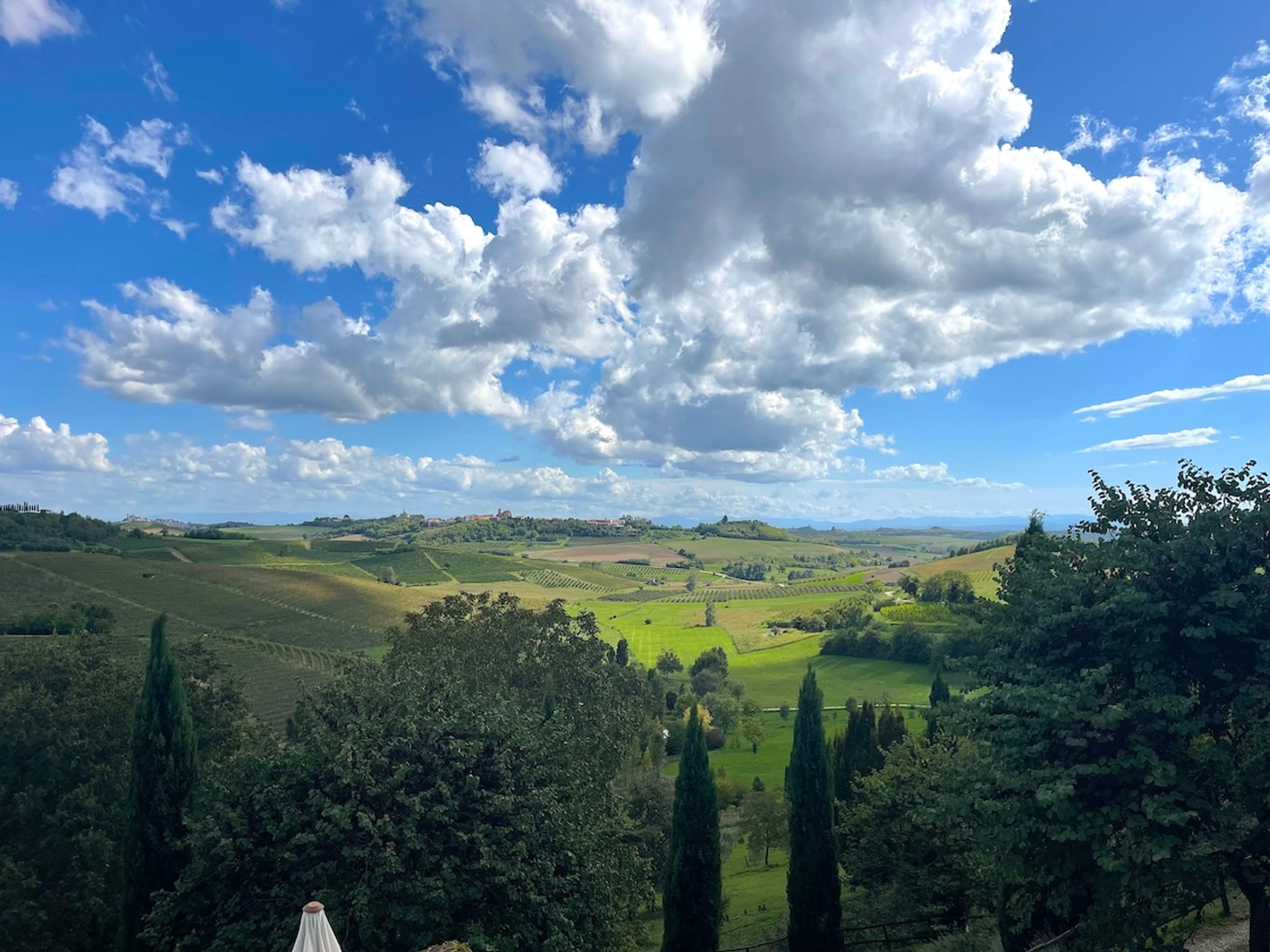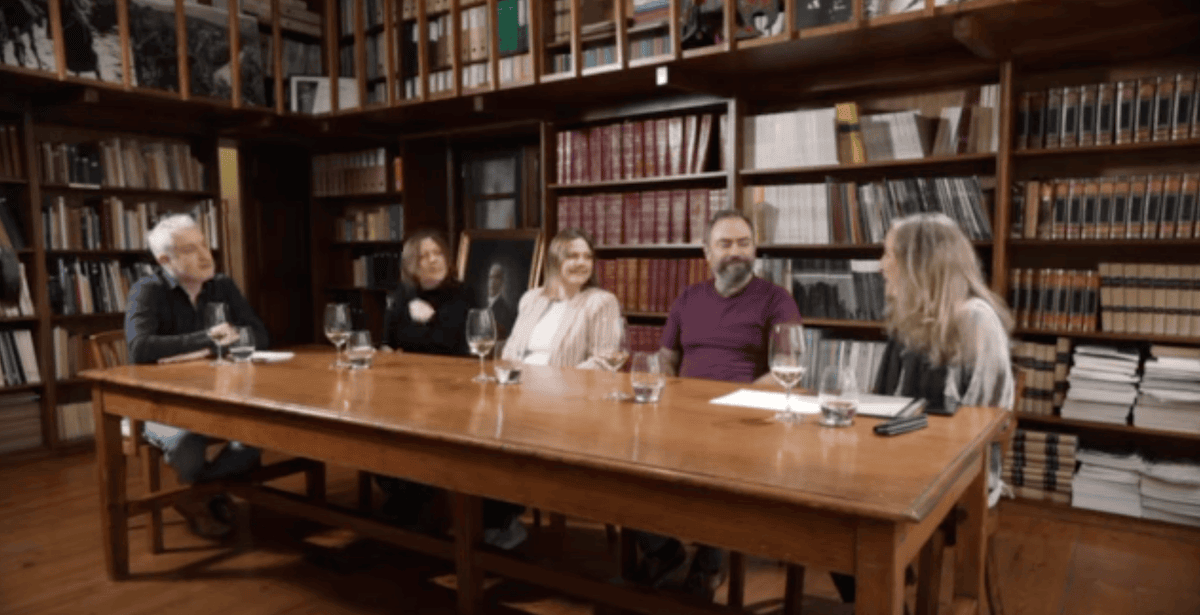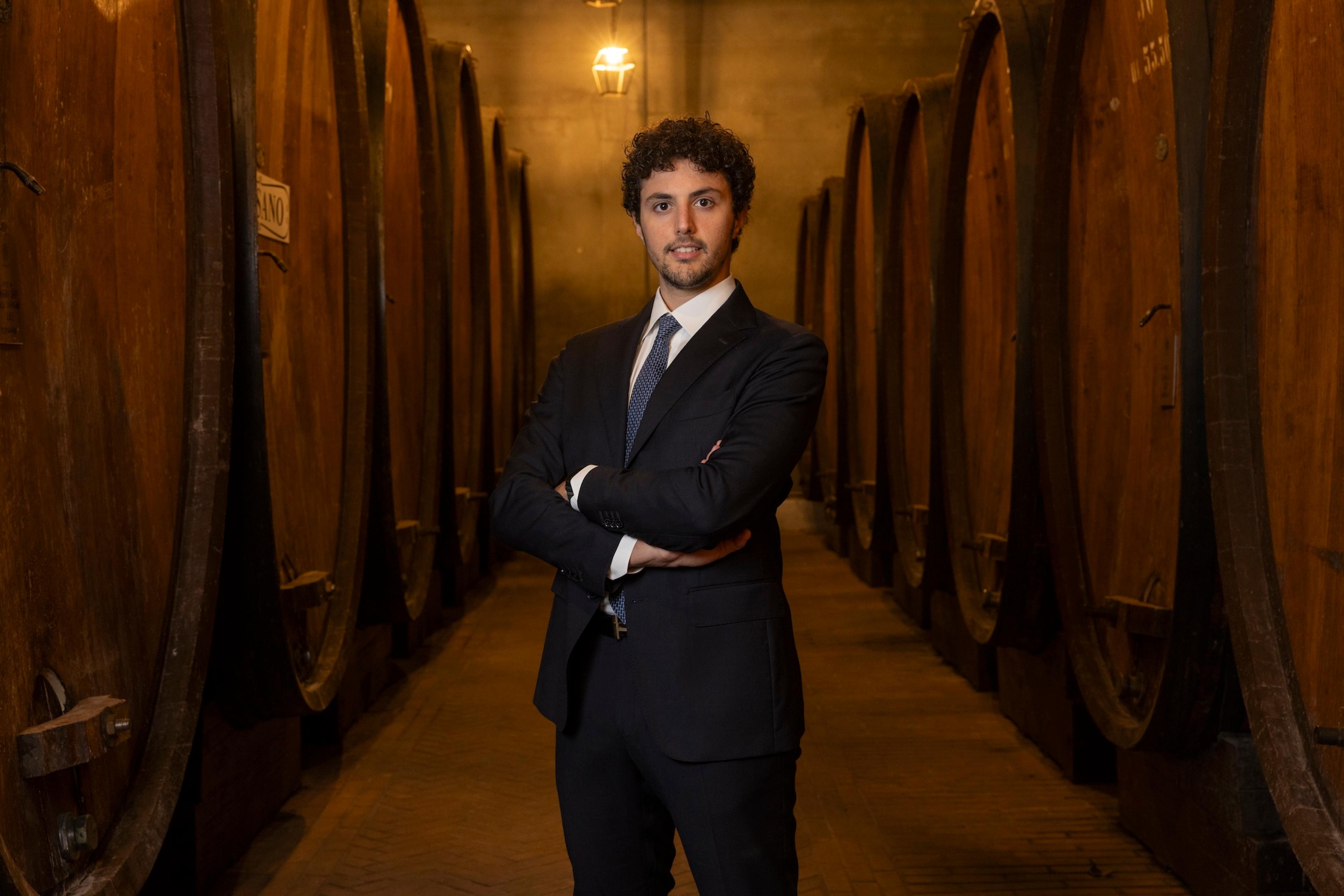

Founded in 1907 in Nizza Monferrato, Bersano is one of Piedmont’s leading historic wineries with 230 hectares of vines that stretch across the Langhe and Monferrato regions. The land is split between 10 wholly-owned estates that are built around traditional farmsteads – known locally as cascine – that sit on top of hills, surrounded by vineyards and boast individual characteristics.
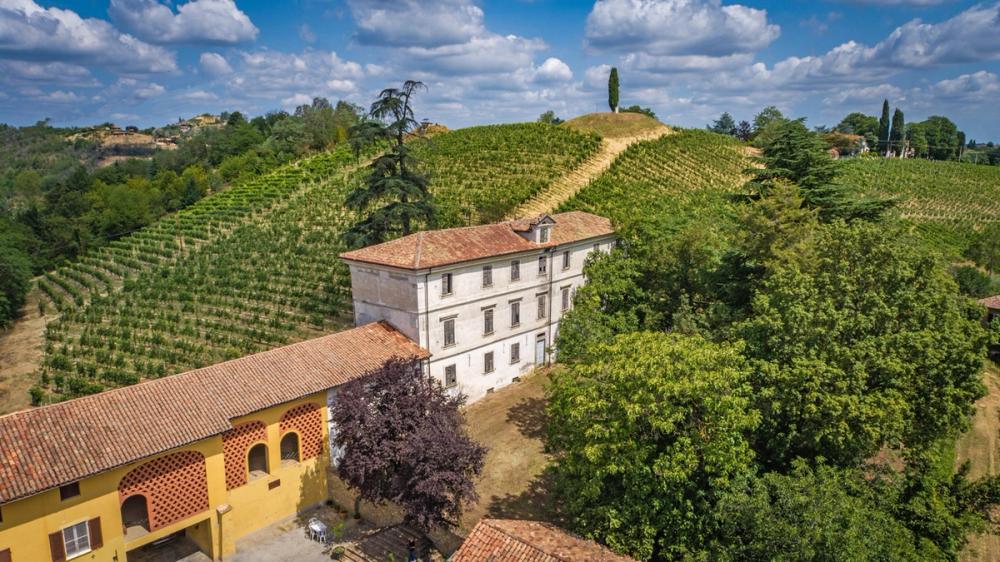
Cascina Cremosina
Alongside its interpretation of the region’s great native varieties – Barbera, Nebbiolo, Ruchè, Brachetto and Moscato – Bersano grows international varieties and also buys in grapes from local growers. The estate produces enough grapes to make six million bottles of wine but limits production to about one million bottles spread across 18 different wines, its Barbera d’Asti Superiore being a top seller, accounting for one third of the winery’s output. Throughout the portfolio there is a clear link between the individual vineyards and wines which are divided into four broad categories – entry level, core, trade-up and ‘icon’.
Now in its fifth generation, Bersano, since 2021 is owned and run by the four Massimelli sisters with Federica as CEO and her son Federico Orione in charge of sales and marketing.
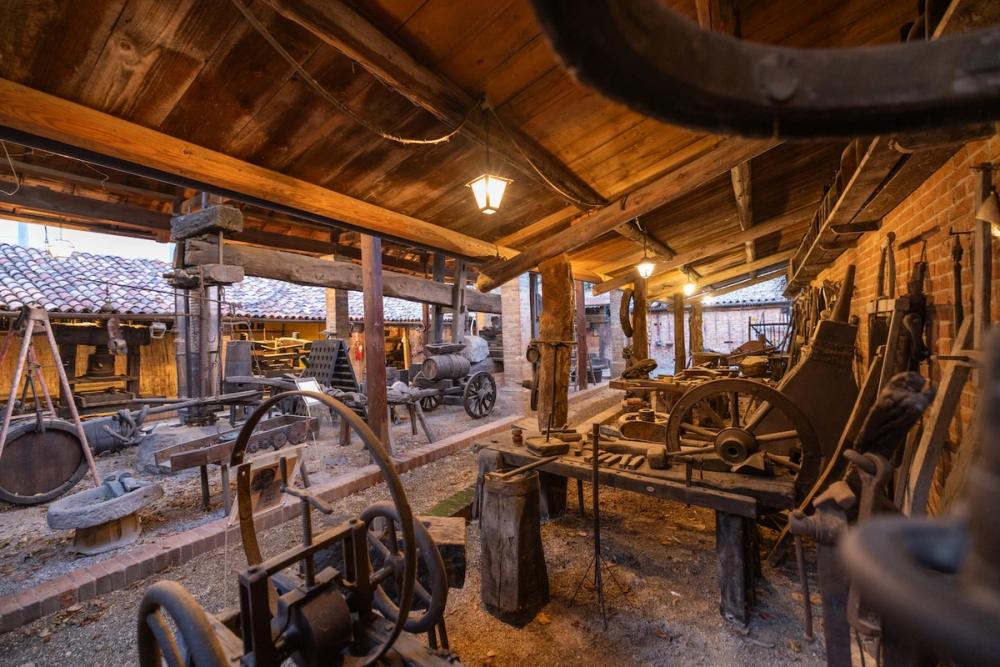
Bersano museum
Putting history behind them
Bersano is rightly proud of its heritage – at its headquarters in the town of Nizza Monferrato are two major tourist attractions in the UNESCO recognised sites of Museo delle Contadinerie, a collection devoted to winemaking and peasant culture, and Raccolta delle Stampe Enoiche which are archives detailing four centuries of farming heritage.
The desire for change is clear, however, with a raft of changes having taken place over the past five years, led by Federico Orione who graduated in 2023 before joining Bersano. His main focus is on sales – domestic and export – with an overriding attention to how wine is communicated to customers.
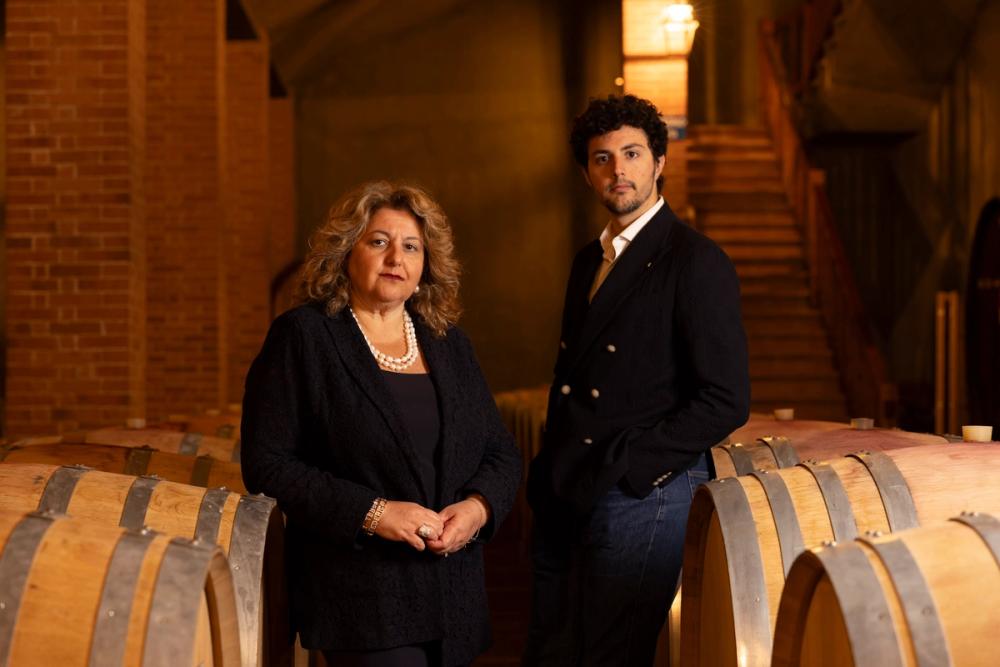
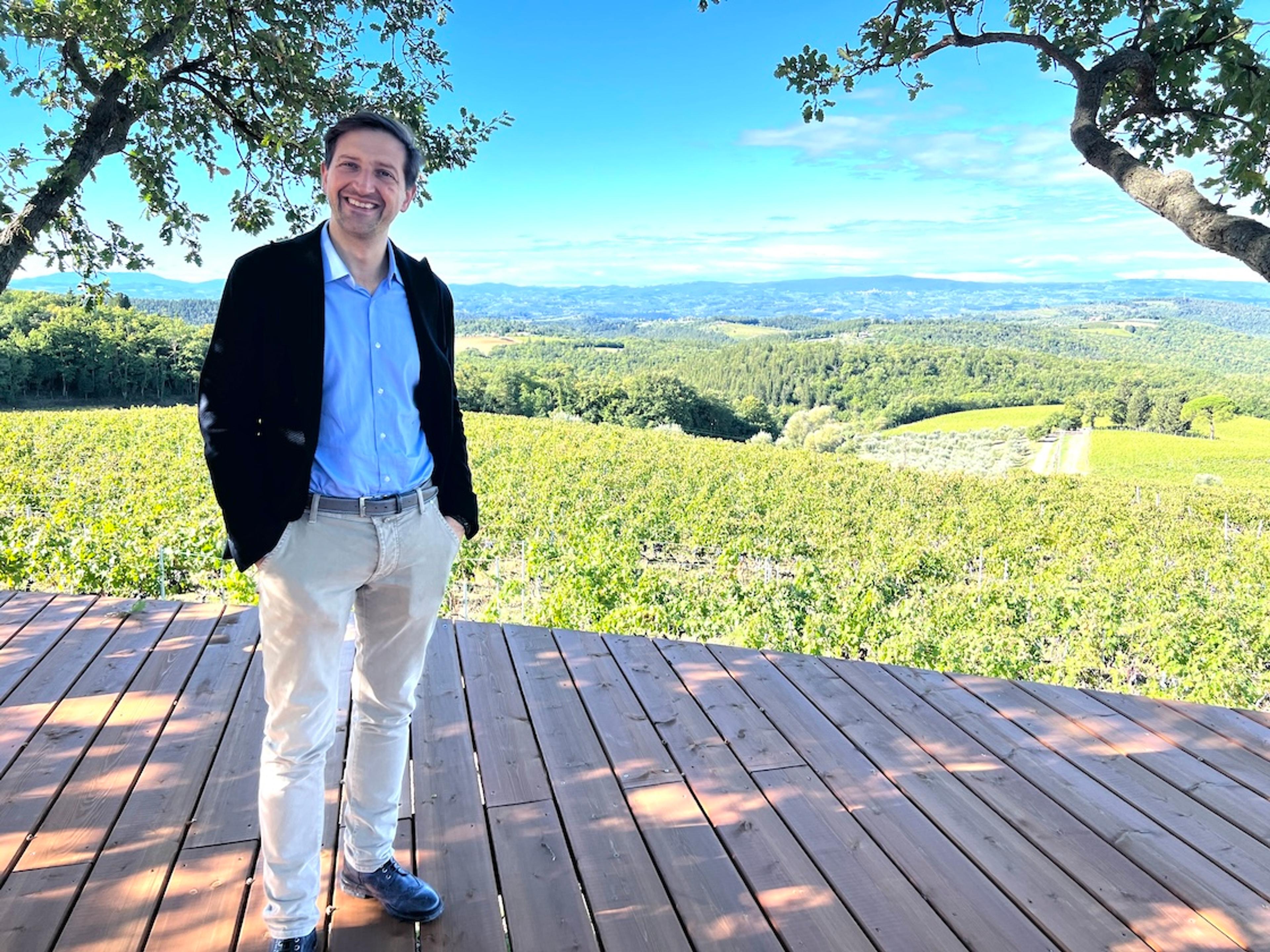
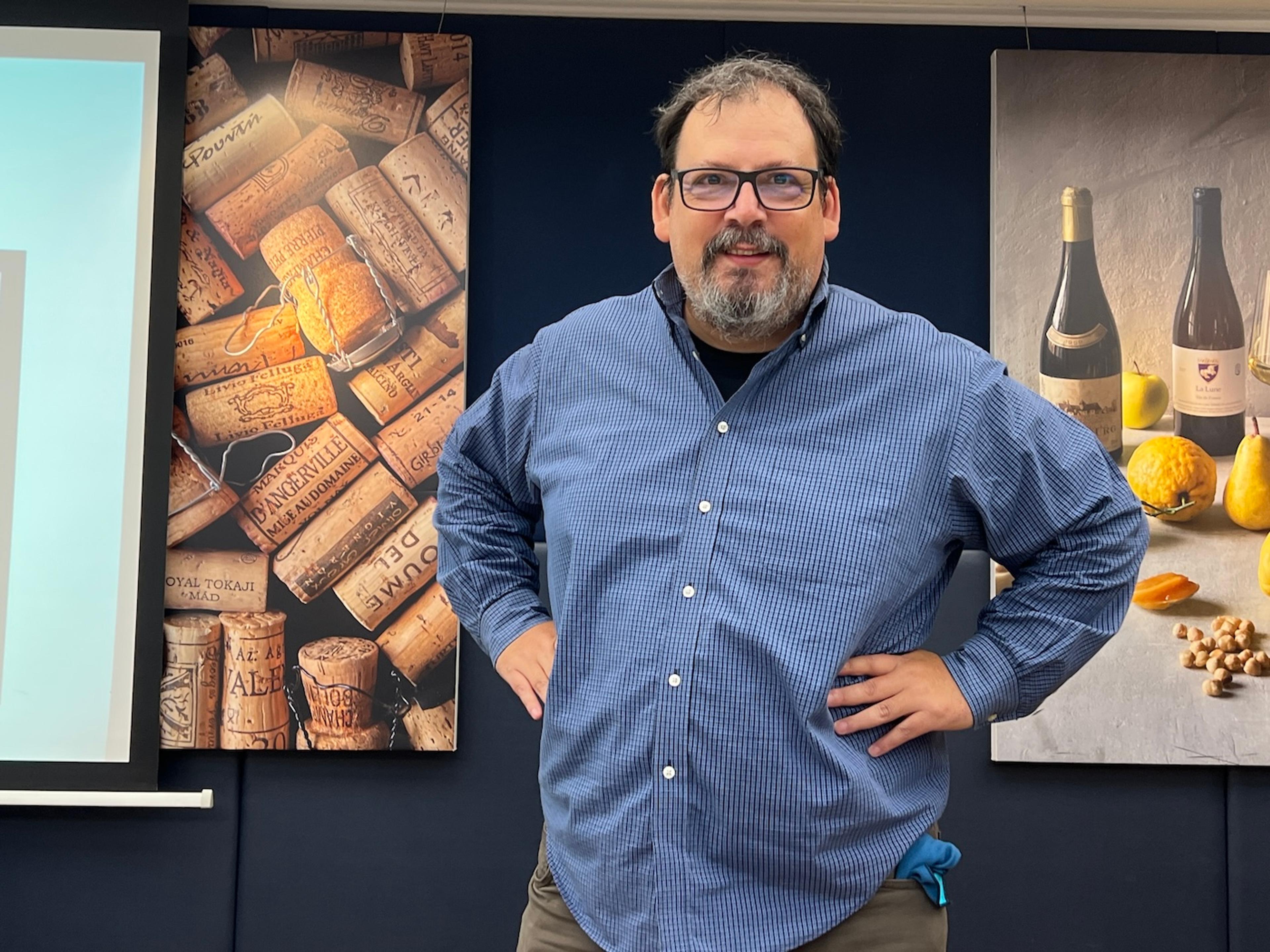
Positioning themselves as an 'historical start-up': Federica Massimelli and her son Federico Orione
In terms of domestic sales, Orione has, in what is an astonishingly bold move, got rid of its 50 sales agents in Italy and started afresh; “You have to be brave in this market,” he says “you have to be business-orientated. At the end of the day business is business.” Regarding exports it aims for a 50/50 split between domestic and 40 export markets with significant presence in Canada, Germany, Switzerland, the US and UK (distributed by Alvini and Waitrose).
Orione says that sales are up across the company as a whole but the team of 25 has to work twice as hard to get there.
“But we are happy, I mean the opportunity comes when the market is down, not when the market is high,” he says.
Orione calls Bersano an ‘historical start-up’ in the sense that they clearly have the historical heritage but they don’t just rely on that to move the wine.
“We are really, really proud of it but we don’t use it as a flat thing like ‘I don’t need to do nothing because I have the heritage and the story’. The market is not the same as it was 10 years ago… So you need to be a startup, dynamic, flexible, very fast on the market, focusing on things that give value to the customers.”
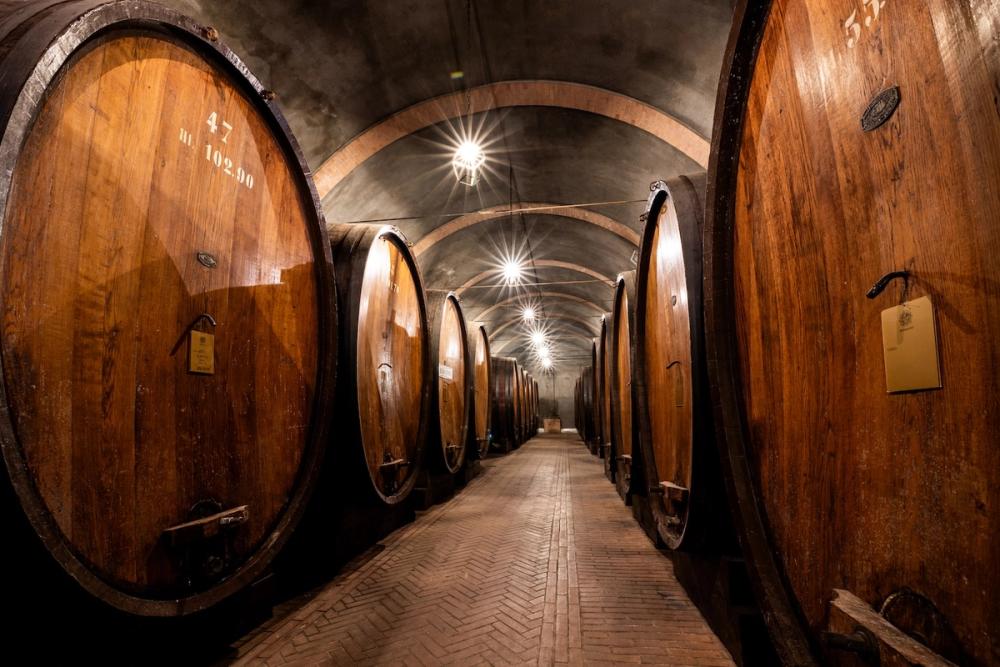
Bersano cantina. "Everybody (in Italy) has a story of how the grandfather harvests by himself during the summer and then throughout the night .. fluff, fluff, fluff… everybody has this. So it gets flat.”
Forward thinking
"We are a winery founded in 1907, but we do not see our history as something to be managed," he explains. "We see it as a platform from which to move forward, with energy, ambition and a clear vision for the future.
He stresses that the historical aspect of Italian winemaking is not becoming less important, using how people utilise AI as an example.
“Everybody can use AI and so things will probably get flat, but it’s the way that you use it that gives you more... and it’s the same as the story – the history you have behind you. If you have it and think that is 100% of what you need to have then you are done. Everybody (in Italy) has a story of how the grandfather harvests by himself during the summer and then throughout the night .. fluff, fluff, fluff… everybody has this. So it gets flat.”
For Federico, the biggest challenge facing the company is the way wine is communicated to consumers at a time when the market is calling for stronger, clearer and more coherent signals. He has overseen a major rebranding exercise including new, more contemporary, labels and packaging for its wines and also totally reimagined its premium Icone wines – even going so far as to put them in bottles shaped after ancient Dom Perignon bottles that were found on the estate and allegedly belonged to Napoleon when he was fighting in the area.
“Consumers may be drinking less, but they are drinking better. They seek quality, substance and beauty, and they want to recognise the genuine value of what they choose. It is precisely within this space, between authenticity and desirability, that Bersano aims to strengthen its position.”
Bersano is developing an app with AI to improve wine communication and attract younger drinkers with Federico emphasising the importance of understanding consumer needs and providing value beyond just the wine itself – he doesn’t reveal too much as it is still in development but the gist of it is to start off with asking the customer ‘what the vibe is?’ ie. to tailor a sale around what the consumer is looking for rather than what you think they should have.
So, given all the changes, does Federico think that they’ve been successful?
“It’s too early to say but only the market will dictate that.”
How were the wines tasting?
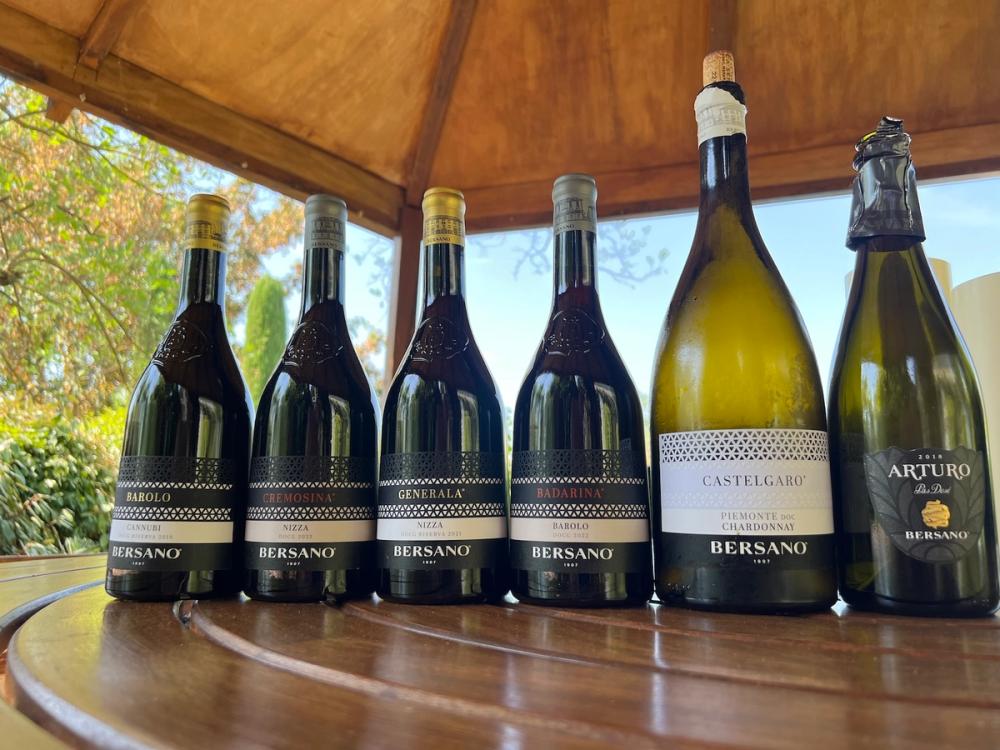
Arturo Spumate Metodo Classico Pas Dosé 2018
RRP €36
Zero dosage 100% Pinot Nero refermented in the bottle and aged for a minimum of 66 months, first introduced in 2011. This is a classy Spumante, dry, elegant, made to be an aperitif or food wine with fine bead, savoury, bready notes, a touch of lemon blossom and a fine salinity that begs another sip.
Piemonte DOC Chardonnay Castegaro 2024
€110 (magnum)
Made with fruit from Mombaruzzo in Asti, this gastronomic Chardonnay has full malo and 6-8 months ageing in barriques with batonage and then 9 months in bottle. Straw yellow, complex, fresh, enticing aromas of ripe pear, yellow stone fruit, barley sugar, a hint of resin; a ripe and broad mouthfeel, oleaginous, this gives way to a nicely grainy-textured, almost lean core, tense with bitter, vanilla notes and a long finish. I liked the journey it took me on.
Nizza DOCG, Cremosina 2023
€20.50
Produced from Barbera d’Asti grapes hailing from one of Bersano’s historic estate vineyards, 12 months in oak and 6 in bottle. This is an excellently made, beautifully balanced fruit-forward wine that has spicy blackberry fruit, depth and concentration, ripe, integrated tannins, with enough acidity to allow it to age, but at the same time the right amount to centre the intense fruit core and alcohol.
Recipient of a platinum Decanter 2026 award, one of just four Piedmont wines this year to achieve that.
Nizza DOCG Riserva Generala 2021
€34.50
Made from one of the top 18 municipalities that comprises Nizza, this has had 12 months of oak (80% tonneaux/ 20% barrels) followed by 12 months in bottle. Complex bouquet with cherry compote, forest floor, dried black flowers; in the mouth the wine is agreeably smooth and easy going with a tense, backbone that reveals sour cherry, mulberry and hints of liqourice with well-restrained power.
Barolo DOCG Badarina 2022
€51.50
Hailing from Serralunga d’Alba, aged for 60 months in oak barrels, tonneaux and in the bottle. Light garnet-ruby, see-through, this has a lifted perfume of ripe, confected fruit, cherry liquor, rose petals, wet leaves and leather. In the mouth the wine is so easy going, with velvety tannins, a dusty texture and an attractive redcurrant grip on the finish. Elegant, deceptively intense, good for ageing or for drinking now.
Barolo Cannubi DOCG Riserva 2019
€80
Made with fruit from Cannubi aged for a minimum of 36 months in oak barrels and 18 months in the bottle, this is Bersano’s top cuvée – a complex, structured Barolo. Light garnet-ruby, see-through; after an initial waft of eucalyptus and mint, you detect strawberries, cherry, balsamic, dried flowers. In the mouth the wine has youthful, fine-grained tannins, plenty of juicy, young red plum, blood orange, fine acidity. Sleek and well-made but needs food or more ageing in the bottle.