These days Tuesdays seem to be the busiest days in the London tasting calendar and April 28 was no exception, with at least four major events including Enotria's Spirit of Iberia event which hosted a packed, enthusiastic crowd at the Lanesborough Hotel on Hyde Park Corner. The excitement in the room was palpable, both at the range and quality of the wines, marrying top end with more accessible, value propositions.
But why Iberia and why now?
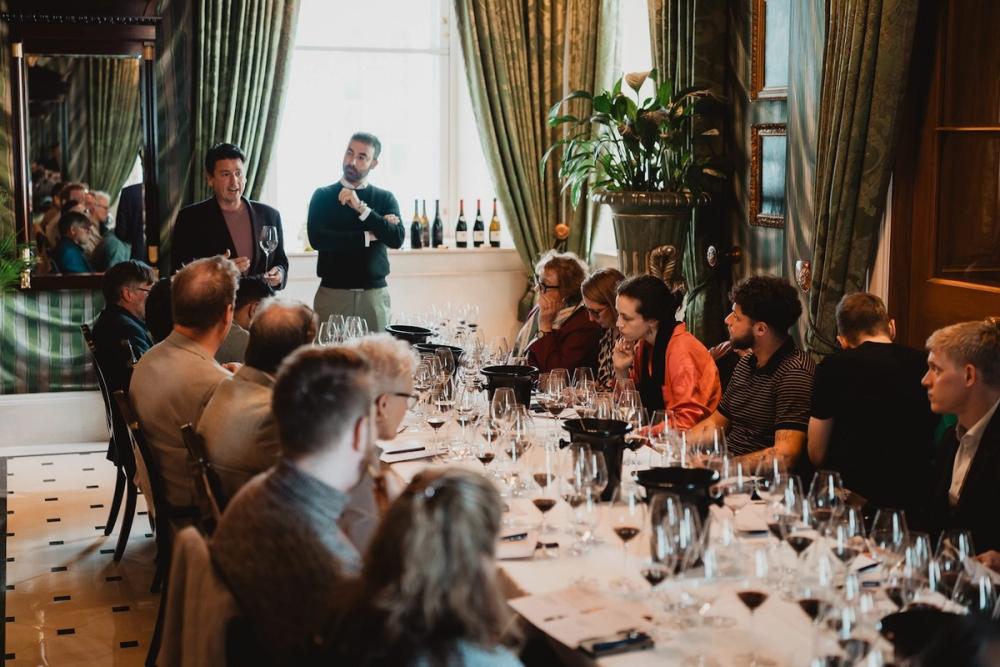
Spain’s Sierra Cantabria and Portugal’s Quinta do Crasto were the focus of two masterclasses at The Spirit of Iberia tasting
Peter Wallbridge, Enotria’s director of buying, says Spain and Portugal have truly come of age with Spain having the most entries (above France and Italy) in the “world’s most admired wine brands.” The wine industries in both are now seeing many leading producers hand the torch to the next generation, who are making classy wines but with more modern techniques, with a greater focus on sustainability and terroir.
“We are seeing remarkable efforts from Eduardo Eguren (heir to Sierra Cantabria) at Cuentavinas, Carlos and Juanjo Cerdan at Cerron, Elías López Montero at Verum, Estefania at Pago de los Capellanes, Leo Gramona and, of course, the amazing Pedro Ruiz at Alma Carraovejas. Each new generation brings exciting new ideas and wines, of which we are lucky to have a couple of 100 pointers with Cuentavinas El Tiznado and Cerron El Cerrico.”
Wallbridge says it has taken Enotria years to pull its Iberia portfolio together.
“Whilst we have competitors who may focus on smaller unknown growers, or those who have more mainstream brands, I believe we have UK’s best-in-class Spanish portfolio. We offer everything from boutique amphora wines to fine wines to commercial by-the-glass propositions, satisfying pub groups to fine dining to independent retail,” he says, adding that his own familiarity with the country has been boosted by having lived and produced wine there.
Wallbridge argues that everything in Enotria’s Iberia portfolio justifies its place, from: high end Corpinnat from Gramona; top Cava from Pere Ventura; Sierra Cantabria, arguably Spain’s most premium estate; the top new winery group Alma Carraovejas; 100-point champions Cuentavinas and Bodegas Cerron; alongside benchmarks producers such as Martin Codax Albariño and amphora specialists like Verum. To mention just a few.
So how were the wines?
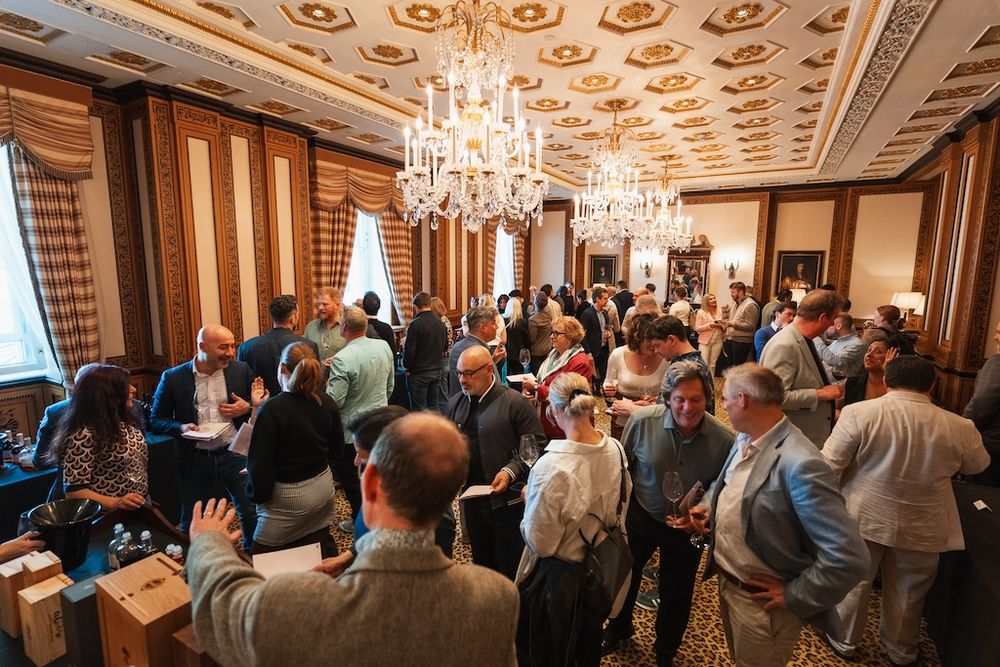
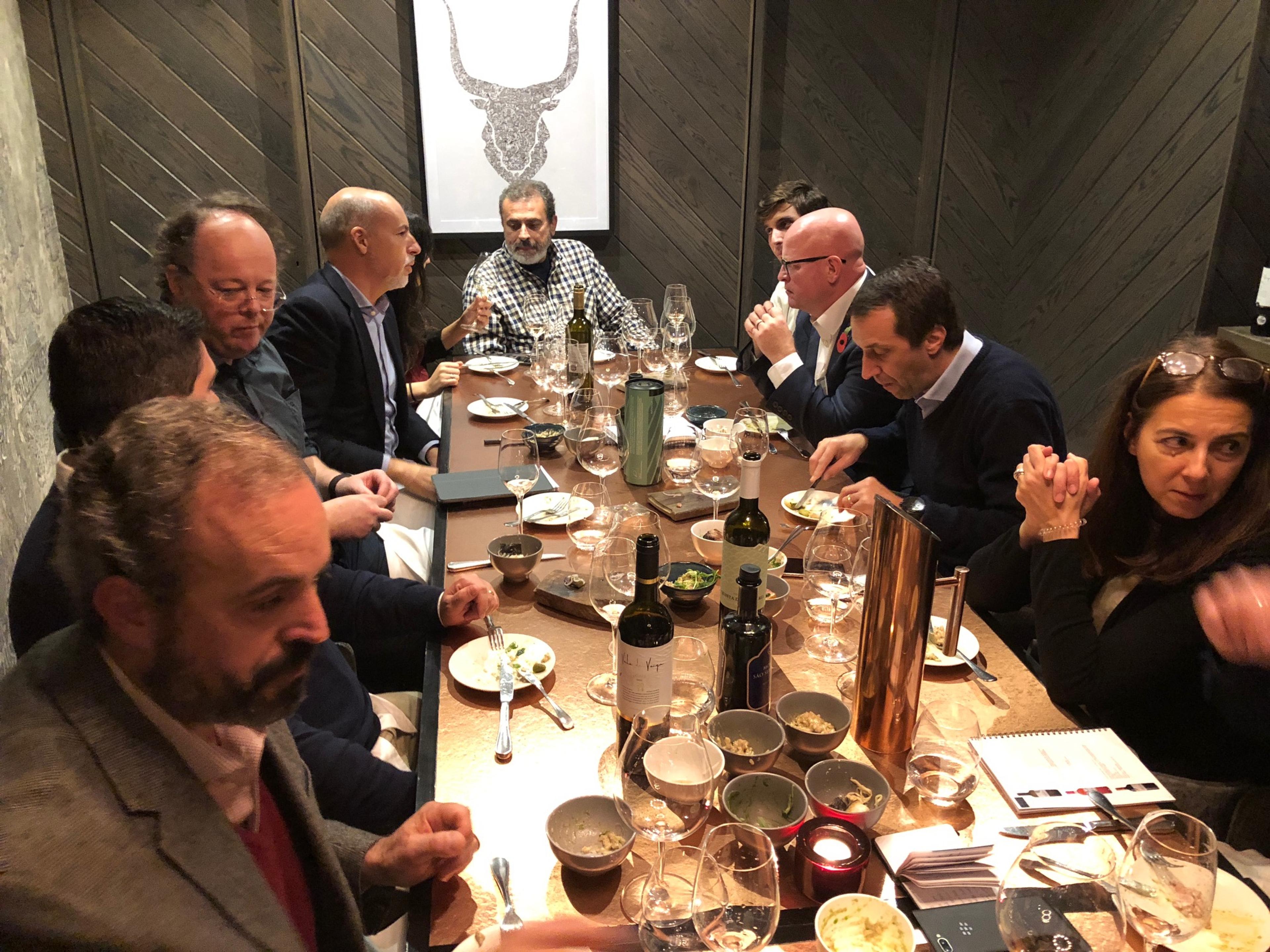
Standing room only - Spirit of Iberia tasting, London's Lanesborough Hotel, April 28, 2026
Battling my way into the tasting room – so filled with clients and trade it reminded me of that iconic crowded room scene in the Marx Brothers’ Night at the Opera – I started with Gramona’s five wines. All were excellent, although my favourites were the biodynamic, slightly spicy but full-on Innoble Organic NV (52 months on the lees), the 2016 Lustros Brut Nature Corpinnat Organic (made from 100% Xarel-lo and left on its lees for 59 months, very rounded and fruit driven but with bracing acidity), a great wine first made 75 years ago. But for me the stand-out was Celler Batile Brut 2011, made from Xarel-lo and Macabeo, grown on aged vines in the family’s Can Romeu vineyard, hand harvested and then aged on skins for seven years before going under cork. The jewel in the crown, and deservedly so… 15 years since the vintage with possibly the same amount of time ahead of it.
“We produce 600,000 bottles of sparkling wine a year but in all of them, and ever since our first wine in 1921, our aim has been to represent the very best of our heritage and terroir,” says the winery’s Andrés Rangel.
Terroir and soil were clearly the inspiration between the two very decent Avelada wines on show, Solos de Granito 2024 and Solos de Xisto 2024, two great 100% Alvarinhos from the famed Vinho Verde producer. The Granito is much lighter, vibrant, bright and acidity driven whilst the very different Xisto is richer, more nuanced and complex. Vinho Verde, but not as we know it Jim – and a far cry from the more familiar entry level wines. Gets my money.
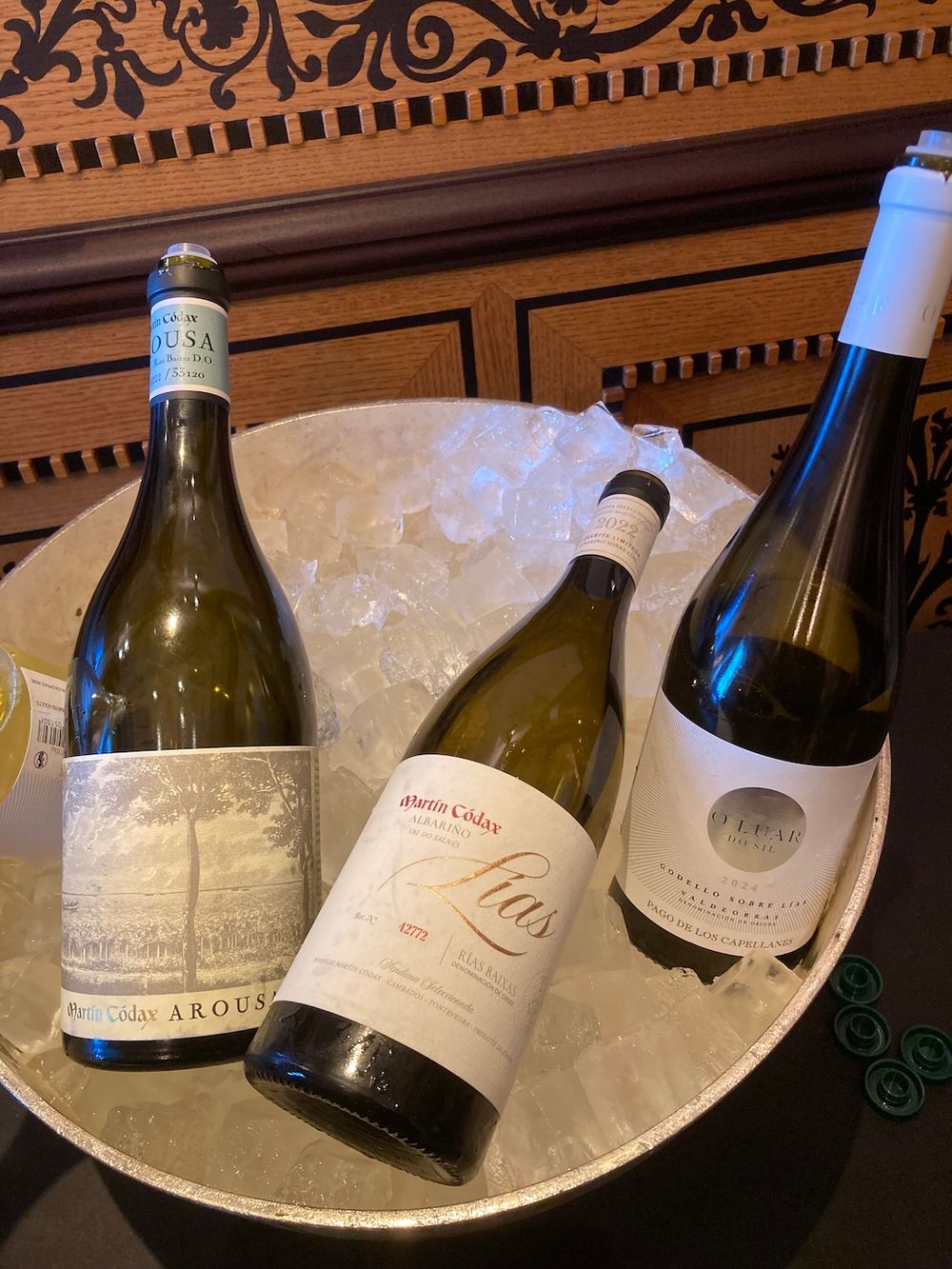
As do Martin Códax’s takes on the same grape variety (minus the ‘h’) just over the border in Spain’s Rías Baixas. The Organistrum Albarińo 2022 is distinctive, very aromatic and forward, with a nice spicy finish; even better – to my palate at least – is the Albarińo Arousa 2022, very fresh and saline, with suggestions of bay leaf and white pepper on a long complex palate.
I was impressed by Franck Massard’s Huellas Priorat 2021, a powerful blend of Carignan and Garnacha from the elevated Poboleda Vineyard: dark, broody and full on despite this being from a cooler vintage than usual.
From Alicante’s Bodegas Monóvar I was impressed by the Fondillon 1996: made from 100% Monastrell, semi-sweet, slightly oxidative with suggestions of almond and caramel on the long, slightly saline palate, it gains its character from long fermentation and ageing in American oak. Despite its 17.5% abv alcohol, this iconic wine is unfortified – and all the more enjoyable for that.
The centrepiece of this event, however, were the two masterclasses on Sierra Cantabria and Quinta do Crasto, the first a producer new to me (shamefully) despite an outsized reputation as one of Spain’s best and most iconic producers, the second one happily familiar to me with since my first Lusitanian visit many years ago.
Sierra Cantabria
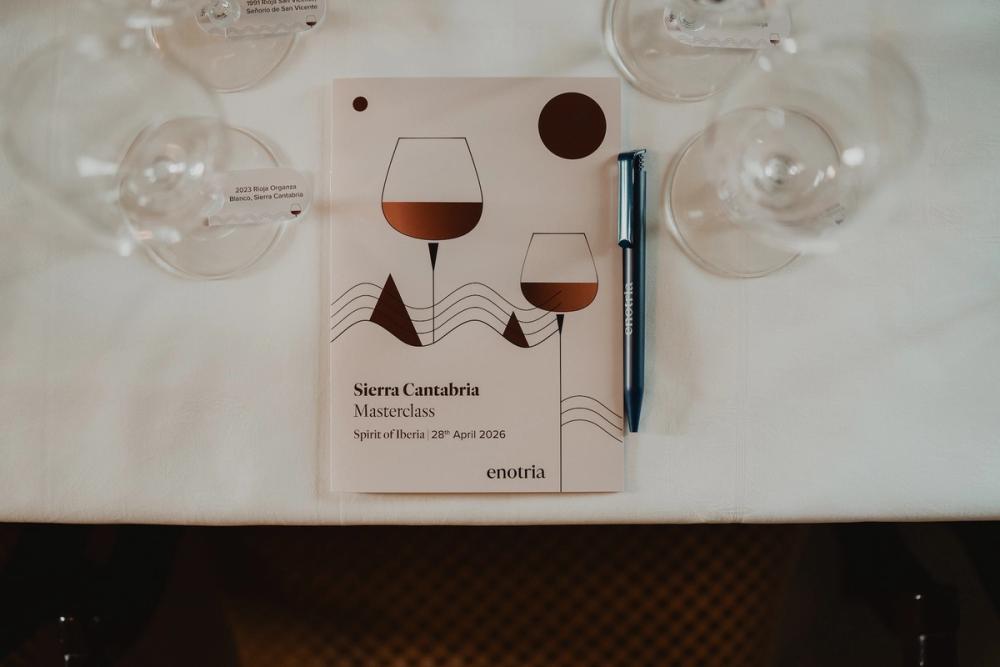
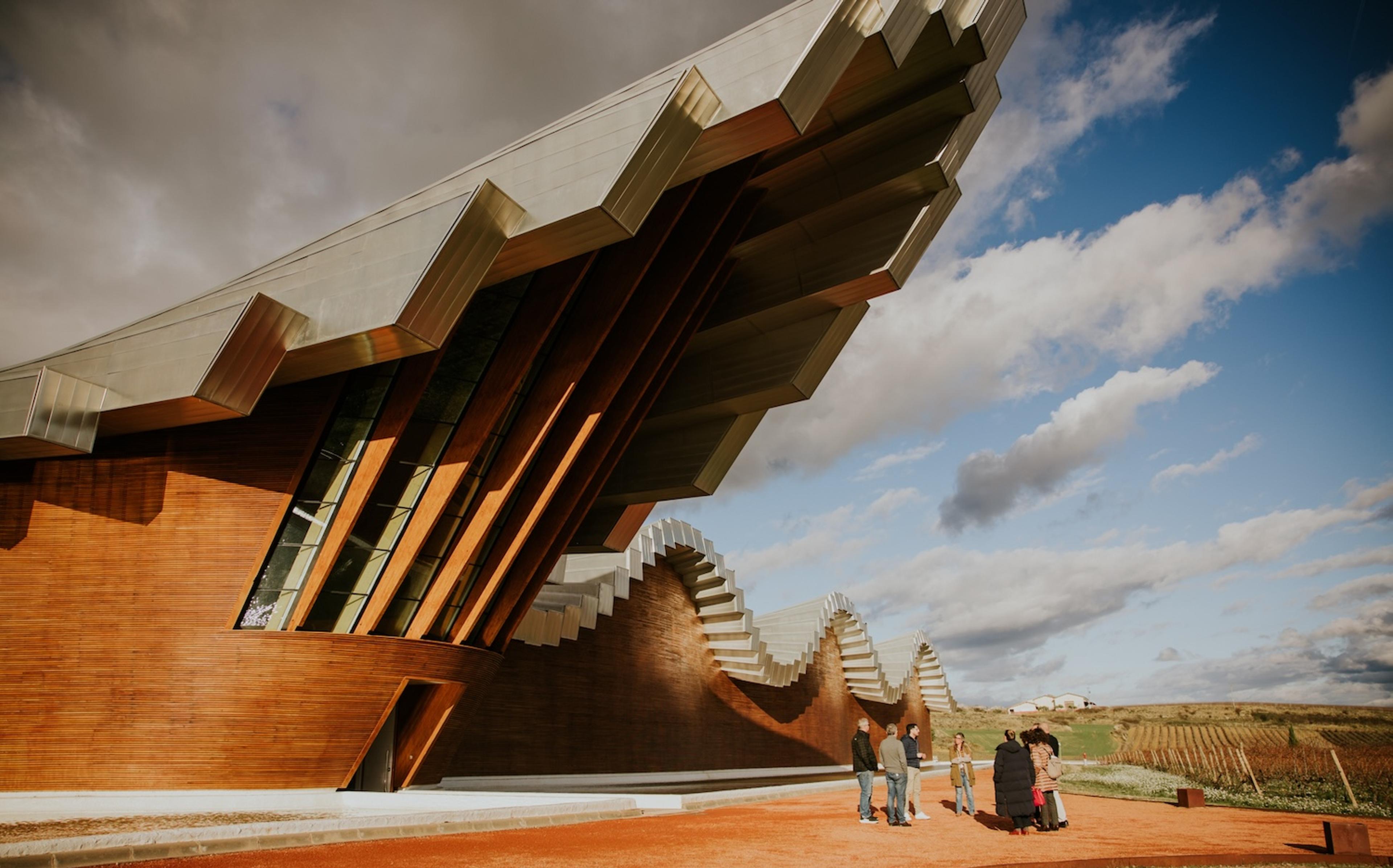
One of Spain’s most exclusive estates, Sierra Cantabria is renowned for crafting some of Spain’s great modern classics – meticulously produced wines with hand de-stemming, gentle “massaging” in open wooden vats, and extraordinary attention to detail – wines of finesse, structure, and remarkable longevity.
Winemaking at Sierra Cantabria started back in 1870. However in the modern era the story starts in 1957 when the Eguren family took over the business. It currently owns six wineries across Rioja and beyond, including Sierra Cantabria itself and Teso La Monja in Toro, where they have been producing the highly coveted eponymous wine - in tiny volumes - since 2007.
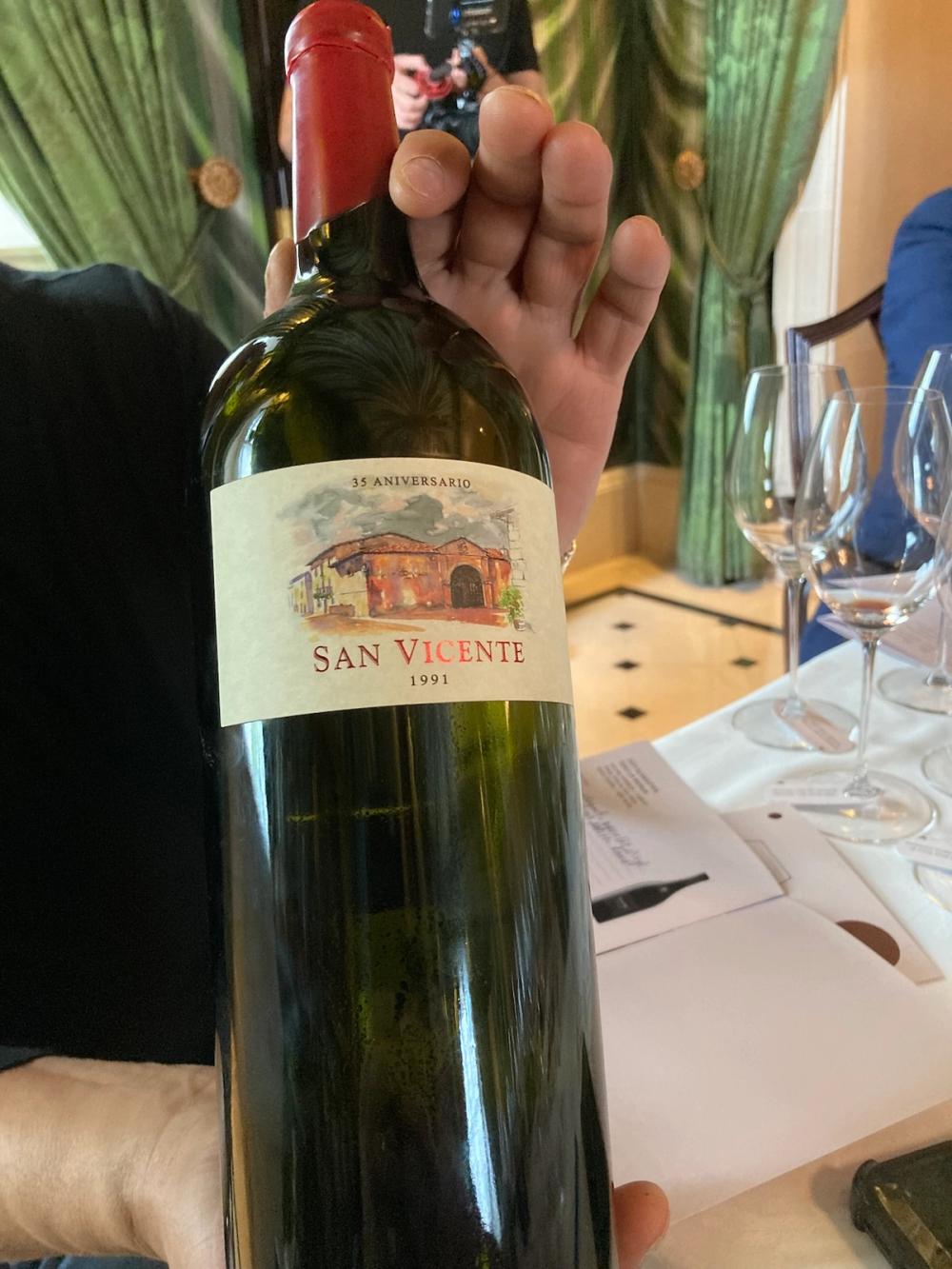
The masterclass compared the first ever vintage of Rioja San Vicente/Señorío de San Vicente 1991 (“the wine that changed Rioja forever” according to Peter Wallbridge, on account of its junking of the Crianza signage) to the current vintage Señorío de San Vicente 2021: a fascinating comparison with the earlier, sadly largely unavailable wine standing up very well (lots of fruit, structure, liquorice and suggestions of tobacco) to the 2021, just entering its prime but showing its future potential. Amazingly complex wines, and one must remember, made from 100% Tempranillo Peludo aka Hairy Tempranillo, a clone unique to this area of Rioja Alavesa.
“This was the wine that broke the old classification system…people are talking about single vineyard Rioja now, but this family has been doing it for years,” says Wallbridge.
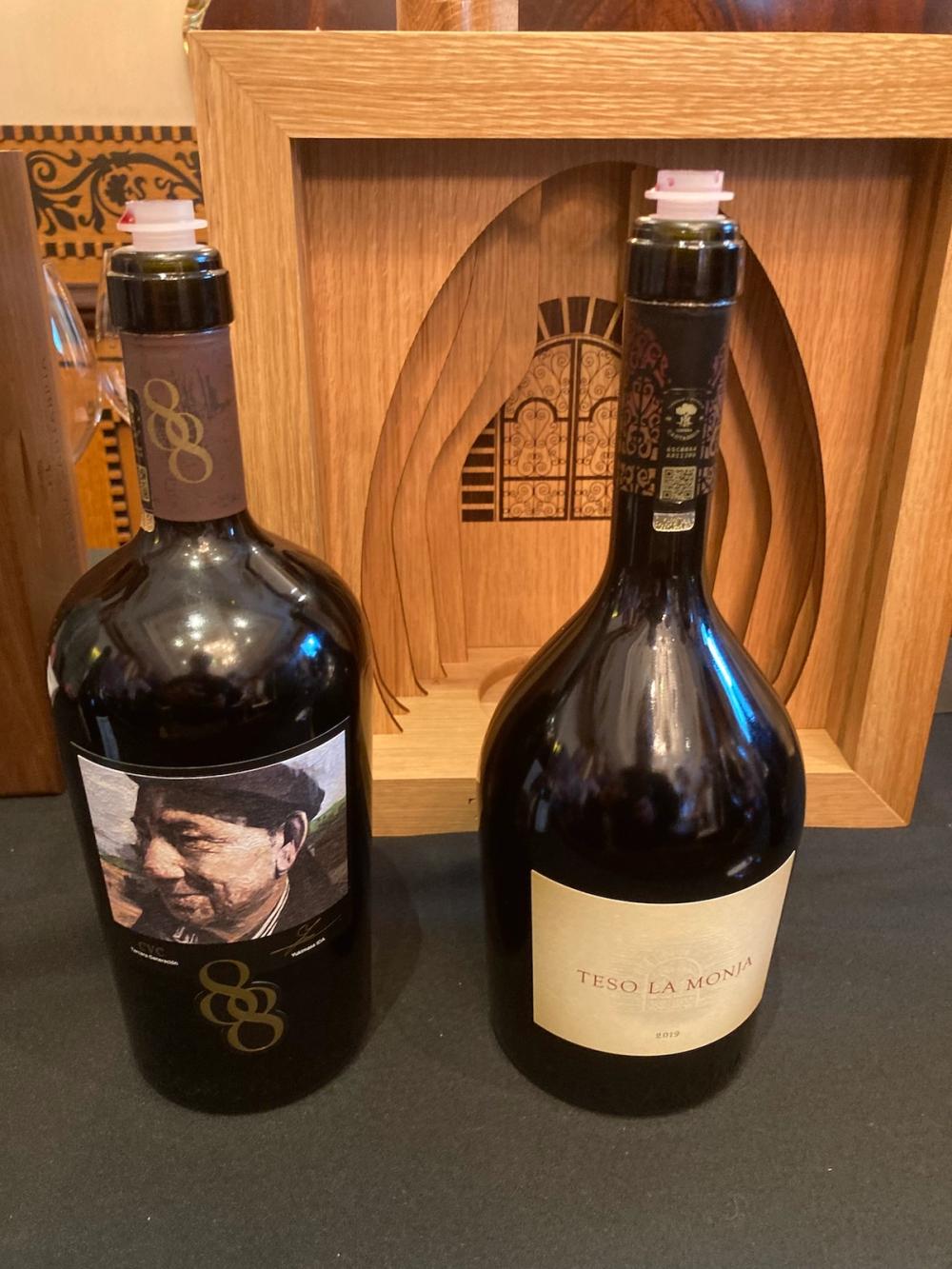
Equally impressive were the wines from the Teso la Monja bodega, the iconic and rare eponymous wine (the 2019 was on show, one of only around 500 bottles produced) and the more widely available Alabaster 2021, a full on, no holds barred expression of Tinto de Toro made from vines over 100 years old. Velvety, with lots of dark fruit character and deep complexity, this is a classic.
Quinta do Crasto
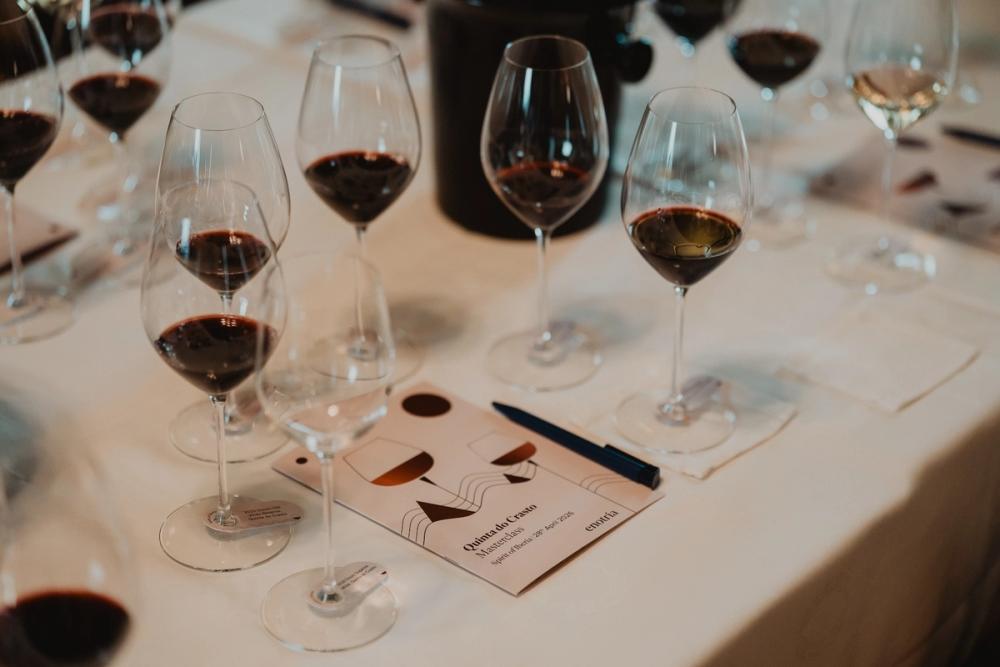
From one of the oldest demarcated wine regions in the world, the Douro’s Quinta do Crasto may be relatively new to table wine rather than port (in common with other leading estates in the region) but boy, can they produce quality wines across all price ranges. Its Douro Old Vines Reserva 2023, made from 42 different plots and featuring an untold number of indigenous varieties may be a professional taster’s nightmare but it tastes so good, with all the violet, dark cherry, plum and tobacco flavours you’d expect of a Douro red, and amazing value at around £30.
Xisto, by Roquette & Cazes is a joint venture between Crasto and the famous Bordeaux family and the two vintages here (the 2011 and the 2019, both 40% Touriga Nacional, 40% Touriga Franca and 20% Tinta Roriz) were both showing well, elegance rather than power very much to the fore.
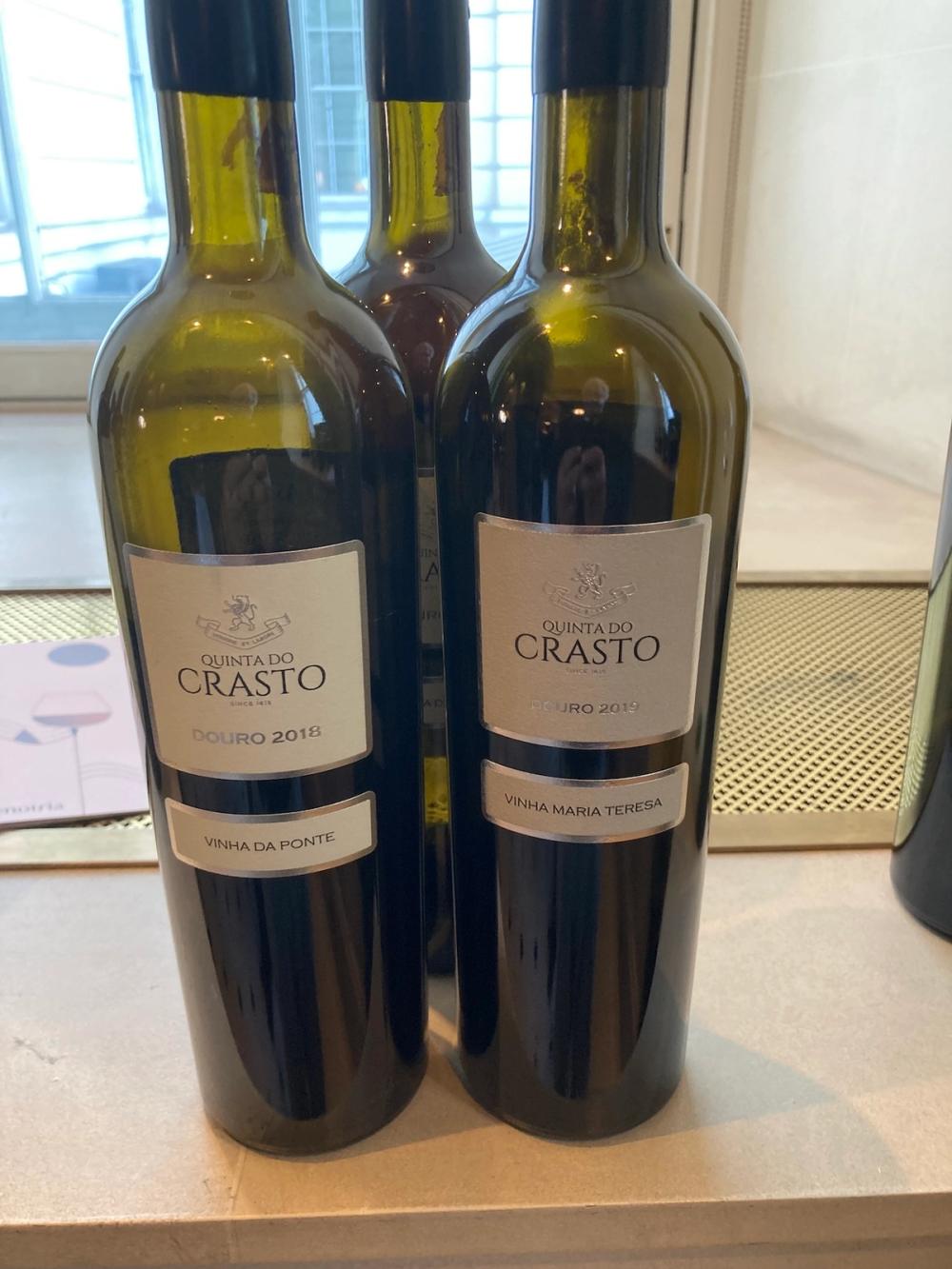
Power was very much the story with the single vineyard wines, Vinha Maria Teresa 2019 and Vinha da Ponte 2018, two very different indigenous grape blends despite the two vineyards being just a kilometre apart (close but very different in character with the former more protected and the latter south-east facing). Two truly iconic and luxurious wines.
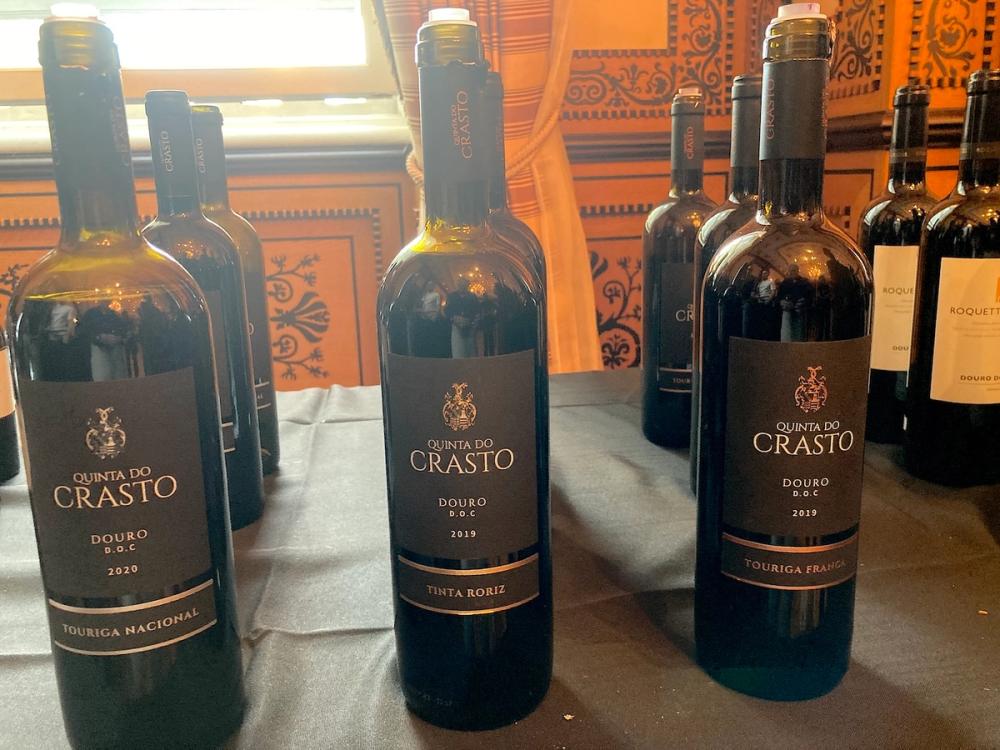
Staying with Quinta do Crasto back in the main tasting room it was fascinating to taste the producer’s single varietal take on the three main Douro grapes that normally make up its blended table wines and ports. The Touriga Franca 2019, Tinta Roriz (aka Tempranillo) 2019 and the Touriga Nacional 2019 all showed their respective characteristics admirably, the latter’s heft, elegance and complexity very much to the fore, demonstrating why it is Portugal’s most famous and iconic variety.
And all three together grown on very old vines, worked admirably in the producer’s delicious 30-Year-Old Tawny NV, tasted on the way out: caramel, fig, spice and toasted almond, I was still savouring it as I made my way back across a sunny Green Park to catch the Jubilee Line.
A great tasting then, demonstrating that if its Iberian range is anything to go by, Enotria is very much at the top of its game.
Enotria is a commercial partner of The Buyer. To discover more about them click here.