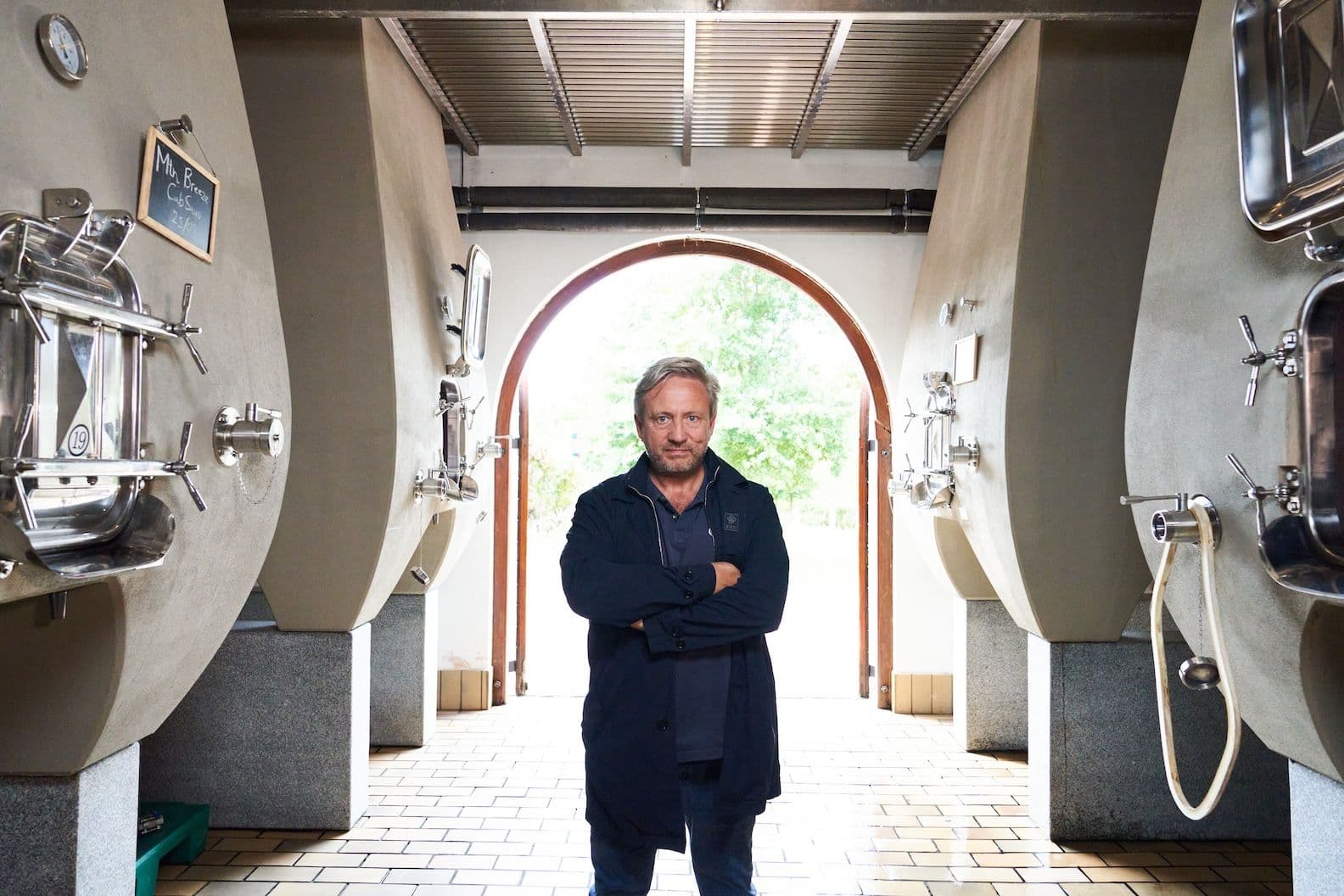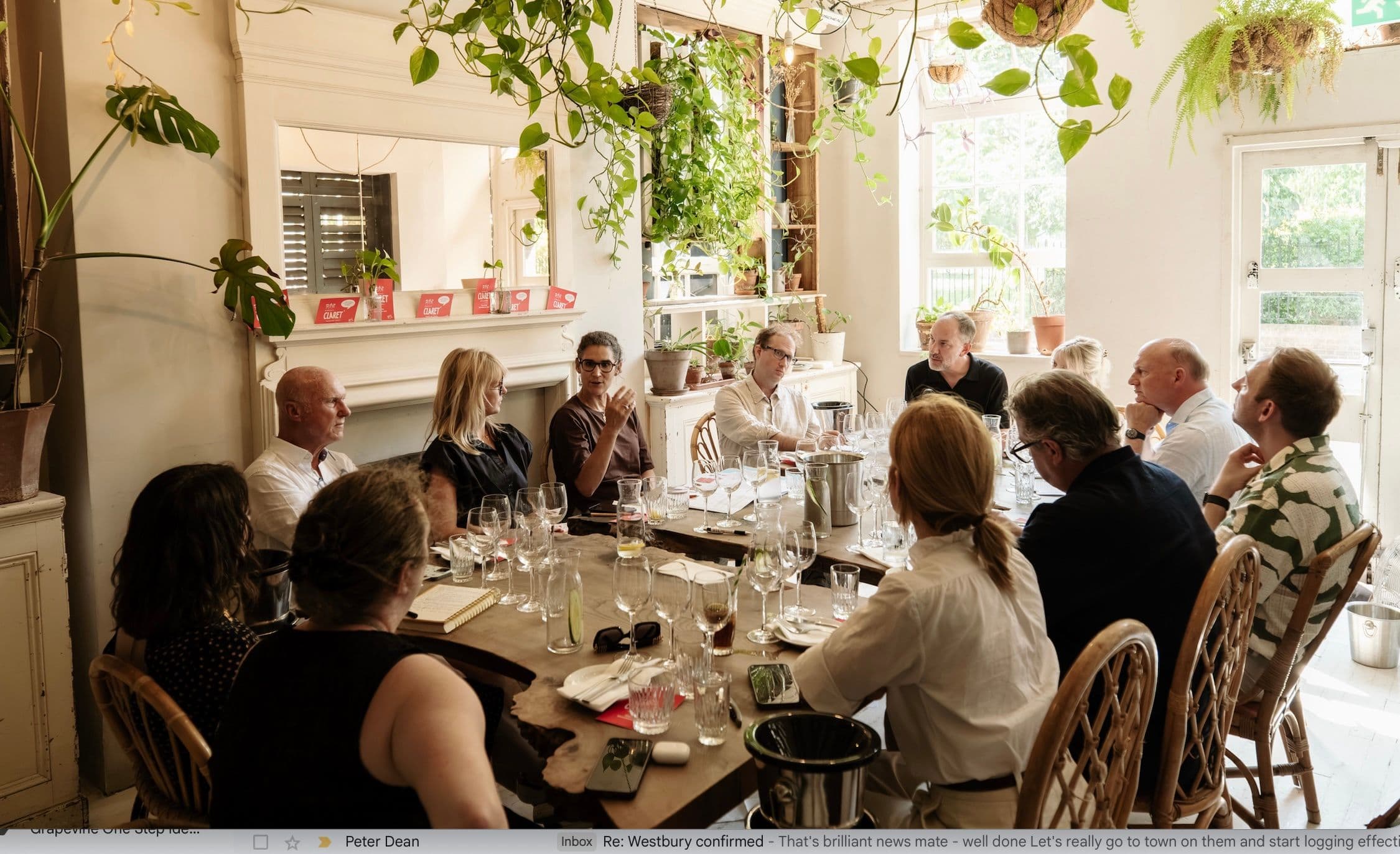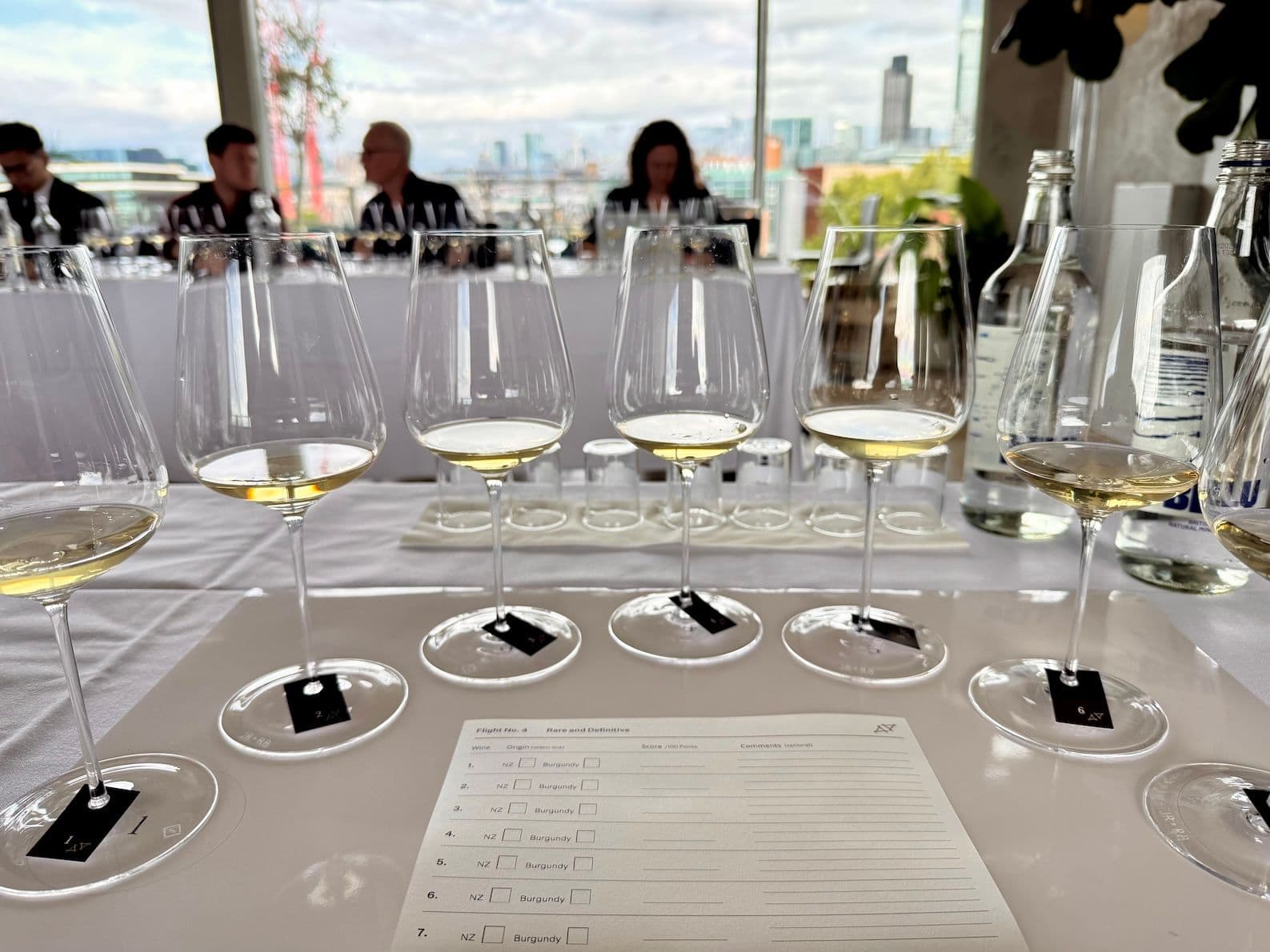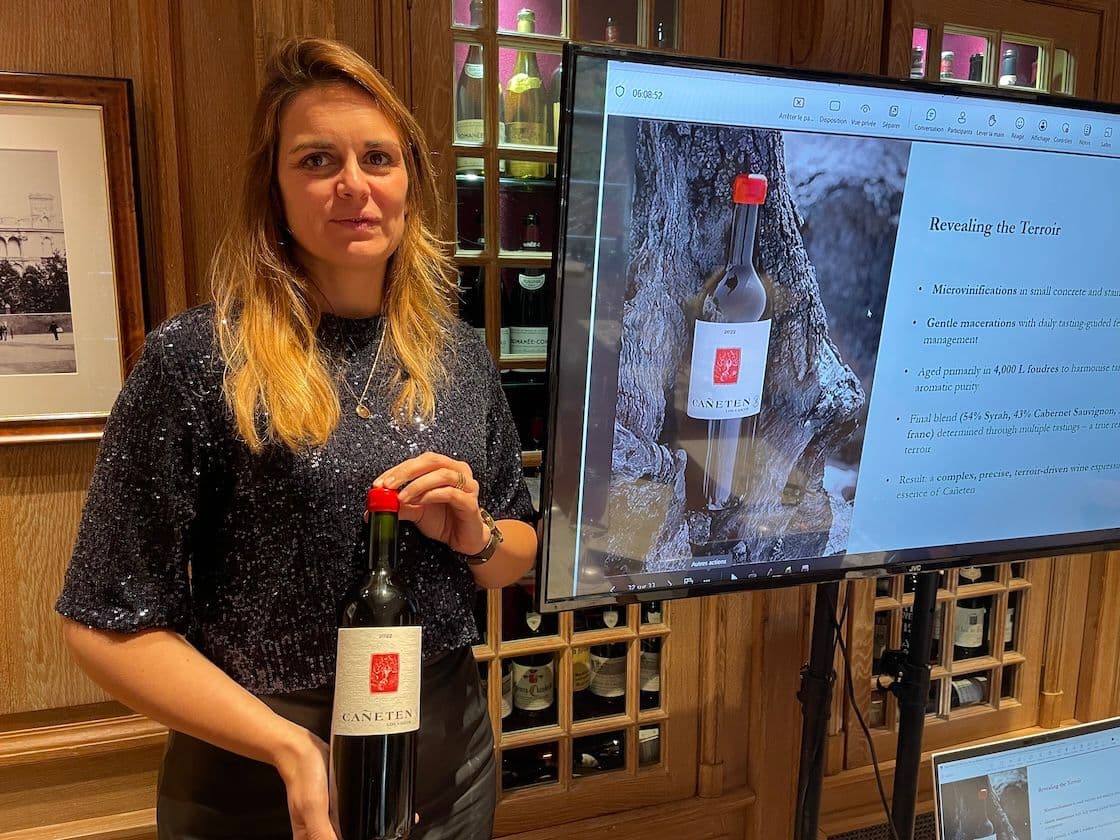

The Spanish may have introduced winemaking to Chile, but for the last two hundred years France has had the greatest influence on the country’s wine industry, with Bordeaux varieties such as Cabernet Sauvignon, Merlot and Carménère. So, it’s not altogether surprising that it is a French accent that greet us at London’s 67 Pall Mall to talk us through the latest wines of Los Vascos.
Tiphaine de Rességuier is commercial director Europe for Domaines Barons de Rothschild (Lafite) and explains how Viña Los Vascos fits into the Bordeaux-based producer’s portfolio.
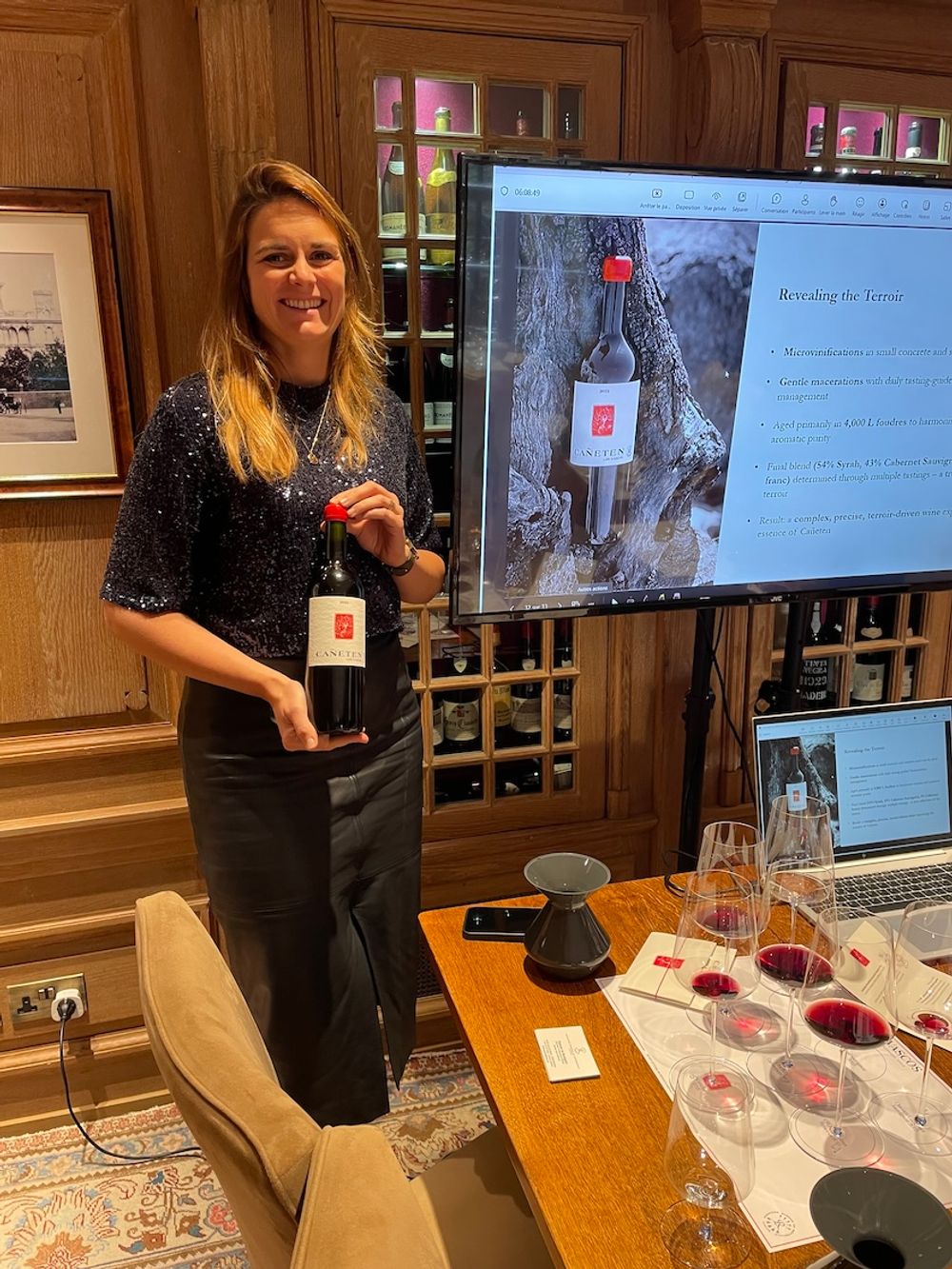
DBR was one of the first European wine producers to 'go big' in Chile – Tiphaine de Rességuier, European commercial director
DBR became one of the first European producer to ‘go big’ in Chile with the acquisition of Los Vascos in 1988. (Confusingly, “Los Vascos” means “the Basques”, reflecting the lineage of the family that originally created it nearly three centuries ago.)
Los Vascos is located in Colchagua Valley in the central area of Chile. The region, with the foothills of Chile’s coastal range, has established a strong international reputation, particularly for bold reds. The DBR estate now has 580 hectares under vine, producing reds and whites from around £14 a bottle.
DBR is a so-called B-Corporation, certified as values-driven and sustainable. So too is Los Vascos, which has been certified organic for more than a decade.
With its Mediterranean climate and 600mm annual rainfall, Colchagua is fundamentally a red wine region. Typically, the wines are fleshy and opulent with nicely rounded tannins and moderate acidity.
But we open proceedings with two affordable whites. There’s the Chardonnay 2024 and Sauvignon Blanc 2023, both retailing at £14 retail in the UK. The latter is nicely crafted with a crisp finish but heavy on citrus grassiness. By contrast the Chardonnay is a bit of a bargain. This fruit-driven Chardonnay combines aromas of melon with creamy notes of lime.
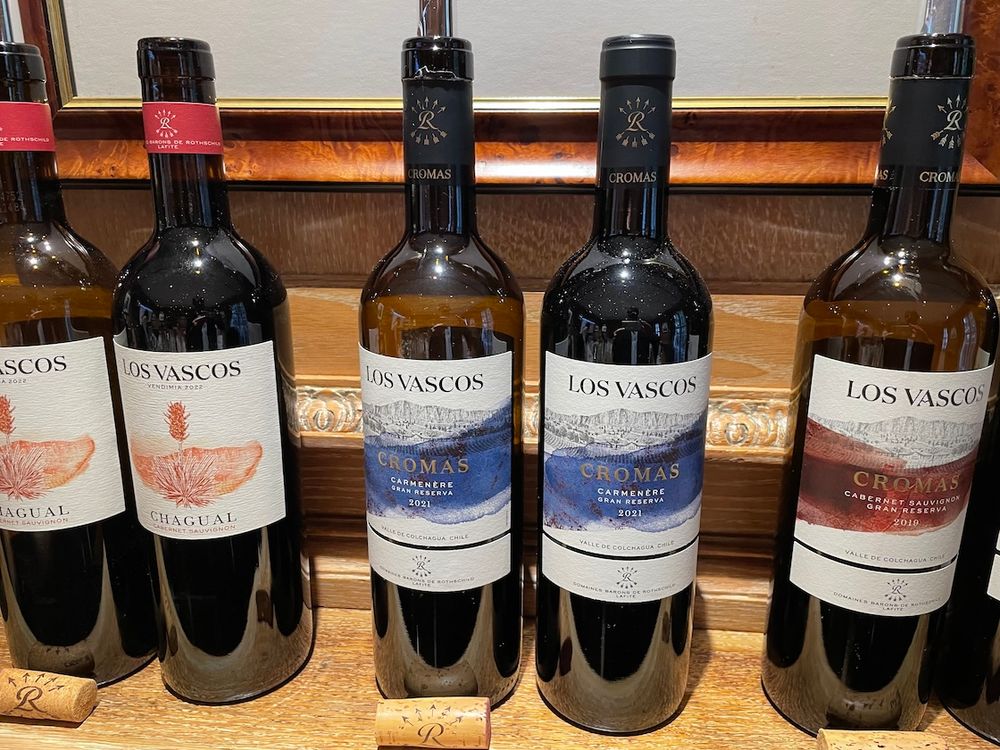
Moving on to the reds you can see how the recent focus on freshness and drinkability has paid off. The Cromas Cabernet Sauvignon Gran Reserva 2019 (ABV 14.5%, £21.50) is Cabernet Sauvignon 88%, Syrah 10%, and Carménère 2%. It’s a good representative of the typical Los Vascos Cabinet Sauvignon. With red currants on the nose, it’s a well-structured and balanced wine. And the Cromas Carménère Gran Reserva 2021 shows off Carménère. Dark, full-bodied and herbaceous Carménère is little planted in its native Bordeaux nowadays but found great success with its move to Chile in the mid-19th century. It was discovered in the1990s that many plantings previously thought to be Merlot, were in fact Carménère. On the palate, the tannins are soft, silky with a pleasant acidity.
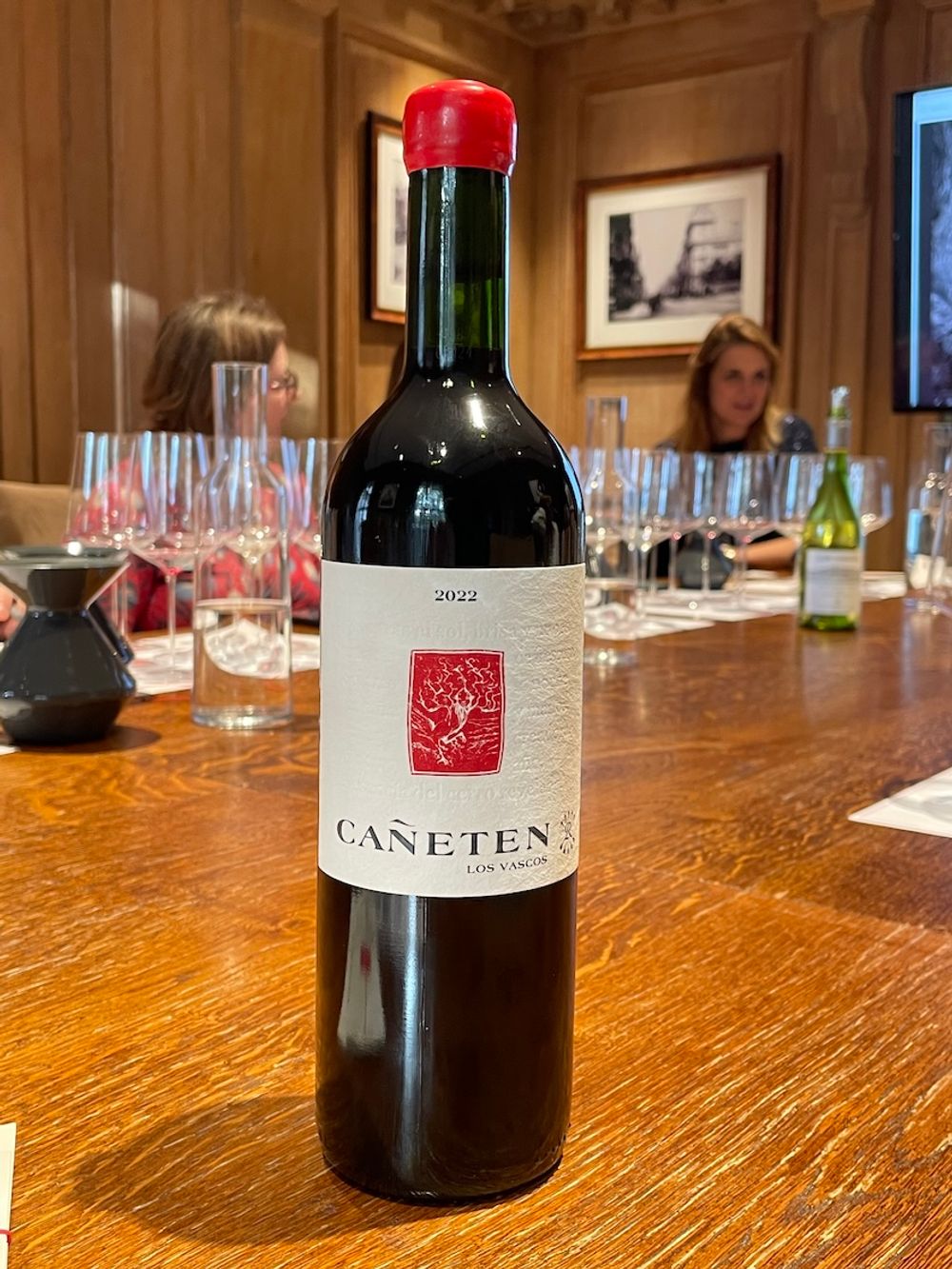
But all of this is a curtain-raiser for the Los Vascos Cañeten 2022 (ABV 14%). This is the iconic new wine, or at least, DBR would like it to be considered one. Described as a “vibrant contemporary wine”, Rességuier’s explains that Cañeten has a deep connection to place. Located 40 km from the Pacific Ocean the wine comes from select plots in La Aguina vineyard with Mount Cañeten (914m) nearby.
The mountain plays a crucial role in regulating the valley’s climate by intercepting moisture from the Pacific Ocean. At night, humid air cools as it rises along the mountain slopes, causing the moisture to condense into fog and low clouds visible in the morning.
Abundant sunshine and wide daily temperature variation allow for good phenolic ripening of the grapes and what DBR calls the “Cañeten effect” – helping to preserve freshness and maintain the aromatic expression of the fruit.
The Cañeten 2022 comprises Syrah 54%, Cabernet Sauvignon 43% and Cabernet Franc 3%. It’s aged primarily in 4,000-litre foudres to ensure a harmonious development of the tannins and to keep oak influence on the aromas and flavours to a minimum.
On the nose, the wine has a good deal of aromatic complexity. On the palate, there is an appealing sequence going from notes of forest fruits like blackberry and raspberry to a second layer of red currants. There’s great balance here with energy and tension and a nice precision to the acidity.
The price of Cañeten 2022? It’s not been decided yet, but around the £100 mark.